What Is Permanent Formwork and How Does It Work?
Understand permanent formwork, how it supports concrete construction, where it is used, its benefits, limitations, installation risks and…


A sunny patio, balcony or backyard can be a great place to relax until direct heat, glare or neighbouring sightlines make it uncomfortable. Outdoor areas need the right balance of cover, airflow and privacy to feel usable throughout the day.
The best solution depends on how the space is used. A poolside area may need adjustable screening, while a deck or courtyard may benefit from shade above the seating area. Planning around sun direction, wind and access helps create a more comfortable outdoor setting.
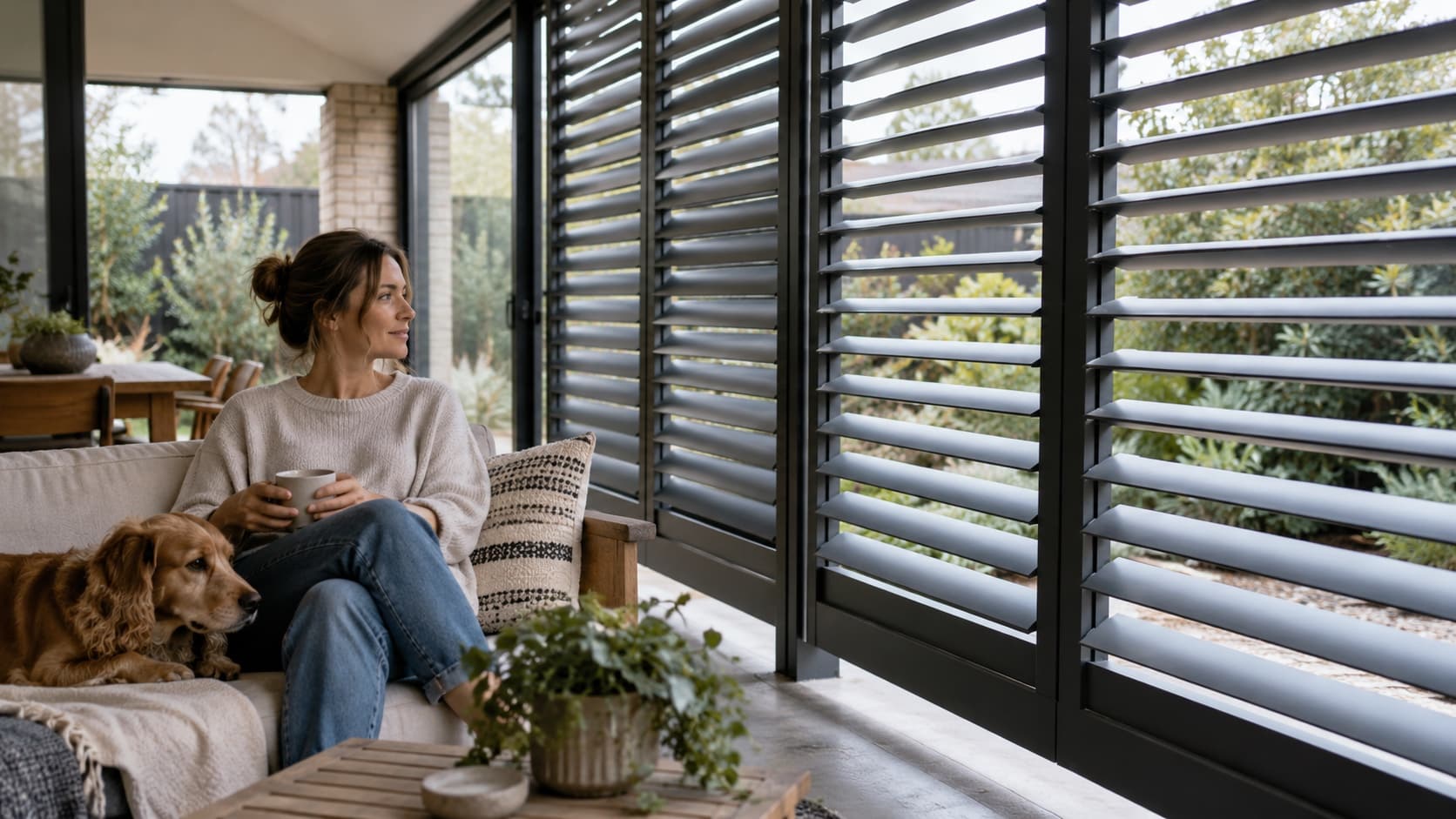
Outdoor shutters can provide shade, privacy and weather protection without fully closing off an area. Their adjustable blades allow you to control views, sunlight and airflow based on the time of day.
External aluminium plantation shutters can suit patios, balconies, verandahs, outdoor kitchens and side areas that feel exposed to neighbours or strong sun. Aluminium is often chosen for exterior settings because it is designed for outdoor conditions and can complement both modern and traditional homes.
The way shutters are positioned affects how the area feels. Open blades can allow air to move through while reducing direct sunlight. Closed shutters can provide more privacy and help protect an outdoor area when it is not in use.
Before choosing shutters, check:
A site measure can help ensure the shutters fit the area properly and operate smoothly.
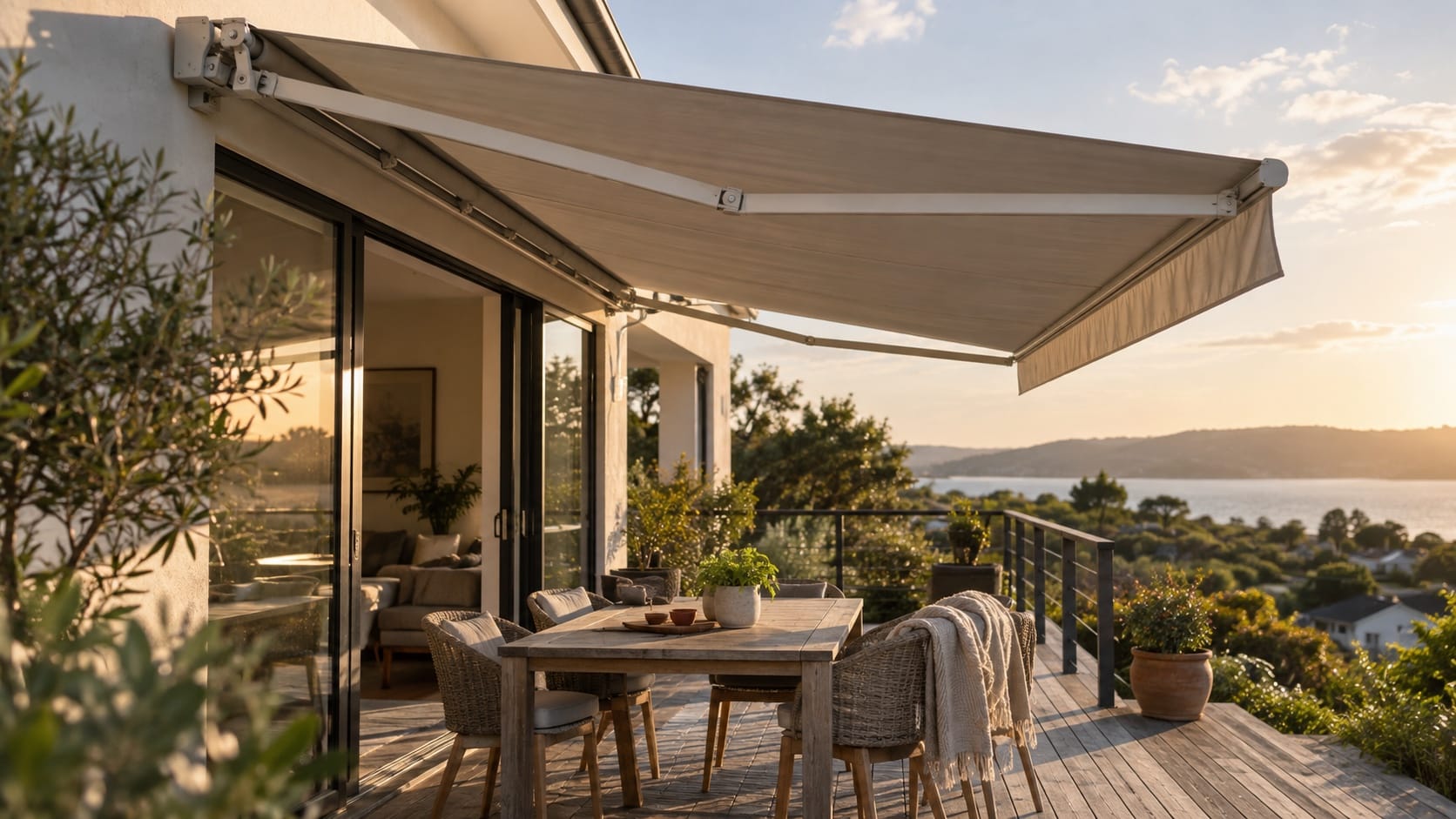
Awnings can provide overhead shade while keeping the sides of an outdoor area open. This can make them useful for patios, decks, courtyards and spaces where you want protection from the sun without adding a fixed roof structure.
Awnings Sydney homeowners choose can offer flexible shade for outdoor seating and dining areas. Folding-arm designs can be extended when needed and retracted when you want more sunlight or an open view.
The best awning position depends on the direction of the sun. West-facing spaces often receive strong afternoon heat, while north-facing areas may need coverage across more of the day. Think about when you use the area most often before deciding on the size and placement.
Awnings work well when they cover the parts of the outdoor area people use most. They can shade a dining table, outdoor lounge or play area without covering the whole backyard.
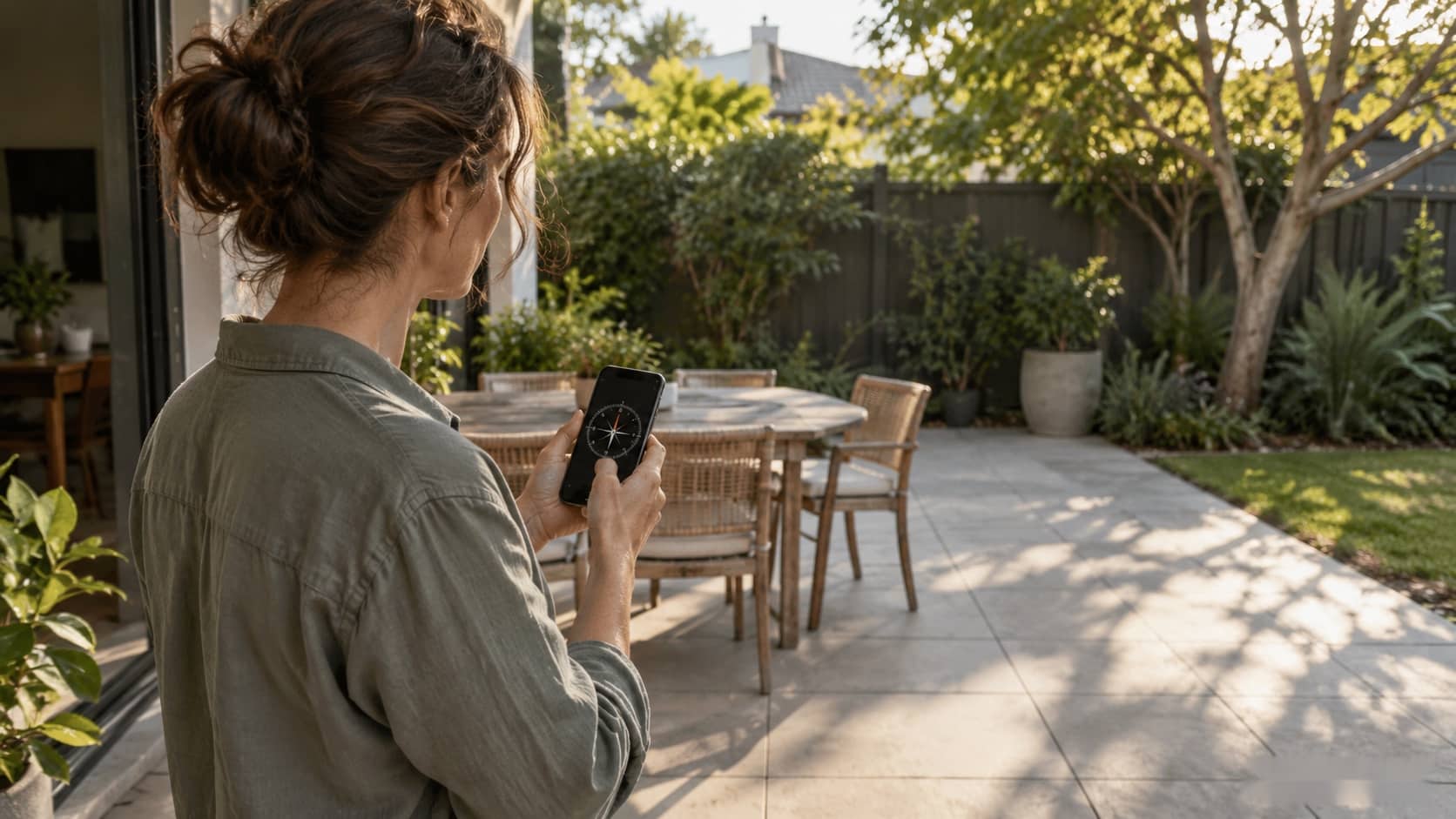
Shade planning works best when you know how sunlight moves across the area. Walk outside at different times of day and notice which parts of the patio, deck or yard become too bright or hot.
A space that receives gentle morning sun may experience strong heat later in the day. Nearby buildings, fences and trees can also change the amount of sunlight that reaches the area across the year.
Consider:
This simple review can help you avoid choosing a product that looks suitable but does not protect the area when it is used most often.
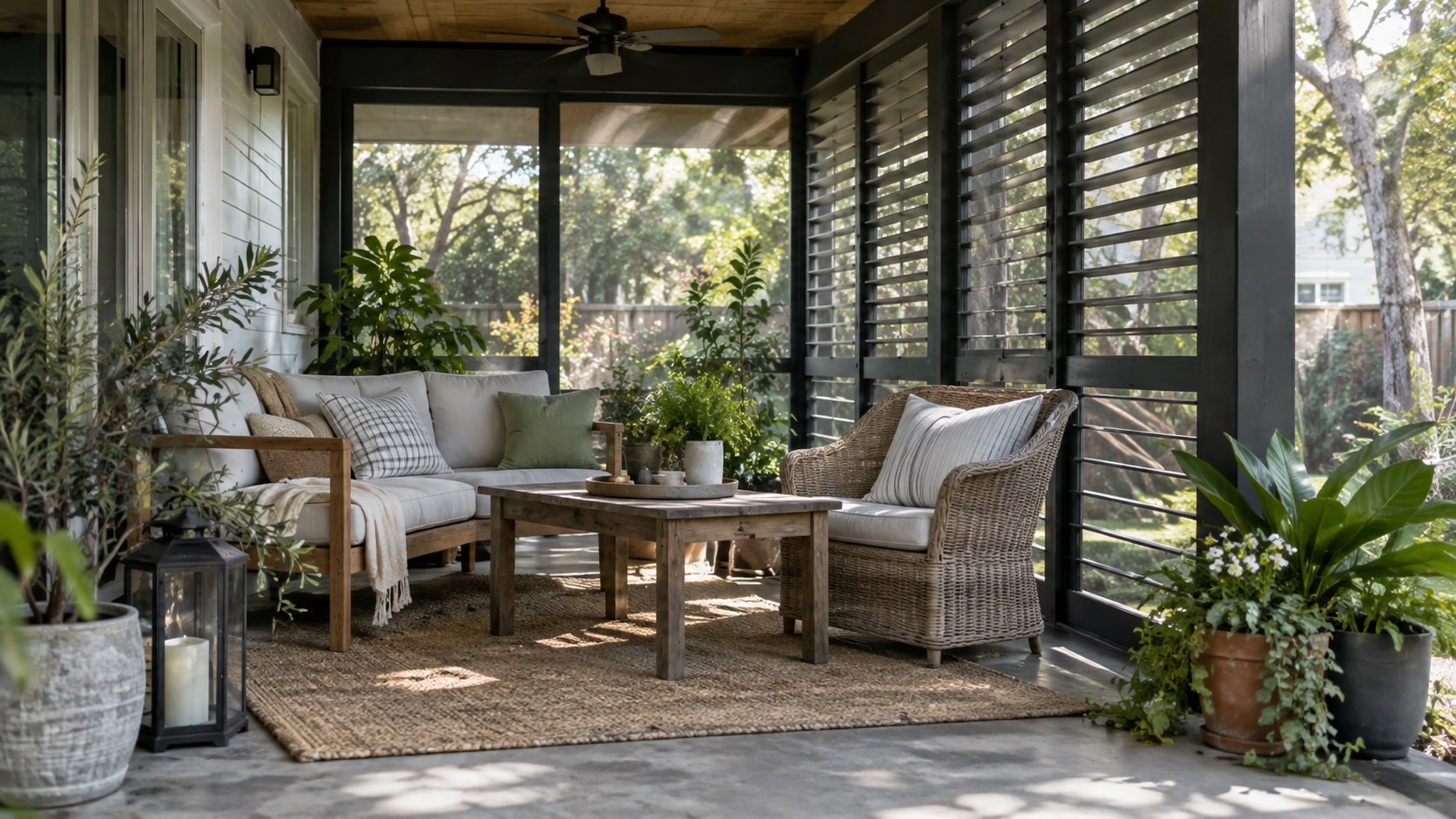
Privacy does not always require solid fencing or full-height walls. In many outdoor areas, adjustable shutters, screens and planting can reduce direct views while allowing light and breezes through.
Start by identifying the exact sightlines that create discomfort. A neighbour may overlook one corner of the deck, while a side path may expose the outdoor dining area. Targeted screening can provide privacy without making the whole space feel enclosed.
Use a combination of features where needed. Shutters can manage views near a patio or balcony, while planting can soften boundaries and add texture around the yard. Screens may suit narrow side areas where a full shutter system is not required.
Keep trees and plants trimmed so they do not block access paths, lighting or drainage. Dense planting can create privacy, but it should remain easy to maintain.
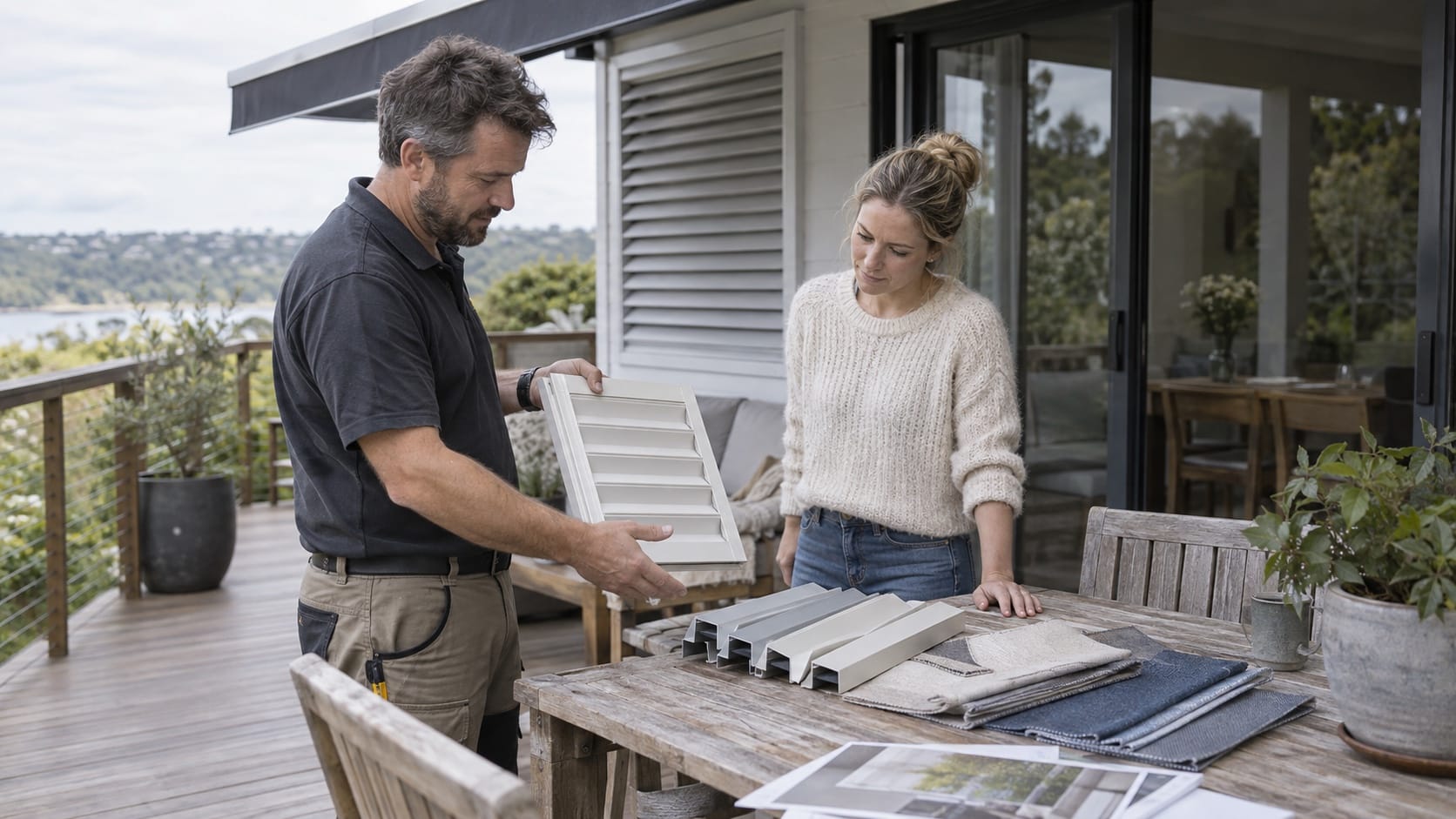
External shutters and awnings serve different purposes. Shutters are useful when privacy and adjustable side protection are the main priorities. Awnings work well where the biggest issue is overhead sun above a dining or seating area.
Some homes benefit from using both. For example, an awning may shade a west-facing patio while shutters provide privacy along one exposed side. This can create a more flexible outdoor area that responds to different weather conditions.
When deciding between options, think about:
Avoid choosing solely based on a product photo. The layout, exposure and surrounding structures can affect how well a shade or privacy solution performs.
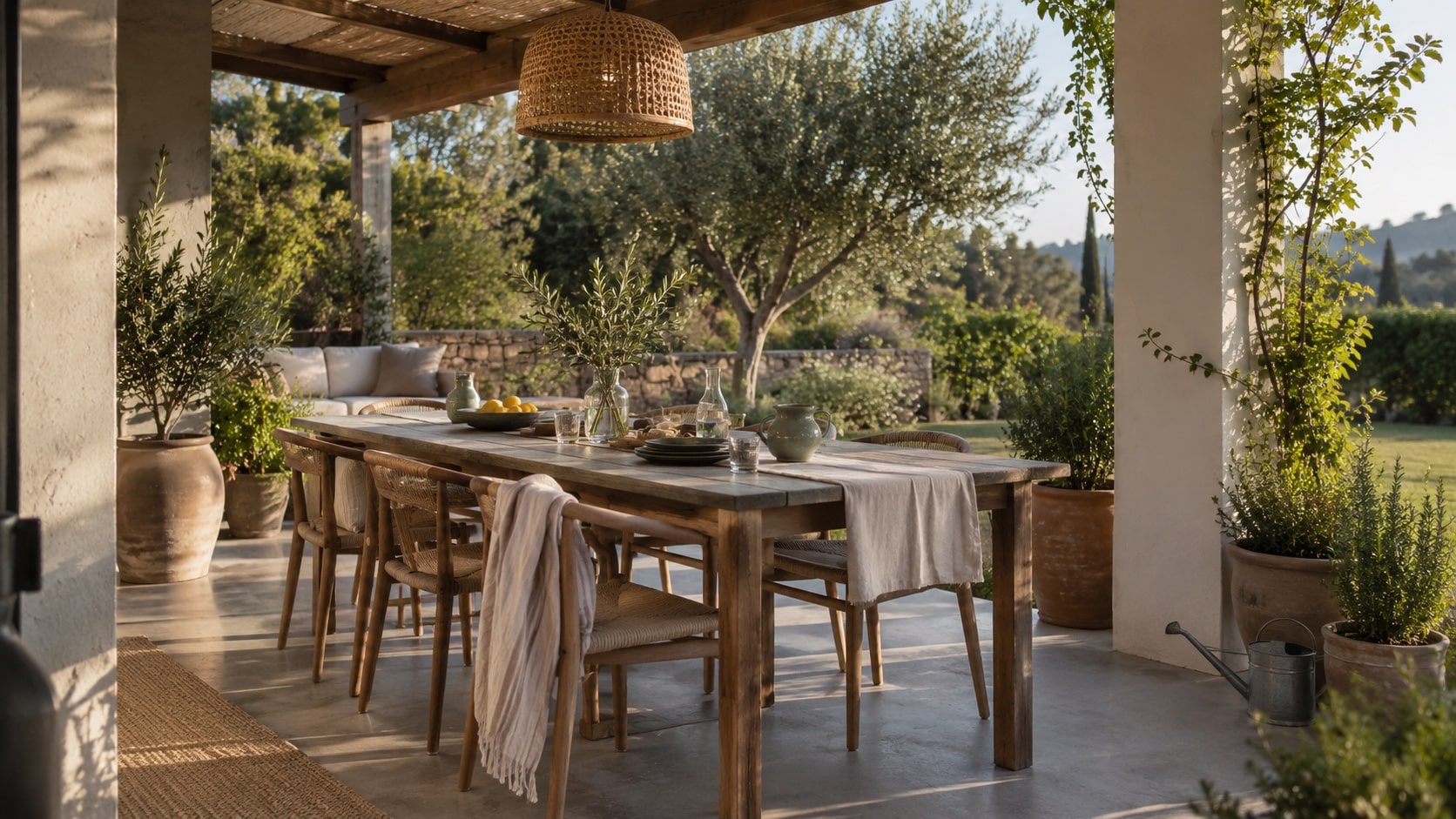
Shade and privacy are most useful when they support the way you spend time outdoors. Place your dining table, lounge setting or barbecue where the space has suitable cover and easy access from the home.
Keep clear paths around furniture and avoid positioning seating where it receives direct glare at the time of day you use it most. A small change in layout can make a large difference to comfort.
For entertaining areas, allow enough room for people to move between the house, cooking zone and seating area. If you use outdoor furniture seasonally, select pieces that can be moved or stored easily.
Outdoor cushions, rugs and accessories can add comfort, but choose materials suited to outdoor use and protect them during severe weather.
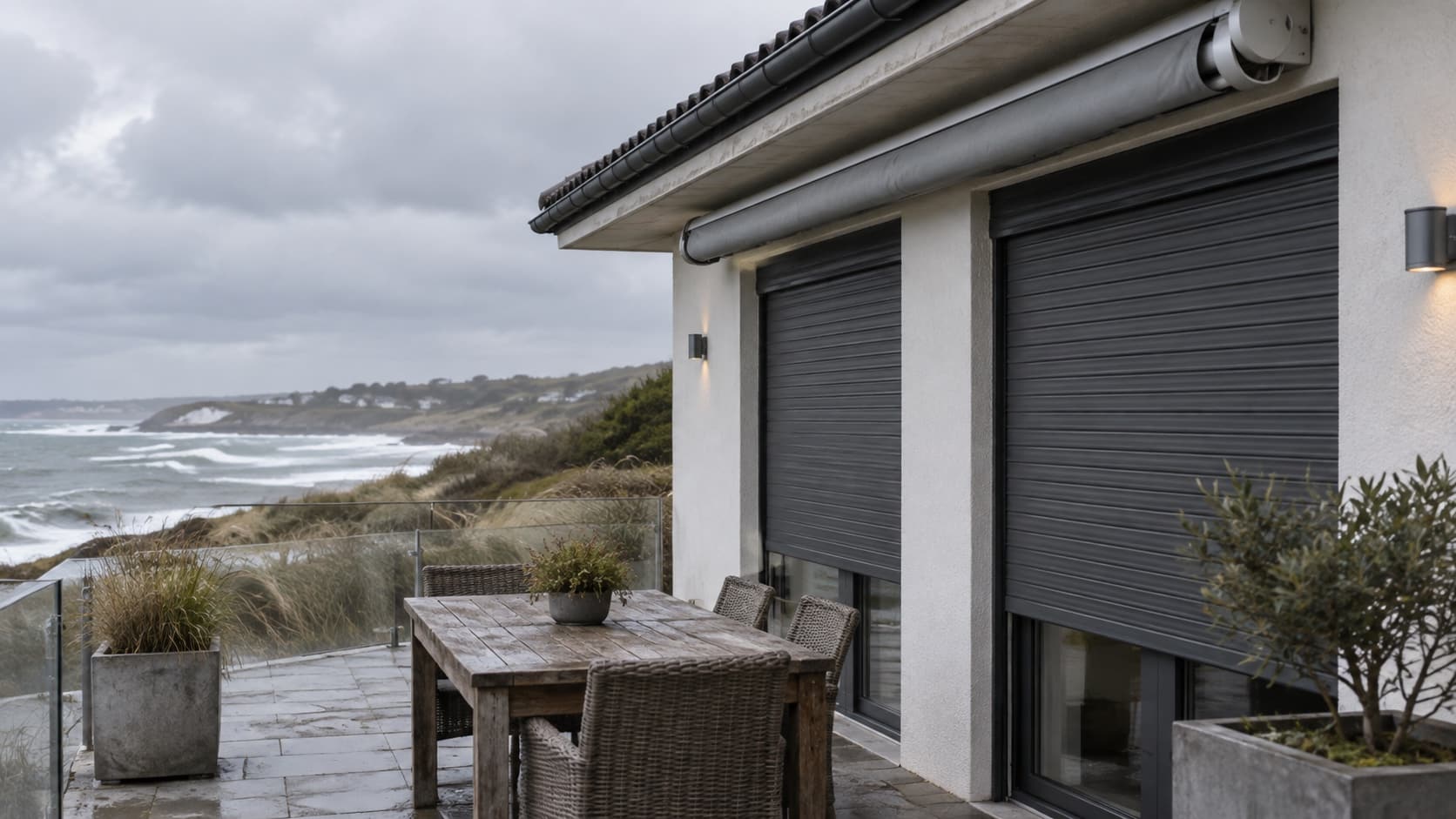
Sun is only one part of outdoor comfort. Wind can make a covered patio feel unpleasant, while driving rain may reach areas that seem protected from above.
External shutters can help reduce wind exposure when positioned on the side of the outdoor area that receives the strongest gusts. Awnings may provide shade from overhead sun, but they may need to be retracted in certain weather conditions.
Follow the manufacturer’s operating advice for any outdoor shade product. Retract awnings when weather conditions make it unsafe to leave them extended, and check shutters, frames and fixings after strong storms.
Good drainage is also important. Clear leaves and debris from gutters, drains and channels around the outdoor area so water can move away from the home and paved surfaces.
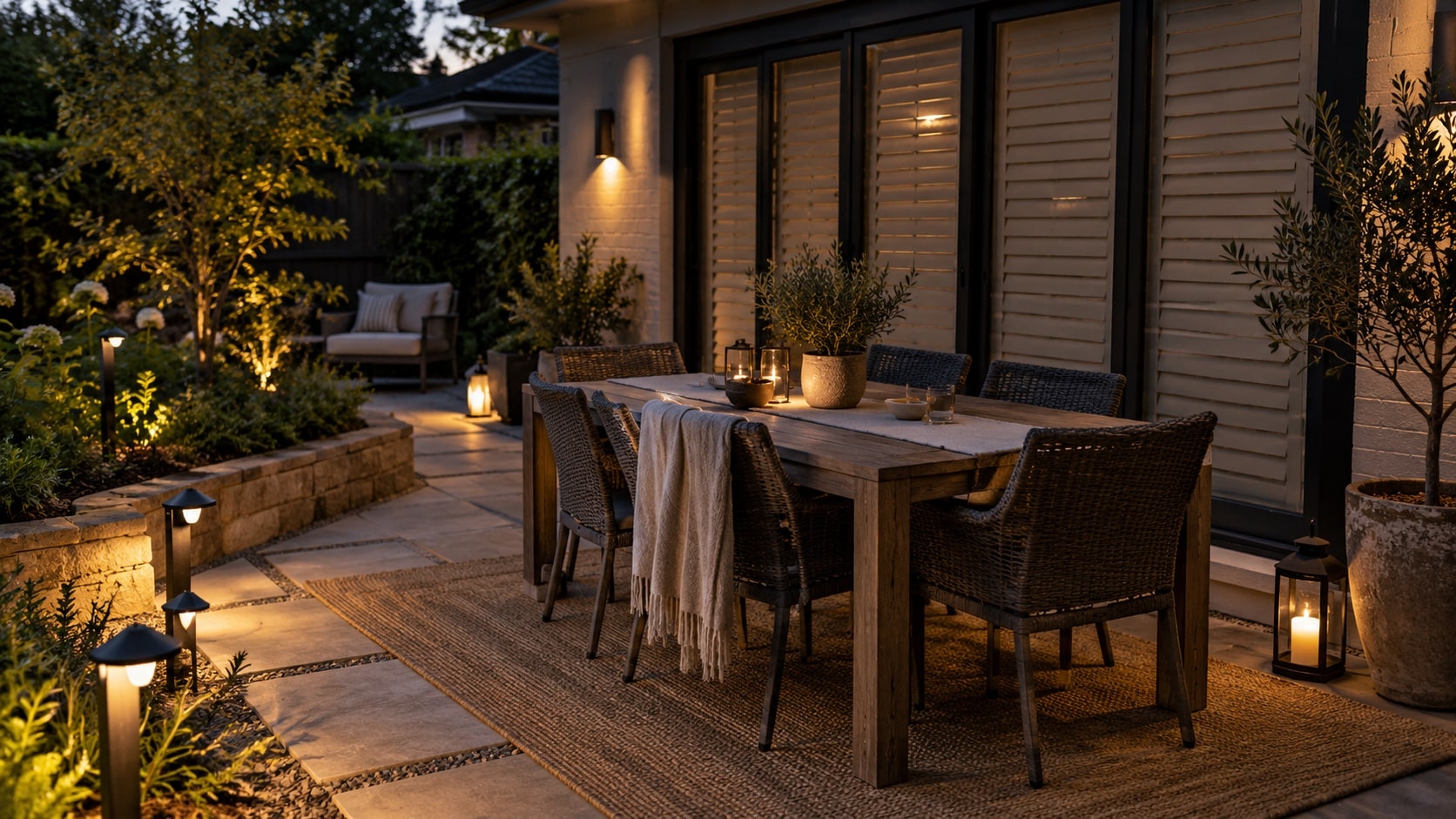
Lighting can make an outdoor area feel welcoming after sunset, but it should be planned with privacy in mind. Bright indoor lights behind uncovered windows can make it easy for others to see into the home, while poorly placed outdoor lights can create glare.
Use softer lighting near seating areas and brighter task lighting near steps, pathways and cooking spaces. This allows people to move safely without flooding the whole yard with harsh light.
Close shutters or adjust awnings and screens as the evening changes. This can help manage privacy while keeping the outdoor area comfortable for dining or relaxing.
Fixed outdoor lighting should be installed by a qualified electrician using products suitable for the location.
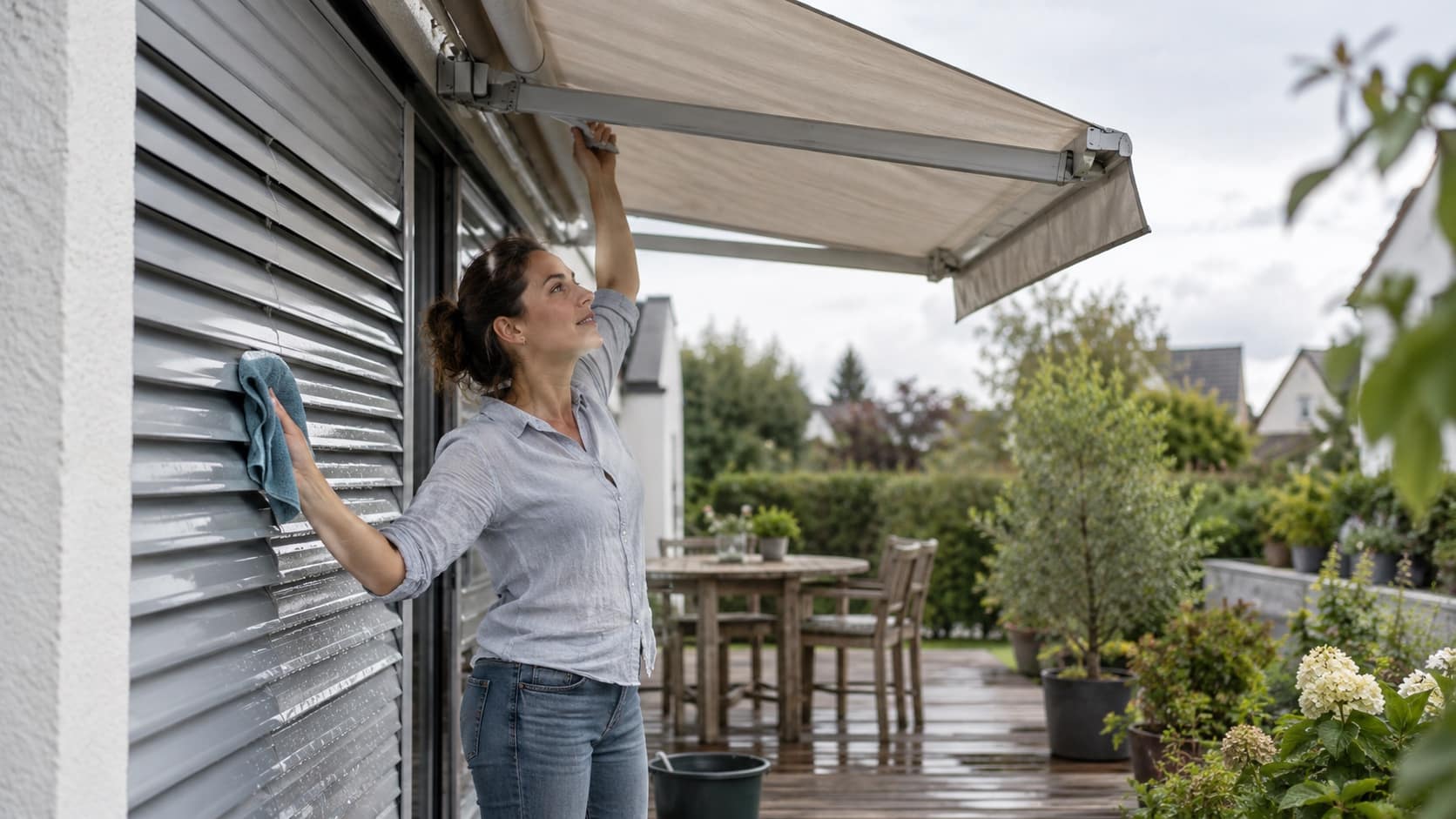
Regular care helps outdoor shutters and awnings look good and operate properly. Dust, leaves, salt air and weather exposure can build up over time, especially around moving parts and brackets.
Clean surfaces using suitable methods for the material and keep tracks, frames and surrounding drainage areas clear. Avoid forcing shutters or awnings if they become difficult to operate.
Check for loose fittings, unusual noises, damaged fabric or changes in how the product opens and closes. Arrange repairs early to help protect the system and maintain safe operation.
The right combination of shade and privacy can make an outdoor space more comfortable, practical and inviting. External shutters can provide adjustable control over sun, views and airflow, while awnings can create flexible overhead shade where it is needed most.
Speak with Shutters Australia about outdoor shutter and awning options for your home. A tailored design can help you create a patio, balcony or backyard that feels private and comfortable throughout the year.
External aluminium plantation shutters can suit patios because they provide adjustable privacy, shade and airflow. They can be positioned to reduce direct sun or block views from neighbouring homes while keeping the outdoor area open when needed. The best design depends on the size of the patio, exposure to weather, access requirements and the existing structure supporting the shutters.
External aluminium plantation shutters can reduce direct sunlight by adjusting the louvre blades to change the angle of light entering the area. Closing the blades provides stronger shade and privacy, while opening them allows more daylight and air through. This makes them useful for patios, balconies and outdoor living areas that receive strong sun during parts of the day.
External aluminium plantation shutters can improve privacy by limiting views into outdoor areas from neighbours, streets or adjoining properties. Their adjustable blades allow you to manage sightlines without fully closing off the space. They can be useful around patios, balconies, pool areas and outdoor dining zones where you want more privacy while still maintaining airflow and access to natural light.
Clean external aluminium plantation shutters by removing loose dust and debris with a soft brush or cloth, then washing the surface with mild soapy water. Rinse gently and dry where needed to prevent marks. Avoid abrasive pads and harsh cleaners that may damage the finish. Clear leaves from tracks and around frames so shutters continue to operate smoothly.
External aluminium plantation shutters are designed for outdoor use, but their performance depends on product quality, installation and the conditions at the property. Exposure to strong winds, rain, salt air and direct sun can affect maintenance needs. Follow the manufacturer’s operating and care instructions, check the shutters after severe weather and arrange repairs if you notice loose components or damage.