5 Japanese Decor Concepts to Refine Your Home’s Ambiance
Facebook Twitter Pinterest Japanese decor offers a unique blend of simplicity, elegance, and tranquility that can elevate any space. By…


Window furnishings shape how a room feels from morning to night. They affect natural light, privacy, temperature and the overall look of the space. The right choice should suit your home’s style while making everyday routines easier.
A successful window treatment does not need to be complicated. It should provide the privacy you need, allow you to manage light comfortably and work with the furniture, colours and layout of each room.
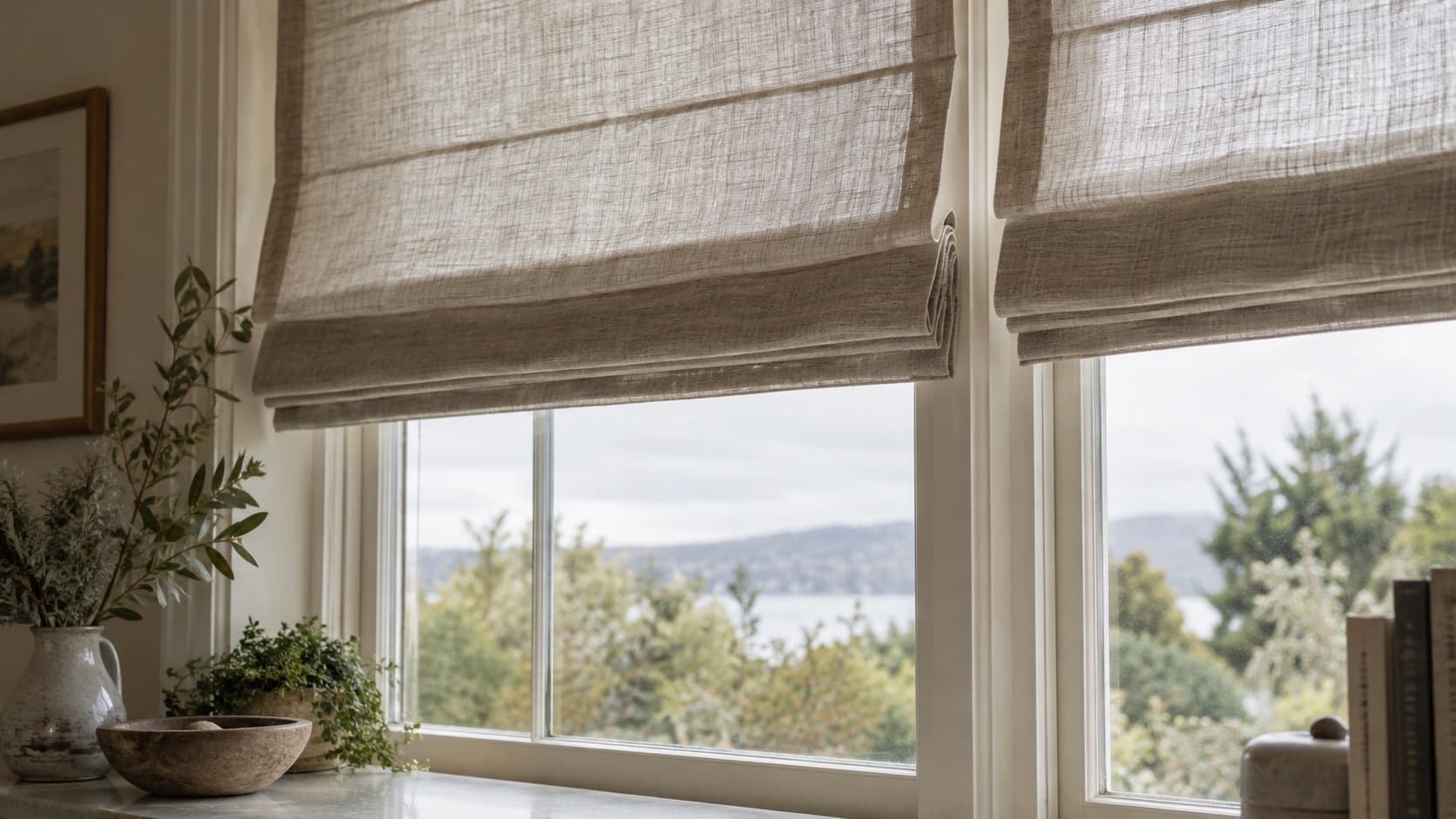
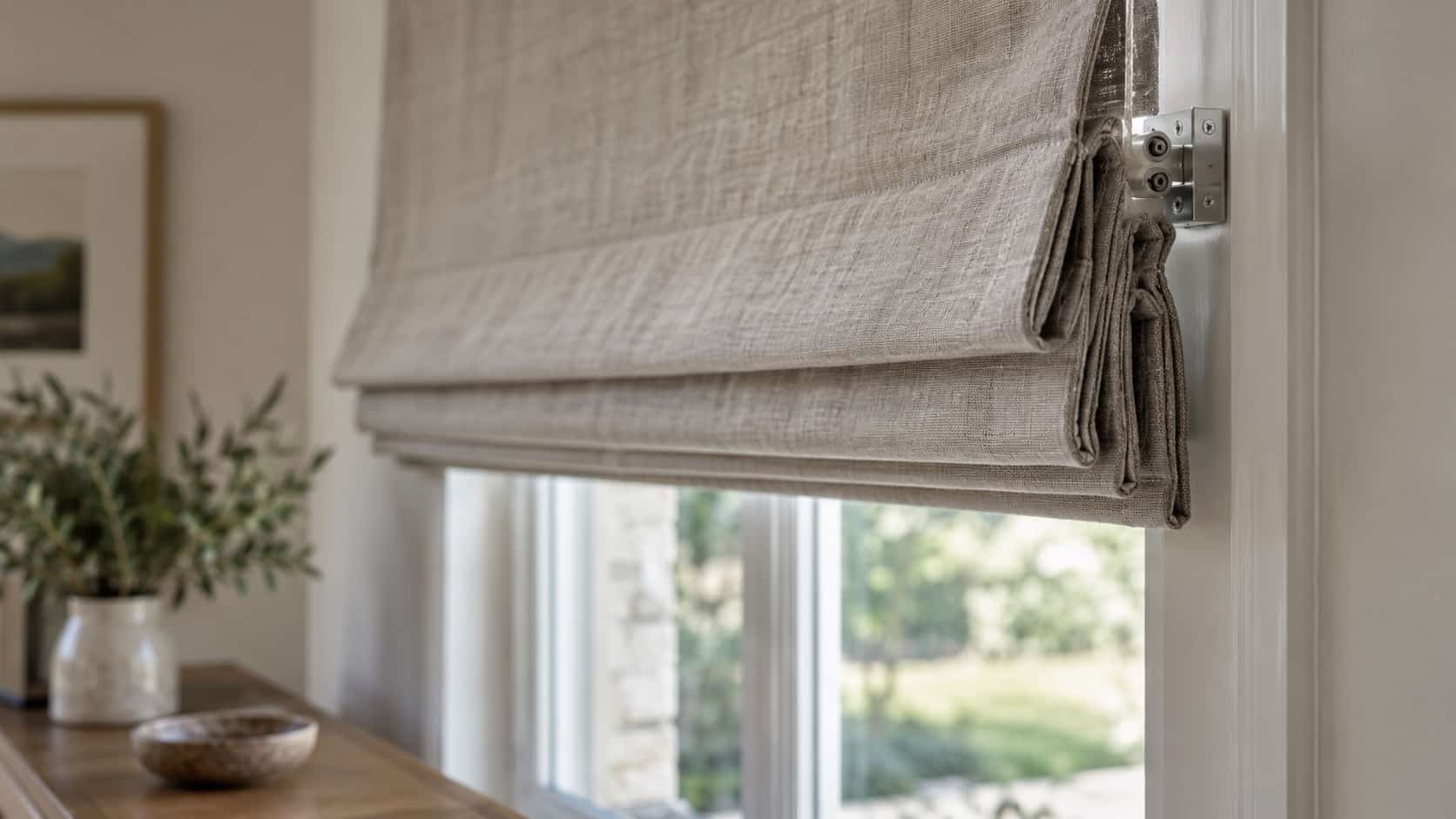
Roman blinds offer a soft, tailored look that can suit bedrooms, living rooms, dining areas and home offices. When raised, the fabric stacks neatly near the top of the window. When lowered, it provides coverage across the glass.
Roman blinds Sydney homeowners choose can be made to suit different interior styles, from relaxed and casual rooms to more formal spaces. Fabric choice has a strong effect on the finished look, so think about colour, texture, pattern and how much light control the room needs.
A lighter fabric may help keep a room bright while still softening direct sunlight. A more substantial material can provide greater privacy and may suit bedrooms or rooms facing busy streets.
Before choosing Roman blinds, think about:
A made-to-measure blind can provide a neater fit than an off-the-shelf option, especially for large windows, narrow spaces or windows with unusual proportions.
Privacy needs differ across the home. A front-facing lounge room may need daytime screening from people passing outside, while a bedroom may need more coverage after dark. Bathrooms and home offices may also need stronger privacy solutions.
Start by looking at each room from outside. Check what can be seen from the street, neighbouring homes and nearby paths. This helps you choose window furnishings that provide privacy where it is needed without blocking more light than necessary.
Motorised curtains can be useful in rooms with large windows, high ceilings or hard-to-reach tracks. They can make it easier to open and close window coverings at different times of day, particularly when you want to manage privacy quickly.
Layering window treatments can also improve flexibility. For example, a Roman blind may provide a decorative finish and everyday light control, while curtains can add more coverage in the evening. The right combination depends on how the room is used and the level of privacy required.
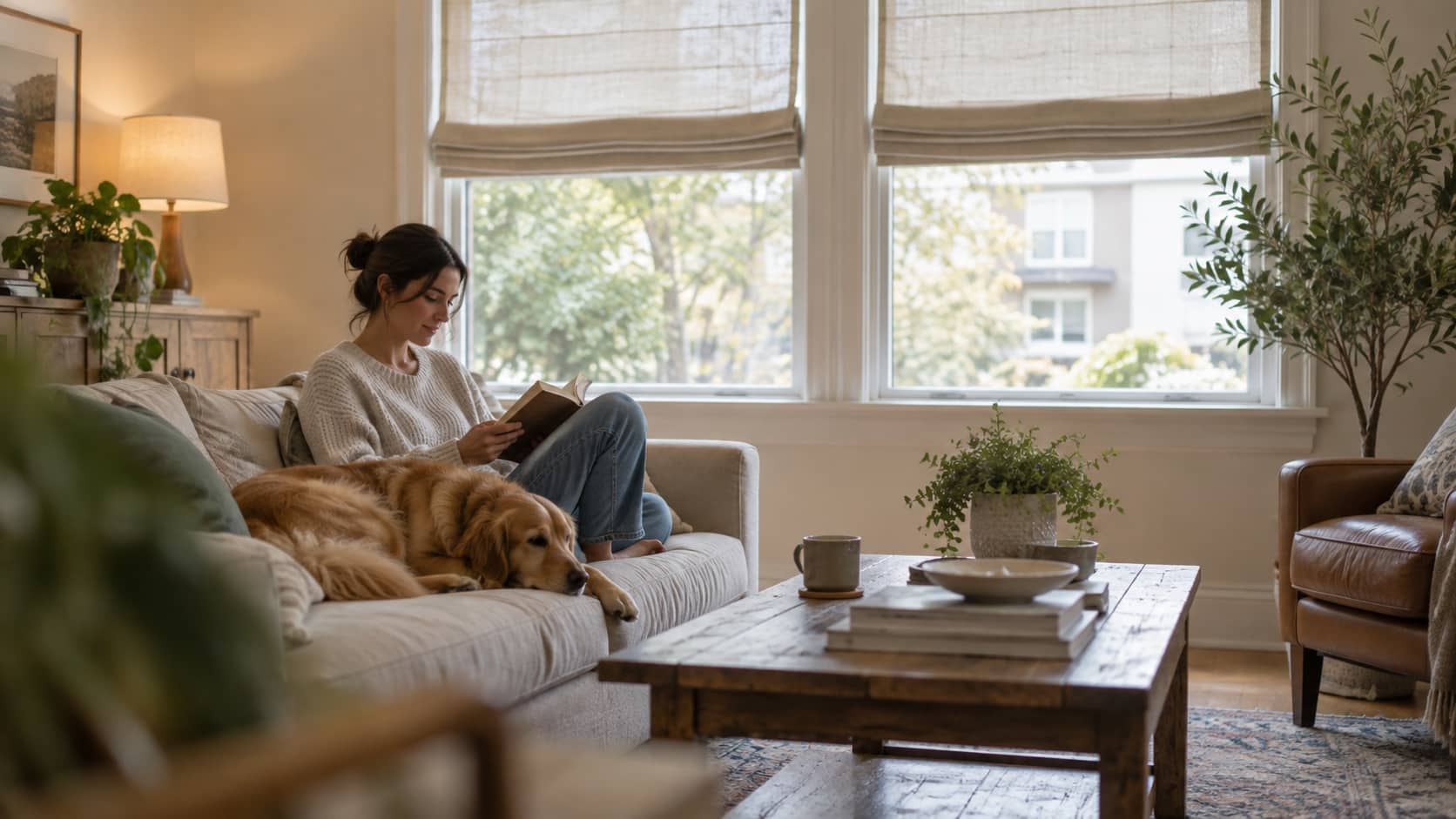
Natural light can make a room feel open and welcoming, but direct sunlight can also create glare, heat and fading on furniture or flooring. The goal is to soften bright light while keeping the room comfortable and usable.
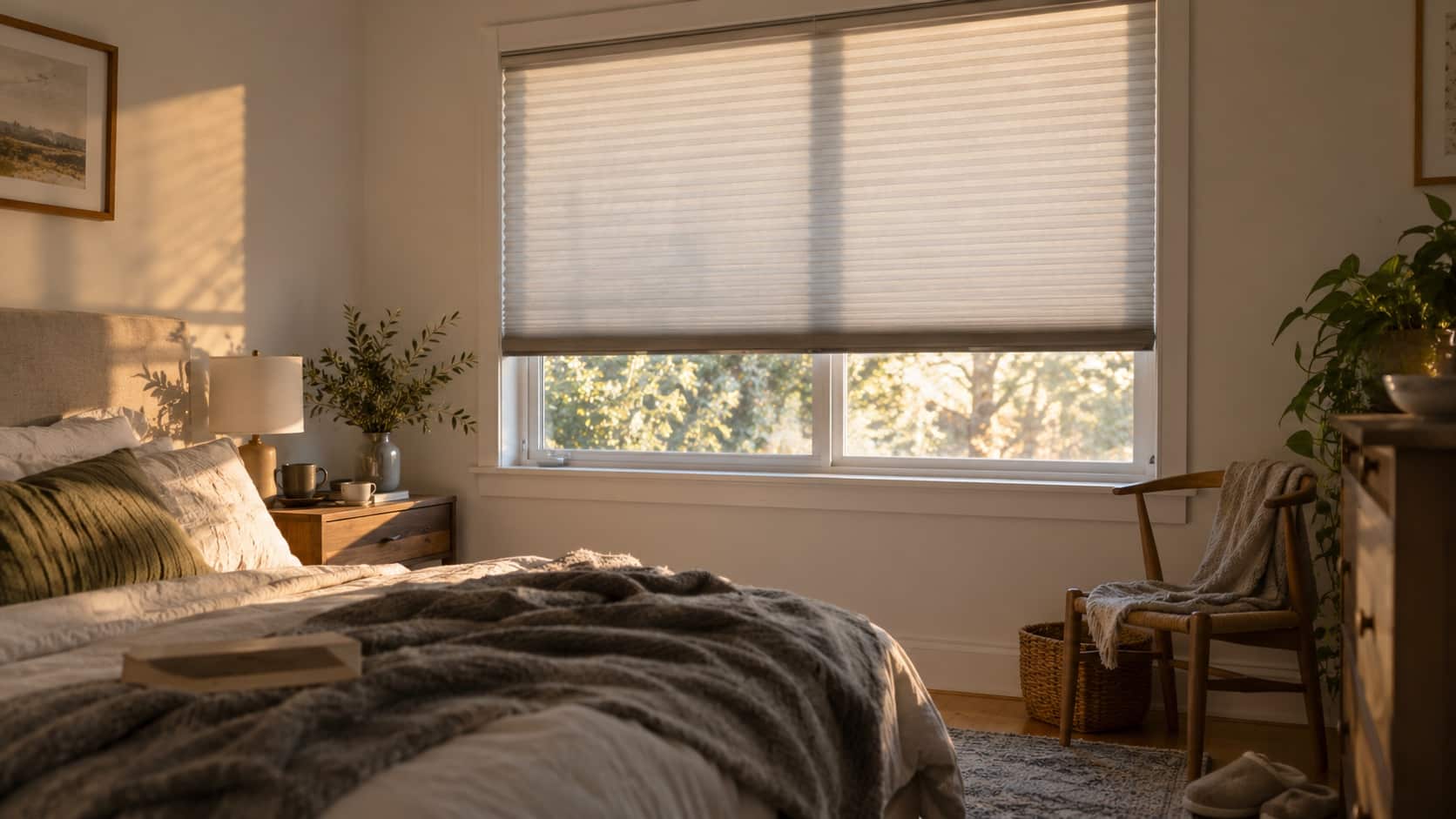
Roman blinds allow you to raise or lower the covering to adjust light through the day. The fabric selected will influence the result. A more open fabric can filter sunlight, while a thicker fabric can reduce light more strongly.
Think about when the room receives the most sun. East-facing rooms may be bright early in the day, while west-facing rooms can experience strong afternoon light. This can help you decide whether the room needs filtering, room darkening or a combination of both.
Avoid choosing a fabric only from a small sample. Ask to see it in the room if possible, as colour and texture can look different in natural light than they do indoors.

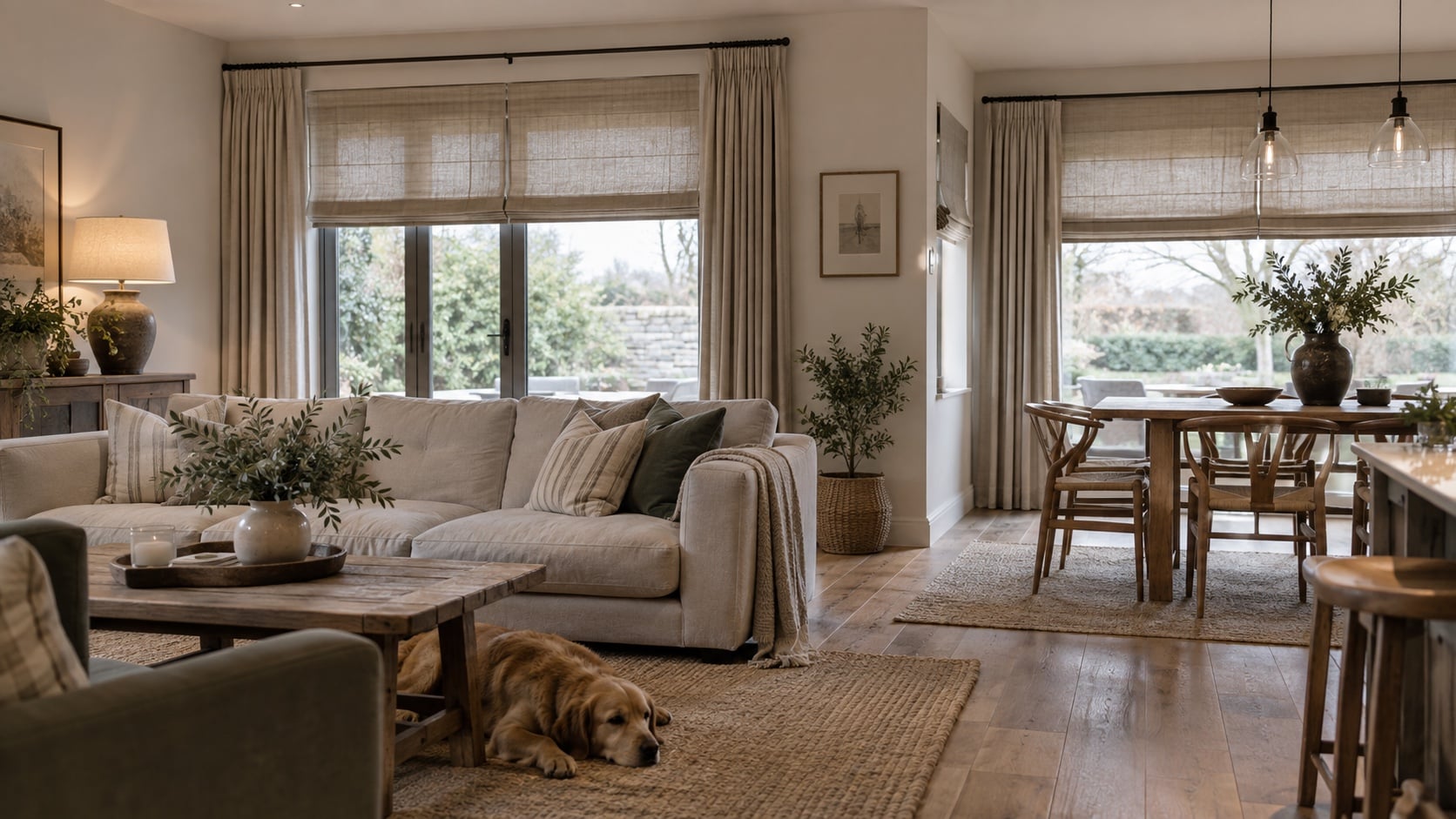
Window furnishings should work with the rest of the room instead of competing with it. Roman blinds can create a clean and finished appearance because they sit close to the window and do not take up much space when raised.
For a calm, neutral room, a textured fabric in a similar tone can add warmth without drawing too much attention. In a more decorative space, a pattern or stronger colour may create a feature around the window.
Consider the visual balance of the room. A large window may suit a simple fabric if there are already bold furnishings nearby. A smaller window may benefit from a more detailed finish to make it feel intentional.
Keep practical needs in mind as well. A fabric that looks beautiful in a formal sitting room may not be the best choice for a busy family area where regular cleaning is needed.
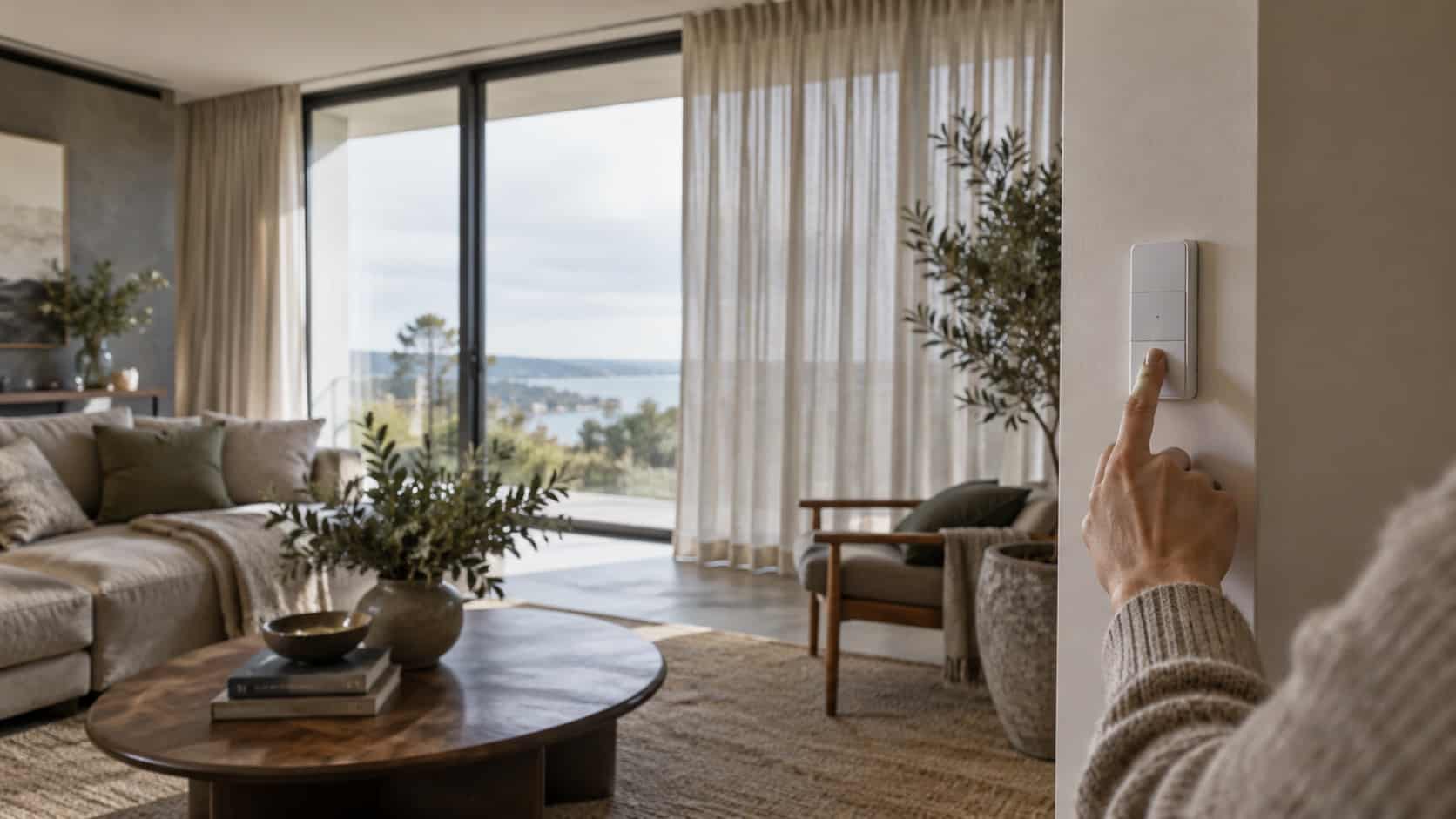
Convenience matters when choosing any window furnishing. If a blind is difficult to reach or operate, it may stay in the same position all day and fail to provide the light control or privacy you wanted.
Think about how the room is used from morning to evening. A bedroom may need simple operation before bed and after waking. A living area may need regular adjustments as the sun moves across the room.
Motorised curtains and blinds can help simplify this routine. They may be useful for large windows, high windows or rooms where several coverings need to be adjusted at once.
If you are choosing a manual option, check that the control method suits the position of the window. Keep cords and chains managed safely, particularly in homes with young children or pets.
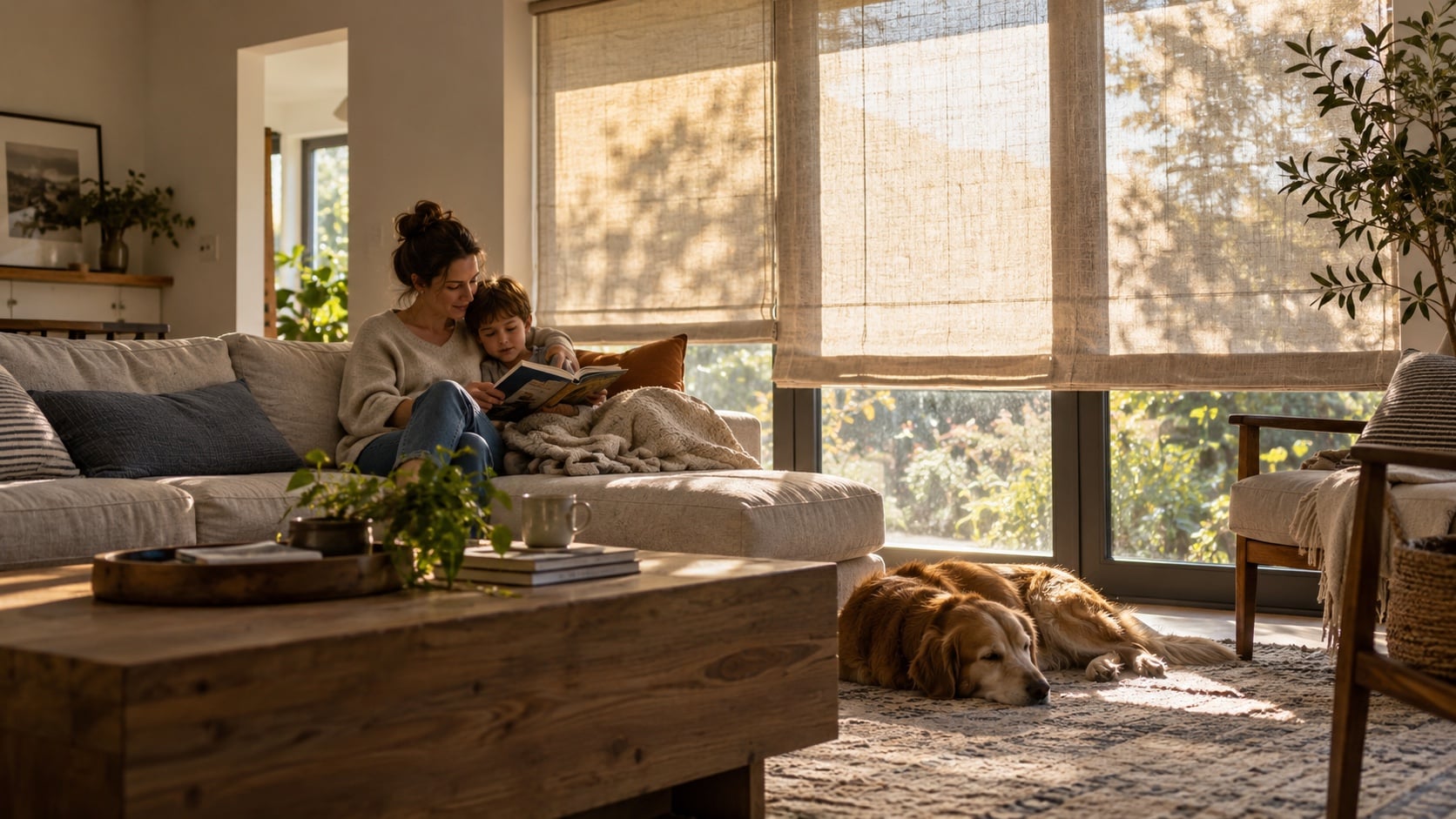
Window furnishings can influence more than the appearance of a room. They can help manage glare, reduce the feeling of direct sunlight and make a space more comfortable for reading, working or watching television.
Bedrooms often benefit from stronger light control, while living areas may need a balance between privacy and daytime brightness. A home office may need a solution that reduces glare on screens without making the room too dark.
Think about the furniture near each window. Sofas, artwork, timber flooring and rugs may be exposed to direct sun during parts of the day. The right blind or curtain can help you manage this exposure while still keeping the room inviting.

Accurate measuring has a major effect on how window furnishings look and operate. A blind that