What Should You Do During an Electrical Emergency?

A burning smell near a power point, repeated power outages or a sudden electric shock can turn a normal day at home into a serious safety issue. Electricity is not always visible, and a fault can become dangerous before there is obvious damage.

Knowing how to respond can help protect people, pets and property. The safest response is often simple: stay clear of the hazard, avoid touching anything that may be live, call emergency services when there is immediate danger, and arrange help from a licensed electrician for electrical faults.

Act Quickly and Call an emergency electrician sydney When It Is Safe

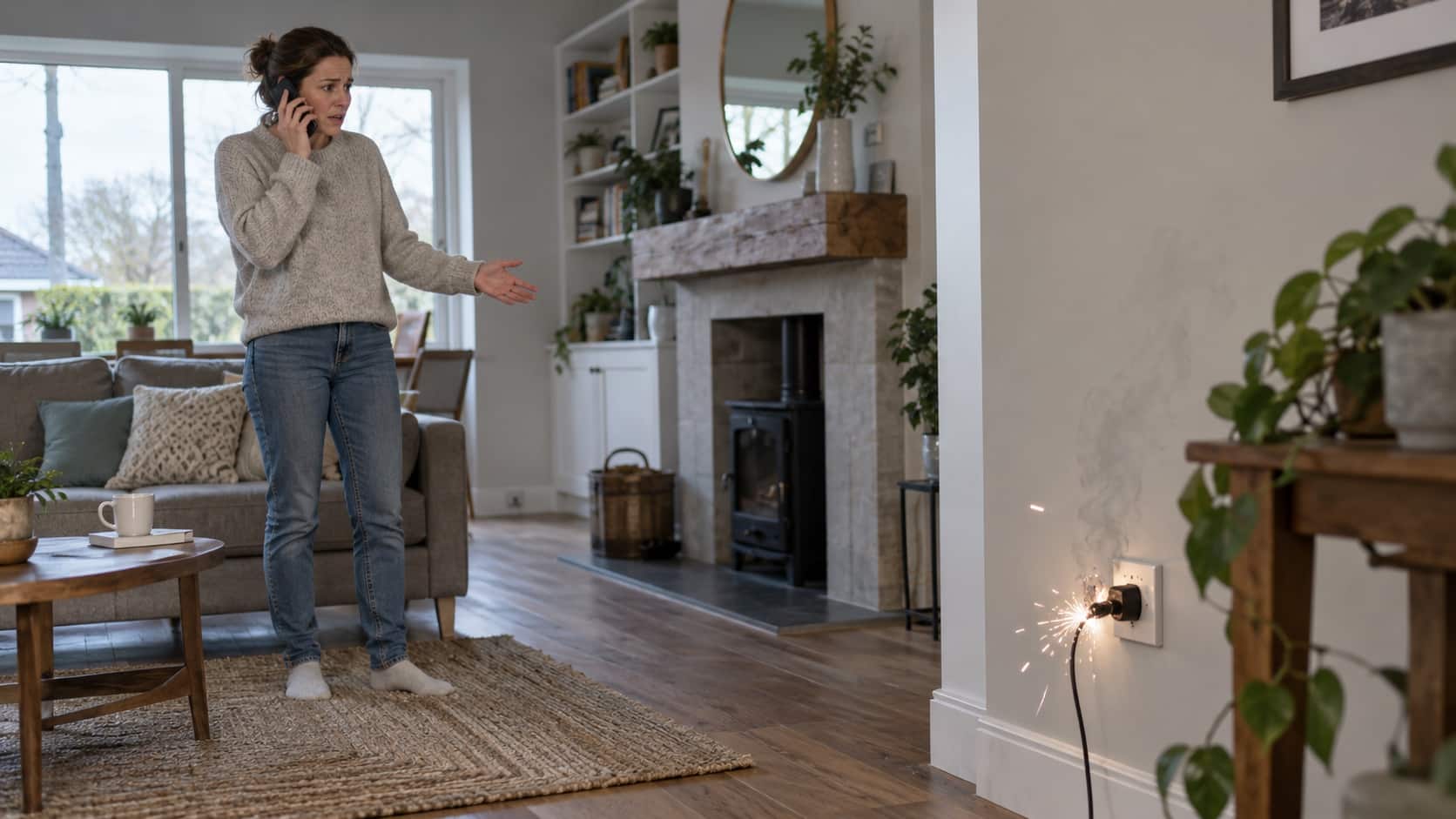
A homeowner standing well back from a sparking wall outlet while calling emergency help, no contact with the hazard

An electrical emergency may involve smoke, sparks, a burning smell, exposed wiring, electric shocks, water near electrical equipment or a total loss of power caused by a fault within the property. Do not attempt to inspect damaged wiring, open a switchboard or repair an electrical problem yourself.

If there is immediate danger to life, a fire or a person receiving an electric shock, call 000. Move people away from the hazard if it is safe to do so. Do not touch a person who is still in contact with electricity. The power must be isolated before anyone can safely assist them. Official electrical-safety guidance advises calling 000 for an electric shock and avoiding contact with the person until the power source is disconnected. Electrical Safety Office guidance

Once the immediate danger has passed, contact an emergency electrician Sydney residents can rely on to identify the cause and make the installation safe. Do not switch a circuit back on repeatedly if it keeps tripping, as this may point to a faulty appliance, overloaded circuit or wiring problem.

Know When a Fault May Point to a Switchboard Issue

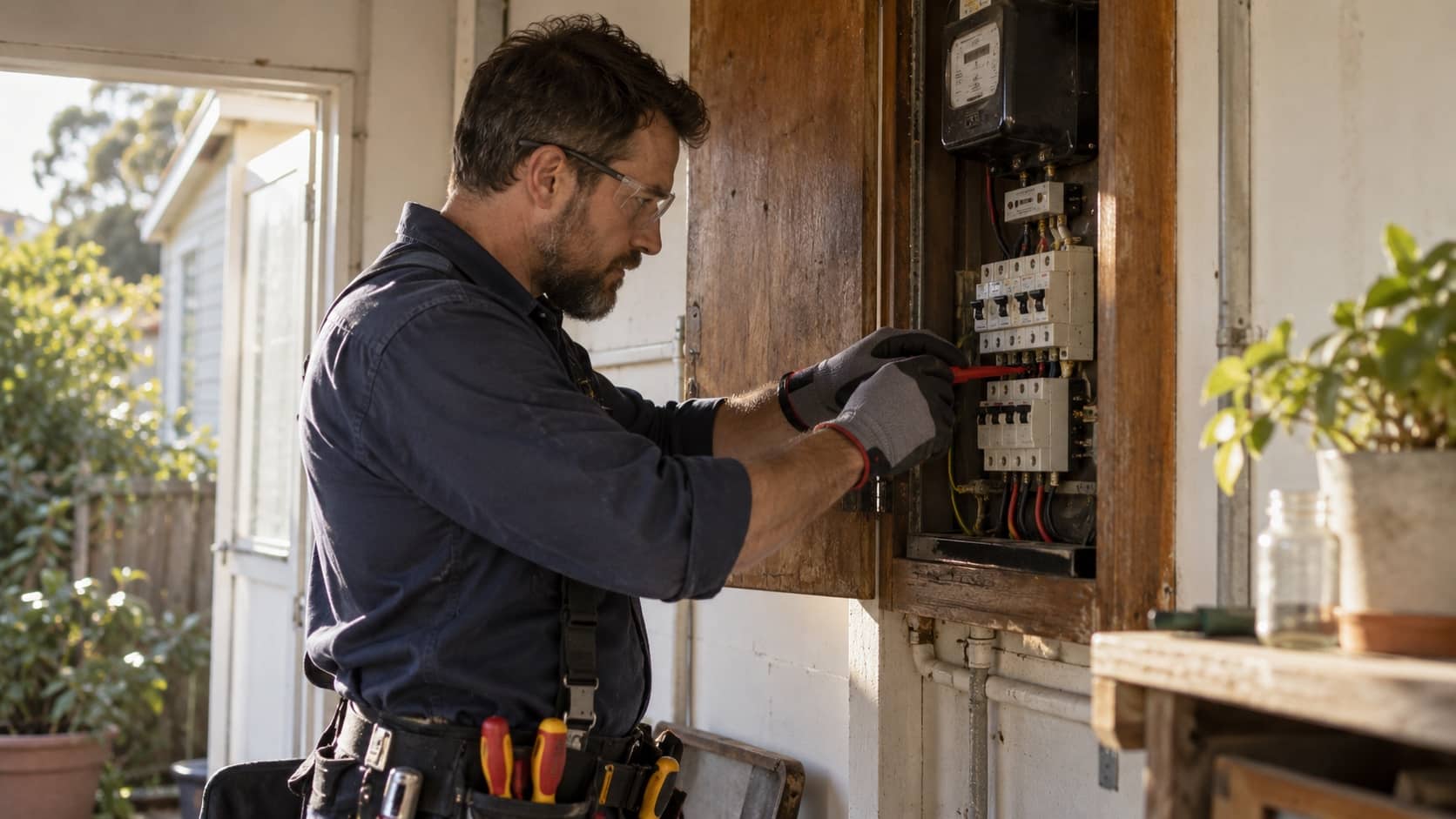
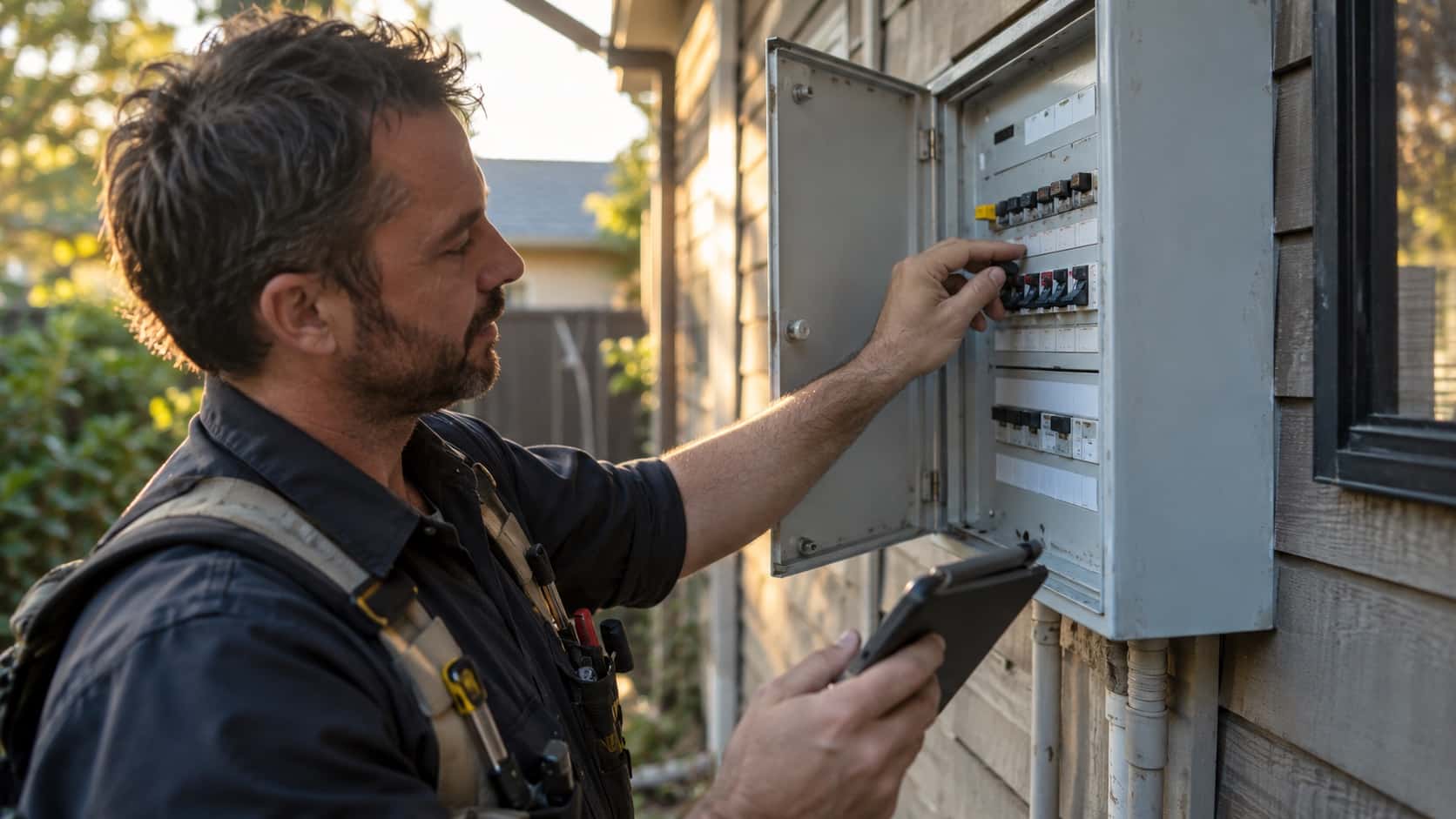
Licensed electrician inspecting an older home switchboard with insulated tools and safety equipment

The switchboard directs power to different circuits throughout your property. It may contain circuit breakers, safety switches and other protective devices. A switchboard that trips frequently, has visible damage or cannot support the electrical needs of the home should be checked by a licensed electrician.

A switchboard upgrade Sydney property owners arrange may be appropriate when an electrician identifies outdated components, insufficient circuit capacity or a lack of suitable protection. An upgrade is not an emergency repair you should attempt yourself. It is planned electrical work that should follow a professional inspection.

Warning signs that need prompt attention include:

  • A burning smell near the switchboard or power points
  • Buzzing, crackling or popping sounds
  • Scorch marks, melted plastic or discolouration
  • Circuit breakers or safety switches that trip repeatedly
  • Lights that flicker or dim when appliances are used
  • A tingle or electric shock from an appliance, tap or metal fitting
  • An overloaded power board or extension lead that feels hot
  • Water leaking near electrical equipment or wiring

Never ignore a tingle or shock, even if it seems minor. Stop using the affected appliance or area and arrange professional help. If a tingle comes from a tap or other metal fitting, avoid contact and seek urgent advice from your electricity distributor or a licensed electrician.

What to Do if Someone Receives an Electric Shock

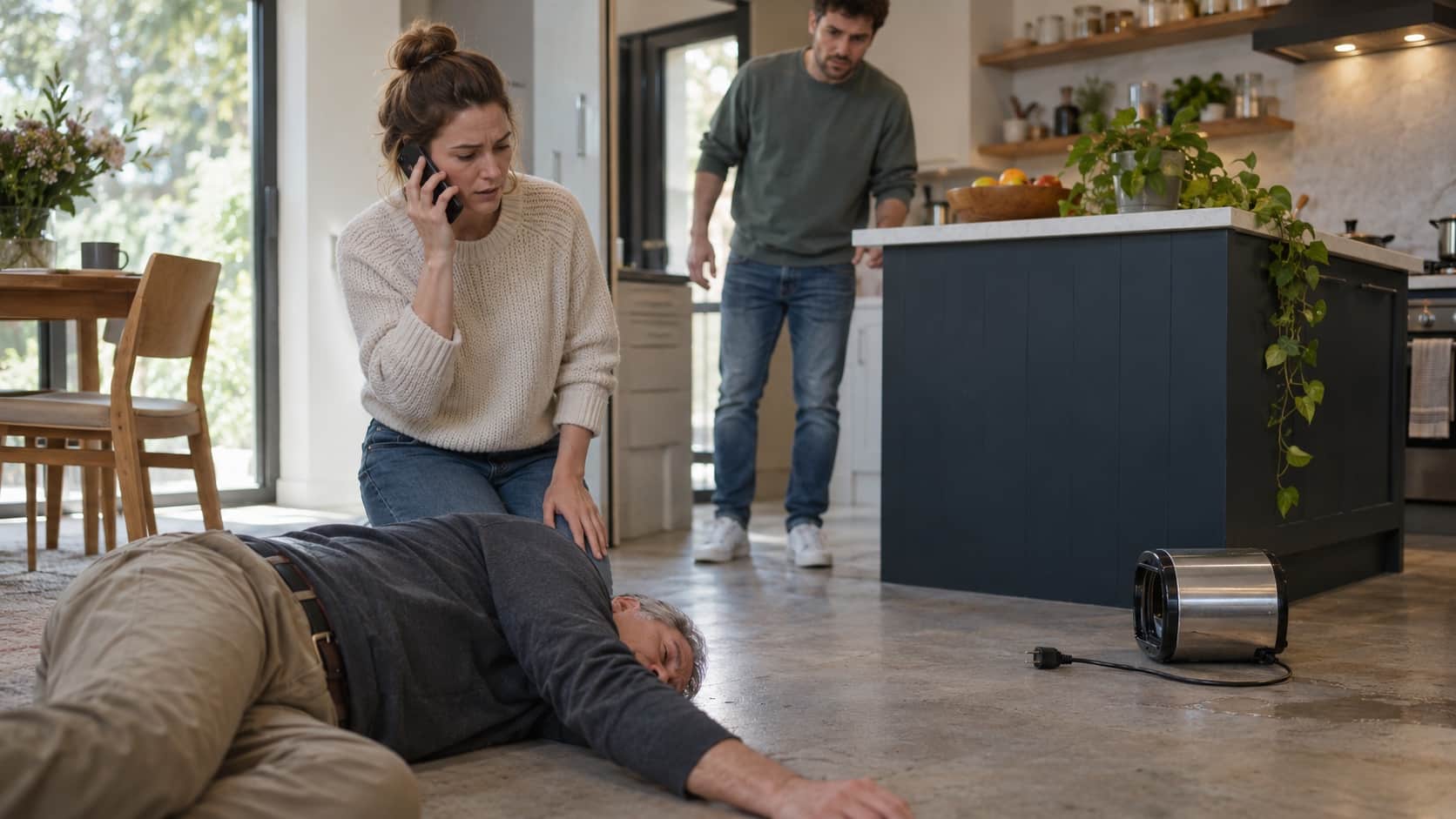
A safe first-aid response scene with one person calling emergency services while everyone stays clear of an unplugged appliance

Do not touch the person if they are still connected to the source of electricity. You may also receive an electric shock if you make contact with them or the surrounding surface.

If it is safe to reach the switchboard without approaching the hazard, turn off the power. Call 000 immediately. Once the power is confirmed off and the person is clear of the source, provide first aid if you are trained and it is safe to do so. Begin CPR if the person is not breathing and follow the directions provided by emergency services.

An electric shock can cause injuries that are not obvious at first. The person should receive medical attention, even if they appear well afterwards. The electrical fault should also be checked before the appliance, circuit or affected area is used again.

What to Do if You See Smoke, Sparks or an Electrical Fire

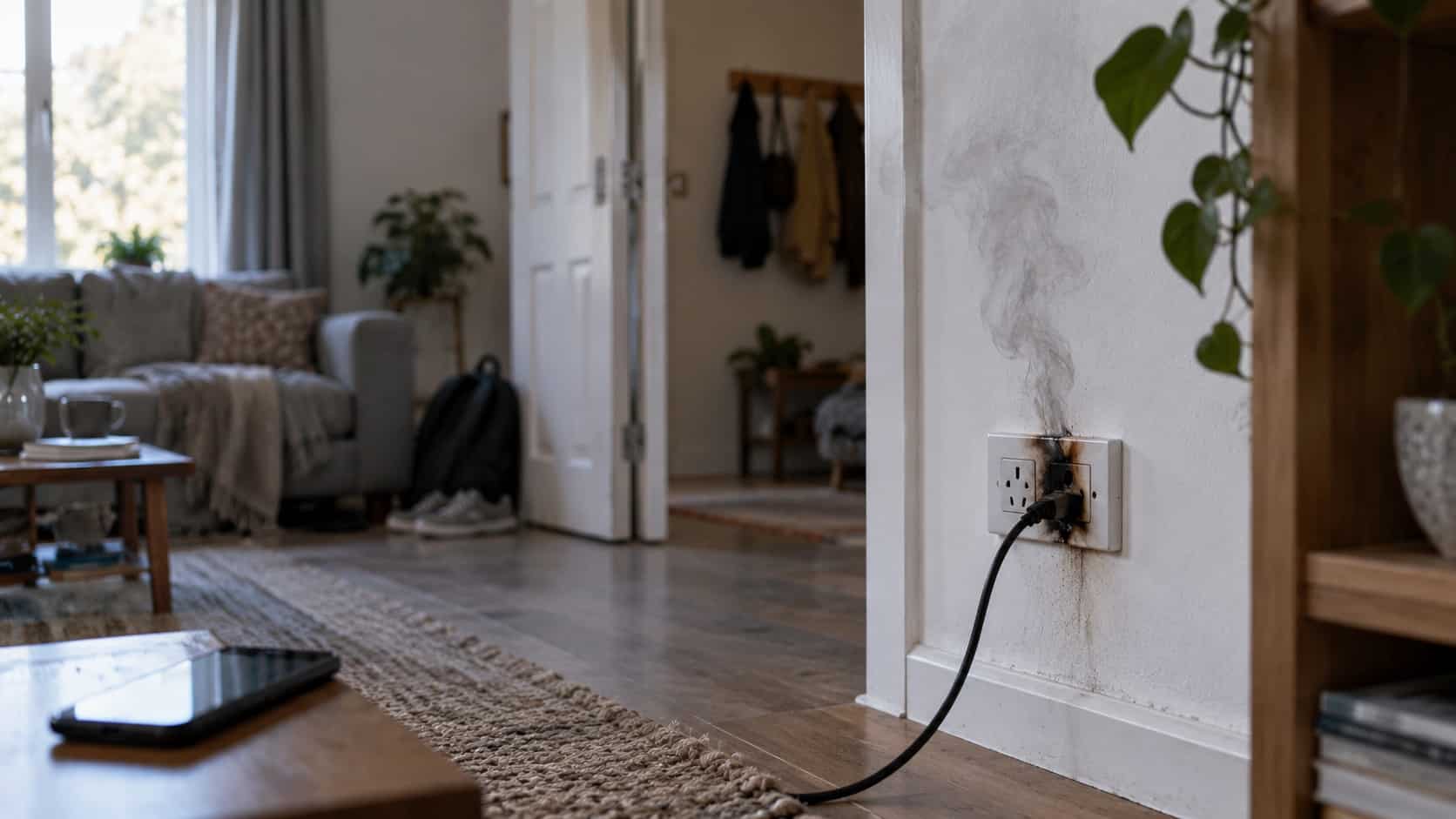
Smoke beginning near a damaged power outlet with the room evacuated and a phone call for emergency services, no person touching equipment

Treat smoke, sparks or a burning smell from electrical equipment as a serious warning sign. If you can safely leave the area, move people and pets away from the hazard and call 000 if there is a fire, smoke or risk of fire.

Do not throw water onto an electrical fire. Water can conduct electricity and increase the risk of shock. Do not return to the area until emergency services advise it is safe, especially if smoke is coming from the switchboard, walls, ceiling or wiring.

If a small appliance begins smoking, do not touch it if there is any chance it is live or damaged. Keep others away from it and isolate power only if you can do so safely. After the incident, a licensed electrician should inspect the relevant circuit and any affected equipment before it is used again.

Stay Away From Fallen Powerlines and Damaged Outdoor Wiring

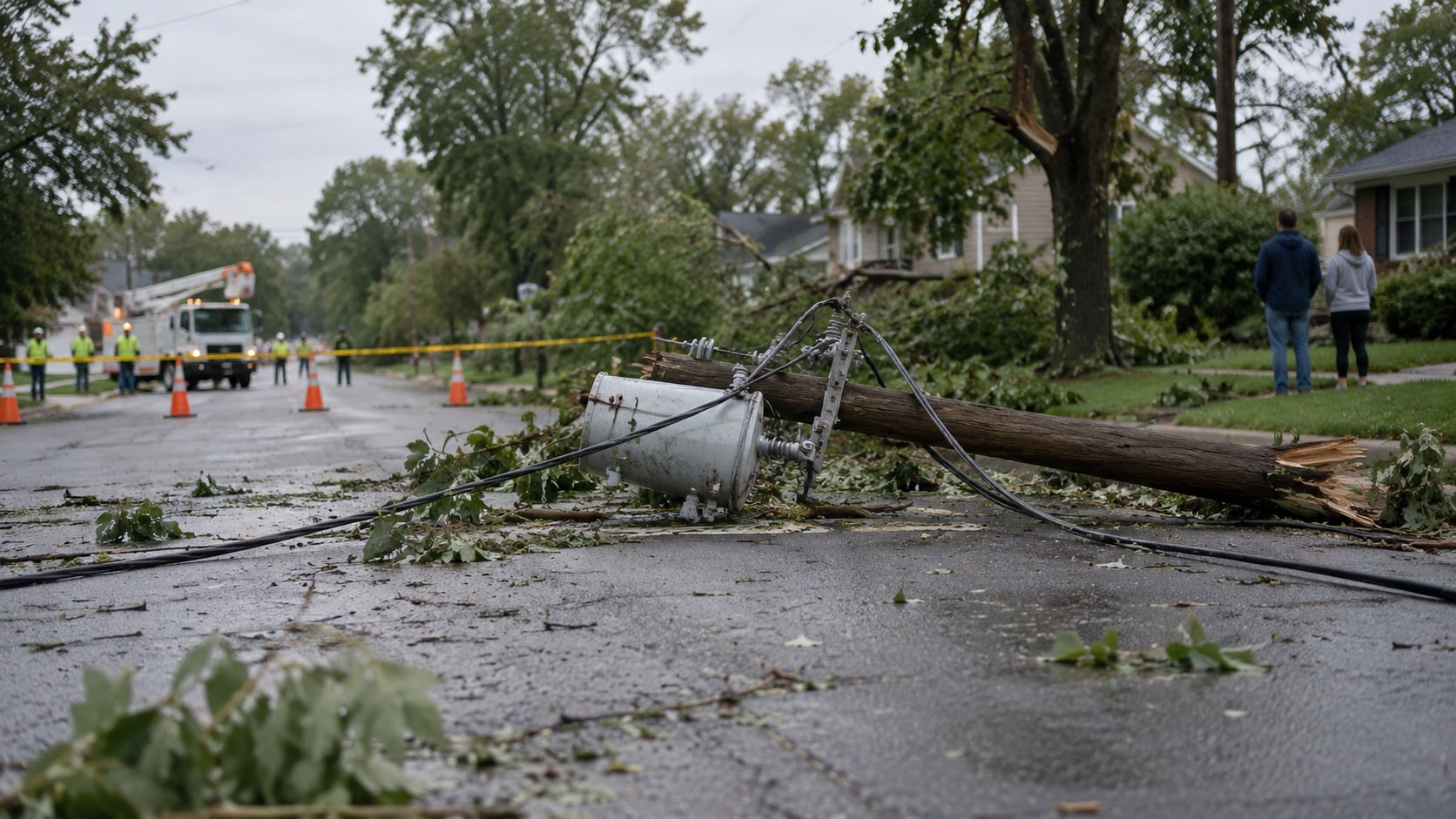
Fallen powerline on a suburban street after a storm, safety perimeter and people kept far away

Storms, vehicle impacts, fallen branches and construction work can damage overhead powerlines or outdoor electrical equipment. Always treat a fallen or damaged powerline as live, even if it appears inactive.

Keep people, pets and vehicles well away from the area and call 000. Do not try to move branches, fences, ladders or other objects that are touching the line. Do not approach a person, vehicle or animal that may be in contact with a fallen powerline until the electricity authority confirms the line is safe.

If your vehicle contacts a powerline, stay inside if it is safe to do so and call 000. Warn others to stay away. Do not touch the vehicle and the ground at the same time. Emergency responders and the electricity authority can provide directions based on the situation.

Respond Safely to a Tripped Safety Switch

Close view of a modern safety switch panel being checked by a licensed electrician, clear labels blurred and unreadable

A safety switch may trip when it detects an unsafe electrical condition. It can also trip because of a faulty appliance, damaged lead, moisture or an overloaded circuit. Do not keep resetting it without checking what may be causing the issue.

Start by unplugging appliances on the affected circuit. If it is safe, reset the switch once and reconnect appliances one at a time. If the switch trips again, leave the suspected appliance unplugged and do not use it until it has been checked, repaired or replaced.

Call an electrician if the switch will not reset, trips without an obvious cause or affects multiple circuits. Repeated tripping can point to a wiring problem that needs professional attention. Do not remove switchboard covers or replace components yourself.

Prevent Electrical Emergencies at Home

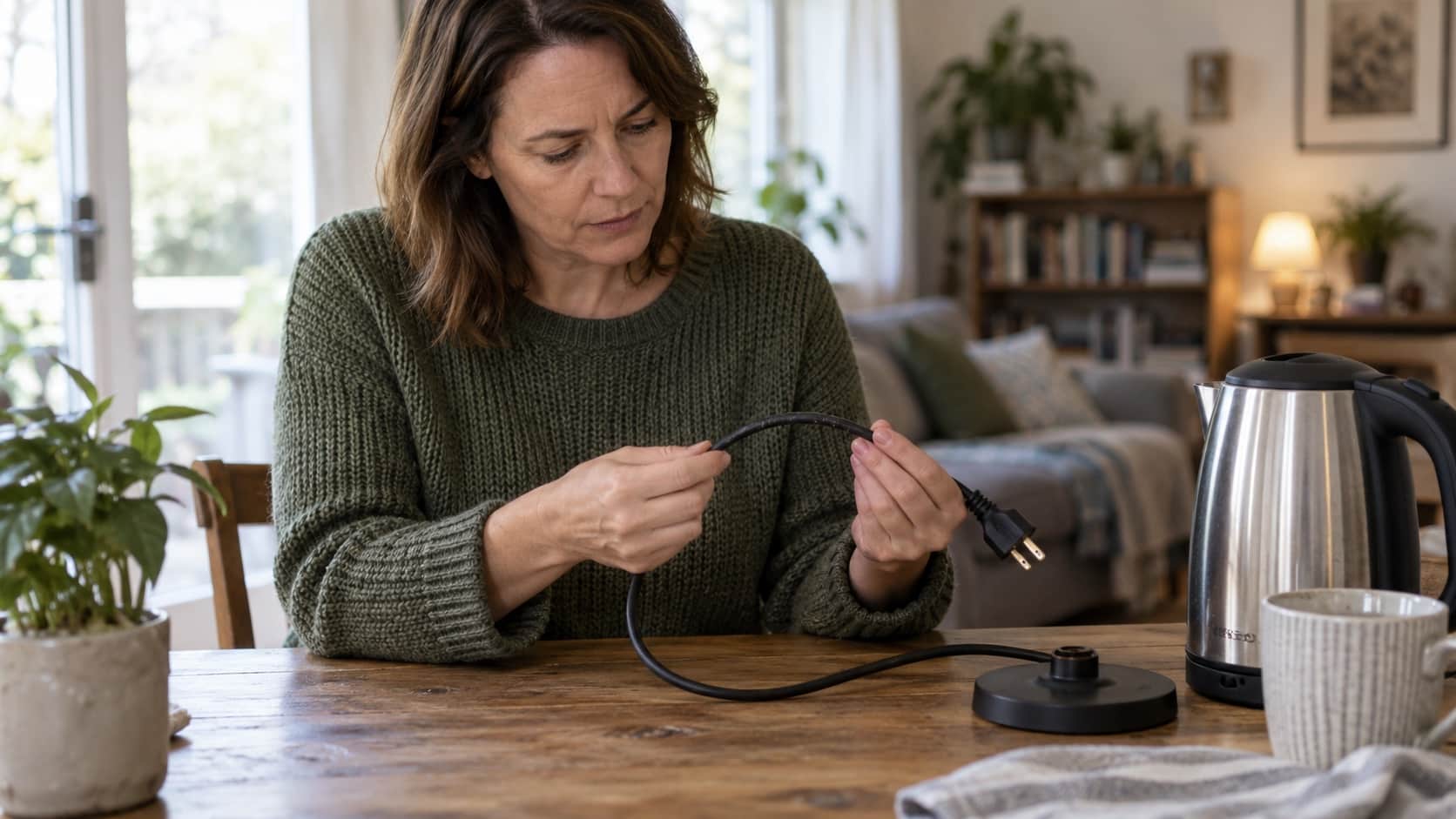
Homeowner visually checking a power lead for damage on a dry table, unplugged equipment and safe conditions

Many electrical emergencies begin with signs that are easy to overlook. Damaged cords, loose sockets, overloaded power boards and water near electrical equipment can create risks that worsen over time.

Regular checks help you spot problems before they become urgent. Keep electrical equipment dry, use products as directed and replace damaged leads or appliances rather than relying on temporary repairs.

Use this basic safety checklist around your home:

If you are planning major additions such as air conditioning, electric vehicle charging, solar equipment or new appliances, ask a licensed electrician whether your existing switchboard and circuits can support the extra demand.

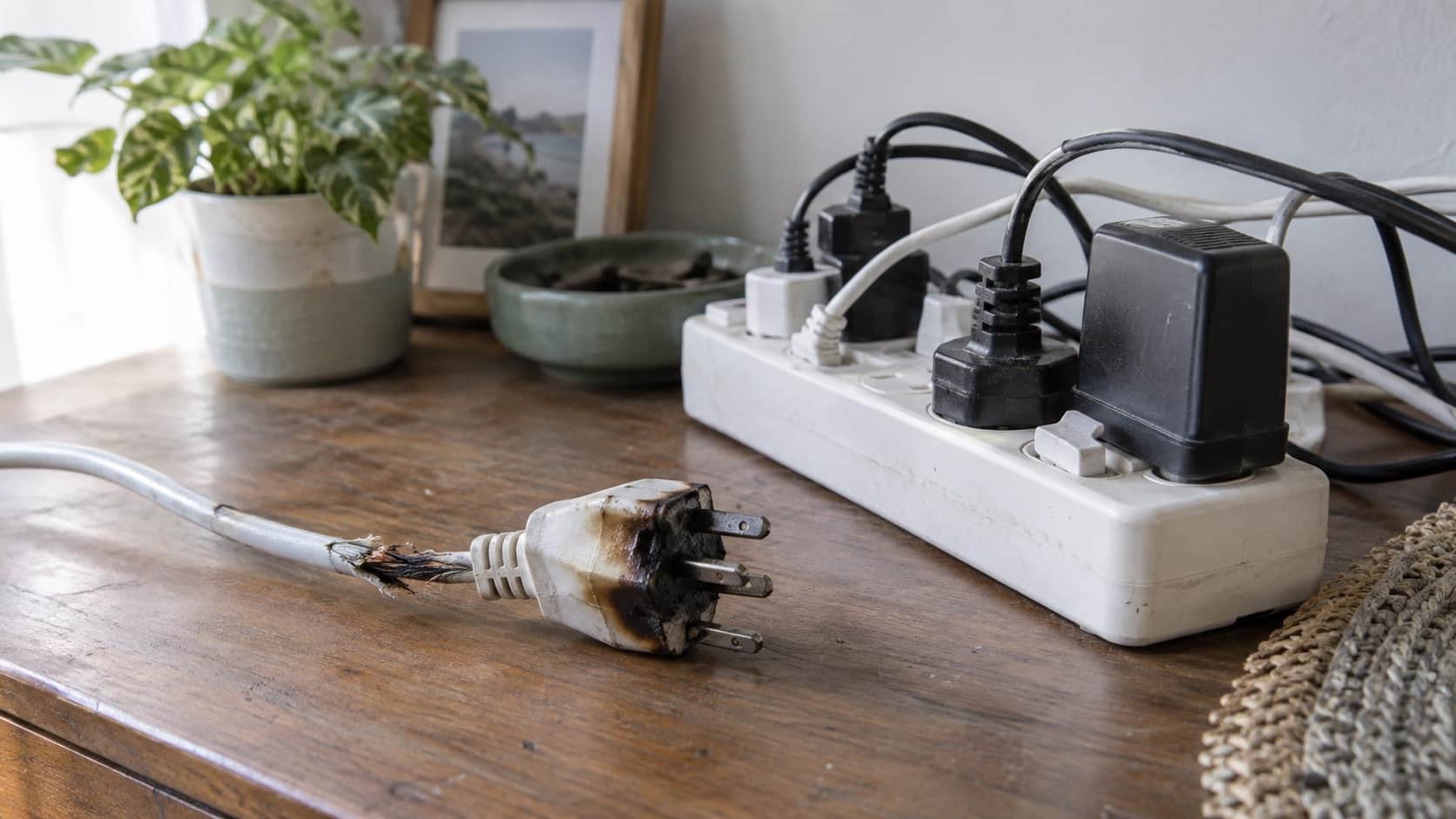
Detailed still life of a scorched plug, frayed cable and overloaded power board displayed as warning examples, disconnected from power

Get Professional Help Before the Problem Gets Worse

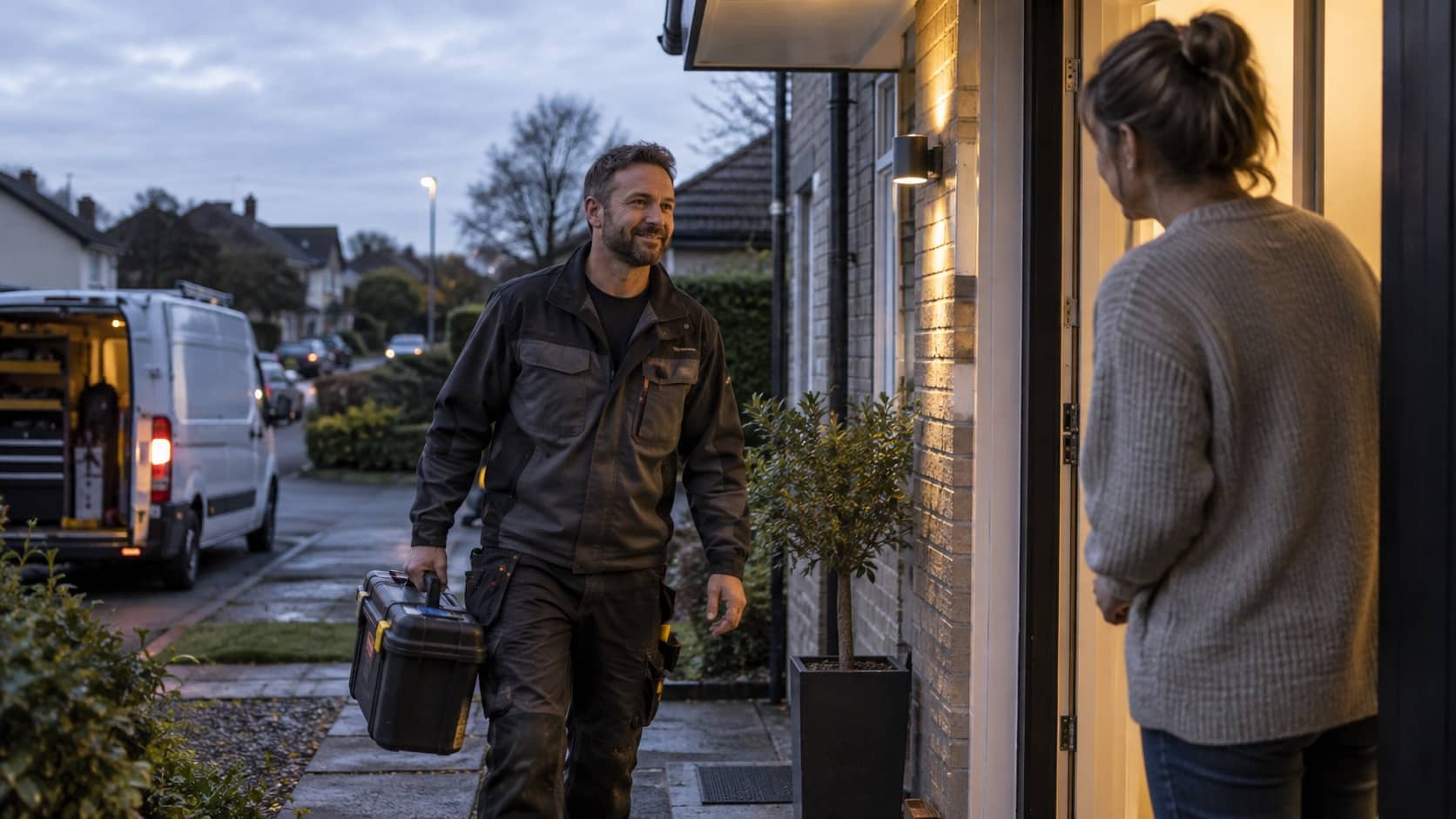
Emergency electrician arriving at a suburban home with tool case at dusk, professional and reassuring

Electrical emergencies require calm action and a strong focus on safety. Keep clear of live or damaged equipment, call 000 when there is immediate danger and never attempt electrical repairs yourself.

If you have experienced a shock, a burning smell, repeated tripping or any other electrical warning sign, contact Monaco Electrical for urgent assistance. A qualified electrician can investigate the fault, make the area safe and advise whether repairs or switchboard work are needed.

FAQs

When should I call an emergency electrician Sydney?

Call an emergency electrician Sydney residents trust when you have smoke, sparks, a burning smell, exposed wiring, repeated circuit tripping, an electric shock or a loss of power linked to a suspected fault in your property. Call 000 first if there is an immediate risk to life, an electrical fire or a person is receiving an electric shock. Keep clear of the affected area until it is safe.

Can I reset a circuit breaker after it trips?

You may reset a circuit breaker once after unplugging appliances on the affected circuit, provided there is no smoke, burning smell, water damage, exposed wiring or other sign of danger. If it trips again, leave it off and arrange for a licensed electrician to investigate. Repeated resetting can mask a faulty appliance, damaged wiring or overloaded circuit and may increase the risk of damage.

What should I do if I smell burning near a power point?

Stop using the power point and any connected appliance immediately. If you can do so safely, switch off power to the affected circuit. Do not touch a hot, damaged or sparking outlet. Keep people away, call 000 if there is smoke or fire, and contact an emergency electrician Sydney property owners can call for urgent inspection. Do not use the outlet again until it has been checked.

Is a tingling tap or appliance an electrical emergency?

A tingle or shock from a tap, appliance or metal fitting should be treated seriously. Avoid touching the item again and keep others away from it. Do not try to diagnose the cause yourself. Contact your electricity distributor or a licensed electrician promptly, especially if the tingle involves plumbing or other fixed metal parts. Seek medical advice if anyone has received an electric shock.

Do I need a switchboard upgrade after an electrical emergency?

Not every electrical emergency requires a switchboard upgrade. An electrician will inspect the fault and determine whether repairs, a replacement component or broader work is required. An upgrade may be recommended if the switchboard is outdated, lacks suitable safety protection, cannot handle current electrical demand or has damaged components. The electrician should explain the condition of your switchboard and the recommended next steps.

author avatar
vladdesign44@gmail.com
Previous Article

Is Synthetic Lawn a Good Choice for Homes with Pets and Businesses?

Next Article

How Can You Balance Style, Privacy and Convenience at Home?

Write a Comment

Leave a Comment

Your email address will not be published. Required fields are marked *

Handy Home
Discover Handy Home, your ultimate destination for creative home decor ideas, beauty tips, and fun DIY projects