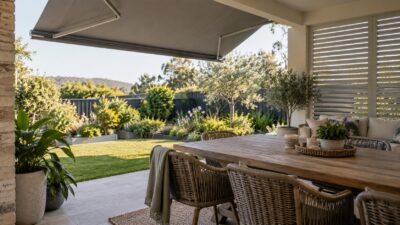
How Can You Create an Outdoor Area That Seats a Large Group?
Plan an outdoor area for a large group with practical zones, BBQ pods, a spacious dining table, weather protection, lighting and safe circulation.


A good outdoor living area should be easy to enjoy across more of the year. It needs shade when the sun is strong, shelter when rain arrives and enough airflow to stop the space from feeling closed in.
The best design starts with how you want to use the area. A family dining zone, a quiet morning coffee spot and an outdoor kitchen each need a different layout, level of cover and amount of privacy. Planning these details early helps you create a space that feels comfortable, practical and connected to your home.
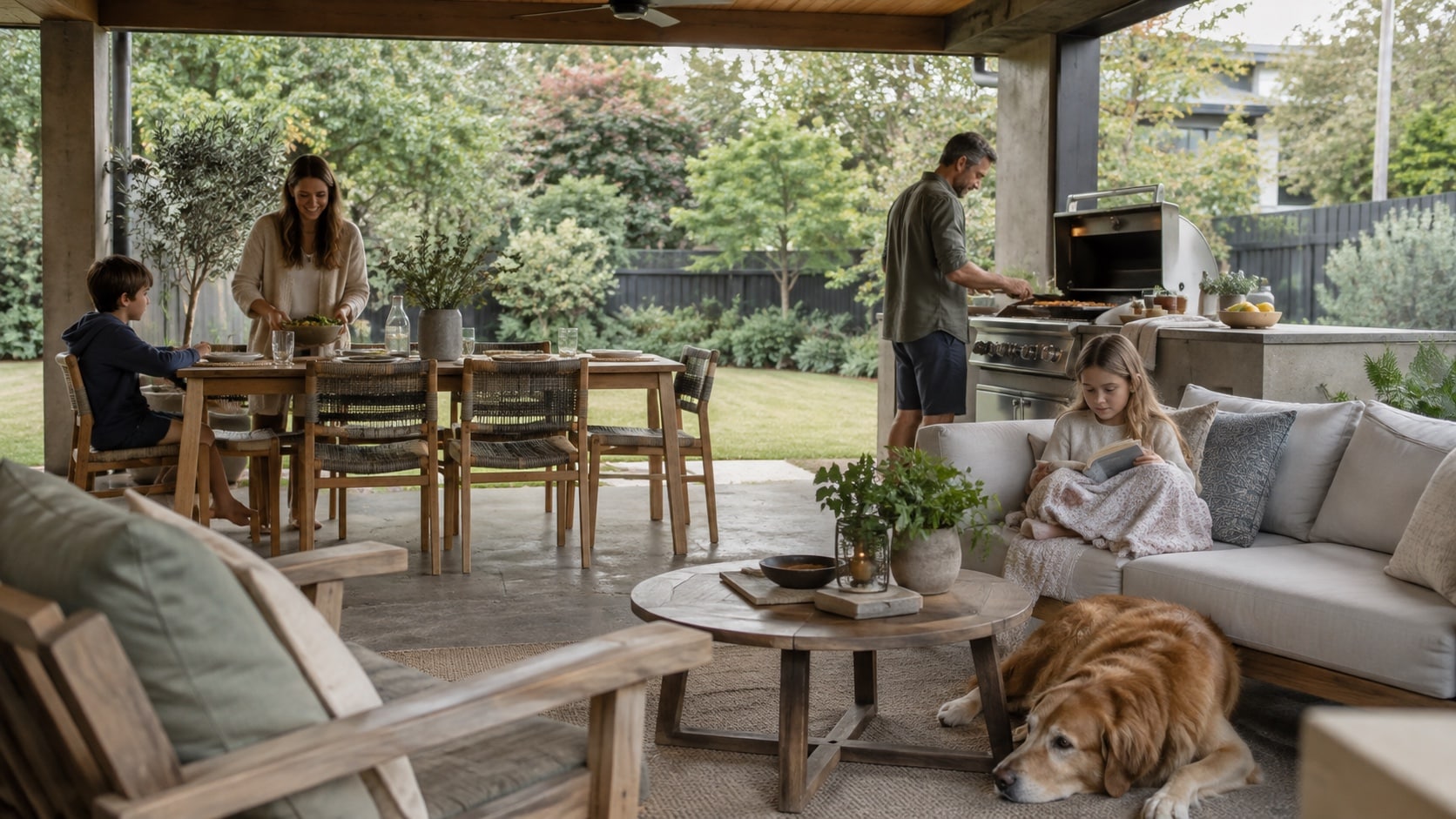
Start by thinking about how the space will work on an ordinary day, not only when you are entertaining. Consider where people will sit, walk, cook, play and move between the house and backyard.
A dining area may need cover above the table and easy access to the kitchen. A lounge area may benefit from protection from prevailing winds, while a poolside space may need shade without blocking sightlines around the yard.
Useful questions to ask include:
A clear purpose makes later choices easier. It helps you decide where cover is needed, where to keep sunlight and how to position furniture without making the outdoor area feel crowded.
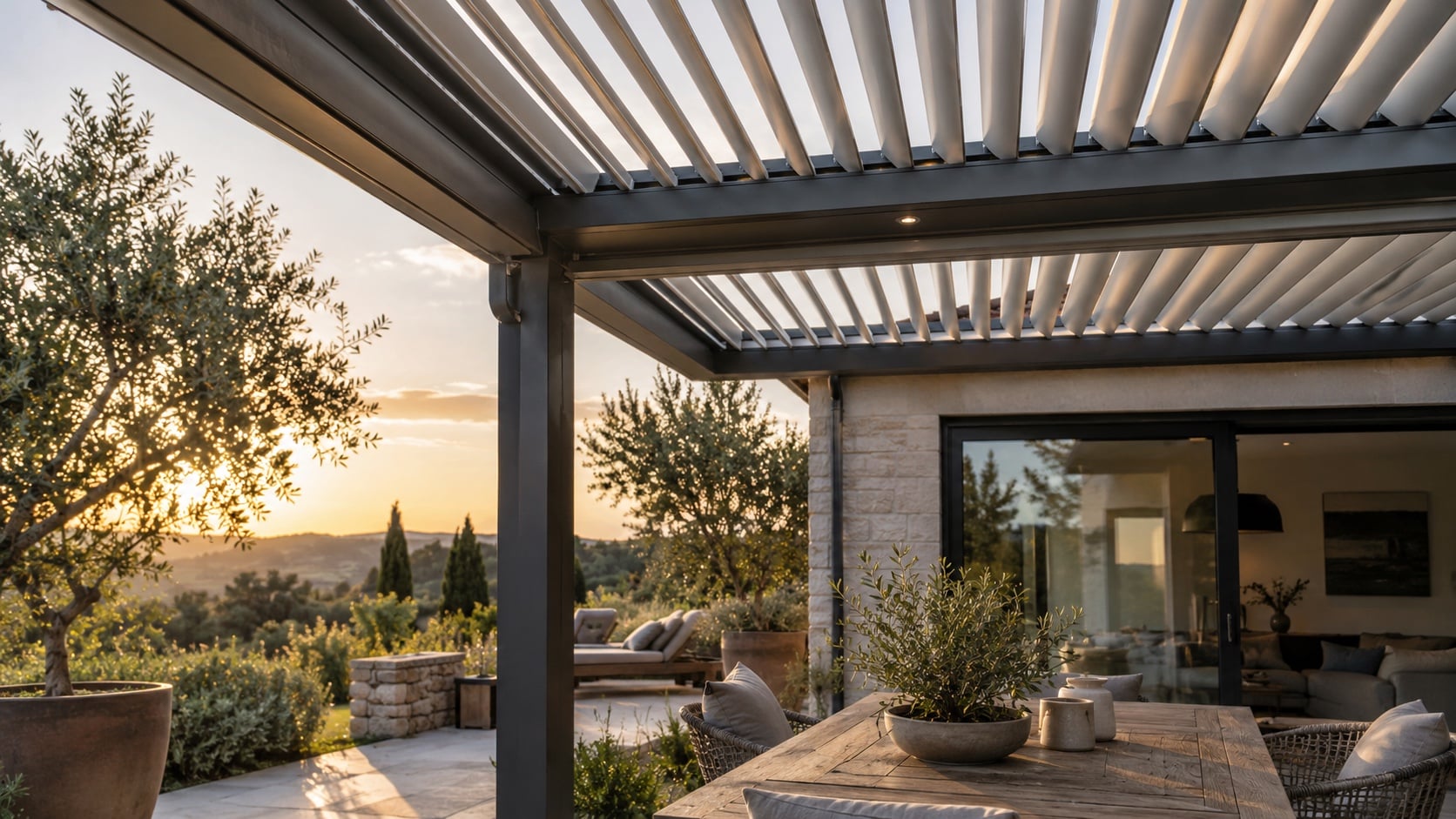
Fixed roofing can provide reliable cover, but it may also limit light and airflow. A louvered pergola gives you more control because its roof blades can be adjusted to suit the weather and how you are using the space.
A professionally designed louvered pergola can help you create shade during sunny periods, allow airflow on warm days and close the roof when rain arrives. This flexibility can make a patio, deck or courtyard more useful across changing conditions.
The best placement depends on the property’s orientation and nearby structures. A west-facing area may need greater protection from late-afternoon sun, while a sheltered courtyard may need more ventilation and natural light.
Think about the practical details before choosing the design:
A pergola should work with the home rather than feel added on. Matching the structure’s style, colour and proportions to the existing exterior can create a more polished result.
Outdoor structures need to be selected for the conditions of the property. Wind exposure, ground levels, access, drainage and existing building features can all affect the best design.
For example, a freestanding structure may suit a garden entertaining zone away from the house. An attached structure can create a more direct extension of the indoor living area. The right option depends on the layout and how the space will be used.
If you are comparing pergola kits, look beyond the appearance of the finished structure. Check what is included, how the pergola will be supported, whether the materials suit the local conditions and what work may be required before installation.
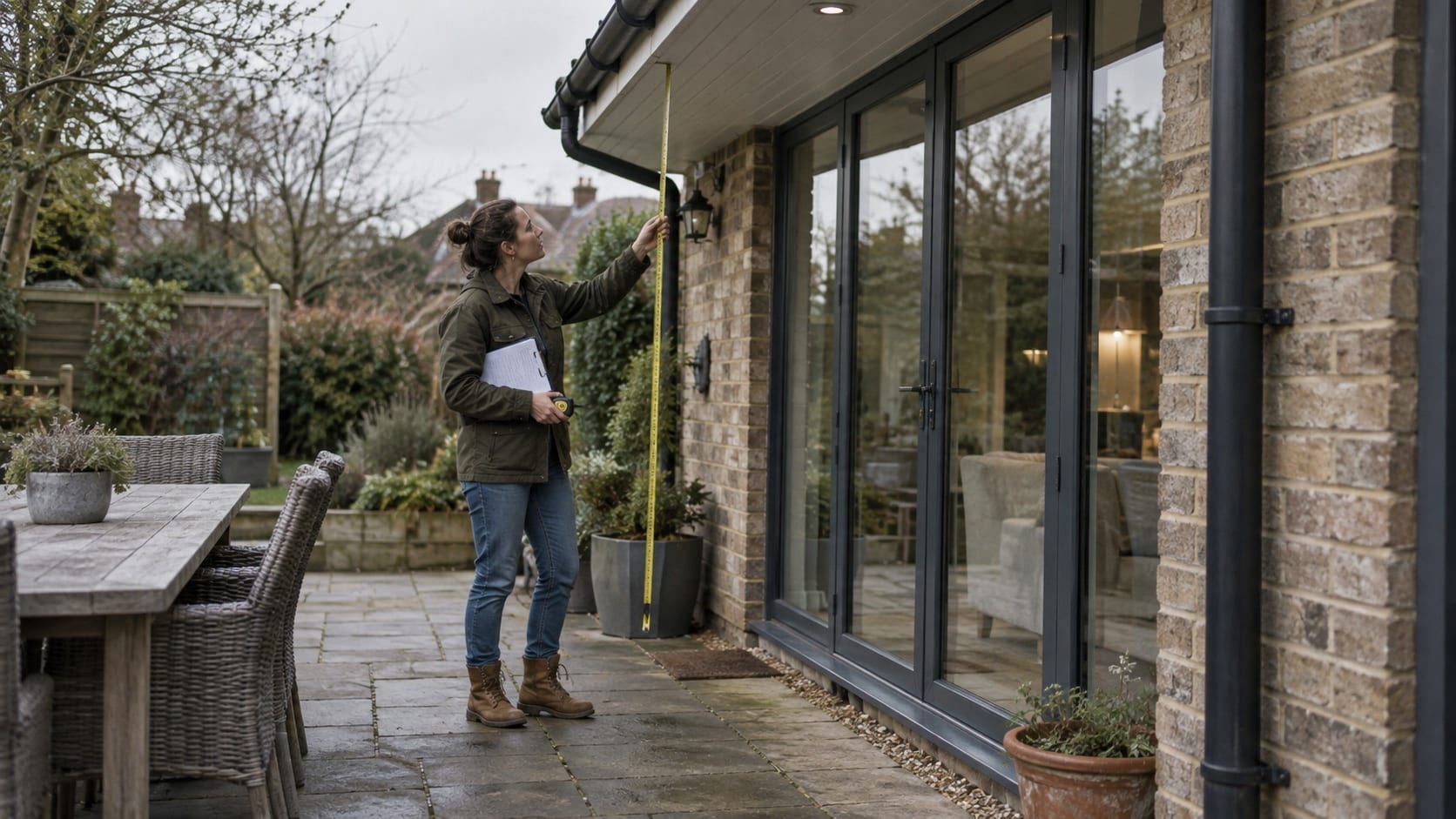
A site measure can identify details that are hard to judge from online images or rough measurements. Uneven paving, nearby trees, downpipes and access restrictions can all change the recommended approach.
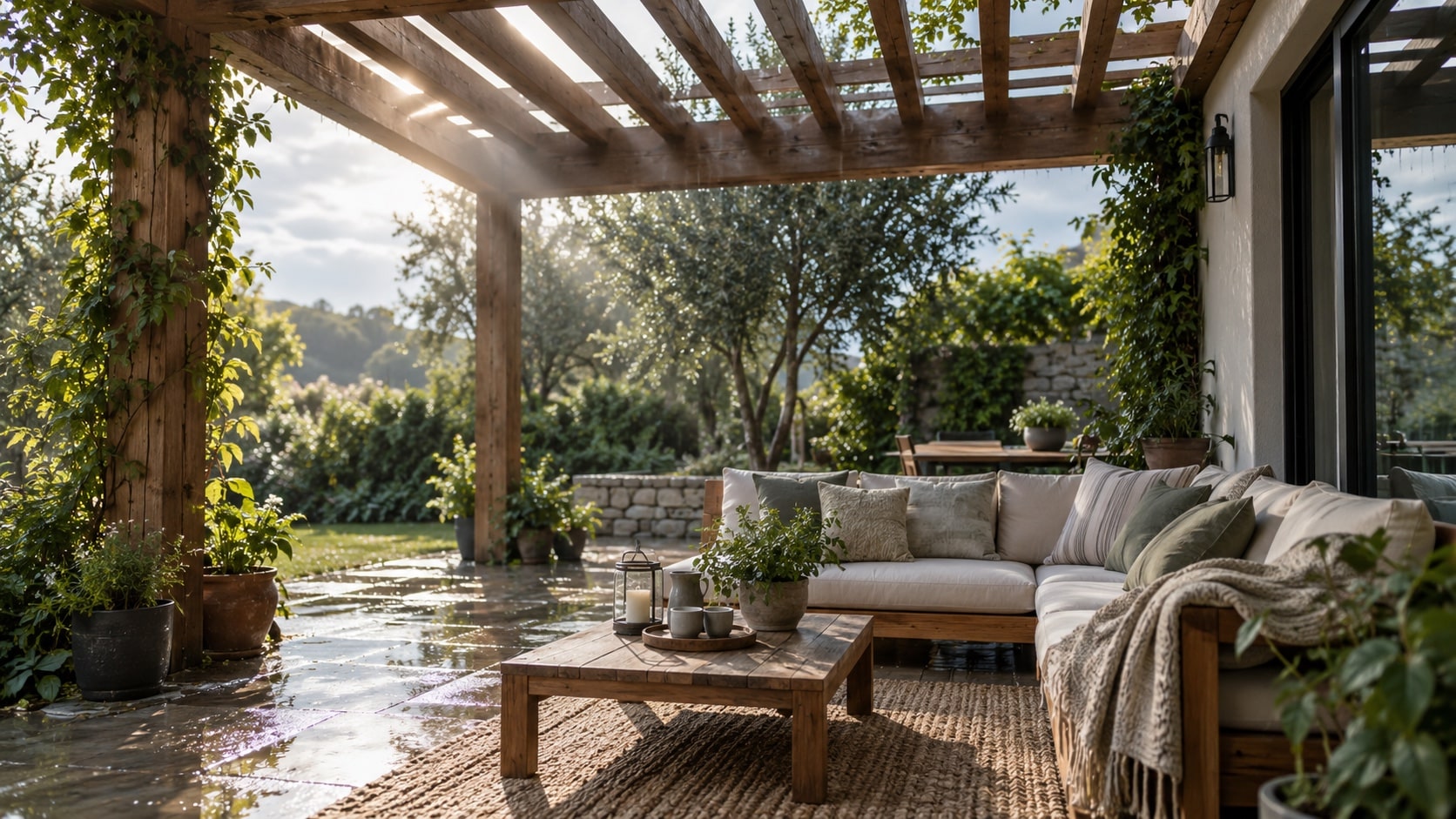
Comfort outdoors depends heavily on weather protection. Too much direct sun can make a seating area difficult to use, while a fully enclosed setup may trap heat and reduce airflow.
Study the area at different times of day before finalising the design. Look for where shade falls, where rain reaches the patio and whether wind funnels through side passages or between buildings.
A balanced outdoor design may include:
Do not rely on a roof alone to solve every comfort issue. The direction of the sun, surrounding walls and furniture placement all affect how enjoyable the area feels.
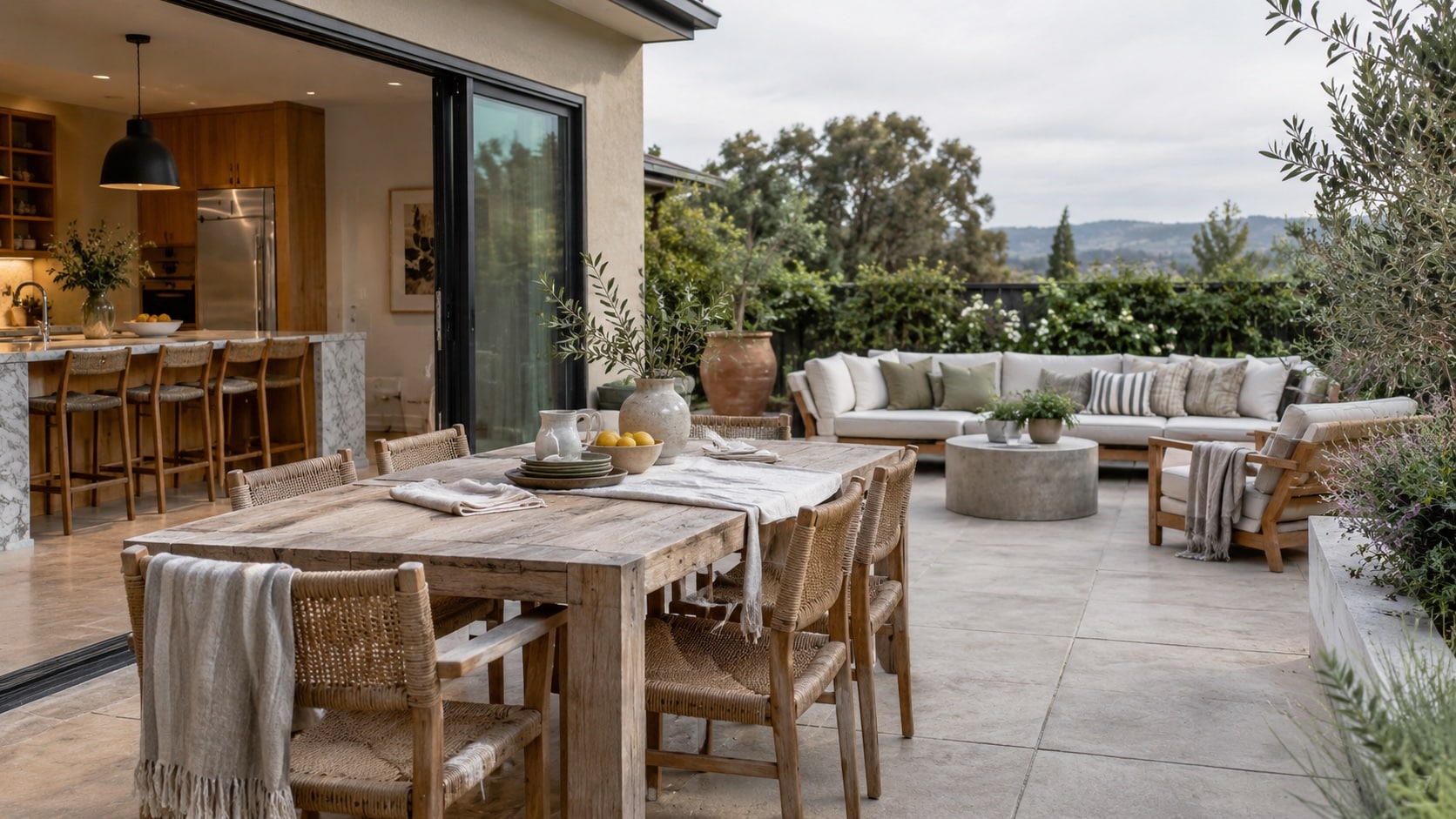
A comfortable outdoor living area needs enough room for people to move around easily. Place larger items such as dining tables, lounges and outdoor kitchens where they will not block doors, walkways or access to the backyard.
It can help to divide the space into simple zones. A dining zone near the kitchen may make serving meals easier, while a lounge zone can sit closer to the garden or view. If space is limited, choose furniture that serves more than one purpose.
Allow for:
Keep the layout flexible. Outdoor needs can change as children grow, entertaining habits shift or you add new features to the home.
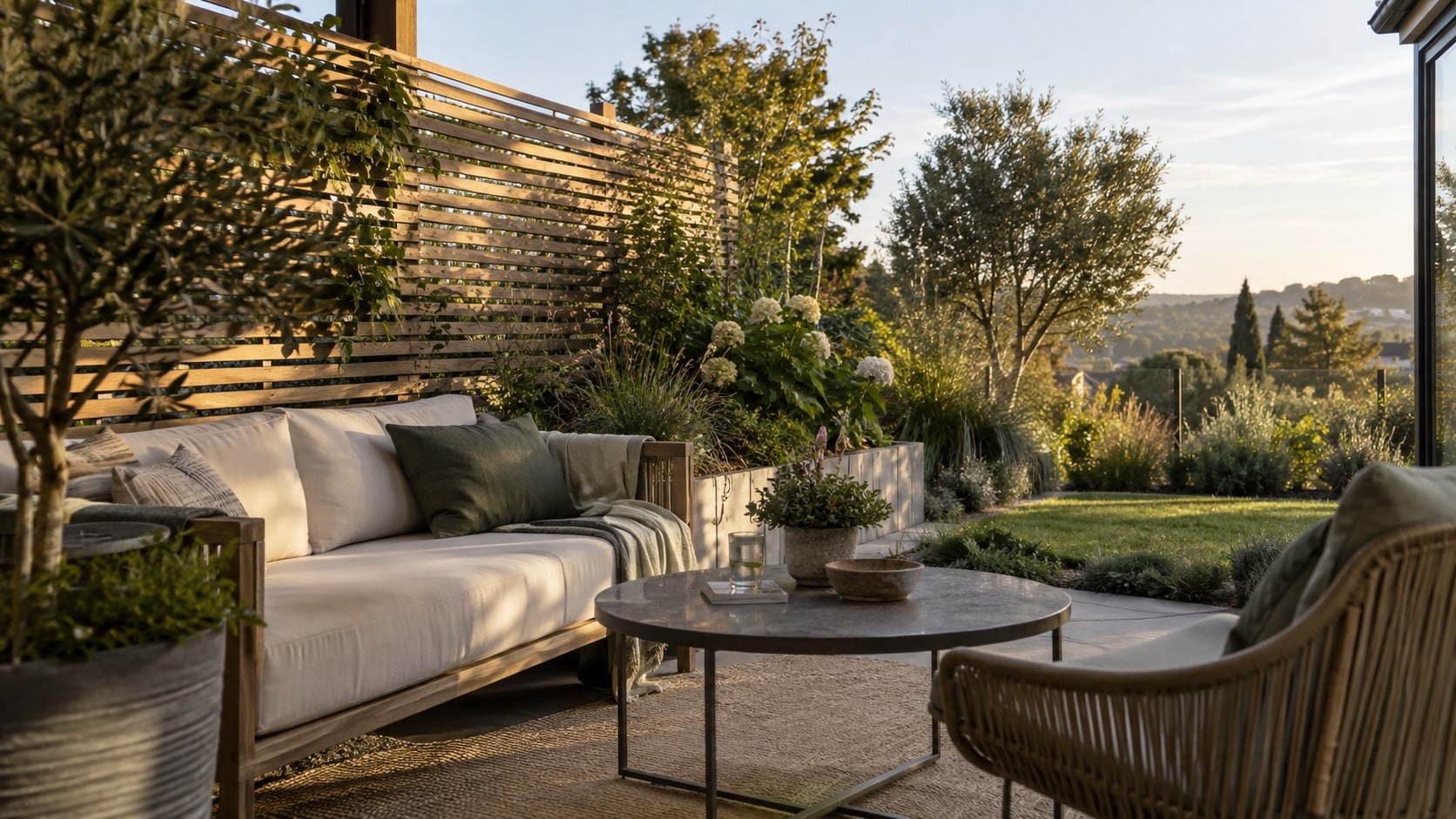
Privacy can make an outdoor area more relaxing, especially in built-up neighbourhoods. The goal is to block direct views from nearby properties while keeping light, breezes and garden views where possible.
Look at the space from several angles. An upper-level neighbour’s window may overlook one part of the yard, while a side boundary may need screening only near a seating area. Targeted privacy solutions often create a better result than closing off the whole space.
You may use a mix of screens, planting, fencing and structure placement to manage sightlines. Taller plants can soften boundaries, while screens can protect specific areas such as outdoor dining spaces, decks or spas.
Keep plants trimmed away from walkways, lighting and access points. Dense planting can provide privacy, but it should not create damp, hidden or difficult-to-maintain areas beside the home.
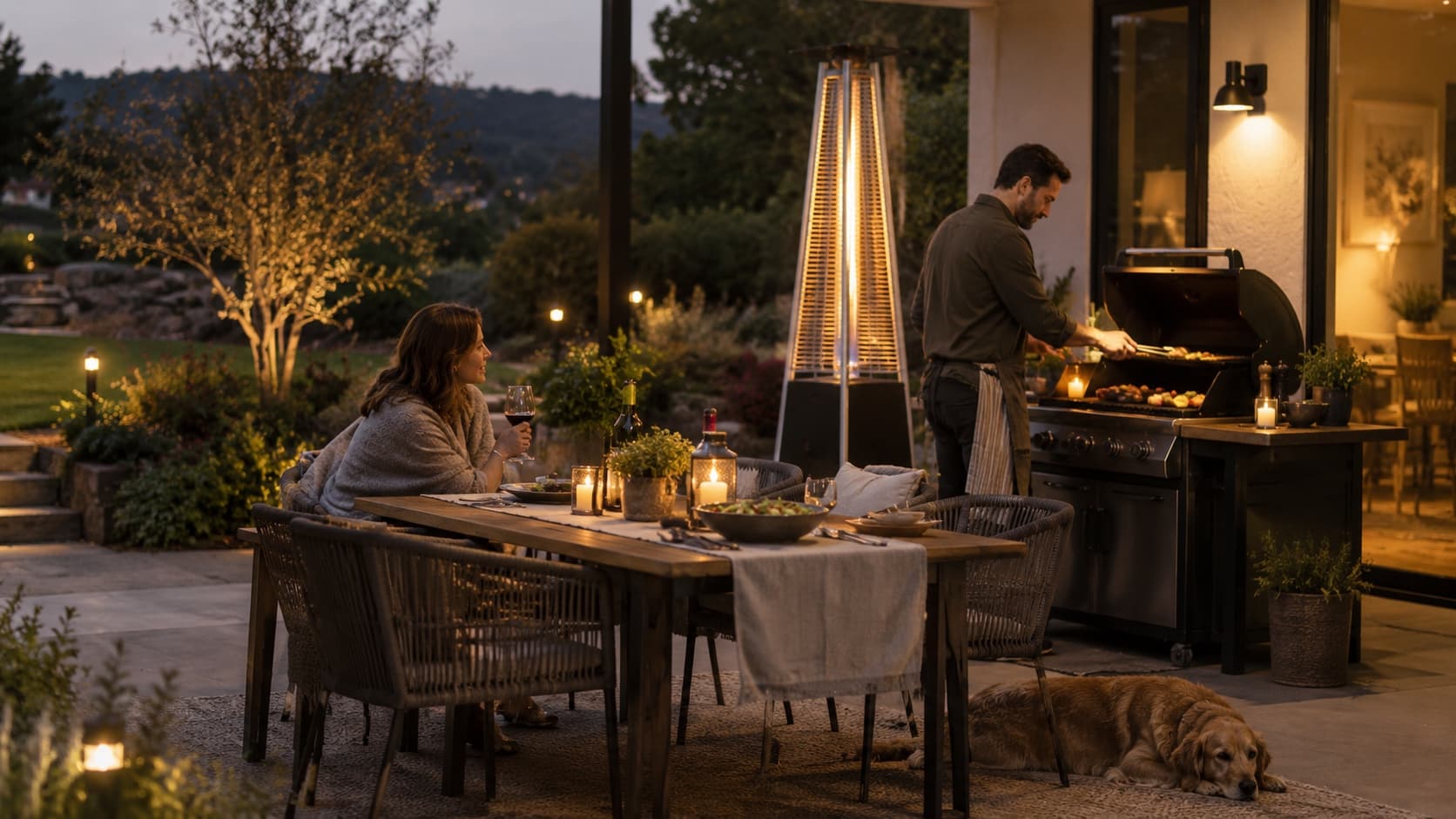
Lighting can extend the use of an outdoor area after sunset. It also improves safety around steps, pathways, cooking zones and entrances. Use several softer light sources instead of relying on one bright fitting.
Consider where people will sit and move through the space. Lighting above a barbecue, beside a door and along a path may be more useful than bright lights aimed across the entire yard.
Outdoor heating can also improve comfort during cooler weather, but it needs careful placement. Follow the manufacturer’s requirements and keep heaters clear of furniture, fabrics, plants and other materials. Ask a qualified professional about safe electrical installation for fixed lighting, fans or heaters.
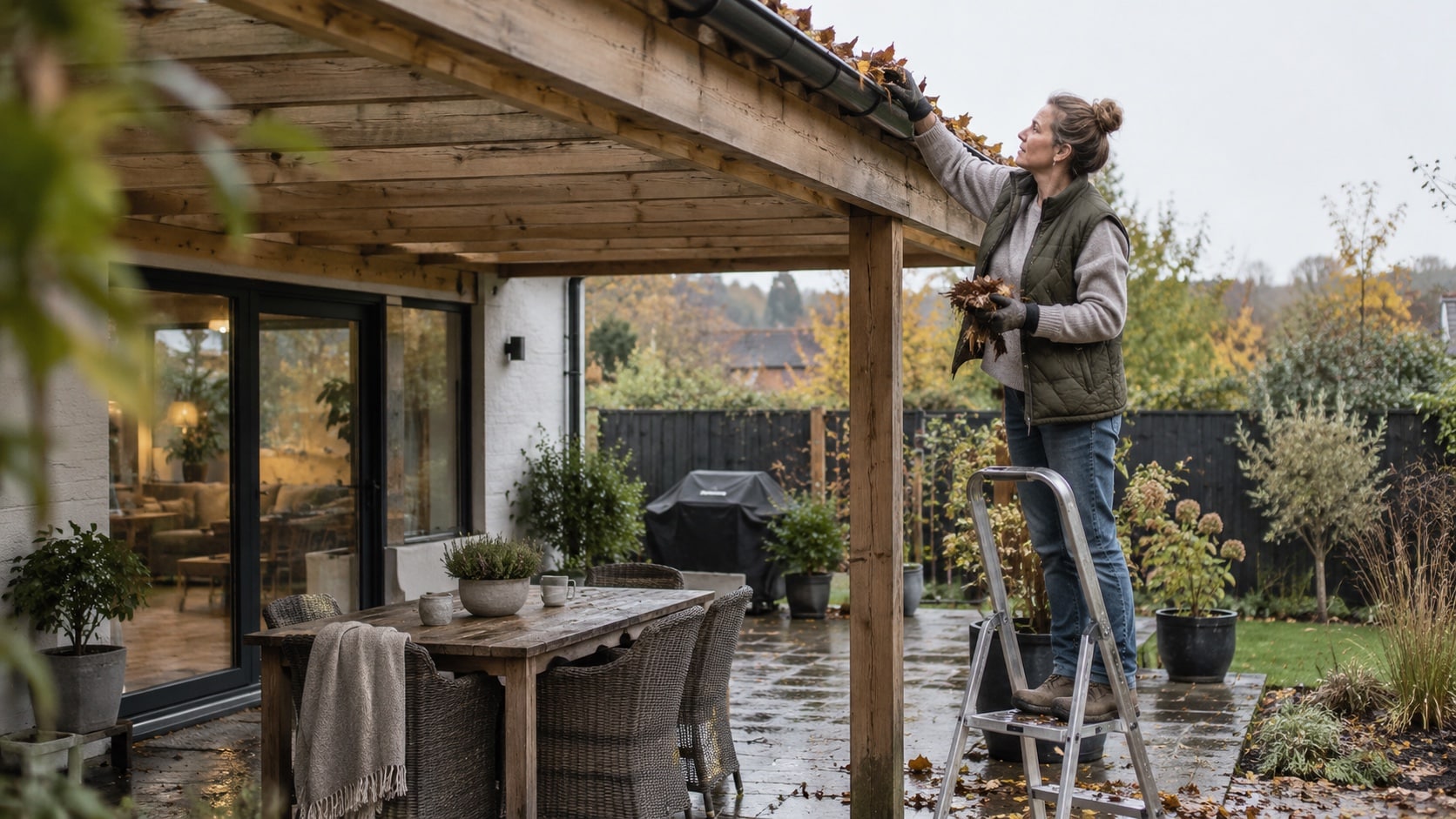
Outdoor areas face sun, rain, leaf build-up and changing temperatures. Regular maintenance helps keep the structure, furniture and surrounding surfaces safe and presentable.
Clear leaves from gutters, drainage areas and pergola components so water can flow away. Check for loose fixings, damaged finishes, blocked drains and movement in paving or decking. Addressing small issues early can help avoid larger repairs later.
Maintain the outdoor area by:
A well-maintained outdoor space is easier to use and more enjoyable throughout the year.
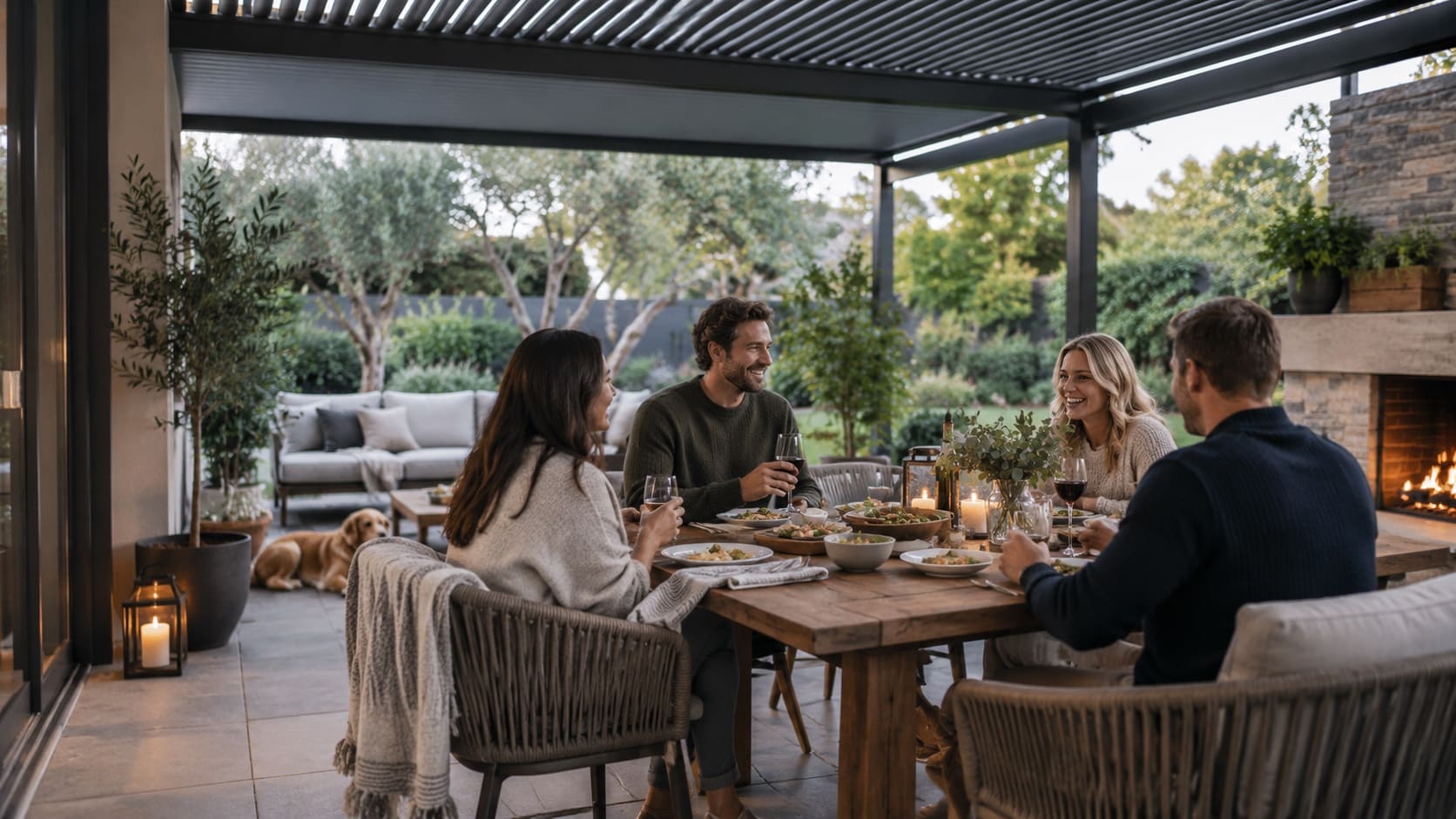
The best outdoor living area combines shelter, light, airflow and a layout that suits your household. Start with the way you want to use the space, then choose a structure and features that respond to your site’s weather, privacy and access needs.
If you are ready to improve your patio, deck or backyard, speak with Unique Pergolas about a tailored pergola solution. A professional design can help you create an outdoor space that feels comfortable, functional and part of your home.
A louvered pergola is an outdoor structure with adjustable roof blades, often called louvers. The blades can be positioned to create shade, let in sunlight or allow air to move through the area. When closed, they can provide cover from light rain, depending on the system and installation. This makes louvered pergolas useful for patios, decks, courtyards and outdoor dining areas.
Yes. A louvered pergola can provide shade by adjusting the roof blades to reduce direct sunlight. This can make an outdoor dining, lounge or barbecue area more comfortable during warmer parts of the day. The amount of shade depends on the angle of the louvers, the pergola’s position and the direction of the sun. A site-specific design helps improve coverage where it is needed most.
Many louvered pergola systems can be closed to provide protection from rain. The final performance depends on the design, roof pitch, drainage system, installation quality and weather conditions. Water needs to be directed away from the structure and surrounding area. Discuss drainage and site conditions with the installer so the pergola is designed for the way you plan to use the outdoor space.
A louvered pergola needs periodic cleaning and inspections to keep it operating smoothly. Remove leaves, dirt and debris from roof blades, gutters and drainage paths so water can flow freely. Check moving parts, fixings and finishes for signs of wear or damage. The maintenance needed will depend on the local environment, especially if the structure is near trees, the coast or exposed to strong weather.
A louvered pergola may be attached to a house when the structure, wall connection and surrounding roof area are suitable. It can also be freestanding if the layout calls for a separate outdoor zone. A professional site measure helps determine the right approach by checking access, levels, drainage, building materials and nearby windows or doors. This helps create a safe and well-integrated result.