Get Ready to Shine! Your Ultimate Enthusiastic Wardrobe Refresh Guide!
Facebook Twitter Pinterest Are you staring at a closet overflowing with clothes, yet still feel like you have nothing to wear? Do you long for…


Are you ready to transform your fashion photography from good to absolutely breathtaking? Do you dream of crafting images that not only showcase incredible style but also tell a captivating story, evoke powerful emotions, and leave viewers utterly inspired? Then you’ve come to the right place! Fashion photography is an exhilarating blend of art, vision, and technical skill, where every click of the shutter holds the potential for magic. It’s about more than just clothes; it’s about capturing a mood, a moment, a personality, and a narrative that resonates deeply. This guide isn’t just a list of tips; it’s an invitation to unlock your creative potential, push boundaries, and infuse your work with a level of artistry that truly stands out. Get ready to dive deep into revolutionary ideas and practical techniques that will empower you to unleash your inner fashion photography maestro and elevate your shots to dazzling new heights!
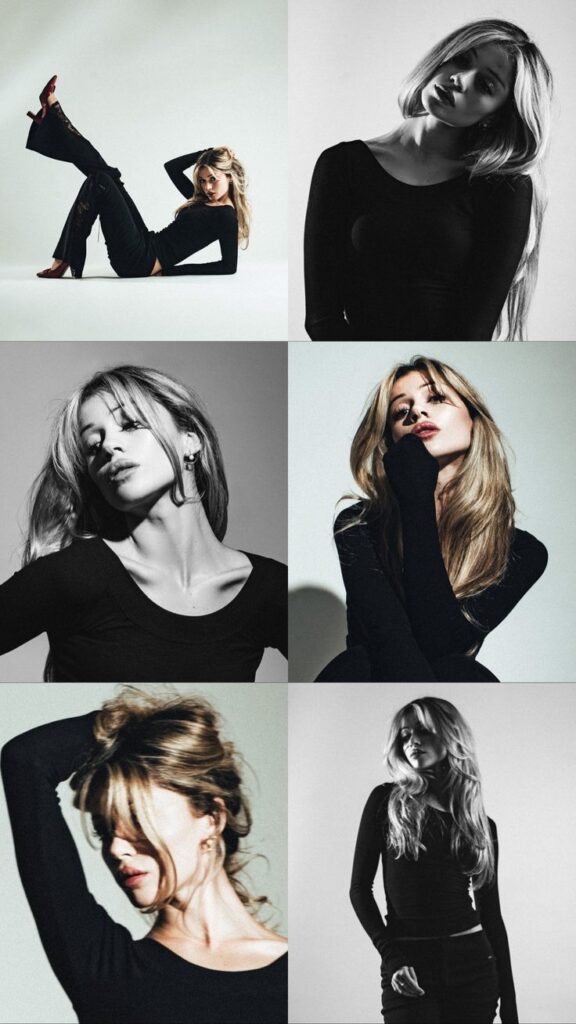
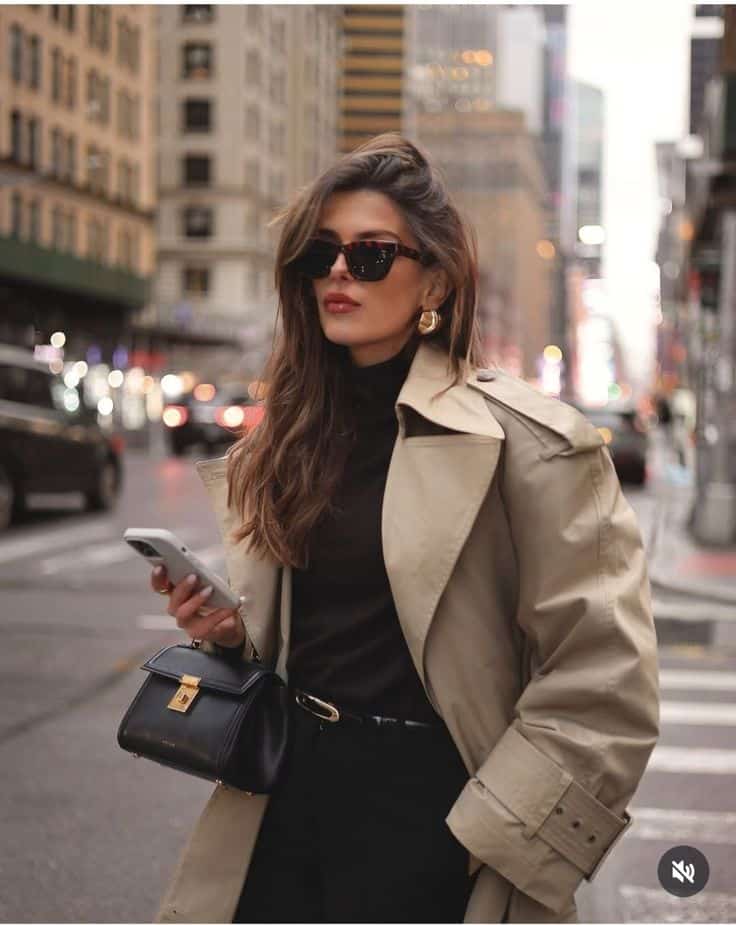
The most unforgettable fashion photographs do more than merely display garments; they weave compelling narratives. They draw the viewer into a world, a feeling, or a concept. Your lens isn’t just a recording device; it’s a storyteller, and your challenge is to craft tales that captivate.
Before you even think about lighting or posing, immerse yourself in concept development. What message do you want to convey? What feeling do you want to evoke? Start by brainstorming themes that excite you. Perhaps it’s a whimsical fairy tale, a gritty urban drama, a serene bohemian dream, or a futuristic odyssey. Think about the season, the mood, and the overall aesthetic. Once you have a core idea, create a detailed mood board. This visual collection of images, colors, textures, and even words will be your guiding star. It helps unify your vision, ensuring that every element – from the model’s expression to the prop in the background – contributes to the overarching story. Consider the color palette: will it be vibrant and bold, or muted and ethereal? Will the textures be rough and raw, or soft and flowing? A well-crafted mood board, perhaps inspired by a vibrant Spring Moodboard Aesthetic Inspiration, ensures everyone on set shares the same creative vision.
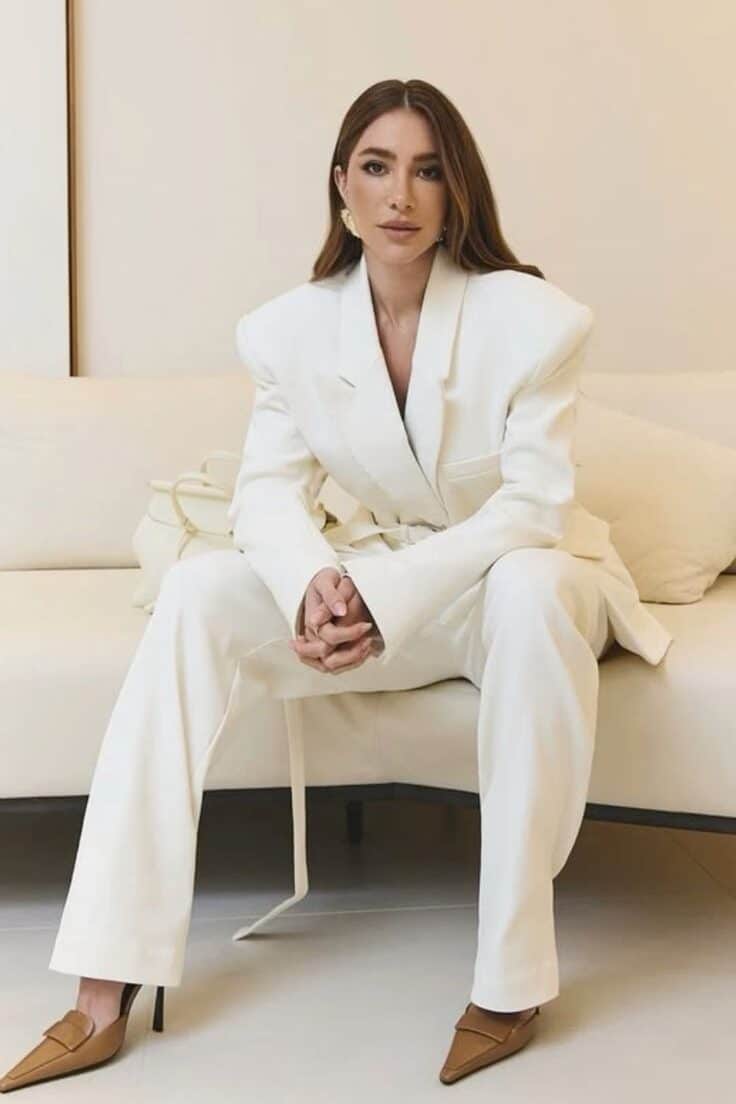
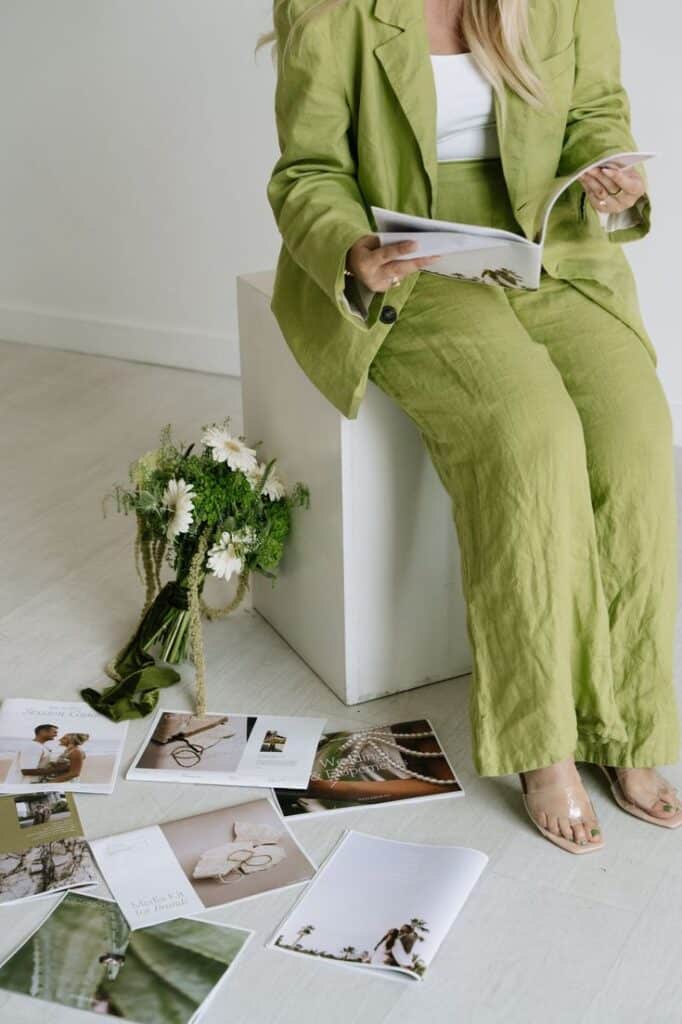
Your model isn’t just a mannequin; they are the protagonist of your visual story. Their ability to convey character and emotion is paramount. Before the shoot, discuss the character with your model. What is their backstory? What are they feeling in this moment? Encourage them to internalize these emotions. During the shoot, direct with empathy and clarity. Instead of just saying “look confident,” explain why they should feel confident in that moment. “Imagine you just conquered a mountain,” or “You’ve just received incredible news.” Capture genuine expressions and fleeting moments between poses. A slight smirk, a faraway gaze, a hand gracefully reaching out – these subtle nuances can transform a static image into a powerful narrative. Focus on their eyes; they are windows to the soul and often the most expressive part of any portrait.
The backdrop to your fashion story is just as critical as the wardrobe. The right location can speak volumes, adding layers of meaning and depth to your photographs. An abandoned warehouse can evoke a sense of urban decay or rebellious spirit, while a sun-drenched meadow might suggest innocence and freedom. When scouting locations, think about how they interact with your chosen theme and wardrobe. Does the architecture complement or contrast the style? Does the natural light enhance the mood? Don’t shy away from unexpected places. A bustling street corner, a quiet library, or even a simple, textured wall can become an extraordinary stage for your fashion narrative. Consider exploring charming and evocative locales like those found in Dreamy Small Towns to Visit This Summer, which can offer unique backdrops and a rich sense of character for your shoots. Every element in the frame should contribute to the story you’re telling.
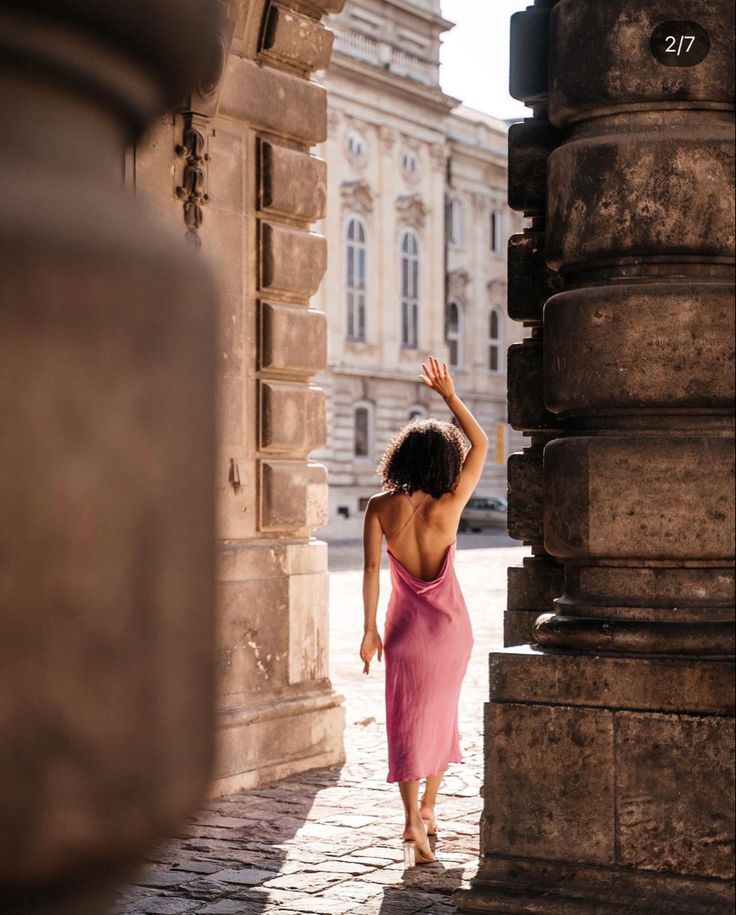
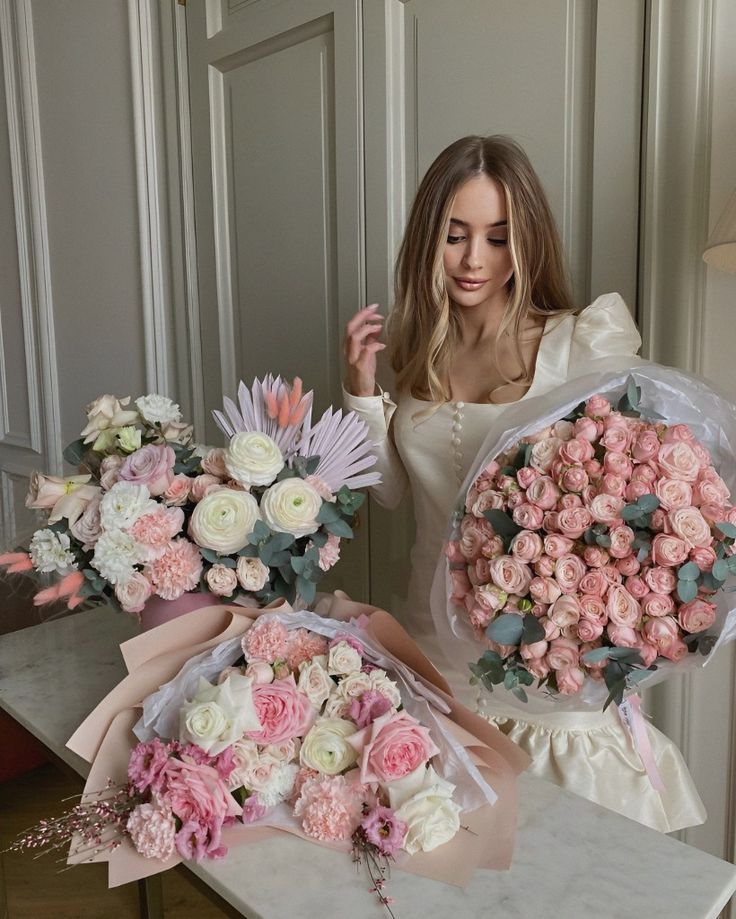
Fashion photography, at its heart, celebrates clothing. But true innovation comes from styling that goes beyond merely showcasing an outfit. It’s about creating a vision, a character, and an aspirational aesthetic.
Break free from conventional styling! Challenge yourself to mix and match pieces in unconventional ways. Pair a delicate lace dress with chunky combat boots, or a tailored blazer with flowing bohemian skirts. Experiment with different eras – a vintage hat with a contemporary jumpsuit, for instance. Layering is another powerful tool to add depth, texture, and visual interest to an outfit. Think about how different fabrics drape and interact. A silk slip under a chunky knit sweater, or a denim jacket over a floral maxi dress, creates dynamic lines and fascinating contrasts. Don’t be afraid to accessorize heavily or minimalistically, depending on the desired effect. For inspiration on making cozy stylish, consider how pieces like those in Snuggle Up in Style: 5 Cozy Oversized Sweater Outfit Ideas for a Chic, Comfortable Winter can be used in unexpected, high-fashion contexts. These unexpected pairings can transform a simple outfit into a statement piece.
Accessories are the unsung heroes of styling. They are not mere afterthoughts; they are crucial components that can elevate an entire look, define a character, and add a layer of personal narrative. From bold statement jewelry and intricate headpieces to vintage scarves, avant-garde eyewear, and unique handbags, every accessory should serve a purpose. Does it enhance the character’s personality? Does it add a pop of color or an interesting texture? Does it tie into the overall theme of your shoot? Even seemingly minor details, like the choice of socks or gloves, can dramatically impact the final visual story. Pay close attention to how accessories are worn – a loosely tied scarf can suggest effortless chic, while a tightly cinched belt can convey power and structure.
Hair and makeup are not just about making the model look “good”; they are powerful artistic tools that play a pivotal role in shaping the character and mood of your fashion story. Collaborate closely with your hair and makeup artists, sharing your mood board and concept. Will the look be natural and dewy, evoking a fresh, innocent vibe? Or will it be dramatic and editorial, with sharp lines and bold colors, suggesting strength or mystery? Consider how hair can be styled to add movement, frame the face, or create an architectural silhouette. Makeup can transform a face, altering bone structure, emphasizing features, and conveying emotion. For example, a skilled artist can use techniques like those detailed in Sculpt and Glow: The Ultimate Guide to Contouring and Highlighting to dramatically reshape and define a model’s features, aligning perfectly with the narrative you aim to create. Remember, every stroke of the brush and every strand of hair contributes to the holistic vision.
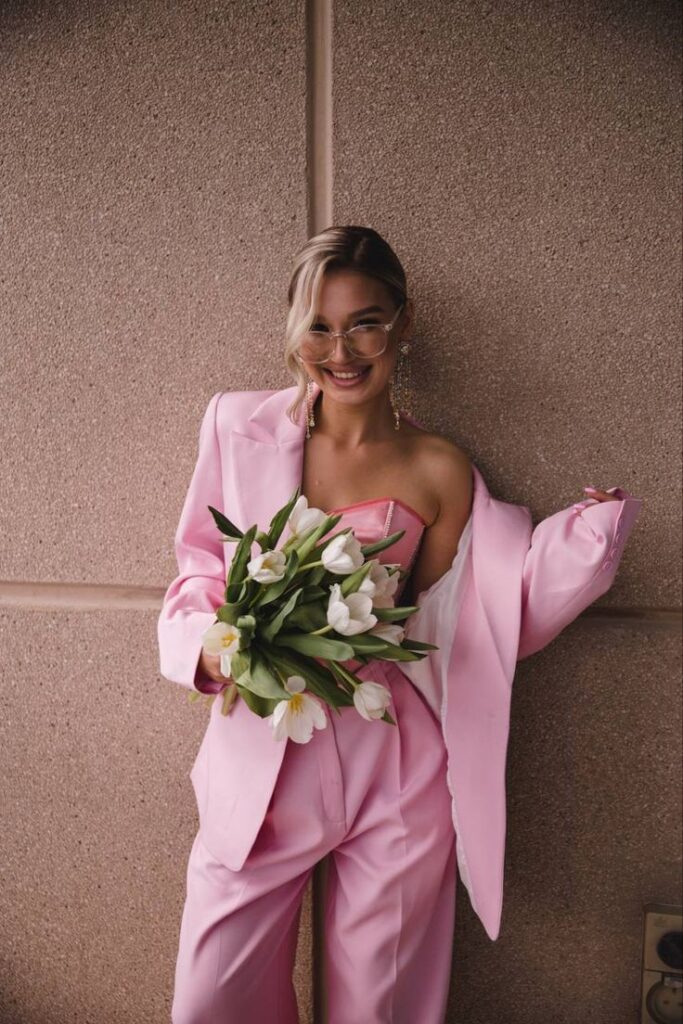
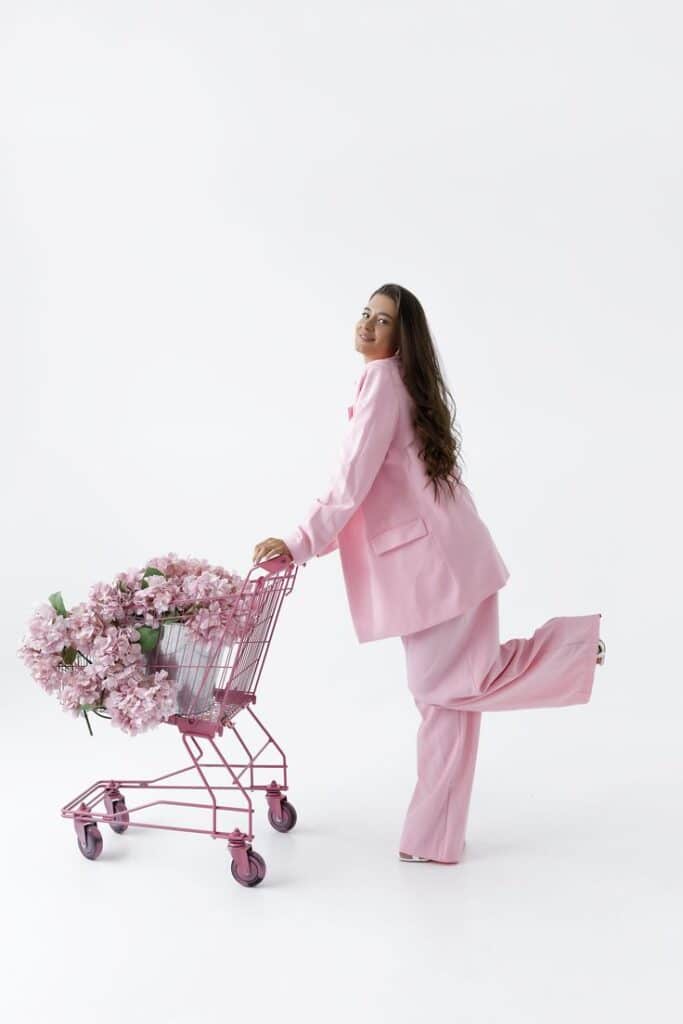
Light is the lifeblood of photography. It shapes, defines, and breathes emotion into your images. Understanding and manipulating light, along with its enigmatic counterpart – shadow – is perhaps the most crucial skill for any fashion photographer.
Embrace the glorious gifts of natural light! It’s accessible, beautiful, and constantly changing, offering endless creative opportunities. The “golden hour” – shortly after sunrise or before sunset – bathes everything in a soft, warm, ethereal glow, perfect for romantic or dreamy aesthetics. The “blue hour,” just before sunrise or after sunset, offers a cool, moody light ideal for dramatic and atmospheric shots. Overcast days provide soft, diffused light that is incredibly flattering, minimizing harsh shadows and providing a lovely, even illumination. Open shade, such as under a tree or within the shadow of a building, also creates soft, indirect light, ideal for portraits. Learn to observe how natural light falls on your subject and how it interacts with the environment. Position your model strategically to capture the most magical light.
While natural light is fantastic, artificial lighting opens up a universe of creative control. Strobes, continuous lights, and LED panels allow you to sculpt light precisely. You can create high-contrast, edgy looks with hard light that casts sharp shadows, or soft, ethereal images with large diffusers and softboxes. Experiment with different light modifiers – beauty dishes for a crisp, fashion-forward look; strip boxes for a narrow beam of light; or umbrellas for broad, soft illumination. Don’t be afraid to use gels to introduce color into your lighting, transforming the mood and atmosphere of your shot. Even simple reflectors can dramatically impact how light bounces onto your subject, filling in shadows or adding a sparkle to their eyes. The possibilities are truly limitless when you master artificial light.
Shadows are not simply the absence of light; they are powerful compositional elements that add mood, depth, and intrigue to your fashion photographs. Instead of always trying to eliminate shadows, learn to embrace and manipulate them. Use harsh shadows to create dramatic patterns on your model or backdrop, adding an abstract, artistic dimension. Long, stretched shadows during golden hour can lengthen a silhouette and create a sense of grandeur. Soft shadows can add subtle contour and dimension to the face and body. Experiment with how shadows fall across garments, highlighting texture or creating intriguing lines. Shadows can obscure parts of the subject, adding a sense of mystery or focusing attention on a specific detail. A photograph where shadows play a prominent role often feels more complex and emotionally resonant.
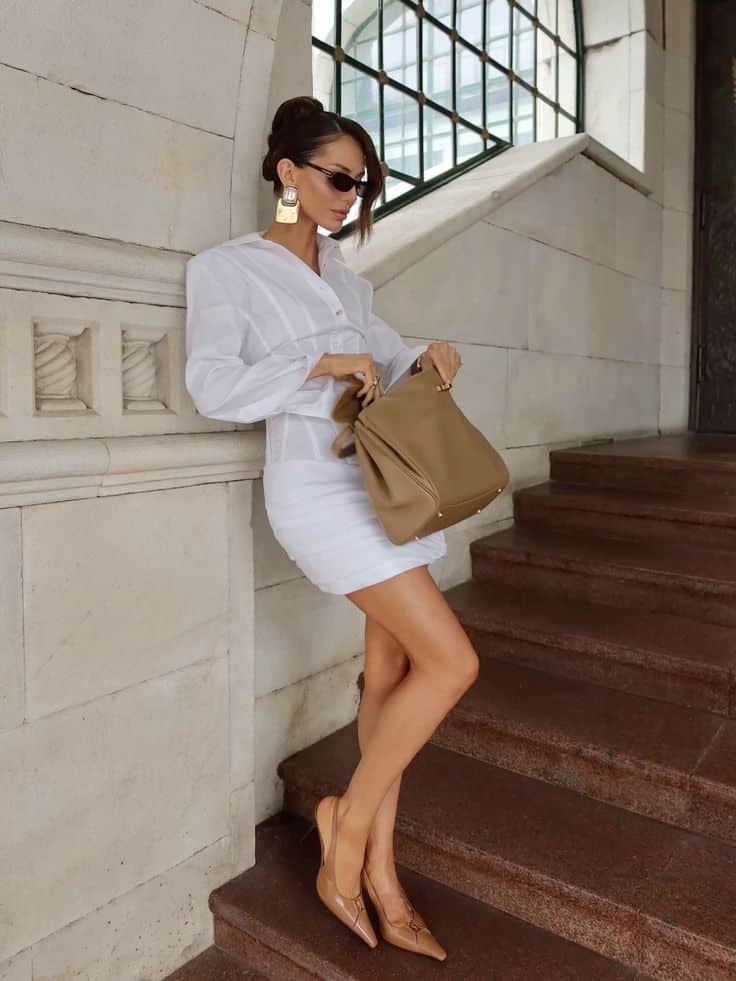
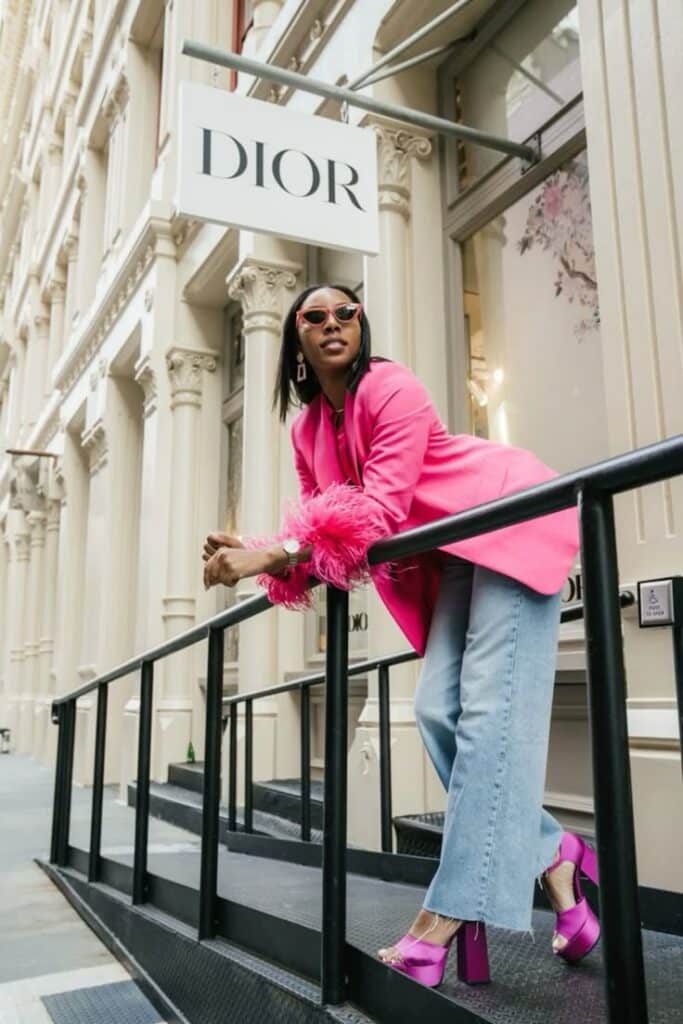
Static, lifeless poses are the nemesis of compelling fashion photography. Your aim is to capture energy, grace, and personality, transforming your model into a living, breathing work of art.
Encourage your models to move and interact with their environment rather than holding rigid poses. Think about natural, fluid movements: walking, twirling, sitting, leaning, or even dancing. Capture them in motion, allowing their hair to flow and their clothing to ripple. This creates a sense of dynamism and authenticity that static shots often lack. Provide prompts and scenarios: “Imagine you’re walking through a crowded street, feeling completely confident,” or “You’ve just noticed something beautiful in the distance.” The goal is to capture genuine moments that feel less posed and more candid, even if they are directed. A burst mode on your camera can be incredibly helpful here, allowing you to select the perfect frame from a sequence of movements.
Subtle gestures can communicate powerful messages. Pay attention to the details: the placement of hands, the tilt of the head, the direction of the gaze, the curve of a foot. A hand delicately touching the face can convey vulnerability or thoughtfulness. Hands in pockets might suggest nonchalance or coolness. A strong, direct gaze can project confidence, while an averted gaze can create intrigue. Work with your model to refine these gestures until they feel natural and enhance the narrative. Sometimes, the slightest adjustment – a finger extended, a wrist slightly bent – can completely alter the feeling of a pose. Practice posing in a mirror yourself to understand how different movements affect the body and clothing.
Your model isn’t just floating in space; they exist within a chosen location. Encourage them to interact organically with their surroundings. Have them lean against a textured wall, sit on a grand staircase, walk through a field, or peek out from behind a curtain. These interactions create a sense of place and integrate the model more deeply into the visual story. A model perched on a windowsill might evoke a sense of contemplation or longing, while one striding purposefully down a city street suggests urban confidence. Using props that complement the theme can also add to this interaction – a vintage camera, a bouquet of flowers, or a cup of coffee can become extensions of the model’s character and enhance the narrative.
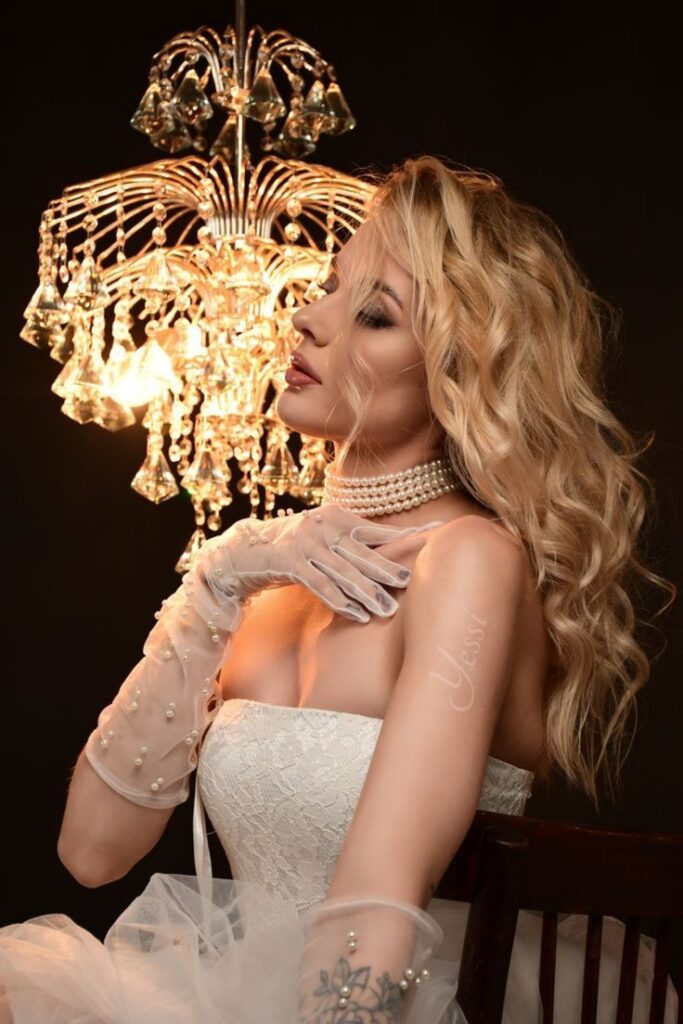
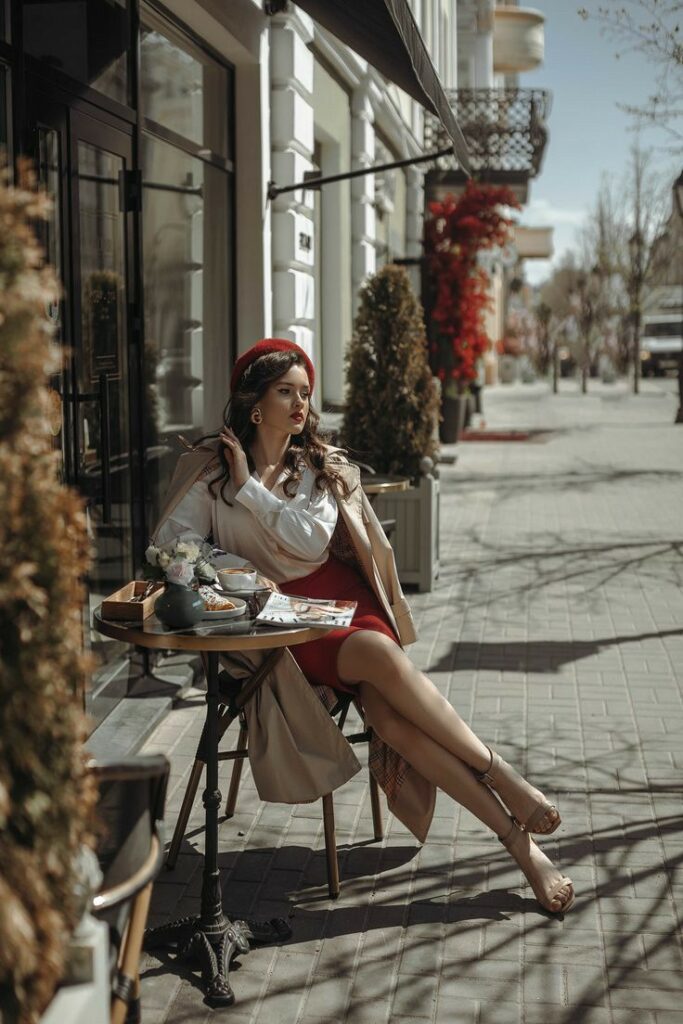
Composition is the invisible architecture of your photograph, guiding the viewer’s eye and creating harmony, balance, and visual impact. Mastering it allows you to transform ordinary scenes into extraordinary visual statements.
While rules are meant to be broken, understanding foundational compositional guidelines like the Rule of Thirds is a fantastic starting point. Imagine your frame divided into nine equal sections by two horizontal and two vertical lines. Placing your subject or key elements along these lines or at their intersections often creates more dynamic and engaging compositions than simply centering everything. Leading lines – roads, fences, architectural elements, or even a model’s extended limb – draw the viewer’s eye through the frame, guiding them directly to your subject or a focal point. Use these lines to create depth, direction, and a sense of movement within your image.
Break free from shooting everything at eye level! Experiment with different angles and perspectives to add drama and originality to your fashion shots. Get down low and shoot upwards to make your model appear statuesque and powerful. Climb high and shoot downwards to capture a broader scene, or to create interesting patterns and shapes with your model and the environment. Shoot through elements – leaves, fences, curtains – to add a sense of intrigue, depth, and framing. A slightly skewed or Dutch angle can introduce tension or playfulness. Each unique vantage point offers a fresh way to see and present your subject, making your portfolio stand out.
A flat image is often a dull image. Strive to create a sense of depth and dimension in your photographs, inviting the viewer into the scene. This can be achieved by incorporating foreground, midground, and background elements. Place something interesting in the foreground – a blurred branch, a patterned floor, or a decorative object – to frame your subject and add visual layers. Use a wide aperture to create a shallow depth of field, blurring the background and making your subject pop, or a smaller aperture to keep everything in sharp focus, showcasing the entire environment. Consider elements that lead the eye into the distance, such as a receding line of trees or a long path, enhancing the feeling of depth.
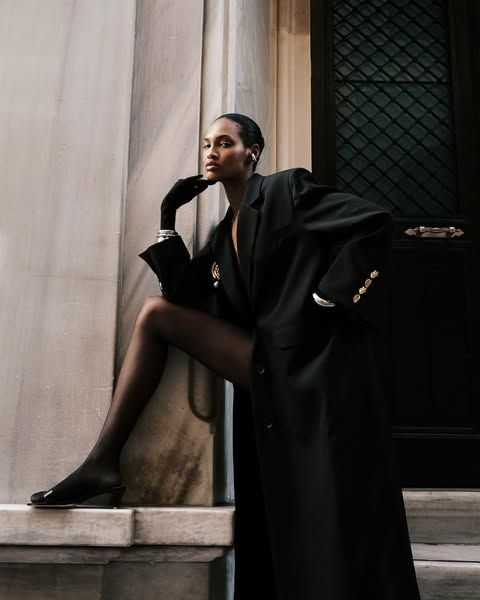
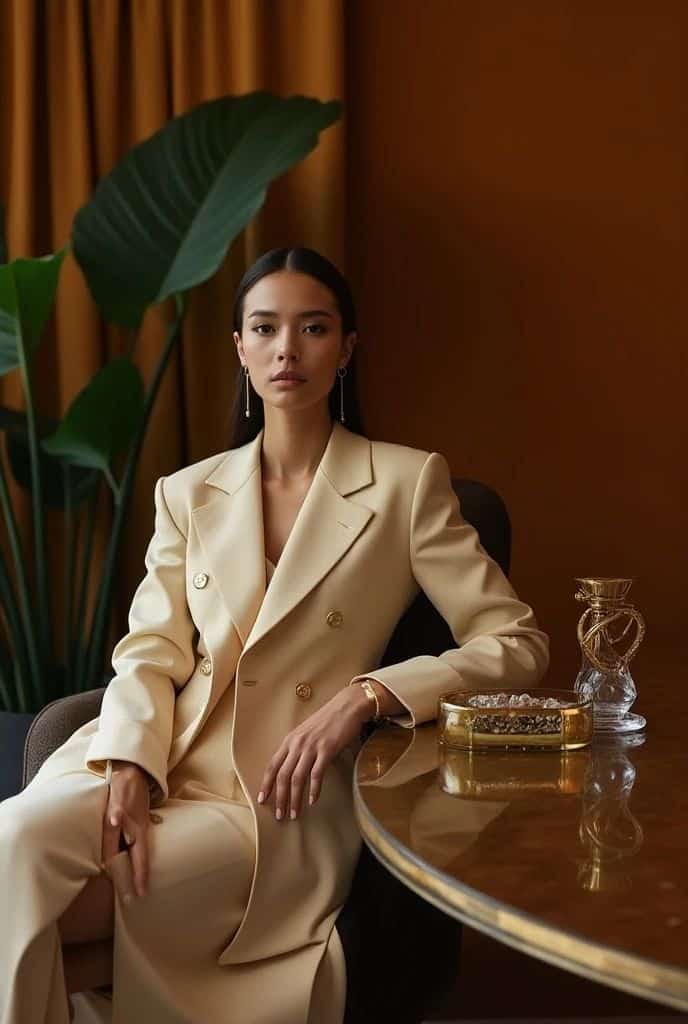
The journey of a fashion photograph doesn’t end with the shutter click. Post-processing is where you refine your vision, enhance your aesthetic, and develop your unique photographic signature. It’s the final flourish that brings your creative concept to full fruition.
Post-processing is your opportunity to imprint your personal artistic style onto your images. This involves more than just basic adjustments; it’s about making intentional choices regarding color grading, contrast, saturation, and overall mood. Do you prefer a vibrant, high-contrast look that pops with energy, or a softer, desaturated, almost painterly aesthetic? Do you favor warm, inviting tones, or cool, dramatic hues? Consistency is key to building a recognizable portfolio. As you edit, pay attention to the emotional impact of your choices. What message do specific color shifts send? How does increased contrast affect the perceived texture of the fabric? Over time, these consistent decisions will help you develop a signature style that audiences will instantly associate with your work.
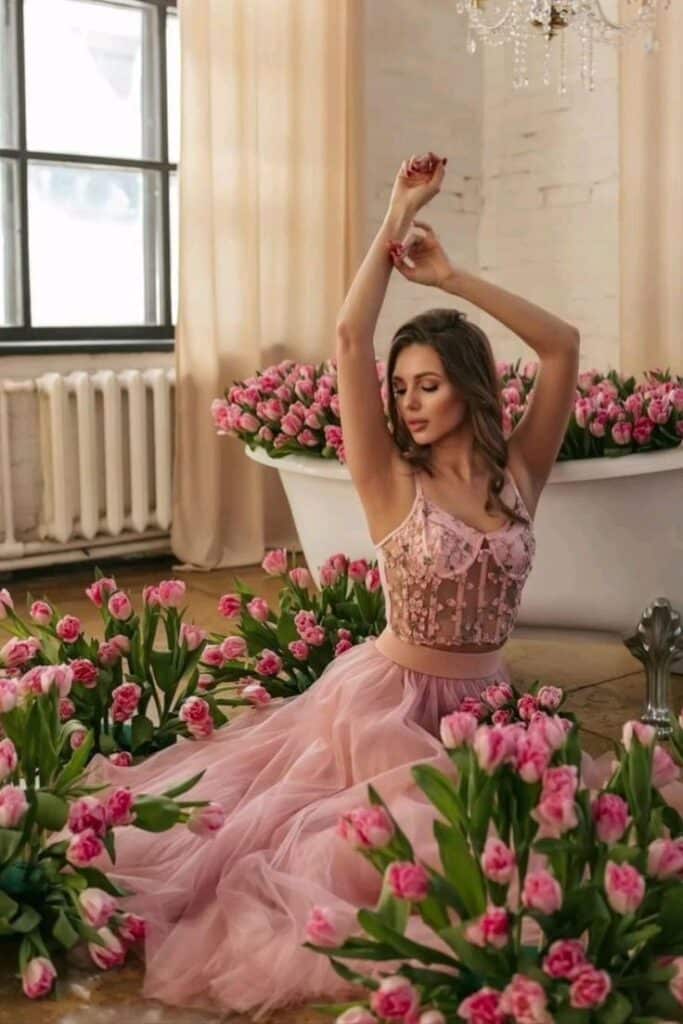
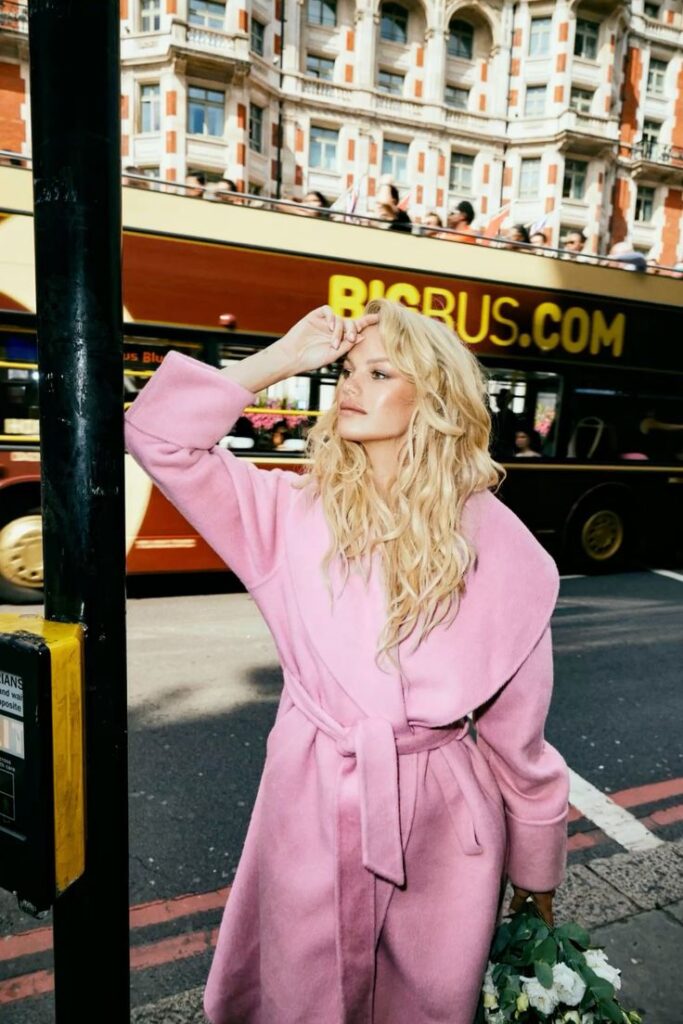
Retouching in fashion photography is about enhancing, not erasing. The goal is to perfect the image while maintaining the authenticity and character of the model and the clothing. Focus on subtle adjustments:
The key is restraint. Good retouching is often invisible, making the image look polished and impeccable without appearing overly manipulated.
To streamline your workflow and ensure aesthetic consistency across a series or an entire portfolio, explore the use of presets and LUTs (Lookup Tables). Presets are pre-configured settings that you can apply with a single click in editing software like Lightroom or Capture One. They can instantly apply a specific color grade, contrast level, and overall tone. LUTs function similarly, often used in video but also applicable to photos, offering a broad range of color transformations. Developing your own custom presets, or finding a set that aligns with your signature style, can significantly reduce editing time and maintain a cohesive visual identity across all your work. It allows you to spend less time on repetitive tasks and more time on fine-tuning the unique elements of each shot, further polishing your magnificent fashion photography masterpieces.
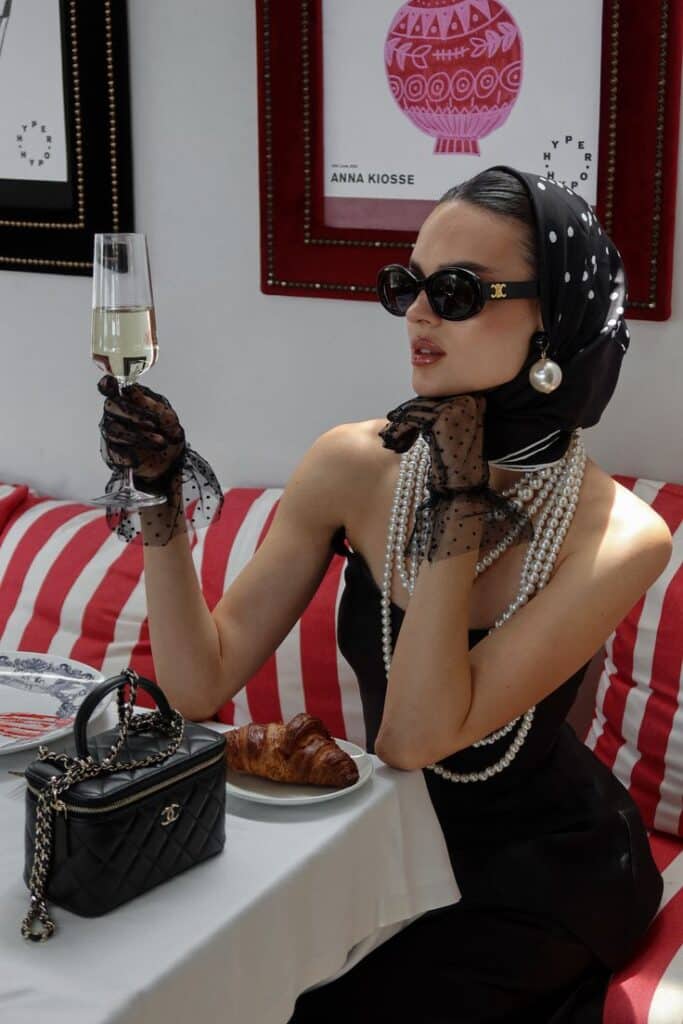
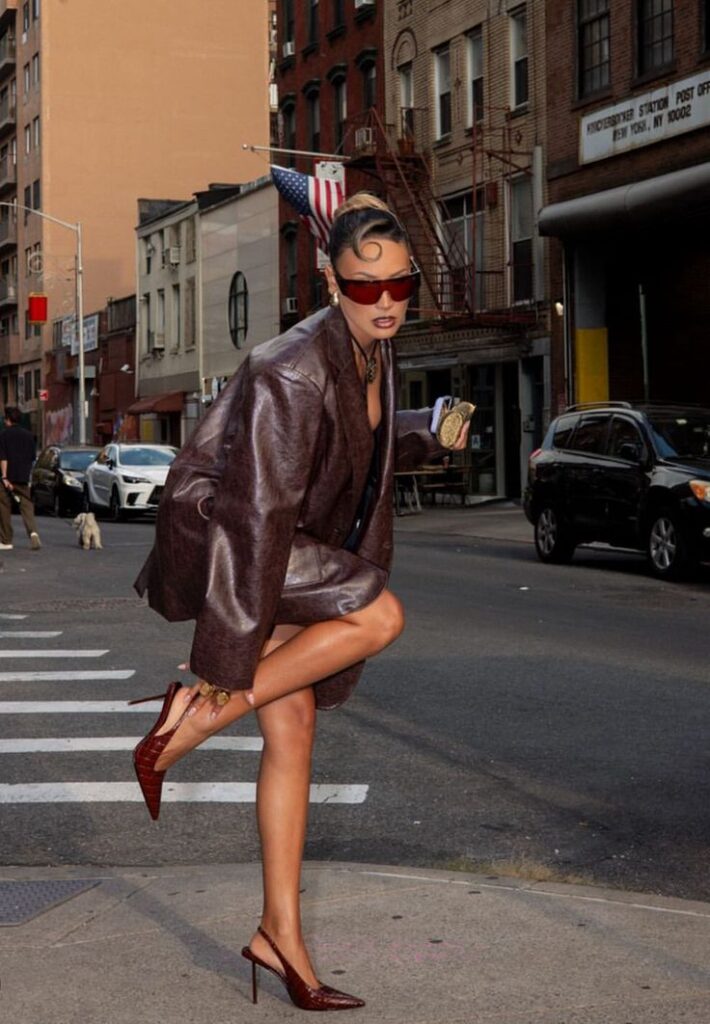
The world of fashion photography is dynamic, constantly evolving, and endlessly inspiring. To truly excel, you must nurture your creative vision and commit to continuous growth.
Inspiration isn’t just found in other fashion magazines. It’s everywhere! Immerse yourself in art history, visit galleries, watch films, read literature, and explore different cultures. Pay attention to how light falls in everyday life, notice unique architectural details, or observe the unspoken stories of people passing by. Nature offers an endless palette of colors and textures. Even something as broad as understanding various aesthetic styles, like contemplating Aesthetics: Clean Girl, Old Money, Coastal – What to Choose?, can provide a wealth of inspiration for crafting distinct visual narratives. Keep a mood journal or a digital swipe file where you collect anything that sparks your imagination – a color combination, a striking pose, an interesting composition, or a captivating emotion. The more you feed your creative well, the richer your output will be.
The greatest advancements in any art form come from those brave enough to push boundaries. Don’t be afraid to experiment! Try a new lighting setup you saw, use a prop in an unexpected way, shoot with a different lens, or explore an unconventional location. What if you tried shooting a high-fashion editorial entirely with a smartphone? Or played with extreme wide-angle distortion for a dramatic effect? Failure is not the opposite of success; it’s a stepping stone. Every “failed” experiment teaches you something valuable, refining your understanding of light, composition, and your gear. Embrace the process of discovery, and allow yourself the freedom to play without the pressure of perfection. This fearlessness will lead to your most unique and groundbreaking work.
Photography is often a collaborative art form, especially in fashion. Surround yourself with talented and passionate individuals: stylists, makeup artists, hair artists, models, and set designers. Each person brings a unique perspective and skill set that can elevate your collective vision far beyond what you could achieve alone. Building strong relationships with other creatives not only enriches your projects but also expands your network and opens doors to new opportunities. Attend workshops, join photography communities, and connect with peers online. Share your work, ask for feedback, and offer constructive criticism in return. Learning from others, and growing together, is an invaluable part of the creative journey.
You are now armed with an arsenal of incredible ideas to revolutionize your fashion photography! From crafting compelling narratives and innovating with styling to mastering the nuances of light, guiding dynamic poses, composing breathtaking frames, and finessing your images in post-production, every step is an opportunity for artistic expression. Remember, fashion photography is a journey of continuous learning and boundless creativity. Don’t be afraid to experiment, to fail forward, and to consistently seek inspiration in the world around you. Your unique vision is your most powerful tool.
So, what are you waiting for? Grab your camera, unleash that incredible imagination, and start creating fashion photographs that don’t just capture attention, but capture hearts and minds. The world is ready for your unique perspective – go out there and make some magic!