Top 5 Minimalist Home Designs for a Stylish and Functional Living Space
Facebook Twitter Pinterest Minimalism in home design emphasizes simplicity and functionality, allowing you to create a tranquil living…


Home should feel private, safe and comfortable, whether you are relaxing in the living room, working from home or leaving for the day. Yet exposed windows, street-facing rooms and easy access points can leave a property feeling too visible or less secure than it should.
Improving privacy and security does not always mean turning your home into a closed-off space. A well-planned approach can protect your household while still allowing natural light, airflow and a welcoming street presence. This guide covers practical ways to improve privacy, strengthen common entry points and choose window coverings that suit your home.
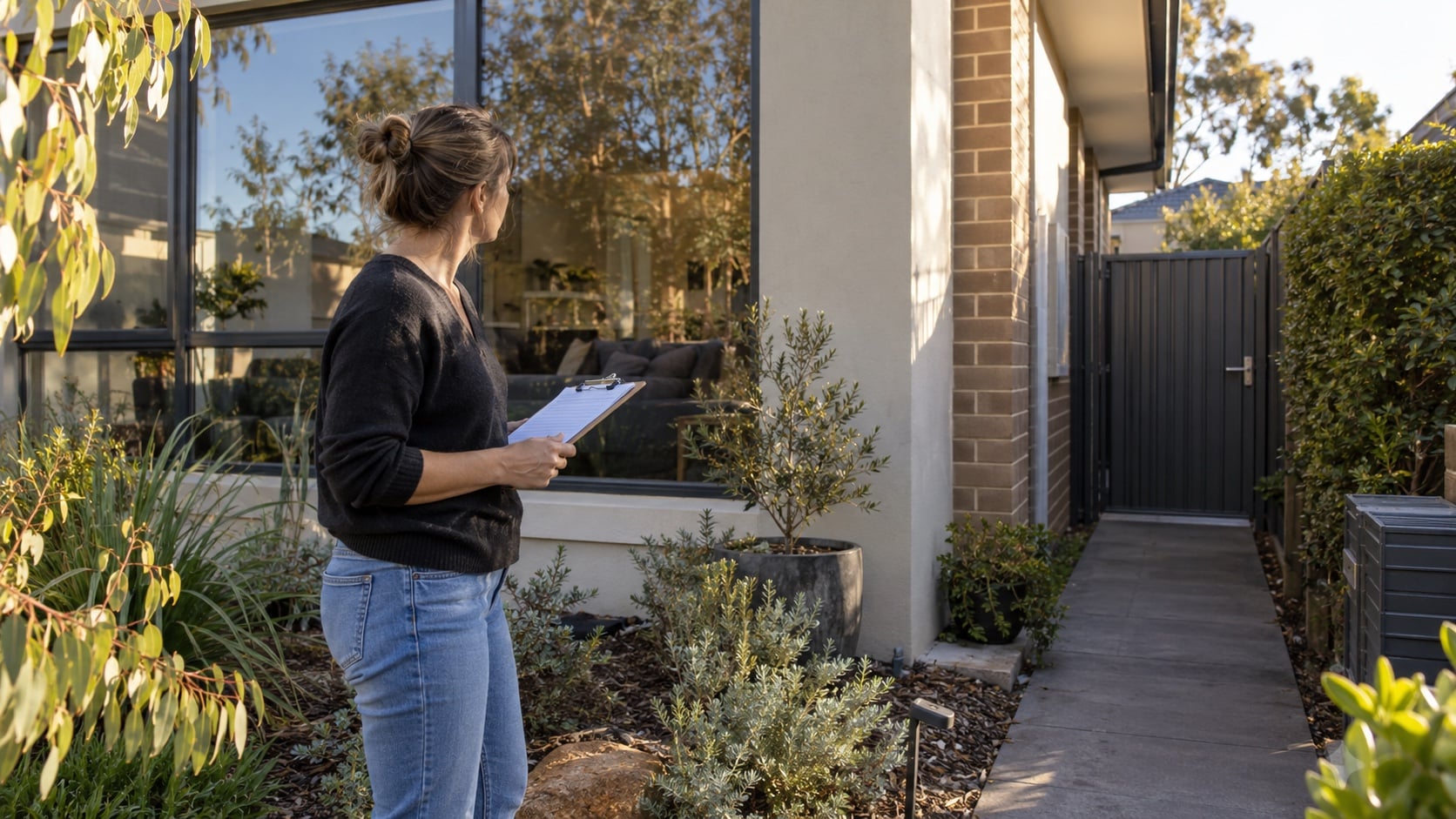
Every property has different privacy and security concerns. A ground-floor bedroom near a footpath may need more screening than an upstairs living room, while a side access gate may need more attention than a front-facing window.
Walk around your home during the day and evening. Look at what people can see from the street, neighbouring properties and nearby public areas. Check whether external lighting leaves dark areas around doors, garages and side paths.
Pay close attention to:
This review can help you focus your budget on the parts of the property that need the most improvement. It also prevents you from choosing a solution based on appearance alone when another issue, such as poor lighting or weak access control, needs attention first.
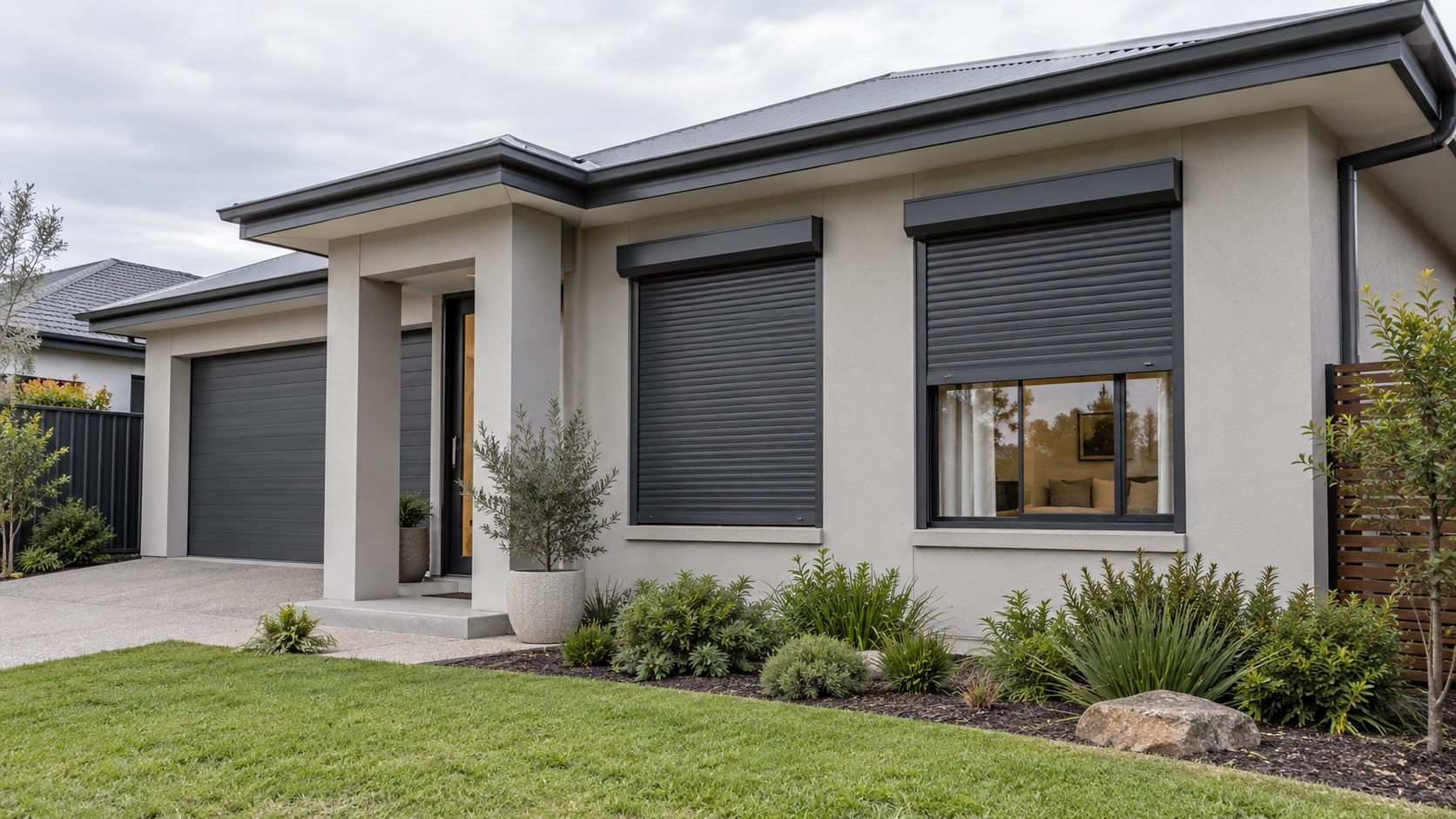
Window coverings play a major role in how private and secure a home feels. Curtains and blinds can reduce visibility, but they may not provide the same physical barrier or external protection as shutters designed for window openings.
Professionally fitted roller shutters Sydney homeowners choose can help cover windows when privacy, shade and added protection are needed. When closed, they can limit views into the home and reduce access to the glass behind them.
Roller shutters can be useful for bedrooms, street-facing living areas, garages and properties close to busy roads or footpaths. They may also suit homes where residents travel often and want a more secure closed-up appearance while the property is unattended.
Before selecting shutters, think about how you will use them each day. A bedroom may need privacy early in the morning and at night, while a living area may need flexible control over sunlight, visibility and airflow.
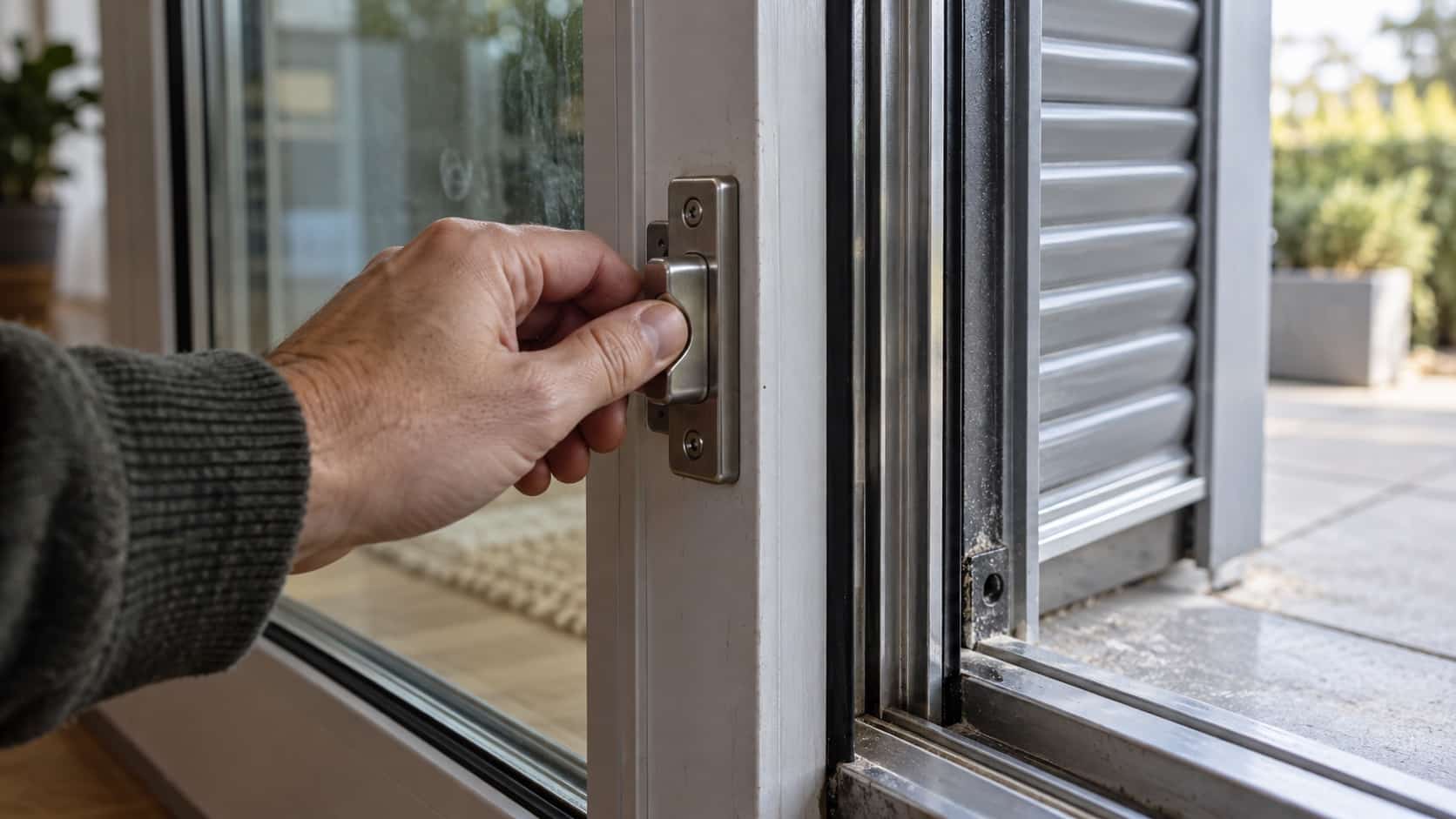
Windows and doors are common access points, so they deserve attention as part of a wider home security plan. Start by checking whether locks work correctly, frames are in good condition and sliding doors cannot be easily lifted or forced from their tracks.
For homes that need stronger window protection, security shutters Sydney residents install can add another layer between the outside of the property and the window. They can also provide more privacy for rooms that face public areas or neighbouring homes.
A security-focused setup works best when it combines suitable products with sensible daily habits. Leaving a window unlocked behind a closed covering, for example, can weaken the overall protection of the opening.
Check these areas around windows and doors:
Repairing small problems early can stop them from becoming larger security or weatherproofing issues. If an entry point is difficult for you to close or lock, it may not be providing the protection you expect.
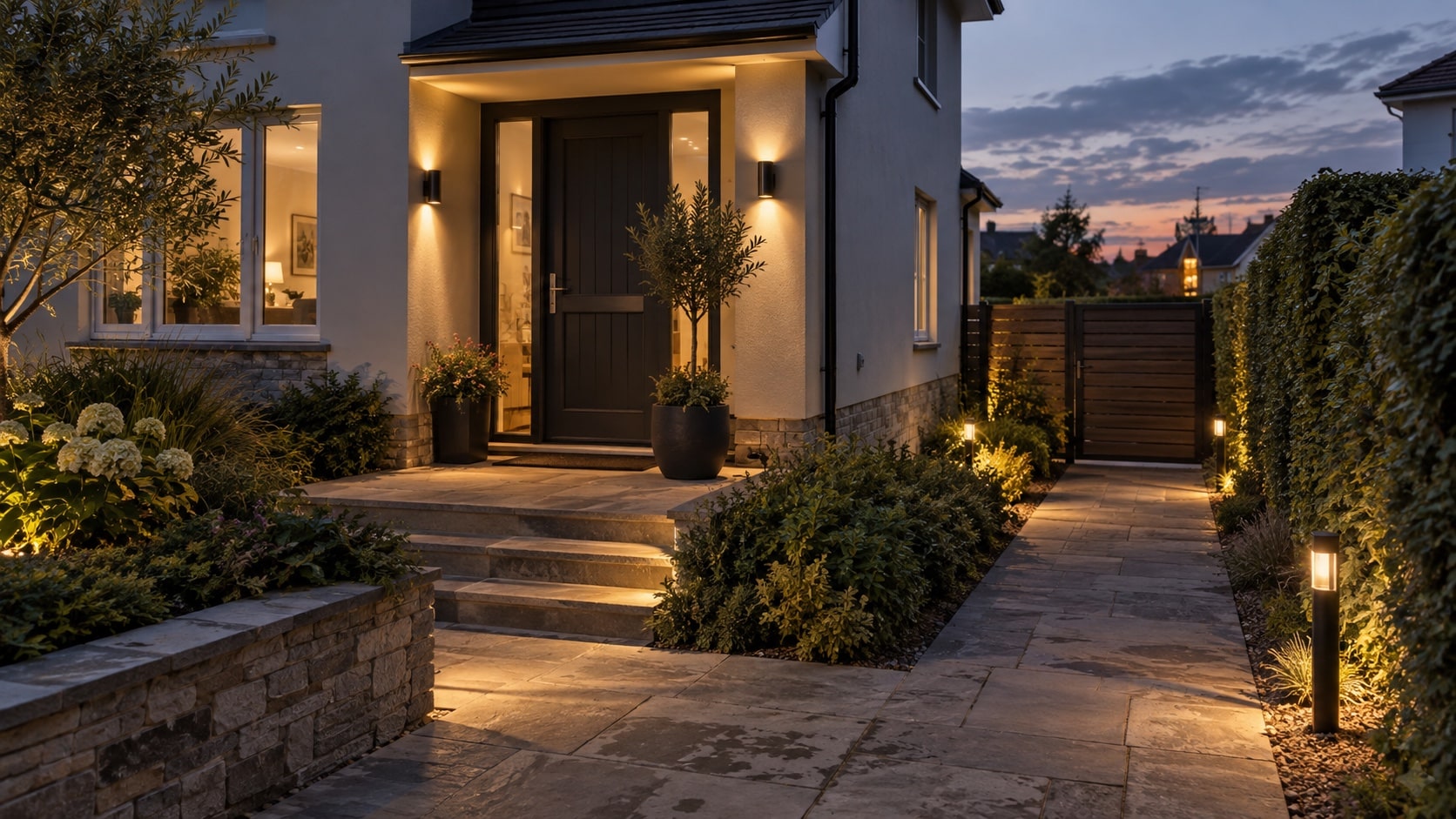
Good exterior lighting makes access paths, entry doors and outdoor spaces easier to use after dark. It can also help you see who is approaching the property before you open a door or gate.
Focus on practical areas rather than filling every part of the yard with bright light. Front entries, driveways, side access paths, garage doors and rear doors often benefit from well-positioned lighting. Lighting should help household members move safely without shining directly into neighbouring homes.
Keep the design simple. Place lights where they improve visibility around steps, gates and entrances, and check that foliage does not block the light over time. Replace failed globes promptly so dark spots do not develop around key access areas.
Indoor lighting matters as well. At night, bright rooms with uncovered windows can make it easy for people outside to see in. Closing blinds, curtains or shutters in the evening helps protect privacy while allowing you to use your home comfortably.
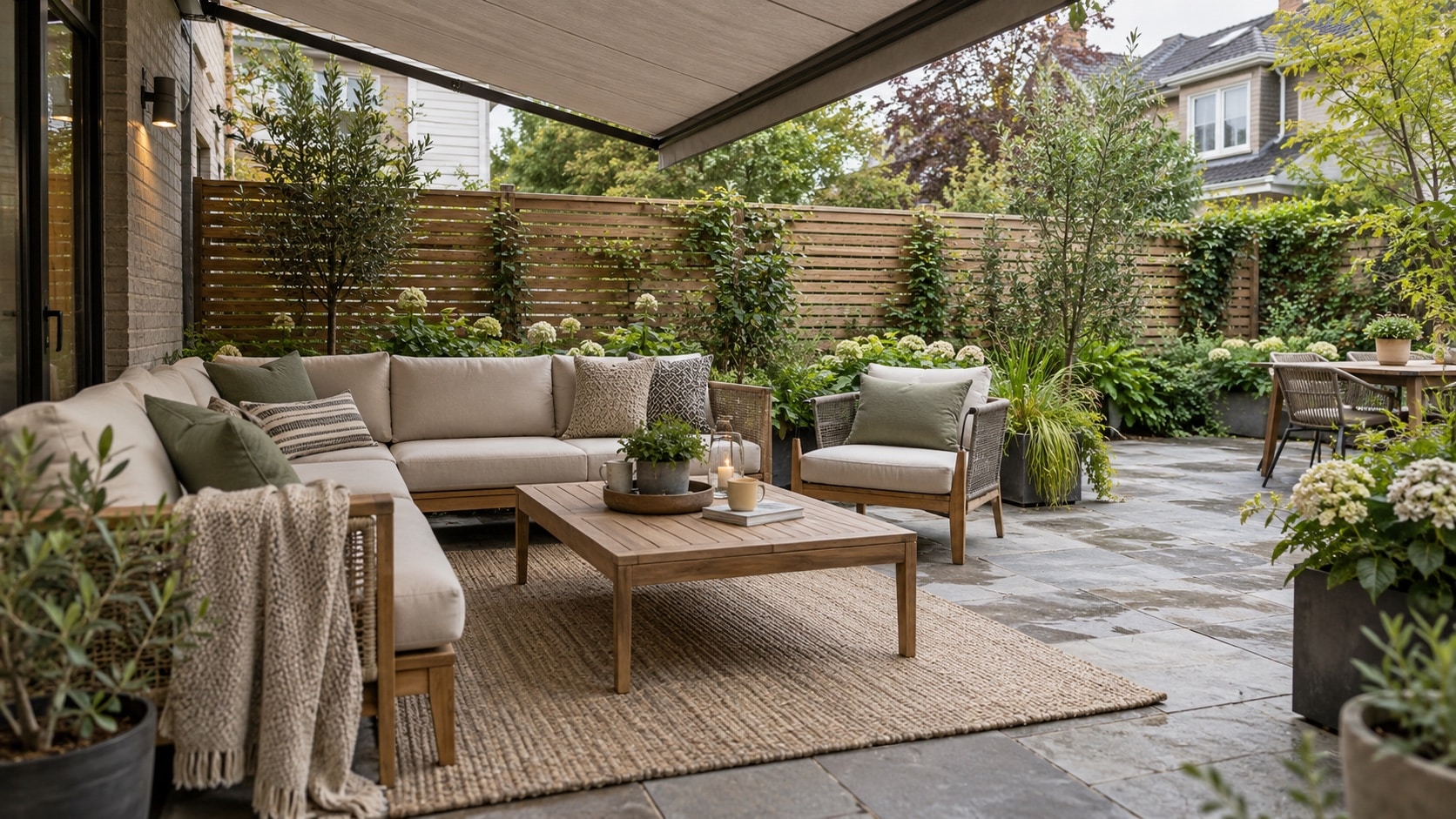
Privacy can make patios, balconies and backyards more enjoyable, particularly in built-up neighbourhoods. The aim is to control direct sightlines without making the area feel dark or boxed in.
Start by identifying where the overlooked areas are. A neighbour may be able to see directly into a dining area from one upper window, while another part of the yard may only need low screening. This allows you to use targeted solutions instead of adding high fencing everywhere.
Options may include:
Planting can improve privacy over time, but it should not block paths, cover lights or create hidden spaces around windows and doors. Keep shrubs trimmed so access points remain visible from inside the home and from the street where appropriate.
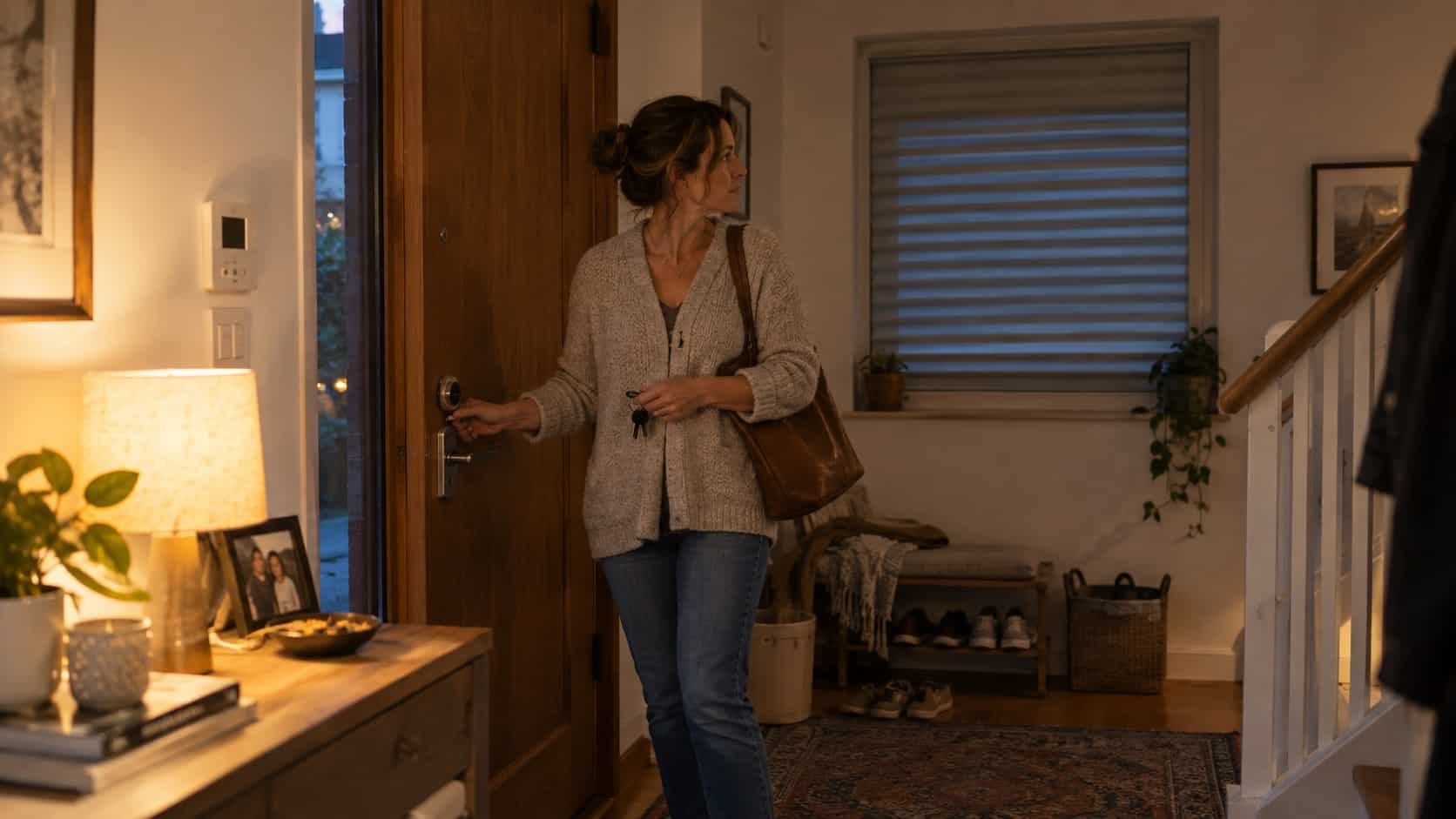
Physical upgrades work best alongside consistent routines. Many household security gaps come from simple oversights, such as leaving a garage remote in an unlocked car or forgetting to secure a side gate.
Create a routine that suits the way your household uses the home. It may be a short check before leaving, before going to bed or before travelling. Keep the routine realistic so it becomes easy to follow.
A useful home security checklist may include:
Do not overlook maintenance. A loose latch, damaged gate hinge or faulty light can weaken an otherwise good setup. Regular checks allow you to fix minor faults before they affect everyday safety.
The right privacy and security solution depends on the layout of the home, the level of exposure and how each room is used. A family home with street-facing bedrooms may have different needs from an apartment balcony or a house with a large rear entertaining area.
For window shutters, look at the operation method, the space available around the opening, the type of window and how often you expect to open and close the shutters. You should also think about access in an emergency and the need for ventilation when shutters are partially or fully closed.
Ask practical questions before installation:
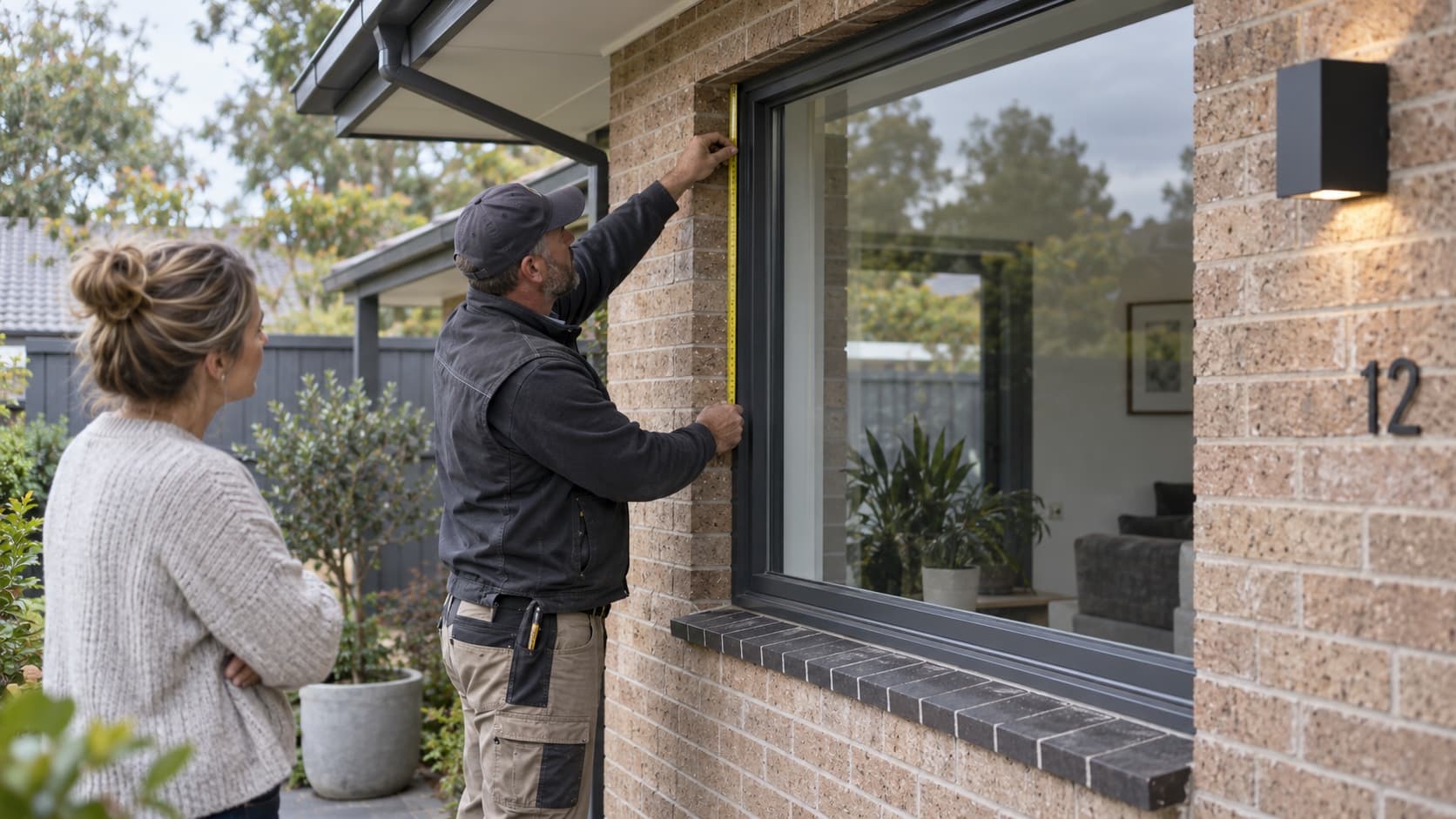
A site measure is useful because small details can affect the final result. Window recesses, outdoor fittings, uneven surfaces and access limits can all influence the type of shutter or security feature that suits the space.
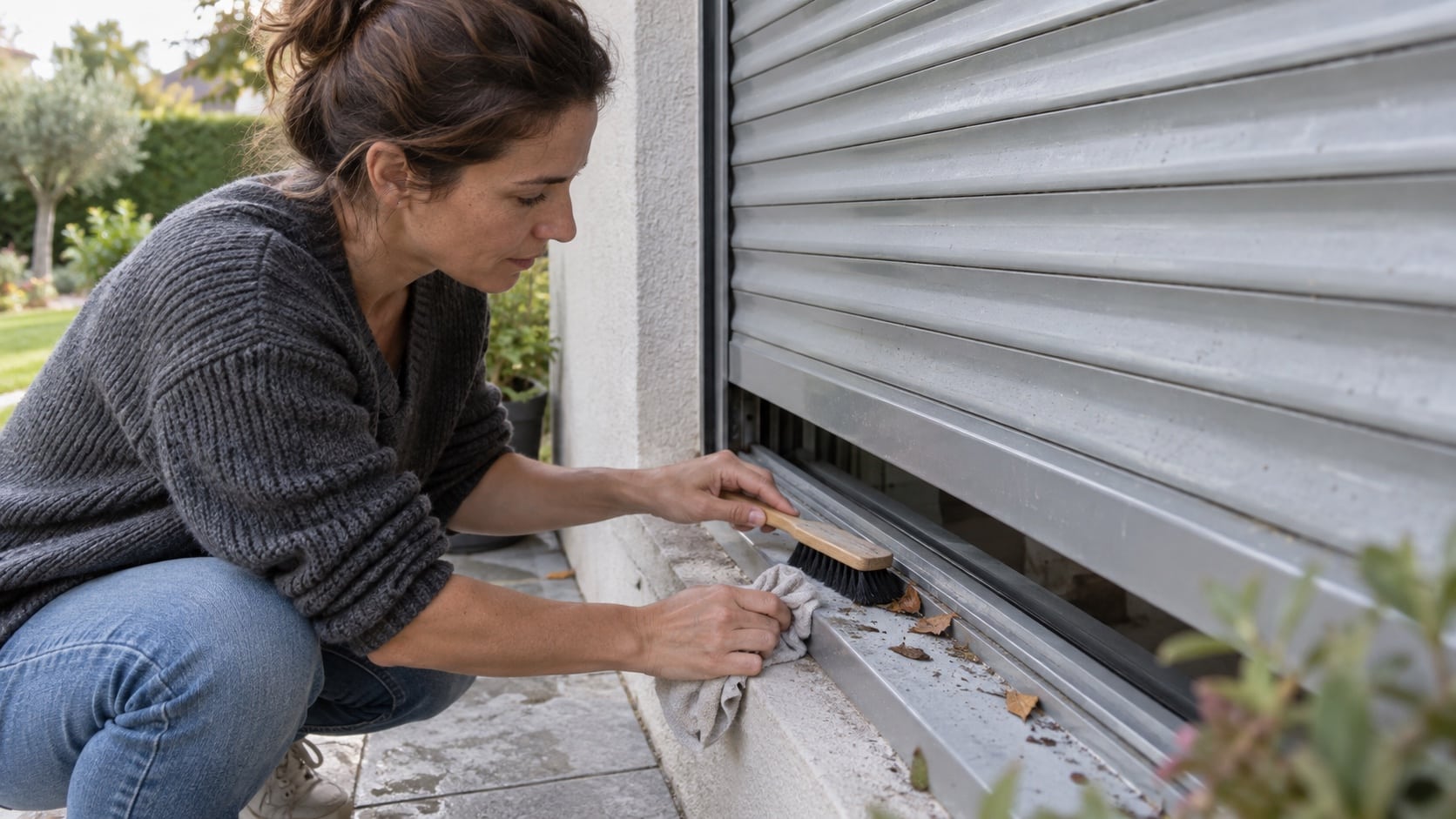
Privacy and security products need regular care to stay reliable. Dust, leaves and insects can build up in tracks or around moving parts, while weather exposure can affect external hardware over time.
Clean shutters and window frames as recommended by the installer, and keep tracks clear so the system operates smoothly. Test locks, latches, gates and exterior lights regularly. If you notice stiffness, unusual noise, visible damage or difficulty locking an opening, arrange repairs promptly.
Keep your property layout in mind as the seasons change. Plants can grow across lights and windows, outdoor furniture can shift closer to boundaries and new equipment can create unintended access points. A quick check every few months helps keep the home private and secure.
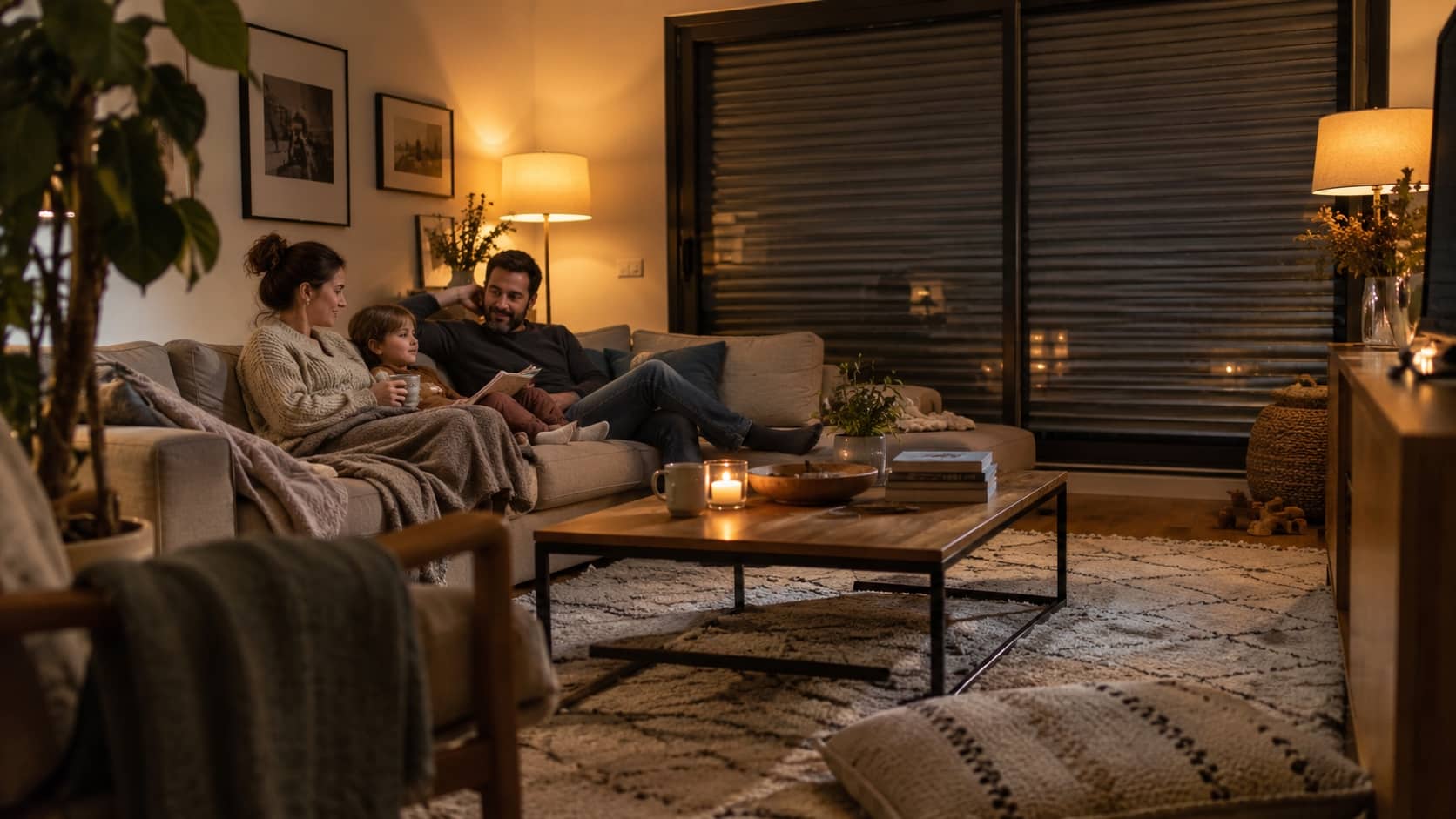
Improving privacy and security starts with understanding how your home is used and where it feels exposed. Secure locks, clear lighting, thoughtful screening and properly fitted shutters can work together to protect your household without taking away comfort or natural light.
If you want a practical way to improve privacy and strengthen exposed windows, speak with iStyle Shutters about roller shutter options designed for your home. A tailored assessment can help you choose a solution that suits your space, lifestyle and security needs.
Roller shutters can add a physical barrier in front of windows, making the opening less accessible when the shutters are closed. They are most effective when used alongside working window locks, secure doors, exterior lighting and sensible household routines. The correct shutter type, professional installation and regular maintenance all affect performance. They can also improve privacy by blocking outside views into the home.
Yes. When fully closed, roller shutters can stop people from seeing through the window from outside. This makes them useful for bedrooms, living rooms and other areas facing streets, footpaths or neighbouring properties. They can also reduce the visibility of indoor lighting after dark. For flexible daytime privacy, choose a setup that lets you adjust the shutters to suit light and airflow needs.
Roller shutters can often be installed on existing windows, provided there is suitable space and a secure mounting surface around the opening. The window size, frame type, wall construction and nearby fixtures may affect the recommended design. A professional site measure helps identify any access or installation issues before work begins. It also helps ensure the shutters operate smoothly once fitted.
When closed, roller shutters can reduce or block direct sunlight entering through the window. This can help rooms feel more private and reduce glare at certain times of day. The amount of light control depends on the shutter design and position. Homeowners can raise or lower the shutters as needed, allowing them to balance daylight, privacy and comfort throughout the day.
Keep roller shutters clean by removing dust, leaves and debris from the curtain and tracks. Use gentle cleaning methods recommended for the material and avoid abrasive products that may damage the finish. Test the operation regularly and arrange service if the shutters become noisy, stiff or difficult to move. Checking shutters after storms or strong winds can also help identify damage early.