How Can You Balance Style, Privacy and Convenience at Home?
Balance style, privacy and convenience with Roman blinds, motorised curtains, thoughtful light control, coordinated fabrics and accurate planning.


One of the most important principles of shabby chic decor is letting go of perfection. Small imperfections—cracks, chips, faded paint—add authenticity and charm.
Rather than replacing worn items, celebrate them.
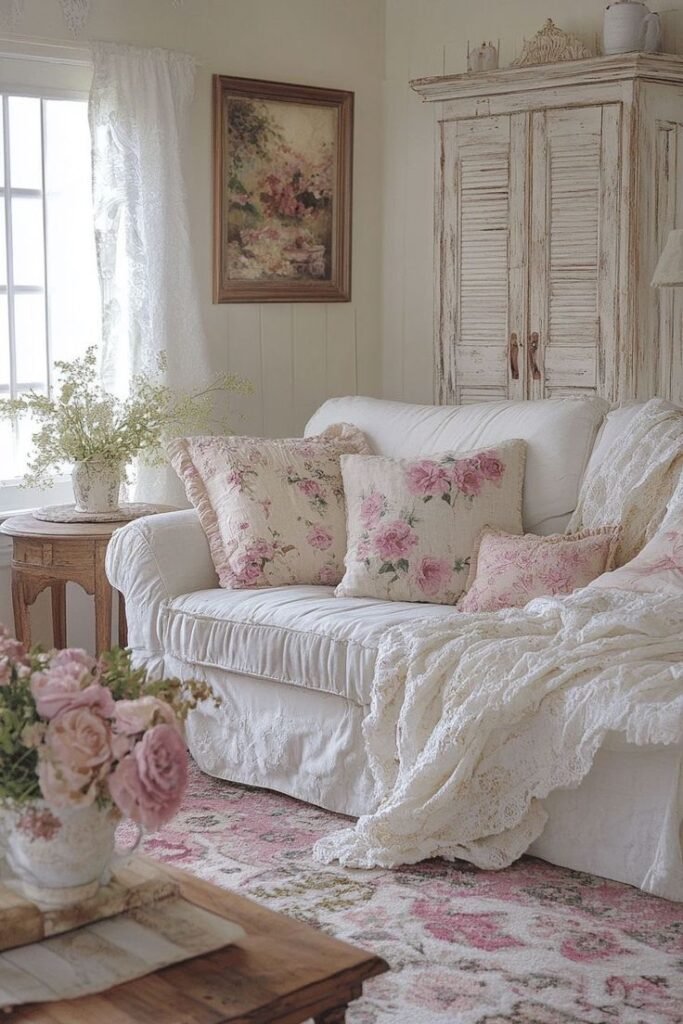
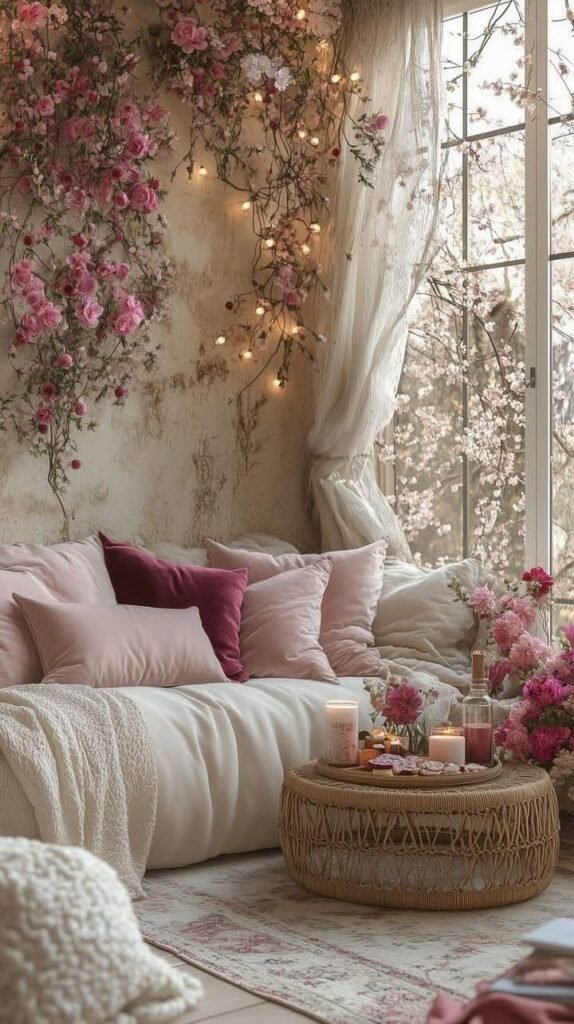
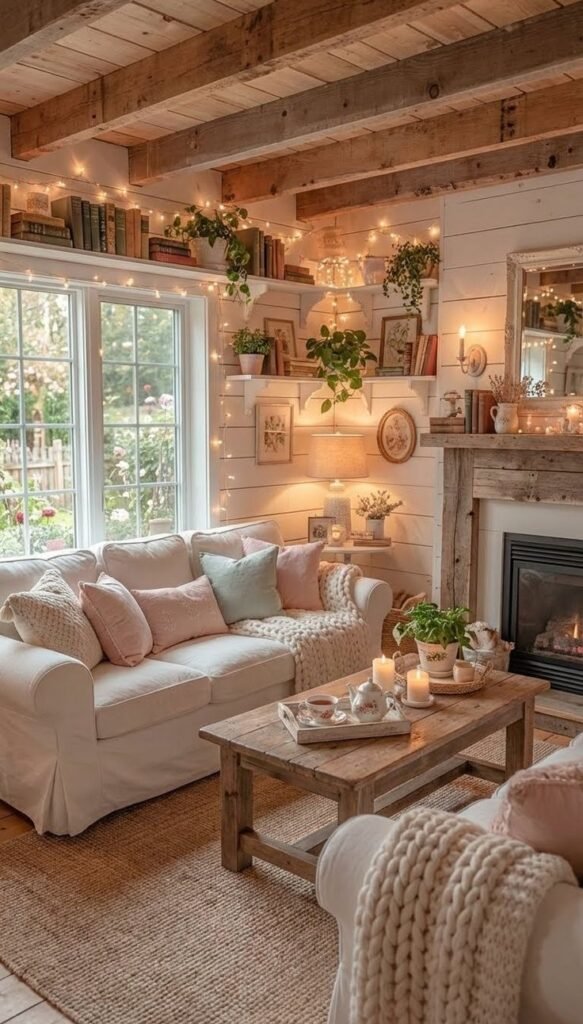
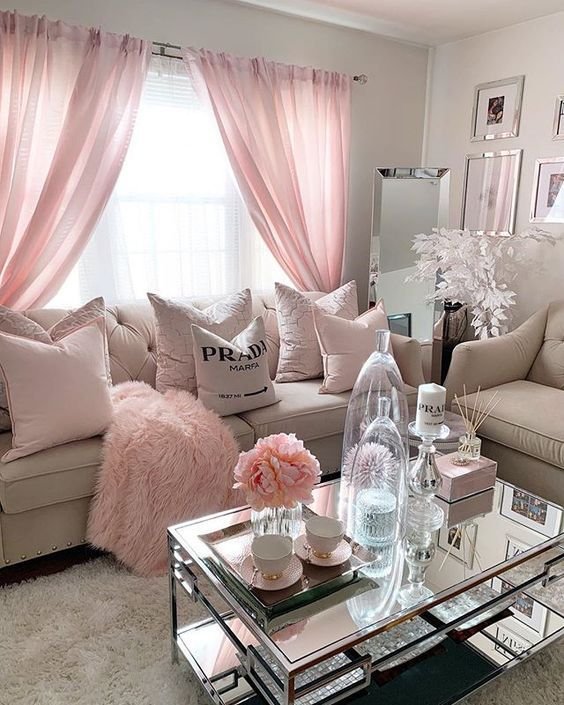
In a shabby chic living room, comfort is key. Think plush sofas with slipcovers, layered throw pillows, and soft lighting. Coffee tables may show wear, and decorative accessories often include candles, vases, and antique trays.
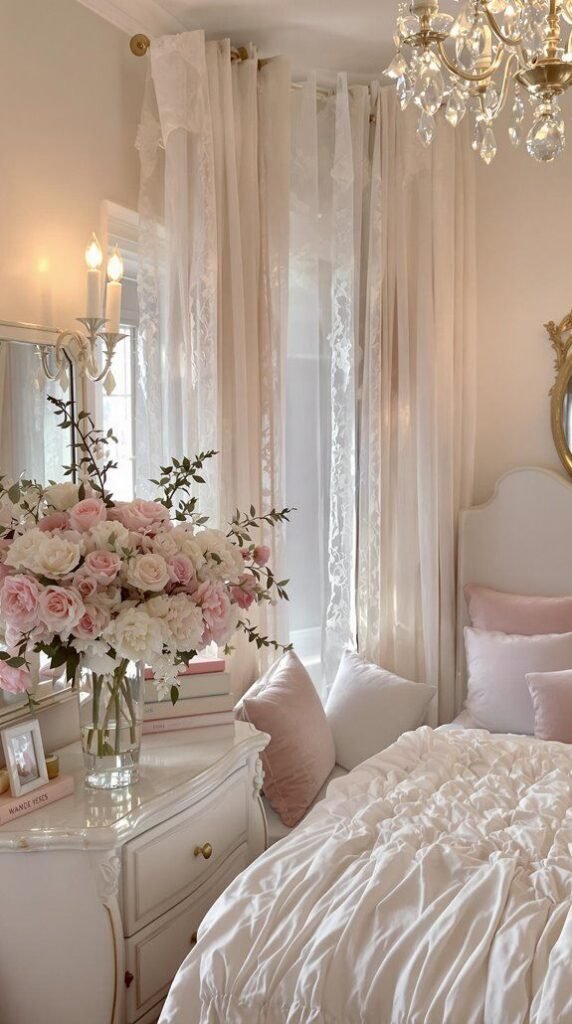
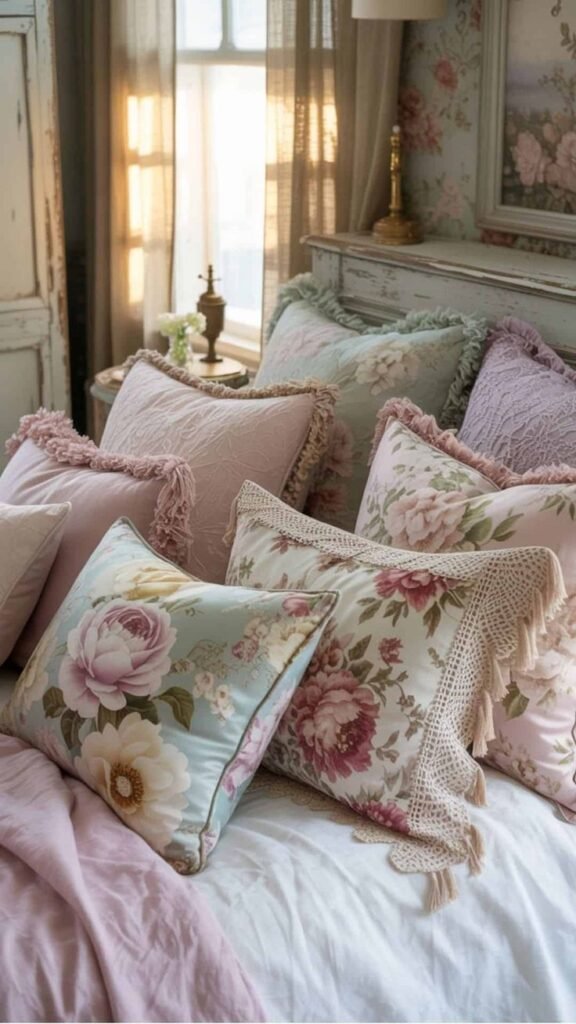
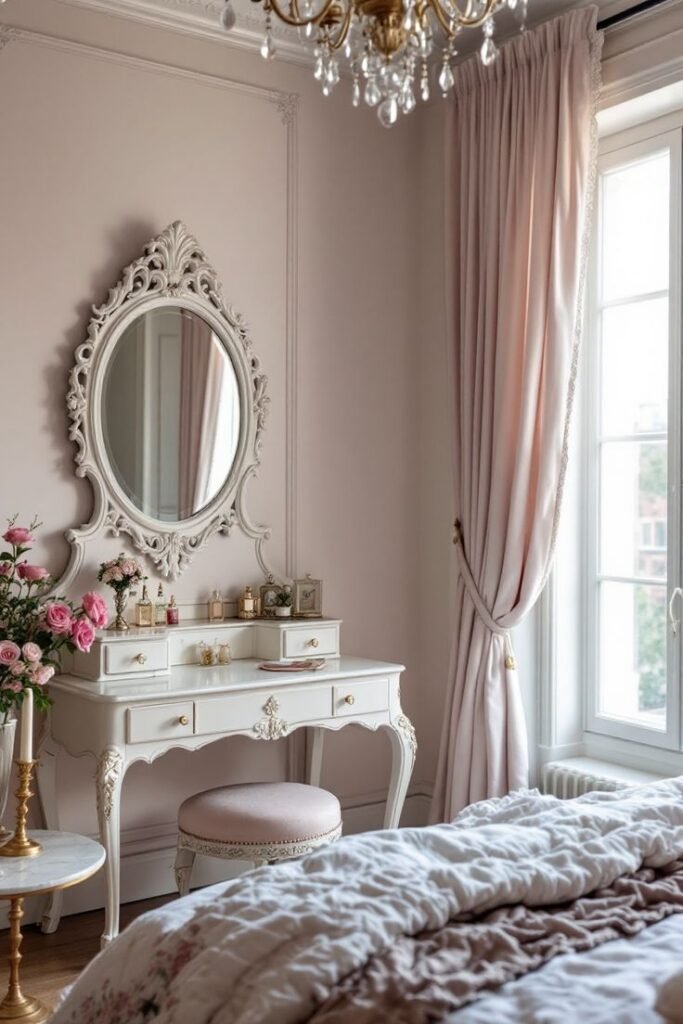
Bedrooms are where shabby chic truly shines. Iron or carved wood beds, floral bedding, ruffled pillows, and vintage nightstands create a serene, romantic retreat. Soft lighting and layered textiles make the space feel cozy and intimate.
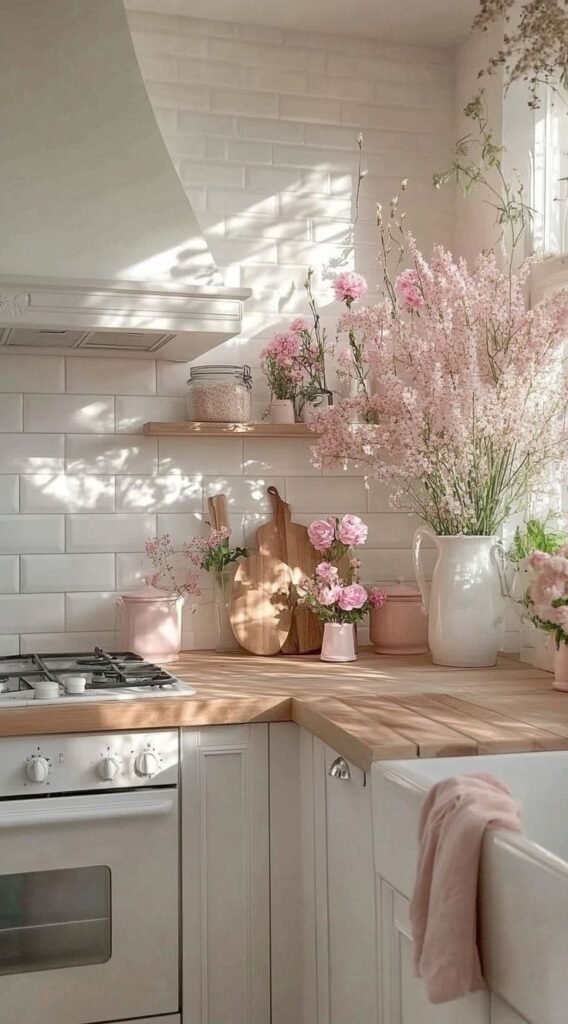
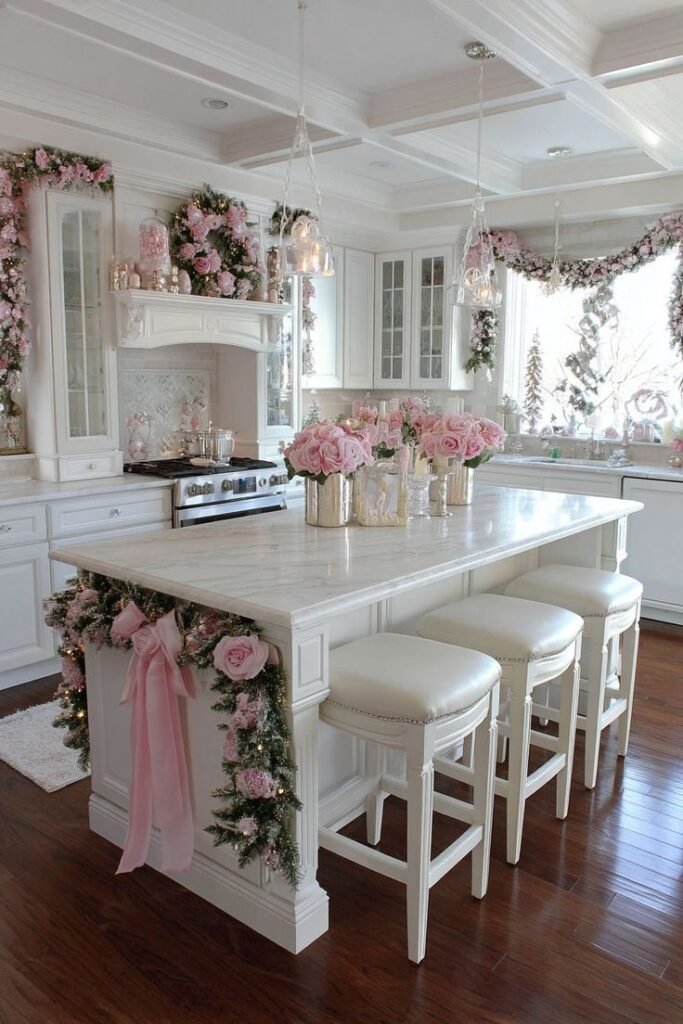
Shabby chic kitchens often feature:
In bathrooms, shabby chic decor comes through subtle details: clawfoot tubs, pedestal sinks, ornate mirrors, and soft towels in muted colors. Vintage jars, baskets, and floral accents complete the look.
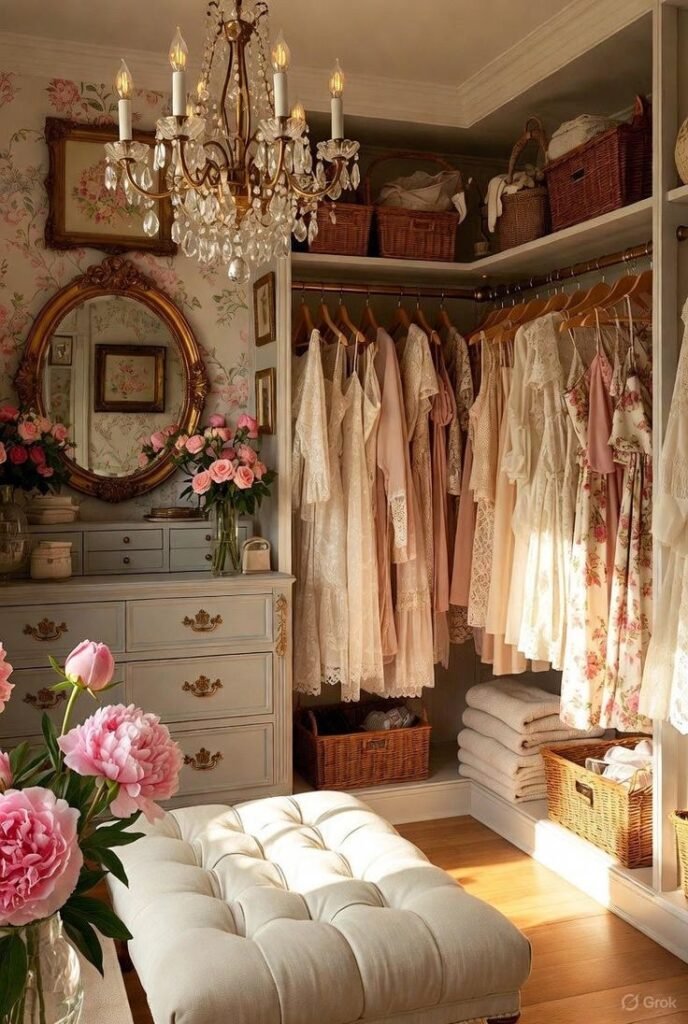
While traditionally vintage-focused, shabby chic pairs surprisingly well with modern touches. Clean-lined sofas, simple lighting fixtures, or contemporary art can balance the softness of shabby chic decor, preventing it from feeling overly feminine or dated.
This blended approach works especially well in smaller or urban homes.
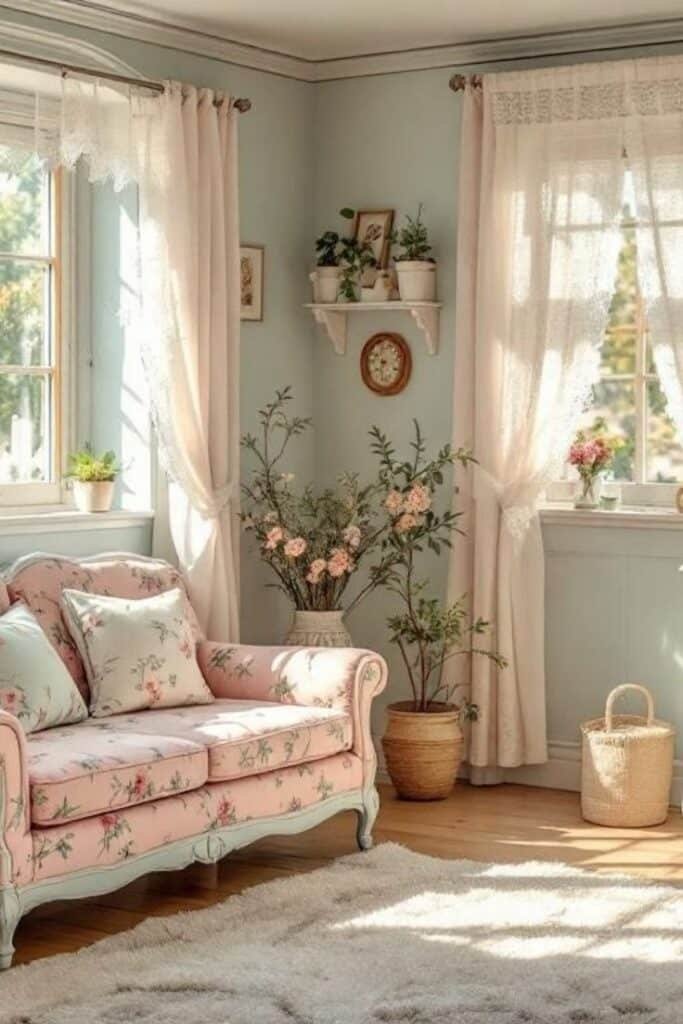
Shabby chic decor endures because it offers something many people crave: comfort, warmth, and emotional connection. In a world filled with fast trends and mass production, shabby chic values history, craftsmanship, and individuality.
It’s a style that invites you to slow down, appreciate beauty in imperfection, and create a home that feels genuinely lived in.
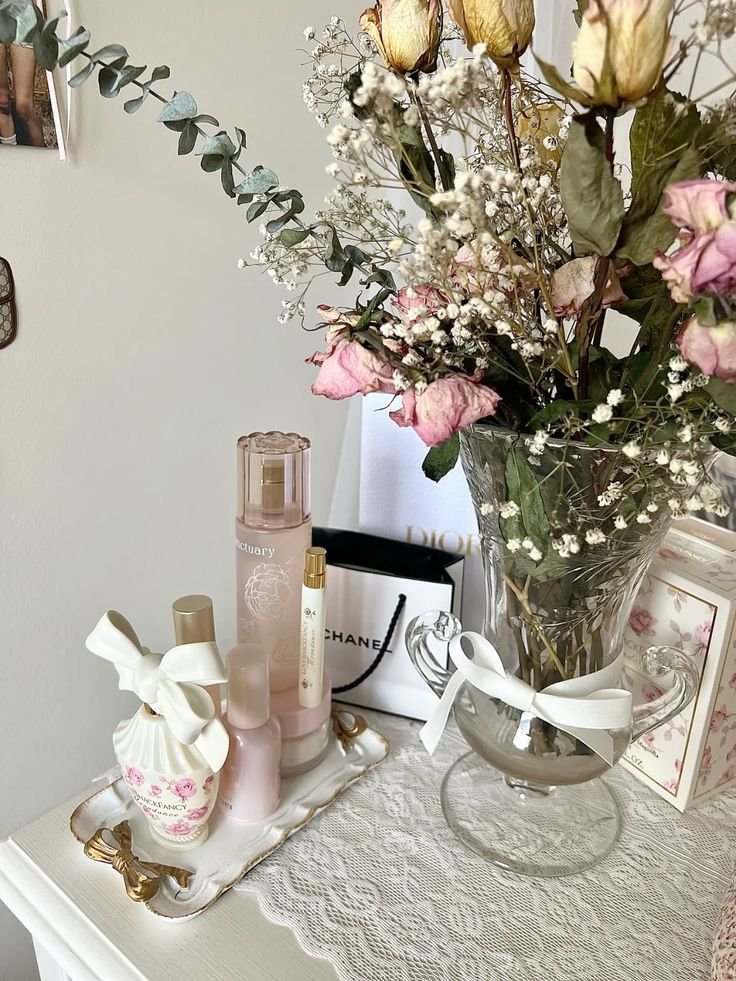
Shabby chic decor is more than just a design style—it’s a mindset. By embracing softness, vintage charm, and imperfect beauty, you can create a space that feels welcoming, personal, and timeless. Whether you fully commit to the aesthetic or simply incorporate a few shabby chic touches, this style brings warmth and character into any home.
With thoughtful choices and a focus on comfort, shabby chic decor transforms ordinary spaces into places that truly feel like home.
In a shabby chic living room, focus on comfort with plush sofas, slipcovers, layered throw pillows, and soft lighting. Use worn coffee tables and decorative accessories such as candles, vases, and antique trays to enhance the aesthetic.
A shabby chic bedroom features iron or carved wood beds, floral bedding, ruffled pillows, vintage nightstands, soft lighting, and layered textiles to create a cozy, romantic retreat.
The main principle of shabby chic decor is letting go of perfection by celebrating small imperfections like cracks, chips, and faded paint, which add authenticity and charm.
Shabby chic kitchens usually have painted cabinets in white or pastel tones, open shelving with vintage dishes, farmhouse tables with distressed finishes, and an inviting atmosphere that encourages relaxed meals.
Avoid overcrowding spaces with too many decorative items, using overly bright or harsh colors, confusing shabby chic with cluttered design, and relying on cheap faux-distressed furniture, as authenticity and balance are essential.