
10 Netflix Series To Binge When You Need A Fun Escape
Facebook Twitter Pinterest Netflix offers a wide range of series that keep you entertained, whether you enjoy drama, comedy, crime, or…


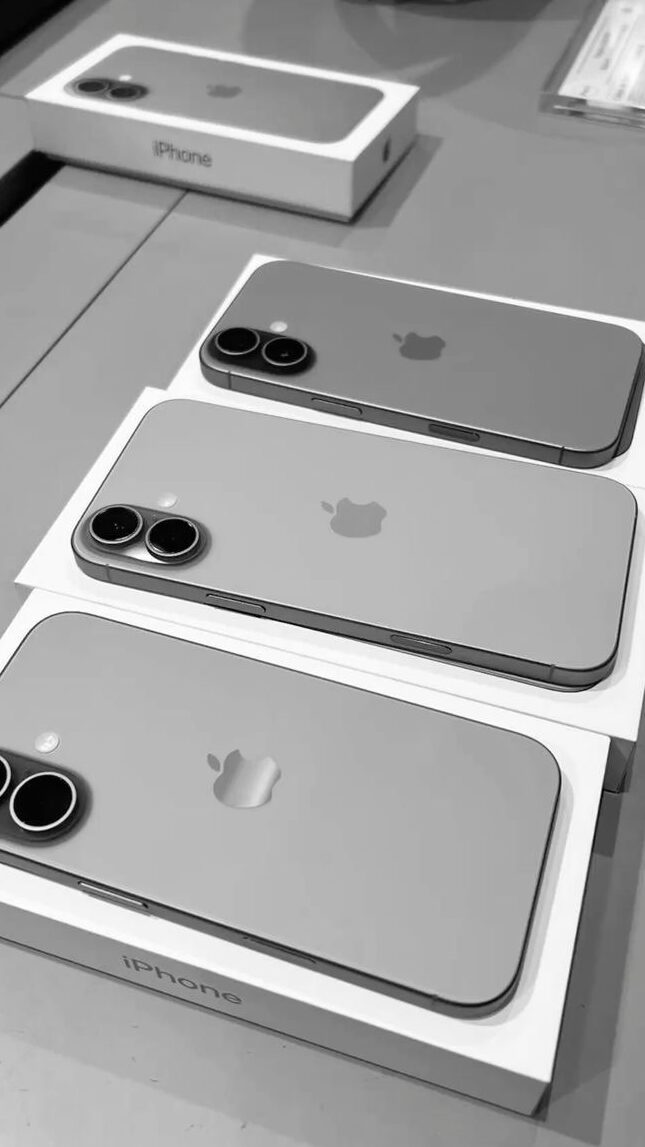
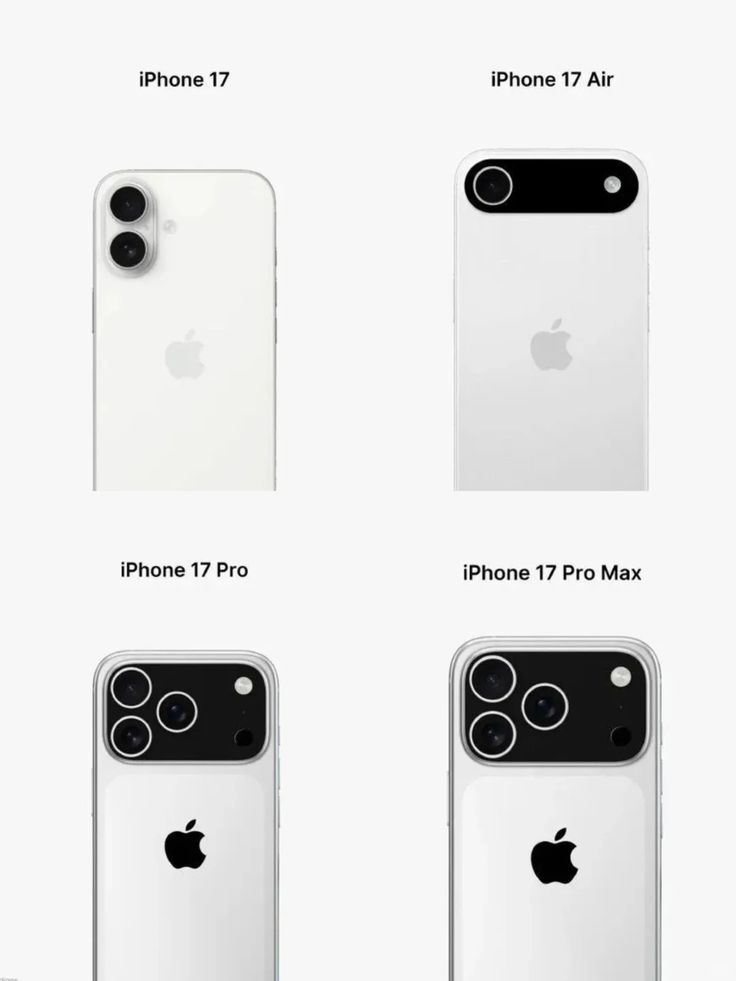
Apple’s iPhone 17 lineup has officially arrived, bringing a refreshed design and new features across four models: iPhone 17, iPhone 17 Air, iPhone 17 Pro, and iPhone 17 Pro Max. You get a slimmer build, upgraded cameras, and faster performance that make this generation one of the most notable updates in recent years. Whether you care about photography, display quality, or everyday speed, there’s a model that fits your needs.
You’ll notice the new iPhone Air replaces the Plus model, offering a thinner frame and a 6.6-inch display. The Pro versions push performance further with advanced camera systems, including up to 8x telephoto zoom on the Pro Max. Across the lineup, Apple has focused on balancing sleek design with practical upgrades that affect how you use your phone daily.

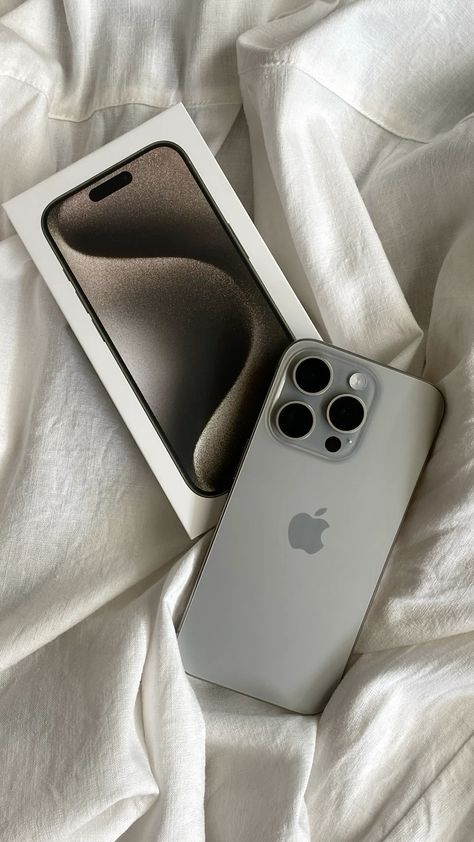
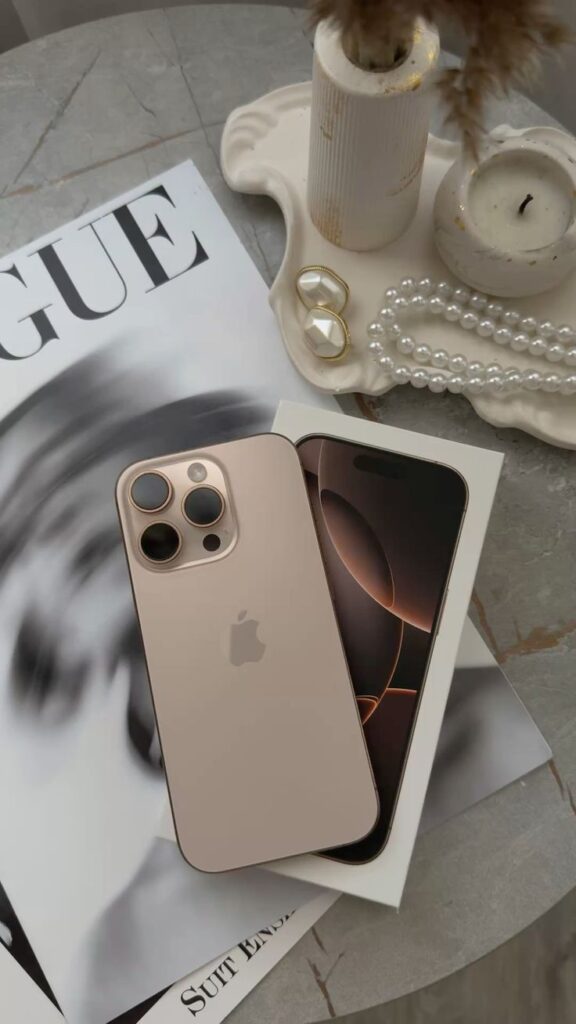
Apple introduced four new iPhone 17 models this year, including a brand-new Air variant. You’ll notice changes in display sizes, performance, and design compared to the iPhone 16 series, along with updated release timing and pre-order options.
The iPhone 17 lineup includes:
The standard iPhone 17 features a 6.3-inch display with Apple’s ProMotion technology. It comes in multiple colors and runs on the new A19 chip.
The iPhone 17 Air is slimmer and lighter than the others, with a 6.5-inch screen. Apple positioned it as a more portable option, replacing the Plus model from the iPhone 16 family.
For higher-end users, the iPhone 17 Pro also measures 6.3 inches but adds advanced camera hardware and premium finishes. The Pro Max pushes the display size to 6.9 inches, giving you the largest screen in the lineup.
Compared to the iPhone 16 and iPhone 16 Pro, the iPhone 17 family brings notable updates. The addition of the iPhone 17 Air is the most obvious change, offering a thinner and more lightweight design that wasn’t available last year.
Apple upgraded displays across the board, with brighter panels and smoother refresh rates. Battery life also improved, with more efficient power management from the A19 chip.
Camera systems received refinements, particularly on the Pro and Pro Max models. You’ll see better low-light performance, faster autofocus, and enhanced video stabilization.
Another difference is the lineup structure. The iPhone 16 Plus is gone, replaced by the Air, which shifts Apple’s strategy toward slimmer designs rather than larger batteries.
Apple announced the iPhone 17 lineup on September 9, 2025. Pre-orders opened shortly after the event, giving you the chance to secure a device before retail availability.
All four models will ship later in September, with staggered delivery dates depending on region and model. The Pro Max usually faces the longest wait times due to higher demand.
You can order directly from Apple’s website, the Apple Store app, or through carrier partners. Trade-in programs remain available, letting you lower the cost by exchanging your iPhone 16 or earlier models.
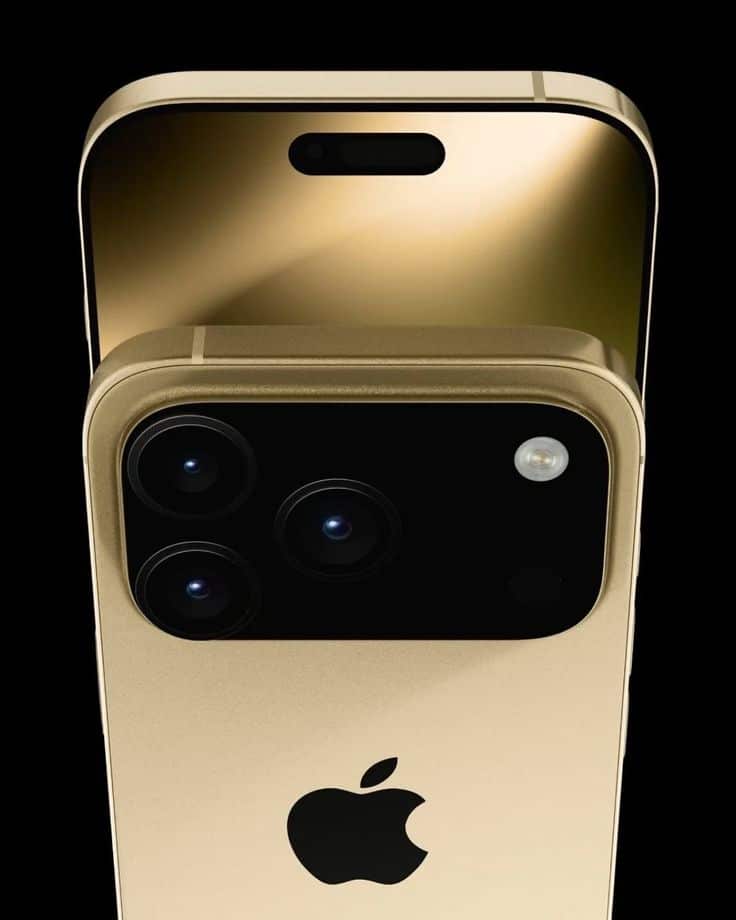
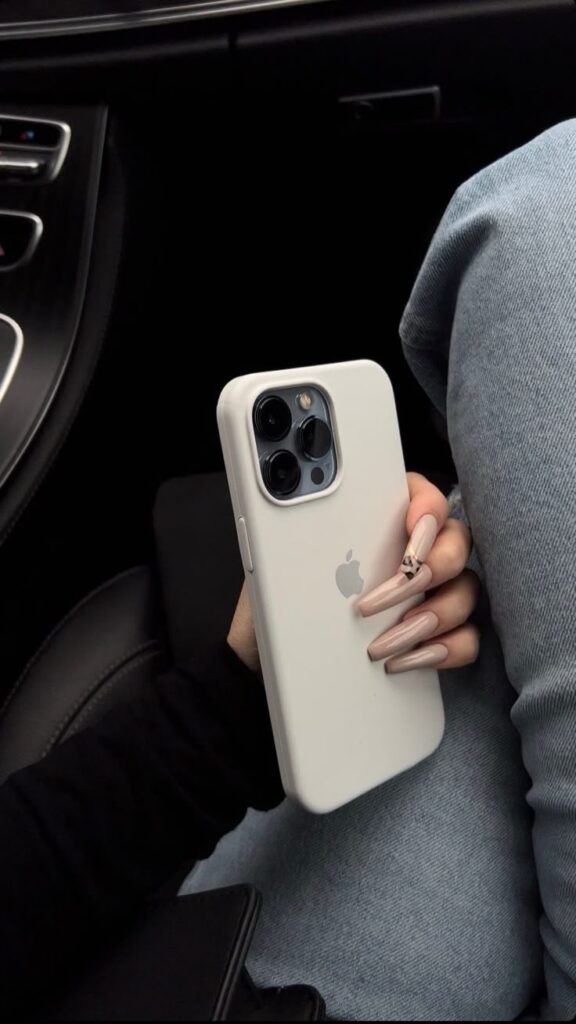

You get a thinner phone with lighter materials, stronger protection, and a refreshed set of colors. The iPhone 17 lineup, including the iPhone 17 Air and Pro models, focuses on durability, portability, and a design that feels modern without being fragile.
Apple uses a titanium frame on the Pro models, giving you a balance of strength and reduced weight. This material resists bending better than aluminum, which you’ll find on the standard iPhone 17.
On the front, you get Ceramic Shield 2, an updated version of Apple’s glass technology. It improves scratch resistance and drop protection compared to earlier models. The back glass is also reinforced, making it less prone to cracks from everyday use.
An anti-reflective coating has been added to the display, reducing glare when you use your phone outdoors. This makes text and images easier to see in bright sunlight. The result is a device that feels premium while holding up better under daily wear.
The iPhone 17 lineup comes in a wider range of finishes. You can choose from bold new colors along with the familiar neutral tones. Apple introduces brighter options for the standard iPhone 17 and iPhone 17 Air, while the Pro models stick to more muted metallic shades.
Here’s a quick breakdown of what you can expect:
| Model | Color Style | Examples (Varies by Market) |
|---|---|---|
| iPhone 17 | Bright and playful | Blue, Pink, Yellow, Black |
| iPhone 17 Air | Light, modern tones | Silver, Sky Blue, White |
| iPhone 17 Pro | Premium metallic shades | Natural Titanium, Graphite |
The finishes use a special coating process to resist fingerprints. This helps your phone look cleaner without constant wiping.
The iPhone 17 Air is Apple’s thinnest iPhone yet, designed to feel almost weightless in your hand. Its slim profile makes it easy to slip into a pocket or bag.
The standard iPhone 17 is slightly thicker but still lighter than the iPhone 16. Apple has trimmed down internal components without sacrificing battery life.
The Pro models, with their titanium frame, weigh less than previous stainless-steel versions. You’ll notice the difference most when holding the larger Pro Max, which feels more balanced despite its size.
This combination of reduced thickness and lighter materials makes the iPhone 17 lineup more comfortable for long daily use.

You get a brighter, sharper screen with smoother motion and more flexibility for everyday use. The iPhone 17 lineup improves how you view content, whether you care about size, clarity, or energy efficiency.
You can choose between two main display sizes: 6.5 inches and 6.9 inches. Both use Apple’s Super Retina XDR OLED panels, giving you deep blacks and accurate colors.
The 6.5‑inch model feels more compact, making it easier to handle with one hand. The 6.9‑inch model offers more screen real estate, which is useful for reading, gaming, or watching videos.
Both sizes feature rounded corners within a rectangle, so the measured diagonal is slightly larger than the actual viewable area. Resolution scales with size, keeping text sharp and images detailed.
| Model | Display Size | Resolution Type |
|---|---|---|
| iPhone 17 | 6.5 inches | Super Retina XDR OLED |
| iPhone 17 Plus/Max | 6.9 inches | Super Retina XDR OLED |
You now get Always-On Display support, which was previously limited to higher-end models. This means you can glance at the time, widgets, or notifications without waking your phone. It helps you stay updated while saving battery.
The ProMotion technology adapts the refresh rate dynamically. When you scroll or play games, it ramps up for smoother visuals. When you read static text, it lowers to conserve power.
This adaptive approach gives you both performance and efficiency. You don’t need to worry about toggling settings—it works automatically in the background.
The display reaches higher peak brightness, making it easier to use in sunlight. Colors stay vivid, and HDR content looks more lifelike.
The 120Hz refresh rate makes scrolling, animations, and transitions feel fluid. You’ll notice the difference when switching between apps or browsing long pages.
Apple balances this speed with efficiency by letting the refresh rate drop when it’s not needed. That way, you get smooth performance without draining your battery too quickly.
This combination of brightness and adaptive refresh creates a display that feels responsive while staying practical for daily use.


You get faster processors, more efficient storage options, and updated software that ties everything together. The iPhone 17 lineup focuses on speed, thermal management, and future‑ready connectivity while keeping everyday use smooth and consistent.
Apple equips the standard iPhone 17 with the A19 chip, while the Pro models run on the A19 Pro. The A19 delivers noticeable gains in everyday responsiveness, app loading, and multitasking compared to the A18.
The A19 Pro goes further with redesigned thermal dissipation. This helps sustain higher performance during gaming, video editing, or extended workloads without overheating. Benchmarks show up to 40% better sustained performance on the Pro models compared to the iPhone 16 Pro.
Both chips improve energy efficiency, which means you can push demanding apps while still getting longer battery life. The Pro models also handle advanced AI tasks faster, making on‑device photo editing and Siri interactions more responsive.
The iPhone 17 lineup starts at 256GB of storage, doubling the previous base. Higher‑end models go up to 2TB, giving you room for 4K video, large apps, and offline media.
Connectivity shifts fully to eSIM, with no physical SIM tray in most regions. This streamlines carrier switching but may require checking compatibility if you travel often.
You still get MagSafe for wireless charging and accessories. Charging speeds remain consistent, but third‑party MagSafe accessories now lock more securely. Wi‑Fi 7 support on Pro models improves wireless speeds and stability, especially in crowded areas.
The iPhone 17 ships with iOS 26, which builds on Apple’s focus on personalization and efficiency. You’ll notice smoother animations thanks to the 120Hz display on all models, not just the Pro versions.
New system‑level AI features optimize battery usage and suggest app actions based on context. Security updates run more seamlessly in the background, so you stay protected without interruptions.
With tighter hardware‑software integration, the A19 and A19 Pro chips handle iOS 26 features like live translation, advanced widgets, and improved multitasking more fluidly. You benefit from faster updates and longer support cycles, making the device feel current for years.
You get a mix of new hardware and software changes that focus on sharper photos, better zoom, and smoother video. Apple also redesigned the rear layout to fit larger sensors and added tools that give you more control when shooting.
The iPhone 17 introduces a 24MP front-facing camera with Apple’s Center Stage technology. This feature keeps you in the frame during video calls by automatically adjusting the view as you move. It works well with FaceTime, Zoom, and other supported apps, making your calls feel more natural.
You also benefit from improved low-light performance. The larger sensor captures more detail in dim settings, so your selfies and video calls look clearer without needing extra lighting.
For creators, the front camera supports 4K video recording with enhanced stabilization. This makes vlogging or recording on-the-go smoother and less shaky. Combined with Center Stage, you can move freely while still staying sharp and centered in the shot.
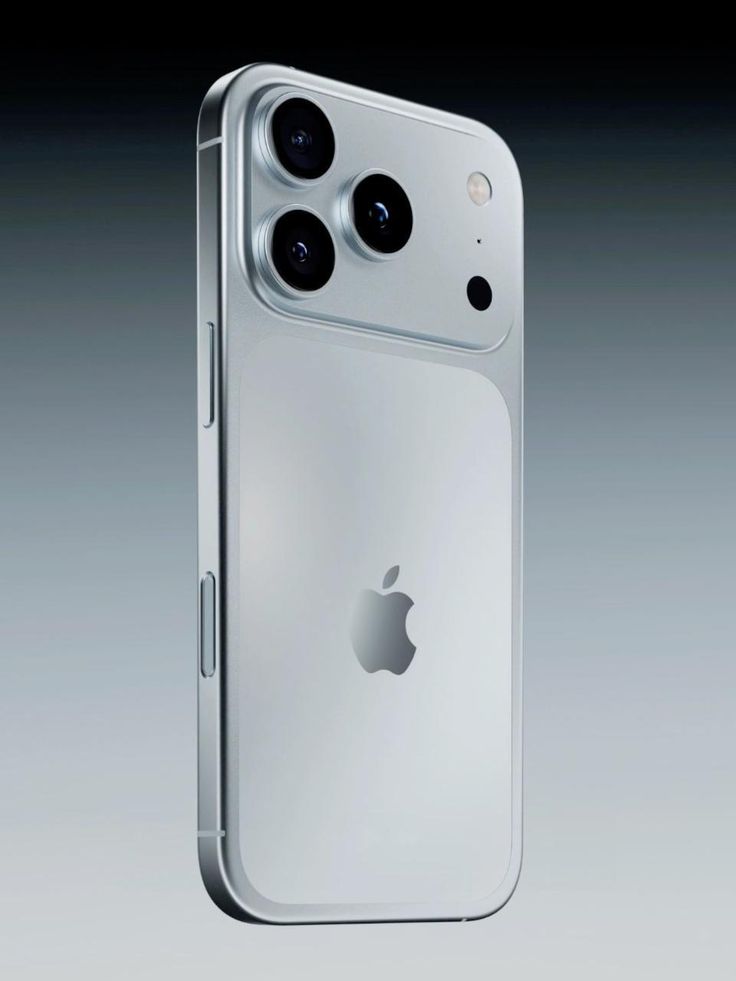
Apple redesigned the back of the iPhone 17 Pro and Pro Max with a camera plateau instead of a bump. This change allows for larger sensors, including a 48MP Fusion main camera and a 48MP Fusion ultra-wide camera. Both sensors capture more light and detail, improving sharpness and color accuracy.
The ultra-wide lens now performs better in low light, reducing noise and preserving texture. You’ll notice crisper group shots and landscapes, even at dusk or indoors.
Apple also added a new Pro Camera app with manual controls for exposure, focus, and white balance. If you enjoy adjusting your settings instead of relying on auto mode, this app gives you finer control without needing third-party software.
The iPhone 17 Pro introduces a telephoto lens capable of up to 8x optical zoom. Unlike digital zoom, this keeps details intact when you zoom in on subjects. For portraits, wildlife, or events, you can capture shots from a distance without losing clarity.
Optical zoom ranges vary slightly depending on which model you choose. The Pro Max offers the full 8x zoom, while the Pro sits slightly lower. Both still provide a noticeable improvement over the iPhone 16 series.
This telephoto system also integrates with Apple’s computational photography, so zoomed-in shots maintain balanced exposure and color. You don’t just get closer—you get consistent quality across all focal lengths.
Video recording gets a boost with improved stabilization and higher bit-rate support, making motion smoother and playback sharper. You can record in 4K at multiple frame rates, and editing feels more flexible with the added detail captured.
For selfies, the combination of the 24MP front sensor and smarter HDR processing makes skin tones more accurate. You’ll see fewer blown-out highlights and more even lighting across your face.
Apple’s focus on video playback also means your recorded clips look better on-device. The iPhone 17’s display and processing power ensure that what you record matches what you see, giving you confidence when sharing or posting your content.
You can expect longer use between charges, more efficient power management, and clear differences in cost depending on which model you choose. The upgrades focus on practical improvements that affect your daily use and your budget.
The iPhone 17 series improves battery life compared to the iPhone 16. The standard iPhone 17 lasts up to 30 hours of offline video playback and about 27 hours of streaming video. That’s roughly a 6-hour increase over the previous generation.
If you go with the iPhone 17 Pro Max, you’ll see the best results, reaching up to 39 hours of video playback. The iPhone 17 Pro sits just below that, while the iPhone 17 Air offers less stamina but still outpaces older base models.
Battery capacity also plays a role. The regular iPhone 17 uses a 3,692 mAh cell, while the Pro and Pro Max carry larger batteries to support their bigger displays and higher performance. You’ll notice fewer mid-day recharges, especially if you stream, game, or travel often.
Charging remains familiar, with USB-C now standard across all iPhone 17 models. This change makes it easier to use the same cable for your MacBook, iPad, or other devices.
You can still use MagSafe wireless charging at up to 15W, which is handy if you prefer a cable-free setup. Qi-compatible chargers work too, though at slower speeds.
Fast charging lets you reach about 50% in 30 minutes when using a 20W or higher adapter. If you invest in Apple’s higher-wattage chargers, you’ll notice quicker top-ups, especially on the Pro Max. Having multiple charging options gives you flexibility whether you’re at home, in the car, or on the go.
Apple kept pricing steady compared to the iPhone 16 lineup. The standard iPhone 17 starts at around $799, while the iPhone 17 Pro begins near $999.
The iPhone 17 Pro Max starts at $1,199, reflecting its larger display and longest battery life. A new addition, the iPhone 17 Air, comes in at a slightly lower price point, giving you a lighter option with fewer premium features.
Here’s a quick breakdown:
| Model | Starting Price |
|---|---|
| iPhone 17 | $799 |
| iPhone 17 Air | ~$699–749 |
| iPhone 17 Pro | $999 |
| iPhone 17 Pro Max | $1,199 |
Your choice depends on whether you prioritize cost, performance, or maximum endurance.