
Winter Wonderlands: Explore the Top 5 Destinations for a Magical Getaway
Facebook Twitter Pinterest As winter approaches, many seek the perfect escape to embrace the season’s charm. Exploring enchanting winter…


Rio de Janeiro is one of the most visually striking cities in the world. Framed by dramatic mountains, golden beaches, and the deep blue Atlantic Ocean, Rio blends natural beauty with cultural richness in a way few destinations can match. Known as the “Marvelous City,” Rio is home to legendary landmarks that reflect Brazil’s history, spirit, and global influence.
This guide explores the most important Rio de Janeiro landmarks, offering insight into what makes each destination special and why they deserve a place on every traveler’s itinerary.



Towering above the city on Corcovado Mountain, Christ the Redeemer is one of the most recognizable landmarks on Earth. The massive Art Deco statue stands with open arms, symbolizing peace and welcome.
Why it’s unforgettable:
Visiting early in the morning or near sunset provides the best light and fewer crowds, making the experience even more memorable.



Sugarloaf Mountain (Pão de Açúcar) is another defining feature of Rio’s skyline. Rising dramatically from Guanabara Bay, it offers sweeping views of the city, ocean, and surrounding peaks.
Highlights include:
Sugarloaf is especially popular for photography and is a must-visit for first-time travelers.



Few beaches are as famous as Copacabana. Stretching along the Atlantic coastline, this landmark represents Rio’s vibrant beach culture and laid-back lifestyle.
What makes Copacabana special:
Copacabana isn’t just a beach—it’s a social and cultural gathering place that pulses with energy day and night.



Located next to Copacabana, Ipanema Beach offers a slightly more refined and fashionable atmosphere. Immortalized in music and film, it’s one of Rio’s most beloved landmarks.
Why visitors love Ipanema:
Ipanema captures Rio’s effortless blend of beauty, culture, and modern style.



Football is central to Brazilian identity, and Maracanã Stadium stands as one of the most important sports landmarks in the world. It has hosted historic matches, international tournaments, and unforgettable moments in football history.
Key features:
Even for non-sports fans, Maracanã offers insight into the passion that defines Brazilian culture.
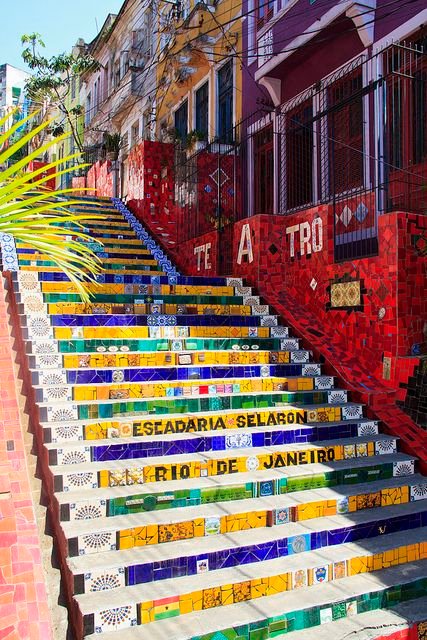


The Selarón Steps (Escadaria Selarón) are a vibrant and artistic landmark connecting the neighborhoods of Lapa and Santa Teresa. Created by artist Jorge Selarón, the staircase is covered in colorful tiles from around the world.
Why it stands out:
Each tile tells a story, making the steps both visually striking and deeply personal.



The Lapa Arches (Arcos da Lapa) are a historic aqueduct turned iconic city landmark. During the day, they reflect Rio’s colonial past; at night, they become the backdrop for one of the city’s liveliest neighborhoods.
What to experience in Lapa:
Lapa showcases Rio’s ability to merge history with modern urban energy.



Perched on a hill overlooking downtown Rio, Santa Teresa is known for its bohemian atmosphere, historic homes, and artistic community.
Why Santa Teresa is special:
The neighborhood offers a quieter, more intimate perspective on Rio, making it a favorite among artists and travelers seeking authenticity.


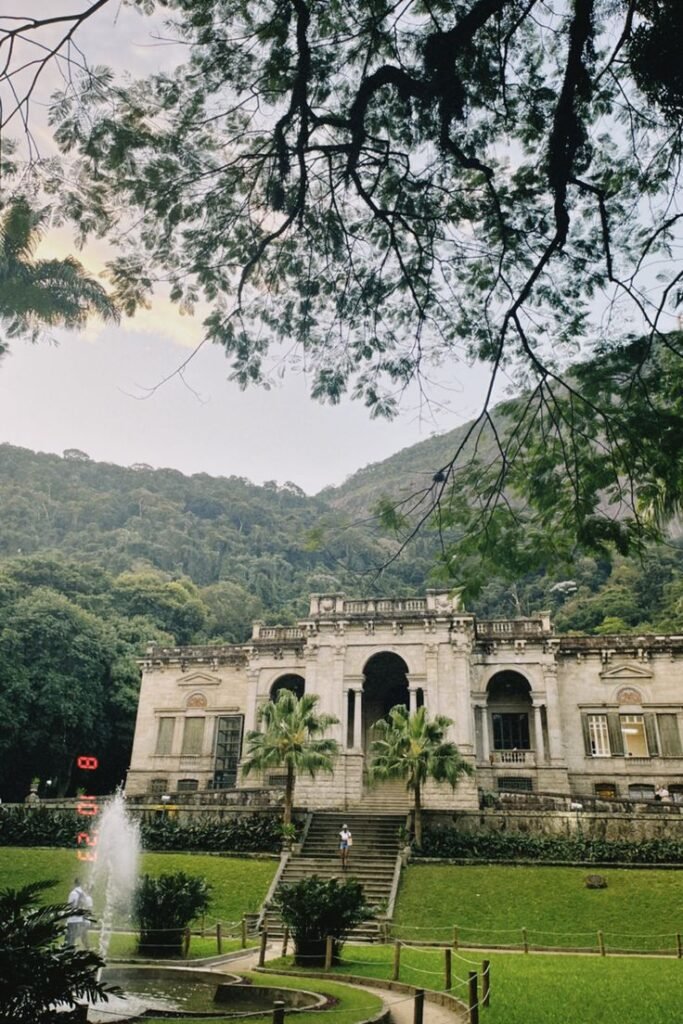
One of the largest urban forests in the world, Tijuca National Park is a remarkable natural landmark within Rio’s city limits.
Visitors can enjoy:
Tijuca highlights Rio’s unique balance between urban life and preserved nature.



The Sambadrome Marquês de Sapucaí is the heart of Rio’s world-famous Carnival celebrations. This purpose-built parade avenue hosts samba school performances that draw global attention.
Why it matters:
Even outside Carnival season, the Sambadrome remains a powerful symbol of Rio’s cultural expression.
Rio de Janeiro’s landmarks are more than sightseeing stops—they are expressions of the city’s soul. From towering statues and dramatic mountains to lively beaches and artistic neighborhoods, each landmark reveals a different side of Rio’s identity.
Whether you’re drawn to history, nature, sports, or culture, Rio offers unforgettable experiences at every turn. Exploring these landmarks isn’t just about seeing the city—it’s about feeling its rhythm, warmth, and undeniable energy.
Christ the Redeemer offers panoramic views of Rio, serves as a powerful cultural and spiritual symbol of Brazil, and is accessible by train, van, or hiking trail, making it a memorable experience.
Sugarloaf Mountain provides sweeping views of the city, ocean, and peaks via a two-stage cable car ride and is especially popular for photography and sunsets.
Copacabana is symbolized by its iconic promenade, lively activity, and vibrant social atmosphere, representing Rio’s beach culture and laid-back lifestyle.
Ipanema is renowned for its stunning sunsets at Arpoador, trendy cafés and boutiques, and a fashionable atmosphere that blends beauty, culture, and modern style.
Maracanã Stadium is a key sports landmark that has hosted historic football matches, international tournaments, and embodies Brazil’s passionate sporting culture.


