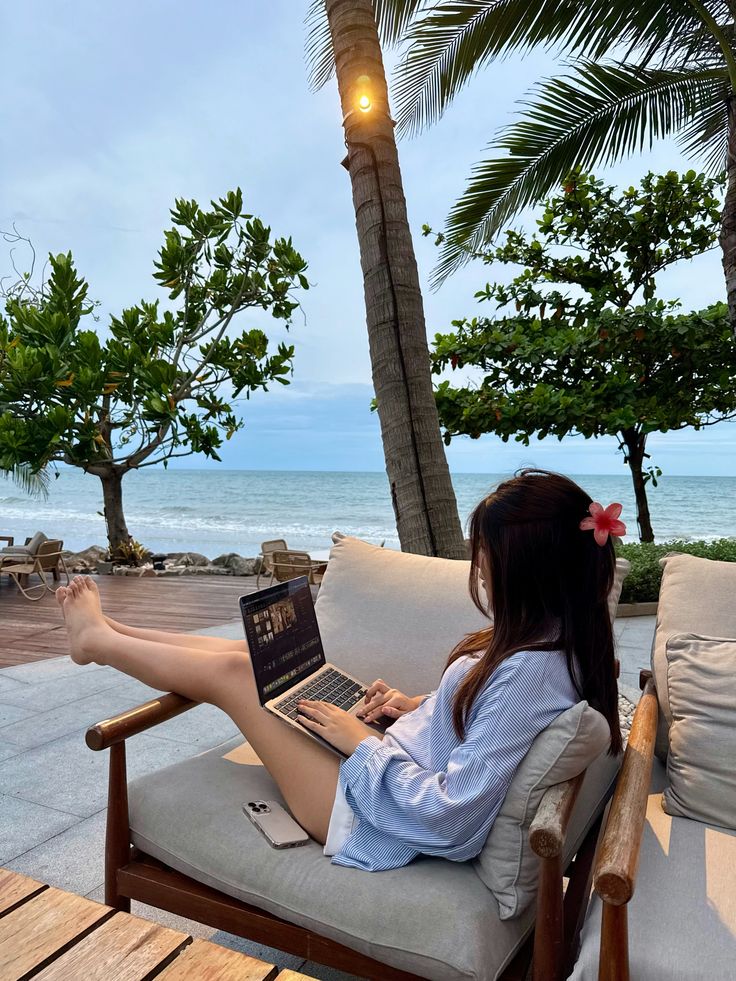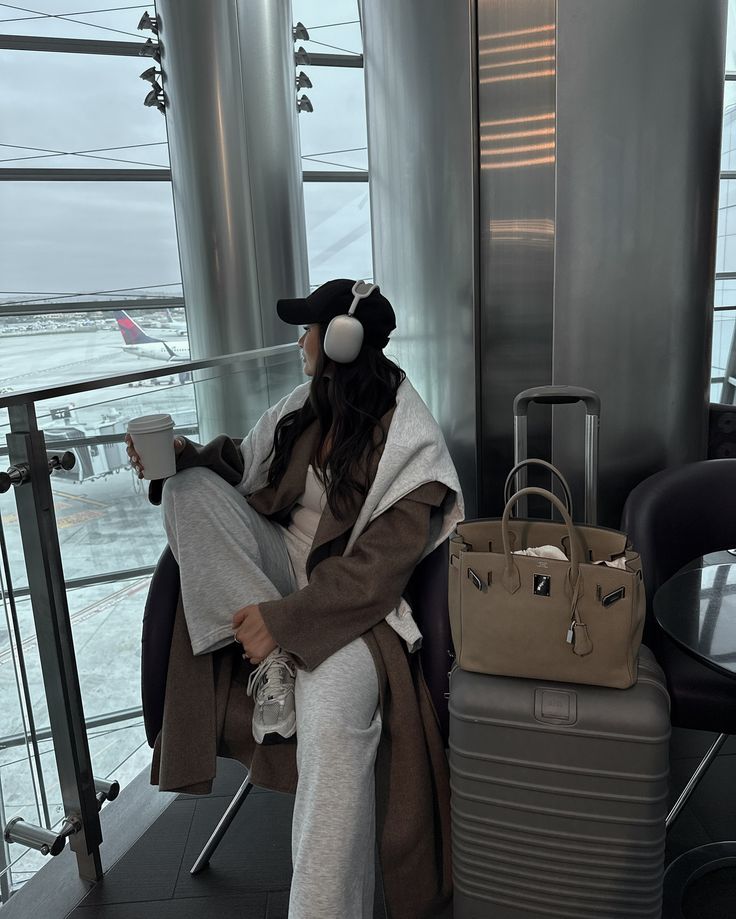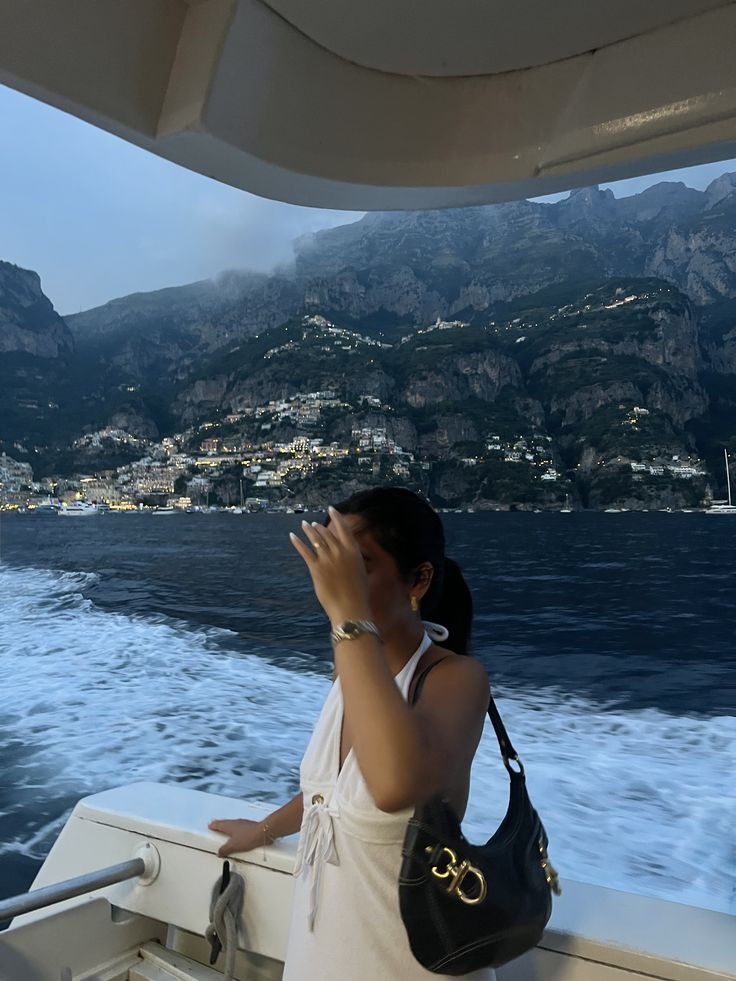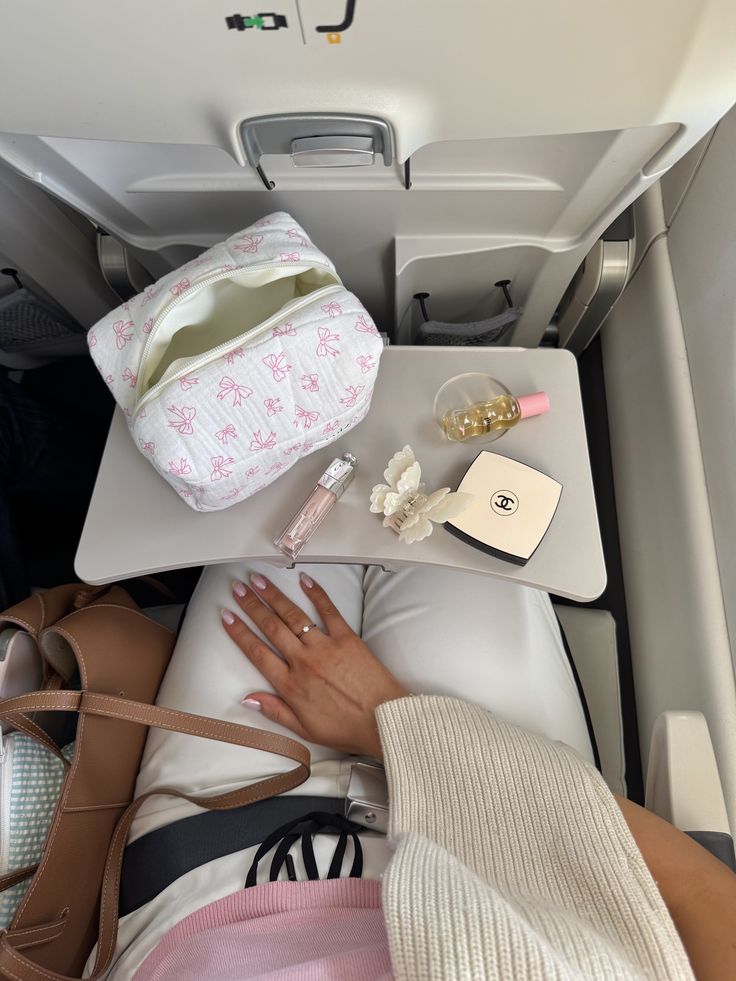
The open road beckons, a tapestry of cultures and landscapes waiting to be discovered. For many women, the dream of solo travel sparks both exhilarating anticipation and a flicker of apprehension. Will I be safe? How do I navigate new places alone? These are natural questions, but they shouldn’t dim your adventurous spirit! Embracing the world as a solo female traveler is an incredibly empowering experience, fostering unparalleled self-reliance, confidence, and a profound connection with yourself and the world. This comprehensive guide is dedicated to equipping you with essential solo female travel safety tips, transforming any worries into proactive preparation and ensuring your fearless journey is nothing short of magnificent. Get ready to embark on an adventure where every step is a testament to your strength and curiosity!

Pre-Trip Planning: Laying Your Safe Foundation


The bedrock of a successful and safe solo trip lies in meticulous pre-travel planning. Think of it as your superhero origin story – you’re gathering your powers before facing any challenges! This phase is about research, preparation, and setting yourself up for success.
Research Destinations Thoroughly
Before you even book a flight, dive deep into your chosen destination. Research isn’t just about finding the best sights; it’s about understanding the local landscape from a safety perspective. Look up:
- Cultural Norms and Etiquette: How do people dress? What are common greetings? Are there any gestures or behaviors to avoid? Knowing these can prevent misunderstandings and show respect.
- Neighborhoods to Avoid: Every city has areas that are less safe, especially at night. Identify these beforehand and plan your routes accordingly. Read expat forums or local blogs for candid insights.
- Common Scams: Are there prevalent tourist scams in the area? Knowing them makes you less susceptible. From fake taxis to overly helpful strangers, forewarned is forearmed.
- Women’s Safety Index: Websites like the Women’s Danger Index or specific travel advisories can offer a general overview of a country’s safety for solo women. While not definitive, they provide a starting point.
Remember, knowledge is power. The more you know, the more confident you’ll feel upon arrival.
Share Your Itinerary
It might seem obvious, but always share your detailed itinerary with at least two trusted contacts back home. This should include:
- Flight numbers and times.
- Accommodation names, addresses, and booking details.
- Planned activities, tours, and approximate timings.
- Contact information for your travel insurance.
Establish a check-in schedule (e.g., text every 24-48 hours) so they know you’re safe. If they don’t hear from you, they’ll know to initiate a check. This simple step provides an invaluable safety net. For even more insights on navigating travel confidently, check out our solo travel tips.
Travel Insurance: Your Safety Net
Never, ever travel solo without comprehensive travel insurance. This isn’t just about lost luggage; it’s about emergency medical care, evacuation, trip interruption, and personal liability. Research different policies to ensure they cover:
- Medical emergencies, including pre-existing conditions if applicable.
- Emergency medical evacuation.
- Repatriation of remains (morbid, but essential).
- Trip cancellation or interruption.
- Theft or loss of valuables.
Read the fine print to understand exactly what is covered and what isn’t. It’s an investment in your peace of mind.
Packing Smart for Safety
What you pack, and how you pack it, plays a significant role in your safety and comfort.
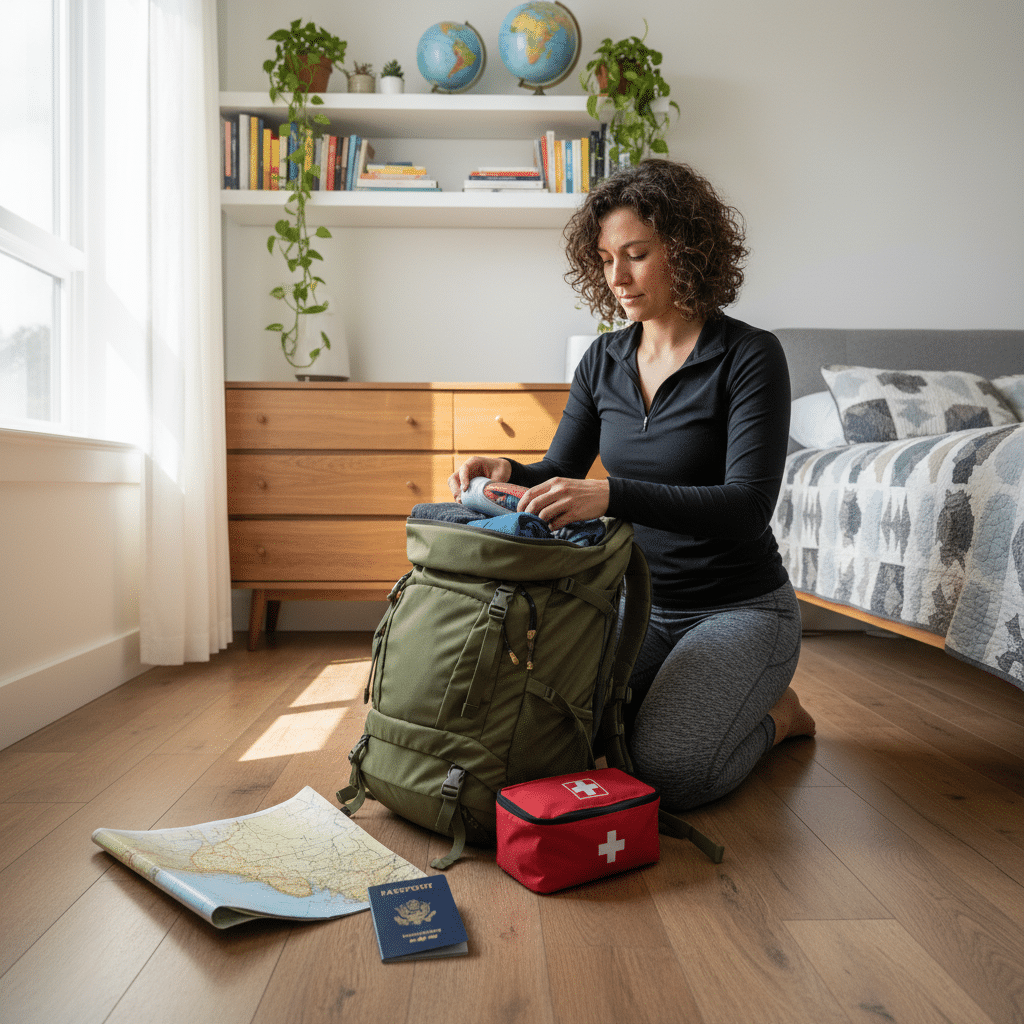
- Documents & Copies: Keep digital copies of your passport, visa, bookings, and insurance details on your phone (password-protected) and in a cloud service. Also, carry physical photocopies separate from your originals. Consider leaving a copy with your emergency contact.
- First Aid & Essentials: A small, well-stocked first-aid kit is crucial. Include pain relievers, band-aids, antiseptic wipes, any prescription medications (with a doctor’s note), and stomach remedies. Don’t forget sunscreen, insect repellent, and hand sanitizer.
- Minimalist Approach: Over-packing makes you a target and a hassle. Travel light. This allows you to move quickly and effortlessly, reducing your vulnerability. Focus on versatile, comfortable clothing that adheres to local customs. You might find great advice on what to take with you so as not to overload your luggage for practical packing strategies.
- Personal Safety Devices: Depending on your destination and comfort level, consider a personal safety alarm. These small, loud devices can deter attackers and attract attention in an emergency.
- Secure Bags: Invest in a good quality, anti-theft backpack or cross-body bag with lockable zippers and slash-resistant fabric. Distribute your valuables in different places.
On-the-Ground Awareness: Your Best Defense

Once you’ve landed, your radar needs to be on high alert. This isn’t about paranoia, but about cultivating a heightened sense of awareness that keeps you safe while still allowing you to enjoy your experience.
Situational Awareness: Trust Your Gut
This is arguably your most powerful safety tool.

- Be Present: Avoid walking around glued to your phone. Look up, observe your surroundings, and be aware of who is around you. Make eye contact with people occasionally, but don’t stare.
- Trust Your Intuition: If a situation, a person, or a place feels “off,” it probably is. Don’t second-guess your gut feeling. Remove yourself from the situation immediately, even if it feels rude. Your safety is paramount.
- Avoid Distractions: Loud headphones, constantly checking maps, or counting money openly makes you an easy target. Present an air of confidence, even if you’re not feeling it.
- Don’t Advertise: Avoid flaunting expensive jewelry, cameras, or excessive amounts of cash. Try to blend in rather than stand out.
Local Customs and Dress Codes


Respecting local customs, especially regarding dress, is not only a sign of respect but also a crucial safety measure. In many cultures, dressing modestly can prevent unwanted attention.
- Research beforehand: Understand what’s considered appropriate attire for women in public, particularly in religious sites or conservative areas.
- Carry a scarf: A versatile scarf can be used to cover shoulders or hair when needed, offering instant adaptability.
- Observe locals: When in doubt, observe how local women dress and try to emulate their style. This helps you blend in and avoid being singled out as a tourist.
Navigating Transport Safely
Public and private transport can be a major source of anxiety for solo travelers.
- Research reputable transport options: Before you arrive, know the official airport taxis, ride-sharing apps (like Uber/Lyft alternatives), or public transport systems. Avoid unlicensed taxis.
- Share your ride details: If using a ride-sharing app, share your trip details with a friend. Confirm the driver’s name, car model, and license plate match the app before getting in.
- Avoid empty carriages: On public transport, opt for crowded carriages, especially at night. Sit near the driver on buses or in well-lit areas.
- Stay alert at bus/train stations: These can be prime locations for pickpockets. Keep your belongings secure and be aware of your surroundings.
- Walking at night: Whenever possible, avoid walking alone at night, especially in unfamiliar areas. If you must, stick to well-lit, busy streets and consider taking a licensed taxi or ride-share.
Dining Out Solo: Smart Choices
Eating alone can be a wonderfully liberating experience, but a few considerations can enhance your safety.
- Choose well-lit, busy restaurants: These are generally safer. Avoid dimly lit, empty establishments, especially off the beaten path.
- Sit strategically: Choose a table where you can observe the entrance and have a good view of the room. A table near the kitchen or a main thoroughfare can be a good option.
- Limit alcohol: While a glass of wine can be lovely, excessive alcohol consumption impairs judgment and makes you vulnerable. Be mindful of your limits, especially when alone.
- Don’t leave drinks unattended: This is a universal safety rule.
Digital & Financial Security: Protecting Your Assets

In our increasingly connected world, protecting your digital life and finances is just as crucial as physical safety.
Secure Your Devices
Your phone is your lifeline, navigation system, and emergency contact hub.
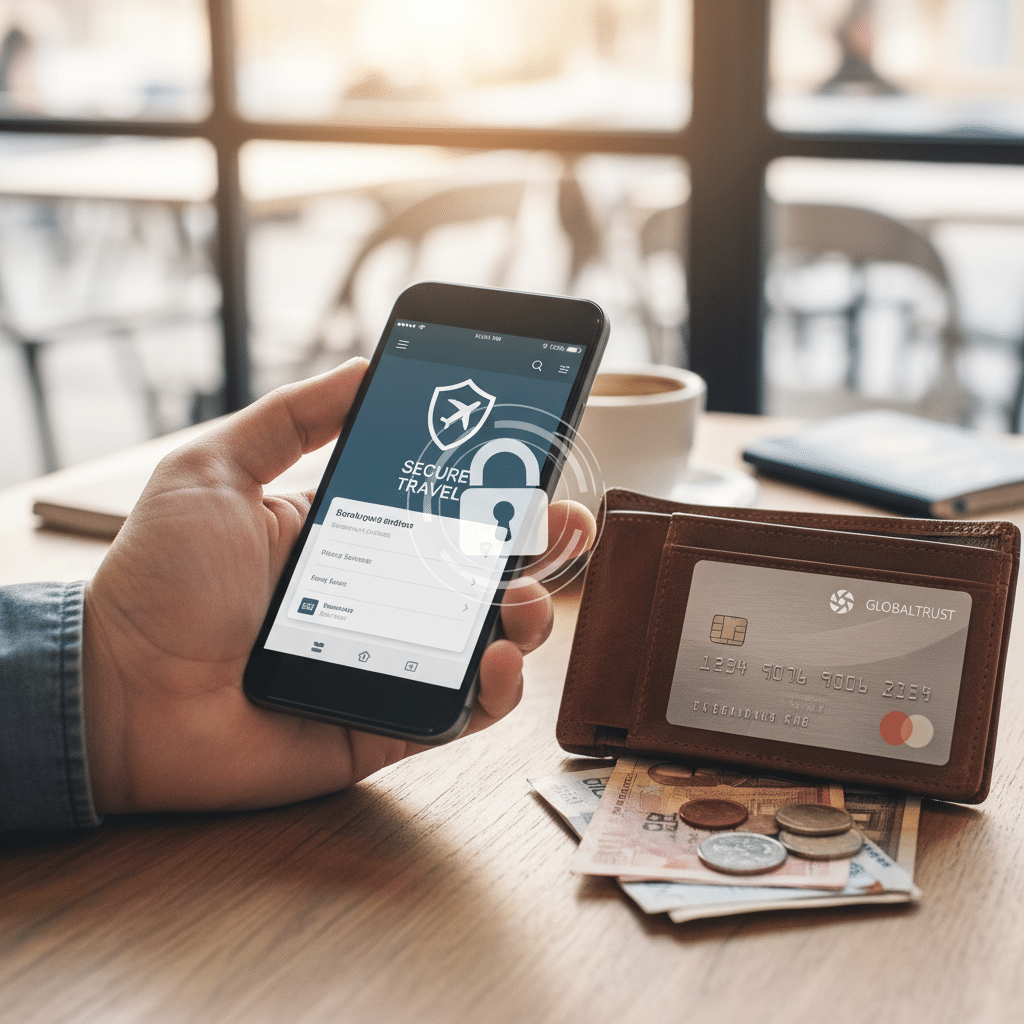
- Strong Passwords & Biometrics: Always use strong, unique passwords for all your devices and accounts. Enable fingerprint or facial recognition where possible.
- Find My Device: Ensure your “Find My Phone” or similar feature is activated on all devices.
- Public Wi-Fi Caution: Be extremely cautious using public Wi-Fi networks. They are often unsecured. Avoid accessing banking apps or sensitive information on public Wi-Fi. Consider using a VPN.
- Back Up Data: Regularly back up your photos, documents, and contacts to a cloud service.
- Portable Power Bank: A dead phone is a major safety hazard. Always carry a fully charged power bank.
Smart Money Management
Protecting your finances from theft or fraud is critical.
- Multiple Payment Methods: Don’t put all your eggs in one basket. Carry a combination of cash (small amounts), a debit card, and at least two different credit cards. Keep them stored in separate, secure locations.
- Notify Your Bank: Inform your bank and credit card companies of your travel plans to prevent them from flagging your transactions as suspicious.
- ATM Safety: Use ATMs attached to banks during daylight hours. Be aware of your surroundings, look for card skimmers, and cover the keypad when entering your PIN. Avoid using ATMs in secluded areas.
- Emergency Funds: Have a hidden emergency fund – perhaps a separate card or a small amount of cash in a hidden pouch.
- Budget Travel: Solo travel doesn’t have to break the bank. By planning smartly, you can explore the world without overspending. For more ideas on how to make your money go further, check out our guide on budget travel made easy: 5 tips to explore more for less.
Emergency Contacts & Apps
Before you leave, program essential emergency numbers into your phone.
- Local Emergency Services: Know the equivalent of 911 in your destination.
- Embassy/Consulate: Have the contact information for your country’s embassy or consulate.
- Bank & Insurance Company: Program the international emergency numbers for your bank (to report lost cards) and travel insurance.
- Safety Apps: Consider downloading apps like “bSafe” or “Noonlight” that allow you to discreetly send alerts to trusted contacts or local authorities.
Accommodation Safety: Your Sanctuary Away From Home

Your accommodation is your refuge after a day of exploration. Ensuring its security is paramount.
Choosing Safe Stays
The research you did pre-trip pays off here.
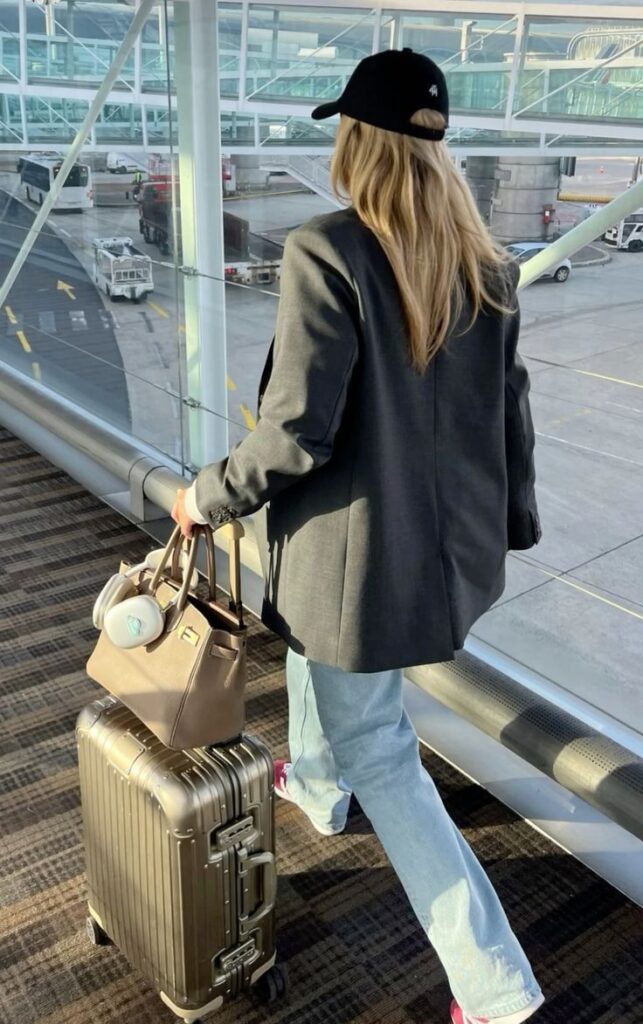
- Read Reviews, Especially from Solo Women: Pay close attention to reviews on booking sites, focusing on comments about safety, location, and the experience of other solo female travelers.
- Location, Location, Location: Choose accommodations in well-regarded, well-lit neighborhoods, close to public transport and amenities. Avoid isolated or overly cheap options in sketchy areas.
- Security Features: Look for places with 24-hour reception, secure entry systems, good locks on doors and windows, and maybe even CCTV.
- Hostels vs. Hotels vs. Airbnbs:
- Hostels: Can be great for meeting other travelers, but opt for female-only dorms for added comfort and security. Read reviews on locker sizes and overall cleanliness.
- Hotels: Offer more privacy. Choose reputable chains or well-reviewed independent hotels.
- Airbnbs/Vacation Rentals: Offer a local experience but require extra scrutiny. Verify the host, read reviews, and check if the property has external locking mechanisms and is in a safe area. Always use the app’s messaging system for communication.
Arrival & Check-in Protocols


Your arrival at accommodation is a critical safety window.
- Arrive During Daylight: Whenever possible, plan to arrive at your accommodation during daylight hours. Navigating an unfamiliar area at night can be disorienting and less safe.
- Discreet Check-in: At check-in, observe if the receptionist announces your room number aloud. If they do, politely ask for it to be written down. Avoid letting strangers know your room number.
- Room Inspection: Before settling in, quickly inspect your room. Check that all doors and windows lock properly. Note the location of fire exits.
Hotel Room Safety Hacks
Once in your room, take these extra precautions.
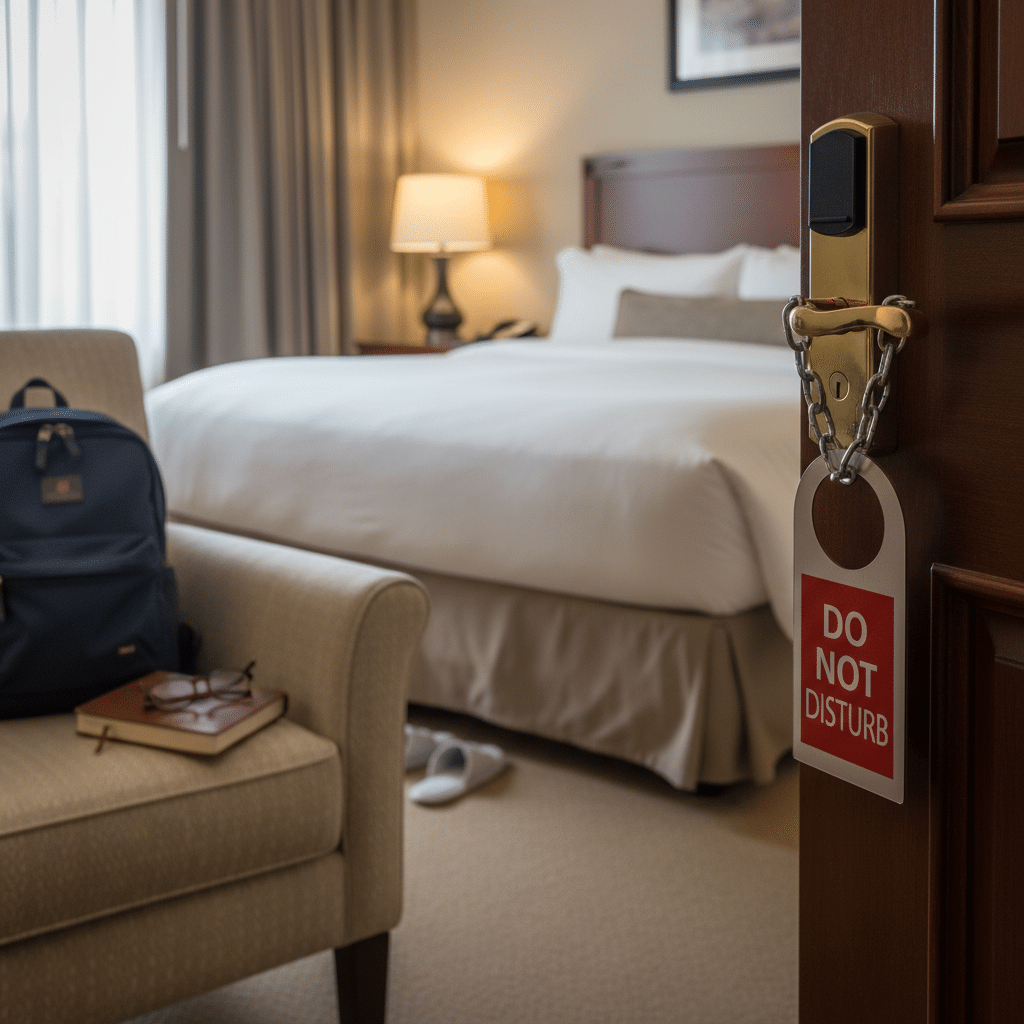
- Secure Your Door: Beyond the standard lock, use the deadbolt, chain lock, or a portable door jammer for an extra layer of security.
- Don’t Open to Strangers: Never open your door to someone you don’t know or aren’t expecting. If someone claims to be staff, call the front desk to verify before opening.
- Use the “Do Not Disturb” Sign: Even if you’re out for the day, leave the “Do Not Disturb” sign on your door to create the impression that the room is occupied.
- Hide Valuables: Utilize the hotel safe for your passport, extra cash, and valuable electronics. If there’s no safe, hide them in discreet, unexpected places within your luggage.
Communication & Connection: Staying in Touch

Staying connected isn’t just about sharing your adventures; it’s a vital safety measure.
Local SIM Cards or eSIMs
Relying solely on Wi-Fi is risky. What if you’re lost or in an emergency without a connection?
- Local SIM: Purchase a local SIM card upon arrival for reliable data and calls. This allows you to use maps, access emergency services, and contact friends/family without hunting for Wi-Fi.
- eSIM: Many newer phones support eSIMs, allowing you to activate a local data plan digitally before you even land. This offers convenience and immediate connectivity.
Connecting with Other Travelers
While solo, you’re not obligated to be alone all the time.
- Hostel Common Areas: Hostels are fantastic for meeting like-minded travelers. Participate in group activities or simply strike up conversations in common rooms.
- Social Travel Apps: Apps like ‘SoloTraveller’ or ‘Meetup’ can help you connect with other solo travelers or locals interested in shared activities.
- Guided Tours: Joining a reputable day tour or walking tour is a safe way to explore new areas and meet people in a structured environment.
However, always exercise caution. Even with fellow travelers, trust your gut. Don’t share too much personal information immediately, and always have an exit strategy if a situation feels uncomfortable.
Regular Check-ins
Maintaining a consistent check-in schedule with your trusted contacts back home is non-negotiable.

- Establish a Rhythm: Whether it’s a daily text or a video call every few days, stick to it.
- Be Specific: A quick “I’m safe, just arrived at [location], heading to [activity]” is more helpful than a vague “all good.”
- Vary Communication Methods: If one method fails (e.g., WhatsApp down), have alternatives like email or traditional SMS.
Emergency Preparedness: Hope for the Best, Plan for the Worst


Even with the best planning, unforeseen circumstances can arise. Being prepared mentally and practically will help you navigate them effectively.
Know Emergency Numbers
This cannot be stressed enough. Research the local emergency numbers for police, ambulance, and fire services BEFORE you arrive. Write them down in a physical notebook as well as saving them in your phone.
Self-Defense Basics
While physical confrontation is rare, having basic self-defense knowledge can significantly boost your confidence.
- Verbal De-escalation: Often, a confident, loud “No!” or “Leave me alone!” can be enough to deter an attacker.
- Situational Awareness Training: Many local community centers offer free or low-cost self-defense workshops focused on awareness and quick escapes, not just martial arts.
- Carry a Personal Safety Alarm: As mentioned before, these are invaluable for attracting attention.
Remember, the goal is evasion and escape, not to engage in a fight.
Coping with Unexpected Situations
Travel rarely goes 100% according to plan. Be prepared for:
- Lost or Stolen Items: Know the process for reporting theft to local police (you’ll need a report for insurance) and canceling cards.
- Medical Emergencies: Have your insurance details readily available. Know how to communicate basic symptoms in the local language if needed, or use a translation app.
- Natural Disasters/Political Unrest: Stay informed about local news. Follow official advice from authorities and your embassy.
- Managing Travel Anxiety: Solo travel, while exhilarating, can also bring moments of anxiety or loneliness. Have strategies in place: call a friend, journal, listen to music, or find a quiet cafe. Learning how to cope with anxiety in the digital age can provide valuable tools for managing stress, even on the road.
Embracing the Journey: Confidence and Empowerment


Beyond all the practical tips, the most powerful tool you possess is your own spirit. Solo female travel is a journey of self-discovery, growth, and boundless empowerment.
Celebrate Your Independence
Every challenge you overcome, every new person you meet, every beautiful vista you witness alone – these moments build an incredible sense of accomplishment. Revel in your freedom to choose your own path, change your plans on a whim, and connect with the world on your own terms. This journey is yours, and yours alone.
Learning from Every Experience
Not every moment will be perfect, and that’s okay. Sometimes the hiccups and unexpected detours become the most memorable stories and the greatest lessons. Be open to learning, adapting, and growing with each experience. Your resilience will astound you.
The world is truly a magnificent place, and as a solo female traveler, you have the unique opportunity to experience its wonders intimately and authentically. These solo female travel safety tips are designed not to instill fear, but to empower you with the knowledge and confidence to navigate any situation that comes your way. So pack your bags, prepare your mind, and step out into the world with courage and an open heart.
Conclusion

Embarking on a solo female travel adventure is a profound journey of self-discovery and empowerment. While the thought of exploring alone might initially seem daunting, with the right preparation and mindset, it becomes an incredibly rewarding experience. By diligently following these comprehensive solo female travel safety tips – from meticulous pre-trip planning and unwavering on-the-ground awareness to securing your digital life and choosing safe accommodations – you lay a robust foundation for a journey filled with confidence, joy, and unforgettable memories.
Remember, your intuition is your most powerful guide, and being prepared doesn’t mean being fearful; it means being smart, resourceful, and ready for anything. So, go ahead, plan that dream trip, pack your bags with purpose, and step out into the world with the vibrant spirit of a fearless explorer. The world awaits your independent adventure, and you are more than ready to embrace it safely and enthusiastically.
Ready to start your next adventure? Begin planning your itinerary today and embrace the freedom of the open road!

What are the initial steps for ensuring safety before embarking on a solo female trip?
The initial safety steps include thorough research of the destination, sharing detailed itineraries with trusted contacts, purchasing comprehensive travel insurance, and smart packing with essential documents and safety items.
How can I ensure my digital and financial safety while traveling alone?
You should secure your devices with strong passwords and biometrics, avoid public Wi-Fi for sensitive transactions, regularly back up data, use local or eSIMs for reliable connectivity, carry multiple payment methods, and notify your bank of your travel plans.
What are some safety measures to take upon arriving at my accommodation?
Upon arrival, arrive during daylight, check that all locks work, discreetly confirm your room number, inspect the room for security, and use extra locks or safety devices once inside, such as deadbolts or door jammers.
How can I stay safe when exploring in unfamiliar areas and using transportation?
Research reputable transportation options, share ride details with a friend, avoid secluded or unlit areas at night, be aware of your surroundings, and follow local customs and dress codes to prevent unwanted attention.
What should I do to be prepared for emergencies during my solo trip?
Know local emergency numbers beforehand, carry essential safety apps, have self-defense knowledge, keep emergency contacts accessible, pack a safety kit, and remain aware of your environment for unexpected situations.