Unwrap Joy: Your Ultimate Guide to 10 Christmas Budget Tips!

Festive Christmas collage: gift box, holiday shopping, cozy drinks, wrapped presents, tree decorations, and joyful holiday moments.

The holiday season is a magical time, filled with warmth, laughter, and the joy of giving! But let’s be honest, it can also be a time of immense financial pressure, turning festive anticipation into budget anxiety. The good news? You absolutely can experience an unforgettable, heartwarming Christmas without overspending or drowning in post-holiday debt. This year, imagine unwrapping joy, not stress, by mastering your holiday finances. We’re here to empower you with an ultimate guide featuring 10 Christmas budget tips that will revolutionize your festive season, making it both magical and manageable! Get ready to sprinkle some financial wisdom on your tinsel and make this the most joyfully affordable Christmas yet!

1. Create a Master Christmas Budget Early

Cozy Christmas kitchen scene with holiday cookies, candy canes, baking supplies, and festive decor lights near a window.
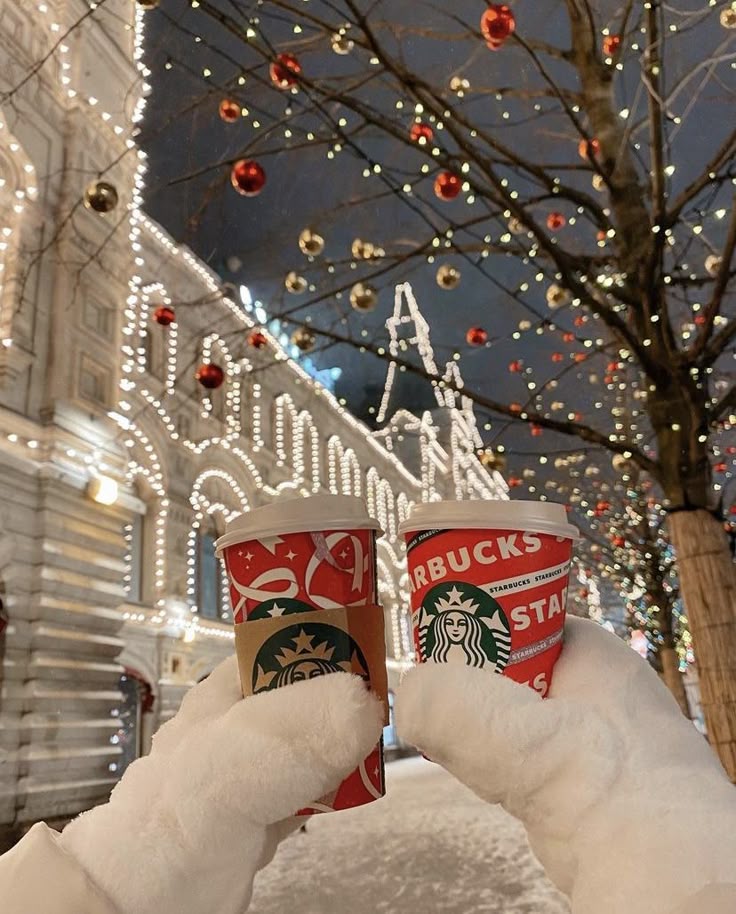
Festive holiday scene with hands in white gloves holding Starbucks cups, surrounded by twinkling lights and decorated tree.

The single most powerful tool in your holiday arsenal is an early, comprehensive budget. Don’t wait until December to realize you’ve overspent! Start now, even as early as September or October, to truly harness its power. Think of your Christmas budget as your festive financial roadmap, guiding every single purchase and decision.

Why an Early Budget is Your Best Friend

An early start gives you ample time to save, plan, and adjust. It transforms frantic, last-minute spending into thoughtful, strategic decisions. You’ll avoid impulse buys driven by holiday stress and have a clear picture of what you can realistically afford across all holiday categories.

What to Include in Your Master Budget

Break down your holiday spending into specific categories. This isn’t just about gifts! Consider everything:

  • Gifts: For family, friends, Secret Santa, co-workers. List each person and a realistic budget for them.
  • Food & Drink: Christmas dinner, party snacks, festive beverages, baking ingredients.
  • Decorations: New ornaments, lights, a fresh tree, festive linens. Remember, reusing what you have is always an option!
  • Travel: Gas, public transport, flights, accommodation if visiting family out of town.
  • Entertainment: Holiday parties, concerts, ice skating, festive outings.
  • Festive Attire: A new outfit for a holiday party (if absolutely necessary).
  • Postage/Shipping: For gifts sent to distant loved ones.
  • Miscellaneous: Batteries for new toys, wrapping paper, cards, unexpected expenses.

Once you list all categories, assign a maximum spending limit to each. Be honest with yourself about what you can truly afford. This foundational step is the bedrock of a stress-free Christmas. Stick to this master budget like gingerbread to a plate, and you’ll be amazed at the peace of mind it brings!


2. Make a Comprehensive Gift List (and Stick to It!)

Creamy hot chocolate topped with marshmallows and chocolate, next to a lit candle and festive decor. Cozy winter treat.
Festive Christmas presents with red ribbons and candy cane patterns, perfect for holiday gift-giving and seasonal cheer.

After establishing your overall budget, the next crucial step is to meticulously plan your gift-giving. This isn’t just a list of names; it’s a strategic document that ensures every dollar spent on presents is purposeful and within your means. The goal here is to avoid the dreaded “Oh, I forgot about Aunt Carol!” last-minute panic buy that wreaks havoc on your budget.

The Power of the Detailed Gift List

Start by listing every single person you intend to buy a gift for. Yes, every single one – from immediate family to distant relatives, friends, colleagues, teachers, and even pets! Next to each name, write down one or two gift ideas that align with their interests and, crucially, your pre-determined budget. Assign a specific budget limit to each individual, ensuring the total doesn’t exceed your gift category allocation from your master budget.

Strategies for Smart Gift Giving

Man in festive sweater writing Christmas list by a cozy fireplace, surrounded by gifts, a decorated tree, and warm holiday decor.
  • Prioritize: Who are the absolute must-buy individuals? Focus on them first.
  • Secret Santa/Gift Exchanges: Suggesting a Secret Santa or white elephant exchange with larger groups (like extended family or friends) can significantly reduce individual spending while still ensuring everyone gets a gift. You could even explore fun variations like Secret Santa Presents that add a unique twist to the tradition.
  • “One In, One Out” Rule for Kids: For children, consider the “something they want, something they need, something to wear, something to read” rule. This structured approach prevents overspending and ensures thoughtful gifts.
  • Consolidate Family Gifts: Instead of buying individual gifts for every member of a family, consider a single, larger family gift, like a board game, a gift basket, or an experience they can all enjoy together.

Having this detailed list in hand prevents impulse purchases and keeps you focused when you’re navigating crowded stores or endless online sales. It’s your personalized guard against budget creep!


3. Explore DIY Gifts & Handmade Touches

Elegant Christmas dining table with red candles, white plates, and a decorated tree in the background. Perfect for festive hosting!
Person in white coat admiring creative Dior storefront decor in Paris, featuring gold handbags and Eiffel Tower elements.

This tip is a true game-changer for your Christmas budget and adds an incredibly personal touch that often means more than any store-bought item. Crafting homemade gifts doesn’t just save money; it infuses your presents with love, creativity, and a unique charm that’s simply priceless.

The Heartfelt Appeal of Handmade

In an age of mass production, a handmade gift stands out. It shows you invested time, effort, and thought specifically for the recipient. These gifts often become cherished keepsakes, carrying memories that go beyond their material value.

Fantastic DIY Gift Ideas

The possibilities for DIY gifts are endless and cater to various skill levels and interests:

  • Edible Delights: Bake cookies, make homemade jams, spice blends, hot cocoa mixes in decorative jars, or infused olive oils. These are always a hit!
  • Pampering Products: Create luxurious bath bombs, sugar scrubs, natural lip balms (you can even find recipes for 5 Natural Lip Balm Recipes You Can Make at Home), or essential oil rollerballs.
  • Crafty Creations: Knit scarves, crochet blankets, paint personalized mugs, create custom photo albums, or craft unique ornaments. Even simple easy DIY gifts that look expensive can impress without a hefty price tag.
  • Personalized Stationery: Design custom notebooks, notepads, or greeting cards.
  • Plant-Based Gifts: Propagate houseplant cuttings, or pot small succulents in decorative containers.

Remember, the presentation matters! Even a simple handmade gift can look incredibly sophisticated with thoughtful wrapping, a beautiful tag, and a heartfelt note. Embrace your inner artisan and let your creativity shine!


4. Utilize Sales & Discount Codes Strategically

Festive kitchen with gingerbread garland, holiday greenery, and cookies on the counter. Cozy Christmas decor and cheerful ambiance.
Cozy Christmas scene with chocolates, gingerbread, hot cocoa, phone streaming movie, and decorated tree in snowy setting.

Ah, the thrill of a good deal! Christmas shopping doesn’t have to mean paying full price for everything. By being strategic and starting early, you can leverage sales and discount codes to stretch your budget further than you thought possible. This tip is all about smart timing and savvy shopping.

Timing is Everything

  • Black Friday/Cyber Monday: These post-Thanksgiving sales events are notorious for incredible discounts. If you have your gift list ready, this is an excellent time to snag significant savings.
  • Pre-Christmas Sales: Many retailers offer flash sales or special promotions in the weeks leading up to Christmas. Keep an eye out for these.
  • Post-Christmas Sales: If you’re buying gifts for events later in the year, or non-perishable holiday items for next year, the Boxing Day/New Year sales are unbeatable.

Become a Discount Detective

  • Coupon Sites & Browser Extensions: Utilize websites like RetailMeNot, Honey, or Rakuten that automatically find and apply coupon codes at checkout. Many browser extensions will alert you to available discounts as you shop online.
  • Email Newsletters: Sign up for email lists of your favorite stores. Many offer exclusive discounts to subscribers. Just be sure to create a separate email address for this to avoid cluttering your main inbox.
  • Price Comparison Tools: Use tools like Google Shopping or browser extensions that compare prices across different retailers to ensure you’re getting the best deal.
  • Cashback Programs: Consider using cashback credit cards or loyalty programs that offer points or cash back on your purchases.
  • Look for Discounts: Don’t be shy about searching for specific discount codes for a particular store or item. A quick Google search can often yield surprising results.

By planning your purchases around sales events and actively seeking out discounts, you can acquire high-quality gifts and holiday essentials without blowing your budget. It’s like finding hidden treasure, and who doesn’t love that during Christmas?


5. Plan Your Holiday Meals & Entertainment

Two women shopping for Christmas wreaths in a festive store, surrounded by holiday decorations.
Festive Christmas dinner table setting with plaid accents, golden cutlery, elegant dishware, and glowing string lights.

Christmas isn’t just about gifts; it’s about gathering, feasting, and making memories! However, food and entertainment expenses can quickly spiral out of control if not managed wisely. This year, approach your holiday dining and festivities with the same budgeting savvy you apply to gifts.

The Feast on a Budget

  • Meal Planning is Key: Before hitting the grocery store, plan every holiday meal, snack, and drink. Create a detailed shopping list and stick to it religiously. Avoid impulse buys in the festive aisles!
  • Potluck Power: If hosting a large gathering, don’t be afraid to make it a potluck! Ask guests to bring a side dish, dessert, or appetizer. This shares the burden and introduces wonderful variety.
  • Seasonal & Local: Shop for seasonal ingredients, which are often more affordable and fresher. Check out local farmers’ markets for produce.
  • Smart Ingredient Usage: Plan meals that use common ingredients to avoid buying specialty items you’ll only use once.
  • Baking at Home: Instead of buying expensive bakery treats, try baking cookies and desserts at home. Not only is it more economical, but it’s also a wonderful holiday activity! For inspiration, check out these 10 Holiday Recipes: Christmas Table, Baking, Treats.

Fun Without the Financial Hangover

  • Free Festivities: Many communities offer free holiday events like light displays, carol singing, parades, and Christmas markets. Embrace these joyful, budget-friendly options.
  • DIY Entertainment: Host a game night, a holiday movie marathon, or a cookie decorating party at home. These create wonderful memories without expensive tickets or venues.
  • BYOB: If hosting a party, consider a “Bring Your Own Bottle” policy for alcoholic beverages to significantly cut down on drink costs.
  • Utilize Existing Decor: Instead of buying new, get creative with existing decorations. A string of fairy lights can transform any room, and fresh pinecones or branches from your yard can add a beautiful natural touch.

By thoughtfully planning your culinary delights and entertainment, you can create a festive atmosphere that’s rich in experience, not expenditure.


6. Set Up a Christmas Savings Account

Four people in festive pajamas smile in front of a decorated Christmas tree, capturing holiday joy and togetherness.
Festive Christmas gift box with Santa mug, candy cane, chocolate, and holiday decor on a wooden table. Cozy holiday vibes.

Consistency is a superpower when it comes to financial goals, and saving for Christmas is no exception. While “budgeting” tells you where your money goes, “saving” ensures you actually have the money to spend. Setting up a dedicated Christmas savings account is one of the most effective strategies for a debt-free holiday.

The “Sinking Fund” Approach

Think of a Christmas savings account as a “sinking fund” – a dedicated pot of money specifically for a future expense. Instead of scrambling in November, you’ll be calmly drawing from funds you’ve been building all year.

How to Get Started

  1. Determine Your Goal: Based on your master Christmas budget from Tip #1, determine your total desired spending. Let’s say it’s $1,200.
  2. Divide by Months: If you start saving in January, that’s 12 months. $1,200 / 12 = $100 per month.
  3. Automate It: The magic ingredient! Set up an automatic transfer from your checking account to your Christmas savings account each payday. Even small, consistent contributions add up significantly over time. $25 every week or $50 every two weeks feels far less painful than a huge lump sum.
  4. Label It: If your bank allows, label the account “Christmas Fund” or “Holiday Savings.” This psychological nudge helps you resist dipping into it for other expenses.

Benefits Beyond the Bank Account

  • Reduced Stress: Knowing your holiday expenses are covered removes a huge weight from your shoulders.
  • Avoid Debt: You won’t need to put Christmas on credit cards, avoiding high-interest charges and post-holiday blues.
  • Mindful Spending: When you’re spending money you’ve consciously saved, you tend to be more thoughtful about each purchase.

Starting early and automating your savings makes reaching your Christmas budget goals a breeze. Imagine the satisfaction of celebrating knowing you’ve paid for it all in advance!

7. Embrace Experience-Based Gifting

Woman in cozy coat with red bow admires festive storefront lights and decorations in winter.
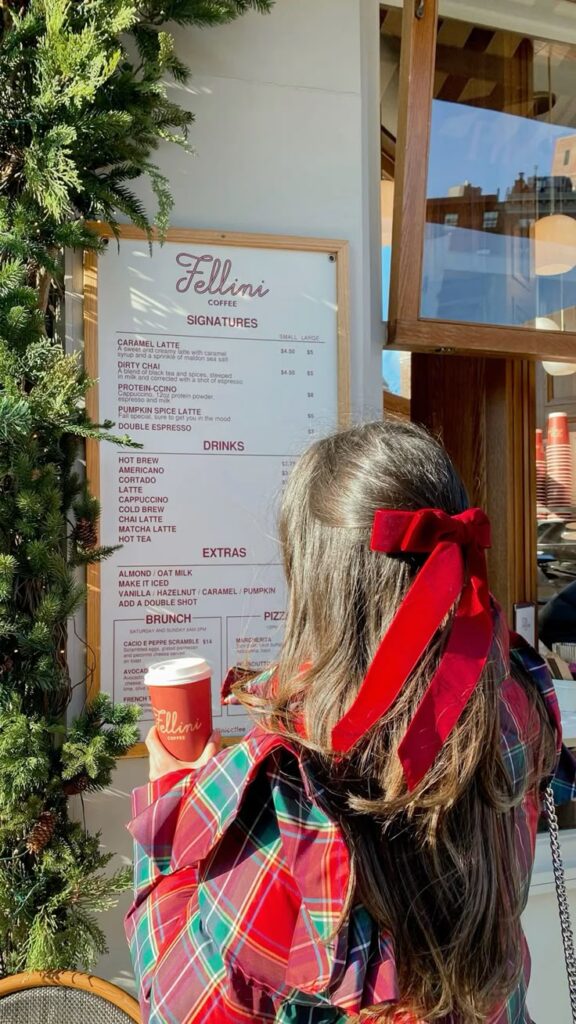
Woman in plaid with red bow orders coffee at Fellini café, menu and festive decor visible. Cozy holiday scene.

Sometimes, the best gifts aren’t things you can wrap. In a world increasingly cluttered with material possessions, offering an experience can be a refreshing, memorable, and often more budget-friendly alternative. This type of gifting creates lasting memories rather than just another item gathering dust.

Why Experiences Trump “Stuff”

Research consistently shows that experiences contribute more to happiness than material purchases. They provide anticipation, connection, and cherished memories long after the moment has passed. Plus, they can often be tailored to fit various budgets.

Creative Experience Gift Ideas

  • Quality Time Vouchers: Offer a “coupon book” for experiences you’ll share: a hike, a movie night with homemade popcorn, a cooking session, a board game marathon, or a picnic in the park.
  • Skill-Share Sessions: If you have a skill (e.g., baking, photography, playing an instrument, crafting), offer to teach a loved one.
  • Local Attractions: Tickets to a museum, a local sports game, a botanical garden, or a community play. Look for free entry days or special local discounts.
  • Outdoor Adventures: A day pass to a state park, a rental for kayaking, or a guided nature walk.
  • Charitable Donations: Make a donation in someone’s name to their favorite charity. This is a gift that gives back and resonates deeply with many.
  • “Date Night In” Kit: Assemble a basket with ingredients for a special meal, a rental movie code, and some cozy blankets.

The key here is personalization. Think about what the recipient truly enjoys and how you can create a unique, shared moment. These gifts show immense thoughtfulness and often strengthen bonds, making them truly invaluable.

8. Decorate Smart, Not Extravagantly

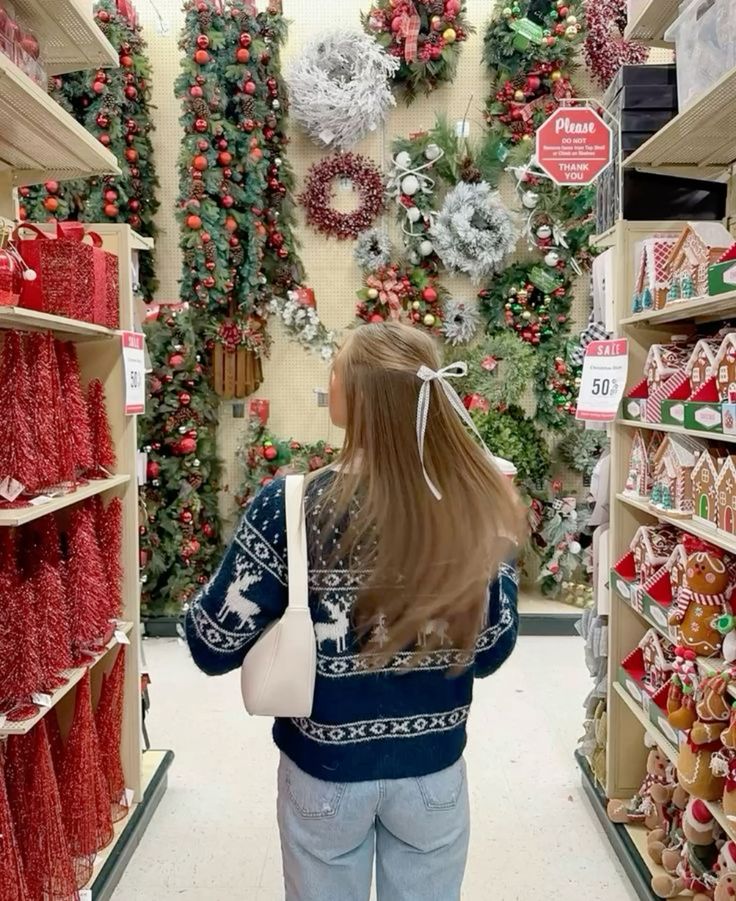
Woman shopping for Christmas decorations in aisle of holiday wreaths and ornaments, wearing a festive sweater with reindeer design.
Cozy Christmas scene with decorated tree, fireplace, and a festive mug of hot cocoa topped with marshmallows and a cookie.

The festive ambiance is undeniably part of the Christmas magic, but transforming your home into a winter wonderland doesn’t have to decimate your bank account. Smart decorating means maximizing impact with minimal expenditure, focusing on warmth, coziness, and personal touches.

Re-envisioning Your Decor

Cozy living room with Christmas tree, lit fireplace, and festive decor. Warm and inviting holiday ambiance.
  • Shop Your Home First: Before buying anything new, “shop” your own home. Do you have existing decor that can be repurposed? A plain vase can hold festive branches. Old blankets can add a cozy, wintery feel (especially if you’re interested in themes like Secrets of Scandinavian Coziness: How to Introduce Hygge into Your Home).
  • Nature’s Bounty: The outdoors offers an abundance of free decorations! Collect pinecones, evergreen branches, holly, or winter berries. Arrange them in bowls, string them as garlands, or use them to adorn gifts.
  • DIY Ornaments & Garlands: Get crafty! Make paper snowflakes, popcorn garlands, dried orange slice ornaments, or felt decorations. This can be a fun family activity too.
  • Strategic Lighting: A few strings of warm white fairy lights can create more magic than dozens of expensive ornaments. Focus on key areas like mantelpieces, windows, or the Christmas tree.
  • Thrift Store Treasures: Browse local thrift stores or charity shops for unique, vintage ornaments, festive dishware, or even small decorative items that can be given a holiday makeover.
  • Pillar of Warmth: Candles (especially unscented bulk packs) offer incredible ambiance at a low cost. Arrange them safely in groups for a soft, inviting glow.

The goal is to create a festive, inviting atmosphere that reflects your personal style, rather than trying to replicate a store display. With a little creativity, your home can radiate Christmas cheer without a huge investment.


9. Track Your Spending Diligently

Festive cups with Christmas designs in front of illuminated building and decorations at night. Cozy holiday atmosphere.
Cozy Christmas scene with gifts, cookies, a decorated tree, and a warm fireplace for a festive, heartwarming holiday atmosphere.

Creating a budget is an excellent start, but it’s only half the battle. The other half, equally important, is to track your spending as you go. This vigilance ensures you stay within your limits and avoid any unwelcome surprises when the credit card statements arrive in January.

Why Tracking is Non-Negotiable

Without tracking, even the most meticulously planned budget can unravel. Small, unplanned purchases here and there add up quickly. Diligent tracking acts as your real-time financial GPS, alerting you if you’re veering off course.

Effective Tracking Methods

  • Budgeting Apps: Numerous free and paid budgeting apps (like Mint, YNAB, or EveryDollar) allow you to categorize expenses and track spending on the go. Many sync with your bank accounts for ease of use.
  • Spreadsheets: A simple Google Sheet or Excel spreadsheet can be incredibly effective. Create columns for “Category,” “Item,” “Budgeted Amount,” “Actual Spent,” and “Difference.” Update it regularly.
  • Notebook & Pen: For those who prefer analog, a dedicated notebook for your Christmas budget works perfectly. Just be disciplined about jotting down every expense immediately.
  • Keep Receipts: Collect all your holiday receipts in a designated envelope or folder. This makes it easy to review and update your tracker.
  • Daily Check-ins: Make it a habit to check your spending against your budget every few days, or even daily, during peak shopping times. This allows for quick adjustments if you notice overspending in one category.

If you find yourself going over budget in one area, look for opportunities to cut back in another. Perhaps you can scale back on party snacks or opt for fewer new decorations. Tracking empowers you to make informed decisions throughout the season, keeping you firmly in control of your Christmas finances.

10. Prioritize & Communicate with Loved Ones

Woman in a red sweater dress and heels, smiling with a cocktail at a cozy bar. Perfect outfit for a night out.
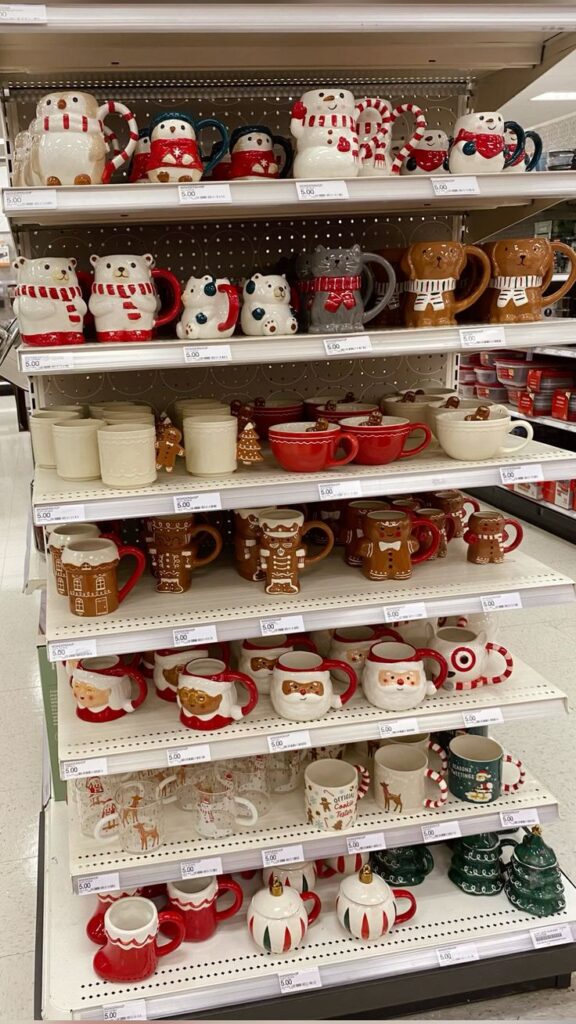
Festive holiday mugs with various Christmas designs displayed on store shelves, ideal for seasonal celebrations and hot beverages.

Ultimately, Christmas is about connection, love, and joy. These elements are priceless and don’t require a hefty financial investment. This final tip emphasizes the human side of budgeting: open communication and thoughtful prioritization.

Open & Honest Conversations

  • Family Discussions: Talk openly with your immediate family about your Christmas budget. Decide together what’s truly important this year. Is it fewer, more meaningful gifts? A focus on experiences? A cap on spending per person?
  • Set Expectations with Adults: For extended family or adult friends, suggest alternatives to traditional gift-giving if it’s becoming a financial strain. This could be:
    • No Gifts Policy: Simply agree not to exchange gifts this year. Many adults welcome this!
    • Focus on Kids Only: Agree to only buy gifts for the children in the family.
    • Experience Together: Suggest a shared meal or outing as your “gift” to each other.
  • Children’s Expectations: Gently manage children’s expectations by talking about the spirit of giving and the joy of family time, rather than just the number of presents.

Prioritize What Truly Matters

Reflect on what makes Christmas truly special for you and your loved ones. Is it the elaborate spread, the multitude of gifts, or the shared laughter, warmth, and traditions?

  • Time Over Money: Sometimes, your presence is the greatest present. Offer to help a loved one with a project, spend an afternoon baking together, or simply dedicate uninterrupted quality time.
  • Traditions: Focus on beloved family traditions that don’t cost much – caroling, driving around to see lights, reading Christmas stories, or making simple crafts.
  • Generosity of Spirit: Emphasize acts of kindness, volunteering, or donating to those less fortunate. This truly embodies the spirit of Christmas without emptying your wallet.

By communicating openly and prioritizing connection over consumption, you can create a Christmas that is rich in meaning and joy, proving that the most wonderful time of the year doesn’t have to be the most expensive. Your relationships, memories, and peace of mind are the greatest gifts of all.

Conclusion

Phew! You’ve just journeyed through 10 powerful Christmas budget tips designed to transform your holiday season from financially draining to joyfully liberating. From creating that all-important master budget and meticulously planning your gift list to embracing the charm of DIY, hunting for savvy discounts, and strategically managing your festive feasts, every tip is a stepping stone to a calmer, more meaningful Christmas.

Remember, the true spirit of the holidays isn’t found in the price tag of a gift or the extravagance of a party. It’s in the connections we foster, the memories we create, and the love we share with family and friends. By implementing these practical, proactive strategies, you’re not just saving money; you’re investing in your peace of mind and reclaiming the genuine magic of the season. This year, empower yourself to unwrap joy without breaking the bank, leaving you refreshed, content, and ready to welcome the New Year with a smile, not a mountain of debt. Go forth, budget boldly, and have the most wonderfully wise Christmas ever!


Frequently Asked Questions

Festive dinner gathering with friends by a Christmas tree, warm candles, and holiday decor. Cozy holiday ambiance.
Rustic holiday table decor with pine branches, red berries in a jar, and candles on a wooden table setting. Cozy festive ambiance.
Cozy outdoor patio decked with festive lights, Christmas trees, and comfortable seating for a warm holiday ambiance.

What’s the very first step I should take to budget for Christmas?

The absolute first step is to create a master Christmas budget. This involves listing all potential holiday expenses (gifts, food, decor, travel, entertainment) and assigning a realistic spending limit to each category, based on what you can truly afford. Start this process as early as possible, ideally months before December.

How can I save money on gifts without seeming cheap?

Focus on thoughtfulness and personalization. Handmade gifts, experience-based gifts (like a shared activity or a “coupon book” of your time), or gifts that support a cause the recipient cares about are often more cherished than expensive store-bought items. Consider suggesting a Secret Santa with a spending limit for larger groups.

Is it really possible to decorate for Christmas on a tight budget?

Absolutely! Get creative by using natural elements like pinecones and evergreen branches, repurpose existing household items, make DIY ornaments, and strategically use affordable fairy lights. Thrift stores can also be a treasure trove for unique and inexpensive festive decor.

What’s the best way to track my Christmas spending?

The most effective methods include using budgeting apps (like Mint or YNAB), a simple spreadsheet, or even a dedicated notebook. The key is to consistently record every expense as it happens and compare it against your budget to stay on track. Keep all your receipts for easy reference.

How can I talk to my family about a Christmas budget without causing tension?

Approach the conversation openly and honestly, focusing on shared values like reducing stress and enjoying quality time. Suggest alternatives like a “no gifts for adults” policy, focusing only on children’s gifts, or planning a shared experience instead of material presents. Emphasize that you want a joyful, debt-free holiday for everyone.

When should I start saving for Christmas?

Ideally, you should start saving for Christmas at the beginning of the year. By dividing your total estimated budget by 10-12 months, you can set aside a small, manageable amount each payday, making the holiday expenses feel much less burdensome.

What are some ideas for budget-friendly holiday meals?

Plan your meals meticulously, utilize potlucks for large gatherings, shop for seasonal ingredients, and bake your own treats instead of buying them. Also, consider simpler, yet delicious, recipes that don’t require expensive specialty ingredients.


author avatar
Arina Editor
I'm Arina, writer with a passion for art, teaching, technology, and science. I create engaging blogs and articles, making complex ideas easy and interesting to explore. 29 - December
Previous Article

Deck the Halls in Style! Your Ultimate Christmas Outfit Inspiration Guide

Next Article

Hostel vs Hotel Travel: Decoding the Best Stay for Your Next Adventure

Write a Comment

Leave a Comment

Your email address will not be published. Required fields are marked *


Handy Home
Discover Handy Home, your ultimate destination for creative home decor ideas, beauty tips, and fun DIY projects