









Body Goals: Redefining Progress Through Health, Strength, and Consistency

The phrase “body goals” is everywhere—on social media, in ads, and across fitness content. Unfortunately, it’s often framed around unrealistic comparisons, quick fixes, or appearance-based ideals that don’t reflect real life or long-term health.

But true body goals aren’t about chasing a specific look. They’re about building habits that help you feel stronger, more confident, more energized, and more capable in your everyday life.

In this article, we’ll redefine what body goals really mean, why focusing on health over appearance leads to better outcomes, and how consistency—not perfection—is what drives lasting progress.

What Body Goals Should Actually Mean

Collage of women doing various workouts like treadmill, boxing, and weights, showcasing strength and fitness motivation.
Person jogging along a waterfront during sunset, wearing headphones, enjoying a scenic outdoor workout.
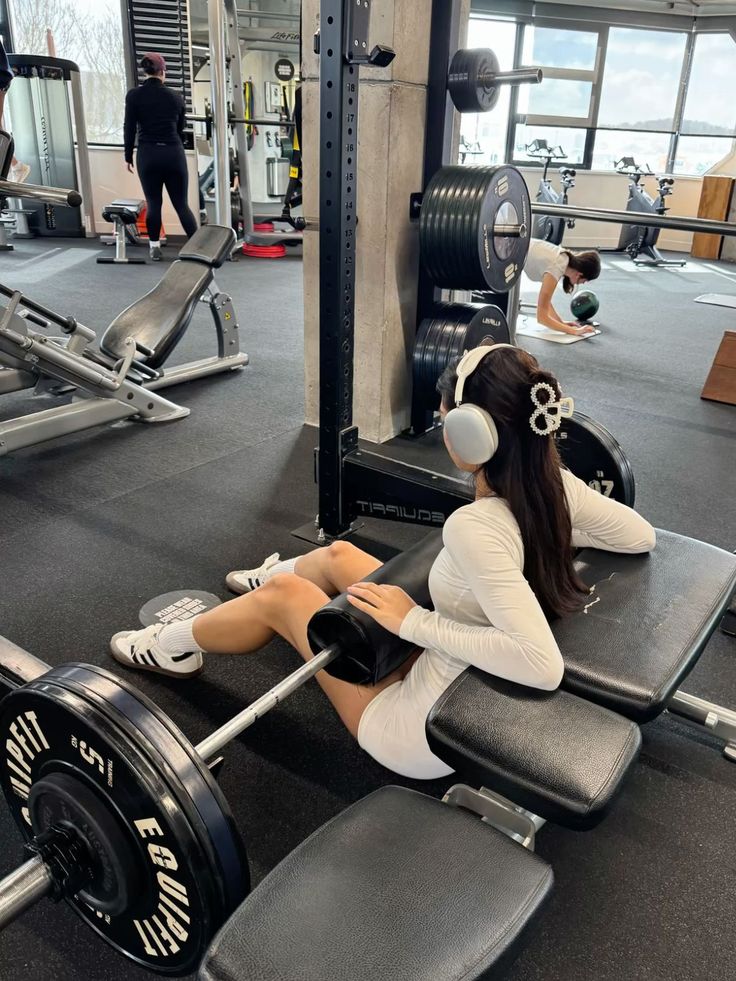
Woman in gym wearing headphones, performing hip thrusts with weights. Fitness workout in modern gym setting.

At their core, body goals are personal. They’re not about meeting someone else’s standard or fitting into a specific mold.

Healthy body goals focus on:

  • Feeling physically capable and strong
  • Supporting mental and emotional well-being
  • Improving energy, sleep, and focus
  • Building habits you can maintain long-term

When body goals are framed this way, progress becomes measurable without being harmful—and motivation becomes more sustainable.

Why Appearance-Based Goals Often Backfire

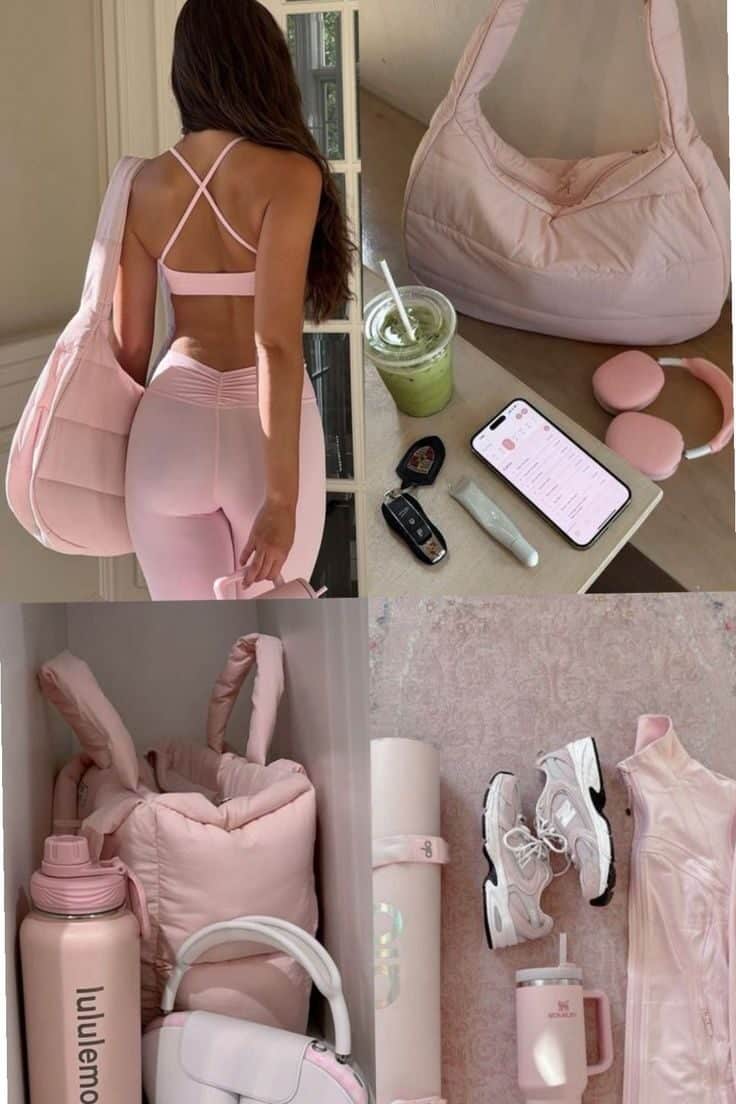
Pink workout gear and accessories, featuring yoga mat, leggings, sports bra, water bottles, and sneakers for a stylish fitness routine.
Woman in pink activewear prepares for a fitness class, sitting on a mat with gym equipment around her.
Woman in crisscross back top and joggers, facing away, showcasing a stylish casual look against a neutral background.

Many people start with appearance-focused goals because they feel concrete. But relying solely on looks as a measure of success can lead to frustration and burnout.

Here’s why:

1. Appearance Is Influenced by Many Factors

Genetics, growth, sleep, stress, and daily routines all play a role in how someone looks. Two people can follow similar habits and see very different results—and that’s normal.

2. Visual Progress Is Not Linear

Bodies don’t change on a predictable timeline. When appearance is the only benchmark, it’s easy to feel “stuck” even when healthy changes are happening behind the scenes.

3. Comparison Undermines Confidence

Comparing yourself to others—especially online—removes context. You never see the full picture, and comparison rarely leads to positive action.

A healthier approach focuses on what your body can do, not how it compares.

Shifting Body Goals Toward Health and Function

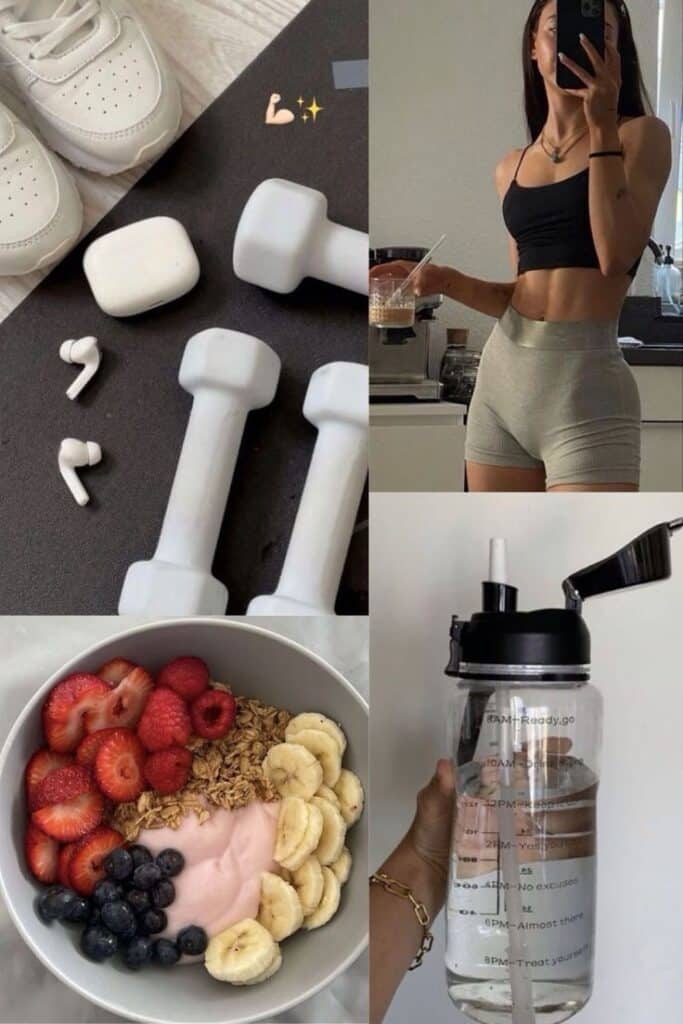
Fitness essentials: workout gear, healthy breakfast bowl, and motivational water bottle. Perfect for a balanced wellness routine.
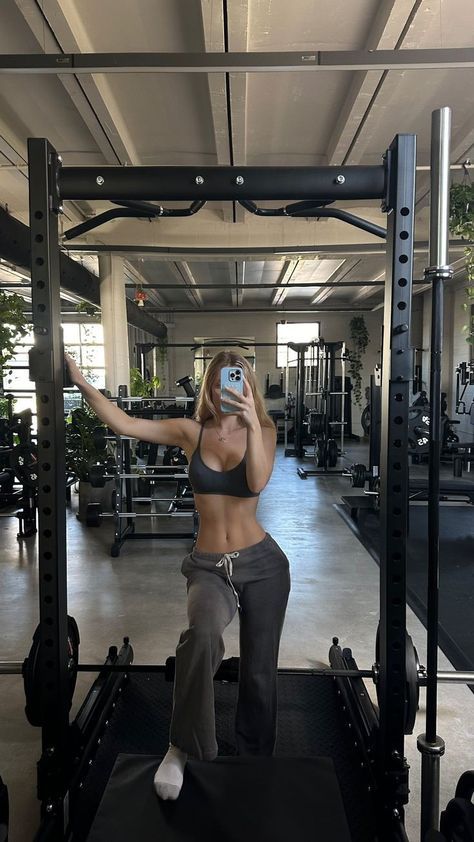
Person taking a selfie in a gym, surrounded by fitness equipment, wearing workout attire.
Person in black, long-sleeve crop top and leggings, taking a mirror selfie with a smartphone.

The most effective body goals are rooted in function and well-being, not aesthetics.

Examples of healthier body goals include:

  • Building strength and mobility
  • Improving endurance or flexibility
  • Feeling more energized throughout the day
  • Supporting focus, mood, and mental clarity
  • Creating consistent movement habits

These goals are achievable, measurable, and supportive of long-term growth.

The Role of Consistency Over Intensity

Fitness and wellness collage: gym gear, yoga, healthy breakfast, cucumber water, and colorful smoothies for a balanced lifestyle.
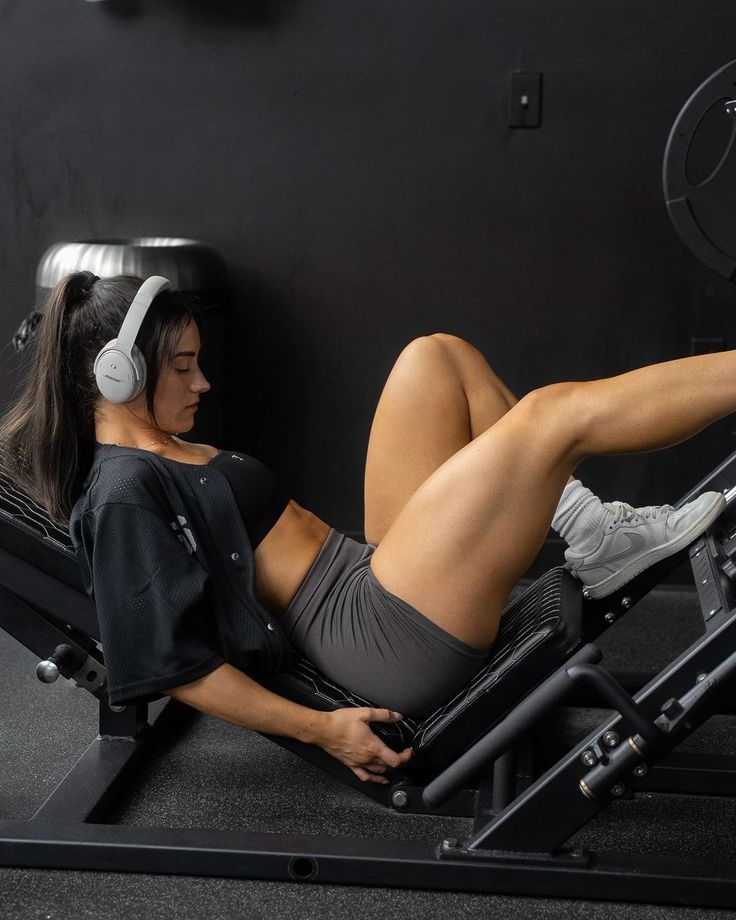
Woman in gym doing leg press exercise, wearing headphones and athletic wear, focused on fitness.

One of the biggest misconceptions around body goals is that progress requires extreme effort.

In reality, consistency beats intensity every time.

Small actions done regularly:

  • Create sustainable routines
  • Reduce burnout
  • Support steady improvement

Instead of pushing for perfection, focus on showing up consistently—even when motivation is low.

Progress compounds over time.

Building Body Goals Around Habits

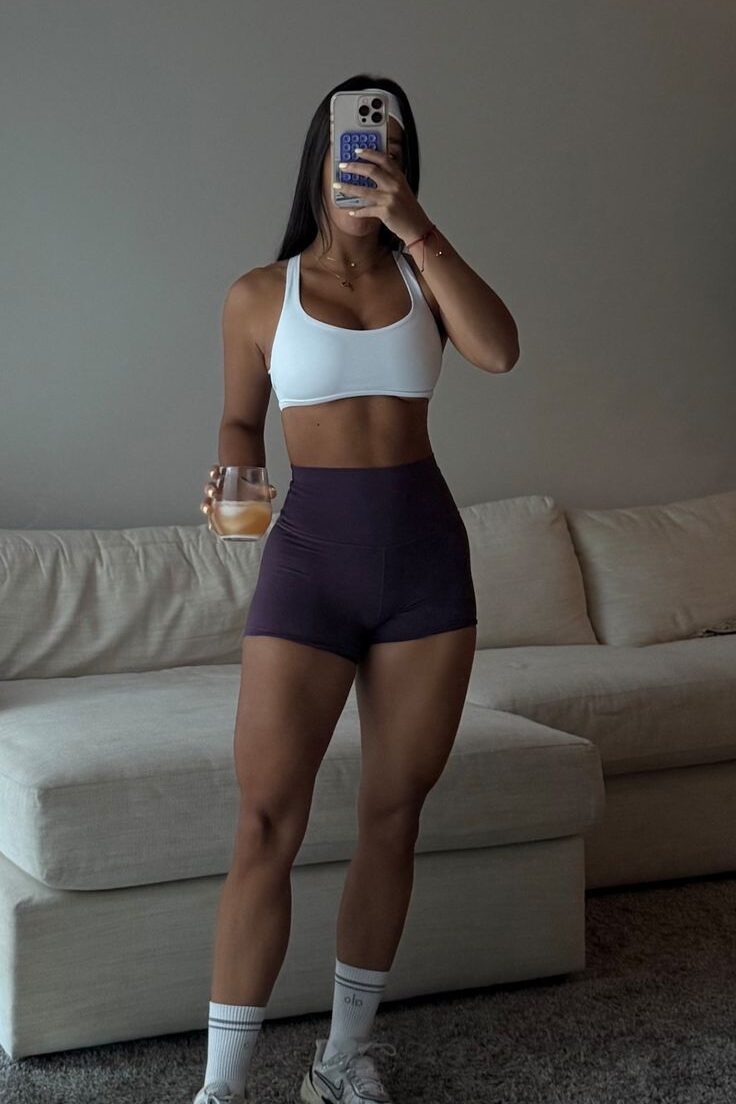
Woman in workout attire taking a mirror selfie at home, holding a drink, standing on a rug in front of a sofa. Fitness lifestyle.
Person in workout attire stands confidently, holding iced coffee. Fashionable gym wear, sunglasses, and elegant jewelry complete the look.

Habits are the foundation of healthy body goals. They remove pressure and replace it with structure.

Here are habit-based approaches that support well-being without extremes:

1. Regular Movement

Movement doesn’t have to be intense to be effective. Walking, stretching, sports, and light strength work all support physical health when done consistently.

The goal isn’t punishment—it’s participation.

2. Balanced Nutrition Mindset

Healthy eating isn’t about restriction. It’s about balance, nourishment, and listening to your body’s signals.

Focusing on variety and regular meals supports energy, focus, and growth—especially during teenage years.

3. Rest and Recovery

Sleep and rest are often overlooked, but they’re essential.

Your body adapts, grows, and recovers during rest—not during activity. Supporting recovery is part of progress, not a break from it.

Mental Health Is Part of Body Goals

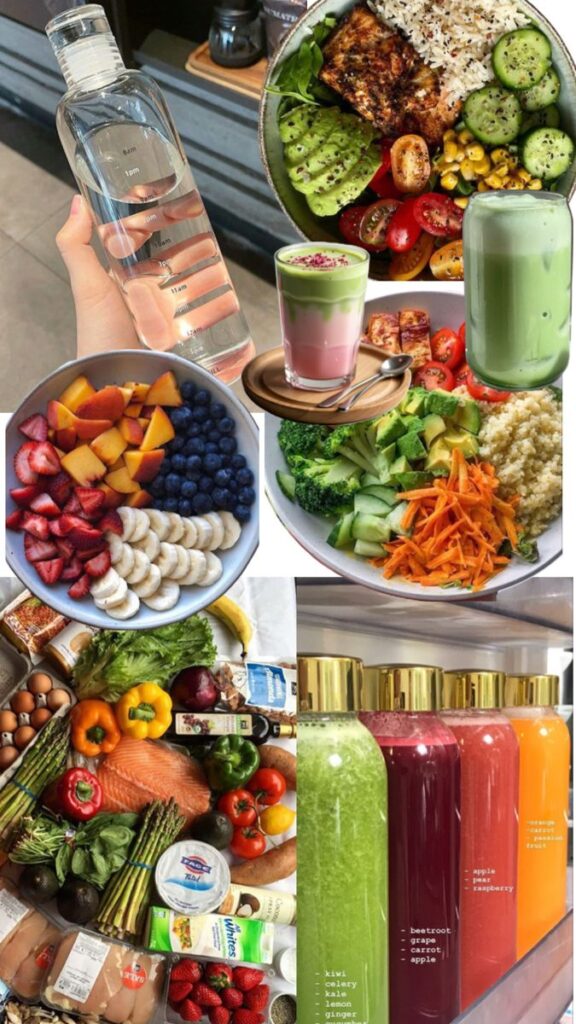
A collage showcasing healthy foods: fresh vegetables, colorful juices, fruit bowls, and a hydration bottle promoting a balanced lifestyle.
Woman taking a mirror selfie, holding an iced coffee in casual outfit, cozy bedroom setting with knitted blanket and yarn shelves.

Physical and mental well-being are connected.

When body goals are approached with flexibility and self-respect, they:

  • Reduce stress
  • Build confidence
  • Encourage positive self-talk
  • Support emotional resilience

A healthy mindset recognizes effort, not just outcomes.

Measuring Progress Without Obsession

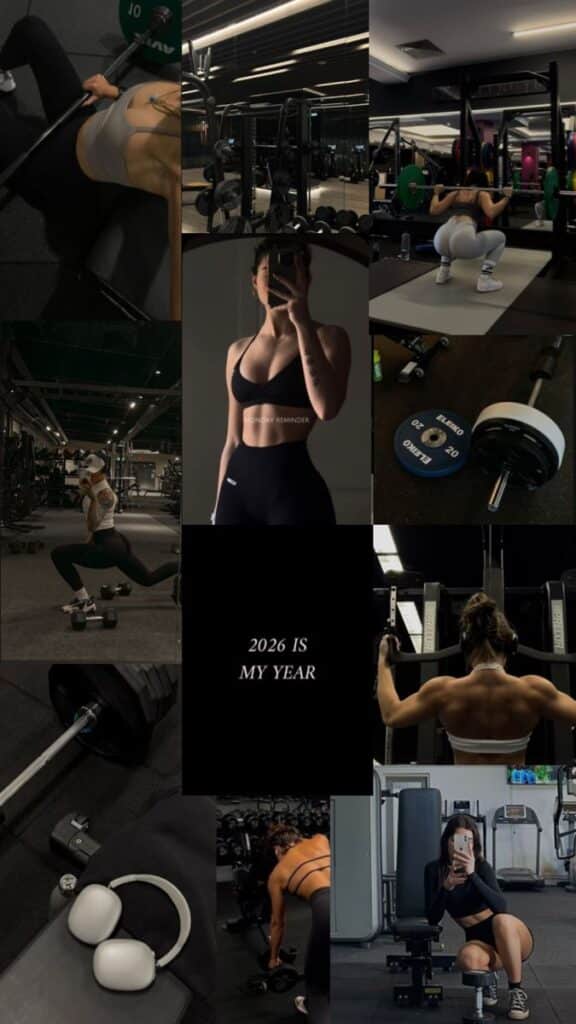
Collage of gym workouts with motivational text 2026 is my year. Fitness and strength training inspiration.
A woman flexes her muscles in a gym, showcasing strength and fitness. Text overlay: Strong body, strong mind.

Tracking progress doesn’t mean fixating on numbers or appearance.

Health-focused progress indicators include:

  • Increased energy
  • Improved mood
  • Better sleep quality
  • Feeling stronger or more capable
  • Greater consistency with routines

These signs often appear before visible changes—and they matter just as much.

Body Goals and Long-Term Growth

Woman taking gym mirror selfie, wearing black shorts and white crop top, headphones on. Fitness motivation in workout space.
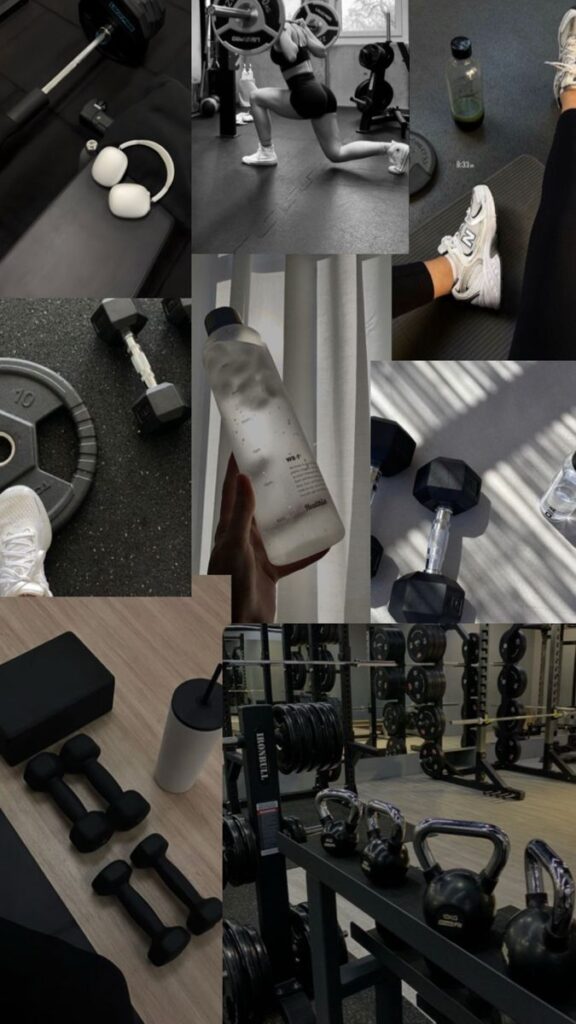
Collage of gym essentials: dumbbells, kettlebells, water bottle, headphones, and a person weightlifting, symbolizing fitness motivation.

True body goals are about longevity.

They support:

  • Lifelong movement habits
  • Sustainable routines
  • Self-trust and confidence
  • A positive relationship with health

When goals are flexible and supportive, they grow with you rather than work against you.

Letting Go of Perfection

Progress is not linear. Some days will feel easier than others.

A healthy approach to body goals allows for:

  • Rest days
  • Schedule changes
  • Adjustments without guilt

What matters most is returning to your habits—not being flawless.

Final Thoughts: Body Goals Are About Respect, Not Pressure

Real body goals are built on respect for your body—not pressure to change it quickly or compare it to others.

When goals focus on health, consistency, and well-being, they become empowering instead of stressful.

Progress doesn’t require extremes. It requires patience, balance, and trust in the process.

Your body is not a project to fix—it’s something to support.

What do true body goals really mean?

True body goals focus on building habits that make you feel stronger, more confident, energized, and capable in daily life, rather than chasing specific appearance standards.

Why should I avoid appearance-based goals?

Appearance-based goals can lead to frustration and burnout because they are influenced by many factors, are not linear, and often cause unhelpful comparisons.

How can I set healthier body goals?

Set goals rooted in function and well-being, such as building strength, increasing energy, improving sleep, and supporting mental health for sustainable progress.

What role does consistency play in achieving body goals?

Consistency, rather than intensity, is key; small, regular actions support steady improvement and help avoid burnout and setbacks.

How do habits contribute to long-term body goals?

Habits create sustainable routines focused on movement, balanced nutrition, and rest, supporting lifelong health and building confidence without extremes.

author avatar
Arina Editor
I'm Arina, writer with a passion for art, teaching, technology, and science. I create engaging blogs and articles, making complex ideas easy and interesting to explore. 25 - January
Previous Article

Positive Mindset: The Hidden Growth Lever Behind Sustainable Business Success

Write a Comment

Leave a Comment

Your email address will not be published. Required fields are marked *


Handy Home
Discover Handy Home, your ultimate destination for creative home decor ideas, beauty tips, and fun DIY projects