Hairstyles for School: Easy, Stylish Looks for Every Day
Facebook Twitter Pinterest Finding the right hairstyle for school is about more than looking good. Students need styles that are comfortable,…


Choosing between moody and light photography styles is one of the most important creative decisions you’ll make as a photographer. Both approaches offer distinct visual aesthetics that can dramatically change how your images feel and connect with viewers. Understanding the differences between these styles will help you develop a signature look that matches your artistic vision.
Moody photography emphasizes deep shadows, rich colors, and dramatic contrast, while light and airy photography features bright highlights, soft tones, and an ethereal quality. Neither style is better than the other—they simply evoke different emotions and work better for different subjects and situations. You might even find yourself drawn to elements of both styles depending on what you’re shooting.
The good news is that you don’t need special equipment to shoot in either style. What matters most is understanding how to use light, adjust your camera settings, and edit your images to achieve the look you want. This guide will walk you through the key differences between moody and light photography so you can confidently choose the style that fits your creative goals.
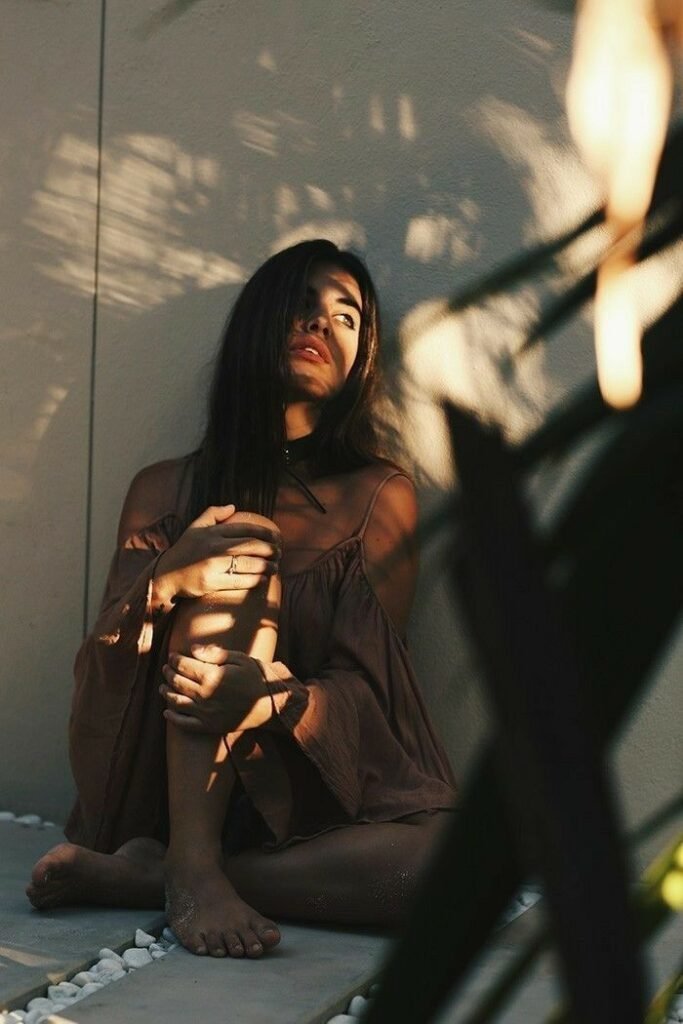
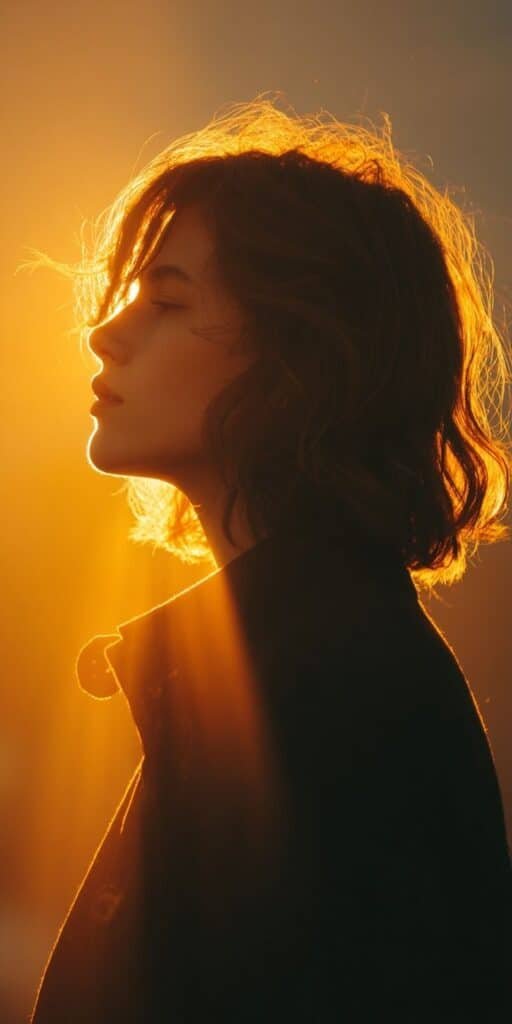
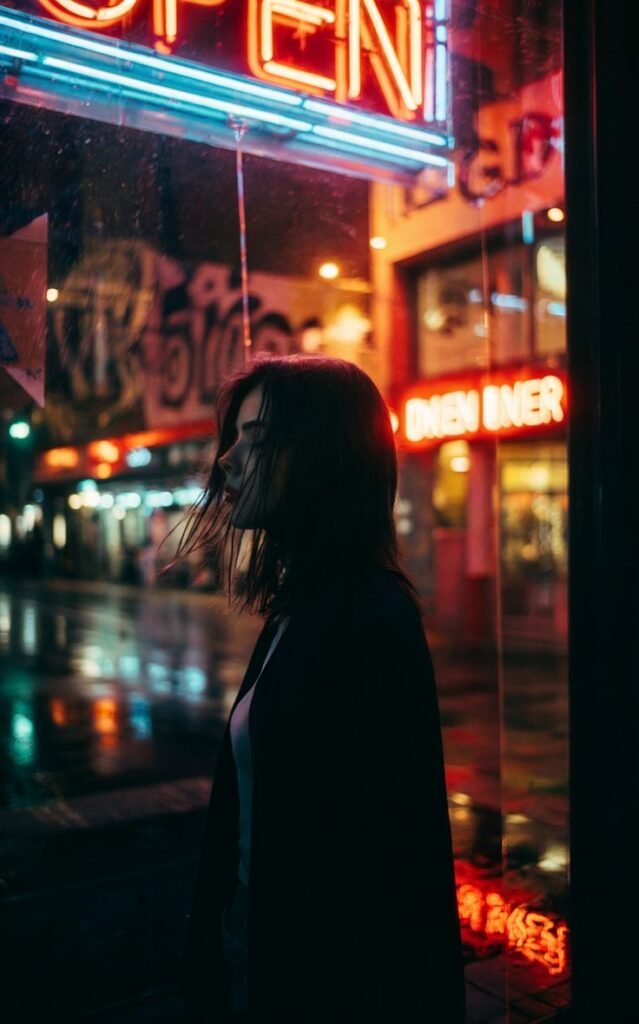
These two photography styles sit on opposite ends of the visual spectrum, each using distinct approaches to lighting, color, and contrast to create entirely different emotional responses in your images.
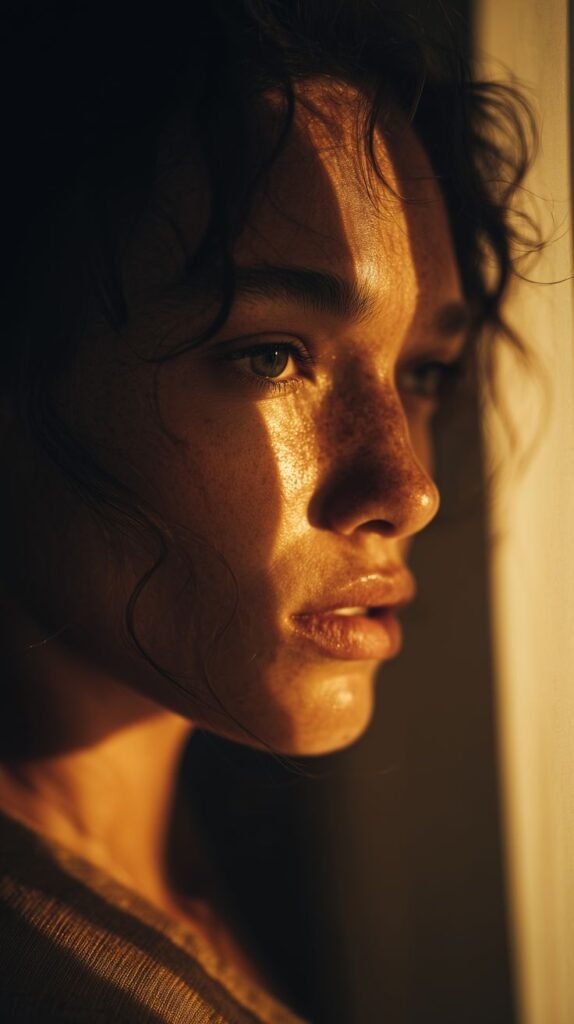
Moody photography embraces shadows, rich colors, and deep contrast to create atmospheric images with emotional depth. This style relies on directional lighting and darker tones to produce dramatic results.
The dark and moody approach uses intentional underexposure and selective lighting to highlight your subject while letting shadows play a prominent role. You’ll notice these images often feature muted or saturated colors rather than bright, vibrant hues.
This photography style works particularly well in venues with dramatic architecture, candlelit settings, or natural environments like forests. The technique emphasizes texture and dimension through the interplay of light and shadow.
Key characteristics of moody photography include:
Light and airy photography prioritizes brightness, soft tones, and gentle colors to create uplifting, romantic images. This style intentionally brightens the natural colors in your scenes while often desaturating certain hues like greens.
Your images will feature minimal shadows, soft contrast, and an overall luminous quality. The exposure tends toward the brighter side, creating a fresh and clean aesthetic.
This approach works best in naturally bright environments with abundant light sources. You’ll find it complements outdoor ceremonies, beach weddings, and venues with large windows or white walls.
Light and airy photos typically showcase:
These styles aren’t binary choices but exist along a continuum with many variations between the extremes. You can blend elements from both approaches to create your unique visual signature.
Some photographers work in a “true to color” middle ground that maintains natural exposure and color accuracy without pushing toward either extreme. Others adapt their style based on the specific lighting conditions, venue, or client preferences they encounter.
Your chosen style affects everything from how you shoot to your post-processing workflow. Dark and moody requires careful attention to preserving shadow detail during capture, while light and airy needs proper highlight management to avoid losing important information in the bright areas.
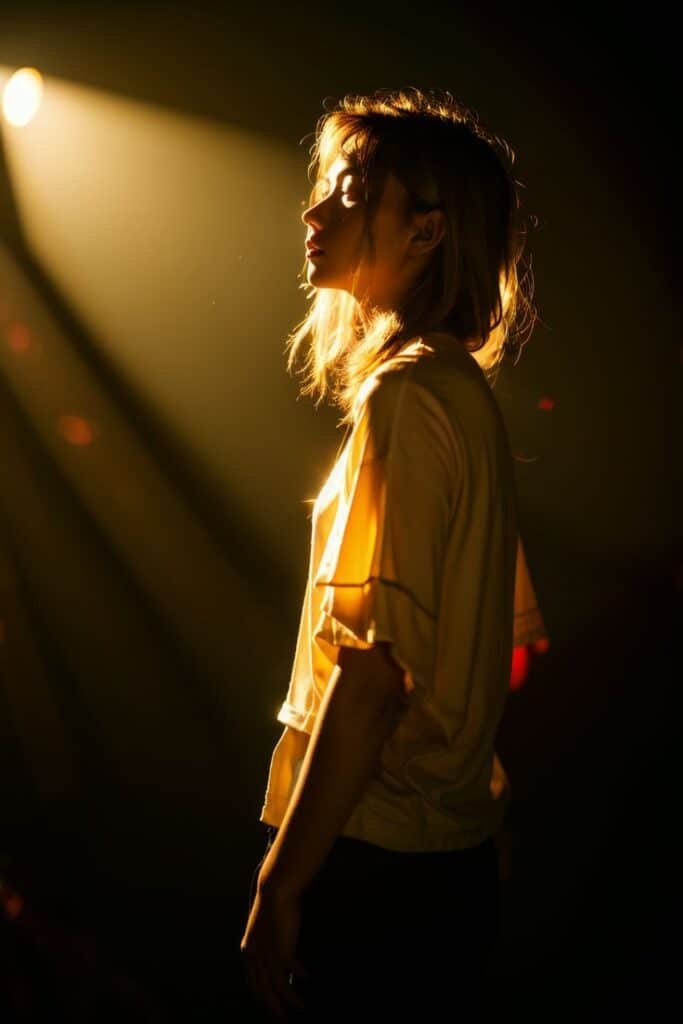
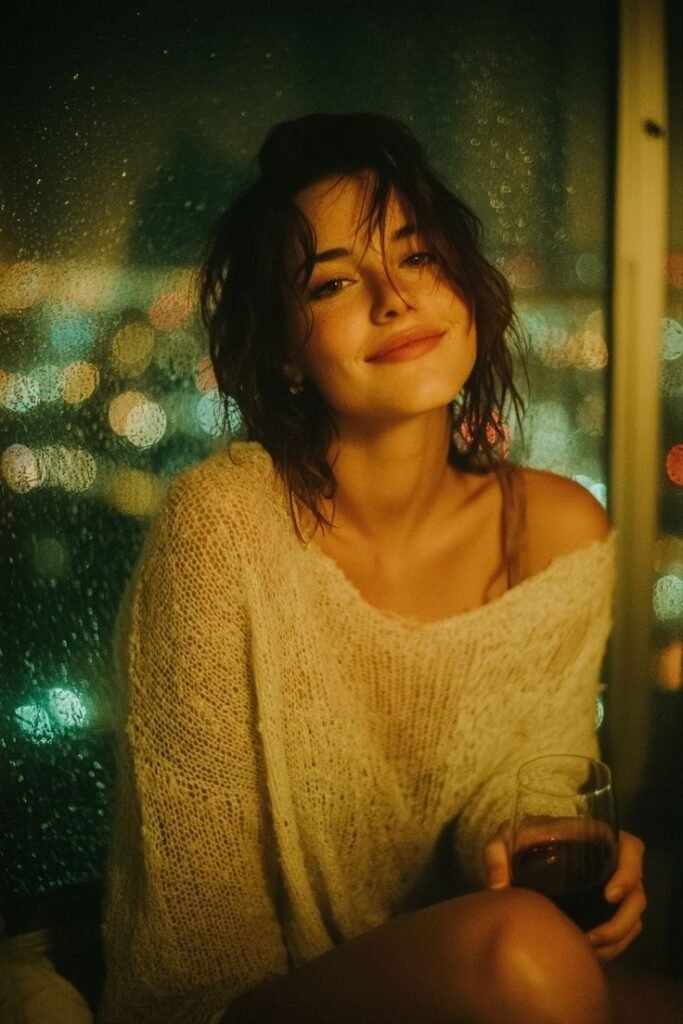
Moody and light photography styles create distinct visual experiences through their approach to color, illumination, and emotional resonance. The way each style handles these elements shapes how viewers connect with your images.
Light photography embraces soft, desaturated colors with elevated brightness levels. You’ll notice whites appear creamy rather than stark, and pastels dominate the palette. Skin tones lean toward peachy or warm hues, while backgrounds fade into gentle neutrals.
Dark and moody photography features rich, saturated colors with deeper tonal values. Your color palette includes deep greens, burgundies, navy blues, and burnt oranges. Blacks appear true and dense rather than lifted to gray. You’ll work with colors that carry weight and intensity, creating depth through contrast rather than brightness.
The tonal range differs significantly between styles. Light photography compresses shadows and maintains detail in darker areas, while moody photos allow shadows to fall into near-blackness. This creates a fundamentally different viewing experience for your audience.
Soft natural light defines the light and airy approach. You position subjects near windows or shoot during golden hour, using diffused illumination that wraps around your subject. Shadows remain minimal and gentle, never creating harsh lines or dramatic falloff.
Moody photography relies on directional lighting that creates defined shadow areas. You might use a single light source positioned to one side, allowing half your subject to fall into darkness. This technique works particularly well in candlelit settings or venues with dramatic architecture.
The contrast ratio separates these styles clearly. Light photography maintains a ratio of 2:1 or 3:1, keeping all details visible. Dark and moody photography pushes to 8:1 or higher, embracing the mystery that shadows provide.
Light photography evokes feelings of joy, airiness, and optimism. Your images feel fresh and uplifting, perfect for conveying celebration and romance. The bright aesthetic creates an inviting, accessible atmosphere that feels cheerful.
Dark and moody photography speaks to introspection, drama, and depth. You’re creating images that feel cinematic and emotionally complex. The style conveys sophistication, intimacy, and artistic intention through its use of shadow and selective illumination.
Each style attracts different viewer responses. Light images feel immediately approachable, while moody photos draw viewers in through curiosity and visual tension.
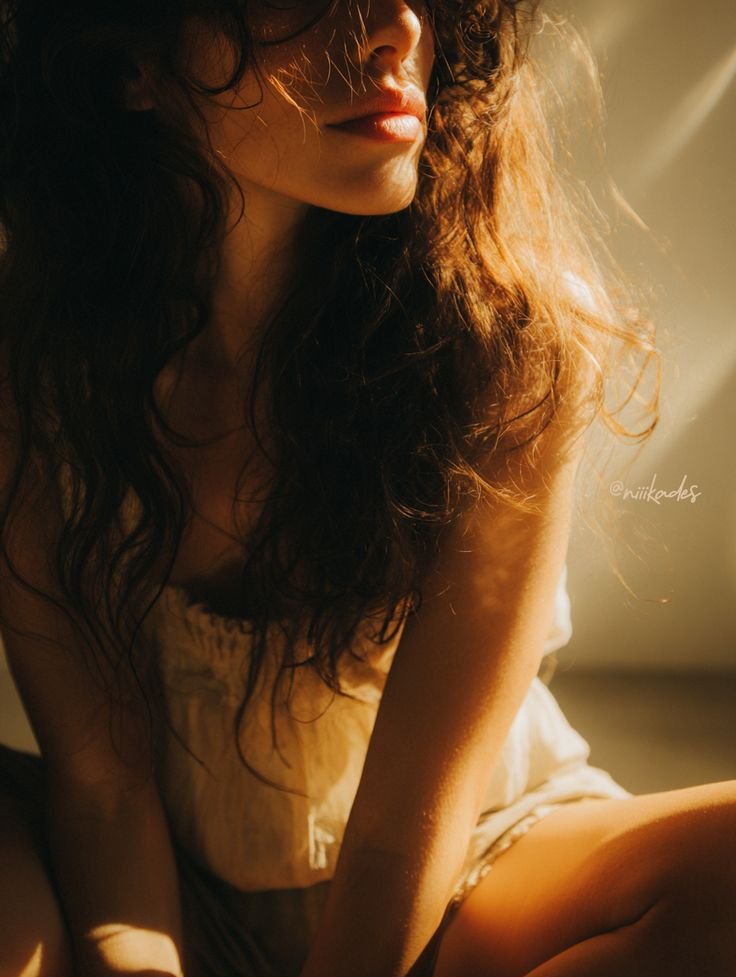
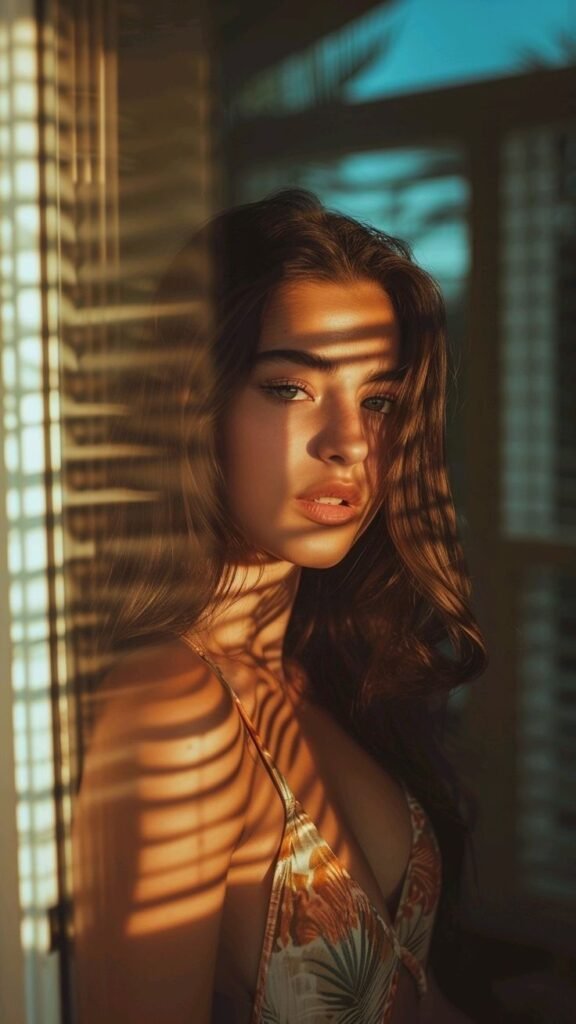
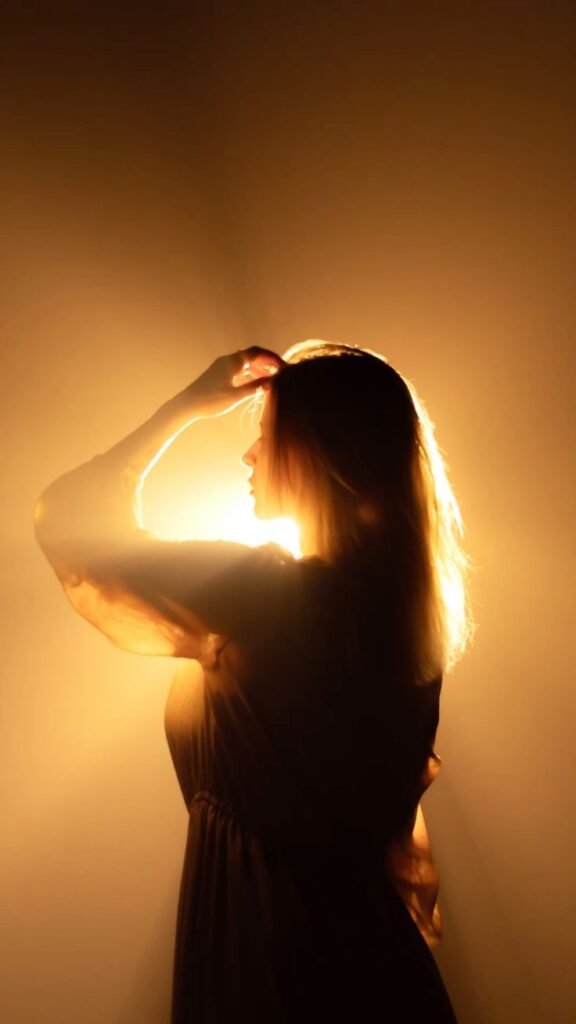
Light and airy photography relies on overexposure and cooler tones during post-processing, while dark and moody work prioritizes shadows and warmer, earthy hues. Your camera settings and editing choices define which aesthetic you achieve.
For light and airy images, you need to intentionally overexpose by +1 to +2 stops using exposure compensation. Set your ISO between 200 and 800 and shoot in RAW format to preserve highlight detail. Use wider apertures like f/1.8-f/2.8 to create soft backgrounds.
Dark and moody photography requires the opposite approach. Underexpose by -1 to -2 stops to preserve shadow detail and create depth. Keep your ISO as low as possible (100-400) to maintain rich blacks without noise.
Your white balance matters significantly for both styles. Light and airy works best with cooler temperatures (5500-6500K), while dark and moody benefits from warmer settings (3500-4500K). Shooting in RAW gives you the flexibility to adjust these values during editing.
Light and airy editing focuses on lifting shadows, reducing contrast, and desaturating colors slightly. Increase your exposure slider, crush the blacks by raising the black point, and add a subtle blue or pink tint to highlights. You should also lower clarity and texture for a softer look.
Dark and moody post-processing emphasizes shadows and adds warmth throughout the image. Lower your exposure slightly, increase contrast, and pull down highlights to prevent blown-out areas. Add warmth through split toning or color grading by introducing orange and teal tones.
Your editing style should enhance natural colors differently for each approach. Light and airy typically desaturates portions of the color spectrum, especially oranges and yellows. Dark and moody saturates earth tones while keeping overall saturation controlled for a cinematic feel.
Natural light works differently for each style depending on time of day. Shoot light and airy during golden hour or overcast conditions when light is soft and diffused. Position your subject facing the light source or use backlight with fill flash.
Dark and moody photography thrives in directional light with strong shadows. Side lighting during late afternoon or window light in dim interiors creates the dramatic contrast you need. Embrace shadows rather than filling them completely.
When using artificial light, light and airy requires multiple light sources or large softboxes to eliminate harsh shadows. Dark and moody needs a single focused light source like a gridded strobe or speedlight to create intentional shadow areas. Position your key light at 45-90 degrees from your subject for maximum drama.
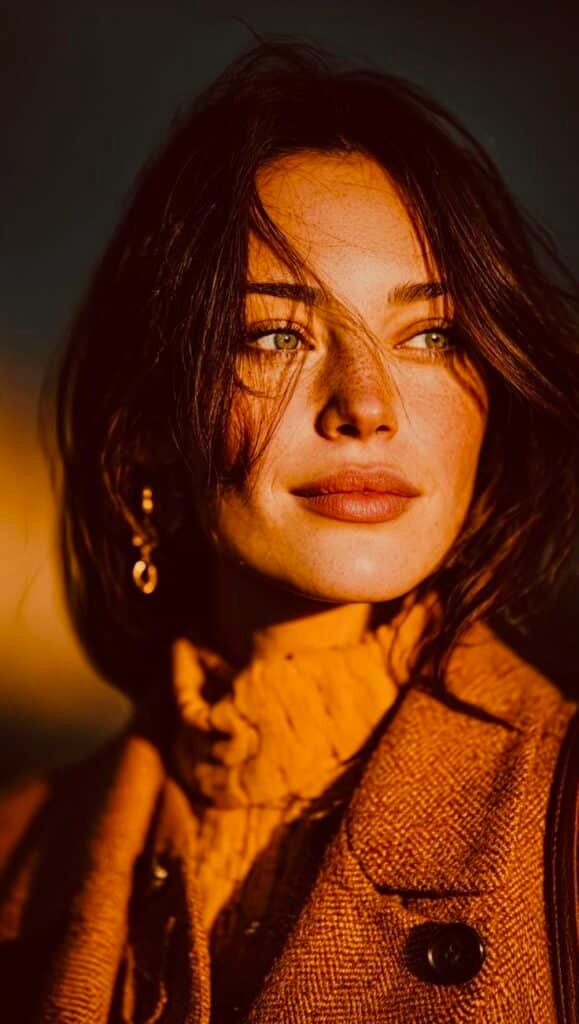
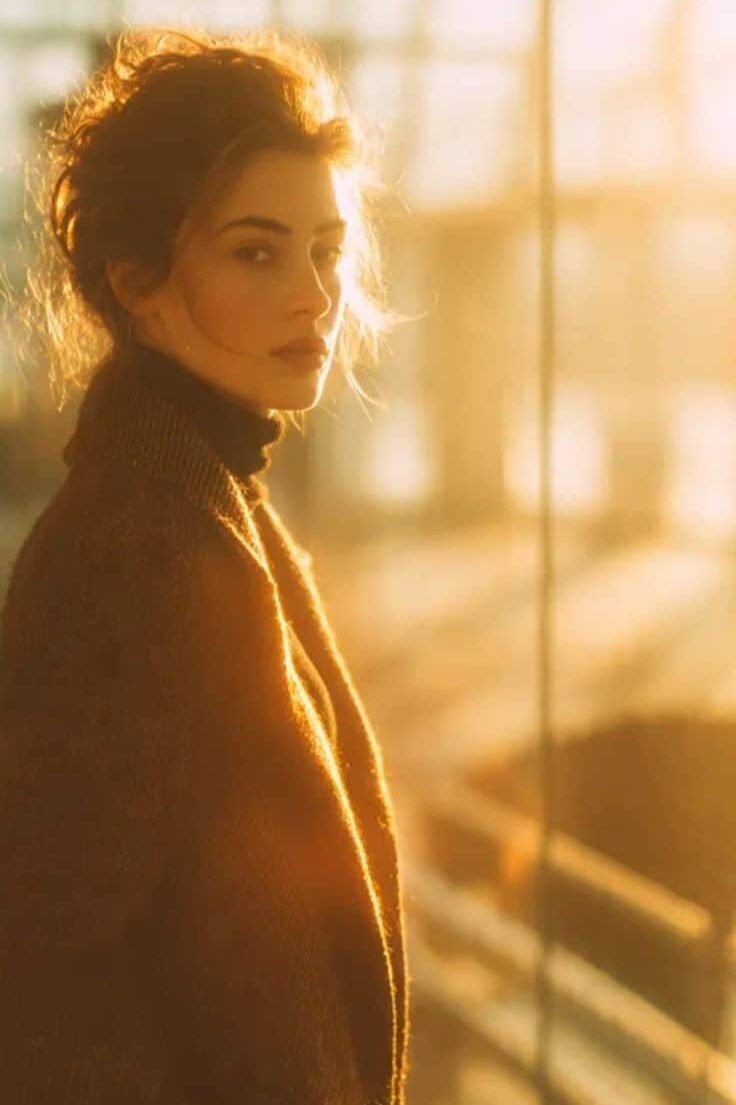
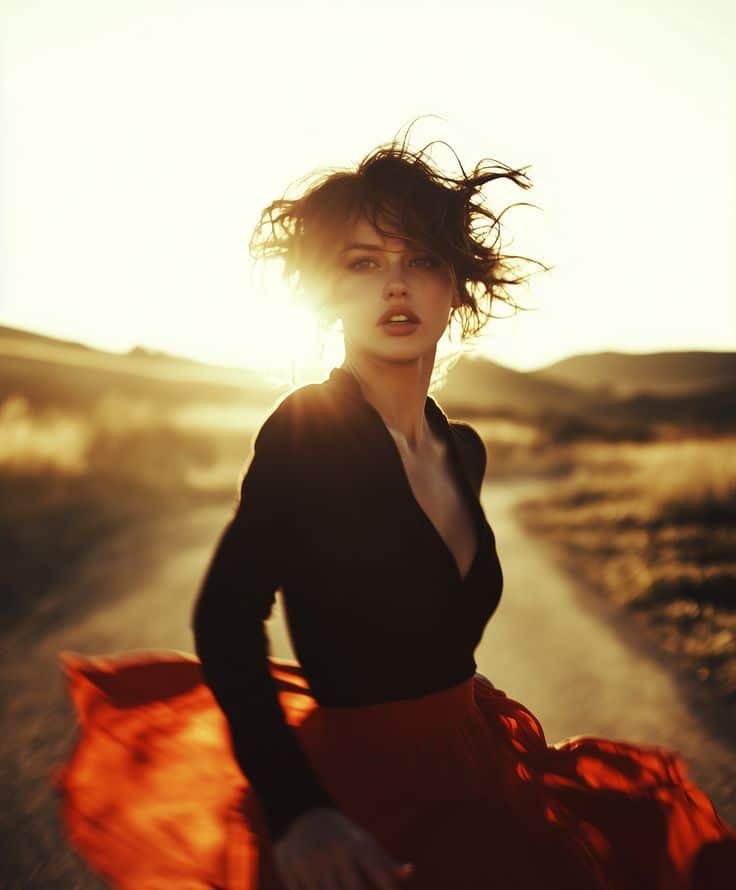
Your photography style should align with your artistic preferences, the nature of your subjects, and the context of each shoot. These three factors work together to guide your decision between moody and light aesthetics.
Your natural creative inclinations matter most when selecting a photography style. If you’re drawn to drama, mystery, and emotional depth, the moody approach with its rich shadows and intense colors will feel authentic to your work. Photographers who prefer brightness, openness, and cheerful atmospheres typically gravitate toward light and airy techniques.
Consider what emotions you want to evoke in viewers. Dark and moody photography conveys passion, intrigue, and mystique through deep shadows and high contrast. Light photography creates feelings of joy, innocence, and summer warmth through bright, desaturated tones.
Your editing preferences also reveal your style. If you enjoy working with dramatic shadows and rich color grading, moody processing will suit you. If you prefer soft, bright adjustments that emphasize airiness, stick with lighter techniques.
Test both styles with the same subject to see which resonates with your vision. Your instinctive reaction to the results will guide your choice.
Different subjects and environments naturally suit specific styles. Moody wedding photography works exceptionally well in candlelit receptions, venues with dramatic architecture, or woodsy outdoor settings where natural shadows add depth. These locations provide the directional light and rich textures that moody photography requires.
Portraits benefit from either style depending on the desired mood. Boudoir and intimate portraits often shine with moody treatment, while family sessions and maternity shoots frequently call for lighter approaches. Food photography can embrace moodiness for rustic or sophisticated presentations.
Environmental factors influence your decision too. Overcast days or golden hour provide ideal conditions for moody shots. Bright midday sun or well-lit indoor spaces favor light and airy techniques.
The event type and client expectations should inform your wedding photography style choices. Formal evening weddings with elegant decor suit moody processing, while garden ceremonies and beach weddings often demand lighter treatments. Some photographers offer both options and let couples choose their preference.
Corporate headshots typically require true-to-life or light approaches for professional appeal. Editorial work might call for moodiness to create specific atmospheres. Lifestyle sessions generally lean toward bright, natural styles that emphasize authenticity.
Consider your target market’s preferences. Browse successful photographers in your niche to identify trending styles, but don’t sacrifice your creative voice for trends. Clients hire you for your unique perspective and consistent aesthetic delivery.
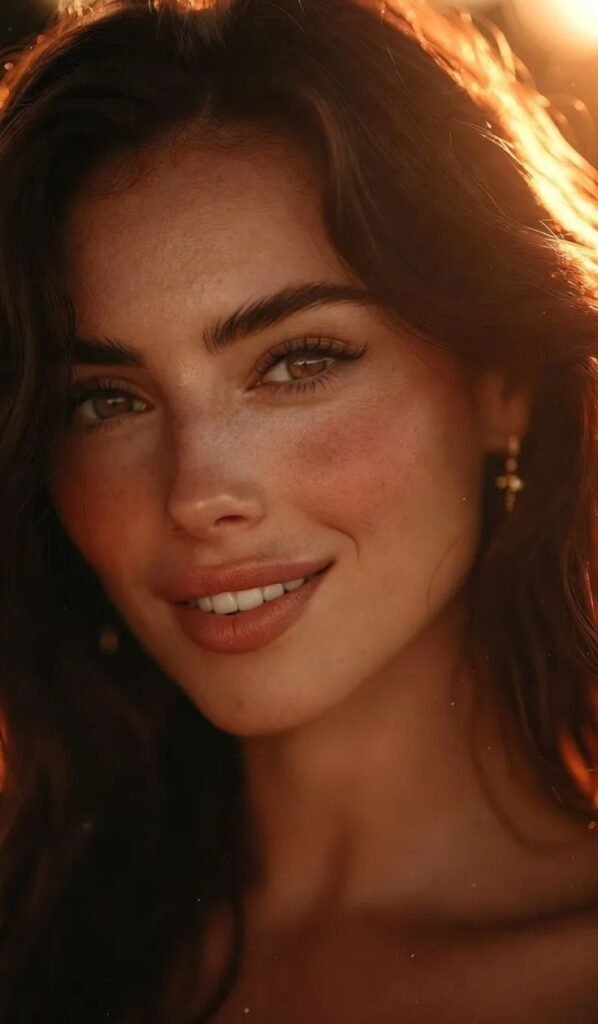
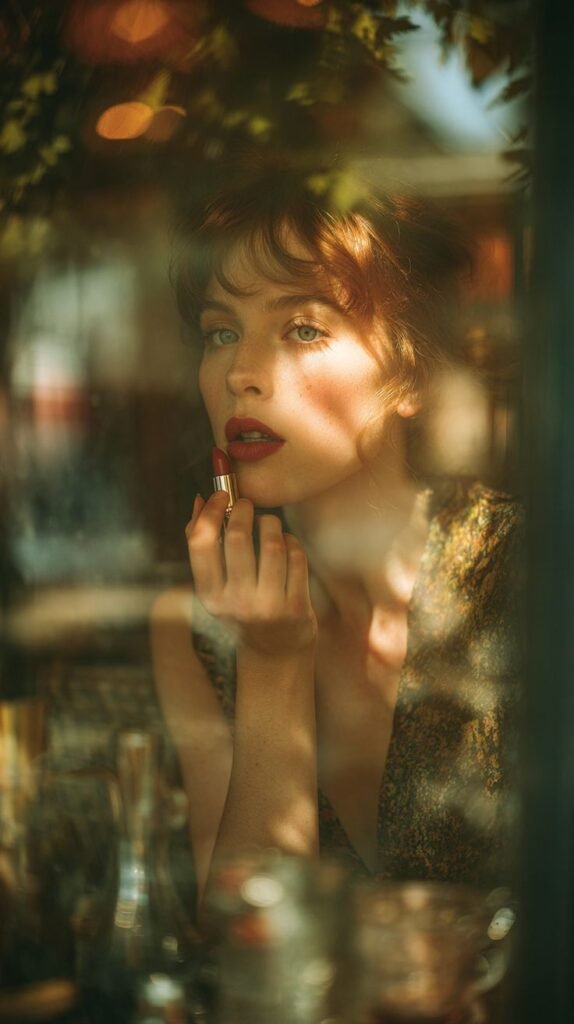
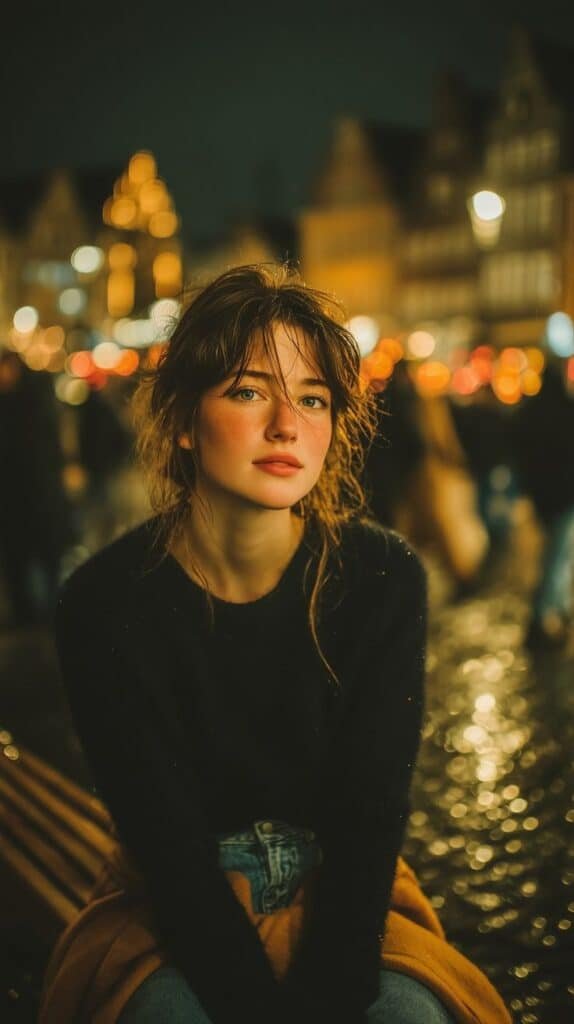
Wedding photography aesthetics fall into two distinct categories that dramatically change how your memories look. Light and airy emphasizes bright, soft tones with pale colors and gentle shadows, while moody wedding photography features rich contrast, deeper tones, and dramatic lighting that creates intensity and emotion.
Your wedding photographer’s portfolio reveals their natural editing style and shooting preferences. Look through complete galleries rather than just highlight reels to see consistency in their work. Some photographers specialize exclusively in light and airy or dark and moody aesthetics, while others blend both approaches.
Ask potential photographers specific questions about their editing process and whether they can adapt their style. A photographer who naturally shoots moody may struggle to deliver convincing light and airy images, and vice versa. Request to see examples of both styles if versatility matters to you.
Key questions to ask:
Save wedding photos you love from social media or blogs before meeting photographers. This visual reference communicates your preferences more clearly than describing what you want in words.
Your venue’s architecture and lighting directly influence which photography style works best. Candlelit reception halls, forest settings, and spaces with dramatic architectural features naturally complement moody wedding photography. Bright outdoor gardens, beach locations, and venues with large windows suit light and airy aesthetics.
Indoor venues with limited natural light often require additional lighting equipment for light and airy shots. Photographers must work harder to create bright, airy images in dim spaces, which affects both the shooting process and final results. Moody styles embrace these darker conditions and use shadows as creative elements.
Consider your ceremony and reception times when planning your style. Golden hour outdoor ceremonies photograph beautifully in light and airy styles, while evening receptions naturally lean toward moodier aesthetics.
Light and airy photography became extremely popular in the 2010s as photographers aimed to replicate film photography characteristics. This trend created thousands of similar-looking wedding galleries with blown-out highlights and pastel tones. Moody wedding photography emerged partly as a reaction to this oversaturation.
Both styles can appear dated if pushed to extremes. Overly bright images with barely visible details or excessively dark photos that obscure faces may feel trendy now, but look questionable in twenty years. Balanced versions of either approach tend to age better than extreme interpretations.
Your personal connection to the style matters more than current trends. Choose what resonates with your aesthetic preferences rather than what’s popular on Instagram. Classic, well-executed versions of either light and airy or moody photography remain visually appealing regardless of shifting trends.
Moody photography emphasizes deep shadows, rich colors, and dramatic contrast to evoke emotional depth, while light and airy photography features bright highlights, soft tones, and an ethereal quality to create a fresh and romantic feel.
Yes, both styles can be achieved with basic camera equipment by understanding and mastering lighting techniques, camera settings, and post-processing adjustments to create the desired aesthetic.
Light photography uses soft, desaturated colors with bright, pastel tones, while moody photography features rich, saturated colors with deep tones and high contrast, creating very different emotional and visual effects.
Light and airy photography uses soft natural light, often during golden hour or in overcast conditions, with minimal shadows, whereas moody photography relies on directional, often harsh or dramatic lighting, creating defined shadows and depth.
Select a style that aligns with your personal taste, the mood you wish to convey, the subject and setting, and client expectations, ensuring your chosen approach reflects your artistic vision and suits each specific occasion.