
Expert Tips for Balancing Work and Study with Ease!

Are you a driven individual with big dreams, juggling a demanding job and an ambitious academic pursuit? It’s a common scenario in today’s fast-paced world, and it can often feel like an impossible tightrope walk. The good news? It’s not! With the right strategies, a dash of determination, and a sprinkle of enthusiasm, you absolutely can excel in both your career and your studies without burning out. This comprehensive guide is packed with expert balancing work and study tips designed to help you not just survive, but thrive, making your dual journey a pathway to incredible success and personal growth. Get ready to unlock your full potential and achieve those dreams!

The thought of managing a full-time job alongside a rigorous study schedule can seem daunting. Perhaps you’re thinking, “Where will I find the time? How can I maintain my energy? Will I ever have a moment for myself?” These are valid concerns, but they also highlight the incredible opportunity before you. By mastering the art of balancing work and study, you’re not just earning a degree or advancing your career; you’re building resilience, honing your time management skills, and proving to yourself just how much you’re capable of. This isn’t just about efficiency; it’s about empowerment.

The Power of Strategic Planning and Time Management

Woman working on a laptop with headphones, sitting on a yacht with a coffee and dog, enjoying a peaceful moment outdoors.
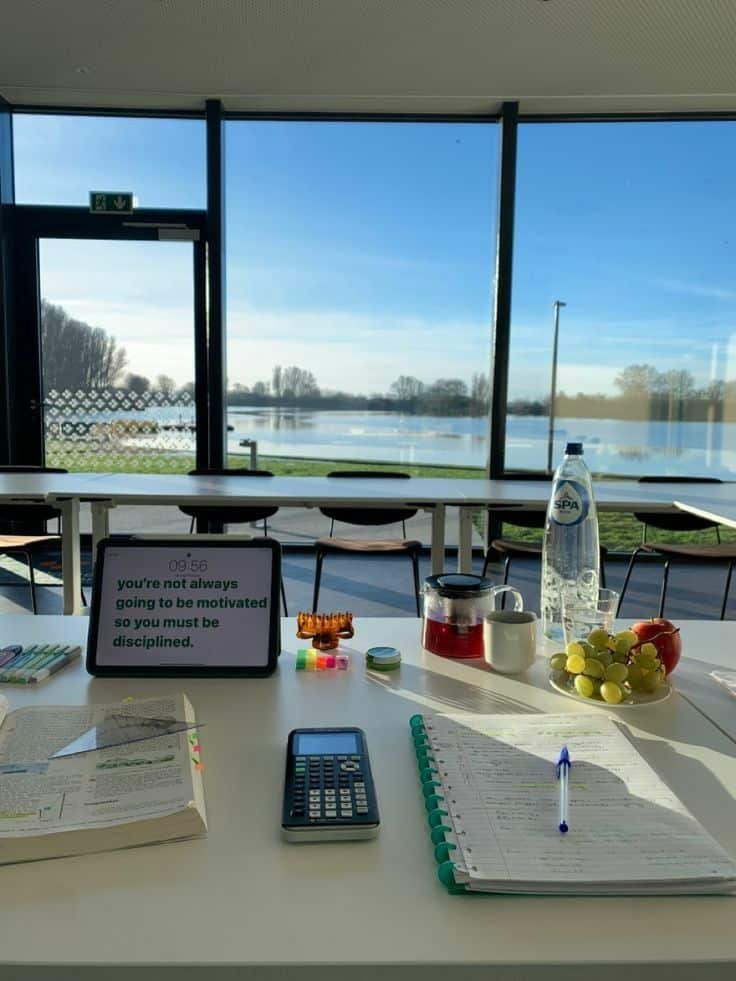
Study setup by a bright window with notes, calculator, fruit, tea, and motivational quote on tablet.

The bedrock of successfully balancing work and study lies in impeccable planning and strategic time management. Without a clear roadmap, you risk feeling overwhelmed and constantly playing catch-up. Think of yourself as the CEO of your own life – every minute counts, and every decision impacts your bottom line: success and well-being.

Define Your Goals with Crystal Clarity

Before you even open a textbook or tackle a work project, take a moment to define why you’re doing all this. What are your long-term career aspirations? What specific academic achievements are you aiming for? Setting SMART goals (Specific, Measurable, Achievable, Relevant, Time-bound) is crucial. For example, instead of “get good grades,” aim for “achieve a 3.8 GPA in the upcoming semester by dedicating 15 hours per week to study.”

Having a clear vision fuels your motivation, especially when the going gets tough. Imagine where you want to be in one, three, or five years. Visualize the successful completion of your course and the positive impact it will have on your career. This intrinsic motivation is a powerful ally. For more on fueling your ambitions, check out resources on finding inspiration.


Master the Art of Time Blocking

Young woman studying in a library with a laptop and notebook, surrounded by shelves of books. Stylish casual outfit.
Coworking space with people working on laptops and tablets. Bright, modern interior, tech devices, and a focused atmosphere.

Time blocking is your secret weapon. Instead of just creating a to-do list, schedule specific blocks of time for specific tasks in your calendar. Treat these blocks like non-negotiable appointments.

  • Allocate Study Slots: Dedicate specific hours each day or week for studying, just as you would for work. Be realistic about how much time you have and when you are most productive. Are you a morning person or a night owl? Leverage your peak hours.
  • Integrate Work Responsibilities: Block out your work hours clearly. If your job has flexible hours, strategically place them around your study commitments.
  • Schedule Downtime: Crucially, block out time for breaks, meals, exercise, and social activities. This prevents burnout and ensures you maintain a healthy lifestyle. Remember, rest is not a reward; it’s a vital component of productivity.

Prioritize Like a Pro

Not all tasks are created equal. You need to identify what’s most important and tackle that first. The Eisenhower Matrix (Urgent/Important) is an excellent tool for this:

  • Urgent and Important: Do these immediately (e.g., assignment due tomorrow, critical work deadline).
  • Important but Not Urgent: Schedule these (e.g., long-term project planning, studying for an exam next month).
  • Urgent but Not Important: Delegate or minimize these (e.g., non-critical emails, certain administrative tasks at work that someone else could handle).
  • Neither Urgent nor Important: Eliminate these (e.g., excessive social media scrolling, unnecessary meetings).

Consistently asking yourself, “What is the single most important thing I can do right now to move closer to my goals?” will drastically improve your efficiency. This mindset shift is transformative, ensuring you invest your precious time where it yields the greatest returns.

Leverage Digital Tools and Technology

In this digital age, numerous apps and tools can become your personal productivity assistants.

  • Calendar Apps: Google Calendar, Outlook Calendar, or Apple Calendar are essential for time blocking and setting reminders.
  • Task Management Apps: Trello, Asana, Todoist, or Monday.com can help you organize projects, create to-do lists, and track progress for both work and study.
  • Note-Taking Apps: Evernote, OneNote, or Notion are perfect for digitizing your notes, making them searchable and accessible across devices.
  • Focus Apps: Apps like Forest or Pomodoro timers can help you stay focused during study sessions by blocking distractions and enforcing short breaks.

Optimizing Your Study Habits for Maximum Impact

Man working at a desk with multiple screens displaying calendar and task management tools in an urban office setting.

Balancing work and study means that your study time is precious. You can’t afford to waste a single minute. It’s not just about how much you study, but how effectively you study.

Embrace Active Learning Techniques

Passive learning, like simply re-reading notes, is inefficient. Engage with your material actively:


  • Summarize and Teach: After reading a chapter, try to summarize it in your own words or explain it aloud to an imaginary student. This process strengthens understanding and memory recall.
  • Practice Questions: Work through practice problems, past papers, and quizzes. This is one of the most effective ways to prepare for exams and identify areas where you need more work.
  • Flashcards: Use physical or digital flashcards (Anki, Quizlet) for memorization of key terms, concepts, or formulas.
  • Mind Maps: Visually organize information, connecting concepts and ideas to create a holistic understanding.

Master Effective Note-Taking

Smiling woman in a white hoodie works on a laptop, holding a drink at a cozy cafe table.
Laptop, iced coffee, notes, and headphones on a cafe table for productive studying. Cozy study spot with natural light and modern decor.

Good notes are not just a record; they are a learning tool.

  • Condense Information: Don’t transcribe everything. Focus on capturing key ideas, definitions, and examples.
  • Use the Cornell Method: Divide your notes into sections for main points, cues/questions, and a summary. This method encourages active recall and review.
  • Highlight and Annotate Strategically: Over-highlighting is counterproductive. Use highlights sparingly for truly critical information and add your own thoughts or questions in the margins.
  • Review Regularly: Brief, consistent review sessions are far more effective than cramming. Spend 10-15 minutes reviewing notes from the past week to solidify your understanding.

Utilize All Available Resources

You don’t have to go it alone. Every course comes with resources designed to help you succeed.

  • Professor/TA Office Hours: These are invaluable opportunities to clarify doubts, discuss concepts, and get personalized feedback.
  • Study Groups: Collaborating with peers can provide different perspectives, help you stay accountable, and make learning more enjoyable. Just ensure the group stays focused.
  • Library Resources: Librarians are experts at finding information. Utilize academic databases, journals, and interlibrary loan services.
  • Online Learning Platforms: Many courses have supplementary materials, forums, and lectures available online. Make the most of these flexible resources.

Mastering Your Work-Life Integration

Person studying on a laptop in a library with bookshelves and study tables. Academic environment, focused learning session.
Coffee shop workspace with a laptop, tablet, energy drink, and a Stanley tumbler on a marble table, cozy and productive ambiance.

The “work-life balance” paradigm often implies a constant tug-of-war. Instead, think about “work-life integration,” where your professional and academic pursuits complement each other within your broader life framework. This isn’t about separating them entirely, but finding harmony.

Communicate Openly and Proactively

Transparency is key.

  • At Work: Inform your employer about your study commitments. Discuss potential scheduling conflicts or periods of increased academic demand (e.g., exam weeks). A supportive employer might offer flexible hours, remote work options, or even tuition assistance. It’s always better to communicate challenges upfront than to surprise them with a last-minute request.
  • At School: Let your professors know if you have a demanding work schedule. While extensions aren’t guaranteed, understanding your situation can sometimes lead to more flexibility or empathy.

Set Clear Boundaries

Woman in bed with face mask, drinking green smoothie, working on a laptop, promoting relaxation and self-care while staying connected.
Woman studying with laptop and tablet in a cozy cafe, learning Stack the Odds 101, wearing blue Allegro Academy shirt.

Boundaries protect your time, energy, and mental health.

  • “Off-Limits” Hours: Designate specific times when you are strictly focused on study, and conversely, times when you are fully engaged in work. Avoid letting one bleed into the other constantly.
  • Learn to Say No: Politely decline non-essential commitments that don’t align with your goals or leave you with no free time. This might mean saying no to extra work projects, social invitations, or volunteer opportunities for a season.
  • Create Physical Boundaries: If possible, have a dedicated study space that is separate from your work area. This helps your brain switch modes more easily. Even a specific corner of a room or a local library can serve this purpose.

Boost Efficiency at Work

Being efficient at your job can free up mental and physical energy for your studies.

  • Automate Repetitive Tasks: Look for opportunities to streamline routine tasks using software or macros.
  • Batch Similar Tasks: Process all emails at specific times, make all calls at once, or tackle all administrative work in a single block.
  • Minimize Distractions: Close unnecessary tabs, silence phone notifications, and try to work in focused sprints. Techniques like the Pomodoro Method can be applied at work too.
  • Prioritize ruthlessly: Just as with study, apply the Eisenhower Matrix to your work tasks. What absolutely must get done today, and what can wait?

Prioritizing Well-being and Self-Care

Businesswoman in virtual meeting with documents and digital tablet in modern office, cityscape view.

This isn’t an optional extra; it’s the engine that powers your ability to balance work and study. Without prioritizing your physical and mental health, even the best strategies will crumble under stress.

Guard Your Sleep Fiercely

Sleep is non-negotiable. Chronic sleep deprivation impairs cognitive function, memory, concentration, and mood. Aim for 7-9 hours of quality sleep per night.

  • Establish a Routine: Go to bed and wake up at roughly the same time each day, even on weekends.
  • Create a Relaxing Bedtime Ritual: Wind down with a book, a warm bath, or gentle stretching. Avoid screens for at least an hour before bed.
  • Optimize Your Sleep Environment: Ensure your bedroom is dark, quiet, and cool.

Fuel Your Body with Nutritious Food

Your brain and body need proper fuel to perform at their best.

  • Balanced Meals: Incorporate plenty of fruits, vegetables, whole grains, and lean proteins.
  • Healthy Snacks: Keep nuts, seeds, fruit, or yogurt handy to avoid energy crashes.
  • Stay Hydrated: Drink plenty of water throughout the day. Dehydration can lead to fatigue and reduced concentration.
  • Meal Prep: Spend an hour or two on the weekend preparing healthy meals and snacks for the week ahead. This saves time and reduces the temptation for unhealthy fast food.

Move Your Body Regularly

Person working on a laptop, surrounded by documents on the floor in a modern office.
Home office with laptop, notebook, and candle overlooking city skyline at sunset, creating a cozy, productive atmosphere.

Physical activity is a powerful stress reliever and mood booster.

  • Schedule Exercise: Block out time for workouts, even if it’s just 30 minutes a few times a week.
  • Incorporate Movement: Take stairs instead of elevators, walk or bike when possible, or take short stretching breaks during long study/work sessions.
  • Find What You Enjoy: Whether it’s yoga, running, dancing, or team sports, choose activities that you genuinely like to increase adherence.

Actively Manage Stress

Stress is inevitable, but how you manage it makes all the difference.

  • Mindfulness and Meditation: Even 5-10 minutes of daily mindfulness can significantly reduce stress and improve focus. Apps like Calm or Headspace can guide you.
  • Deep Breathing Exercises: Quick and effective for calming your nervous system in moments of intense stress.
  • Journaling: Writing down your thoughts and feelings can provide clarity and emotional release.
  • Know Your Triggers: Identify what causes you the most stress and develop strategies to mitigate those factors or cope with them more effectively.

Nurture Hobbies and Downtime

All work and no play makes for a very dull and unproductive life. Actively schedule time for activities you enjoy that have nothing to do with work or study.


  • Pursue a Passion: Engage in hobbies that bring you joy, whether it’s reading, gardening, playing music, or creative writing. This is essential for mental rejuvenation. Sometimes, finding simple joys, like making natural lip balm at home, can be a delightful break.
  • Socialize: Connect with friends and family. A strong social support system is a powerful buffer against stress.
  • Unplug: Regularly disconnect from digital devices to truly relax and be present.

Building a Supportive Network

Laptop and iced coffee on a cafe table with a quirky pink wallet and AirPods, perfect for casual workday vibes.
Smiling person with headphones works on a laptop in a modern space, surrounded by notebooks and a coffee cup.

You don’t have to navigate this challenging journey alone. A strong support system can provide motivation, practical help, and emotional resilience.

Seek Out Mentors and Role Models

Find individuals who have successfully navigated similar paths.

  • Career Mentors: Seek advice from senior colleagues about career progression and work-life management.
  • Academic Mentors: Connect with professors or older students who can offer guidance on study strategies, course selection, and academic challenges.
  • Learn from Their Experiences: Their insights can save you time and help you avoid common pitfalls.

Connect with Peers

Your classmates and colleagues are in the same boat, or have been.

  • Study Groups: As mentioned, these can be great for academic support.
  • Peer Support Networks: Share experiences, offer encouragement, and hold each other accountable. Knowing you’re not alone can be incredibly motivating.
  • Collaborate, Don’t Compete: View your peers as allies, not rivals. Mutual support benefits everyone.

Lean on Family and Friends

Inform your loved ones about your commitments and ask for their understanding and support.

  • Communicate Your Needs: Let them know when you need uninterrupted study time or when you’re feeling stressed.
  • Delegate Responsibilities: If you have family, see if certain household chores or responsibilities can be temporarily shared or delegated to free up your time.
  • Schedule Quality Time: Make an effort to schedule dedicated time with loved ones, even if it’s just a phone call or a meal together. This maintains those vital connections and reminds you what you’re working for.

Developing Resilience and Adaptability

Diverse team collaborates in office, discussing plans with laptops and documents, urban skyline visible through windows.

The path to balancing work and study is rarely a straight line. There will be bumps, detours, and unexpected challenges. Your ability to bounce back and adjust your strategies is paramount.

Cultivate a Growth Mindset

Embrace challenges as opportunities for growth, rather than insurmountable obstacles.

  • View Setbacks as Learning Experiences: A poor test score or a missed deadline isn’t a failure; it’s feedback. Analyze what went wrong, adjust your approach, and move forward.
  • Focus on Progress, Not Perfection: The goal isn’t to be perfect, but to make consistent progress. Celebrate small victories along the way.
  • Believe in Your Ability to Adapt: Understand that you have the capacity to learn new strategies and overcome difficulties. This belief is empowering. If you’re looking for ways to plan for the future, exploring vision board ideas can be a great way to visualize and manifest your goals.

Be Flexible with Your Plans

While planning is essential, rigid adherence to a schedule can be counterproductive when life throws a curveball.

  • Build in Buffer Time: Always allow a little extra time for tasks, knowing that unexpected events can occur.
  • Re-evaluate and Adjust: Regularly review your schedule and strategies. What’s working? What’s not? Don’t be afraid to make changes. Maybe a particular study technique isn’t effective for a certain subject, or your work schedule has shifted. Adapt!
  • Prioritizeruthlessly (again): When something unexpected comes up, go back to your priority list. What absolutely must get done? What can be postponed?

Learn to Delegate and Outsource

You don’t have to do everything yourself.

  • At Work: If possible, delegate tasks to colleagues, especially those that are urgent but not critical for your personal involvement.
  • In Personal Life: Consider outsourcing chores like cleaning, grocery delivery, or childcare if your budget allows. Even occasional help can free up valuable hours.
  • Share Responsibilities: If you live with others, ensure household tasks are fairly distributed.

Real-World Inspiration: Stories of Success

A quiet library study space with a laptop, open books, pens, and highlighters on a table, surrounded by bookshelves.
Person in a library using a laptop for study with headphones nearby, surrounded by bookshelves and large windows.

It’s easy to read these tips and think, “That sounds great, but is it really possible?” Absolutely! Countless individuals around the globe have successfully balanced work and study, achieving remarkable feats.

  • The Working Parent: Consider Maria, a single mother working full-time in healthcare while pursuing her nursing degree. She meticulously time-blocked her evenings, utilized her lunch breaks for quick study sessions, and leveraged her supportive family network for childcare. Her motivation was her children’s future, and her discipline was unwavering.
  • The Career Changer: Then there’s David, who felt unfulfilled in his marketing career and decided to pursue a degree in computer science. He took on a part-time remote job to maintain an income, allowing him more flexibility for his intensive coding boot camps and university courses. He found a study group of like-minded career changers, providing him with both academic and emotional support.

These stories highlight common threads: clear goals, disciplined time management, unwavering self-care, and a robust support system. They demonstrate that while challenging, the rewards of persistent effort are immense. It’s about building a life where your ambitions aren’t just dreams, but achievable realities. For more on navigating your finances while pursuing such goals, you might find tips on managing your money helpful.

Conclusion: Your Journey to Dual Success

Graduates celebrating with diplomas and signs under a banner, confetti falling. Urban setting, success and ambition theme.

Balancing work and study is a demanding yet incredibly rewarding endeavor. It’s a journey that will test your limits, sharpen your skills, and ultimately lead to profound personal and professional growth. By implementing these expert tips – from strategic planning and effective study habits to prioritizing your well-being and building a strong support network – you’re not just managing tasks; you’re actively shaping a future where your dreams become your reality.

Remember, this isn’t a race to perfection, but a marathon of consistent effort, self-compassion, and strategic adjustments. There will be days when you feel overwhelmed, but with resilience and the right tools, you’ll overcome every hurdle. Embrace the challenge with enthusiasm, celebrate every small victory, and keep your ultimate goals in sight. You are capable of achieving incredible things.

Are you ready to transform your aspirations into achievements? Start implementing these tips today and watch yourself thrive in both your work and your studies!

How can I effectively balance work and study without burning out?

You can effectively balance work and study by implementing strategic planning, using time management techniques like time blocking, prioritizing tasks, leveraging digital tools, and ensuring proper self-care and stress management.

What are some essential strategies for managing my time effectively?

Effective time management involves defining clear goals, practicing time blocking for study and work, prioritizing tasks using tools like the Eisenhower Matrix, and utilizing digital apps for organization and reminders.

How important is self-care and maintaining well-being in managing work and studies?

Self-care and well-being are vital as they sustain your energy, improve focus, and help prevent burnout. Prioritizing sleep, nutritious food, regular exercise, and stress management strategies is essential for long-term success.

What resources can aid in balancing work and study effectively?

Resources include professor or TA office hours, study groups, library services, online learning platforms, productivity apps, and a supportive network of mentors, peers, family, and friends.

How can I develop resilience and adaptability when facing challenges in balancing work and studies?

Develop resilience by cultivating a growth mindset, viewing setbacks as learning opportunities, being flexible with your plans, regularly re-evaluating and adjusting your strategies, and seeking support when needed.


author avatar
Arina Editor
I'm Arina, writer with a passion for art, teaching, technology, and science. I create engaging blogs and articles, making complex ideas easy and interesting to explore. 11 - February
Previous Article

Unlock Your Potential! Mastering Essential Communication Skills for Professionals

Next Article

Glow Up! The Top 10 Easy Beauty Tips for Every Woman

Write a Comment

Leave a Comment

Your email address will not be published. Required fields are marked *

Handy Home
Discover Handy Home, your ultimate destination for creative home decor ideas, beauty tips, and fun DIY projects