
10 Effective Self-Care Ideas to Enhance Your Well-Being
Facebook Twitter Pinterest Life can often feel like a relentless marathon, a never-ending to-do list that leaves us feeling drained,…


The relentless pace of modern professional life, coupled with high expectations and constant connectivity, has made anxiety a pervasive challenge for many. What was once seen as a personal struggle often confined to the individual’s private life has now emerged as a significant factor impacting productivity, well-being, and overall career longevity. In this demanding environment, the concept of self-care for anxiety is not merely a luxury but a strategic imperative for cultivating resilience and maintaining peak performance. This article delves into a comprehensive array of professional self-care strategies, offering actionable insights for managing anxiety, fostering calm, and sustaining a thriving career.

Anxiety in a professional context often manifests as persistent worry about job performance, deadlines, future career prospects, or interpersonal dynamics at work. It can lead to physical symptoms like tension headaches, fatigue, and digestive issues, alongside emotional signs such as irritability, difficulty concentrating, and a sense of overwhelm. The digital age, with its blurred lines between work and personal life, and the ‘always-on’ culture, further exacerbates these pressures. Professionals are often expected to be constantly available, innovate relentlessly, and manage ever-increasing workloads, all of which contribute to a heightened state of stress and anxiety.
The cost of unmanaged professional anxiety is high. Beyond individual suffering, it leads to decreased productivity, higher rates of absenteeism, burnout, and a decline in overall job satisfaction. Research consistently shows a strong correlation between workplace stress and various mental health conditions. For organizations, this translates into reduced innovation, high employee turnover, and a less engaged workforce. Recognizing these implications, cultivating robust self-care practices becomes an act of professional responsibility—a proactive investment in one’s capacity to perform, adapt, and lead effectively.

Effective anxiety management begins with a strong foundation of physical well-being. Our bodies and minds are intimately connected; neglecting one inevitably impacts the other. Prioritizing these basic needs is not just about feeling good; it’s about optimizing your physiological and psychological state to better withstand stressors.
Adequate sleep is arguably the most critical component of physical self-care for anxiety. Chronic sleep deprivation disrupts neurotransmitter function, impairs cognitive processing, and significantly heightens anxiety levels. Professionals often sacrifice sleep for work, a habit that is counterproductive in the long run.
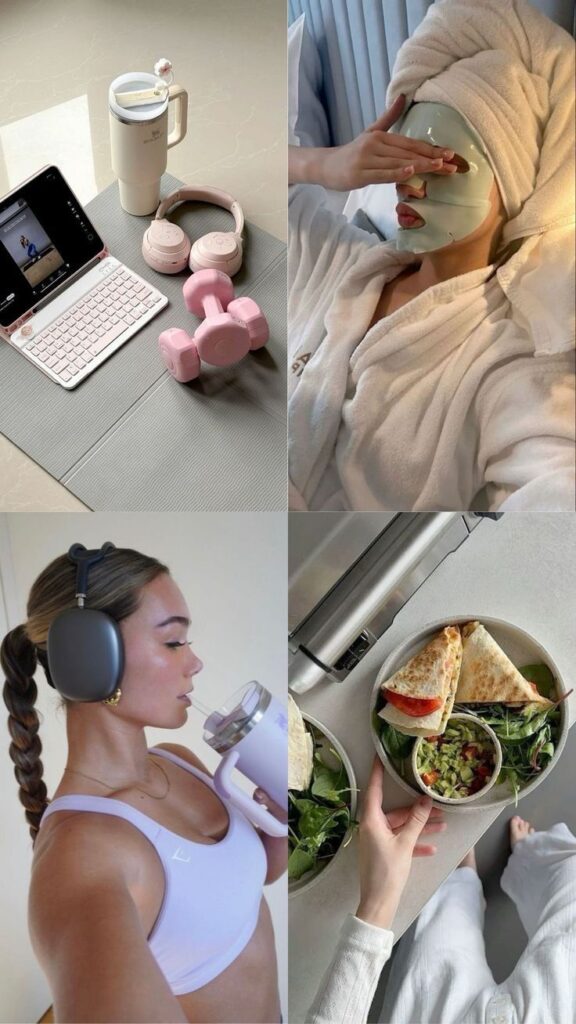
The gut-brain axis is a rapidly expanding area of research, highlighting the profound impact of diet on mood and mental health. A balanced, nutrient-rich diet can help stabilize blood sugar, reduce inflammation, and support neurotransmitter production, all of which are crucial for managing anxiety.
Physical activity is a powerful antidote to anxiety. Exercise releases endorphins, natural mood elevators, and helps dissipate physical tension accumulated from stress. It also provides a constructive outlet for pent-up energy that often accompanies anxiety.

While physical self-care forms the bedrock, directly addressing mental and emotional patterns is equally vital for long-term anxiety management. These strategies help reshape how you perceive and respond to stressors.
Mindfulness is the practice of being present and fully engaged in the current moment without judgment. Meditation is a formal practice that cultivates mindfulness and can significantly reduce anxiety by altering brain structures associated with emotional regulation.
Anxiety often thrives on irrational or catastrophic thinking. Cognitive restructuring involves identifying these negative thought patterns and consciously reframing them into more realistic and helpful perspectives.
Journaling offers a private space to explore thoughts, feelings, and experiences without judgment. It can help untangle complex emotions, identify recurring patterns, and gain perspective on stressors.
A common source of professional anxiety is the feeling of being overwhelmed and constantly “on call.” Establishing clear boundaries around your time, energy, and availability is crucial for protecting your mental well-being.


Integrating self-care into your professional life requires conscious effort and strategic planning. These strategies focus on how you navigate your daily work environment and tasks.
Feeling overwhelmed by tasks is a primary driver of workplace anxiety. Implementing robust time management and prioritization techniques can bring a sense of control and reduce stress.
Even short breaks can significantly reduce mental fatigue and anxiety. Don’t wait until you’re exhausted; integrate regular pauses throughout your workday.
The belief that you must handle everything yourself is a recipe for burnout. Learning to delegate effectively and collaborate with colleagues can lighten your load and foster a sense of shared responsibility.
Your physical environment significantly influences your mood and productivity. Designing a workspace that promotes calm and minimizes distractions is a vital self-care strategy.


Humans are social creatures, and strong social connections are a powerful buffer against anxiety. Neglecting this aspect of self-care can leave you feeling isolated and vulnerable.
Having people you can turn to for advice, emotional support, or simply to vent can significantly alleviate the burden of anxiety.
Anxiety often thrives in situations of uncertainty or misunderstanding. Clear and open communication can prevent many workplace stressors.
While self-care strategies are highly effective, there are times when professional intervention is necessary. Recognizing these signs is a critical act of self-care.
The digital world, while connecting us, can also be a source of overwhelm. Regularly unplugging and intentionally connecting with people in person is crucial for mental well-being.

The power of self-care lies not in grand gestures but in consistent, small actions integrated into your daily routine. It’s about building habits that serve your well-being.
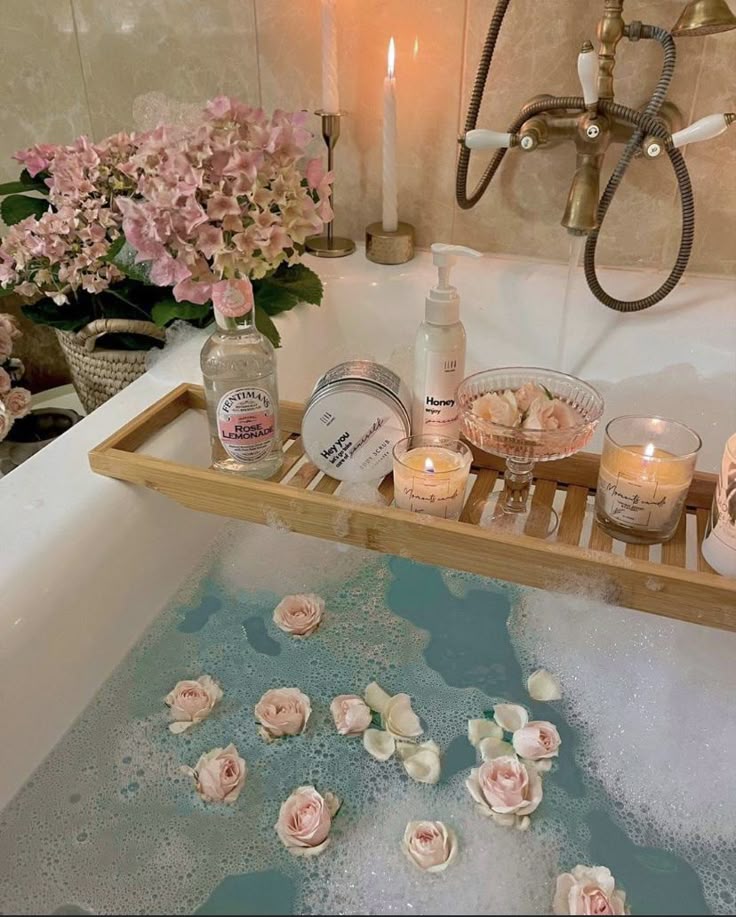
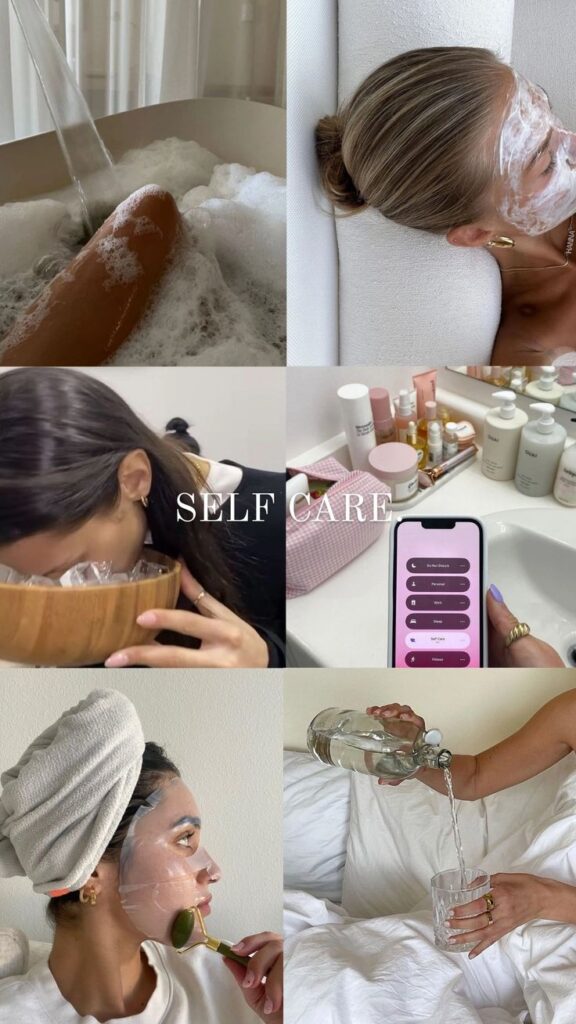
You don’t need radical overhauls to see results. Small, consistent efforts are far more impactful than infrequent, intense bursts of self-care. A five-minute meditation daily is more beneficial than an hour-long session once a month. Think about self-care as body care as an anti-stress measure; consistent attention yields results. Regular body care as an anti-stress routine, for example, can be surprisingly calming and beneficial.
Self-care is deeply personal. What works for one person may not work for another. Experiment with different strategies to discover what truly rejuvenates and calms you. Pay attention to your energy levels, mood shifts, and overall sense of well-being to gauge effectiveness. Perhaps you thrive on outdoor activities, finding solace in cozy autumn itineraries: nature, mountains, forests, while another finds peace in quiet introspection.
Your self-care needs will evolve over time, especially during periods of high stress or change. Regularly review your strategies and adjust them as needed. This could mean trying new practices, increasing the duration of existing ones, or seeking different types of support. Self-care is an ongoing journey of self-discovery and adaptation.

Common barriers to self-care include guilt, perceived lack of time, and procrastination. It’s crucial to reframe your perspective: self-care is not selfish; it’s essential for sustainable performance. Start small, schedule self-care activities like any other important appointment, and remind yourself of the long-term benefits. Think of it as investing in your most valuable asset: yourself.
Cultivating calm in the face of professional anxiety is an active, ongoing process that demands intentional self-care. By establishing strong physical foundations, nurturing mental and emotional resilience, implementing strategic workplace habits, and fostering healthy social connections, professionals can not only manage anxiety but also thrive amidst the demands of modern careers. Self-care is not a break from work; it is the fundamental framework that enables sustainable, high-quality work. Embrace these strategies as integral components of your professional development, recognizing that a calm, well-regulated mind is your most powerful asset.
Start today by identifying one small self-care strategy you can implement consistently. Whether it’s five minutes of mindful breathing, a commitment to a consistent bedtime, or setting a firm boundary around your after-hours email, every step contributes to a more resilient, calmer, and ultimately more successful professional journey.


Professional anxiety refers to persistent worry, stress, and apprehension specifically related to one’s job, career, or workplace environment. It can stem from deadlines, performance expectations, job security, or interpersonal conflicts and can manifest physically, mentally, and emotionally.
Self-care is crucial because unmanaged professional anxiety can lead to burnout, decreased productivity, health issues, and reduced job satisfaction. Implementing self-care strategies proactively helps professionals maintain mental resilience, physical health, and optimal performance, ensuring sustainability in their careers.
Start with small, consistent actions. This could include scheduling 5-10 minutes for mindful breathing, taking short breaks to stretch, prioritizing healthy meals, or establishing clear boundaries for work hours. Consistency is more important than intensity. Over time, these small habits compound to create a significant impact.
If your anxiety symptoms are persistent, severe, and significantly interfere with your daily life, work, or relationships, it’s advisable to seek professional help. This includes recurring panic attacks, chronic difficulty sleeping, pervasive worry, or a feeling of hopelessness. A mental health professional can provide a diagnosis, therapy (like CBT), or recommend medication if needed.
Any regular physical activity can help, as exercise releases endorphins and reduces physical tension. However, activities that combine movement with mindfulness, such as yoga, Tai Chi, or even brisk walking in nature, can be particularly effective. The key is to find an activity you enjoy and can commit to regularly.
Setting clear boundaries—around work hours, availability, and workload—helps protect your mental and emotional energy. It prevents overcommitment, reduces the feeling of being constantly “on call,” and creates necessary separation between your professional and personal life, thus reducing overwhelm and associated anxiety.
Nutrition significantly impacts the gut-brain axis, influencing mood and cognitive function. A diet rich in whole foods, lean proteins, and healthy fats, while limiting processed foods and sugar, can stabilize blood sugar, reduce inflammation, and support neurotransmitter balance, all of which contribute to better anxiety management.