
Discover 10 Cozy Indoor Hobbies to Brighten Your Winter Days!
Facebook Twitter Pinterest As the days shorten and a crisp chill fills the air, many of us find ourselves yearning for warmth, comfort, and…


The crisp air bites, the days grow shorter, and the warmth of summer workouts feels like a distant memory. For many, winter brings a natural inclination to hibernate, making it tough to stay active. But what if we told you that winter isn’t a barrier to your fitness goals, but an exhilarating opportunity? Imagine emerging from the colder months stronger, more resilient, and with an undeniable sense of accomplishment. This season offers unique benefits, from burning more calories to boosting your mood, provided you approach it strategically.
Don’t let the chill deter your ambition! It’s time to embrace the elements and transform your routine. We’re here to equip you with the ultimate guide to thriving in your fitness journey, even when the thermometer dips. Get ready to conquer the cold and unleash your peak performance with these 10 winter workout tips.



Dressing appropriately is not just about comfort; it’s crucial for safety and performance in cold weather. Forget the single bulky jacket; the secret weapon is layering! Think of your outfit as a system designed to trap warmth, wick away sweat, and protect against the elements.
Remember, you can always shed a layer if you get too warm, but you can’t add what you don’t bring. Overheating can be as problematic as getting too cold. For more insights on staying cozy and chic, check out these stylish winter layering tips.
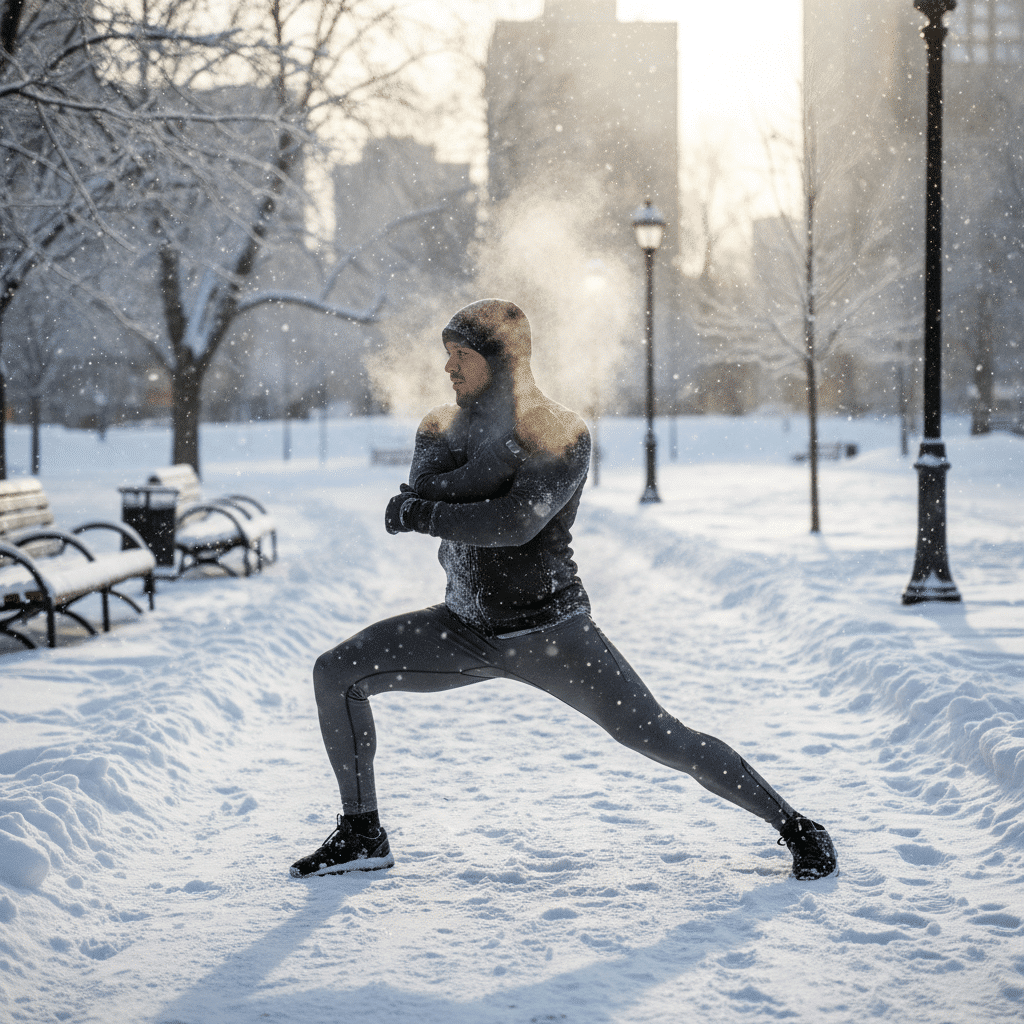
Skipping your warm-up is a cardinal sin, especially in winter. Cold muscles are stiff muscles, and stiff muscles are prone to injury. A dynamic warm-up increases blood flow, raises core body temperature, and prepares your joints and muscles for the demands ahead.
The goal is to feel warm and slightly sweaty before you push into your main workout. This proactive approach significantly reduces your risk of strains, sprains, and other cold-weather-related injuries.



It’s a common misconception that you only need to worry about hydration in hot weather. In reality, staying hydrated is just as crucial in the cold. You might not feel as thirsty, but you’re still losing fluids through sweat and respiration (that visible breath in the cold air is water vapor!).
Carry a water bottle and sip regularly throughout your workout. Warm beverages like herbal tea can also be a comforting way to hydrate before or after your session. Aim for clear urine as a good indicator of adequate hydration.

Winter workouts often mean darker conditions, whether due to shorter daylight hours or early morning/late evening sessions. Safety must be paramount, especially if you’re exercising outdoors.
A moment of awareness can prevent a serious accident. Your workout should be exhilarating, not dangerous!

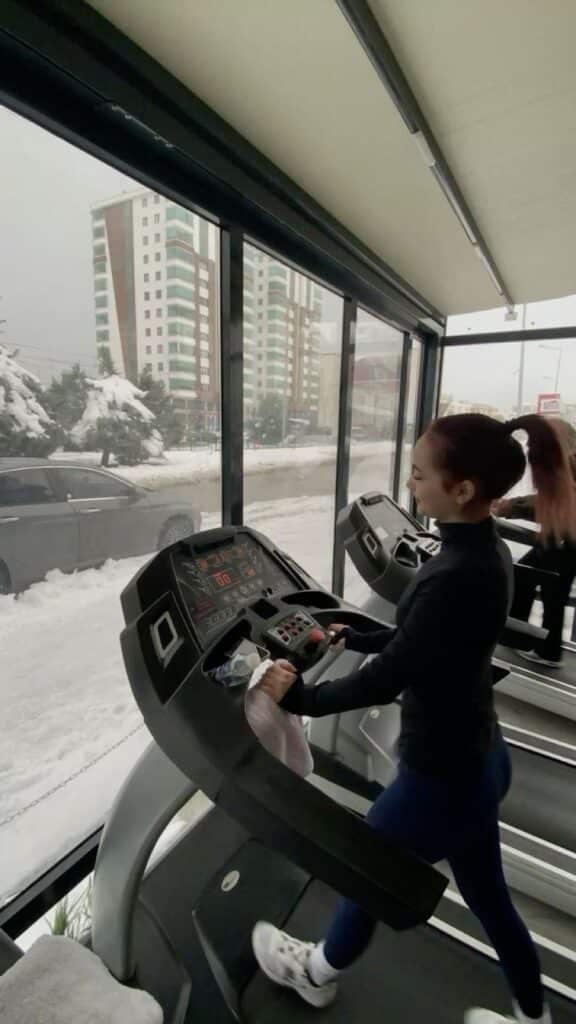
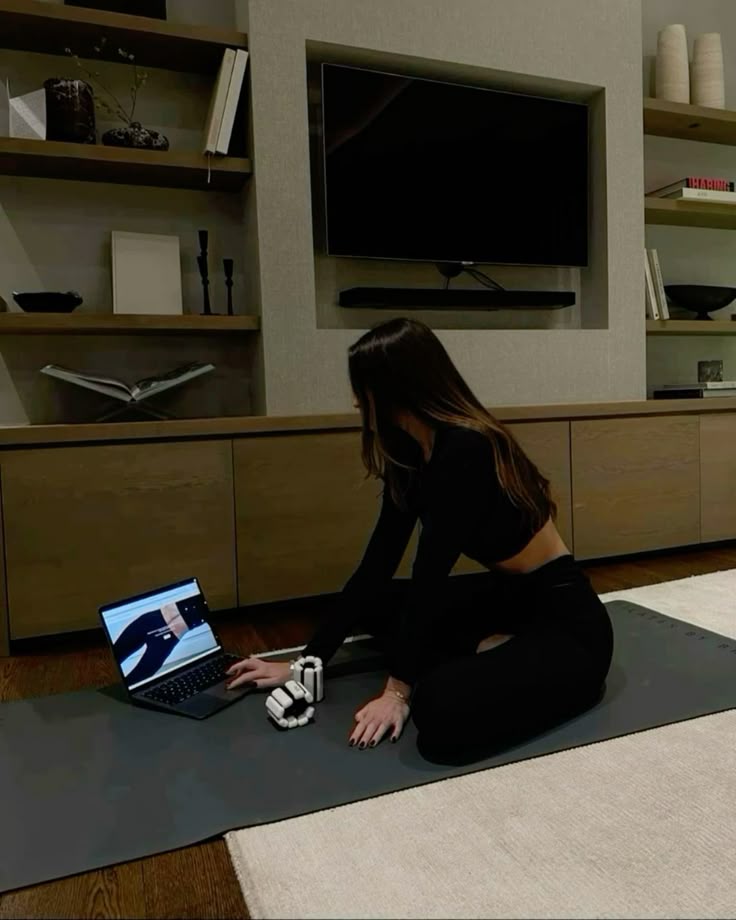
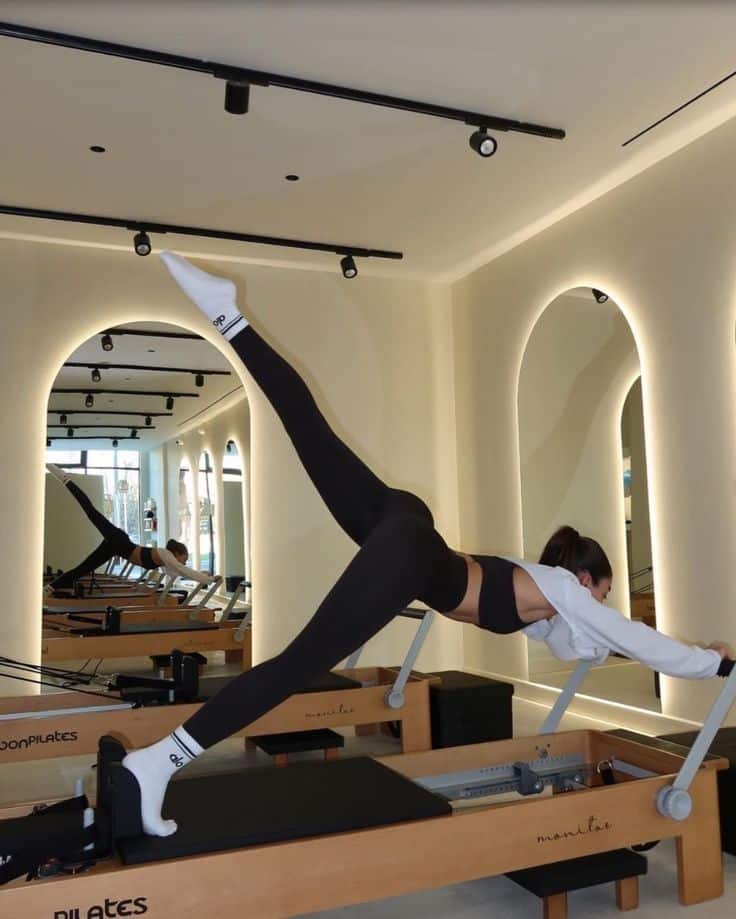
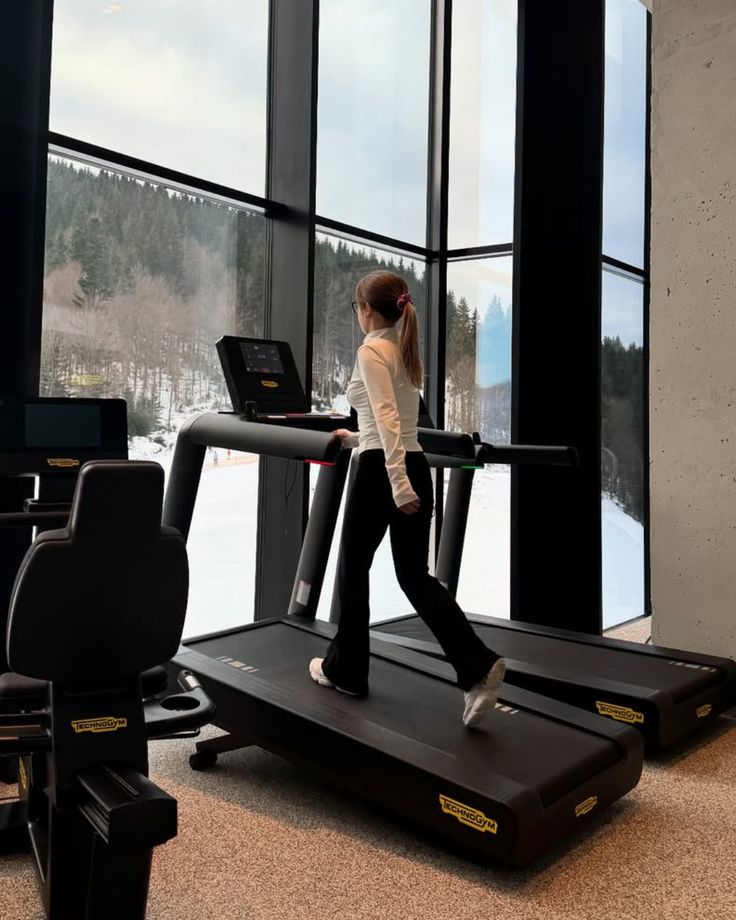
When outdoor conditions become truly extreme – think blizzards, black ice, or dangerously low temperatures – it’s smart to shift your focus indoors. This isn’t giving up; it’s adapting smartly!

Winter is an ideal season to diversify your routine and address any muscle imbalances. Plus, mixing it up keeps things exciting! If you’re looking for ways to get a partner involved, these engaging couples workout ideas might inspire you.


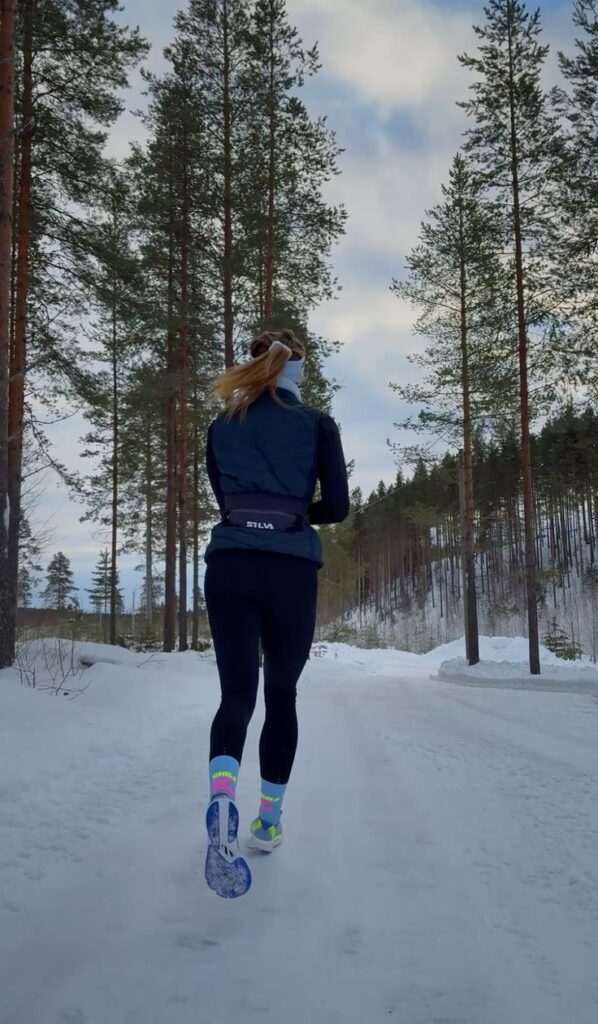
Your hands, feet, ears, and head are most susceptible to cold-related injuries like frostnip or frostbite because they have a larger surface area relative to their volume and often have less blood flow. Protecting them is paramount.
Don’t underestimate the power of these seemingly small details. They can make or break your comfort and safety during a winter workout.
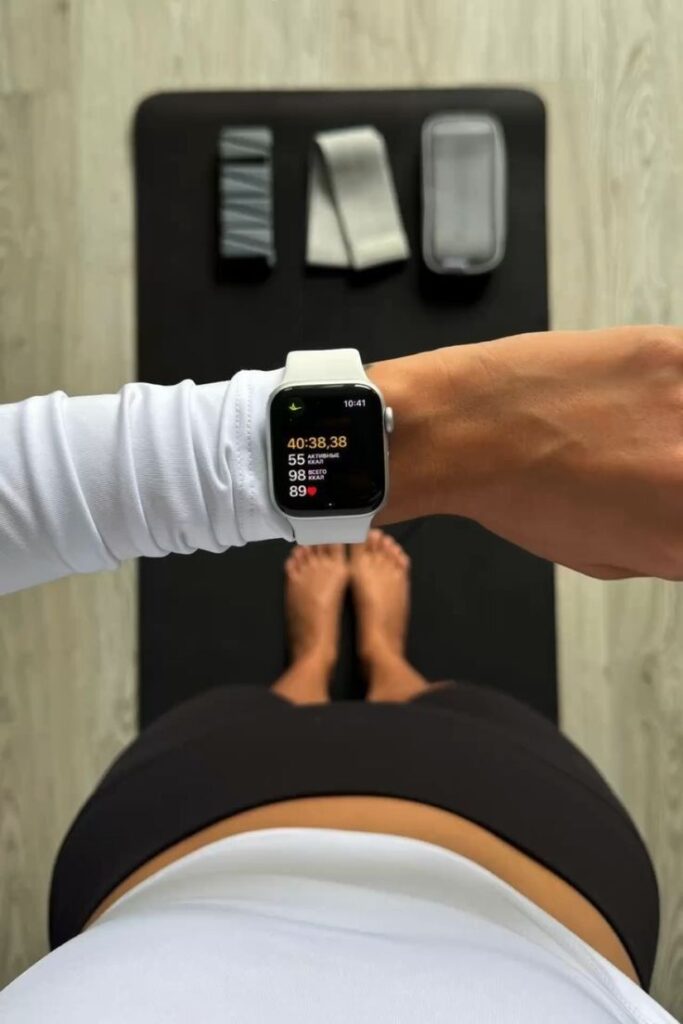
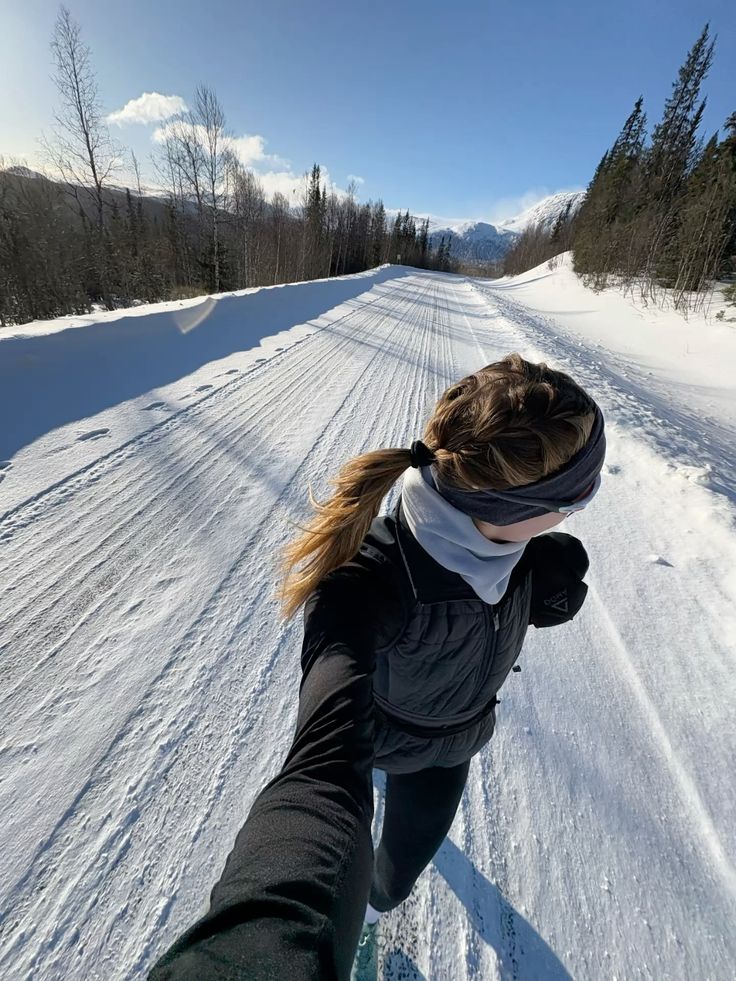
While enthusiasm is great, pushing yourself too hard in extreme cold can be dangerous. Your body works harder to maintain core temperature, and cold air can irritate your respiratory system.
Be kind to your body. It’s working overtime just to keep you warm. Success in fitness is a marathon, not a sprint, especially in winter.

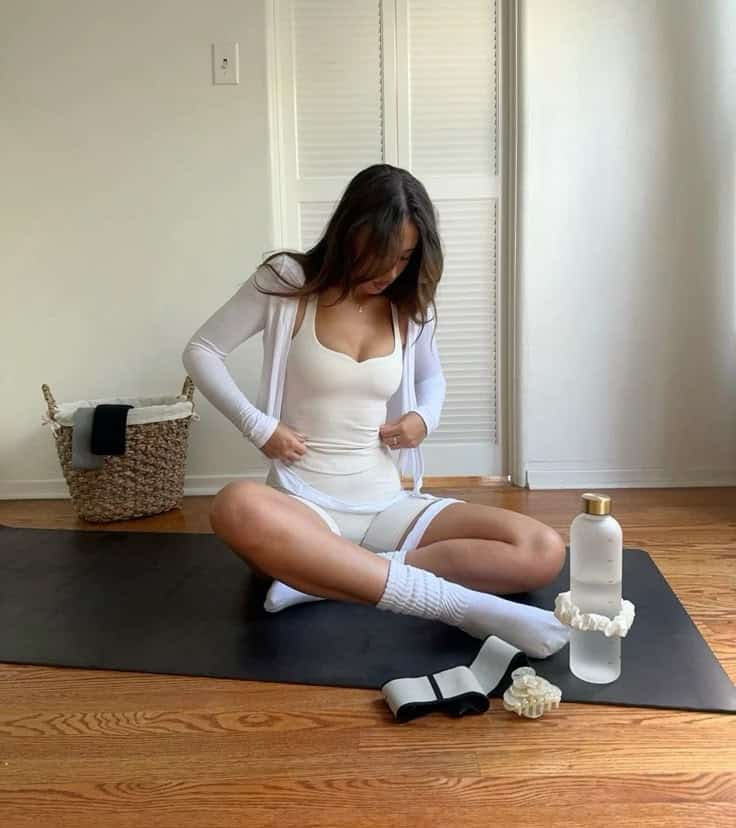

Your workout doesn’t end when you stop moving. The post-workout phase is critical for recovery, especially in winter. Neglecting it can lead to getting chilled, muscle soreness, or even illness.
Taking care of your body after a winter workout is just as important as the workout itself. It preps you for your next session! And remember, just as you adapt your workout, you might need to tweak your skincare. Don’t forget to check out winter skincare routines to keep your skin healthy in the cold.

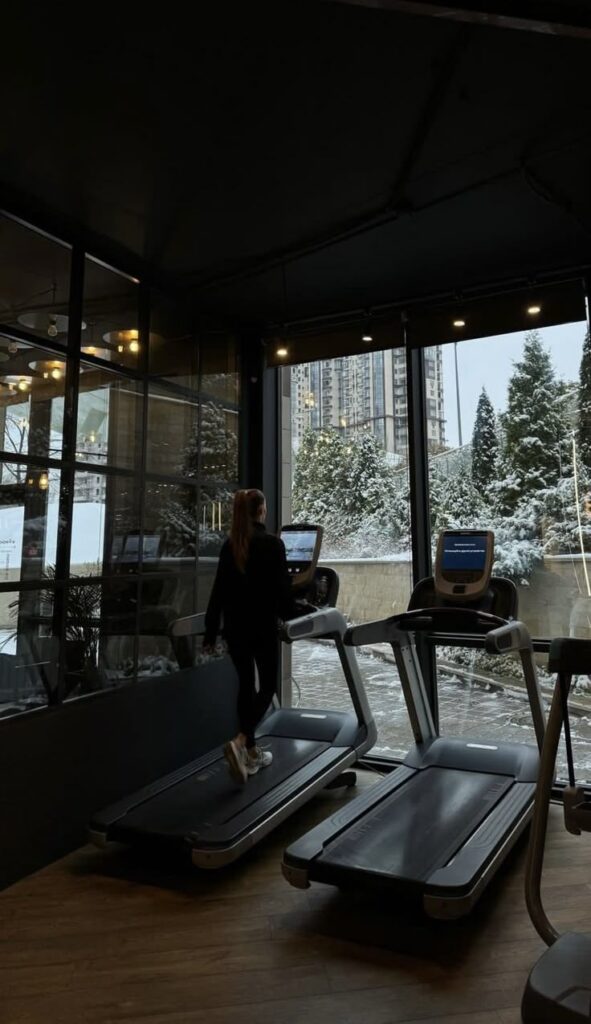

Winter can be a mental battle as much as a physical one. Shorter days and colder temperatures can dampen enthusiasm. Setting realistic goals and finding ways to stay motivated are key to consistent winter training.



The only constant in winter weather is its unpredictability. One day might be crisp and sunny, the next a complete whiteout. The best winter warriors are those who can adapt their plans without losing momentum.
Being flexible doesn’t mean giving up; it means intelligently navigating the challenges of the season. Your ability to adapt will ensure consistent activity, leading to greater overall health and happiness.


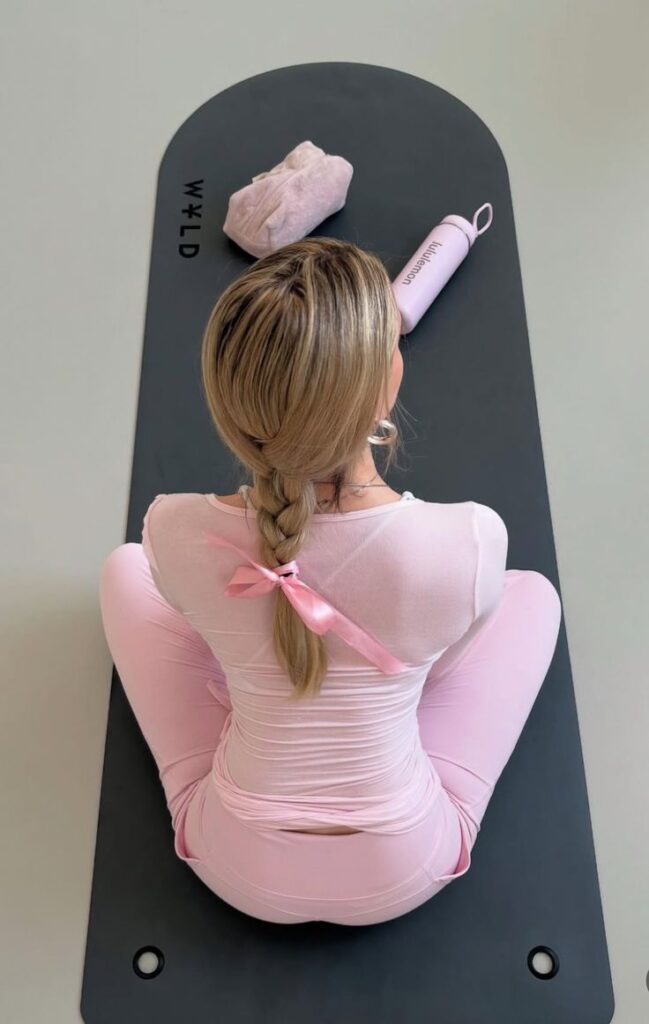
Winter workouts are not just about enduring the cold; they’re about embracing a unique opportunity to strengthen your body, sharpen your mind, and invigorate your spirit. By thoughtfully preparing with proper layering, warming up, prioritizing safety, and staying hydrated, you can transform the chilliest months into your most powerful fitness season.
Don’t let the weather dictate your health. Take these 10 essential winter workout tips, apply them with enthusiasm, and discover the incredible resilience within you. This winter, let’s not just survive, let’s thrive! Gear up, step out (or stay in!), and conquer the cold with confidence. Your peak performance awaits!



The biggest risks include hypothermia (when your body loses heat faster than it can produce it), frostbite (freezing of body tissue), dehydration, and injuries from slippery surfaces like ice and snow. Cold muscles are also more prone to strains.
A good rule of thumb is to dress as if it’s about 10-20 degrees Fahrenheit warmer than it actually is. You should feel slightly chilly when you first step outside. As you warm up, your body temperature will rise, and you’ll be comfortable without overheating. The three-layer system (wicking base, insulating middle, protective outer) is highly recommended.
Yes, it can be safe to run below freezing, but caution is key. Ensure you’re properly layered, protecting your extremities, and vigilant about ice on the ground. For extreme cold (e.g., below 0°F or -18°C), especially with wind chill, it’s generally safer to move your workout indoors to avoid frostbite and respiratory irritation.
A warm-up is crucial in winter. Cold muscles are less pliable and more susceptible to injury. A dynamic warm-up increases blood flow, raises core body temperature, and prepares your muscles and joints for activity, significantly reducing injury risk. Never skip it!
You lose fluids through sweat and respiration (visible breath) even in cold weather. The cold can also suppress your thirst mechanism, making you less aware of dehydration. Proper hydration helps your body regulate temperature, transport nutrients, and maintain performance, preventing fatigue and muscle cramps.
After a winter workout, aim for a balanced snack or meal within 30-60 minutes that includes both carbohydrates to replenish glycogen stores and protein for muscle repair. Warm options like oatmeal, soup, or a lean protein sandwich can be particularly comforting and aid in rewarming. Don’t forget warm beverages like herbal tea or hot cocoa for rehydration.