Earthy Cottage Home Decor: Simple Ways to Create a Cozy Natural Retreat
Facebook Twitter Pinterest Earthy cottage home decor creates a warm, inviting space where natural materials, soft textures, and organic…


Your garden can become a true extension of your home with the right ideas and planning approach. Whether you’re working with a spacious backyard, a compact patio, or just a few containers, transforming your outdoor space into something beautiful and functional is entirely achievable. A well-designed garden combines thoughtful layout, smart plant selection, and features that match your lifestyle to create an outdoor space you’ll actually use and enjoy.
The possibilities for your garden are almost endless, from edible gardens that supply fresh produce to low-maintenance landscapes that give you more time to relax. You can incorporate vertical growing solutions for tight spaces, add lighting to extend evening enjoyment, or create dedicated outdoor rooms for dining and entertaining. The key is choosing ideas that fit your space, budget, and how much time you want to spend on upkeep.
Getting started doesn’t require expensive renovations or professional help. Simple changes like adding containers, improving walkways, or introducing new planting combinations can make a significant difference. With practical strategies and creative touches, you can develop a garden that reflects your personal style while thriving in your local conditions.
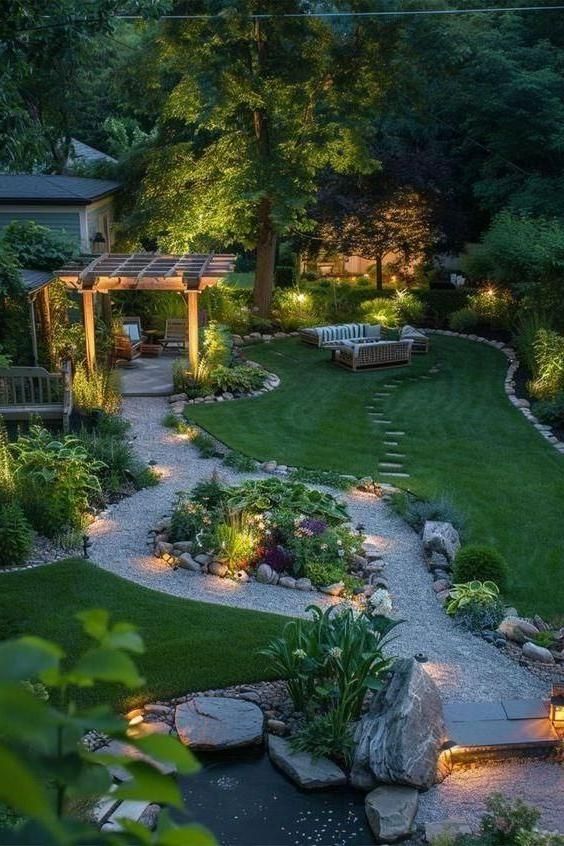
Successful garden design starts with understanding how your space works and what style speaks to you. Whether you’re working with a sprawling backyard or a compact urban plot, these foundational elements will guide you toward creating an outdoor space that’s both beautiful and functional.
Your landscape layout determines how people move through and experience your garden. Start by mapping out the natural flow of your yard, identifying high-traffic areas and spots where you naturally pause or gather.
Consider creating distinct zones for different activities. You might designate spaces for dining, lounging, growing vegetables, or playing. Pathways connect these areas and should be at least 3-4 feet wide for comfortable passage.
Key layout considerations:
Hardscaping elements like patios, decks, and walkways form the bones of your landscape design. These permanent features should go in first, followed by planting beds and lawn areas. Pay attention to proportions—oversized patios can overwhelm small gardens, while tiny seating areas feel cramped in larger yards.
Your garden style sets the tone for plant selection, materials, and overall atmosphere. Popular styles include formal gardens with symmetrical layouts and clipped hedges, cottage gardens bursting with colorful perennials, or modern landscapes featuring clean lines and architectural plants.
Choose a style that matches your home’s architecture and your maintenance preferences. A minimalist garden with ornamental grasses and gravel requires different upkeep than a traditional English garden packed with roses and delphiniums.
Common garden styles:
Don’t feel locked into one style. Many successful garden design ideas blend elements from multiple approaches. You might pair modern hardscaping with cottage-style planting beds, or use formal structure to organize a native plant garden.
Small garden ideas focus on making every square foot count. Vertical gardening doubles your planting space by using walls, fences, and trellises for climbing plants and hanging containers.
Choose furniture and features proportional to your space. A small bistro set works better than a full dining table, and a wall-mounted fountain takes less room than a freestanding feature. Light colors make small gardens feel more spacious, while dark boundaries can create an intimate, enclosed feeling.
Space-saving strategies:
Strategic landscaping ideas for small spaces include removing lawn entirely in favor of paving and planting beds, which eliminates mowing and creates more usable area. Container gardening gives you flexibility to rearrange your layout seasonally. Focus your backyard landscaping ideas on creating one stunning focal point rather than scattering multiple features that compete for attention.
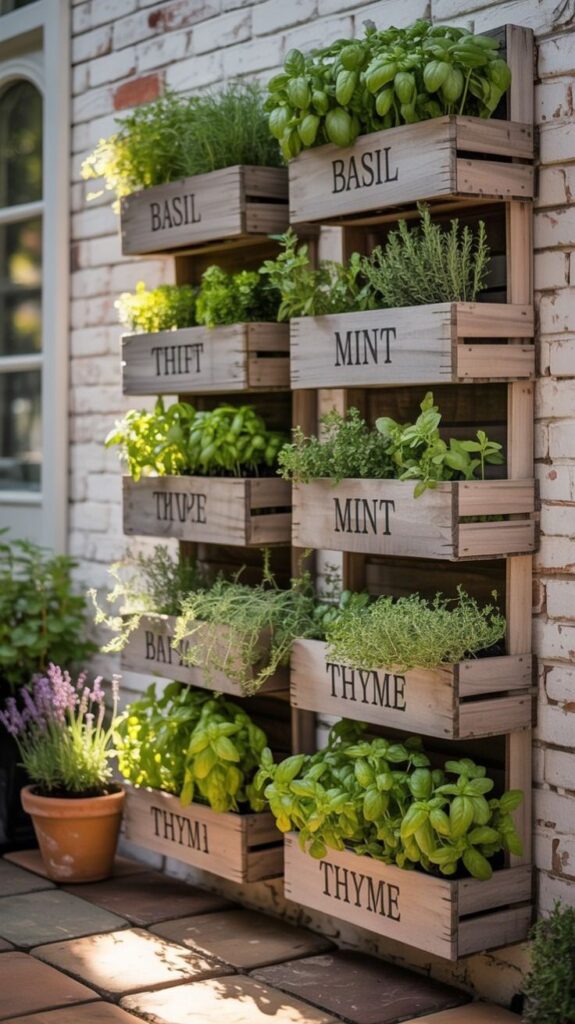

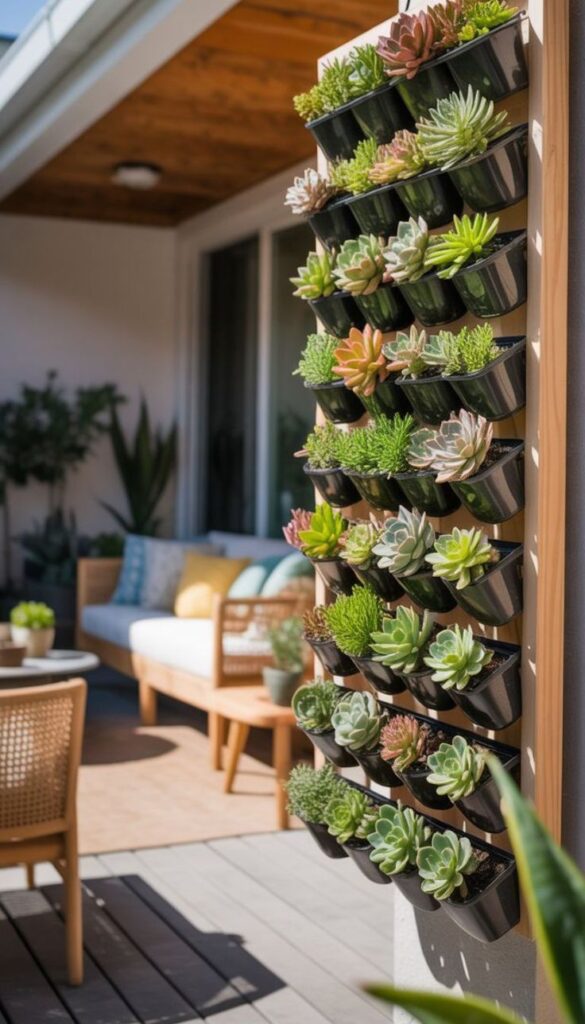
Container gardens and vertical growing systems let you cultivate plants in limited spaces while adding visual interest to patios, balconies, and bare walls. These approaches work whether you’re dealing with apartment living or simply want to maximize your growing area.
Container gardening transforms any location into a productive growing area. You can start with traditional terra cotta pots, but your options extend far beyond basic planters.
Popular Container Options:
Your container choice affects drainage, soil temperature, and plant health. Ensure each vessel has drainage holes to prevent waterlogged roots. Larger containers retain moisture longer and provide more room for root development.
Group containers of varying heights and sizes to create visual depth on patios and decks. Mix vegetables with flowers for both beauty and function. Herbs thrive in smaller pots near kitchen doors, while tomatoes and peppers need containers holding at least 5 gallons of soil.
Hanging baskets bring greenery to eye level and above, making use of vertical space without taking up floor area. Choose trailing plants like petunias, ivy, or strawberries that cascade over basket edges.
Window boxes attach directly to railings or mount beneath windows. They work well for herbs, lettuce, and compact flowers. Select boxes that complement your home’s exterior and install them securely to support soil weight when saturated.
Design Tips:
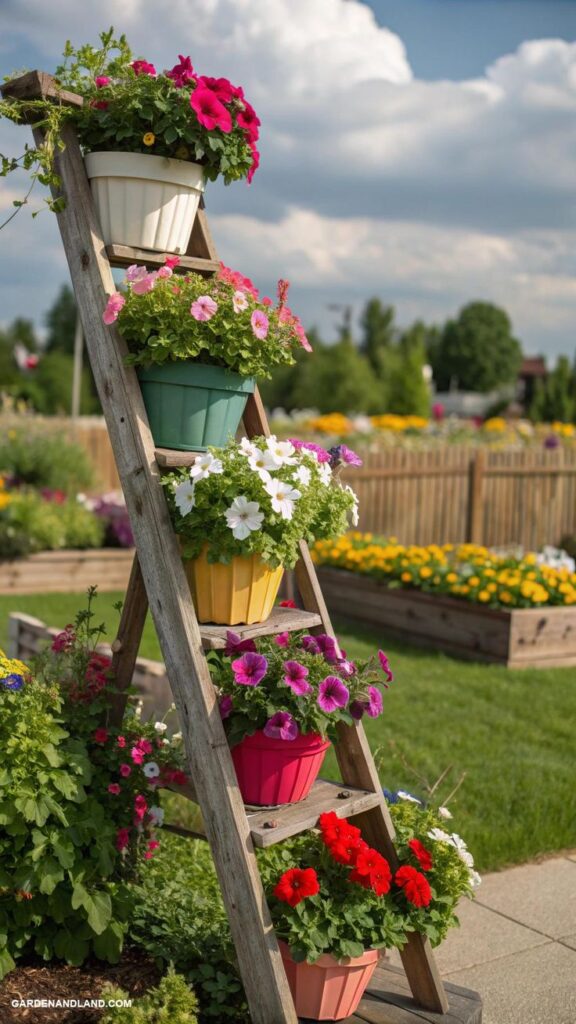
Layer heights by placing smaller pots on plant stands or overturned containers. This creates a tiered effect that showcases individual plants better than arranging everything at ground level.
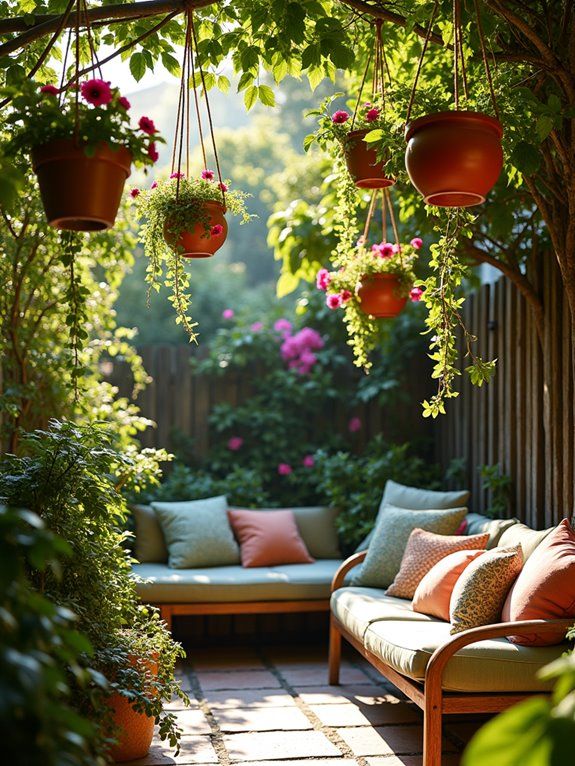
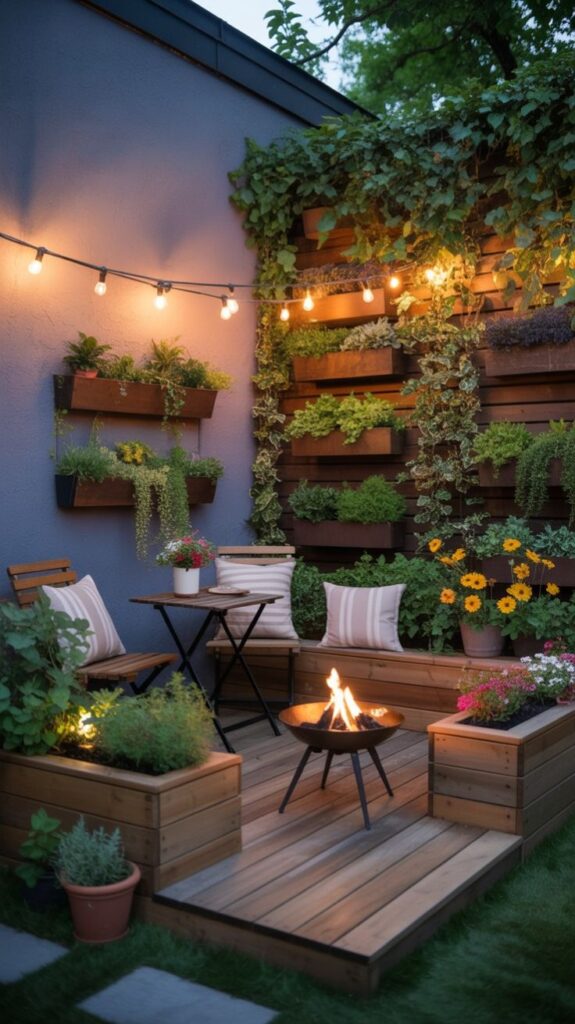
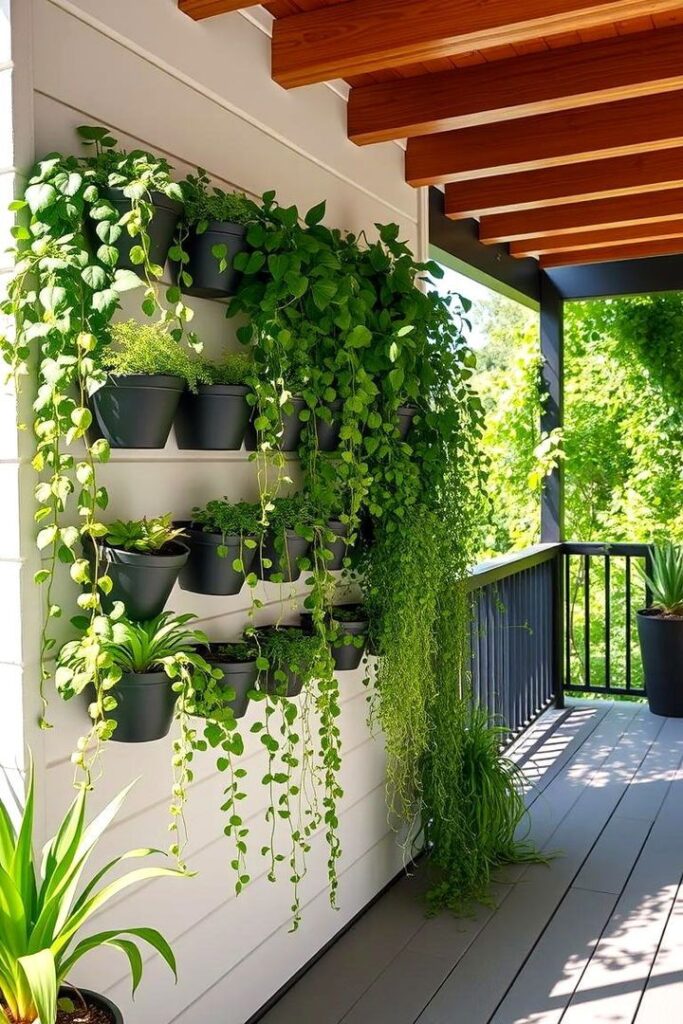
Vertical gardens maximize growing space by training plants upward on structures or mounting them on wall systems. A living wall consists of plants growing in panels or pockets attached to vertical surfaces.
You can build simple vertical gardens using trellises, ladder shelves, or pallet planters. Wall-mounted pocket systems hold individual plants in fabric or plastic compartments. These installations work indoors or outside.
Suitable Plants for Vertical Growing:
Install drip irrigation or self-watering systems for larger living walls since vertical plantings dry out faster than ground-level gardens. Position your vertical garden where it receives appropriate light for your chosen plants.
Garden features that combine aesthetic appeal with practical purpose create outdoor spaces that work harder while looking better. Pergolas provide shade and vertical interest, water elements introduce calming sounds and wildlife habitat, and thoughtfully designed pathways guide movement while defining garden zones.
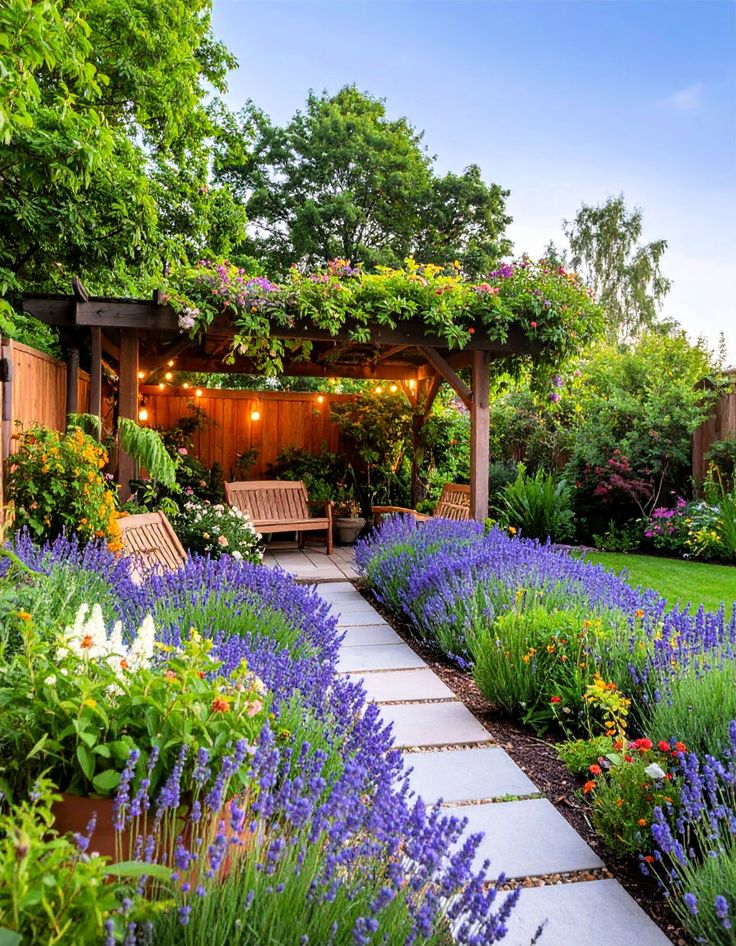
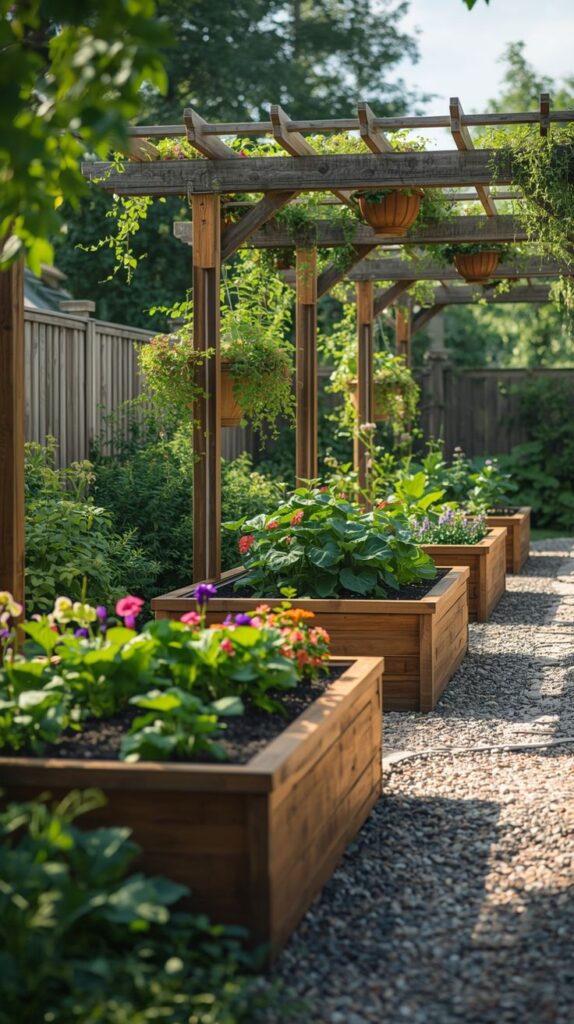
A pergola transforms your outdoor space by creating an architectural focal point that offers partial shade and defines seating or dining areas. You can train climbing plants like wisteria, grapevines, or roses over the structure to increase shade coverage and add seasonal color. Cedar and pressure-treated pine offer budget-friendly options, while vinyl requires minimal maintenance.
Trellises serve as vertical growing surfaces that maximize limited space while adding height and structure to your garden design. You can mount them against walls, fences, or use freestanding versions to create privacy screens or divide different garden zones. They work perfectly for vegetables like cucumbers and beans, as well as ornamental climbers like clematis and honeysuckle.
A garden gate marks transitions between spaces and adds character to your landscape. Even a simple gate creates a sense of arrival and anticipation. You can choose from rustic wooden designs, sleek metal options, or classic white picket styles depending on your garden’s overall aesthetic. Adding an arbor over your gate creates an even more dramatic entrance.
Water features bring movement, sound, and tranquility to your garden while attracting birds, butterflies, and beneficial insects. A small pond measuring just 3-4 feet across can support aquatic plants and goldfish without requiring excessive space or maintenance. You’ll need to consider sunlight exposure, as most water plants need 4-6 hours of direct sun daily.
Popular water feature ideas include:
Position your water feature where you’ll enjoy it most, whether that’s visible from indoor windows or near your patio seating area. Solar-powered pumps offer an eco-friendly option that eliminates electrical wiring requirements.
Garden paths establish circulation patterns while protecting lawn areas and planting beds from foot traffic. Stepping stones create informal, organic-feeling routes through planted areas. You should space them 18-24 inches apart to match natural walking stride, and set them slightly below soil level to prevent tripping hazards and simplify mowing.
Gravel pathways offer excellent drainage and a satisfying crunch underfoot at a fraction of the cost of concrete or pavers. You’ll want to install landscape fabric underneath to suppress weeds, then add 2-3 inches of pea gravel or crushed stone. Edge your gravel garden paths with brick, stone, or metal borders to prevent spreading into beds.
Effective garden path ideas combine materials for visual interest:
| Material Combination | Best Use | Cost Level |
|---|---|---|
| Gravel + Stepping Stones | Cottage gardens, informal spaces | Budget-friendly |
| Flagstone + Ground Cover | High-traffic areas | Moderate |
| Decomposed Granite + Borders | Modern, drought-tolerant gardens | Affordable |
Your pathway width should accommodate your specific needs—30 inches minimum for single-file walking, 48 inches for comfortable side-by-side strolling.
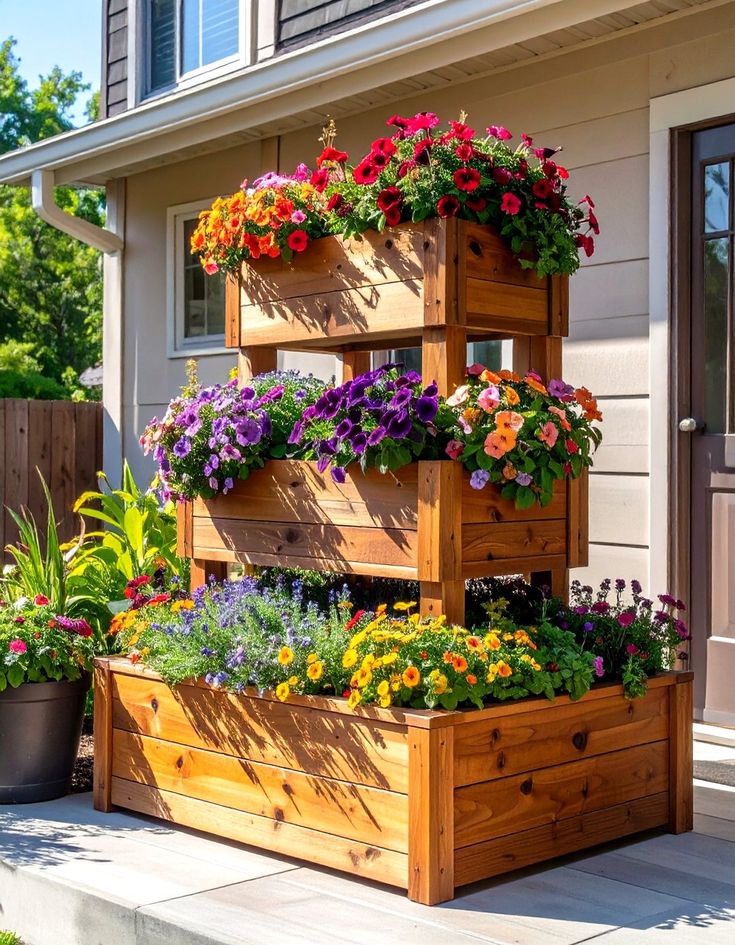
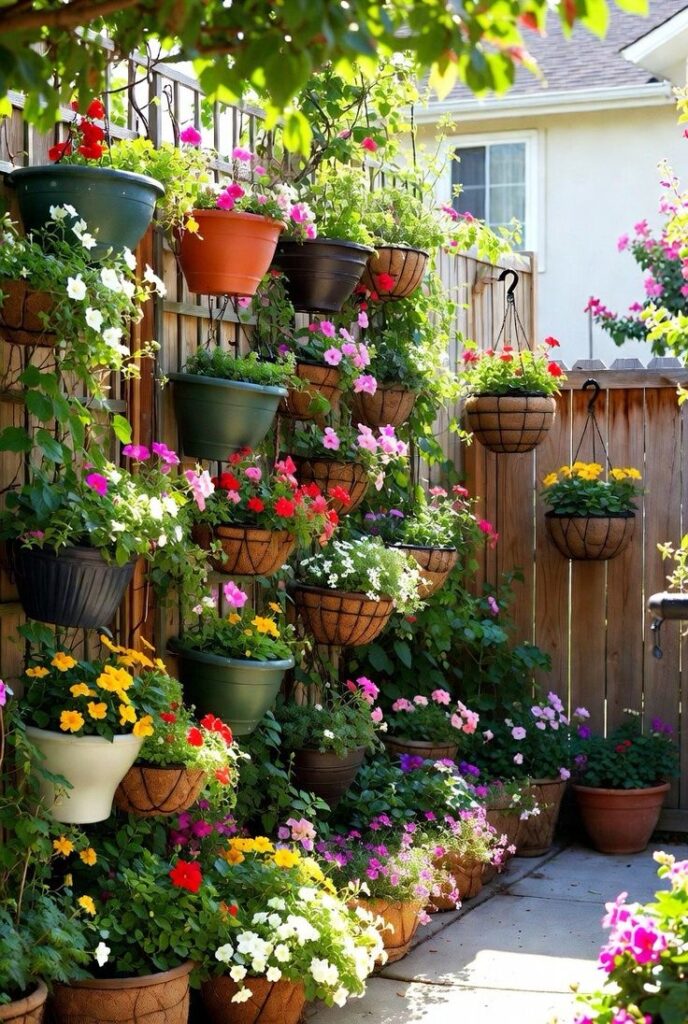
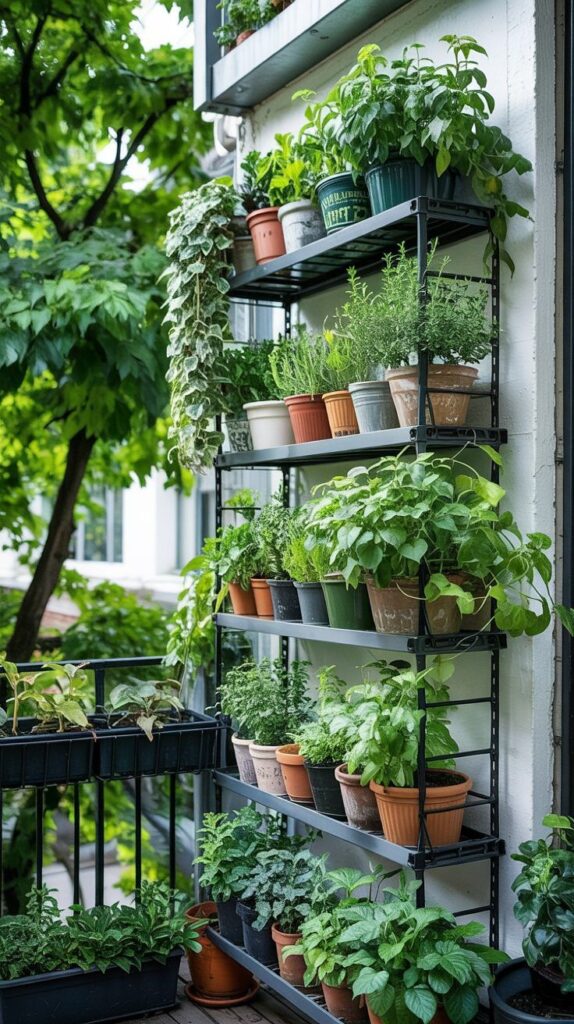
Different garden styles require distinct planting approaches to maximize their beauty and productivity. Whether you’re drawn to romantic cottage aesthetics, practical food production, or low-maintenance perennials, selecting the right plants creates a cohesive and thriving outdoor space.
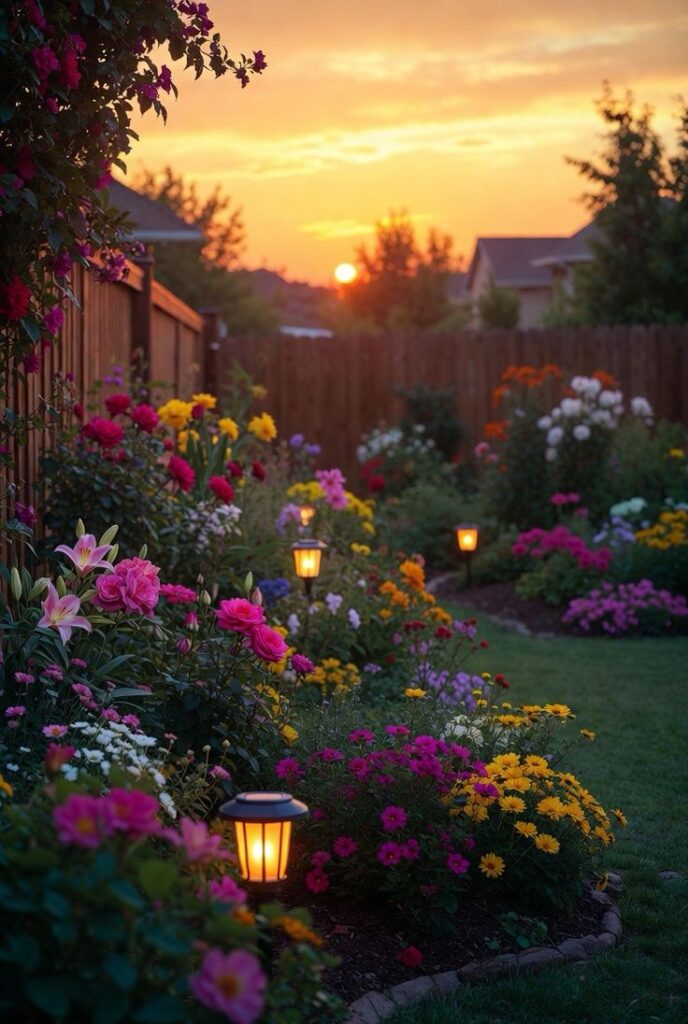
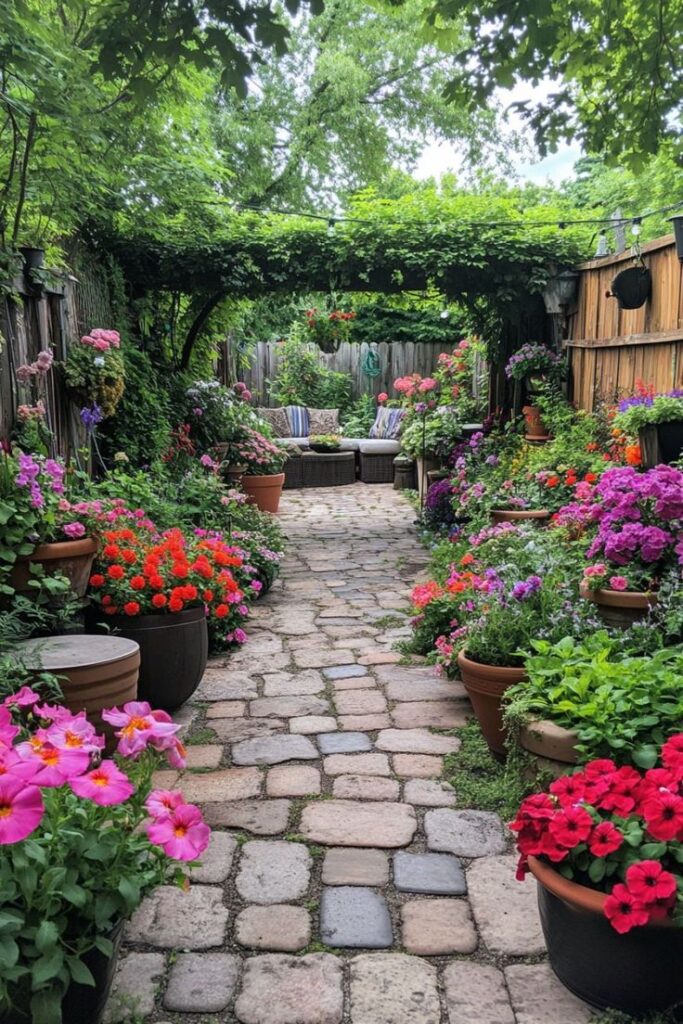
Cottage gardens thrive on abundant, layered plantings that create a romantic, informal atmosphere. You’ll want to combine flowering perennials with self-seeding annuals for continuous blooms throughout the growing season.
Climbing plants add vertical interest and maximize your growing space. Climbing roses trained along fences or arbors provide classic cottage appeal with their fragrant blooms. Wisteria creates dramatic focal points when grown on sturdy pergolas, though you’ll need to prune it regularly to control its vigorous growth.
Other flowering vines like clematis, honeysuckle, and morning glories fill vertical spaces quickly. Layer these climbing plants with traditional cottage favorites like foxgloves, delphiniums, and hollyhocks at different heights. This creates the signature overflowing look that defines cottage garden style.
Mix in herbs like lavender and rosemary along pathways for both fragrance and functionality.
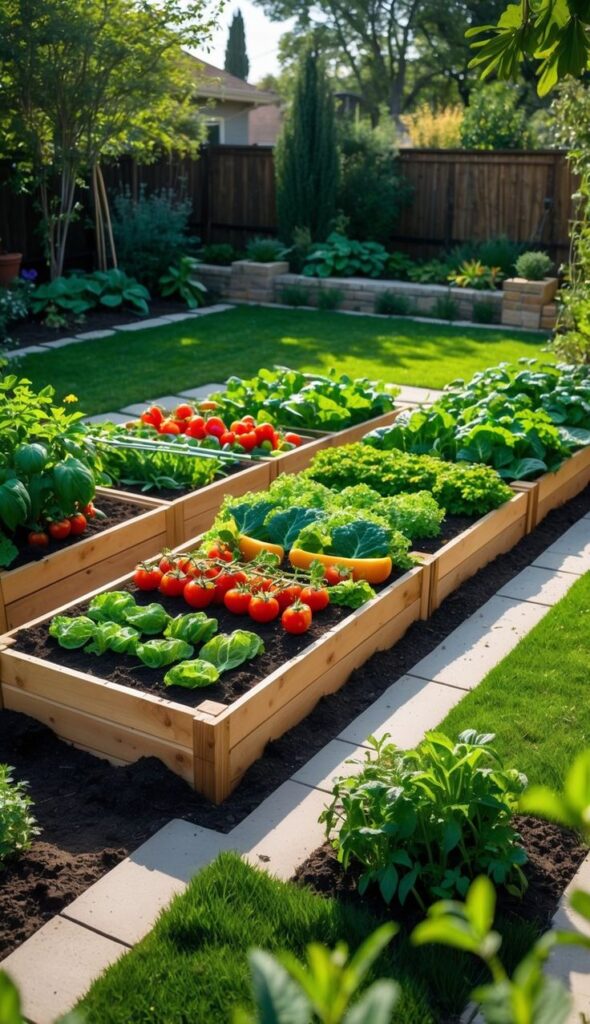
Raised garden beds offer superior drainage and soil control for vegetable gardening and herb cultivation. You can start growing immediately without amending existing soil, making them ideal for challenging ground conditions.
Your edible garden benefits from companion planting strategies. Plant basil near tomatoes, marigolds alongside vegetables to deter pests, and lettuce in the shade of taller crops. Plan your raised beds layout with taller plants like tomatoes and pole beans on the north side to prevent shading shorter crops.
A dedicated herb garden in raised beds gives you easy access to culinary favorites. Group herbs by water needs—Mediterranean herbs like thyme, oregano, and sage prefer drier conditions, while parsley, cilantro, and chives need consistent moisture.
Succession planting in raised beds extends your harvest season significantly.
Ornamental grasses provide year-round structure and movement in perennial gardens with minimal maintenance requirements. They pair exceptionally well with late-blooming perennials and create naturalistic prairie-style plantings.
Your perennial garden gains texture and winter interest from grasses like fountain grass, switchgrass, and feather reed grass. These complement flowering perennials such as coneflowers, black-eyed Susans, and sedums throughout the seasons.
Hostas excel in shadier perennial gardens where other plants struggle. Their diverse foliage colors and sizes create visual interest even without flowers. Combine different hosta varieties with ferns and astilbes for a lush woodland effect.
Design your perennial borders in groups of three or five plants of the same variety for greater visual impact. This repetition creates cohesion while allowing variety through different species selections.
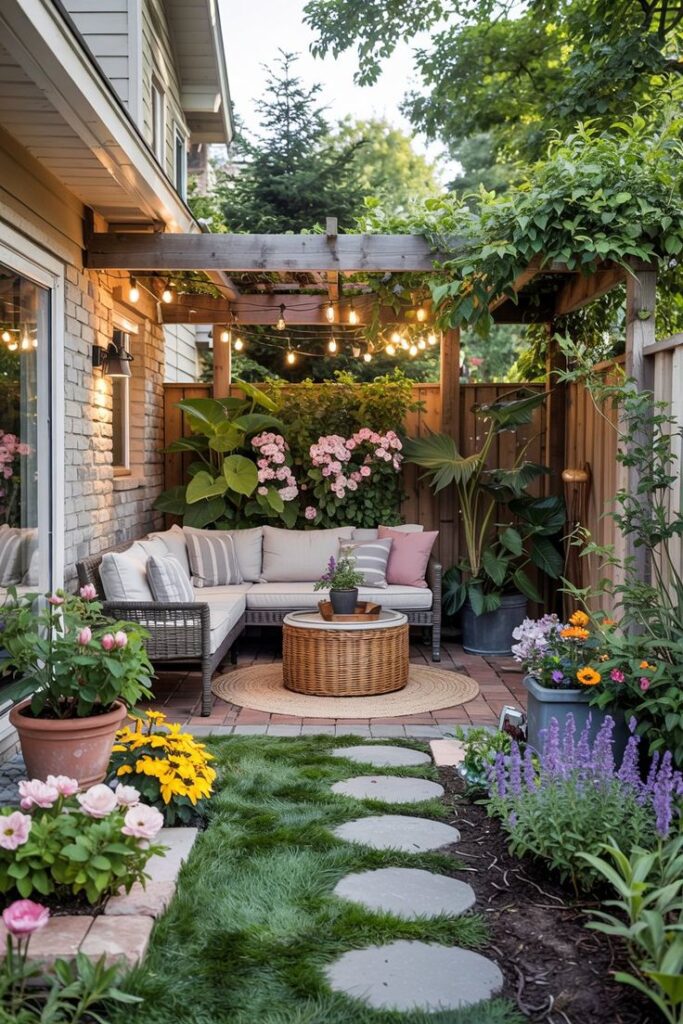
Creating functional outdoor spaces requires thoughtful furniture selection, strategic lighting placement, and decorative elements that reflect your personal style while withstanding the elements.
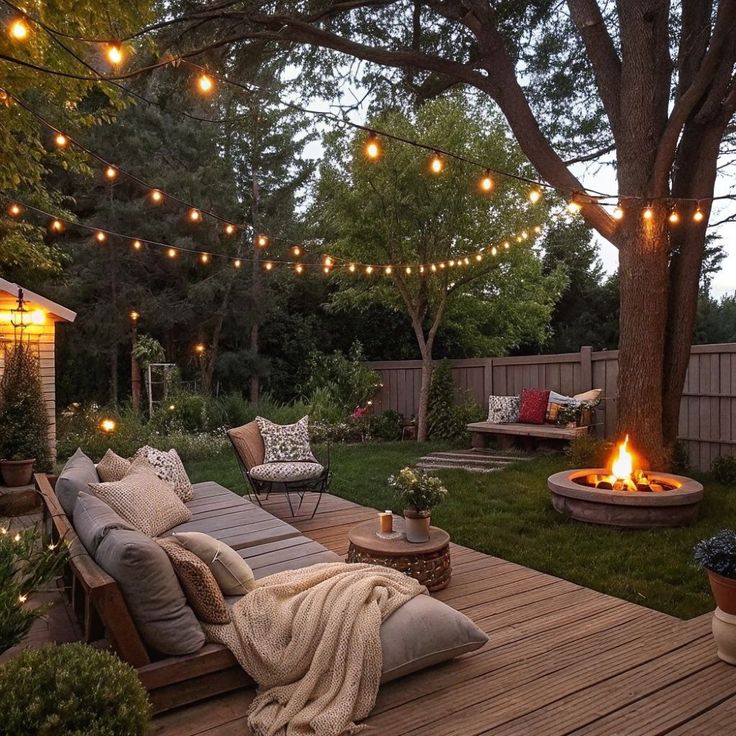
An outdoor room extends your living space into the garden, providing a dedicated area for relaxation, dining, or entertainment. Start by defining the room’s purpose—whether it’s a cozy reading nook, an alfresco dining area, or a lounge space with a fire pit.
Garden furniture should balance comfort with durability. Choose weather-resistant materials like teak, aluminum, or all-weather wicker that can handle sun, rain, and temperature changes. Add outdoor cushions and throws in fade-resistant fabrics to make seating areas more inviting.
Consider these essential furniture pieces:
Create definition and privacy using pergolas, outdoor curtains, or tall planters. A fire pit serves as both a focal point and functional heating element for cooler evenings. Layer in outdoor rugs to anchor furniture groupings and add warmth underfoot.
Outdoor lighting transforms your garden from a daytime-only space into an evening retreat while improving safety along pathways and steps. Layer different lighting types to create depth and functionality.
Garden lighting works best when you combine multiple sources at varying heights. String lights overhead create a magical canopy effect, while path lights illuminate walkways and prevent tripping hazards. Use uplighting to highlight trees, architectural features, or sculptures.
Solar-powered lights offer energy-efficient solutions for pathways and garden beds without requiring electrical wiring. LED fixtures consume less energy and last longer than traditional bulbs. Install motion-sensor lights near entrances and dark corners for security.
Consider dimmers or smart controls to adjust brightness levels based on activity and mood. Warm white bulbs (2700-3000K) create a cozy atmosphere, while cooler temperatures work better for task lighting near cooking or dining areas.
Garden decor adds personality and visual interest to outdoor spaces. Choose pieces that complement your home’s architecture and withstand your local climate. Weather-resistant planters in varied sizes and heights create focal points and can be rearranged seasonally.
Wind chimes, outdoor art, and sculptures inject character without requiring permanent installation. Birdhouses and feeders attract wildlife while serving as decorative elements. Consider a vertical garden or living wall to maximize space while adding lush greenery.
Keep gardening tools organized and accessible with stylish storage solutions. Wall-mounted tool racks, decorative sheds, or attractive baskets keep essentials tidy while contributing to the overall aesthetic. Quality tools with ergonomic handles make maintenance tasks easier and more enjoyable.
Seasonal decorations let you refresh your space throughout the year without major changes. Swap cushion covers, add lanterns, or introduce seasonal plants to keep your outdoor room feeling current and inviting.
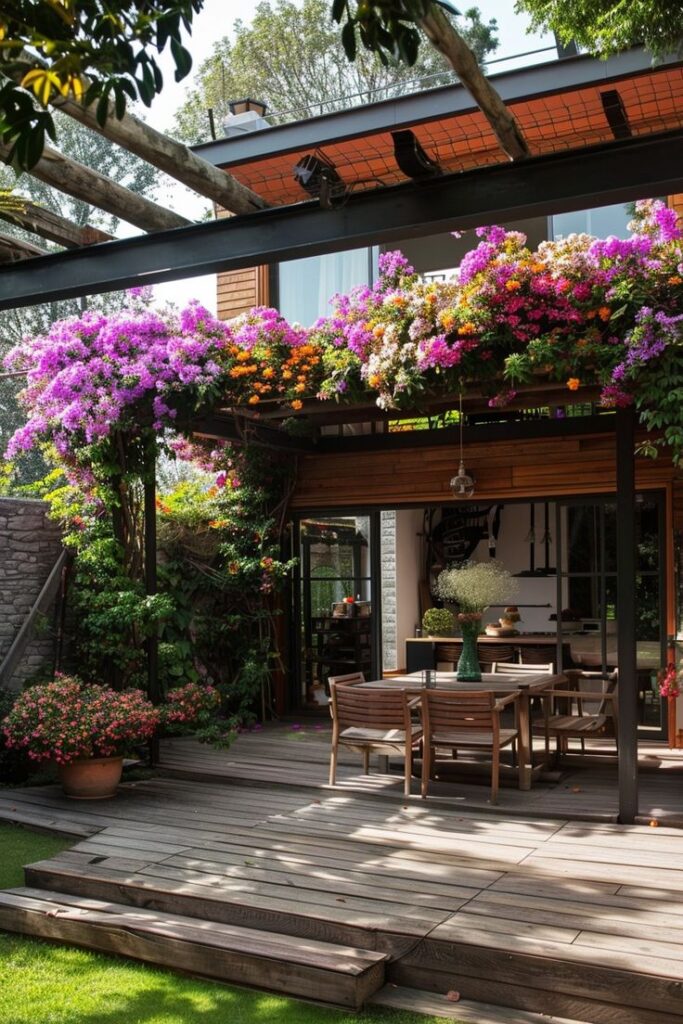
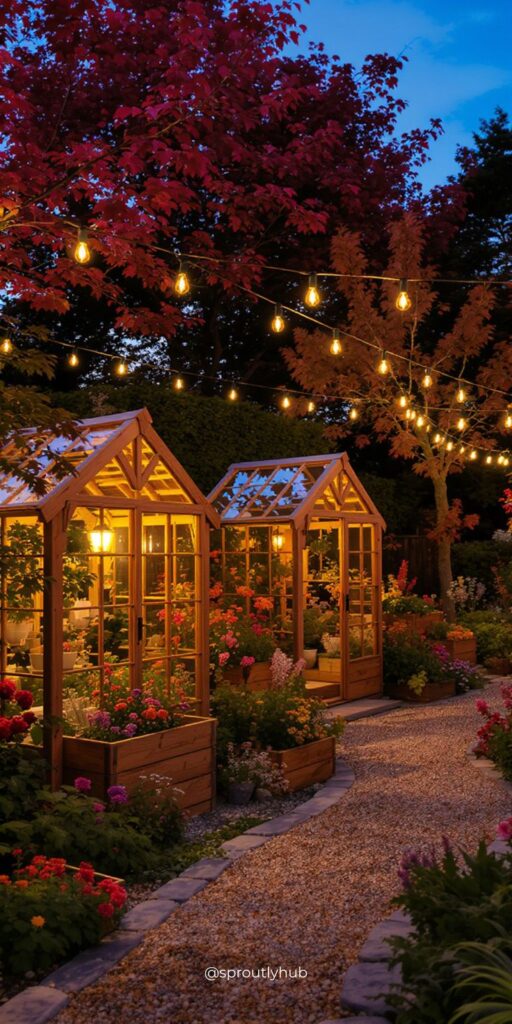

Combining low-maintenance plants with sustainable design creates outdoor spaces that require minimal effort while supporting local ecosystems. Strategic choices in plantings, water features, and gravel arrangements deliver both beauty and tranquility without demanding constant attention.
Native perennials and drought-tolerant plants form the foundation of a low-maintenance garden that thrives with minimal watering. You can select ferns for shaded areas, ornamental grasses for sunny spots, and succulents for dry conditions. These plants naturally adapt to your local climate without requiring fertilizers or pesticides.
Clipped hedges provide structure and definition while reducing the need for constant replanting. Boxwood, privet, and yew maintain their shape with just two trims per year, creating clean lines that frame your garden beds. Unlike traditional flower borders that demand deadheading and seasonal replacements, hedges offer year-round greenery with far less work.
Ground covers like creeping thyme or sedum suppress weeds naturally, eliminating hours of pulling unwanted growth. Mulching around plants retains moisture and further reduces maintenance time. You’ll find that selecting the right plants for your soil type and sun exposure makes the biggest difference in creating a self-sustaining garden.
A birdbath transforms your garden into a wildlife sanctuary while adding a focal point that requires only weekly cleaning. Position your bird bath near shrubs or trees to give birds quick escape routes from predators. The sound of water attracts various species, from robins to hummingbirds, creating a living ecosystem in your yard.
Choose birdbaths made from recycled materials or natural stone to align with eco-friendly principles. Solar-powered fountains keep water moving without electricity costs, preventing mosquito breeding while creating soothing sounds. You should place shallow dishes at ground level for smaller creatures like butterflies and beneficial insects.
Native plantings around your birdbath provide natural food sources and nesting materials for visiting wildlife. Berry-producing shrubs and seed-bearing flowers reduce your need to fill feeders constantly.
Zen garden designs eliminate lawn maintenance entirely by replacing grass with raked gravel or sand. These Japanese-inspired spaces use carefully placed rocks, minimal plantings, and clean lines to create meditative environments. You can maintain the patterns with simple weekly raking that becomes a calming ritual rather than a chore.
Reclaimed stone and brick add sustainable character while defining pathways and borders in your zen space. Bamboo, Japanese maples, and evergreen shrubs provide structure without requiring constant pruning. The limited plant palette reduces watering needs and simplifies care routines significantly.
Gravel gardens also excel at drainage, preventing muddy areas and reducing water runoff. You’ll spend less time weeding since gravel suppresses most unwanted growth naturally. Adding a simple stone lantern or wooden bench completes the peaceful atmosphere without cluttering the minimalist design.
Start by mapping out natural flow and high-traffic areas, creating distinct zones for activities, and considering sun exposure, existing trees, structures, slopes, access points, views, drainage, and wet spots. Place hardscaping elements first, followed by planting beds and lawns, ensuring proportions suit your yard size.
Use vertical spaces with walls, fences, and trellises, choose proportionate furniture, incorporate mirrors, layer plants, and focus on focal points. Removing lawns in favor of paving and planting beds, along with container gardening, can also expand usable space.
Choose native, drought-tolerant plants, ready-made clipped hedges, ground covers, and mulching to reduce upkeep. Incorporate wildlife-friendly features such as birdbaths with recycled materials and sustainable water features, and focus on simple, self-sustaining planting combinations.
Fundamental elements of garden design include understanding how the space functions, selecting a style that reflects your taste and home, planning a suitable landscape layout, choosing appropriate garden styles, maximizing small spaces, incorporating creative container and vertical gardens, and adding functional and aesthetic features.
Select a style that complements your home’s architecture and maintenance preferences, such as formal, cottage, modern, Mediterranean, or native gardens. Blending styles is also common to create a personalized and cohesive outdoor space.