Cozy Cabin Trip Ideas for Your Perfect Winter Getaway
Facebook Twitter Pinterest A cozy cabin trip offers the perfect escape from everyday stress, giving you a chance to reconnect with nature and…


Earthy cottage home decor creates a warm, inviting space where natural materials, soft textures, and organic elements come together to transform any home into a peaceful retreat. This design style draws inspiration from the natural world, incorporating wood, stone, clay, and plants alongside vintage pieces and handmade details. It works equally well in countryside cottages and modern apartments.
This decorating approach centers on using warm neutral tones, natural fibers, and rustic textures to build rooms that feel grounded, comfortable, and connected to nature. The style blends practical function with aesthetic beauty, creating spaces where you can truly relax and unwind. You don’t need a complete overhaul to achieve this look.
Simple changes like adding linen textiles, displaying dried flowers, or incorporating terracotta accents can shift your home’s entire atmosphere. Whether you’re starting fresh or updating existing rooms, earthy cottage decor offers flexible options that adapt to your space and budget. The following ideas will guide you through creating your own nature-inspired sanctuary.
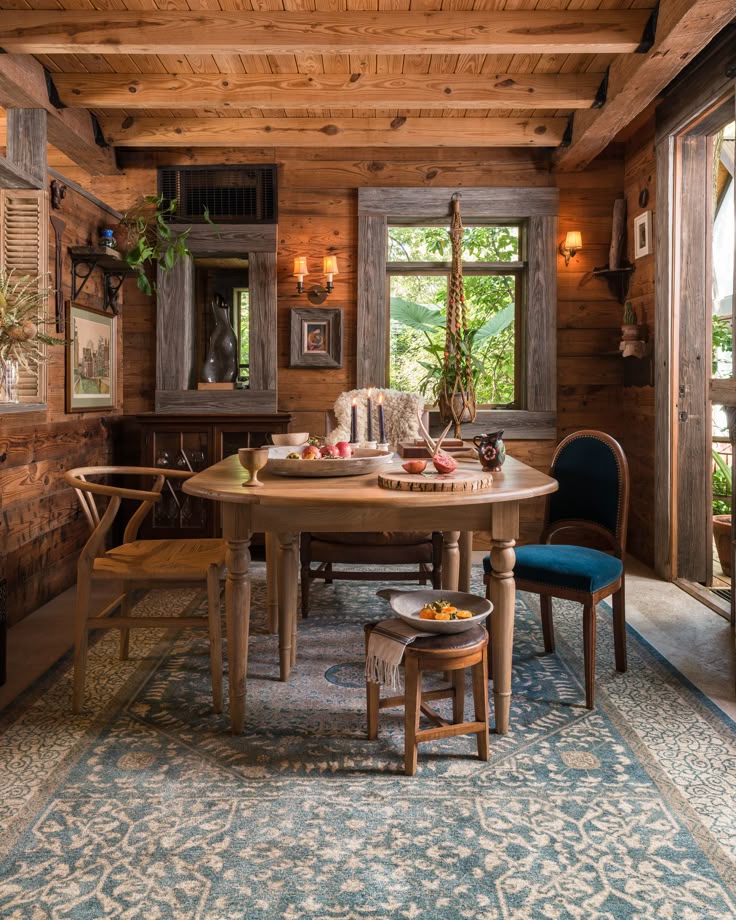
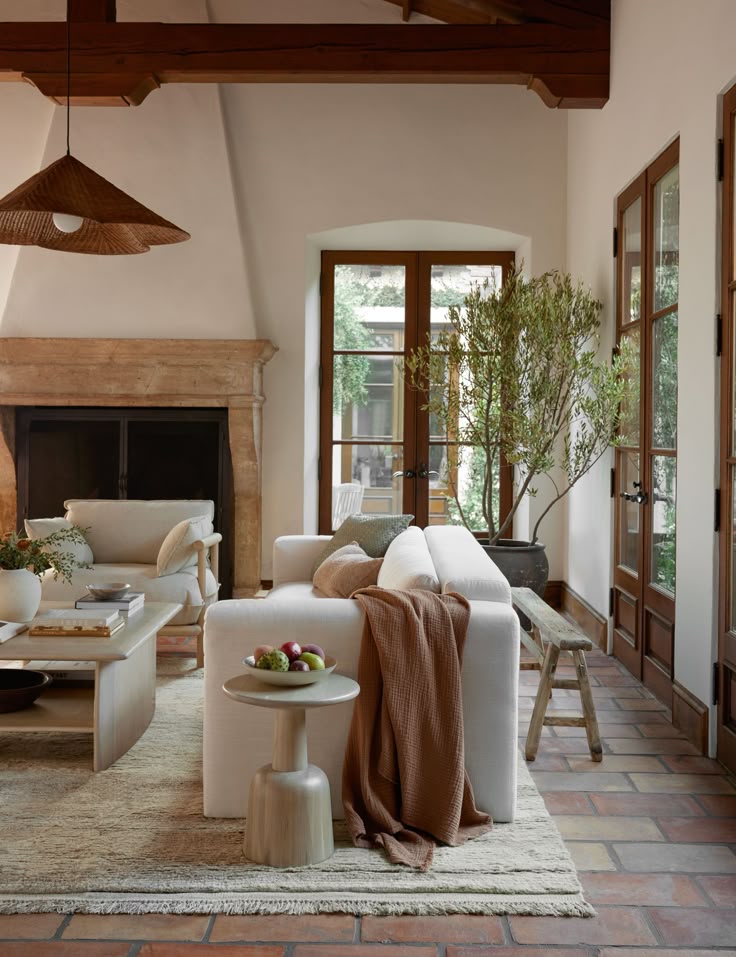
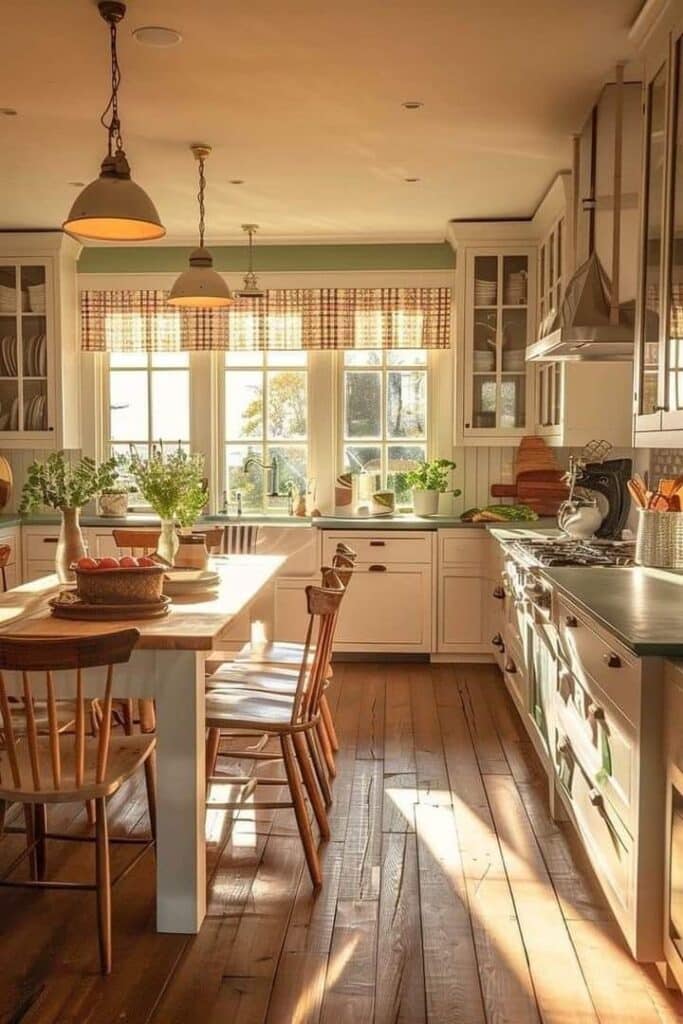
Earthy cottage home decor combines natural materials, warm neutral tones, and rustic textures to create spaces that feel grounded and inviting. This approach prioritizes organic elements like wood and stone while maintaining livable comfort through thoughtful material choices and layered textiles.
Earthy cottage style blends the relaxed character of traditional cottage decor with nature-inspired elements and raw textures. You’ll recognize this aesthetic through its emphasis on organic materials, muted color palettes, and unpretentious furnishings that prioritize function alongside beauty.
The style differs from other cottage variants in specific ways. Unlike French cottage with its ornate details or coastal cottage with its bright whites and blues, earthy cottage décor grounds itself in warm browns, soft greens, and clay tones. You’ll see exposed wood beams, natural fiber rugs, and handcrafted pottery rather than painted finishes or polished metals.
Key characteristics include:
Natural elements form the foundation of earthy cottage home decor. Wood appears in multiple forms—reclaimed beams, live-edge shelving, oak furniture, and driftwood accents. Stone surfaces like slate countertops or river rock fireplaces add texture and permanence.
Plant life brings immediate warmth to your spaces. Potted herbs on kitchen windowsills, dried flowers in ceramic vases, and leafy houseplants in woven baskets all contribute authentic natural presence. These aren’t just decorative; they improve air quality and create visual softness.
Essential natural materials:
| Material | Common Uses | Visual Impact |
|---|---|---|
| Linen | Curtains, bedding, tablecloths | Soft, breathable texture |
| Clay | Pottery, tiles, sculptures | Earthy warmth |
| Jute | Rugs, baskets, lampshades | Organic pattern |
| Rattan | Furniture, storage | Light structure |
Your earthy cottage home needs to feel lived-in without sacrificing comfort. Rustic charm comes from aged wood furniture and vintage finds, but modern comfort means proper seating depth, adequate lighting, and functional layouts.
Layer soft textiles over harder rustic surfaces. A chunky knit throw on a weathered wooden bench makes it inviting. Linen cushions on a vintage chair update its usability. You’re not creating a museum of rustic items but a home where natural materials meet everyday needs.
Integrate modern conveniences subtly. Your kitchen can feature contemporary appliances while wooden open shelving and ceramic dishware maintain the earthy cottage aesthetic. Updated plumbing fixtures in oil-rubbed bronze complement stone vessel sinks. The goal is seamless function within your natural, grounded environment.
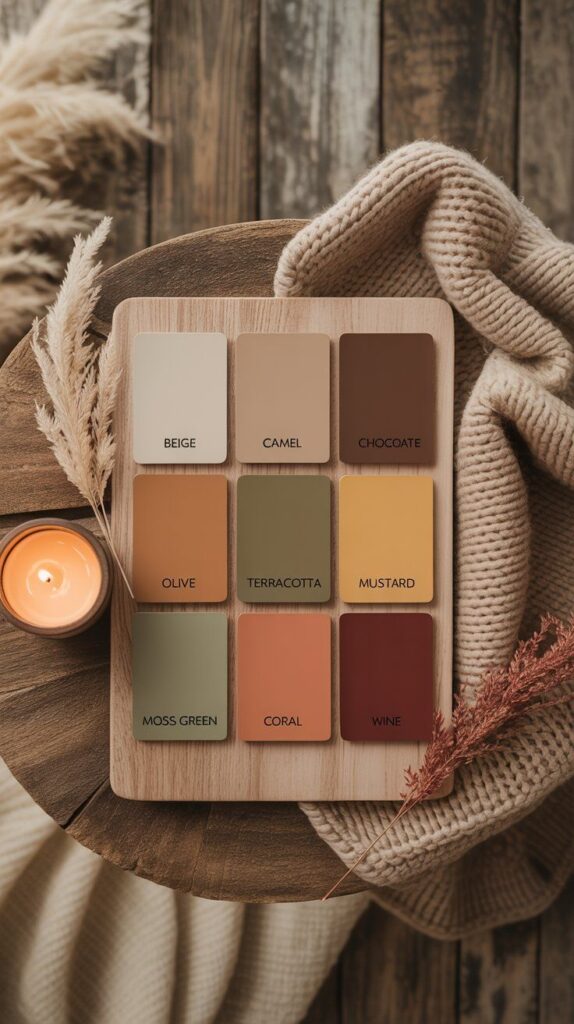
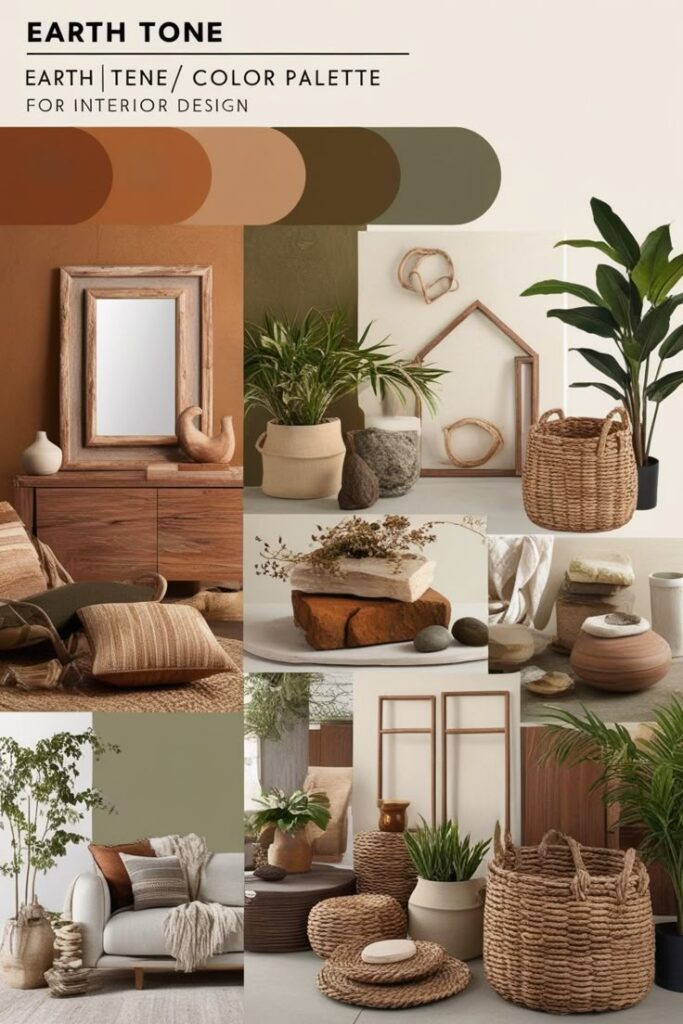
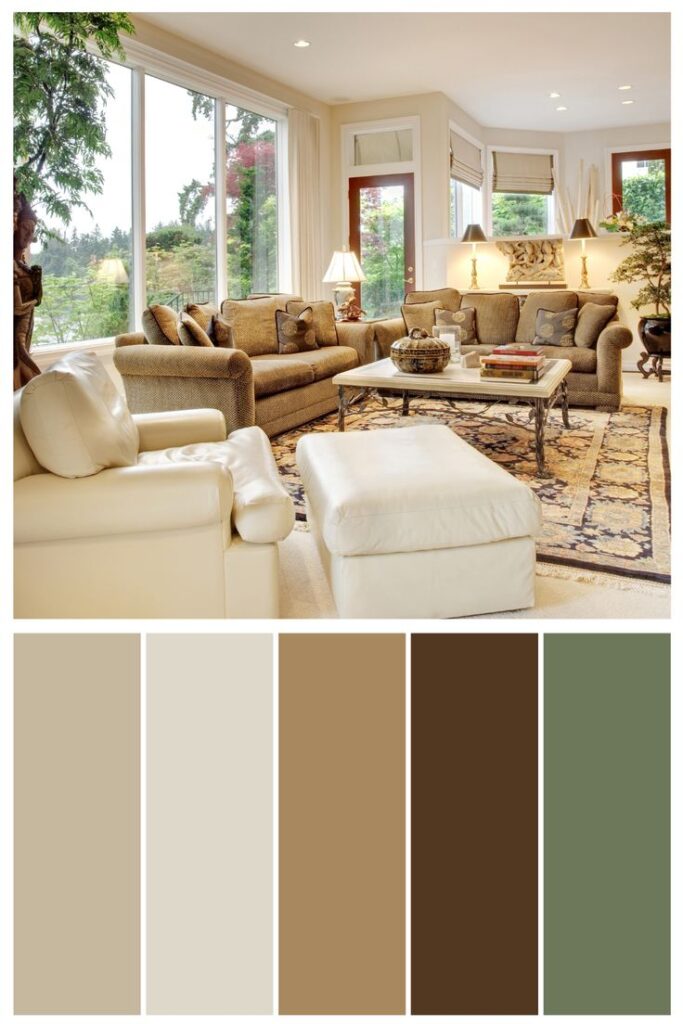
The foundation of earthy cottage home decor relies on a carefully selected palette that mirrors the natural world. Your color choices should balance warmth with tranquility, drawing from soil, stone, wood, and foliage to create spaces that feel both grounded and inviting.
Earthy tones form the backbone of your cottage palette, with warm browns like terracotta, rust, and clay establishing an immediate sense of coziness. These colors work best when layered with warm neutrals such as cream, beige, and honey tones that brighten spaces without losing their organic feel.
Your neutral palette should include shades like driftwood beige, warm taupe, and soft ivory. These colors create breathing room between deeper earth tones while maintaining visual cohesion throughout your home.
Consider the undertones carefully when selecting your base colors. Warm undertones with hints of red, gold, or orange generate intimacy in living areas and bedrooms. You can anchor a room with a single dominant natural tone like sandy beige, then build depth through accent pieces in deeper browns or terracotta.
Key neutral combinations:
Sage green brings essential vitality to your earthy palette without overwhelming the senses. This soft sage green works beautifully as a wall color, creating a calming backdrop that complements natural wood furniture and woven textiles.
Muted greens like olive, moss, and eucalyptus add botanical references throughout your space. Use these shades in upholstery, throw pillows, or curtains to connect indoor spaces with outdoor landscapes. Deep olive pairs exceptionally well with warm browns and cream, creating a sophisticated yet rustic combination.
Layer different green intensities within the same room for visual interest. Paint kitchen cabinets in sage while adding deeper olive accents through dish towels or pottery. This approach maintains color harmony while preventing monotony.
Dusty rose introduces subtle warmth and femininity without disrupting the natural aesthetic. This muted pink shade appears sophisticated when used sparingly in textiles like throw blankets, cushions, or vintage-inspired floral arrangements.
Soft pastels including dusty lavender, pale peach, and powdered blue serve as gentle accent colors that lighten the overall palette. These shades work best in small doses through decorative accessories, artwork, or ceramic pieces rather than large furniture or wall colors.
Blend pastels with your earth tones by choosing versions with gray or brown undertones. A dusty rose with taupe undertones integrates seamlessly with terracotta and cream, while pale sage-tinted blue complements deeper green and brown combinations. Use these softer hues to add dimension and prevent your space from feeling too heavy or dark.
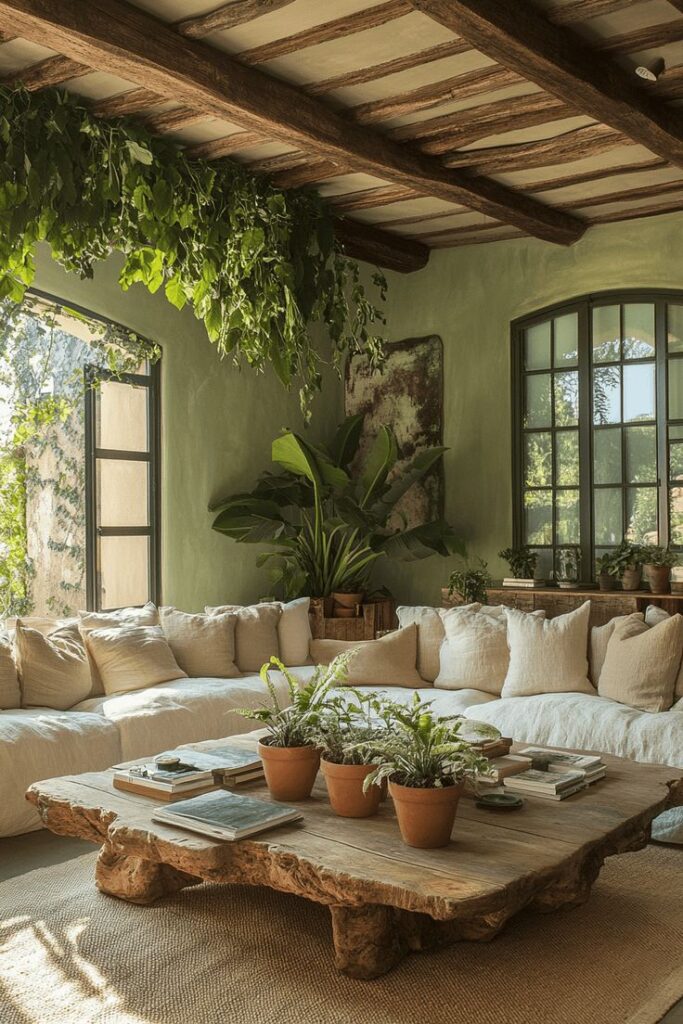
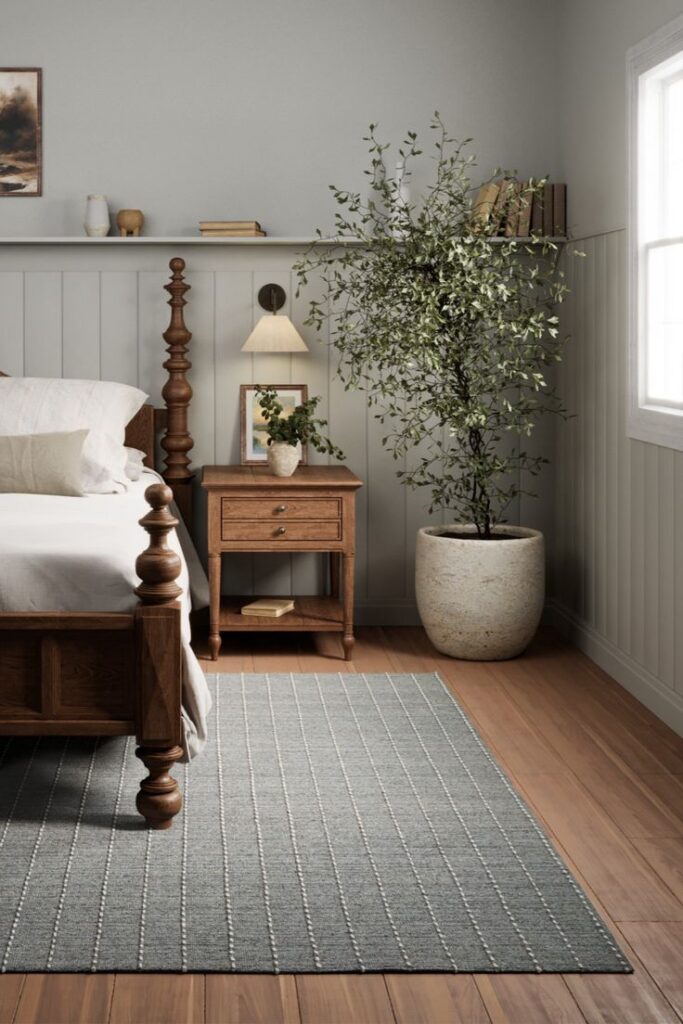
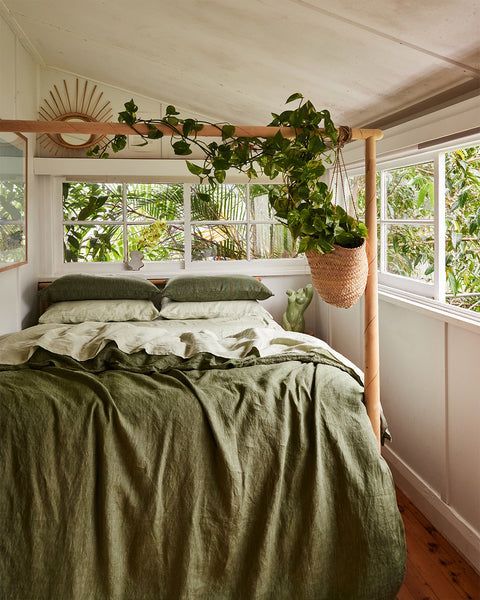
Natural materials and organic textures form the foundation of earthy cottage decor by bringing warmth and authenticity into your space. Wood, stone, and natural fibers create layers of comfort that make a home feel grounded and inviting.
Wooden furniture anchors your cottage aesthetic with character and timeless appeal. Reclaimed wood pieces carry history in their weathered surfaces and imperfections, making each item unique. These materials add depth that new furniture simply cannot replicate.
Look for oak furniture with visible grain patterns that showcase the wood’s natural beauty. A reclaimed wood dining table or coffee table becomes an instant focal point. Wooden accents like floating shelves, picture frames, or side tables extend the earthy feel throughout your rooms.
Natural wood furniture works across different spaces. A weathered wood bench in your entryway provides both function and rustic charm. Bedside tables crafted from solid wood add warmth to bedrooms. Mix lighter and darker wood tones to create visual interest without overwhelming your space.
A stone fireplace serves as the heart of cottage living spaces, radiating both literal and visual warmth. Natural stone brings an element of permanence and raw beauty that connects your interior to the landscape outside. The irregular surfaces and varied colors in stone create organic patterns that draw the eye.
If you don’t have a stone fireplace, incorporate natural stone through smaller accents. Stone planters hold greenery while adding texture to shelves and windowsills. River rocks in glass vases or stone coasters on wooden tables introduce subtle earthy touches. Consider a stone accent wall behind your bed or in a bathroom to make a bold statement.
Natural stone works particularly well in kitchens and bathrooms where its durability meets aesthetic appeal. Stone countertops or backsplashes blend seamlessly with wooden cabinetry.
Layering natural textiles adds softness and dimension to hard surfaces in your cottage home. Linen curtains filter sunlight beautifully while maintaining an airy, relaxed look. Linen bedding in neutral tones creates an inviting retreat that breathes well and improves with age.
Jute rugs ground your seating areas with their nubby texture and warm beige tones. A large jute rug under your dining table or layered beneath a smaller patterned rug adds depth. These natural fiber rugs are durable enough for high-traffic areas while maintaining that organic cottage feel.
Layer throw blankets in various organic textures across sofas and chairs. Cotton waffle weaves, chunky knits, and linen throws in earth tones invite you to curl up and relax. Mix pillows in different natural fabrics to create cozy corners.
Rattan and wicker introduce curved, organic shapes that soften angular furniture lines. A rattan headboard transforms your bedroom into a coastal cottage retreat. Rattan lamps cast warm, dappled light through their woven patterns, creating ambiance in any room.
Wicker baskets serve double duty as storage and decor. Use them to corral throws, store firewood, or organize pantry items. Stack different sizes on open shelving or tuck them under console tables. Their woven texture adds visual interest even when they’re simply sitting empty.
Woven baskets made from seagrass, water hyacinth, or willow bring variety to your storage solutions. Hang flat woven wall baskets as art pieces or use handled baskets for market-style storage in your kitchen. These natural materials age gracefully, developing richer tones over time.
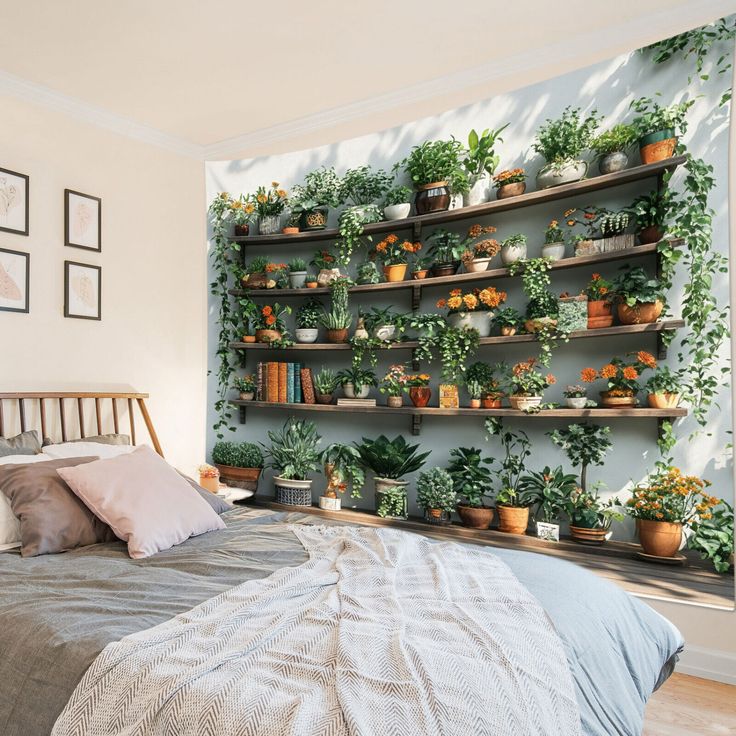
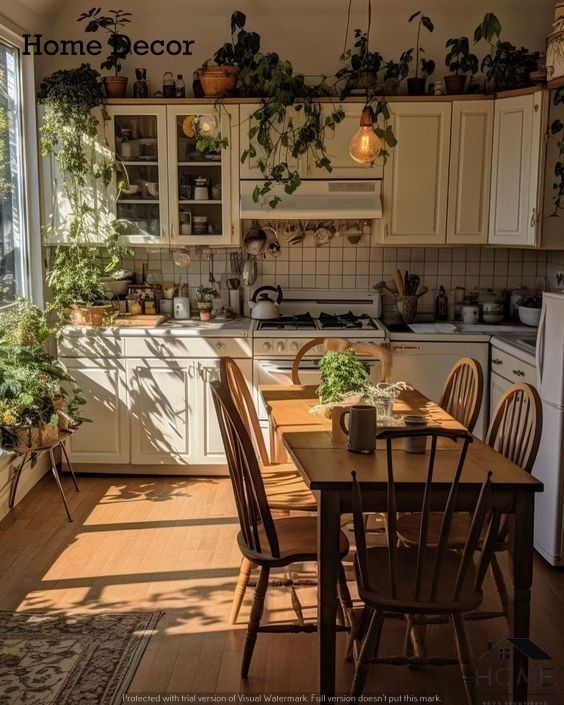
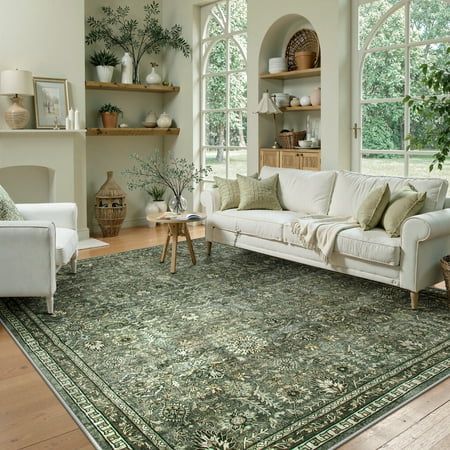
Creating inviting cottage spaces relies on soft fabrics, gentle illumination, and thoughtfully arranged layers that add warmth and visual interest. These elements work together to establish rooms that feel both nurturing and naturally beautiful.
Linen curtains bring an effortless elegance to cottage windows while filtering natural light in the most flattering way. The fabric’s natural texture and slight transparency create a soft glow throughout the day without blocking your connection to the outdoors.
Choose curtains in neutral tones like cream, oatmeal, or soft gray to complement your earthy palette. The slightly wrinkled appearance of linen adds authentic character rather than looking unkempt.
Pair your window treatments with multiple light sources at different heights. Candles placed on windowsills, mantels, and side tables create flickering warmth during evening hours. Table lamps with fabric shades diffuse light gently, while wall sconces add ambient illumination without harsh overhead glare.
Consider using dimmer switches to adjust brightness based on the time of day and mood you want to create.
Throw pillows transform a simple linen sofa into a comfortable gathering spot when arranged in varying sizes and textures. Start with larger pillows in the back, then layer medium and smaller sizes in front.
Floral cushions bring botanical elements indoors while adding subtle color accents. Mix these with patterned cushions featuring stripes, checks, or geometric prints in muted earth tones. Aim for an odd number of pillows (typically three to five per seating area) to create balanced asymmetry.
Choose natural fill materials like down or cotton for pillows that maintain their shape while remaining soft. Remove a few pillows when you need seating space, keeping them in a nearby basket for easy access and storage.
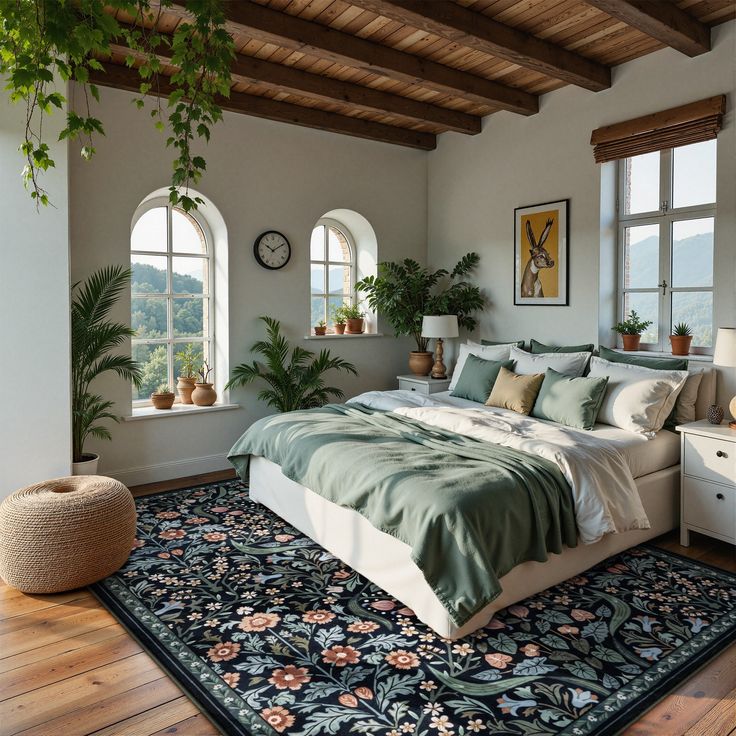
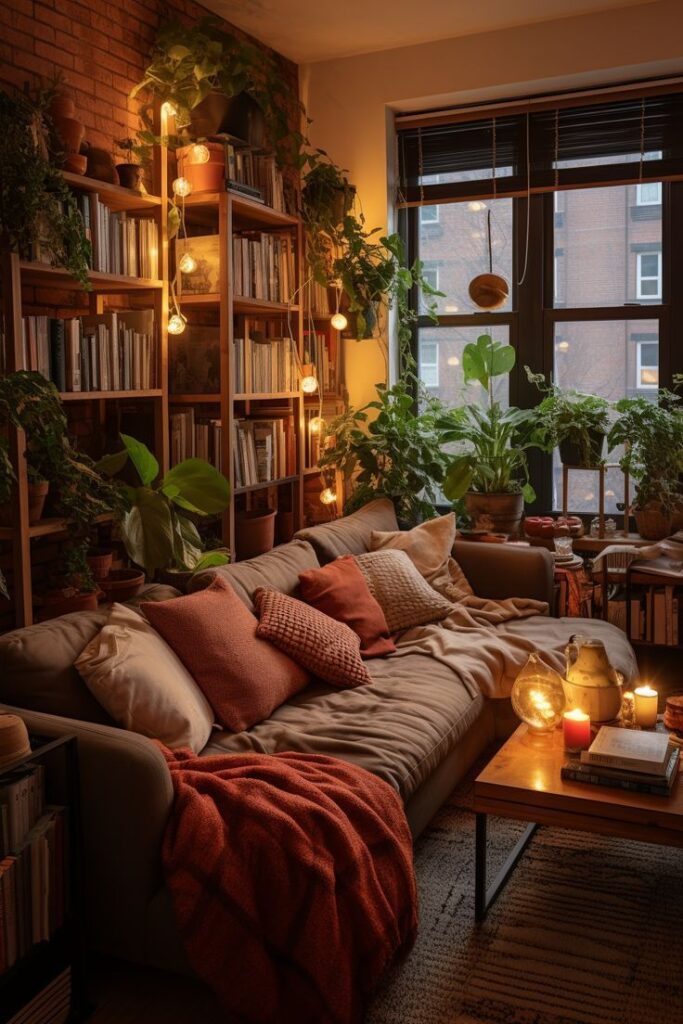
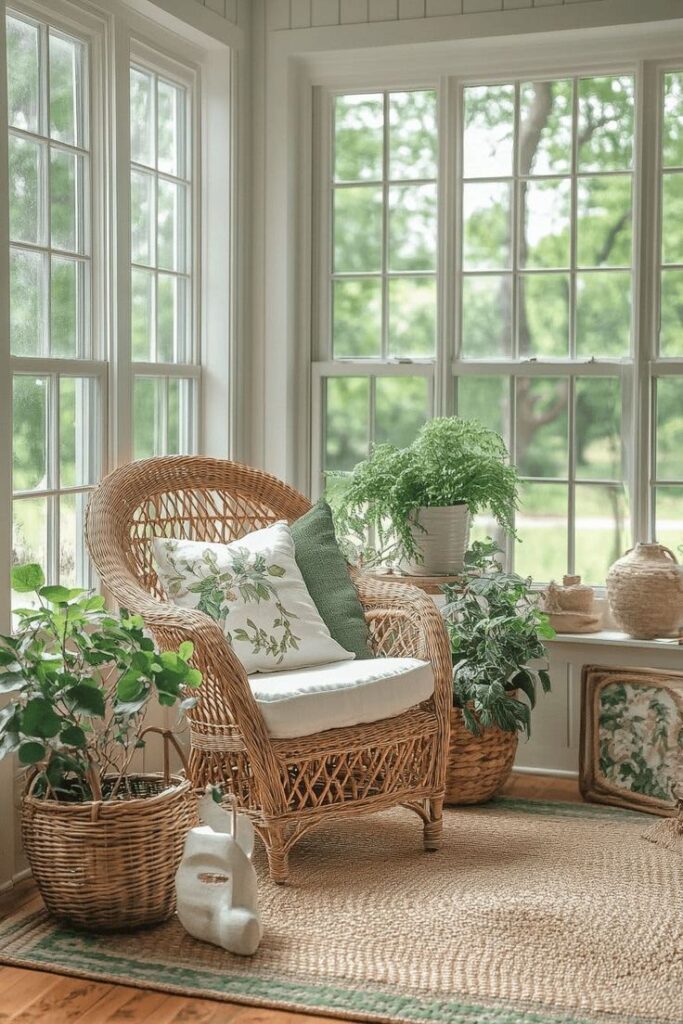
Vintage furniture pieces and handmade pottery bring authentic character to earthy cottage spaces, while antique mirrors and curated art displays add visual depth and personal history to your walls.
Thrift stores and flea markets are ideal places to find vintage furniture that brings instant character to your cottage home. A vintage armchair upholstered in worn leather or vintage floral fabrics becomes a focal point in your living room while offering comfortable seating.
Look for solid wood pieces with natural patina rather than refinishing them completely. Scratches and age marks tell a story and enhance the earthy aesthetic you’re creating.
Key vintage pieces to consider:
Vintage floral fabric appears on cushions, curtains, and upholstered furniture to soften wooden elements. Mix different patterns in similar color tones to avoid overwhelming your space. Layer vintage textiles like handmade quilts over sofas and beds for warmth and texture that machine-made items cannot replicate.
Handmade pottery and handmade ceramics introduce organic shapes and earthy textures throughout your cottage. Stoneware pottery in neutral tones sits beautifully on open shelving, kitchen counters, and dining tables.
Clay pots work as planters for herbs in your kitchen or succulents on windowsills. Clay vases in varying heights display fresh-cut flowers and dried botanicals on mantels and side tables. The natural imperfections in handmade pieces add authenticity that mass-produced items lack.
Stock your kitchen with ceramic mugs in warm glazes for your morning coffee. Each handmade piece feels slightly different in your hands, making daily rituals more intentional. Group pottery by color or size on floating shelves to create visual interest without clutter.
An antique mirror with a weathered frame expands your space while reflecting natural light throughout the room. Position mirrors opposite windows to maximize brightness and create the illusion of larger rooms.
Create a gallery wall using mismatched vintage frames in wood and metal finishes. Include botanical prints, landscape paintings, and black-and-white photographs that connect to nature themes. Vary frame sizes and arrange them asymmetrically for an organic, collected-over-time appearance.
Lean larger antique mirrors against walls rather than hanging them for a casual, lived-in feel. This approach works particularly well in bedrooms and entryways where you want to add dimension without drilling multiple holes.
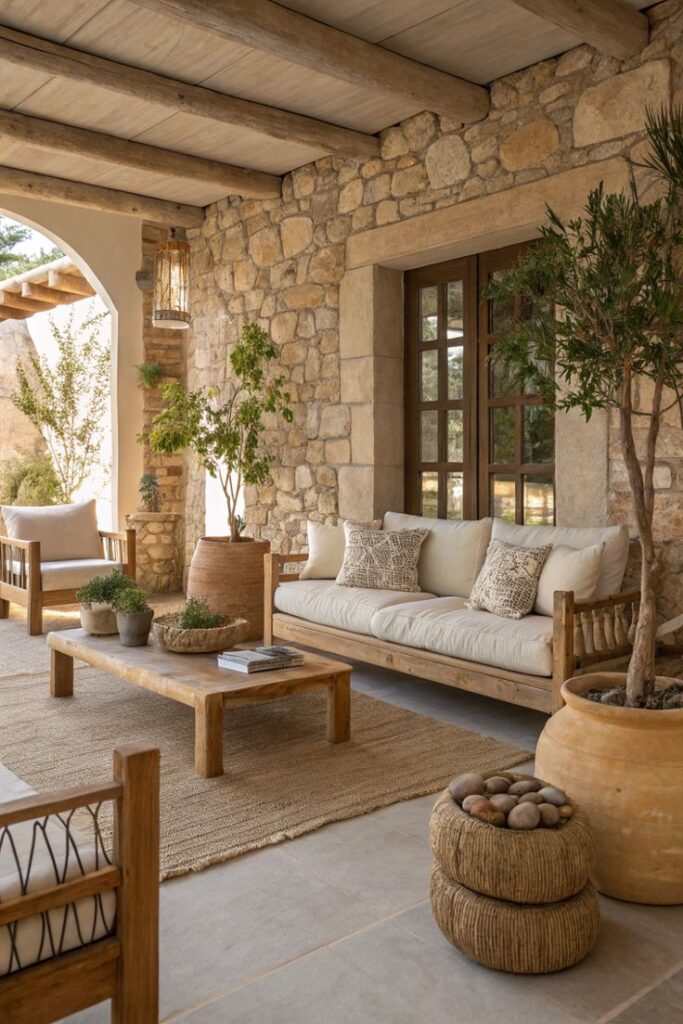
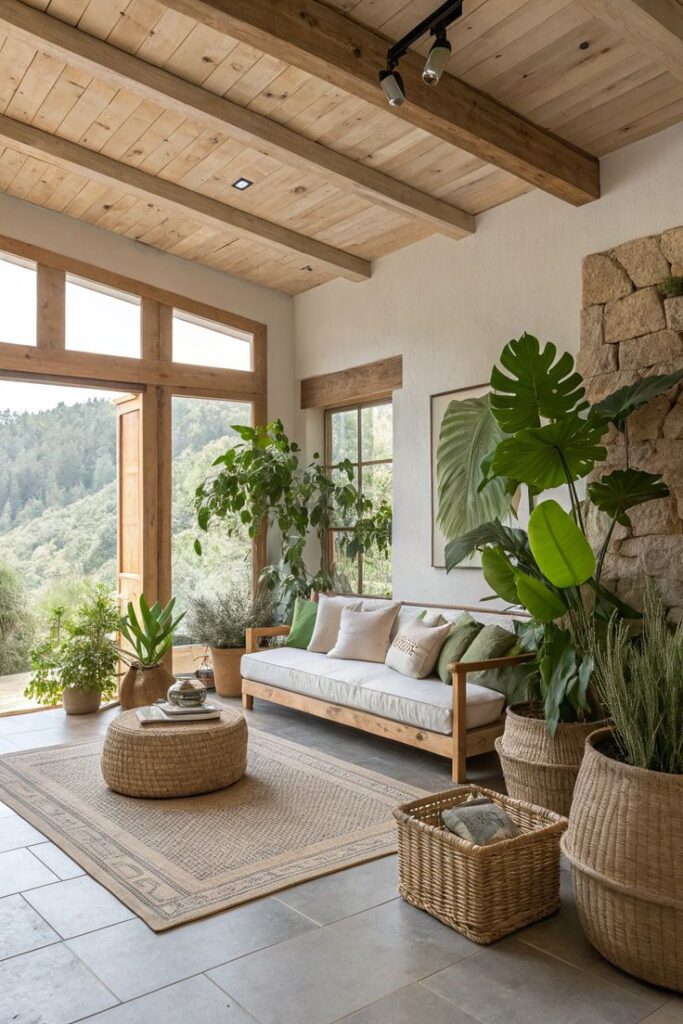
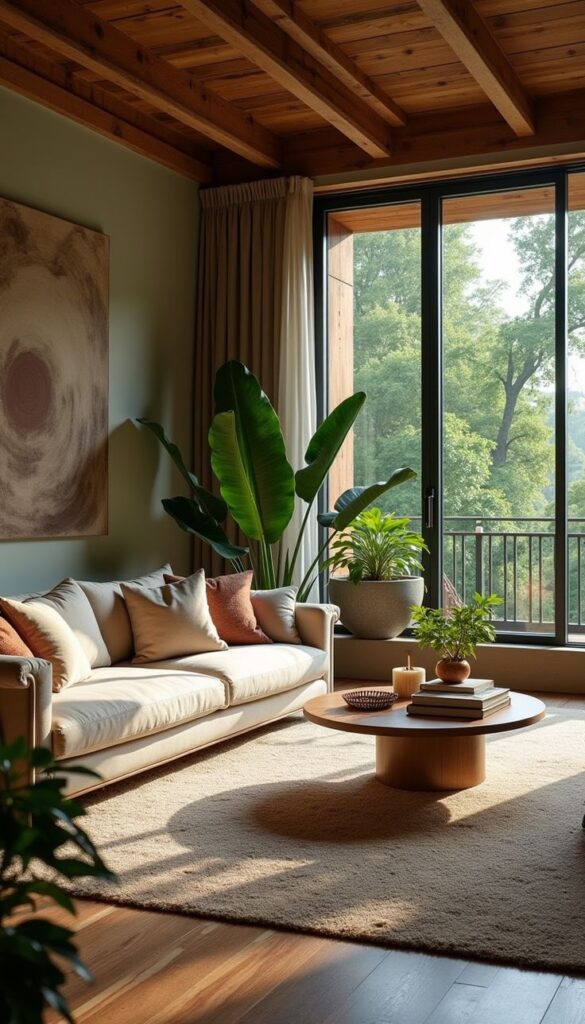
Nature-inspired elements create an authentic cottage atmosphere through botanical artwork, living greenery, and rustic display pieces that connect your interior to the natural world outside.
Botanical prints bring garden beauty to your walls year-round. Vintage botanical prints with their detailed plant illustrations and aged paper backgrounds work especially well in earthy cottage spaces. You can frame pressed flowers from your own garden or purchase reproduction prints that feature herbs, wildflowers, or vegetables.
Mix different sizes and frame styles for a collected-over-time look. Wooden frames in natural oak or walnut complement the earthy aesthetic better than modern metal options. Group botanical art in odd numbers on a single wall, or scatter individual pieces throughout your home.
Botanical art doesn’t need to be expensive or formal. Simple line drawings of ferns, mushrooms, or seed pods in black ink on cream paper create striking focal points. You can also display botanical illustrations in clipboards or lean them casually on mantels and shelves for a relaxed cottage vibe.
Indoor plants transform rooms into living spaces that breathe. Pothos, snake plants, and spider plants thrive in various light conditions and require minimal care. Place larger plants like fiddle leaf figs or rubber trees in corners to soften architectural lines.
Fresh flowers from the garden or local market add color and seasonal charm. Wildflower bouquets in mismatched glass jars feel more cottage-appropriate than formal arrangements. Change your flowers weekly to keep spaces feeling fresh and connected to the current season.
Layer plants at different heights using plant stands, hanging macramé holders, or wall-mounted planters. Group three to five plants together to create mini indoor gardens that make stronger visual statements than single specimens scattered around.
Dried herbs serve both decorative and functional purposes in cottage kitchens. Hang bundles of lavender, rosemary, or sage from open beams or display them in vintage crocks on countertops. The natural fragrance enhances your home’s atmosphere while keeping cooking herbs within reach.
Terracotta pots bring warmth through their natural clay color and rustic texture. Use them for both indoor and outdoor plants, or repurpose them as utensil holders, pen cups, or small storage containers. Their porous material ages beautifully, developing a weathered patina over time.
Stack different sized terracotta pots to create tiered displays, or line them along windowsills filled with herbs. The earthy orange-brown tones complement green plants while adding textural interest to neutral cottage palettes.
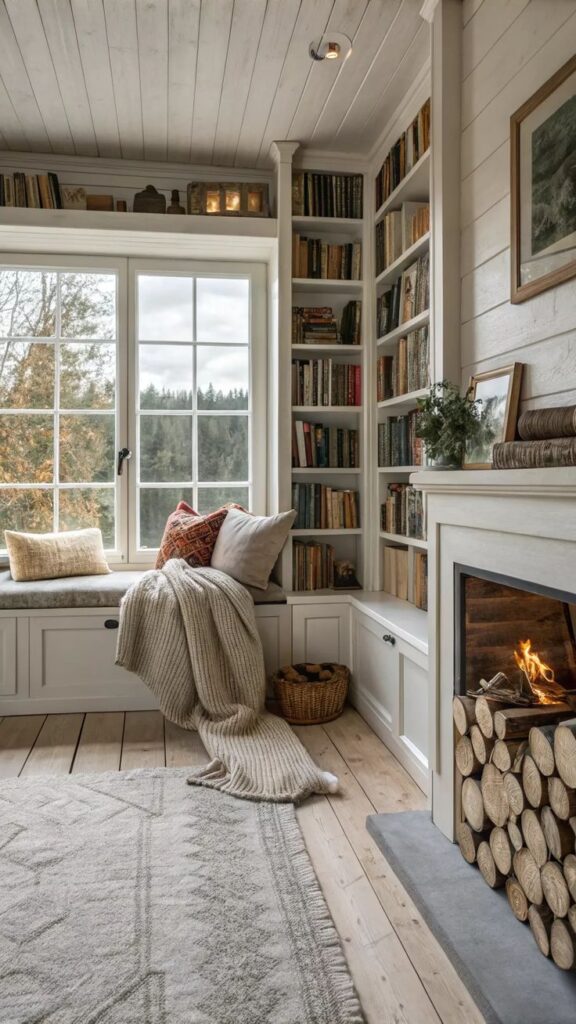
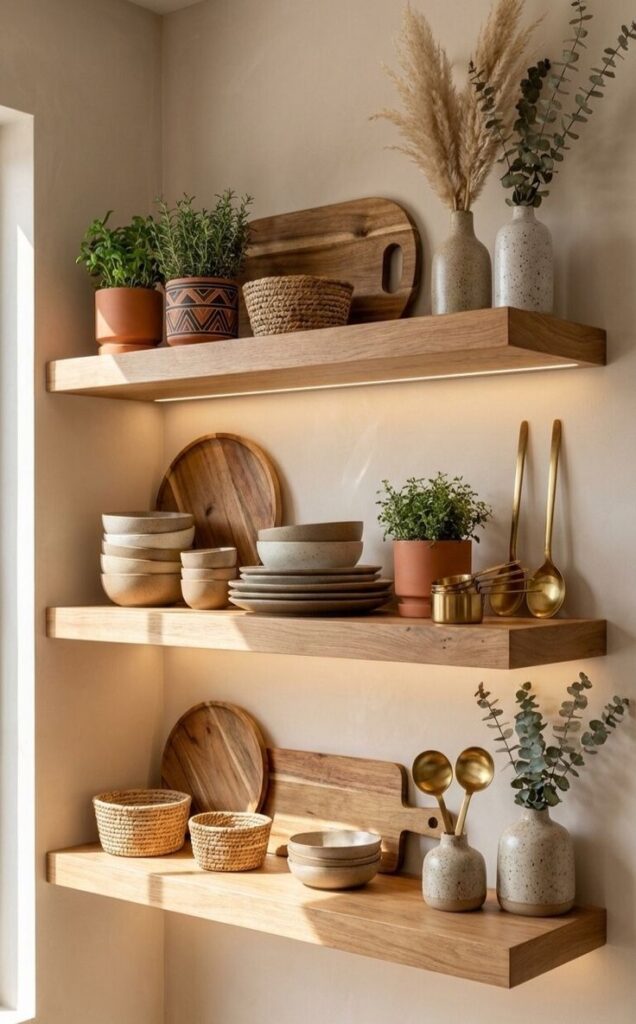
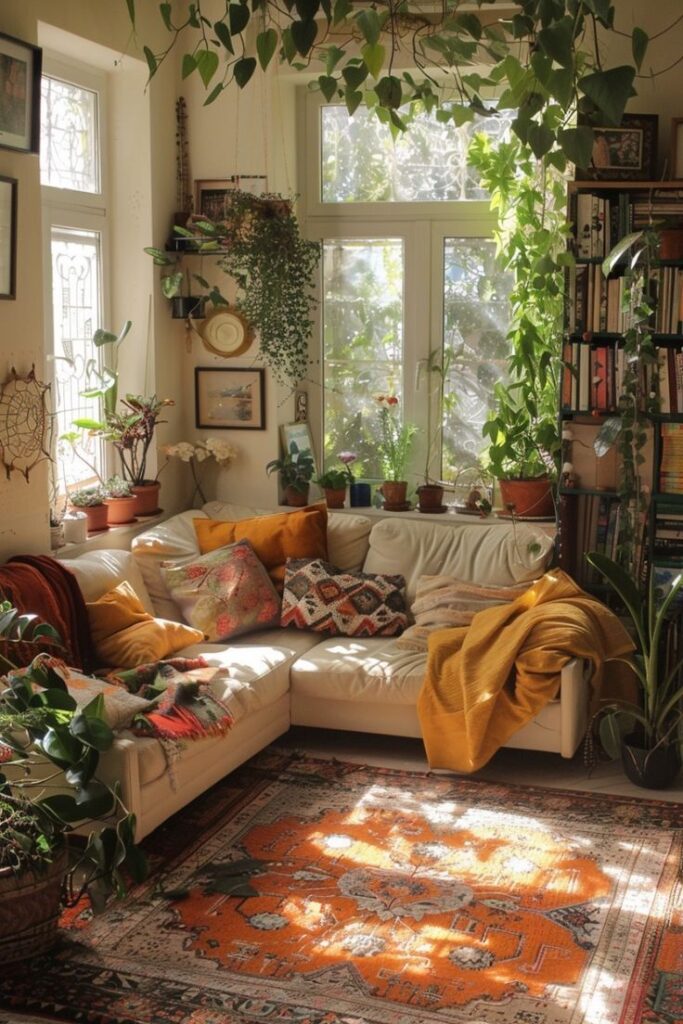
Open shelving displays your nature-inspired collections while keeping everyday items accessible. Floating wooden shelves or simple brackets with reclaimed wood planks fit the cottage aesthetic. Style shelves with a mix of functional pieces and decorative natural objects rather than overcrowding them.
Arrange items in groups of varying heights and textures. Place a small potted plant next to stacked earthenware bowls, then add a piece of driftwood or a bundle of wheat stalks. Leave some empty space so the display doesn’t feel cluttered.
Rotate seasonal elements on your shelves throughout the year. Spring branches with fresh buds, summer wildflowers in bottles, autumn pinecones, and winter evergreen sprigs keep your displays dynamic. This practical approach to decorating makes your shelves both beautiful and livable.
Earthy cottage home decor features neutral color schemes, visible wood grain and imperfections, handmade or vintage pieces, minimal synthetic materials, and a strong connection to outdoor landscapes.
Natural elements such as wood, stone, and plant life form the foundation of earthy cottage decor by adding warmth, texture, and authenticity, creating a space that feels grounded and aligned with nature.
An ideal palette includes warm browns like terracotta and rust, complemented by neutrals such as cream, beige, and honey, as well as greens like sage and muted olive to evoke a natural, calming environment.
You can add vintage furniture and decor from flea markets, choose handmade pottery and ceramics, and display antique mirrors and art to bring authentic character and convey a sense of history to your space.
Recommended materials include reclaimed wood, stone, linen, jute, rattan, and woven textiles, which create layers of warmth, texture, and organic appeal throughout your home.