
Discover 7 Amazing Dry Air in Winter Solutions to Revitalize Your Home & Health!

Cozy winter home decor: candles, fir branches, and festive setups create a warm, inviting atmosphere with snowy views.
Woman in striped pajamas holding a baking tray, reaching for open kitchen cabinet. Cozy home baking scene.
Cozy living room with a Christmas tree, white roses on a table, and a scenic window view of a winter landscape outside.

As the crisp air of winter descends, bringing with it cozy sweaters, twinkling lights, and festive cheer, it also ushers in a less welcome guest: dry air. That parched sensation in your throat, the irritating static shocks, itchy skin, and even persistent coughs are all tell-tale signs that your home’s humidity levels have plummeted. But don’t despair! You’re about to discover 7 amazing dry air in winter solutions that will not only combat these winter woes but also revitalize your home and health, making your indoor sanctuary a haven of comfort and well-being. Get ready to transform your living space into a perfectly balanced oasis, even when the thermometer outside is plummeting!
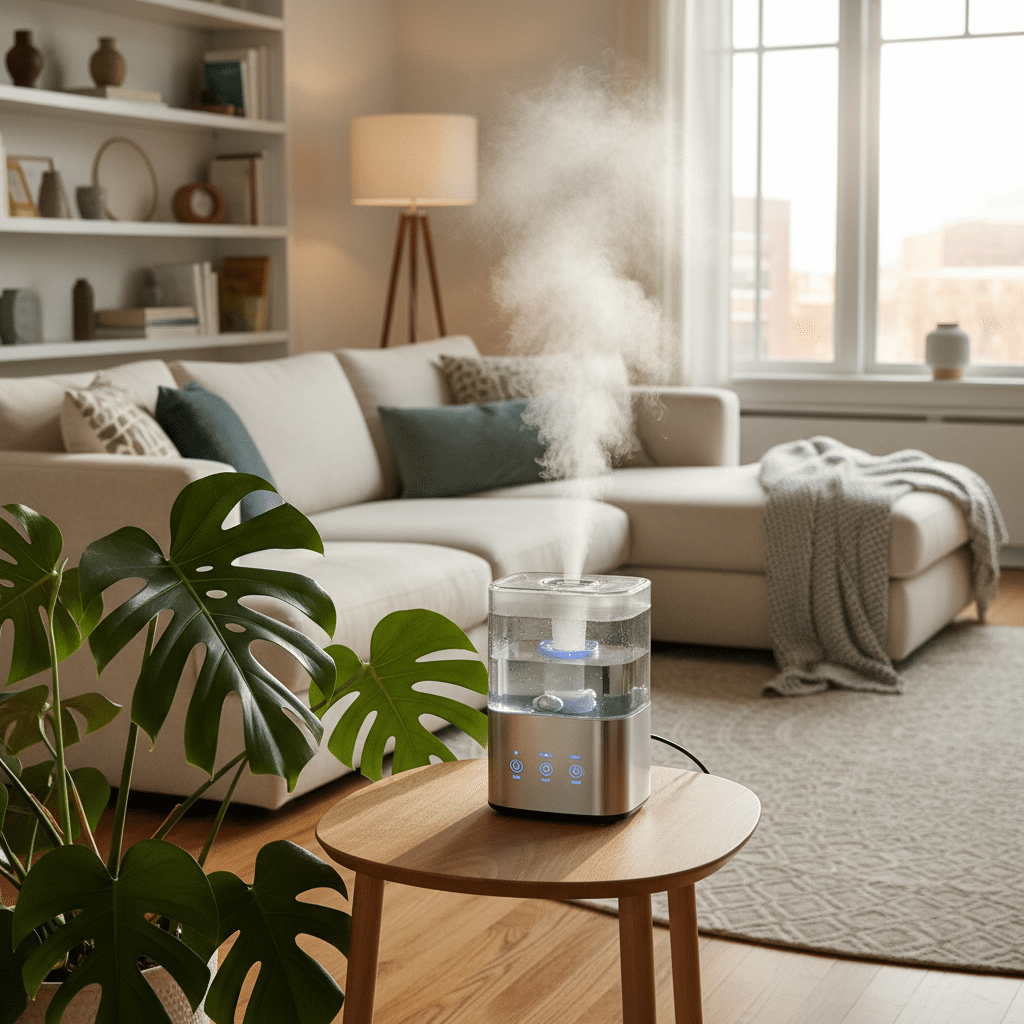
1. Embrace the Power of Humidifiers: Your MVP Against Dryness

Modern living room with a humidifier on a wooden table, emitting mist, next to a green plant, beige sofa, and soft lighting.

When it comes to battling dry winter air, humidifiers are often the first and most effective line of defense. These incredible devices add moisture back into the air, instantly elevating your comfort and addressing a myriad of dry air symptoms. Think of them as tiny, tireless moisture factories working overtime to keep you feeling fantastic!

Understanding Humidifier Types

Not all humidifiers are created equal, and choosing the right one for your needs can make all the difference.

  • Cool Mist Humidifiers: These are excellent for safety, especially around children and pets, as they don’t use a heating element. They often come in evaporative or ultrasonic varieties.
    • Evaporative humidifiers use a fan to blow air through a wet wick filter, which naturally evaporates water into the air. They’re typically quieter and self-regulating, as the air only absorbs as much moisture as it can hold.
    • Ultrasonic humidifiers use high-frequency vibrations to produce a fine, cool mist. They’re incredibly quiet and energy-efficient but can sometimes produce “white dust” if you use hard water.
  • Warm Mist Humidifiers: These boil water to create a soothing, sterile warm mist. Many people find the warm mist comforting, especially when dealing with cold or flu symptoms. However, the heating element makes them a bit more energy-intensive and requires caution around children due to the hot water.
  • Whole-House Humidifiers: For comprehensive coverage, a whole-house humidifier integrates directly into your home’s HVAC system, providing consistent humidity levels throughout every room. This is a significant investment but offers unparalleled convenience and effectiveness for larger homes.

Benefits Beyond Basic Comfort

The advantages of adequate indoor humidity go far beyond just feeling more comfortable.

  • Skin and Hair Health: Say goodbye to dry, flaky skin and brittle hair! Proper humidity helps your skin retain moisture, reducing itching and irritation, and keeps your hair looking lustrous.
  • Respiratory Relief: Dry air can irritate your nasal passages and throat, leading to congestion, sore throats, and exacerbated asthma or allergy symptoms. Humidifiers soothe these delicate membranes, making breathing easier.
  • Reduced Static Electricity: Ever get shocked touching a doorknob in winter? Low humidity is often the culprit. Bringing moisture back into the air drastically reduces static buildup.
  • Preserving Your Home: Dry air can also be detrimental to your home itself, causing wood furniture, floors, and even musical instruments to crack. Maintaining a healthy humidity level (ideally between 40-60%) helps protect these investments.
  • Improved Sleep Quality: Many find that a well-humidified bedroom leads to more restful sleep, free from dry throats and stuffy noses.

Remember to clean your humidifier regularly to prevent mold and bacteria growth, and use distilled water if your humidifier type is prone to white dust. This ensures you’re circulating clean, healthy moisture throughout your space. Consider exploring options for a DIY smart home setup to integrate smart humidifiers for ultimate control!


2. Cultivate a Lush Indoor Oasis with Humidity-Loving Plants

Cozy living room with Christmas tree, star lights, and large windows overlooking a snowy landscape, creating a festive ambiance.
White mug with red bow, held by a plaid sleeve, in front of a decorated Christmas tree with lights and red bows. Festive ambiance.
Snow with winter written, a basket of fruit and chocolates, and a wrapped evergreen branch. Cozy winter vibes.

Who knew that your green thumb could also be a secret weapon against dry air? Certain indoor plants are not just beautiful decor; they’re natural humidifiers, releasing moisture into the air through a process called transpiration. Plus, they bring a vibrant touch of nature indoors, which is a fantastic mood booster during the grey winter months.

Top Plant Picks for Humidity Boosts

Embrace the beauty and benefits of these botanical wonders:

  • Peace Lily: These elegant plants are renowned for their air-purifying qualities and their ability to release significant moisture. They thrive in indirect light and appreciate consistent watering.
  • Boston Fern: A classic humidity champion! Boston ferns love moisture and will visibly perk up a dry room. They do require regular misting and prefer a cooler environment.
  • Areca Palm: A stunning, larger plant that can make a substantial difference in a room’s humidity. Areca palms are also excellent at filtering toxins from the air.
  • Spider Plant: Easy to care for and incredibly effective at boosting humidity and purifying air. They’re also safe for pets, making them a popular choice.
  • Snake Plant (Sansevieria): While not as potent as some others, snake plants are incredibly resilient and still contribute to air moisture, especially in larger numbers. They’re perfect for beginners.

Maximizing Plant-Powered Humidification

To get the most out of your plant humidifiers, consider these tips:

  • Group Them Together: Plants release moisture collectively. Grouping several humidity-loving plants together creates a localized microclimate with higher humidity, beneficial for both the plants and your home.
  • Pebble Trays: Place your potted plants on shallow trays filled with pebbles and water. As the water evaporates, it adds humidity to the air directly around the plant, without leaving your plant’s roots sitting in water.
  • Misting: Regular misting of your plant’s leaves (especially ferns and palms) provides immediate hydration and helps them transpire more effectively.
  • Proper Watering: Ensure your plants are well-watered (but not overwatered) as they need a good supply of water to transpire effectively.

Incorporating these natural wonders is not just about combating dry air; it’s about embracing biophilic design and bringing the tranquility and vibrancy of nature into your home. It’s a win-win for aesthetics and well-being!

3. Harness the Power of Everyday Evaporation: Kitchen & Bathroom Hacks

Cozy kitchen with steaming pot on stove, fresh ingredients, and warm sunlight streaming through the window.

You’re already generating moisture in your home without even realizing it! By making a few mindful adjustments to your daily routines, you can strategically leverage these everyday activities to boost your indoor humidity levels, especially in specific areas like the kitchen and bathroom.

Kitchen Comfort: Cooking Your Way to Humidity

Your kitchen can be a surprising source of moisture, particularly during the colder months when you’re likely spending more time cooking warm meals.

  • Simmer Pots: This is a classic, aromatic way to add moisture. Fill a pot with water, add a few cinnamon sticks, orange peels, cloves, or other spices, and let it simmer gently on the stove. The evaporating water will not only humidify the air but also fill your home with delightful scents. Just remember to keep an eye on the water level!
  • Boil Water Regularly: Even boiling water for pasta, potatoes, or tea contributes to the ambient humidity. Instead of covering pots entirely, allow some steam to escape.
  • Leave Dishwasher Door Ajar: After a dishwashing cycle, leave the dishwasher door slightly open for a while. The residual steam and warmth will gently release moisture into your kitchen air.
  • Cook on the Stovetop: Oven cooking tends to dry out the air, but stovetop cooking, especially with uncovered pots, releases more steam. Embrace soups, stews, and pasta dishes!

Bathroom Bliss: Post-Shower Steam Power

Don’t let that precious shower steam go to waste!

  • Keep the Bathroom Door Open: After a hot shower or bath, instead of immediately opening the window or turning on the exhaust fan (which expels moisture), leave the bathroom door open for 15-20 minutes. The warm, humid air will drift into adjacent rooms, providing a temporary but noticeable boost.
  • Hang Wet Towels: Post-shower, hang your damp bath towels on a rack in your bedroom or living area. As they air dry, they’ll slowly release their moisture into the room. This simple trick works wonders!

These small, intentional changes during your daily routine can significantly contribute to better humidity levels without requiring any special equipment. It’s about working with your home’s natural processes.


4. Let Your Laundry Lend a Hand: Strategic Air-Drying

Cozy living room with a woman petting a dog by a window, snow-covered trees outside, warm interior decor, winter sunlight streaming in.
Cozy Scandinavian living room with Christmas tree, candles, and wood stove, creating a warm holiday atmosphere in a bright space.
Cozy winter patio with two chairs, coffee, pastries, and a snowy view. Perfect for relaxation and enjoying the season.

Who says doing laundry can’t be a solution to dry winter air? Air-drying your clothes indoors is not only an energy-efficient choice but also a fantastic way to naturally introduce moisture into your home. This simple, everyday task becomes a powerful tool in your humidity-boosting arsenal.

The Art of Indoor Laundry Drying

Instead of tossing everything into the dryer, consider these smart methods:

  • Drying Racks are Your Friends: Invest in a sturdy, collapsible drying rack. Set it up in a central living area, a spare bedroom, or even near a radiator (but not directly on it, which can scorch clothes). As your clothes dry, they release a significant amount of water vapor into the air.
  • Hang Laundry in Key Rooms: If you notice a particular room feels exceptionally dry, make it the temporary laundry room. Hanging clothes in your bedroom before bed, for example, can create a more comfortable sleeping environment.
  • Delicates and Hand-Washables: Many garments, like delicates, sweaters, or hand-wash items, benefit from air-drying anyway. This is a perfect opportunity to get the added humidity bonus.
  • Strategic Placement: Place drying racks in well-ventilated areas where the air can circulate, helping clothes dry evenly and preventing mustiness. Avoid cramming too many items onto one rack.

Benefits Beyond Humidity

Air-drying your laundry offers a plethora of advantages:

  • Energy Savings: This is a huge one! Clothes dryers are energy hogs. By air-drying, you’ll see a noticeable dip in your electricity bill, making it an environmentally friendly and budget-conscious choice.
  • Extended Clothing Life: The high heat of a dryer can be harsh on fabrics, leading to shrinkage, fading, and wear and tear. Air-drying is much gentler, helping your clothes last longer and look better.
  • Fresh Scents: There’s nothing quite like the fresh scent of line-dried laundry, even when it’s dried indoors. It brings a clean, invigorating aroma to your home.

Just be mindful not to overdo it in very small, poorly ventilated spaces, as excessive moisture in concentrated areas can lead to mold growth. A happy medium is key! For more seasonal home updates that prioritize comfort and style, check out seasonal decor updates.

5. Get Creative with Water Features and Decorative Displays

Stylish zen rock fountain on a wooden table, complemented by orchids, in a modern living room with garden view.

Who said humidification can’t be beautiful? Incorporating decorative water elements and creative displays is an elegant way to add moisture to your home while simultaneously enhancing its aesthetic appeal. These solutions work on the principle of simple evaporation, subtly enriching your indoor air.

Stylish Ways to Add Moisture

Turn humidification into an art form with these ideas:

  • Indoor Water Fountains: A small, tabletop water fountain isn’t just a serene addition; it’s a miniature humidifier! The gentle movement of water and its constant exposure to air facilitate evaporation, releasing moisture into the room. Plus, the soft trickling sound can be incredibly relaxing, perfect for creating a cozy, tranquil atmosphere.
  • Bowls of Water with Decorative Elements: This is perhaps the simplest and most customizable method.
    • Ornaments: Fill beautiful ceramic bowls, vases, or glass containers with water and place them strategically around your home. Add decorative stones, floating candles, or even fresh flower petals for a touch of visual appeal.
    • Essential Oils: A few drops of essential oils can transform these bowls into natural diffusers, infusing your space with delightful scents while they humidify. Consider comforting winter scents like cinnamon, pine, or frankincense.
    • Near Heat Sources: Placing these bowls near (but not directly on) radiators or heating vents will accelerate the evaporation process, boosting their effectiveness.
  • Wet Sponges or Towels on Radiators (with Caution): For a quick, temporary boost, you can place a wet sponge or a small damp towel on a warm radiator. Exercise caution here: ensure the material isn’t flammable and doesn’t completely block the heat. This method is effective but needs supervision.

Enhancing Your Home’s Ambiance

These methods offer more than just humidity:

  • Visual Appeal: Beautiful bowls, fountains, and natural elements can significantly enhance your home’s decor, adding points of interest and a sense of calm.
  • Aromatherapy: When combined with essential oils, these water features become dual-purpose, providing both humidity and a pleasant fragrance that can impact your mood and well-being.
  • Relaxation: The gentle sounds of a fountain or the visual tranquility of water can create a more peaceful and inviting environment.

Transforming your space into an autumn oasis with blankets and candles can also benefit from these moisture-adding elements, creating an even more pleasant sensory experience. Learn more about creating a cozy atmosphere with autumn coziness: blanket, candles, tranquility.


6. Prioritize Personal Hydration and Skincare: Nourishing from Within and Without

Woman in winter coat with bow admires festive Christmas decorations and lights outside a shop.
Festive bathroom decor with pine garland, candles, and towels. Cozy winter ambiance for a stylish holiday retreat.
Cozy cabin scene with a woman relaxing in an armchair, holding fruits, wrapped in a blanket, next to a window with warm lighting.

While external solutions focus on your home’s air, don’t forget the most important element: you! Your body is constantly interacting with the environment, and dry winter air can take a toll on your internal hydration and external barriers. Implementing a robust personal care regimen is a vital part of your dry air in winter solutions.

Hydrate, Hydrate, Hydrate!

It sounds simple, but it’s often overlooked.

  • Drink Plenty of Water: Your body needs water to function optimally, and dry air increases evaporative water loss from your skin and breath. Aim for consistent water intake throughout the day. Herbal teas and warm broths also count towards your daily fluid goals.
  • Limit Dehydrating Beverages: While coffee and alcohol can be enjoyable, they can also contribute to dehydration. Moderate their consumption, especially if you’re feeling particularly parched.
  • Moisture-Rich Foods: Incorporate foods with high water content into your diet, such as fruits (citrus, berries, melons), vegetables (cucumbers, celery, leafy greens), and soups.

Skincare Savvy for Winter

Your skin is your body’s largest organ and its first line of defense against the elements. Dry air strips away its natural oils, leading to discomfort.

  • Moisturize Religiously: Apply a rich, emollient moisturizer immediately after showering or washing your hands, while your skin is still damp. This “locks in” the moisture. Look for ingredients like hyaluronic acid, ceramides, shea butter, and glycerin.
  • Layer Up Your Skincare: Just as you layer clothes, consider layering your skincare. A hydrating serum followed by a thicker cream can provide superior protection.
  • Lip Balm is Your Best Friend: Chapped lips are a common dry air complaint. Keep a nourishing lip balm handy and apply it frequently.
  • Protect Your Hands: Your hands are constantly exposed and washed, making them prone to dryness. Use a protective hand cream, especially after washing, and consider wearing gloves for outdoor activities or when doing household chores.
  • Gentle Cleansing: Opt for gentle, hydrating cleansers instead of harsh, stripping soaps that can exacerbate dryness.
  • Cooler Showers: While a hot shower feels amazing in winter, excessively hot water can strip your skin of its natural oils. Opt for lukewarm showers and keep them brief.

Taking care of your skin and hair is crucial for overall comfort and health during the colder months. For a comprehensive guide to protecting yourself from the elements, refer to winter skin and hair care: protection from cold, dryness, and wind. It’s about nurturing yourself from the inside out!

7. Seal Up and Insulate: Keep the Good Air In!

Gloved hand closing window in cozy cabin with fireplace and snow-covered landscape outside, enhancing winter warmth and comfort.

You can generate all the wonderful humidity in the world, but if your home is a leaky sieve, that precious moisture will escape as quickly as you produce it. One of the most critical dry air in winter solutions involves ensuring your home is properly sealed and insulated. This not only keeps the dry outside air out but also traps the humidified, warm air inside, leading to greater comfort and energy efficiency.

Identifying and Sealing Drafts

Drafts are the silent saboteurs of indoor humidity. They allow dry, cold air to infiltrate your home and humidified air to escape.

  • Windows and Doors: These are prime culprits for drafts. Use caulk to seal cracks around window frames and weatherstripping around doors. A simple trick is to light a candle and hold it near potential draft points; if the flame flickers, you’ve found a leak! Door sweeps can also prevent cold air from seeping under exterior doors.
  • Electrical Outlets and Light Switches: Believe it or not, tiny gaps around these fixtures can allow air to leak. Foam gaskets are inexpensive and easy to install behind outlet and switch plates.
  • Attic Hatches and Chimneys: Ensure these areas are well-sealed and insulated. An unsealed attic hatch can be a huge source of heat and humidity loss.
  • Pipes and Vents: Check around pipes where they enter and exit your walls, and ensure exhaust fan vents are properly sealed when not in use.

The Role of Insulation

Good insulation is not just about keeping heat in; it also plays a significant role in maintaining stable humidity levels.

  • Walls, Attic, and Floors: Ensuring these areas are adequately insulated prevents rapid heat loss and gain, which indirectly helps stabilize indoor moisture. When your home’s envelope is strong, the humidity you generate through other methods stays put.
  • Professional Assessment: If you suspect significant insulation issues, consider having a home energy audit. Professionals can identify problem areas and recommend targeted solutions.

Benefits Beyond Humidity Retention

A well-sealed and insulated home offers a wealth of advantages:

  • Energy Efficiency: This is perhaps the most significant benefit. By preventing air leaks, your heating system doesn’t have to work as hard, leading to lower energy bills and a reduced carbon footprint.
  • Consistent Temperatures: Eliminating drafts means fewer cold spots and a more evenly heated home, enhancing overall comfort.
  • Reduced Noise: A tighter home can also help to muffle outside noise, contributing to a more peaceful indoor environment.
  • Improved Air Quality: By limiting air infiltration, you’re also reducing the entry of outdoor allergens, dust, and pollutants.

Investing time and effort into sealing and insulating your home is a foundational step for effective dry air management in winter. It’s an investment that pays dividends in comfort, health, and savings!

Conclusion

Winter’s embrace doesn’t have to mean a battle against dry, uncomfortable air. By thoughtfully integrating these seven amazing dry air in winter solutions into your home and routine, you can transform your environment into a warm, healthy, and wonderfully balanced haven. From the powerful precision of a humidifier to the subtle charm of a leafy plant, and from clever kitchen hacks to essential personal care, each solution plays a vital role in nurturing your well-being throughout the colder months.

Embrace these strategies not just as tasks, but as opportunities to enhance your living space and prioritize your health. You’ll soon notice the remarkable difference: softer skin, easier breathing, fewer static shocks, and an overall sense of enhanced comfort. Get ready to experience winter like never before – full of warmth, moisture, and vitality!

Ready to reclaim your comfort and health this winter? Start implementing these solutions today and feel the delightful difference in your home and your life!


Frequently Asked Questions

Cozy winter scene with slippers, hot chocolate, and Christmas tree decorations, perfect for holiday relaxation at home.
Cozy winter drive: a box of chocolate strawberries, coffee cup, and pine branches in a warm car interior with snowy views.

What are the immediate signs of dry air in a home during winter?

Immediate signs include dry, itchy skin, chapped lips, static electricity shocks, cracked wood furniture or flooring, persistent dry coughs, irritated nasal passages, and sometimes even increased susceptibility to colds due to dried mucous membranes.

How does dry air in winter affect my health?

Dry air can significantly impact health by dehydrating skin and mucous membranes, leading to skin irritation, cracked skin, chapped lips, nosebleeds, and exacerbated respiratory issues like asthma, bronchitis, and sore throats. It can also make you more vulnerable to viruses.

What is the ideal humidity level for a home in winter?

The ideal indoor humidity level in winter is typically between 40% and 60%. Maintaining this range helps prevent excessive dryness without encouraging mold or mildew growth, which can occur if humidity levels are too high.

Can indoor plants really help with dry air?

Yes, certain indoor plants contribute to indoor humidity through a process called transpiration, where they release water vapor from their leaves into the air. While they won’t replace a humidifier in extremely dry conditions, they offer a natural, aesthetic boost to localized humidity.

Are there any simple, cost-free ways to add moisture to my home?

Absolutely! Simple methods include leaving the bathroom door open after a shower to let steam escape, air-drying laundry indoors on a rack, simmering a pot of water on the stove (perhaps with essential oils for scent), and placing bowls of water around rooms, especially near heat sources.

How often should I clean my humidifier?

It’s crucial to clean your humidifier regularly to prevent the growth of mold, bacteria, or mineral buildup. Most manufacturers recommend cleaning your humidifier every 1-3 days if used daily, and thoroughly disinfecting it weekly or bi-weekly according to the specific model’s instructions.

Besides humidifiers, what’s one crucial step to maintain moisture in my home?

Sealing drafts and ensuring proper home insulation is a crucial step. It prevents the dry, cold outdoor air from entering your home and, just as importantly, stops the humidified, warm air you generate from escaping, thus making all other humidification efforts more effective and energy-efficient.


author avatar
Arina Editor
I'm Arina, writer with a passion for art, teaching, technology, and science. I create engaging blogs and articles, making complex ideas easy and interesting to explore. 01 - December
Previous Article

Your Ultimate Guide to 10 Home Winter Essentials

Next Article

Discover the 10 Most Delicious Homemade Winter Snacks

Write a Comment

Leave a Comment

Your email address will not be published. Required fields are marked *


Handy Home
Discover Handy Home, your ultimate destination for creative home decor ideas, beauty tips, and fun DIY projects