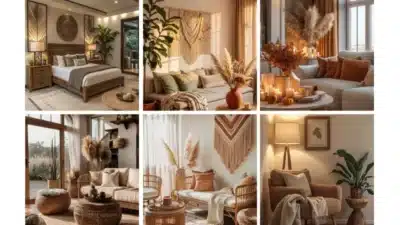
Boho Decor Ideas to Transform Your Home Into a Cozy Retreat
Facebook Twitter Pinterest Boho decor brings together natural textures, layered patterns, and eclectic pieces to create spaces that feel warm,…


Your living room isn’t just a space; it’s the pulsating heart of your home! It’s where memories are made, stories are shared, and tranquility is found after a long day. But an uninspired or inefficient layout can quickly turn this potential haven into a source of frustration. Imagine stepping into a room that feels instantly welcoming, effortlessly functional, and utterly ‘you.’ That’s the magic a thoughtful living room layout can weave! This isn’t just about pushing furniture around; it’s about understanding flow, purpose, and how every element contributes to the overall feeling of your space. Get ready to unleash your home’s true potential as we dive deep into amazing living room layout ideas that will transform your everyday living into an extraordinary experience.
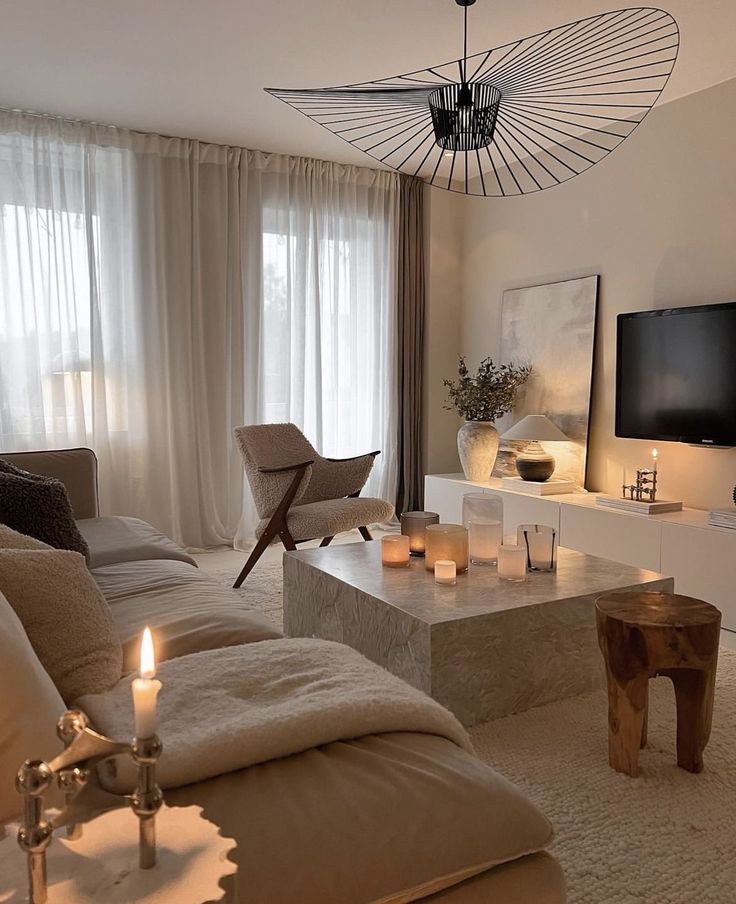
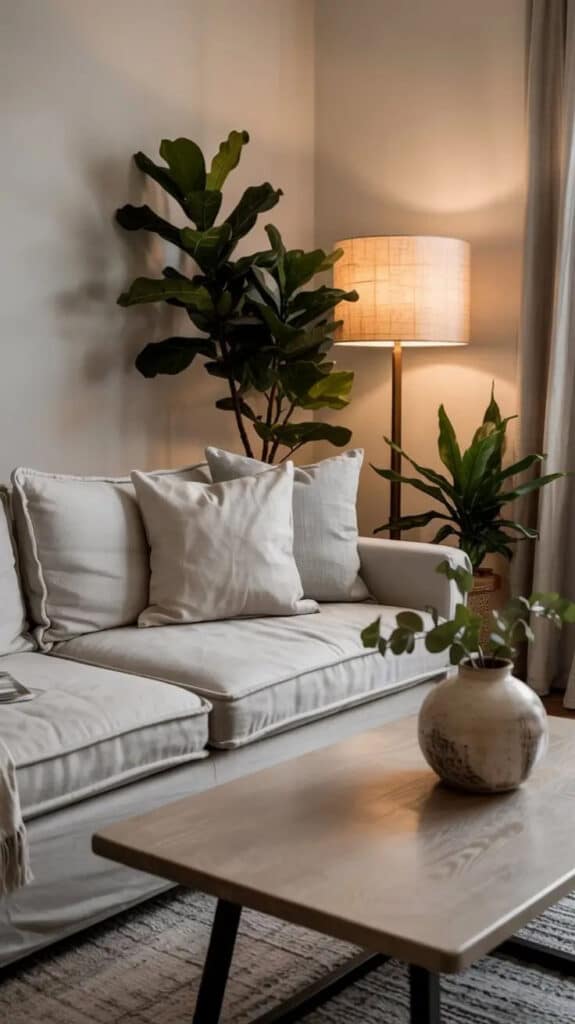
Before you even think about moving a single piece of furniture, it’s crucial to understand the foundational elements of your living room. Think of it as mapping your canvas before you begin to paint your masterpiece. Every room presents unique opportunities and challenges, and acknowledging them is the first step toward a brilliant design.
The size and shape of your living room are paramount. Is it a sprawling open-concept area, a long and narrow space, or a cozy, compact nook? Each geometry demands a different approach. For instance, a small room benefits immensely from strategic furniture placement that maximizes floor space and light, whereas a larger room might need distinct zones to prevent it from feeling cavernous and impersonal. Measuring your room accurately is a non-negotiable step; grab a tape measure and note down all dimensions.
Next, consider the fixed architectural features. Windows are not just for light; they dictate where large furniture pieces like sofas can’t go without blocking natural illumination or views. Fireplaces often serve as natural focal points, around which conversations naturally gather. Built-in shelving, radiators, and even the direction of door swings all influence the most logical placement of your furniture. Understanding these constraints early on will save you countless hours of rearranging.
Don’s forget the traffic flow – this is absolutely critical for functionality. Observe how people naturally move through the room. Are there direct pathways to other rooms, or is your living room a thoroughfare? An ideal layout ensures clear walkways, typically 30-36 inches wide, preventing obstacles and maintaining a smooth, unhindered flow of movement. This seemingly small detail makes a world of difference in how comfortable and practical your living room feels on a daily basis.
Every living room has a story to tell, a primary function it’s meant to fulfill. What is the dominant narrative of your living room? Identifying its core purpose is like setting the compass for your design journey; it guides every decision, from furniture selection to overall layout. Without a clear purpose, you risk creating a beautiful but ultimately dysfunctional space.
Is your living room primarily an entertainment hub? Perhaps you love hosting game nights, movie marathons, or lively social gatherings. In this scenario, your layout should prioritize comfortable seating for multiple guests, easy access to refreshments, and a clear view of the entertainment center. Consider multiple seating arrangements that encourage conversation, such as two sofas facing each other or several armchairs grouped around a central coffee table.
For others, the living room is a sanctuary of relaxation and quiet contemplation. If your ideal evening involves curling up with a good book, enjoying a cup of tea, or simply unwinding, then comfort and coziness become paramount. Soft lighting, plush seating, and perhaps a dedicated reading nook with a comfortable armchair and a small side table for your book and beverage would be ideal. Think about creating a serene environment that encourages calm.
Many modern homes feature open-concept designs where the living room often blends seamlessly with the kitchen or dining area. In such multi-functional spaces, the challenge is to define distinct zones without erecting physical barriers. This requires clever use of furniture and rugs to delineate areas for different activities – a conversation zone, a quiet reading corner, or even a compact workspace. A large area rug, for instance, can anchor the main seating arrangement, clearly marking it as the primary lounging area, while a smaller rug might define a separate, adjacent zone. This approach ensures each area serves its purpose without disrupting the overall flow of the larger space.
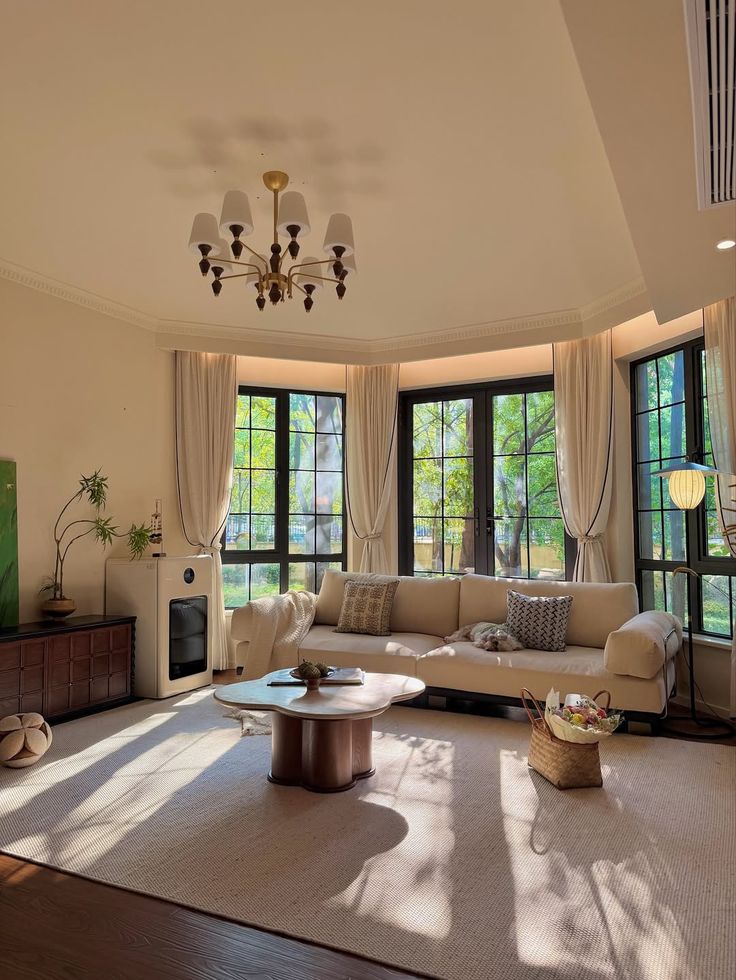
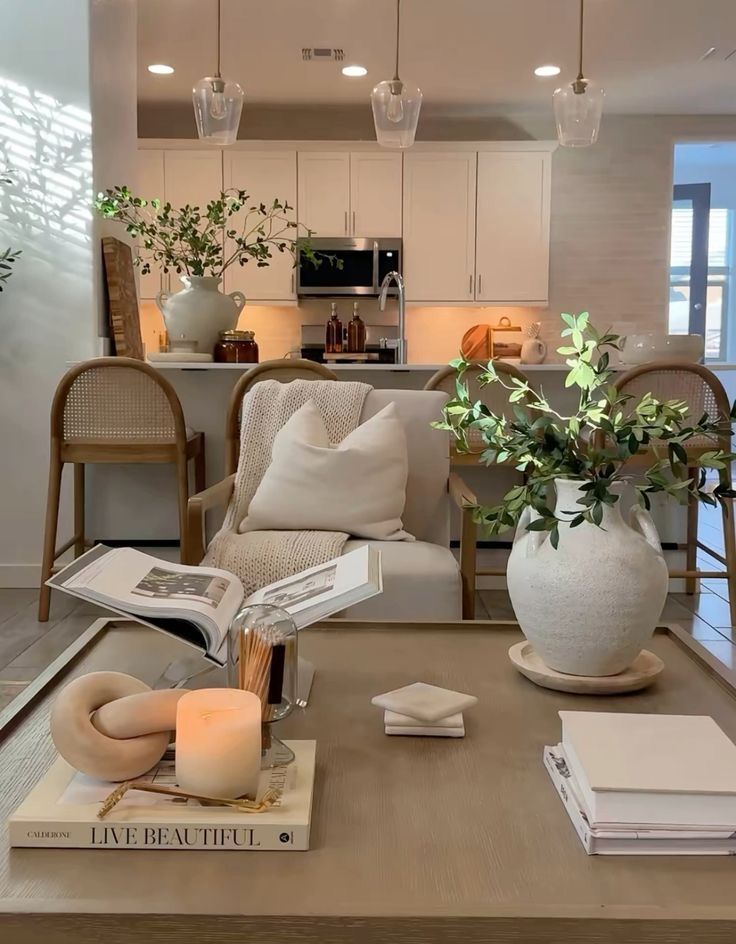
Once you understand your space and its purpose, it’s time for the exciting part: arranging your furniture! This is where the magic truly happens, transforming an empty room into a functional and inviting sanctuary. Each piece plays a role, and their interplay defines the entire experience.
The sofa is often the largest and most central piece of furniture in any living room, acting as the anchor for your layout. For a conversation-focused room, consider placing two sofas facing each other, or a sofa paired with two armchairs. This encourages eye contact and interaction. In a room designed around a television or fireplace, the sofa typically faces this focal point, with other seating arranged to complement it. Ensure there’s enough space – roughly 18-24 inches – between the sofa and the coffee table for comfortable movement and access.
Coffee tables and side tables are more than just functional surfaces; they’re essential companions to your seating. They should be easily accessible from all primary seating positions, allowing guests to set down drinks or pick up a book without stretching awkwardly. A general rule of thumb is for your coffee table to be no more than two-thirds the length of your sofa and roughly the same height as the sofa’s seat cushions. Side tables are perfect for creating intimate pockets of comfort, supporting lamps, or holding personal items.
When it comes to entertainment units, placement is key for optimal viewing and aesthetic balance. Avoid placing a TV where glare from windows will be an issue. The ideal viewing distance depends on the screen size, but generally, aim for a distance that allows comfortable viewing without strain. Integrating the unit seamlessly into your decor is crucial; consider custom built-ins for a polished look or choose a console that complements your room’s style. Remember, thoughtful placement ensures both comfort and visual harmony.

Open-concept living has undeniably captured the hearts of many homeowners, offering a sense of spaciousness and connectivity. However, the challenge lies in preventing these expansive areas from feeling undefined or chaotic. The secret? Cleverly creating distinct zones that serve different functions while maintaining a harmonious overall flow.
One of the most effective tools for defining zones is the area rug. A large, well-placed rug can instantly anchor a seating arrangement, visually carving out the living area from the rest of the open space. Think of it as a soft, textural boundary. Ensure the rug is large enough so that at least the front legs of all major furniture pieces (sofa, armchairs) rest upon it. This creates a cohesive and well-proportioned “room within a room.” For a dining zone within the same open space, a separate rug underneath the dining table and chairs further distinguishes that area.
Furniture placement is another powerful delineator. Use the back of a sofa or a console table placed behind it to act as a soft wall, separating the living room from, say, the dining area or kitchen. Bookshelves, particularly open-backed ones, can also serve as semi-transparent dividers, offering both storage and a subtle separation without completely blocking light or views. Think about how each piece guides the eye and subtly directs movement through the space.
Lighting also plays a pivotal role in creating ambiance and defining areas. Overhead pendants can highlight the dining table, while floor lamps and table lamps can illuminate specific seating arrangements in the living room, drawing attention to those zones. This layering of light not only enhances functionality but also adds depth and visual interest, making each zone feel special and distinct. By thoughtfully combining rugs, furniture, and lighting, you can transform a single vast space into a series of functional, inviting, and beautifully defined zones. For more innovative ways to style your home, check out these 5 Hottest Home Decor Trends to Transform Your Space in 2025.
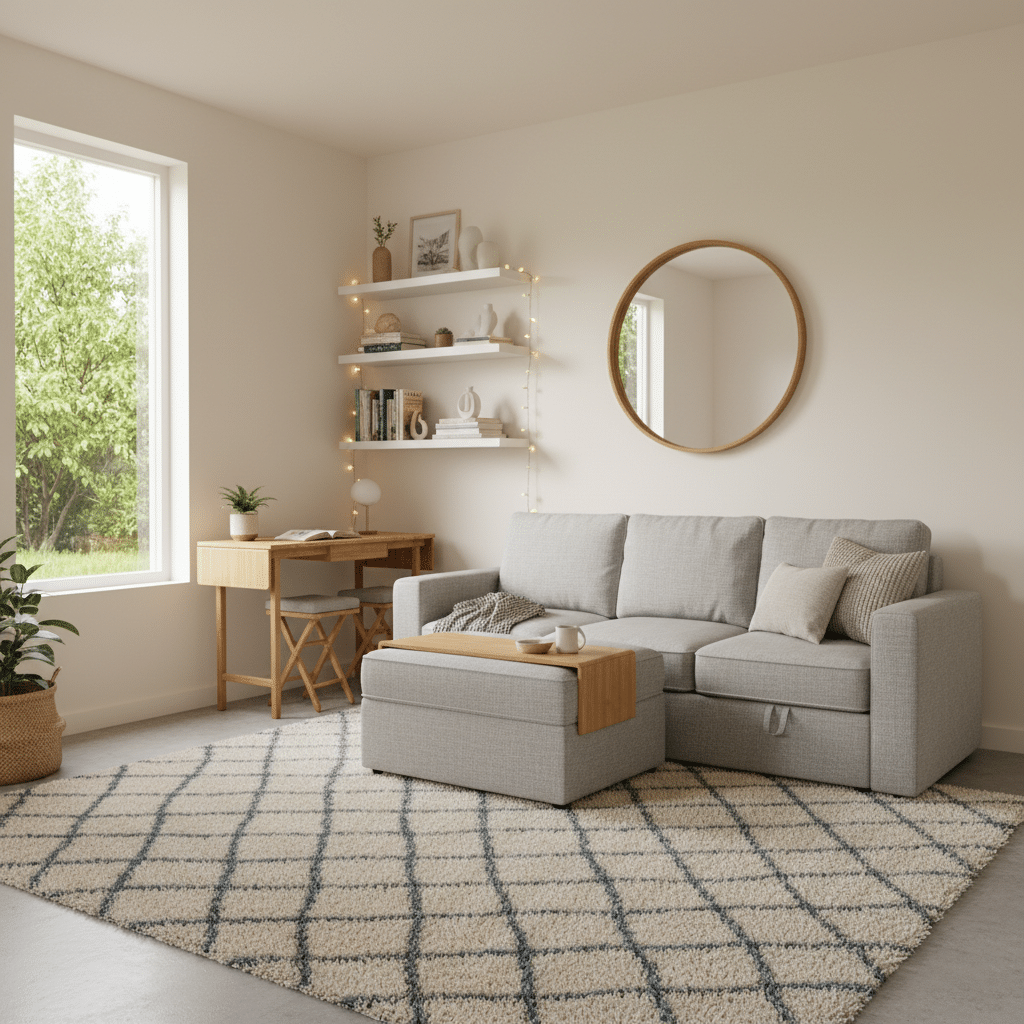
Even the most beautiful living rooms can present tricky layout challenges. From diminutive dimensions to unusual architecture, overcoming these hurdles requires a blend of creativity and strategic thinking. But fear not! With the right approach, even the most challenging living spaces can become stunning and functional.
Small living rooms are a common dilemma, but they offer immense potential for coziness and intimacy. The key is to think smart, not big. Opt for multi-functional furniture like ottomans with storage, nesting tables, or sofas with built-in recliners that save on extra chairs. Floating shelves can maximize vertical space, keeping the floor clear and open. Consider a loveseat or a smaller sectional rather than a sprawling sofa. Mirrors are a classic trick for small spaces, reflecting light and creating the illusion of more depth and openness. Remember, every inch counts, so choose pieces that are proportionate to your room’s scale. For more genius tips, explore Small Space Decorating Hacks.
Awkwardly shaped rooms – think L-shaped, unusually long and narrow, or rooms with numerous doorways – require a flexible approach. For L-shaped rooms, use the “L” to define two distinct zones, perhaps a main seating area and a smaller reading nook or desk space. For long, narrow rooms, avoid pushing all furniture against the walls, which can make it feel like a hallway. Instead, pull seating away from the walls and consider creating two smaller seating arrangements to break up the length. Round or oval coffee tables can soften sharp angles and improve flow in irregular spaces.
Lack of natural light can make a living room feel dim and uninviting. Combat this by using light-colored paint on walls, opting for sheer curtains or blinds, and strategically placing mirrors opposite windows to amplify light. Layering artificial light is crucial: combine ambient overhead lighting with task lighting (like reading lamps) and accent lighting (to highlight art or architectural features). Incorporating reflective surfaces, such as glass-top coffee tables or metallic accents, can also bounce light around the room, making it feel brighter and more expansive. Don’t underestimate the power of thoughtful lighting design!

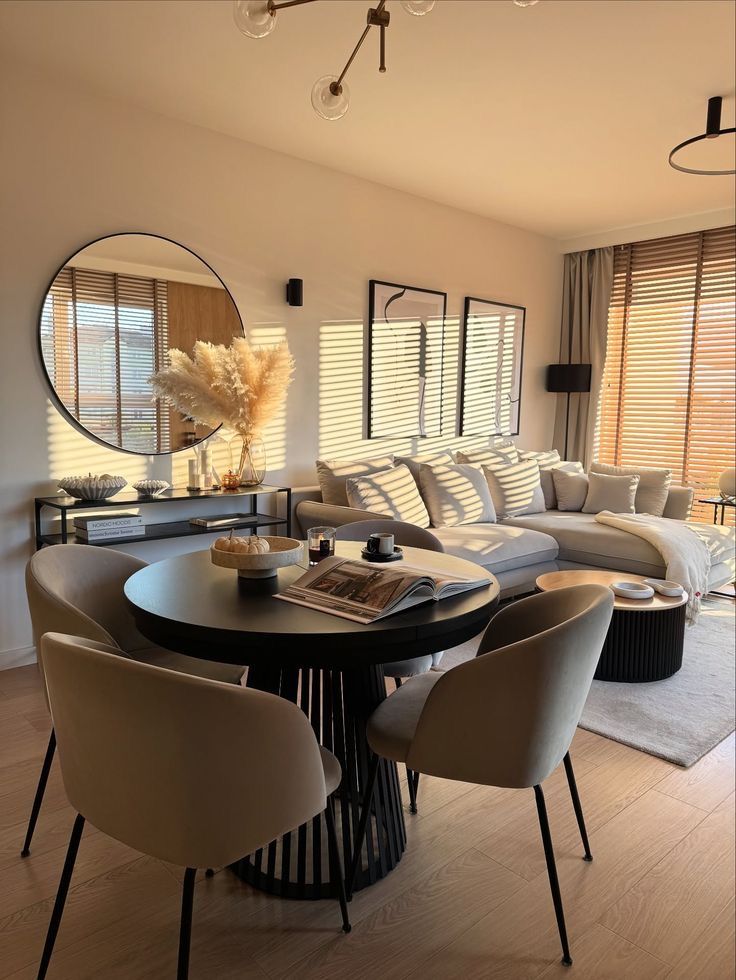
When crafting your living room layout, you’ll inevitably gravitate towards one of two fundamental design principles: symmetry or asymmetry. Each approach brings its own unique energy and aesthetic to a space, profoundly impacting how a room feels and functions. Understanding their nuances allows you to deliberately choose the path that best suits your style and the mood you wish to create.
Symmetry, at its core, is about balance and order. Imagine a sofa flanked by two identical side tables, each topped with matching lamps. Or two identical armchairs facing each other across a coffee table. This mirrored arrangement creates a sense of formality, elegance, and calm. Our brains are naturally drawn to symmetry, finding comfort in its predictable harmony. In a symmetrical layout, there’s a clear focal point – often a fireplace, a large window, or an entertainment unit – around which everything else is perfectly balanced. This approach works wonderfully in traditional, formal, or even minimalist settings where a sense of quiet grandeur is desired. It offers a structured and sophisticated look that is timeless and reassuring.
Asymmetry, on the other hand, embraces dynamic balance and visual interest without mirroring elements. Instead of identical pairs, you might have a sofa balanced by an armchair on one side and a large plant or a floor lamp on the other. The goal isn’t sameness, but rather achieving equilibrium through varied forms, sizes, and textures. This approach feels more casual, contemporary, and often more personal. Asymmetry encourages the eye to move around the room, discovering different points of interest. It’s perfect for creating a relaxed, eclectic, or modern vibe where unexpected pairings contribute to a lively and engaging atmosphere. It demands a keen eye for proportion and weight, ensuring that despite the differences, the overall composition feels balanced and intentional rather than haphazard.
Ultimately, the choice between symmetry and asymmetry depends on the mood you want to evoke. Do you crave the serene order of a classic, balanced room, or the vibrant energy of a more eclectic, modern space? Many designers skillfully combine elements of both, creating “asymmetrical balance” where different objects still achieve visual harmony. This allows for greater flexibility and personalization, ensuring your living room layout is not only beautiful but also uniquely reflective of your taste.

A truly exceptional living room layout goes far beyond mere functionality; it embodies your unique personality, style, and spirit. Once the foundational furniture pieces are strategically placed, it’s time to infuse the space with character and warmth, transforming it from a well-arranged room into a deeply personal sanctuary. This is where your individual touch shines, making your living room a true reflection of you.
One of the most impactful ways to personalize your living room is through decorative elements. Think about the textures you love: a chunky knit throw, velvet cushions, a woven rug, or a sleek metallic sculpture. These tactile layers add depth and interest, inviting touch and making the room feel more inviting. Colors, too, play a crucial role. While your main furniture might be neutral, introduce pops of your favorite hues through throw pillows, artwork, or decorative objects. A vibrant piece of art or a collection of decor from natural materials: wood, stones, dried flowers can instantly elevate the room’s aesthetic and express your taste.
Artwork, photographs, and personal collections are the soul of your decor. A gallery wall showcasing family photos or a curated collection of prints tells a story and sparks conversation. Displaying cherished travel souvenirs or inherited trinkets adds layers of history and meaning, making the room uniquely yours. Don’t just place items randomly; arrange them thoughtfully, considering scale, color, and theme to create cohesive vignettes.
Finally, plants are living decor that bring life, freshness, and a touch of nature indoors. Whether it’s a large potted fiddle-leaf fig making a statement in a corner, or a collection of smaller succulents on a bookshelf, greenery instantly softens a space and improves air quality. Choose plants that thrive in your living room’s light conditions and complement your overall aesthetic. Incorporating these personal touches isn’t an afterthought; it’s an essential part of creating a living room layout that feels not just well-designed, but deeply lived-in and loved.
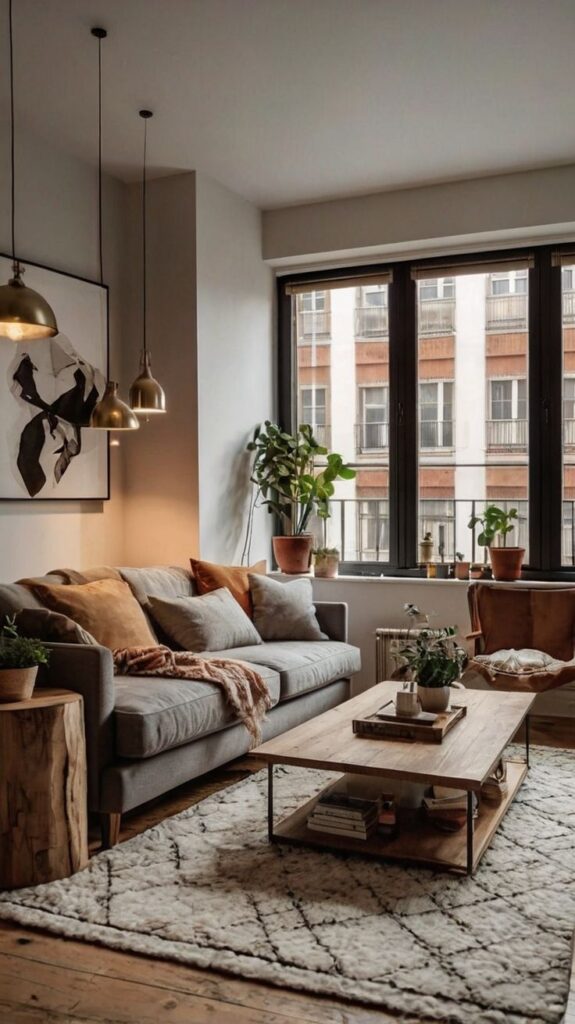
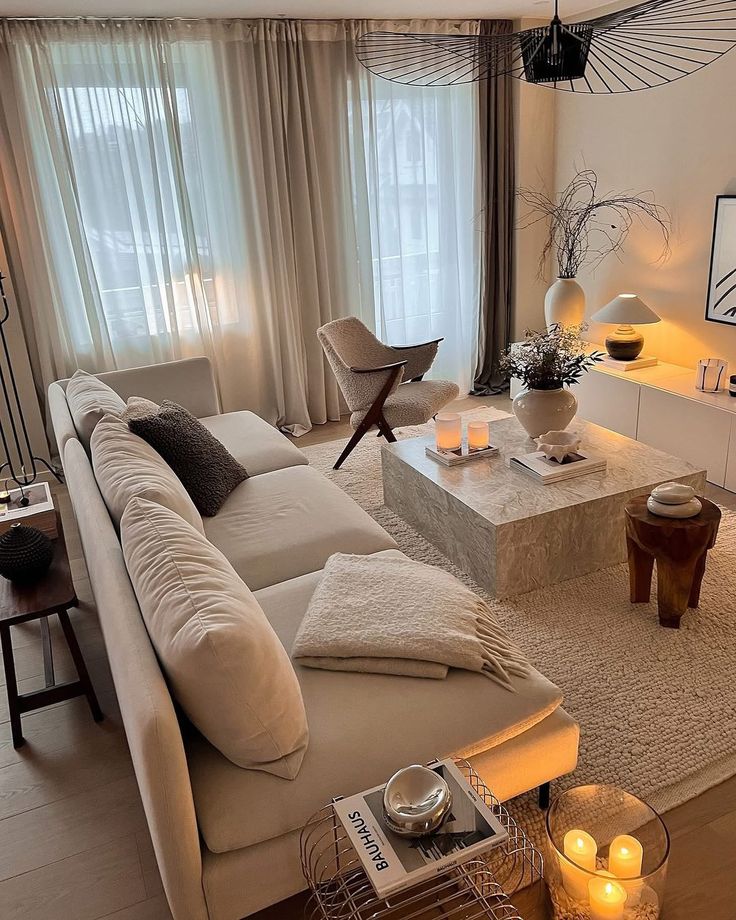
Lighting is often the unsung hero of interior design, especially when it comes to living room layouts. It’s not just about seeing; it’s about feeling. A well-lit room can transform its mood, highlight architectural features, and make a space feel larger and more inviting. To truly unleash your living room’s potential, you need to think beyond a single overhead fixture and embrace the art of layered lighting.
Layered lighting involves combining three main types of illumination: ambient, task, and accent. Ambient lighting is your general, overall illumination – the foundational light that fills the room. This often comes from overhead fixtures like recessed lights, chandeliers, or flush-mount lights. Its purpose is to provide a comfortable level of brightness for general activities, ensuring the room never feels dark or cavernous. Dimmers are a fantastic addition here, allowing you to adjust the intensity to suit different times of day or occasions.
Task lighting is focused illumination for specific activities. In a living room, this might include a reading lamp next to your favorite armchair, providing a concentrated beam of light for comfortable reading without straining your eyes. It could also be under-cabinet lighting in a built-in media unit, offering soft light for board games or puzzles. Task lighting is about functionality, ensuring you have adequate brightness where and when you need it most.
Accent lighting is the decorative and dramatic layer, designed to highlight specific features, artwork, or architectural details. Picture spotlights illuminating a prized painting, uplights washing a textured wall, or subtle LED strips emphasizing shelving. This type of lighting adds depth, interest, and a touch of sophistication, drawing the eye to specific elements and creating focal points within your layout. It’s the jewelry of your lighting scheme, adding sparkle and defining character.
By strategically incorporating these three layers, you create a dynamic and flexible lighting scheme. During the day, you might rely on natural light and ambient fixtures. In the evening, you could dim the ambient lights, switch on task lamps for reading, and use accent lights to create a cozy, intimate atmosphere. This thoughtful approach to lighting ensures your living room layout is not only functional but also possesses an ever-changing beauty that adapts to your needs and mood.
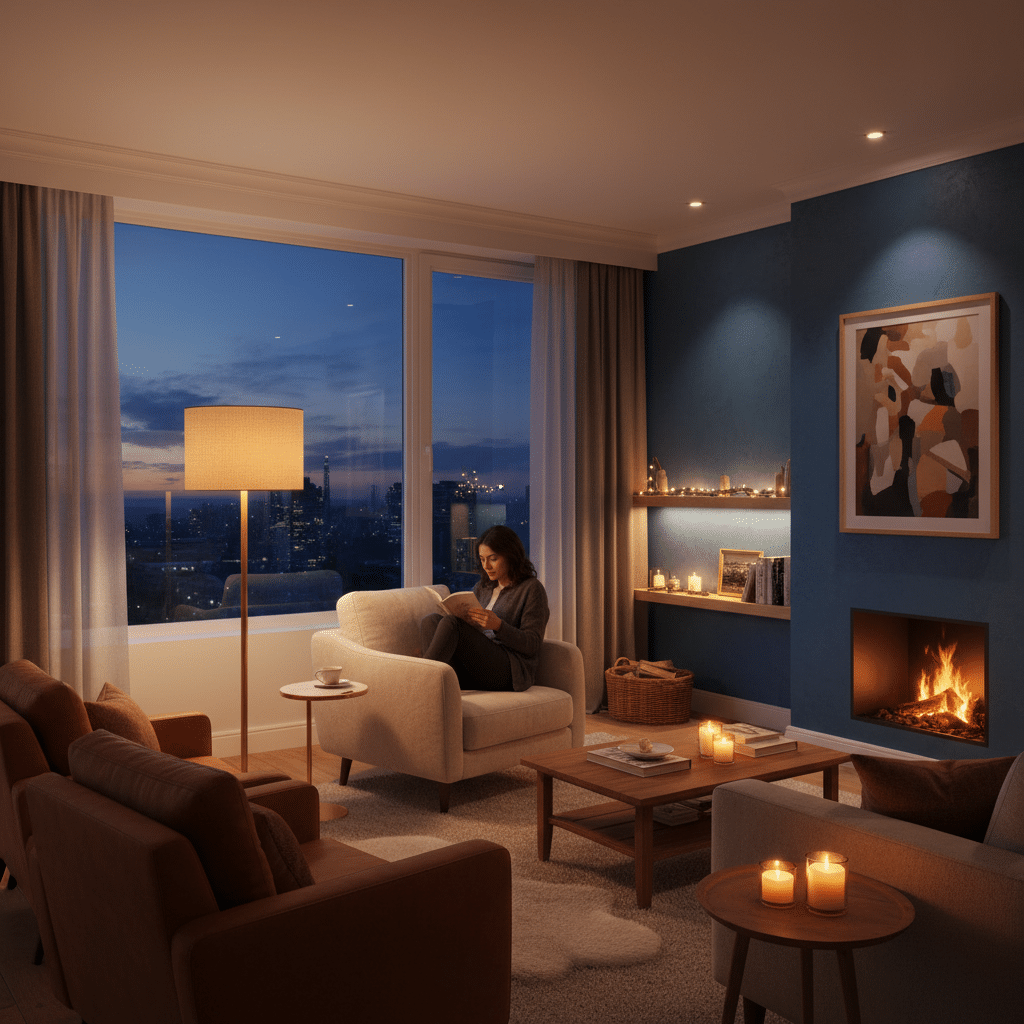
In our increasingly connected world, technology has become an indispensable part of daily life, and the living room is no exception. Integrating entertainment systems, smart home devices, and charging stations seamlessly into your living room layout is crucial for both functionality and aesthetics. The goal is to make technology work for you, not dominate your space.
The television often serves as a primary focal point in many living rooms. When planning its placement, consider viewing angles and distances for optimal comfort. Wall-mounting can save floor space and create a sleek, modern look, especially when paired with a low-profile media console or built-in shelving. For larger screens, think about scale relative to your room size. Cable management is paramount; conceal wires within walls or use discreet cable organizers to maintain a clean, clutter-free appearance. This small detail makes a huge difference in the overall polished look of your space.
Sound systems, whether a full home theater setup or a discreet soundbar, also need careful consideration. For audiophiles, speaker placement is critical for acoustic performance, often requiring specific distances from walls and corners. For a more integrated look, consider in-ceiling or in-wall speakers, or choose sleek, minimalist soundbars that blend into your media console. Wireless options can also reduce cable clutter.
Smart home devices, such as voice assistants, smart lighting, and automated blinds, enhance convenience and comfort. While many are designed to be visually discreet, strategic placement ensures easy access and functionality without becoming eyesores. For instance, a smart speaker can be tucked onto a bookshelf, blending with other decor, rather than standing out starkly. Charging stations for phones and tablets can be cleverly integrated into side tables with hidden compartments or within custom furniture pieces to keep cords out of sight.
The key to successful technology integration is to plan it early in the layout process. Consider power outlets, data points, and potential wiring needs from the outset. This foresight ensures a clean, functional, and aesthetically pleasing living room that effortlessly accommodates modern technology, allowing you to enjoy all its benefits without compromising on style.
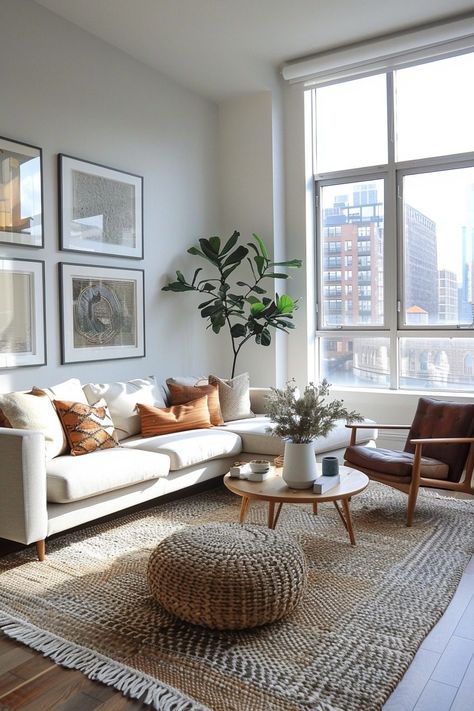
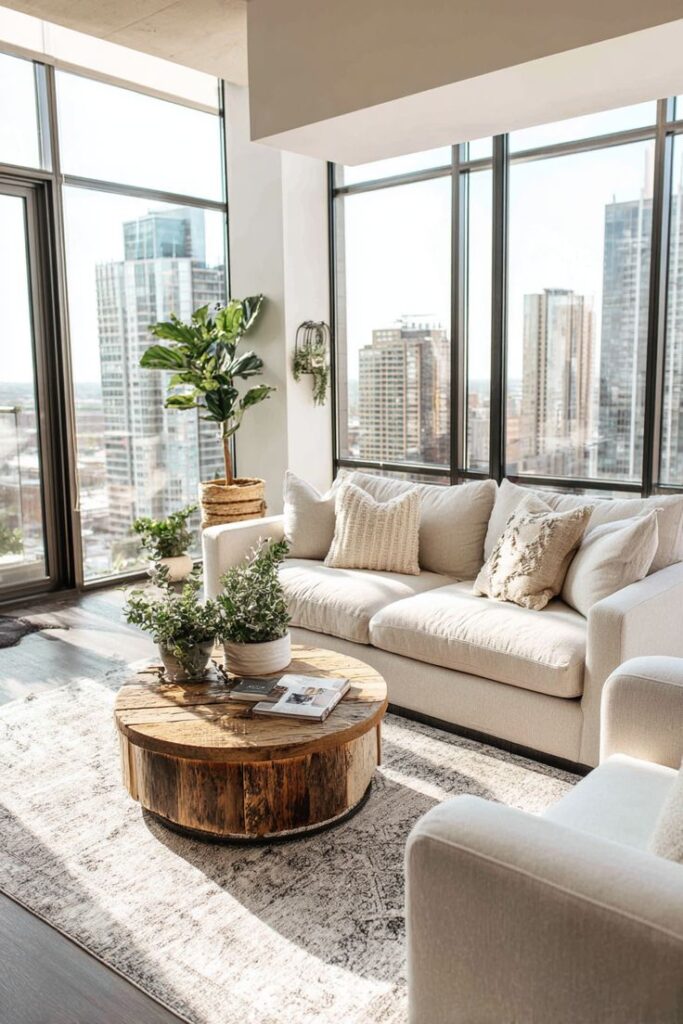
At the heart of every truly successful living room layout lies the impeccable blend of flow and functionality. A beautifully arranged room is admirable, but if you’re constantly bumping into furniture, struggling to navigate pathways, or finding key items out of reach, its beauty quickly diminishes. The ultimate goal is to create a space that feels intuitive, effortless, and genuinely enjoyable to inhabit.
“Flow” refers to the ease of movement through and around your living room. Imagine a graceful dance, where every step is smooth and unhindered. This means establishing clear pathways, free from obstacles, with enough space for people to move comfortably. A general guideline is to maintain at least 30-36 inches for main thoroughfares and 18-24 inches between furniture pieces like a sofa and a coffee table. Test your layout by walking through it as you would on a typical day. Can you easily get from the entrance to the sofa? From the sofa to a side table? From the living room to an adjacent kitchen or dining area without weaving through a maze?
“Functionality” speaks to how well the room serves its intended purposes. Every piece of furniture should have a reason for being there and a practical role to play. Is your coffee table within easy reach of everyone on the sofa? Are there enough side tables for drinks and snacks? Is the lighting appropriate for all activities, from reading to entertaining? Consider how different activities will unfold in the room. If it’s a family hub, is there dedicated storage for toys or games? If it’s a relaxation sanctuary, is everything needed for comfort readily available?
This consideration extends to storage solutions. A functional living room is a tidy one. Incorporate smart storage to keep clutter at bay. Think about ottomans with hidden compartments, elegant bookshelves that house both books and decorative items, or media consoles with drawers and cabinets. The more easily you can put things away, the more inviting and relaxing your living room will feel.
Ultimately, a living room layout that prioritizes both flow and functionality will inherently feel more comfortable, efficient, and harmonious. It creates an environment where you and your loved ones can truly relax, connect, and thrive, making the most of every moment spent in the heart of your home. It’s about designing for life, not just for looks.
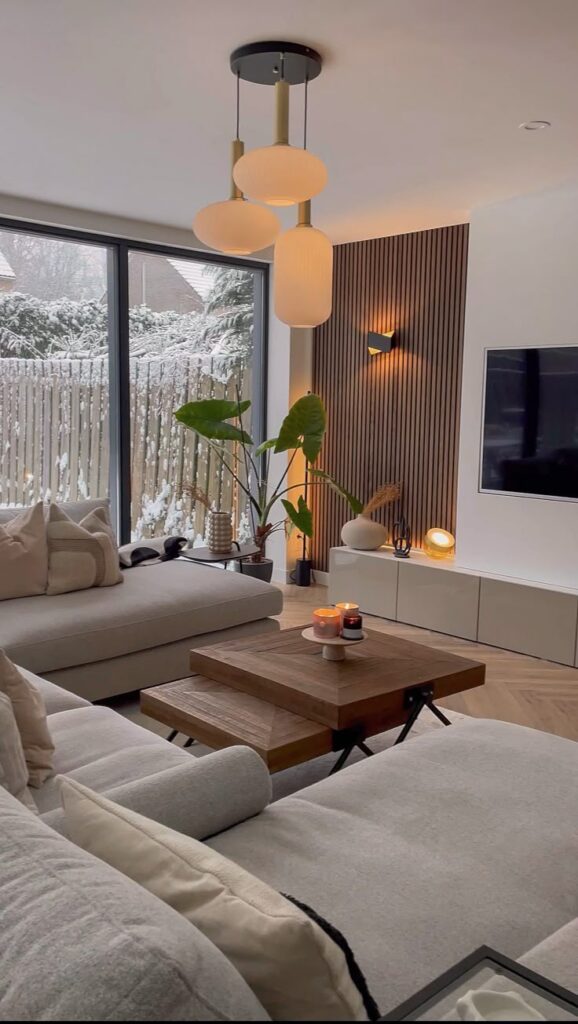
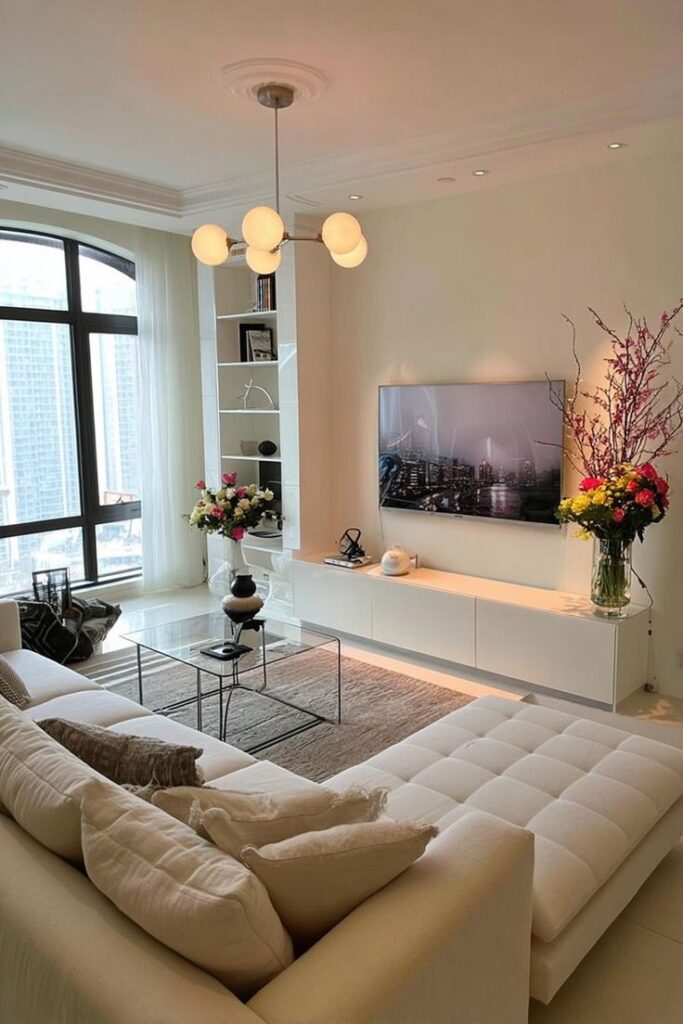
You’ve embarked on a journey through the transformative world of living room layouts, armed with insights into assessing your space, defining its purpose, mastering furniture arrangement, crafting cohesive zones, and overcoming design challenges. We’ve explored the power of symmetry and asymmetry, the magic of personalization, the essential role of layered lighting, and the seamless integration of technology. Now, it’s your turn to take these ideas and ignite your own home transformation!
Imagine a living room that doesn’t just look good, but feels incredible. A space that adapts effortlessly to your lifestyle, where every conversation flows naturally, every moment of relaxation is enhanced, and every gathering becomes a cherished memory. This isn’t just a dream; it’s a tangible reality waiting for you to create.
Don’t let the thought of rearranging feel overwhelming. Start small. Pick one idea that resonated with you most – perhaps reassessing your traffic flow, adding a new area rug to define a zone, or simply optimizing the placement of your main sofa. Grab your measuring tape, sketch a few ideas, or even use online room planner tools to visualize possibilities. Experiment! Sometimes the best layouts are discovered through a little playful rearrangement. Embrace the process, trust your instincts, and allow your personal style to guide your choices. Your living room is waiting to become the vibrant, inviting, and truly functional heart of your home. Get started today and unleash its amazing potential!
Begin by measuring your living room accurately, noting dimensions, fixed architectural features like windows, fireplaces, and door swings, and observing traffic flow to understand how people naturally move through the space.
Identify the primary function of your living room, whether it’s for entertainment, relaxation, or multi-use, and plan your furniture and zones accordingly, such as comfortable seating for socializing or cozy nooks for reading.
Use large area rugs to anchor zones, place furniture to define different areas without physical barriers, and incorporate lighting and furniture placement to create distinct, harmonious zones within the open space.
Optimize space with multi-functional furniture, mirrors to reflect light and create the illusion of space, and flexible furniture placement that adapts to the room’s shape, while maximizing natural light and vertical space.
Plan for optimal placement of entertainment systems, conceal cables for a sleek look, incorporate smart devices and charging stations discreetly, and ensure sufficient power outlets and wiring early in the design process.