Unleash Your Creativity: A Guide to Popular Interior Design Styles

Collage of elegant interiors with city views, featuring cozy seating, large windows, and stylish decor in modern apartments.

Stepping into a home is like reading a chapter of someone’s life story. Every piece of furniture, every splash of color, and every carefully chosen accessory speaks volumes about the people who inhabit that space. This is the magic of interior design styles – they are not just about aesthetics; they are about crafting an environment that reflects your personality, supports your lifestyle, and truly feels like you. If you’ve ever felt overwhelmed by the sheer number of options or unsure how to translate your vision into reality, you’re in the perfect place. We’re about to embark on an exhilarating journey through the most captivating interior design styles, unleashing your creativity and empowering you to transform your living spaces into a personalized sanctuary. Get ready to discover the endless possibilities that await your home!
The Art of Crafting Spaces: Understanding Design Principles

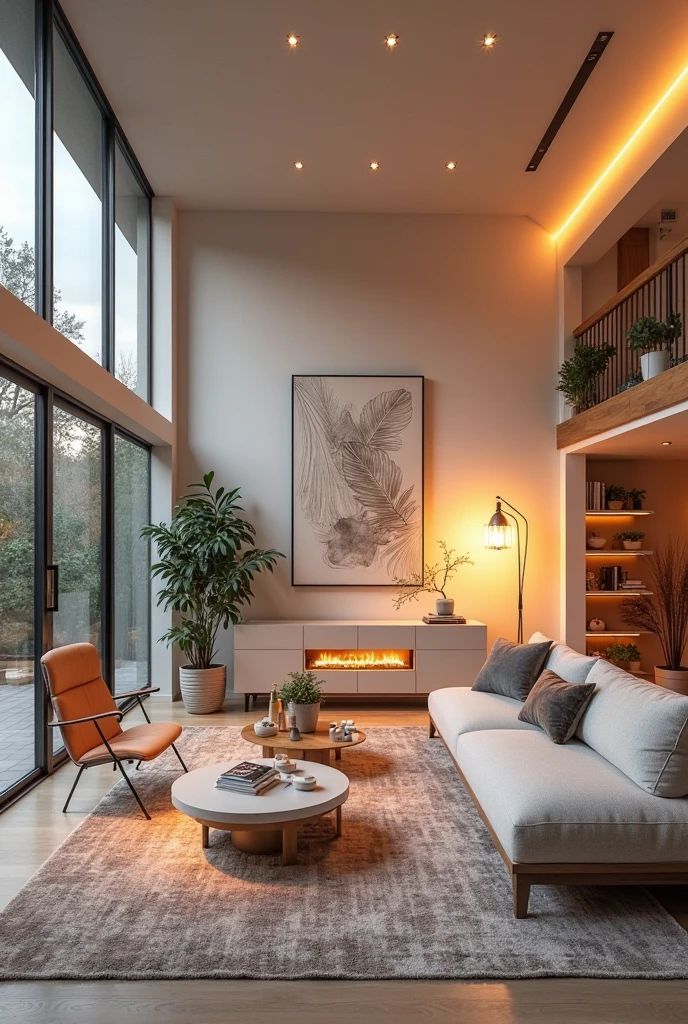
Modern living room with tall windows, cozy seating, fireplace, and stylish decor. Warm lighting, plants, and art complete the ambiance.
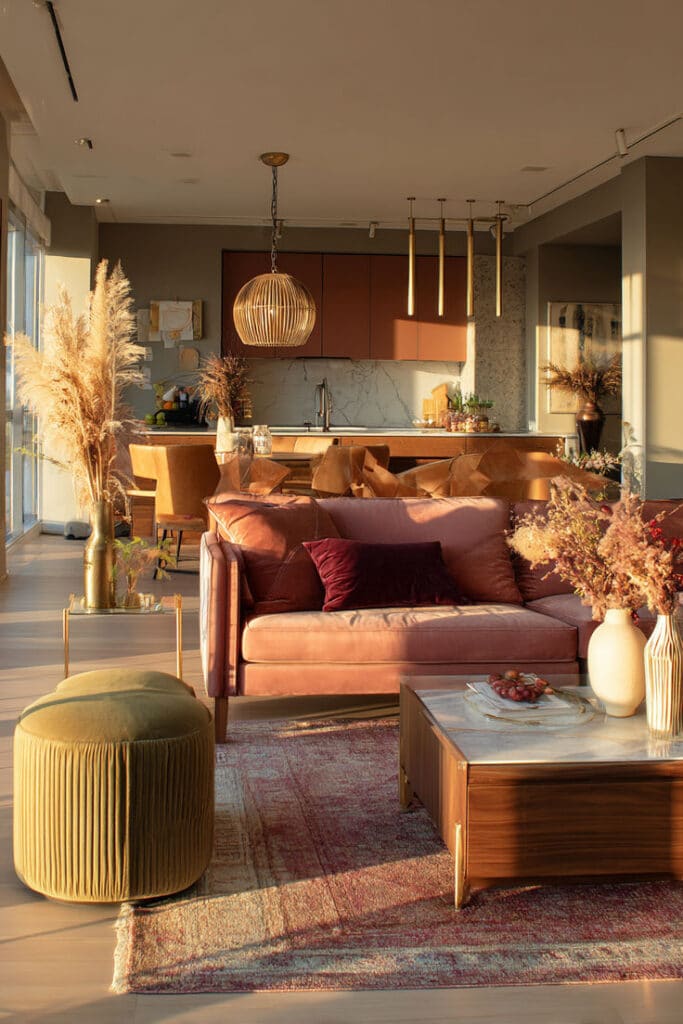
Modern living room with pink sofa, elegant decor, and kitchen in warm lighting. Cozy, stylish interior design.

Before we dive headfirst into the exciting world of individual styles, it’s crucial to grasp the fundamental principles that underpin all great design. These aren’t rigid rules but rather guiding concepts that help you create cohesive, balanced, and aesthetically pleasing environments, regardless of the style you choose. Think of them as your design toolkit, empowering you to make informed decisions.

Color Theory: Color sets the mood. Warm colors like reds and oranges create energy and intimacy, while cool colors such as blues and greens evoke calmness and serenity. Understanding color palettes, complementary colors, and analogous schemes allows you to craft the perfect atmosphere. A monochromatic scheme uses variations of a single color, offering sophistication, while a vibrant analogous palette can bring playful harmony. Don’t underestimate the power of neutrals as a backdrop, allowing other elements to truly shine.

Texture and Pattern: These elements add depth and sensory interest. Imagine a smooth, cool marble surface paired with a rough-hewn wooden table, or a plush velvet sofa beside a woven jute rug. Textures invite touch, while patterns introduce visual rhythm and personality. From geometric prints to organic motifs, patterns can be used sparingly for subtle interest or boldly for a statement. The interplay of soft and hard, smooth and rough, shiny and matte is what makes a room feel rich and inviting.

Lighting: Often overlooked, lighting is perhaps the most crucial element in defining a space. It’s not just about illumination; it’s about mood and functionality. Layers of lighting—ambient (general), task (for specific activities), and accent (to highlight features)—are essential. Natural light is invaluable, but well-placed artificial lighting, from chandeliers to table lamps, can create dramatic effects, cozy corners, and brighten workspaces. Dimmer switches are your best friend for adapting the atmosphere.

Balance and Scale: Balance refers to the visual distribution of weight in a room. Symmetrical balance creates a formal, traditional feel, while asymmetrical balance offers a more dynamic and casual vibe. Scale and proportion relate to how objects relate to each other and to the room itself. A tiny rug in a vast living room will look lost, just as an oversized sofa in a small space will feel cramped. Choosing furniture and decor that fit the size of your room is key to harmonious design.

Rhythm and Repetition: This principle creates a sense of movement and visual flow. Repeating elements like color, pattern, or shape throughout a room guides the eye and links different areas together. It creates a sense of harmony and continuity, making the space feel thoughtfully put together rather than a collection of disparate items.

Emphasis: Every room needs a focal point—something that immediately draws the eye. This could be a striking fireplace, a large piece of art, a dramatic window, or a uniquely designed wall. The focal point acts as an anchor around which the rest of the room’s design revolves.

Understanding these principles provides a robust framework, empowering you to confidently explore and apply any interior design style. Now, let’s embark on a thrilling exploration of specific aesthetics!
Classic & Timeless Elegance: Designs That Endure

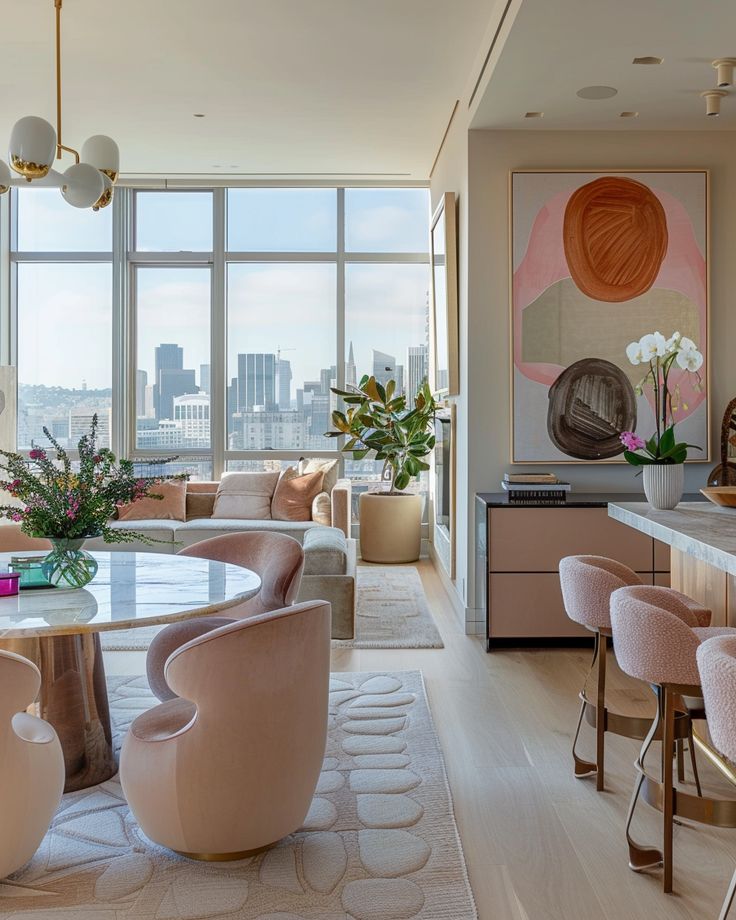
Modern living room with city view, featuring abstract art, plush seating, marble table, and soft pink tones. Elegant and chic interior design.
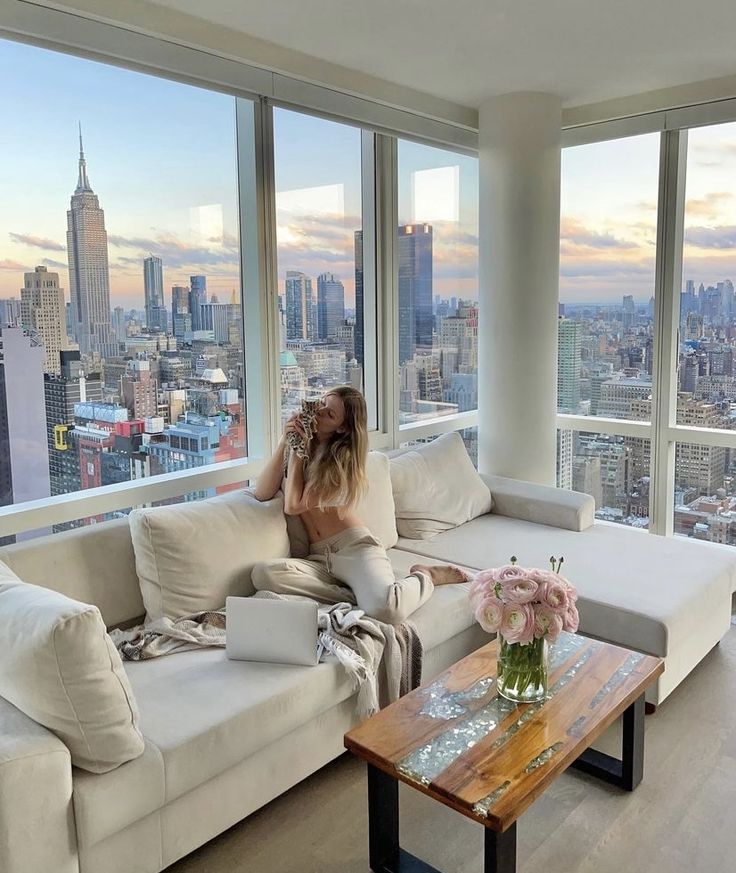
Cozy living room with city view, woman relaxing on sofa with coffee and laptop.

Certain interior design styles possess an inherent elegance and a lasting appeal that transcends fleeting trends. These are the classics, offering sophistication, comfort, and a sense of history.

Traditional Style

The Traditional style draws inspiration from 18th and 19th-century European decor, often evoking a sense of established grandeur and refined taste. Think ornate details, rich wood tones, classic furniture silhouettes, and a sense of order.

  • Key Characteristics: Dark, polished wood furniture (mahogany, cherry, walnut), classic upholstery fabrics like damask, velvet, and brocade, often with intricate patterns. Architectural details such as crown molding, wainscoting, and built-in shelving are common. Accessories include antique pieces, framed artwork, and decorative lamps.
  • Color Palette: Typically features rich, deep colors like forest green, burgundy, navy blue, and jewel tones, often balanced with creams, golds, and muted browns.
  • Vibe: Formal, established, sophisticated, comfortable, and warm. It speaks to a love of history and craftsmanship.

Transitional Style

Transitional style is where the old meets the new in a beautifully balanced fusion. It’s a hugely popular choice for those who appreciate classic forms but desire a less formal, more contemporary feel. It bridges the gap between traditional and modern.

  • Key Characteristics: Combines clean lines of modern design with the plush comfort of traditional elements. Furniture often has simpler silhouettes than purely traditional pieces but retains a sense of solidity and quality. Textiles are usually less ornate, leaning towards solid colors or subtle patterns.
  • Color Palette: Neutrals reign supreme here – grays, beiges, creams, and whites form the foundation, allowing textures and subtle color accents to add interest.
  • Vibe: Sophisticated, understated elegance, comfortable, and highly adaptable. It’s chic without being fussy.

Bohemian Style

Bohemian, or “Boho,” style is all about relaxed, global-inspired, and unconventional living. It celebrates personal expression, travel, and a free-spirited aesthetic, making it highly individualized.
  • Key Characteristics: A mix-and-match approach to furniture, often featuring vintage or repurposed pieces. Layers of textiles are central: Moroccan rugs, macramé wall hangings, tasseled pillows, and throws from around the world. Natural materials like rattan, bamboo, and wood are prominent. Abundant plants, eclectic art, and personal travel souvenirs complete the look.
  • Color Palette: Often vibrant and rich, with jewel tones, earthy browns, deep reds, oranges, and greens, frequently grounded by white or off-white walls.
  • Vibe: Relaxed, eclectic, artistic, well-traveled, and wonderfully personal. It’s a style that invites you to truly make your space your own.

Modern & Contemporary Minimalism: Sleek, Clean, and Serene

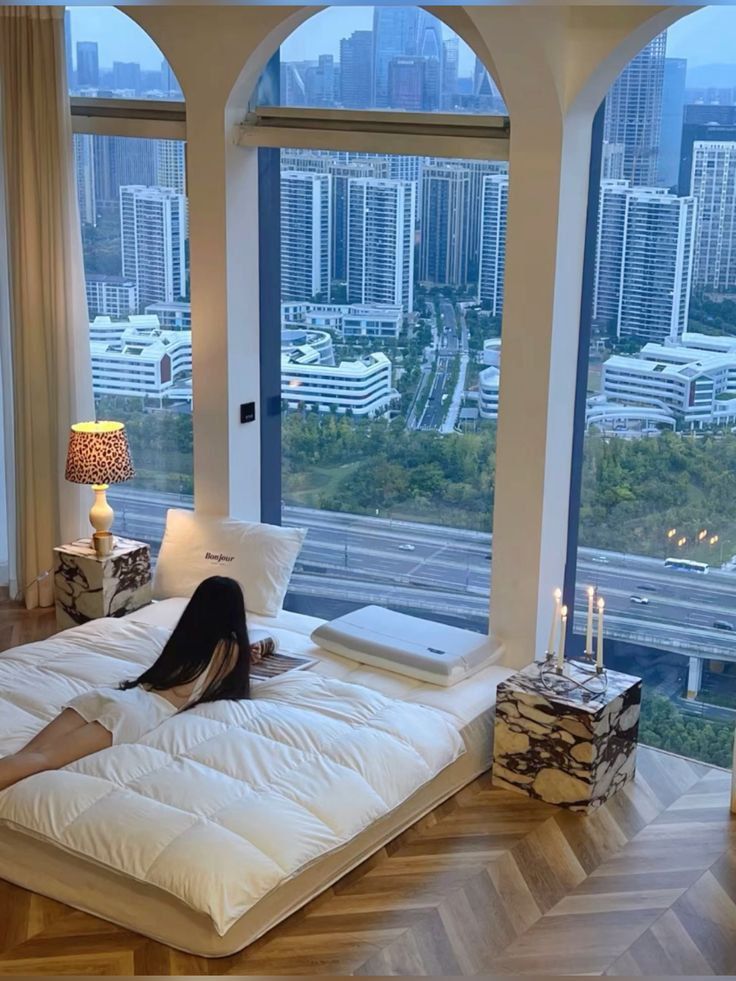
Cozy bedroom with a city view, featuring a woman relaxing on a bed by large windows, capturing a serene urban lifestyle.
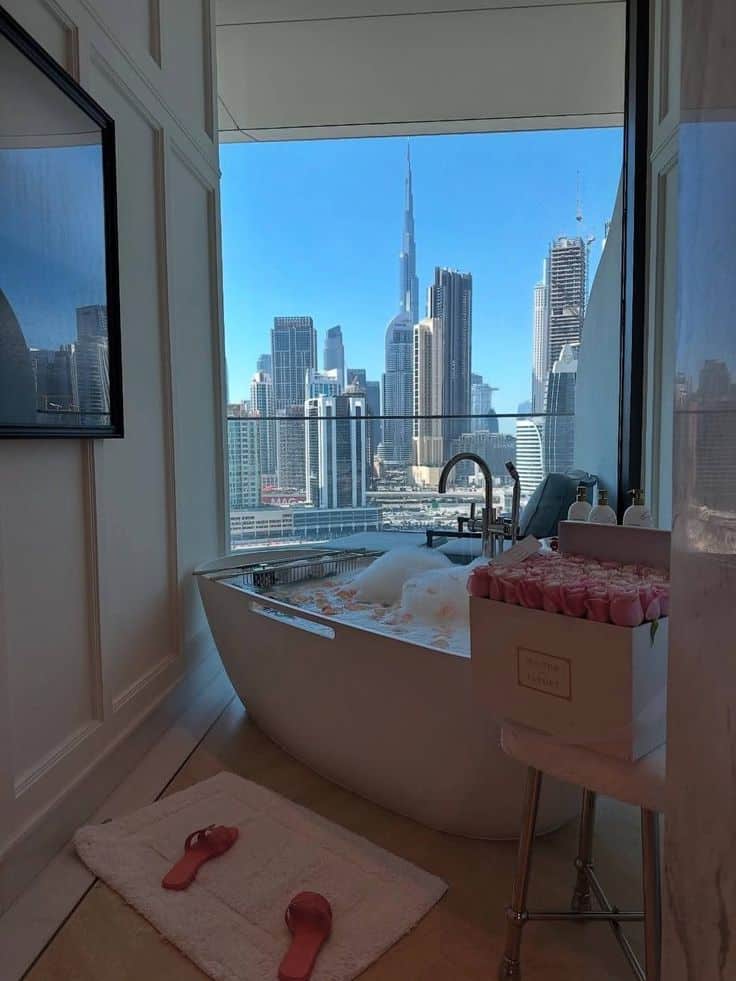
Luxurious bathroom with a stunning city skyline view, featuring a freestanding tub and elegant decor. Perfect for relaxation and indulgence.

These styles represent a departure from ornamentation, focusing instead on functionality, clean lines, and a less-is-more philosophy. They offer calm and clarity in our often-cluttered world.

Modern Style

Emerging in the early to mid-20th century (think Bauhaus and Mid-Century Modern), this style prioritizes functionality, clean lines, and simple forms. It’s about stripping away the unnecessary and embracing honest materials.

  • Key Characteristics: Unadorned forms, emphasis on natural materials like wood, leather, chrome, and glass. Open-plan layouts are common. Furniture is typically low-slung, with exposed legs and minimal ornamentation. Geometric shapes and a sense of spatial openness are key.
  • Color Palette: Often neutral with a focus on whites, grays, and blacks, accented by bold primary colors or earthy tones.
  • Vibe: Streamlined, functional, sophisticated, and often a touch retro.

Contemporary Style

While often used interchangeably with “Modern,” Contemporary refers to what is current and evolving. It borrows elements from various styles but always feels fresh, current, and forward-thinking.
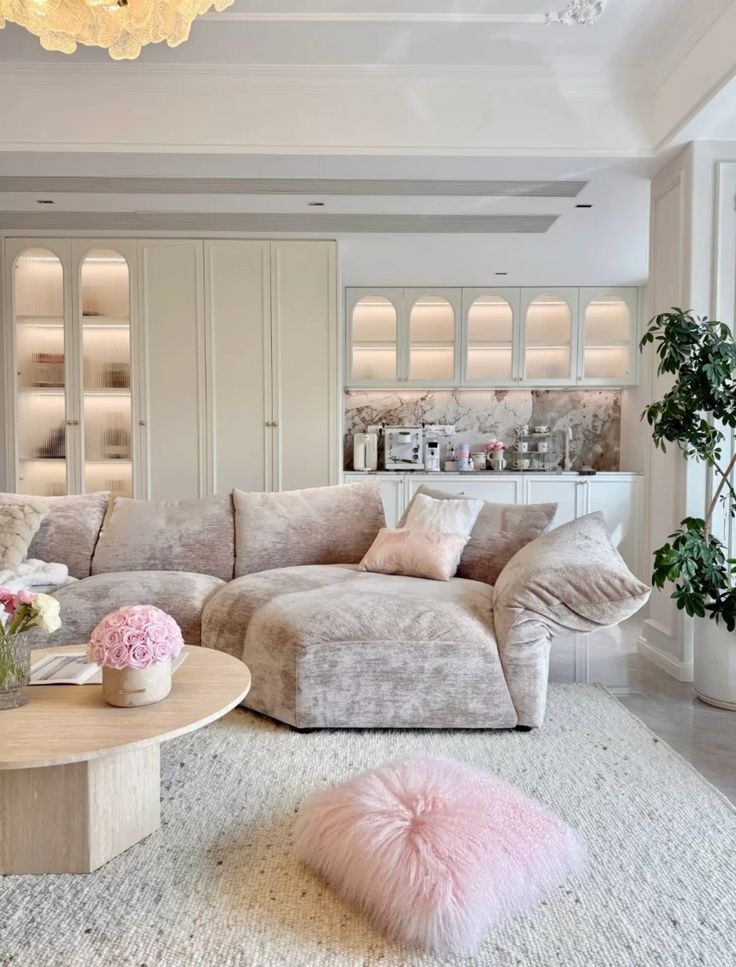
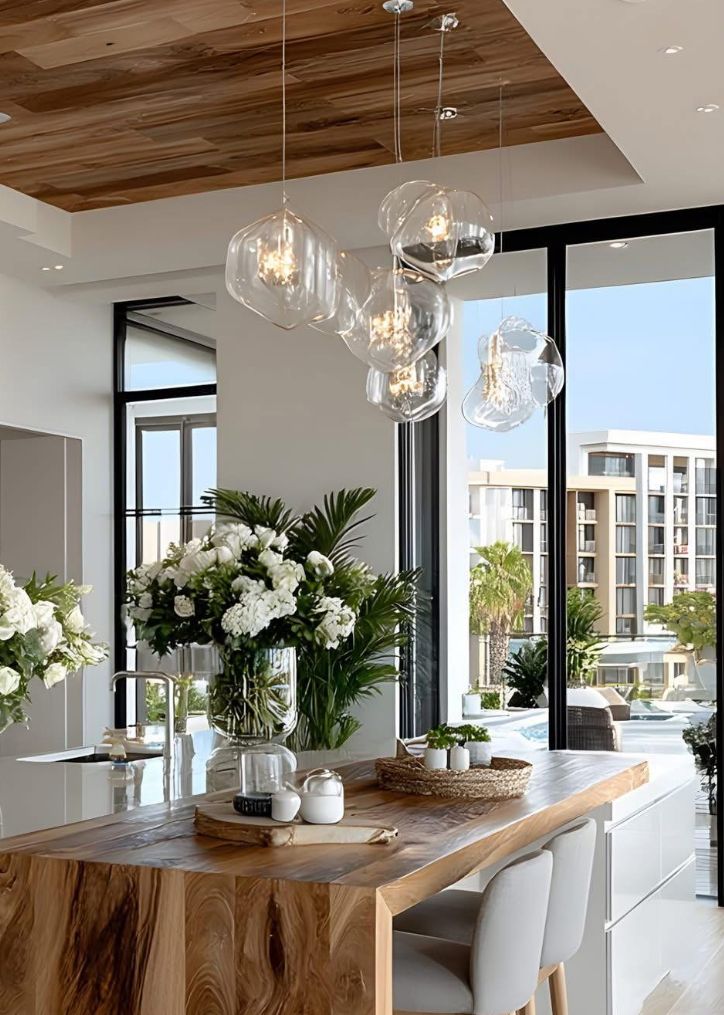
  • Key Characteristics: Fluid, curvilinear lines are more common than the strict geometry of Modern. It embraces open spaces, often features exposed structural elements, and incorporates a variety of textures and materials, including metals, glass, concrete, and natural fibers. Furniture is sleek and often sculptural.
  • Color Palette: Predominantly neutral, often with a bold accent color. Think black, white, and shades of gray, allowing texture and form to create interest.
  • Vibe: Cutting-edge, clean, sophisticated, and ever-evolving.

Minimalist Style

Chic modern living room with plush beige sofa, pink pillows, and coffee table. Bright, elegant decor with indoor plants and soft lighting.
Modern kitchen with wooden accents, glass pendant lights, and lush plants by large windows, offering a bright, elegant space.

Minimalism takes the “less is more” philosophy to its extreme. It’s about creating a sense of calm and order by removing clutter and focusing on essential elements.

  • Key Characteristics: Extremely clean lines, sparse furnishings, open spaces, and a deliberate absence of clutter. Furniture is highly functional and often multi-purpose. Storage is paramount to keep surfaces clear. Every item serves a purpose and contributes to the overall tranquility.
  • Color Palette: Almost exclusively white, off-white, beige, and light gray. Small splashes of color might appear in artwork or a single accessory, but sparingly.
  • Vibe: Peaceful, uncluttered, serene, thoughtful, and highly organized.

Scandinavian Style

Hailing from Northern Europe, Scandinavian design is renowned for its simplicity, functionality, and connection to nature. It focuses on light, practical design, and cozy comfort (hygge).

  • Key Characteristics: Light wood tones (ash, birch, pine), clean lines, minimalist furniture, and a strong emphasis on natural light. White walls are common to maximize brightness. Textiles include wool, cotton, and linen, often in natural tones or simple patterns. Plants add a touch of the outdoors.
  • Color Palette: Dominantly white, gray, and light pastels, with natural wood tones providing warmth.
  • Vibe: Bright, airy, functional, cozy, and effortlessly chic.

Japandi Style

A harmonious blend of Japanese minimalism and Scandinavian warmth, Japandi is a rising star in interior design. It marries the sleek lines and functional simplicity of Scandinavia with the rustic elegance and natural ethos of Japanese aesthetics. If you’re interested in blending these cultural influences, explore Japandi: Scandinavian Minimalism and Neo-Deco Styles that are at their Peak for more inspiration.
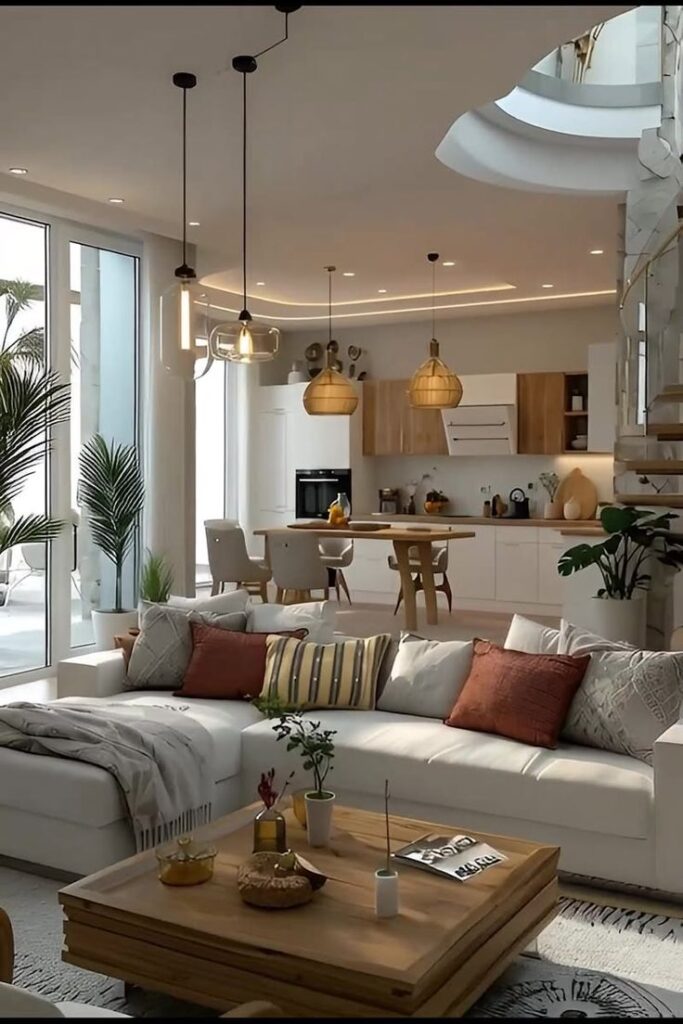
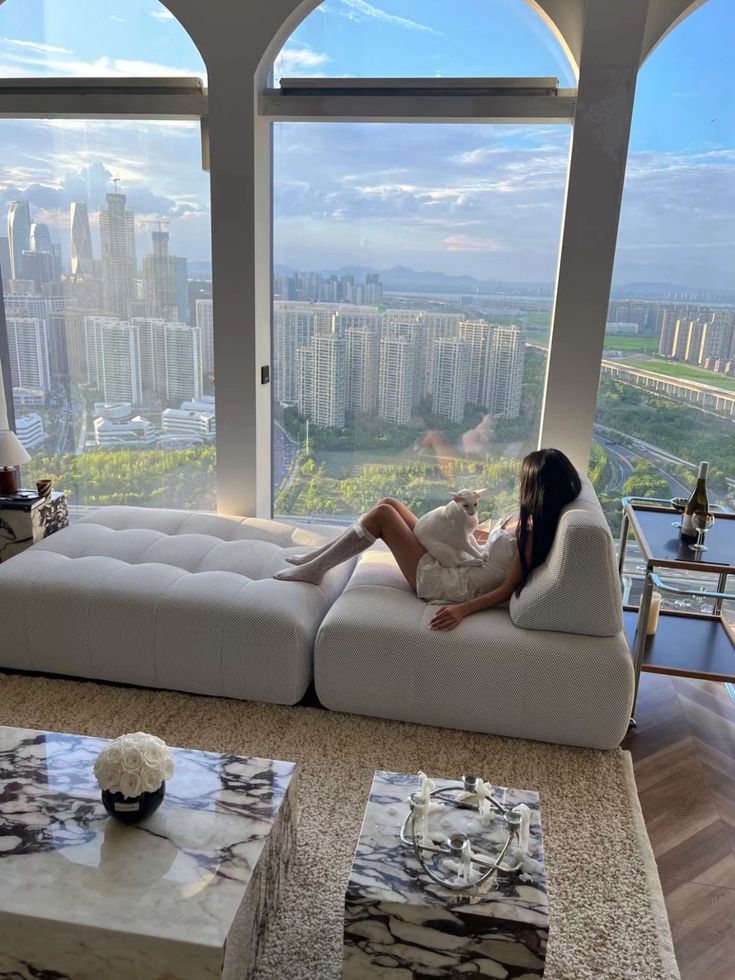
  • Key Characteristics: Focus on natural materials (light woods, bamboo, ceramics), clean lines, and neutral color palettes. Imperfection (wabi-sabi) is embraced. Minimalist furniture with subtle curves, artisanal crafts, and a strong connection to nature through plants and natural light.
  • Color Palette: Earthy tones – muted greens, grays, creams, and whites, with black as an accent for definition.
  • Vibe: Serene, balanced, natural, functional, and deeply peaceful.

Rustic & Organic Comfort: Embracing Nature’s Warmth

Modern open-plan living room and kitchen with cozy decor, large windows, and pendant lights, creating a warm, inviting atmosphere.
Woman and cat relaxing on a modern sofa with a stunning cityscape view through large arched windows. Luxurious urban apartment.

These styles celebrate natural elements, raw textures, and a connection to the outdoors, creating spaces that feel grounded, warm, and inviting.

Farmhouse Style

Modern Farmhouse, popularized by designers like Joanna Gaines, reimagines traditional rural charm with a fresh, contemporary twist. It’s about comfort, family, and a touch of nostalgia.

  • Key Characteristics: A mix of old and new. Distressed wood furniture, shiplap walls, reclaimed materials, exposed beams, and a blend of vintage and modern accessories. Comfortable, oversized seating, natural fabrics like linen and cotton, and practical, robust elements.
  • Color Palette: Predominantly white, cream, and gray, with accents of black, sage green, or muted blues.
  • Vibe: Cozy, welcoming, nostalgic, authentic, and family-friendly.

Industrial Style

Industrial style draws inspiration from old factories, warehouses, and urban lofts, celebrating raw, unfinished materials and functional design.

  • Key Characteristics: Exposed brick walls, concrete floors, visible ductwork and piping, large metal-framed windows. Furniture often combines metal and reclaimed wood. Edison bulbs, exposed light fixtures, and vintage factory pieces are common.
  • Color Palette: Dominated by grays, blacks, whites, and metallic tones, often accented with deep browns from wood and brick.
  • Vibe: Edgy, urban, raw, utilitarian, and unexpectedly stylish.

Coastal / Hamptons Style

Evoking the serene beauty of the seaside, Coastal (or Hamptons for a more upscale version) design is all about creating a relaxed, airy, and light-filled atmosphere reminiscent of a beach house.
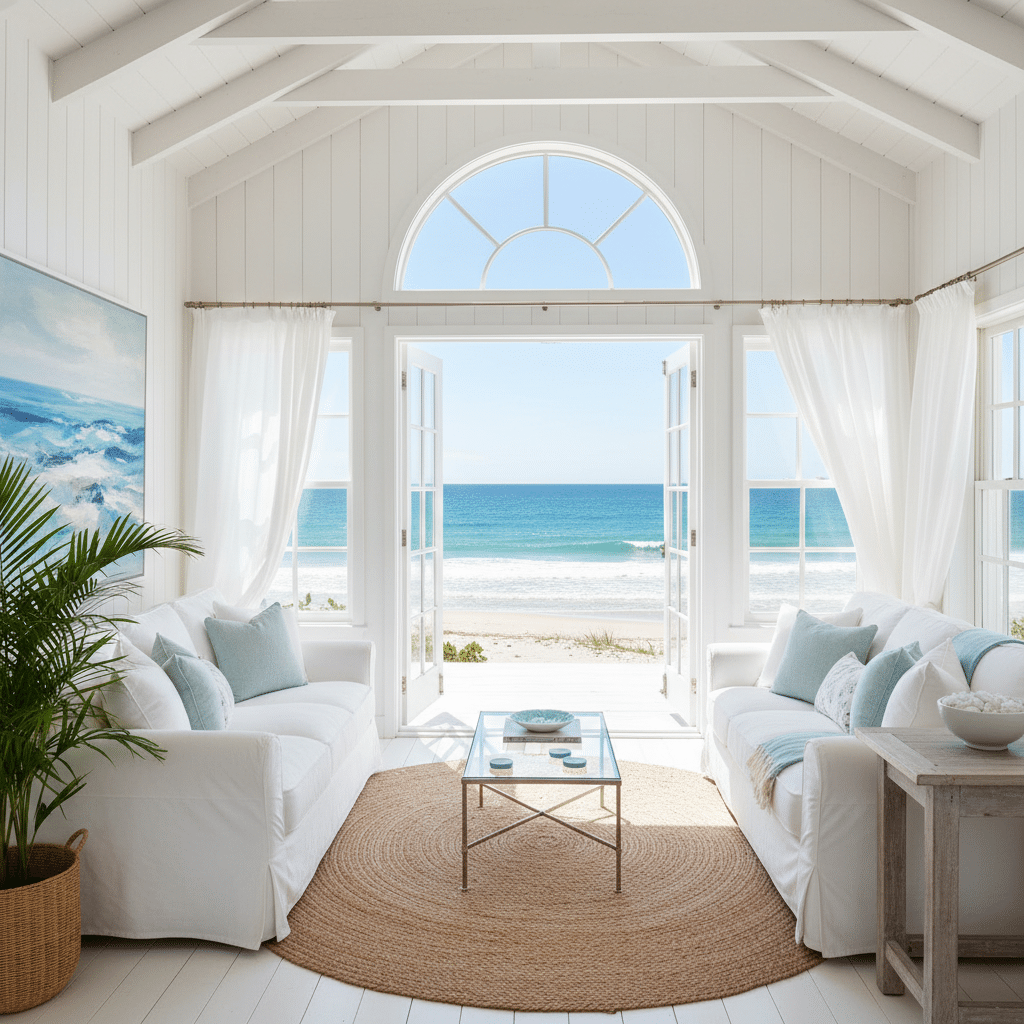
  • Key Characteristics: Abundant natural light, light-colored walls, natural wood or white-painted furniture, rattan or wicker accents, and a strong presence of textures like linen, cotton, and jute. Nautical accents (shells, driftwood, ropes) are common but should be used tastefully.
  • Color Palette: Primarily whites, creams, and sandy neutrals, with refreshing blues (navy, turquoise, aqua) and greens as accents.
  • Vibe: Relaxed, breezy, refreshing, tranquil, and bright.

Eclectic & Avant-Garde Expressions: Boldly Unique

Bright coastal living room with ocean view, white sofas, glass table, and beach-themed decor. Summer retreat vibes.

These styles celebrate individuality, creativity, and a willingness to mix and match, resulting in truly unique and personality-filled spaces.

Eclectic Style

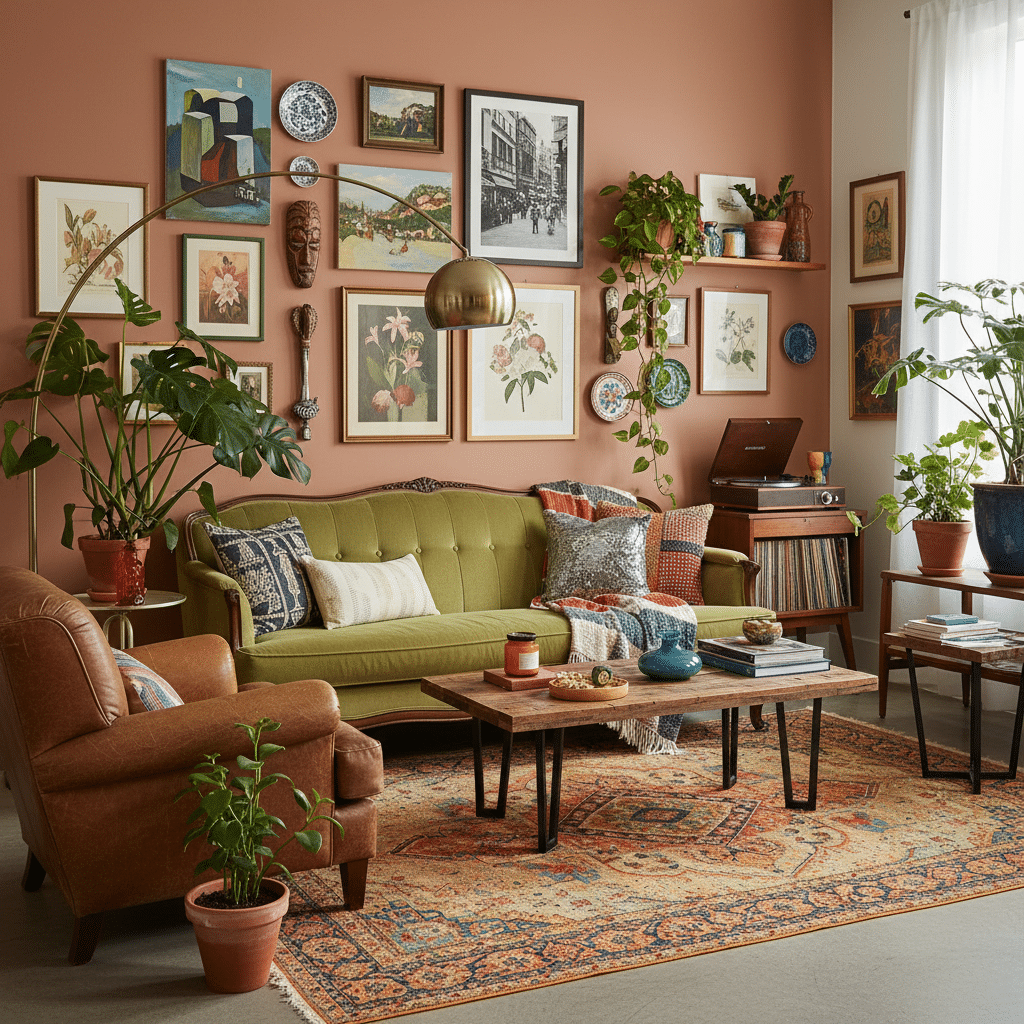
Eclectic design is the art of combining elements from different styles, eras, and cultures into a cohesive and harmonious whole. It’s about thoughtful curation, not chaos.

  • Key Characteristics: A thoughtful blend of furniture, art, and decor from various sources. It requires a keen eye for unifying elements such as color, texture, or scale, even when pieces are disparate. It’s often personal, showcasing collections and treasures.
  • Color Palette: Can be anything, but often uses a neutral backdrop to allow diverse pieces to stand out, or a bold, cohesive color scheme to tie everything together.
  • Vibe: Personal, curated, artistic, layered, and sophisticatedly unconventional.

Art Deco Style

Flourishing in the 1920s and 30s, Art Deco is synonymous with glamour, luxury, and geometric sophistication. It’s a statement of opulence and modernity.

  • Key Characteristics: Bold geometric patterns, streamlined forms, rich materials like polished chrome, glass, mirrors, lacquer, and exotic woods. Plush upholstery in velvet or silk, often with fan-shaped motifs, sunbursts, and zigzags. Ornate lighting is key.
  • Color Palette: Often rich and dramatic – black, white, gold, silver, deep reds, emerald greens, and sapphire blues.
  • Vibe: Glamorous, luxurious, elegant, opulent, and strikingly sophisticated.

Shabby Chic Style

Shabby Chic embraces the beauty of imperfection, age, and a romantic, vintage aesthetic. It’s about creating a soft, feminine, and comfortable atmosphere. To dive deeper into this charming aesthetic, visit Shabby Chic Home.
  • Key Characteristics: Distressed furniture with a worn, antique look, often painted white or pastel. Soft, comfortable upholstery in linen or cotton, often with floral or vintage patterns. Chandeliers, vintage mirrors, and delicate decorative items.
  • Color Palette: Predominantly soft pastels – white, cream, pale pink, light blue, mint green, and lavender.
  • Vibe: Romantic, vintage, cozy, feminine, and slightly whimsical. If you adore spaces that evoke a sense of playfulness and fantasy, exploring the broader concept of Whimsical Decor might inspire you further.

Global & Cultural Influences: A World of Inspiration

Cozy living room with green sofa, eclectic art gallery wall, vintage decor, and indoor plants on a patterned rug backdrop.

Our homes can be portals to other lands, drawing inspiration from diverse cultures and traditions to create truly unique and richly textured spaces.

Mediterranean Style

Inspired by the sun-drenched regions surrounding the Mediterranean Sea, this style brings warmth, rustic charm, and a connection to nature.

  • Key Characteristics: Earthy textures like stucco walls, terracotta tiles, and dark, rustic wood beams. Wrought iron details, mosaic accents, and heavy, carved wooden furniture. Plaster finishes, arched doorways, and a focus on natural light.
  • Color Palette: Warm, earthy tones like terracotta, gold, olive green, deep blue (sea and sky), and sun-baked neutrals.
  • Vibe: Warm, rustic, inviting, relaxed, and a touch old-world.

Asian-Inspired Style

Encompassing a broad range of influences from Japan, China, and other East Asian cultures, this style emphasizes tranquility, balance, and a deep connection to nature. For those fascinated by the structural beauty, exploring Japanese Architecture offers profound insights into its aesthetic roots.

  • Key Characteristics: Clean lines, minimalist forms, natural materials like bamboo, rice paper, silk, and dark woods. Low-profile furniture, screens, intricate carvings, and motifs such as cherry blossoms or dragons. Water features and indoor plants are common.
  • Color Palette: Often serene and earthy – deep reds, golds, jade green, black, and white, with natural wood tones.
  • Vibe: Peaceful, harmonious, refined, spiritual, and elegant.

Moroccan Style

Exotic, vibrant, and incredibly ornate, Moroccan style transports you to the bustling souks and tranquil riads of North Africa.
  • Key Characteristics: Rich, jewel-toned textiles with intricate patterns, mosaic tiles, arched doorways, carved wood furniture, and lanterns with pierced metalwork. Low-slung seating, plush rugs, and an abundance of decorative accessories.
  • Color Palette: Vibrant and warm – fuchsia, teal, gold, orange, deep purple, and emerald green, often mixed with metallic accents.
  • Vibe: Luxurious, exotic, sensual, mysterious, and inviting.

Emerging Trends & Personalized Touches: Your Home, Your Story

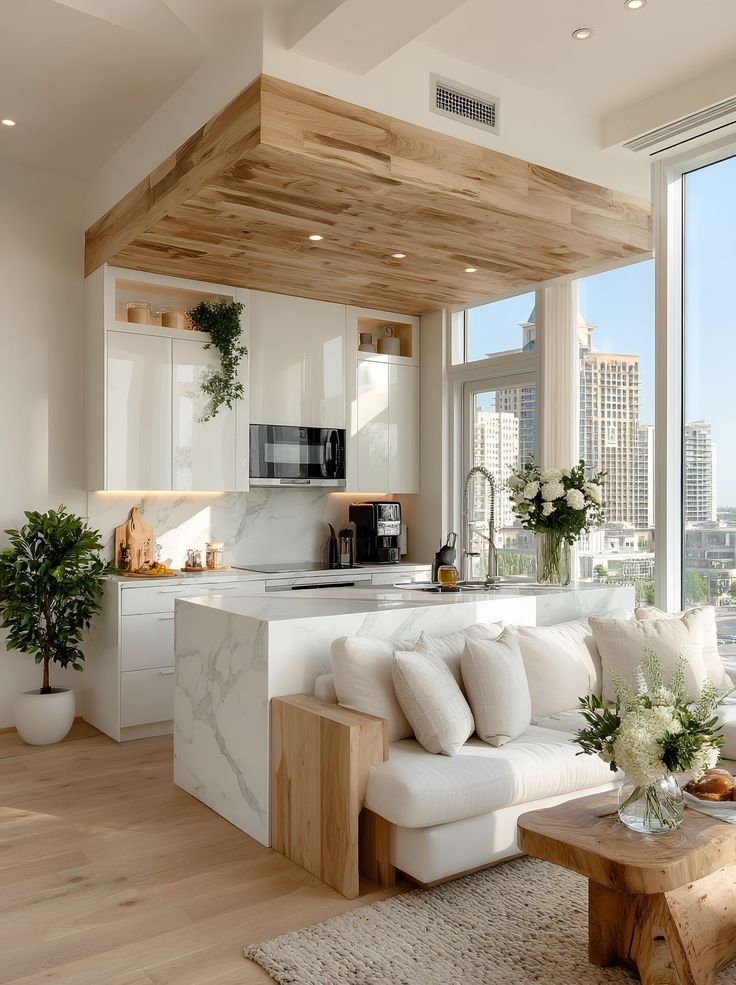
Modern kitchen with marble island, wooden ceiling, and cozy seating area. Bright and airy space featuring city views and greenery.
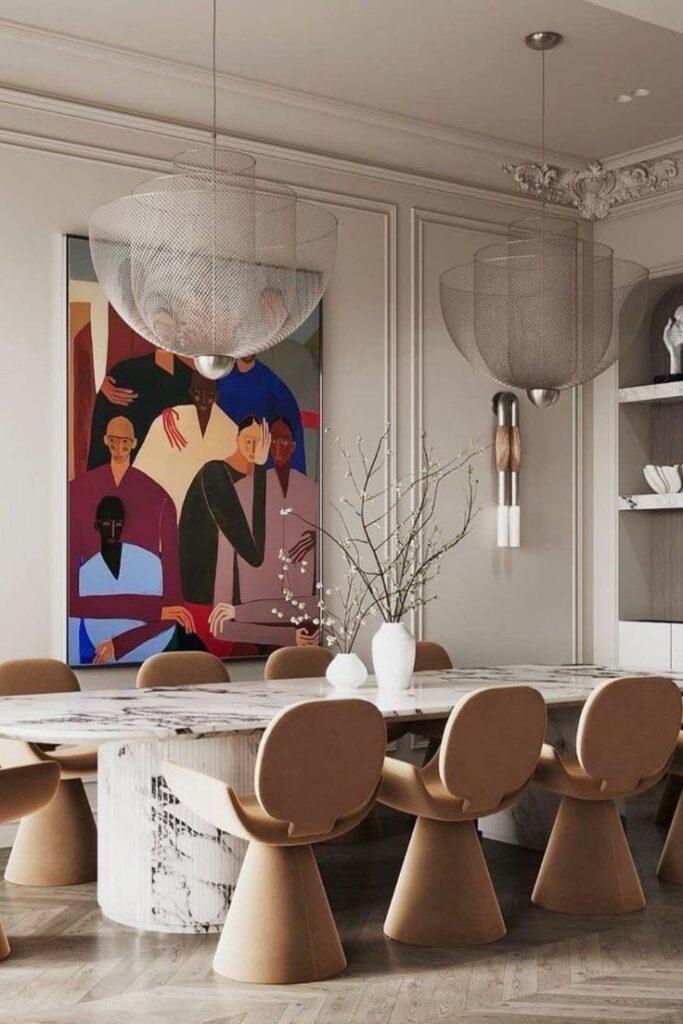
Modern dining room with abstract art, marble table, beige chairs, and elegant pendant lighting.

Interior design is constantly evolving, with new trends emerging and older ones being reinterpreted. The most exciting development, however, is the increasing emphasis on personalization – making your home a true reflection of you.

Biophilic Design

Biophilic design integrates natural elements and processes into the built environment. It’s about enhancing human connection to nature within our homes, improving well-being, productivity, and health.

  • Key Characteristics: Abundant houseplants (living walls, large potted specimens), natural light maximization, natural materials (wood, stone), views of nature, and water features. Patterns and textures that mimic natural forms.
  • Color Palette: Earthy greens, blues, browns, and whites.
  • Vibe: Calming, refreshing, grounding, and health-promoting.

Sustainable Design

Sustainable design focuses on minimizing environmental impact by using eco-friendly materials, energy-efficient solutions, and durable, long-lasting products.

  • Key Characteristics: Reclaimed wood, recycled materials, natural fibers (organic cotton, hemp, bamboo), low-VOC paints, energy-efficient appliances, and furniture crafted from sustainably sourced timber. Prioritizing quality and longevity over disposable trends.
  • Color Palette: Often natural and earthy, reflecting the materials used.
  • Vibe: Responsible, conscious, natural, and timeless.

Personalized Spaces & Maximalism

While minimalism has dominated for years, there’s a strong counter-trend towards creating highly personalized spaces, often embracing the “more is more” philosophy of Maximalism. This style is about collecting, curating, and displaying everything you love, creating a rich, layered, and utterly unique environment. Your home is not just a place to live; it’s an extension of your spirit. The concept of Home as a Reflection of Personality: A Personalized Approach perfectly encapsulates this shift.
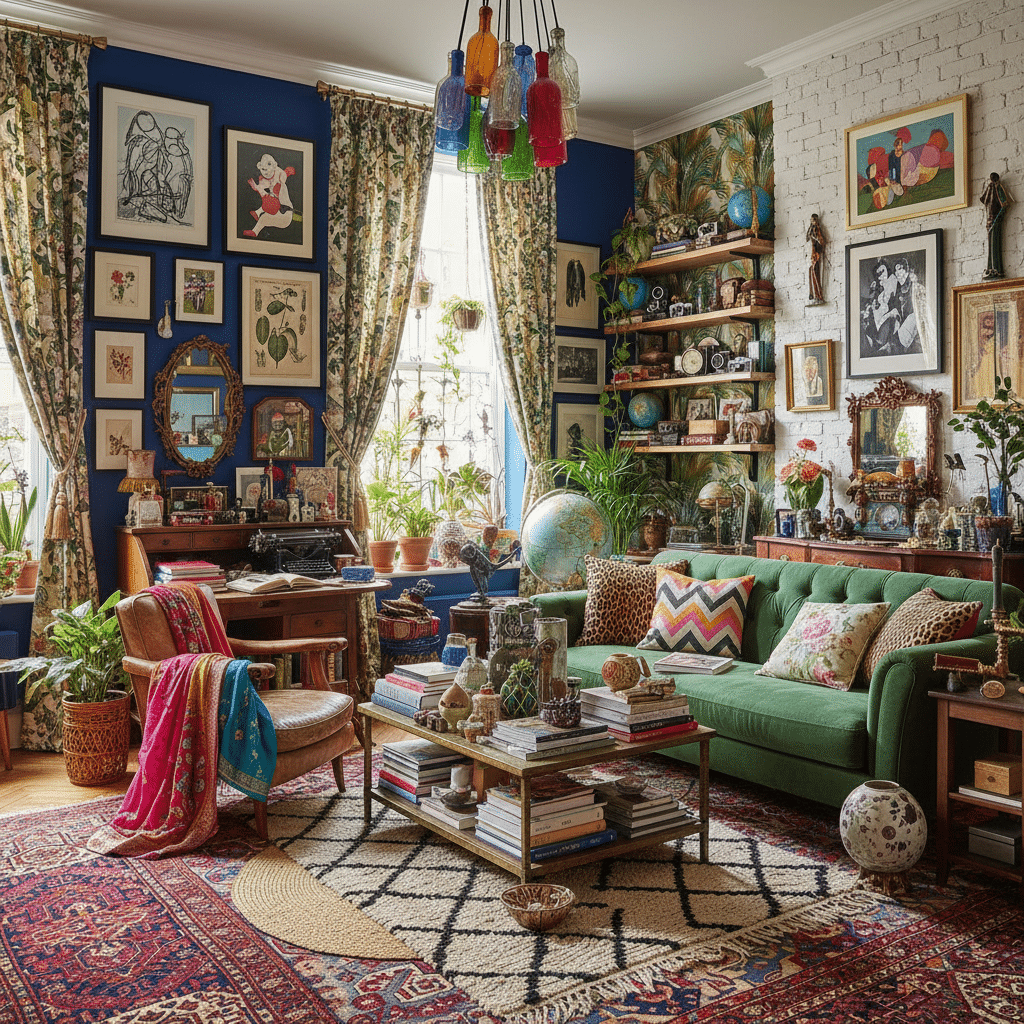
  • Key Characteristics: Rich textures, bold patterns, vibrant colors, curated collections of art and objects, layered decor, and a mix of periods and styles. Every item tells a story, contributing to a deeply personal narrative.
  • Color Palette: Unrestricted! Often bold, vibrant, and multi-colored, with a focus on creating visual interest through contrast and harmony.
  • Vibe: Expressive, vibrant, artistic, cozy, and profoundly personal. It’s a joyful rebellion against blandness.

Unleash Your Inner Designer!

Eclectic living room with colorful decor, vintage furniture, plants, and art-filled walls. Cozy and vibrant bohemian style.

The world of interior design styles is incredibly rich and diverse, offering an endless palette for creative expression. From the serene simplicity of Scandinavian to the opulent grandeur of Art Deco, and the vibrant chaos of Bohemian, there’s a style—or a blend of styles—waiting to perfectly encapsulate who you are.

Remember, the goal isn’t to rigidly adhere to a single style but to find what resonates with you. Don’t be afraid to mix elements, inject your personality, and experiment until your home tells your unique story. Start by identifying the feelings you want your space to evoke. Do you crave tranquility, energy, warmth, or sophistication? Then, let these popular interior design styles serve as your inspiration, your starting point, and your guide.

Your home is your canvas. So, go forth, unleash your creativity, and design a space that truly reflects the magnificent individual you are! The journey of transforming your home into a personalized masterpiece is an exciting adventure, and you’re now equipped with the knowledge to embark on it with confidence and flair. Let the designing begin!
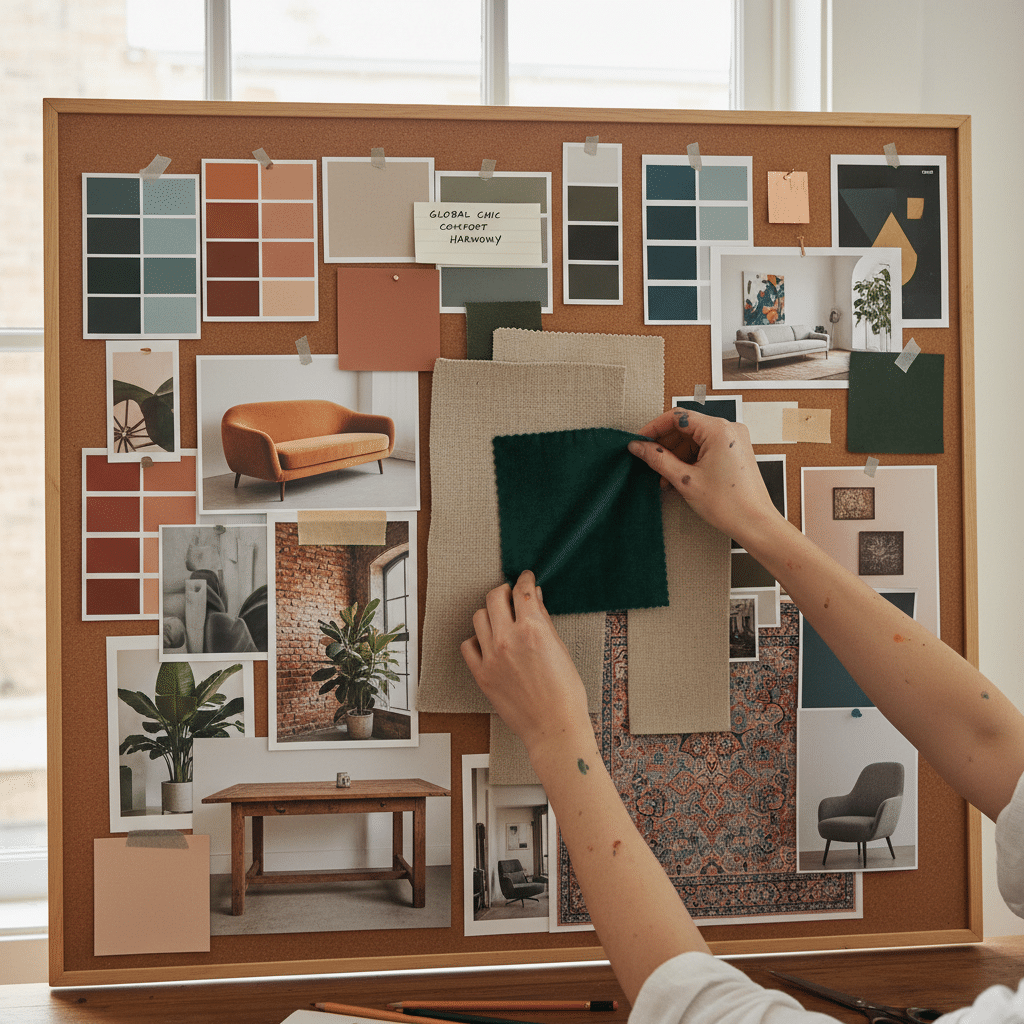
Interior design mood board with fabric swatches, color samples, and inspiration photos.

What are the fundamental principles of interior design that apply across various styles?

The fundamental principles include understanding color theory, which influences mood; texture and pattern to add depth and interest; lighting layers such as ambient, task, and accent lighting to set the atmosphere; balance and scale for visual harmony; rhythm and repetition for coordinated flow; and emphasis through focal points to draw attention.

How can I choose an interior design style that reflects my personality?

Start by identifying the mood you want your space to evoke, such as tranquility or vibrancy, and explore styles that match those feelings like Scandinavian for serenity or Bohemian for eclecticism. Mix elements from different styles if they resonate with you, and use them as inspiration to create a personalized space that tells your unique story.

What distinguishes classic interior styles like Traditional, Transitional, and Art Deco?

Traditional style draws inspiration from 18th and 19th-century European decor with ornate details and rich wood tones; Transitional is a balanced mix of classic and modern elements with simpler silhouettes and neutral colors; and Art Deco is characterized by glamorous geometric patterns, rich materials, and luxurious finishes, reflecting an era of opulence and sophistication.

What are the key features of modern and contemporary interior design?

Modern style emphasizes functionality with clean lines, natural materials, and minimal ornamentation, often featuring neutral palettes and geometric shapes. Contemporary style reflects current trends, with fluid forms, diverse textures, and a mix of materials like metals and glass, creating sleek and evolving spaces that are cutting-edge and sophisticated.

How can I incorporate personal touches into my interior design to make my home unique?

You can personalize your space by showcasing curated collections, mixing different styles and eras, using bold patterns and vibrant colors, and incorporating meaningful decor items such as souvenirs or artworks. Emphasizing your interests and personality in your choices transforms your home into a true reflection of who you are.

author avatar
Arina Editor
I'm Arina, writer with a passion for art, teaching, technology, and science. I create engaging blogs and articles, making complex ideas easy and interesting to explore. 29 - December
Previous Article

Create a Serene Outdoor Retreat: Balcony Decorating Made Easy

Next Article

blooket login: Transforming the Future of Fun, Engaging Learning in the Digital Age

Write a Comment

Leave a Comment

Your email address will not be published. Required fields are marked *


Handy Home
Discover Handy Home, your ultimate destination for creative home decor ideas, beauty tips, and fun DIY projects