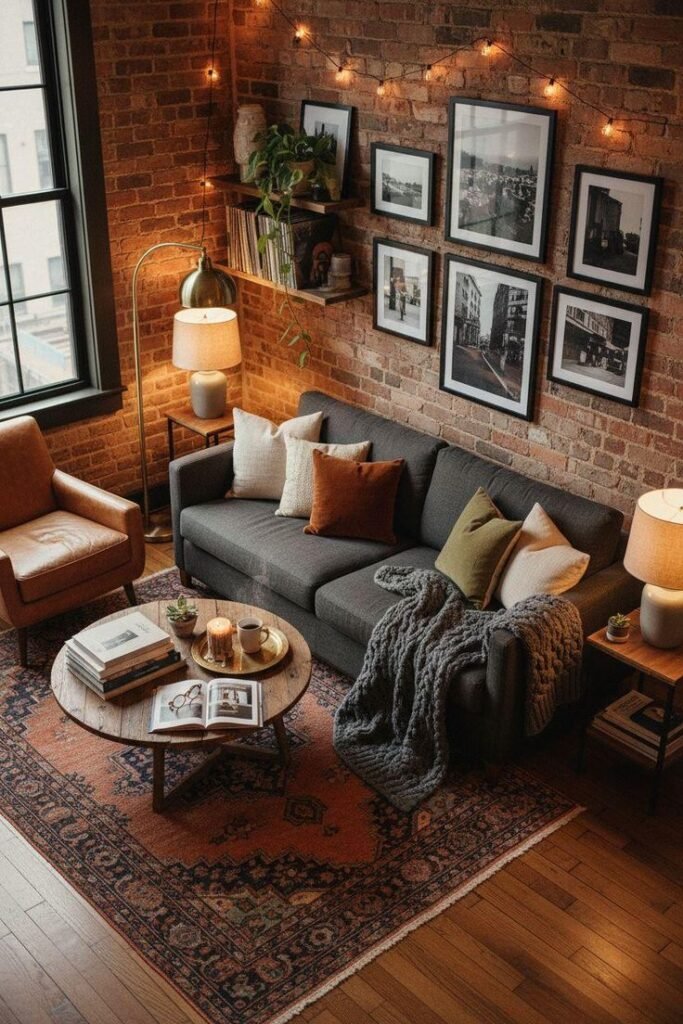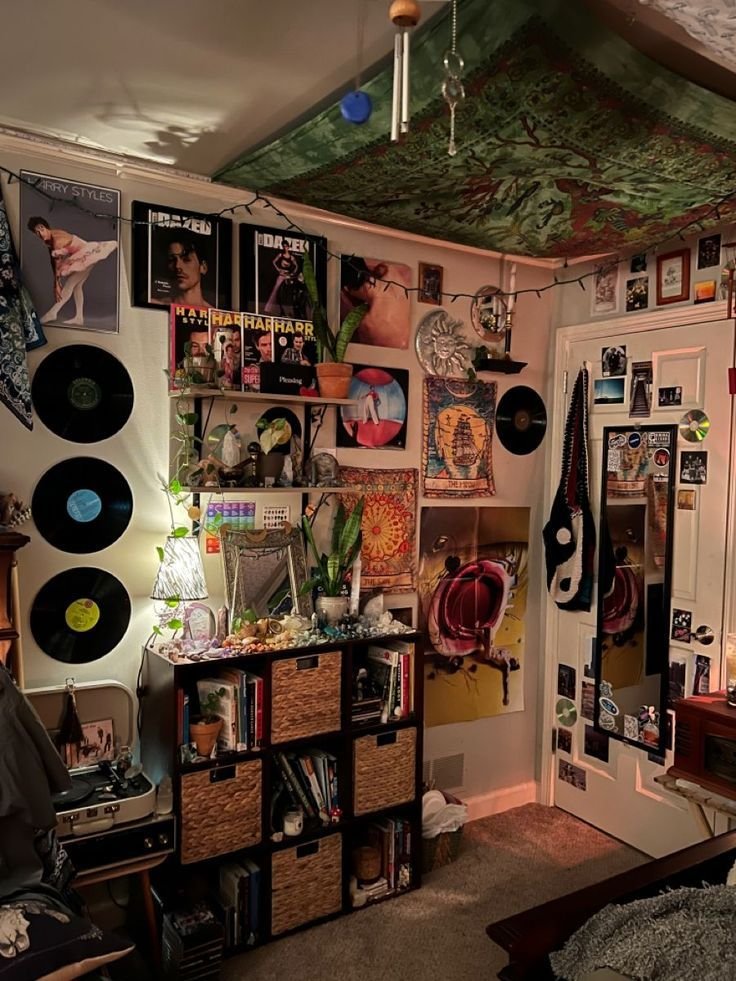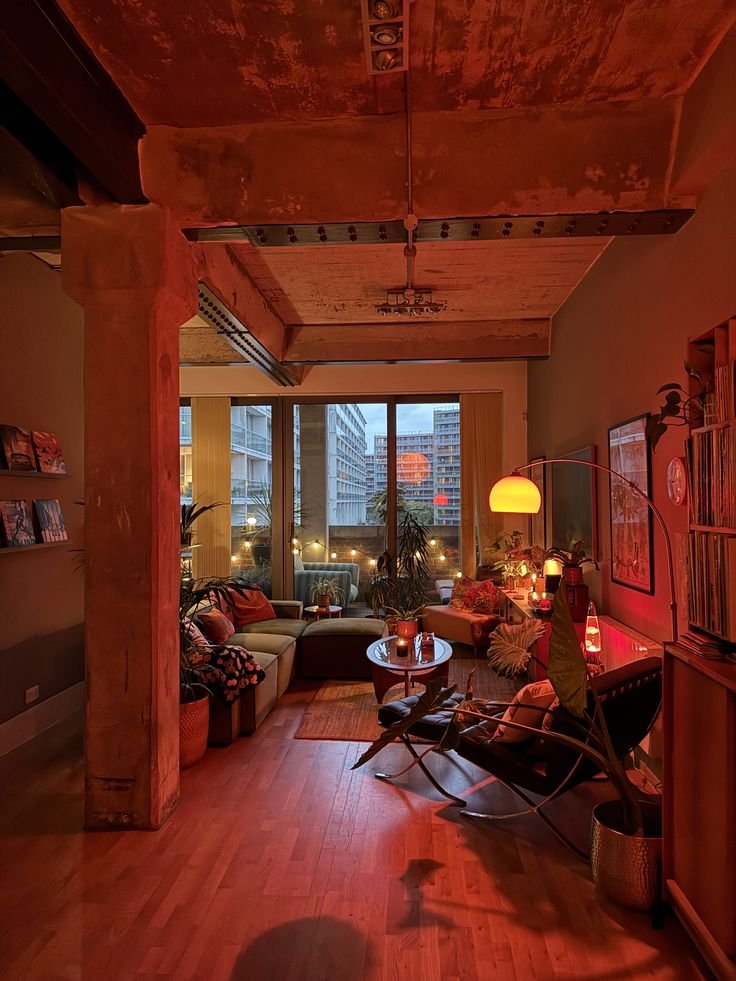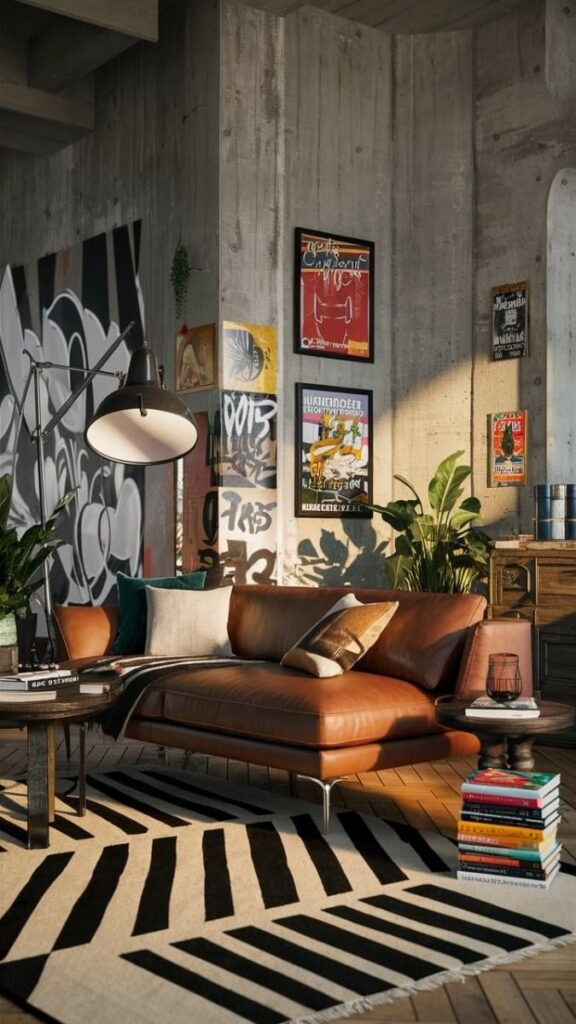
Grunge Apartment Aesthetic: A Practical Guide to Moody, Lived‑In Style

The grunge apartment aesthetic is less about perfection and more about personality. Rooted in the 1990s alternative scene, this look blends raw textures, thrifted finds, muted colors, and an intentionally lived‑in feel. It’s messy without being careless, expressive without being staged. For renters and creatives alike, grunge style offers a way to design a space that feels authentic, rebellious, and deeply personal—without a massive budget.

In this guide, we’ll break down what defines the grunge apartment aesthetic, how to achieve it room by room, and how to balance chaos with comfort so your space feels intentional rather than unfinished.
What Is the Grunge Apartment Aesthetic?

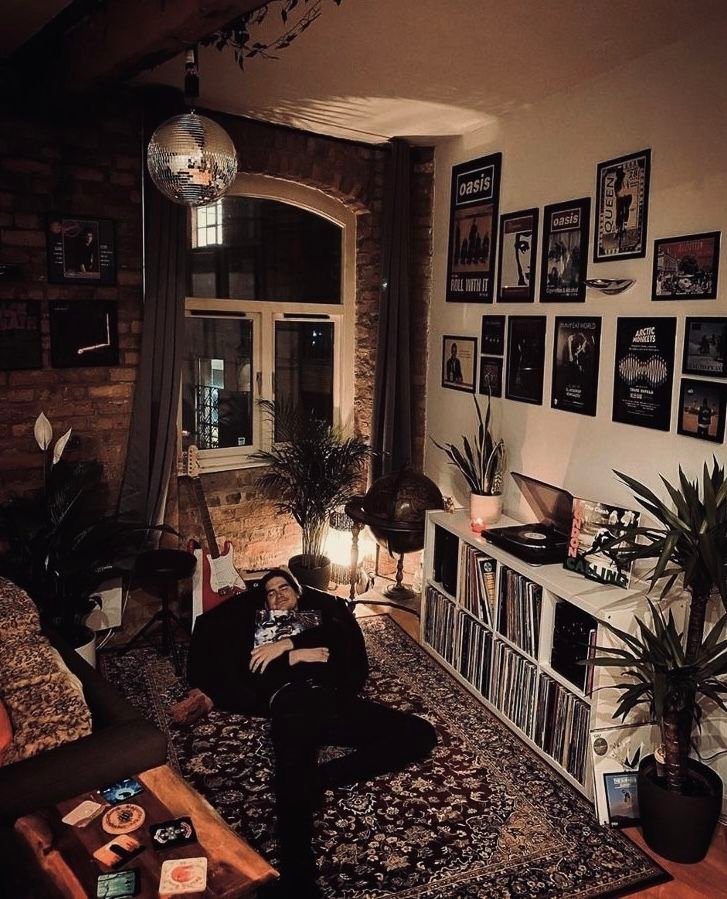
Cozy room with records, guitar, disco ball, and ambient lighting. Person relaxing on a patterned rug by a music-themed wall.
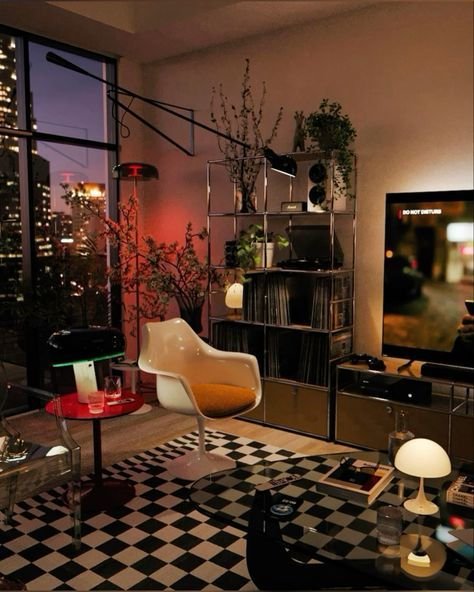
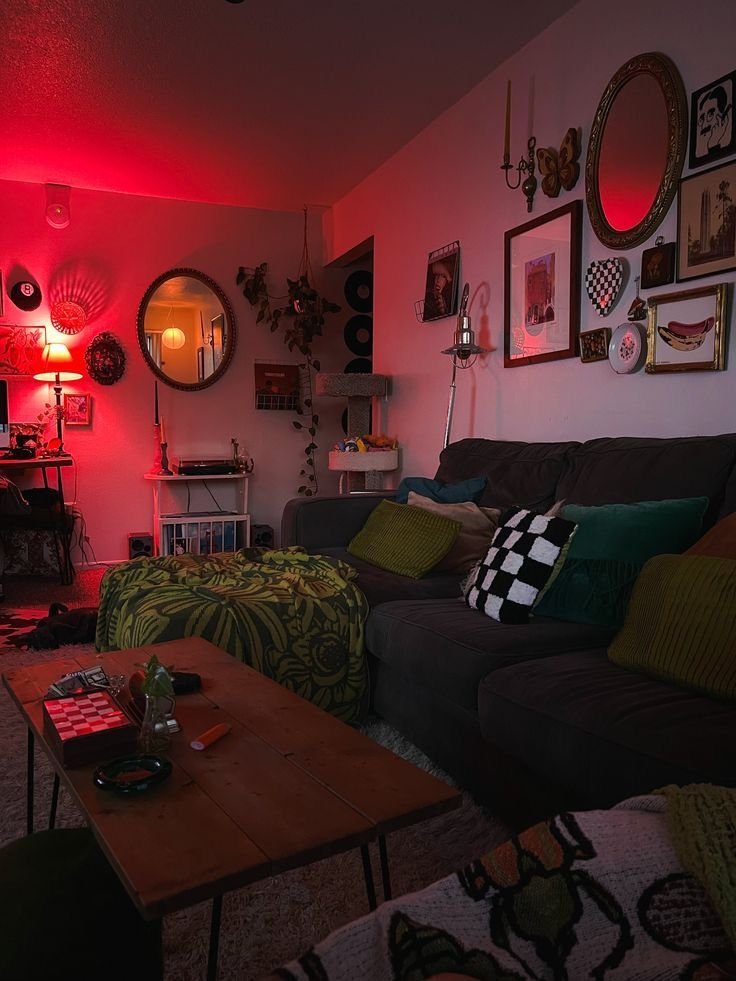
Cozy living room with dim red lighting, vintage decor, and plush seating, creating a warm and inviting ambiance.
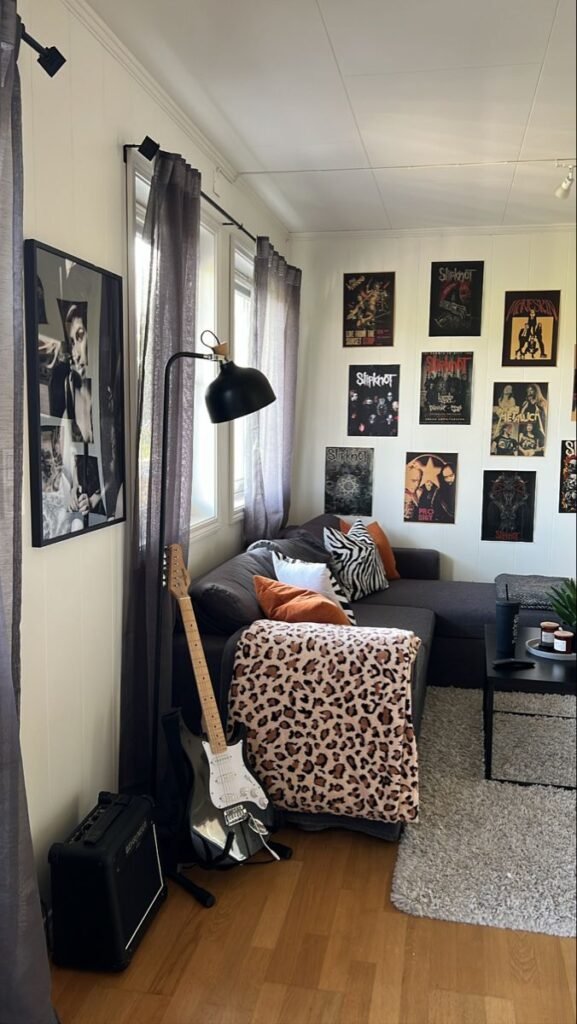
Cozy music-themed room with guitar, posters, and cozy couch with animal print blanket, lamp softly lighting the corner. Grunge Apartment Aesthetic

The grunge aesthetic emerged from underground music culture—think Seattle in the early ’90s—where flannel, combat boots, and anti‑polish attitudes dominated. When translated into interior design, grunge embraces:

  • Imperfect, distressed materials
  • Dark, muted, or earthy color palettes
  • Vintage and secondhand furniture
  • Layered textures and visual noise
  • Personal artifacts over trendy décor

Unlike minimalist or ultra‑modern styles, grunge apartments feel lived in. Scratches, mismatched furniture, peeling paint, and exposed elements aren’t flaws—they’re features.
Core Elements of Grunge Apartment Style

1. Color Palette: Dark, Muted, and Moody

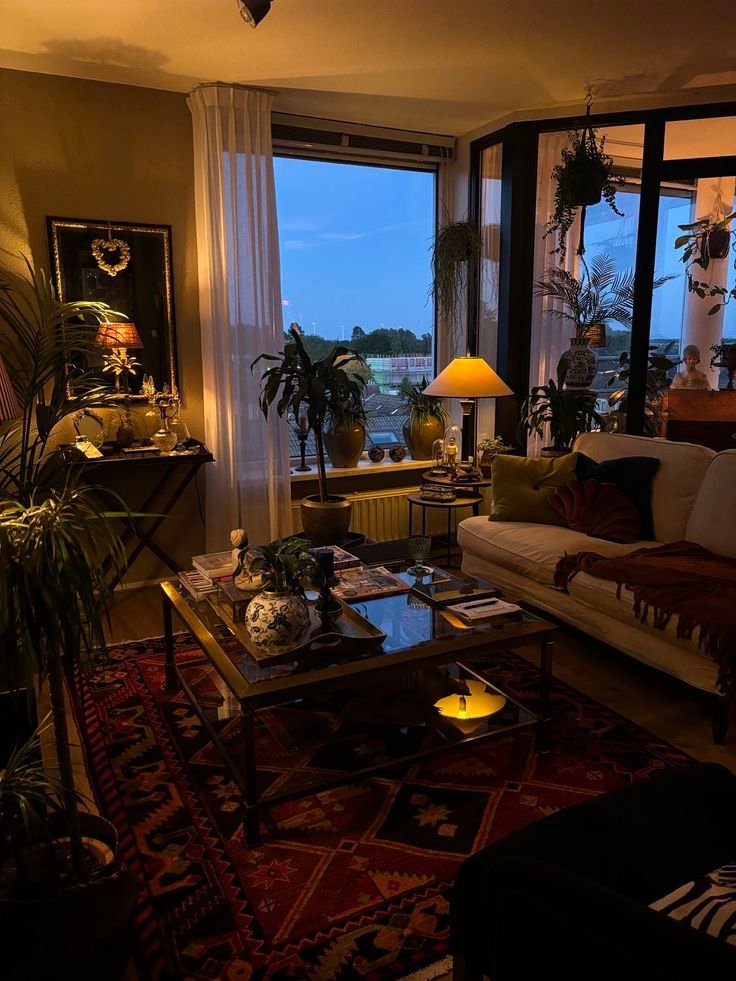
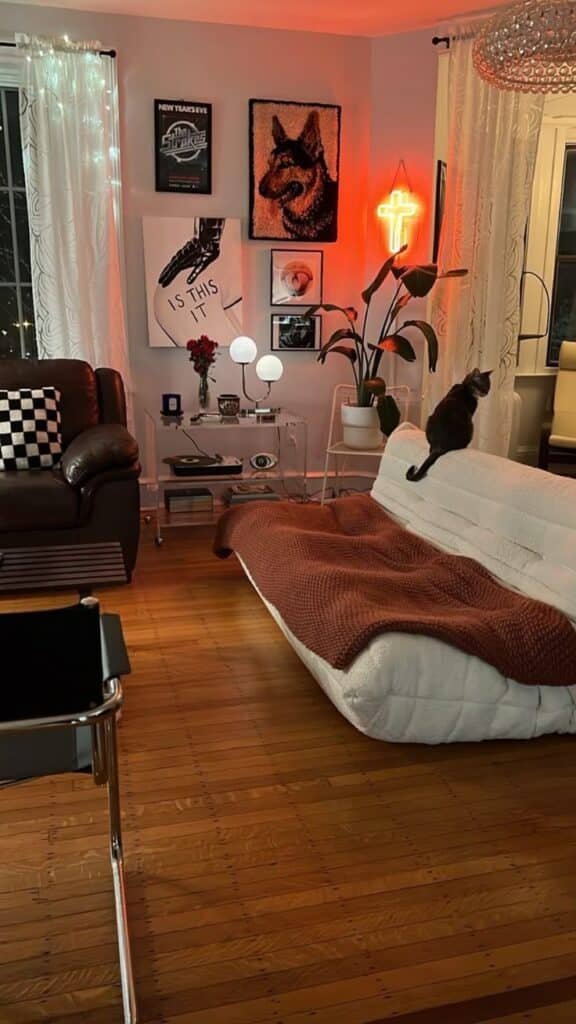
Cozy living room with warm lighting, plants, a glass table, and a beautiful view through large windows at dusk.
Cozy living room with modern decor, art-filled walls, comfy sofa, and a curious cat. Warm, stylish ambiance with soft lighting.
Cozy urban living room with retro decor, city view, checkered rug, stylish chair, and ambient lighting at dusk.

Grunge spaces favor colors that feel worn and emotional rather than bright or polished. Common tones include:

  • Charcoal gray, black, and off‑black
  • Olive green and forest green
  • Rust, burgundy, and deep brown
  • Faded beige or dirty white

You don’t need to paint everything dark. Many grunge apartments rely on contrast—white or neutral walls layered with darker furniture, textiles, and wall art to create depth.
2. Texture Over Shine

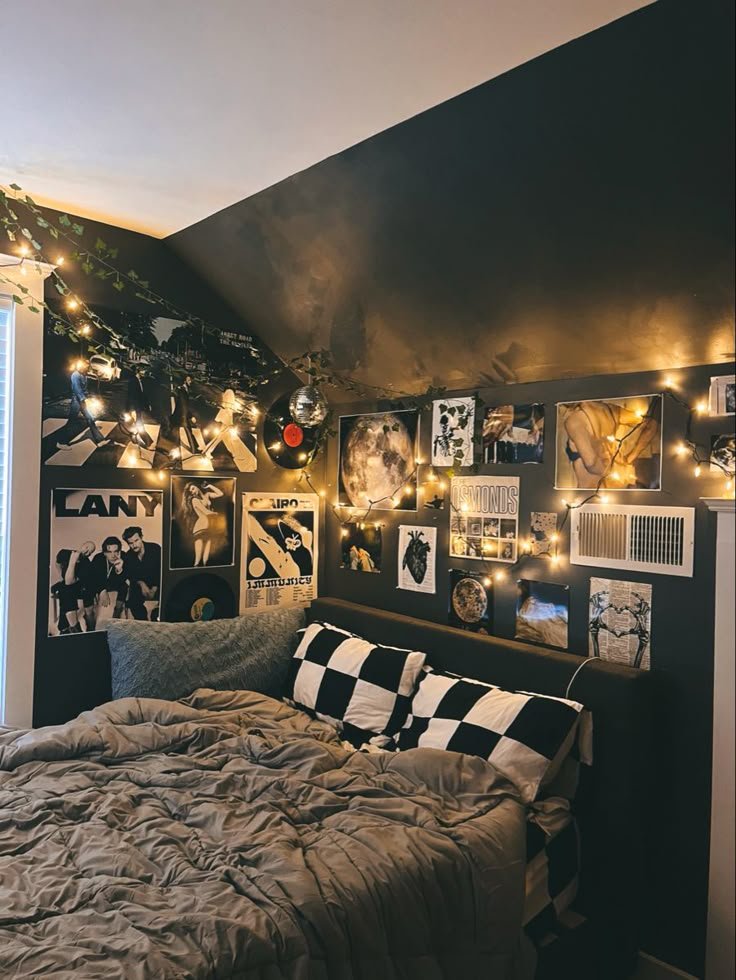
Cozy bedroom with dark walls, string lights, and a gallery wall of posters above a bed with checkered pillows. Warm, artistic ambiance.
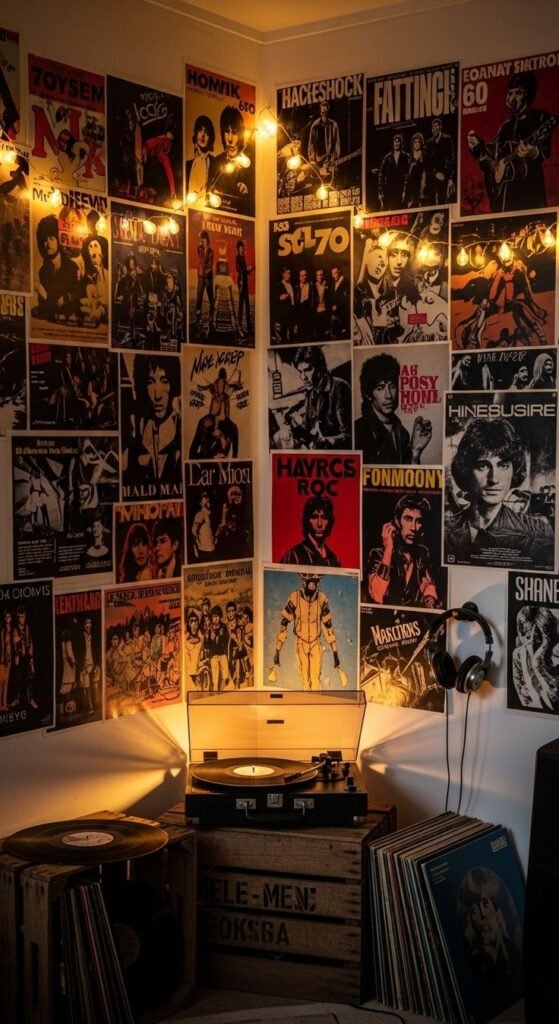
Cozy room with vinyl records and vintage band posters on the wall, illuminated by warm string lights. Perfect retro music vibe.
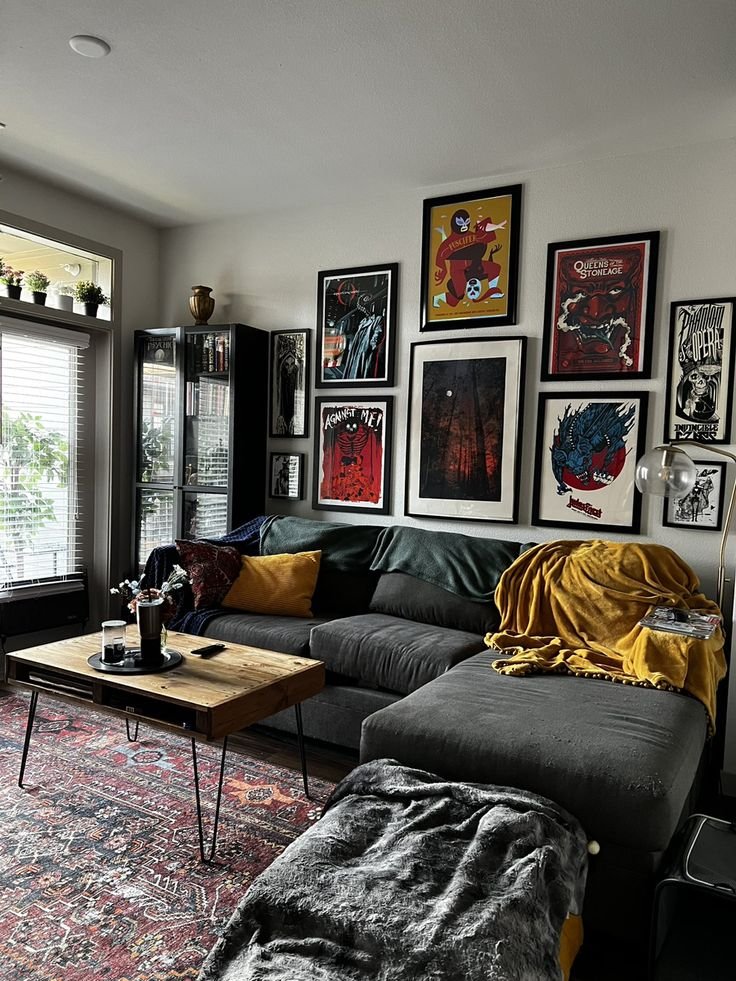
Cozy living room with art-filled walls, gray sectional sofa, colorful rugs, and a wooden coffee table by the window.

Texture is everything in a grunge apartment. Smooth, glossy finishes tend to feel out of place. Instead, prioritize:

  • Distressed wood
  • Worn leather or faux leather
  • Metal with patina or rust tones
  • Heavy fabrics like denim, canvas, and wool

Mixing textures adds richness and keeps darker spaces from feeling flat or depressing.
3. Thrifted and Vintage Furniture

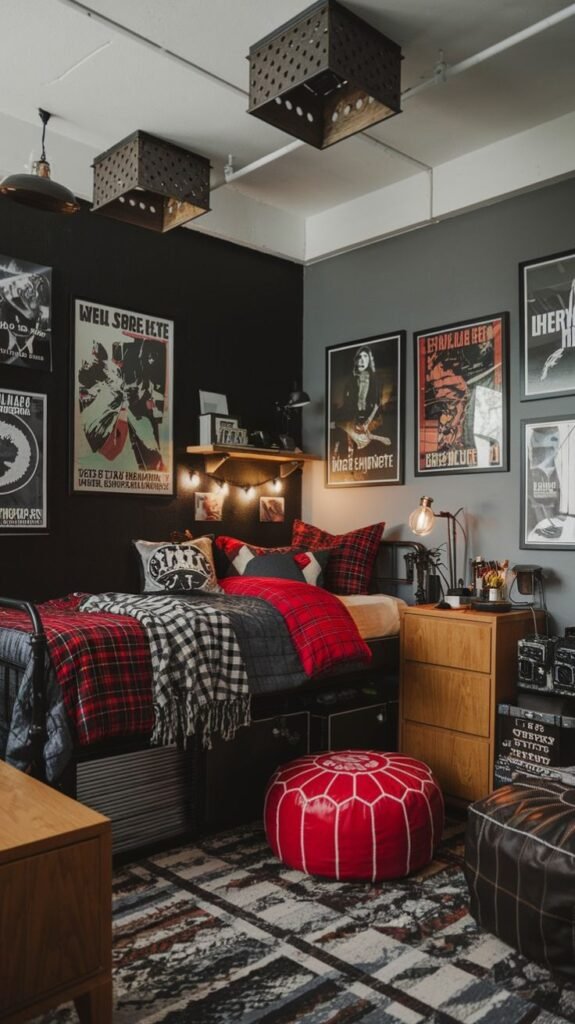
Cozy bedroom with rock-themed decor, plaid bedding, and posters. Modern lighting and red accents create a vibrant atmosphere.
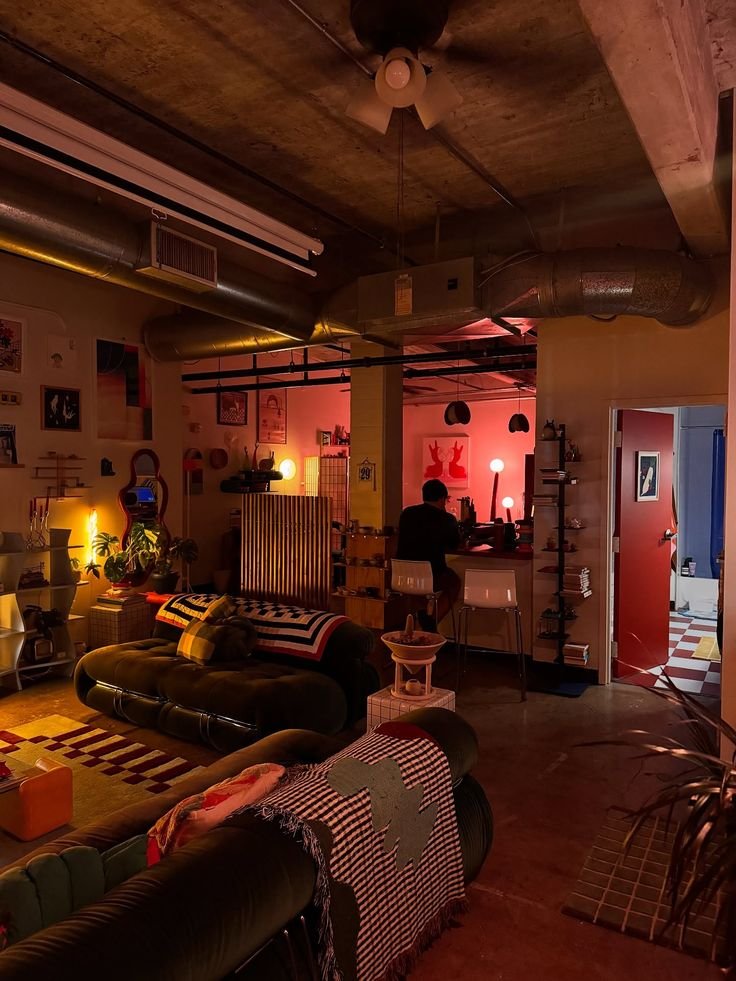
Cozy loft apartment interior with ambient lighting, modern decor, and relaxed seating area. A person sits at the counter in warm tones.
Cozy living room with a gray sofa, vintage decor, string lights, and a gallery wall, creating a warm, inviting ambiance.

Grunge design rejects uniformity. Your couch doesn’t need to match your chair, and your nightstand doesn’t need to match anything at all.

Look for:

  • Secondhand sofas with character
  • Metal bed frames
  • Wooden desks with visible wear
  • Mismatched dining chairs

Thrift stores, flea markets, and curb finds are essential to achieving an authentic grunge look. Bonus points if a piece looks like it has a story.
Wall Decor: Expression Over Symmetry

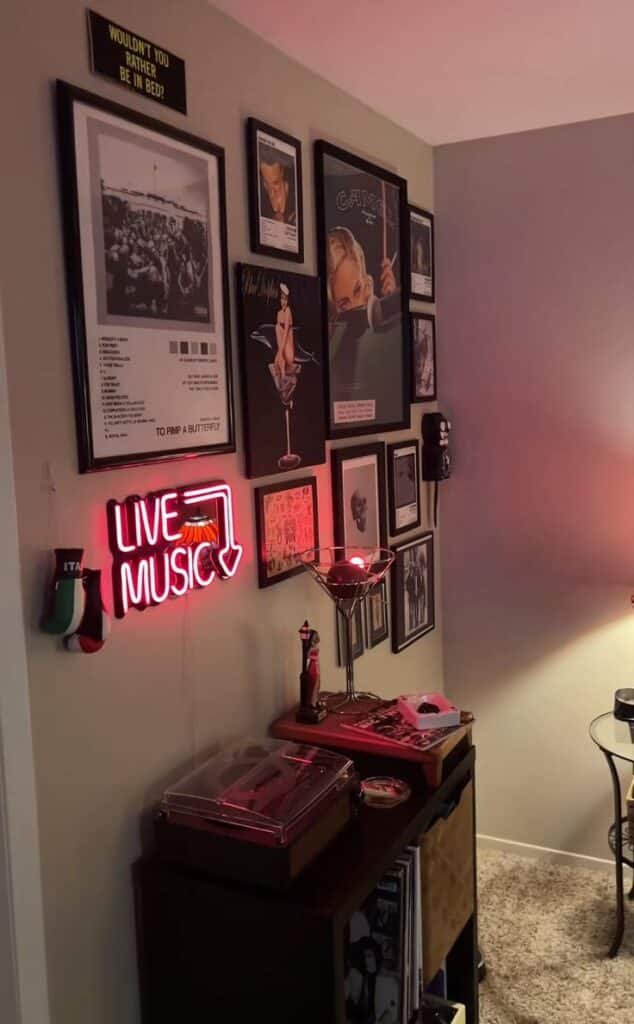
Cozy music-themed room with neon Live Music sign, framed art, and a turntable on a shelf, creating a vintage vibe.
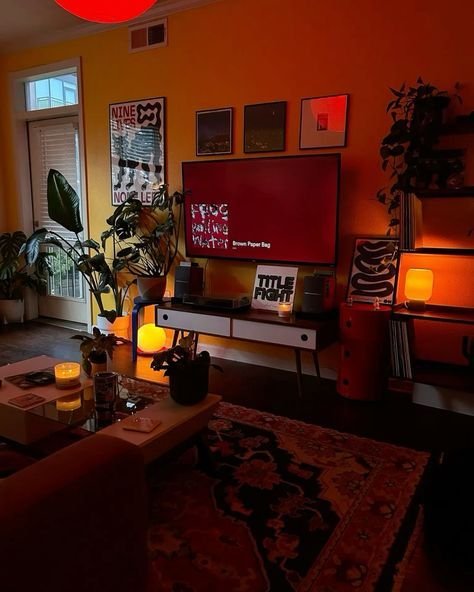
Cozy living room with ambient lighting, modern decor, and a TV on a console. Potted plants and artwork add charm to the space.
Cozy room with music posters, records, plants, and eclectic decor, creating a warm and artistic vibe.

Walls are one of the easiest ways to bring grunge energy into an apartment—especially rentals where major changes aren’t allowed.

Posters and Prints

Layered posters are a grunge staple. Think:

  • Band posters (especially punk, grunge, or alt rock)
  • Photocopy‑style art
  • Zines or DIY prints
  • Black‑and‑white photography

Don’t worry about perfect alignment. Slight overlaps and uneven spacing make the display feel organic.

Tapestries and Fabric

Fabric wall hangings add texture and warmth while softening harsh walls. Dark tapestries, abstract patterns, or worn fabrics work especially well.

Frames That Don’t Match

If you frame art, avoid matching sets. Mix metal, wood, black, and distressed frames for a collected‑over‑time effect.
Lighting: Low, Warm, and Atmospheric

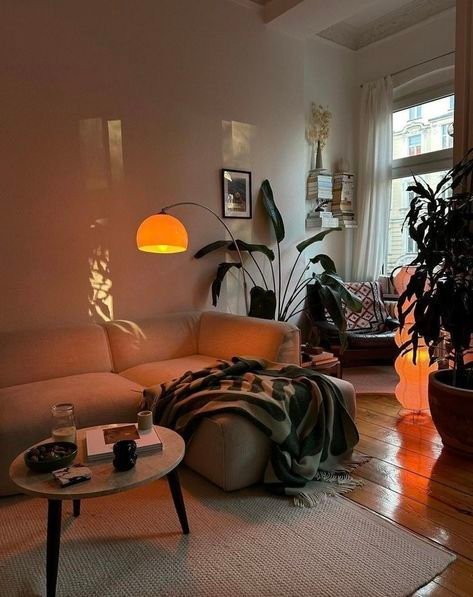
Cozy living room with a beige sofa, warm lighting, plants, and a soft blanket. Calm ambiance for relaxing or reading.
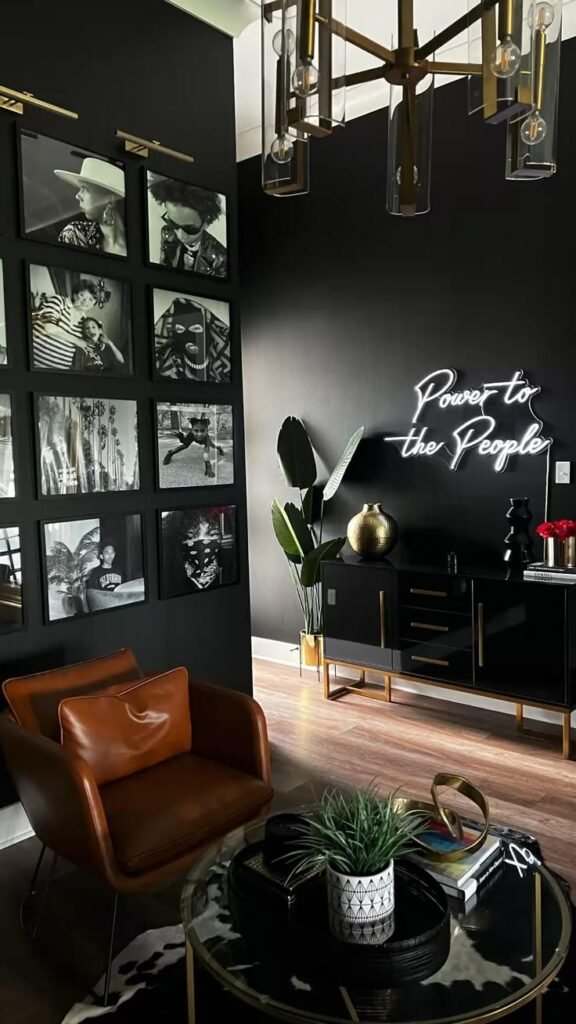
Chic black living room with leather chair, gallery wall, neon sign saying Power to the People, and modern decor accents.
Cozy urban loft with ambient lighting, mid-century decor, and large windows showcasing a city view. Warm, inviting atmosphere.

Lighting can make or break a grunge apartment. Overhead lights are often too harsh, so the goal is to build layers of low, warm light.

Use:

  • Table lamps with warm bulbs
  • Floor lamps with metal or industrial finishes
  • String lights (soft white, not bright)
  • Candles or LED candle alternatives

Avoid cool white bulbs. Grunge lighting should feel moody, cozy, and slightly dim—like a late‑night record listening session.
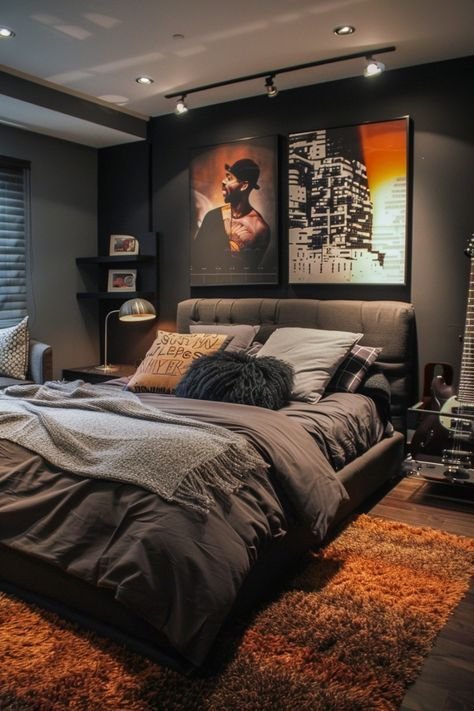
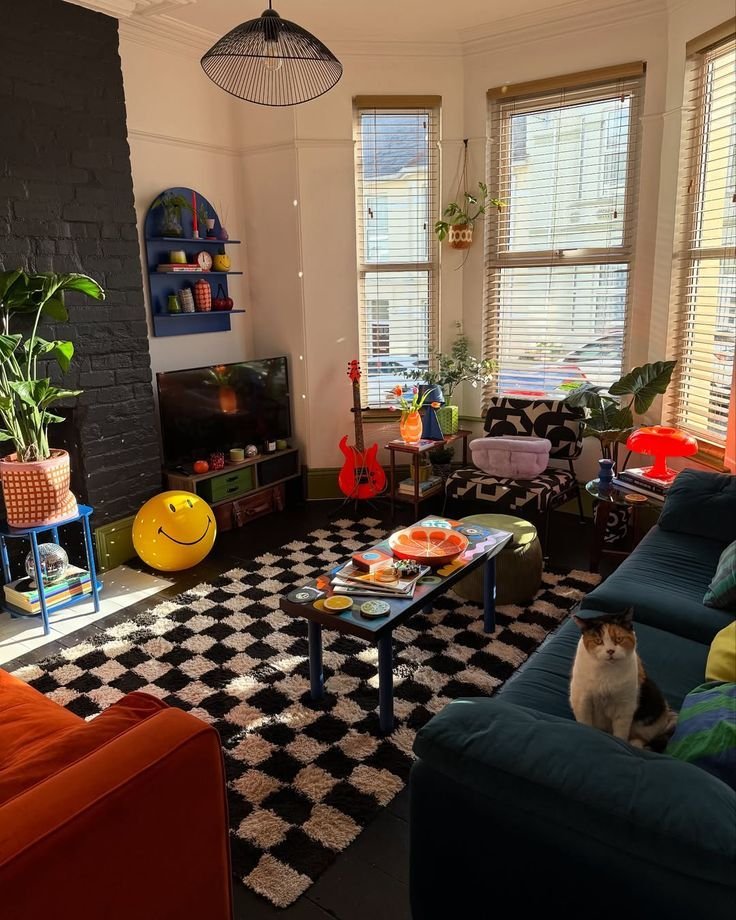
Grunge Bedroom Ideas

Cozy modern bedroom with stylish decor, rich colors, and wall art. Features a guitar and plush bedding for a relaxed vibe.
Vibrant living room with eclectic decor, checkered rug, colorful accents, and a cat on the sofa. Cozy, artistic space.
Cozy living room with leather sofa, eclectic wall art, and modern decor elements. Sunlit interior with trendy, artistic vibe.

The bedroom is where the grunge aesthetic really shines, blending comfort with edge.

Bedding

Layer your bed instead of keeping it pristine:

  • Dark or neutral sheets
  • A worn duvet or quilt
  • Multiple mismatched pillows
  • Throw blankets in heavy fabrics

Wrinkles are welcome here.

Nightstands and Storage

Forget matching sets. Stack books, use crates, or repurpose a small table. Visible clutter—when curated—adds authenticity.

Personal Touches

Add journals, sketchbooks, cameras, vinyl records, or old tech. These details make the room feel lived in and creative rather than styled.
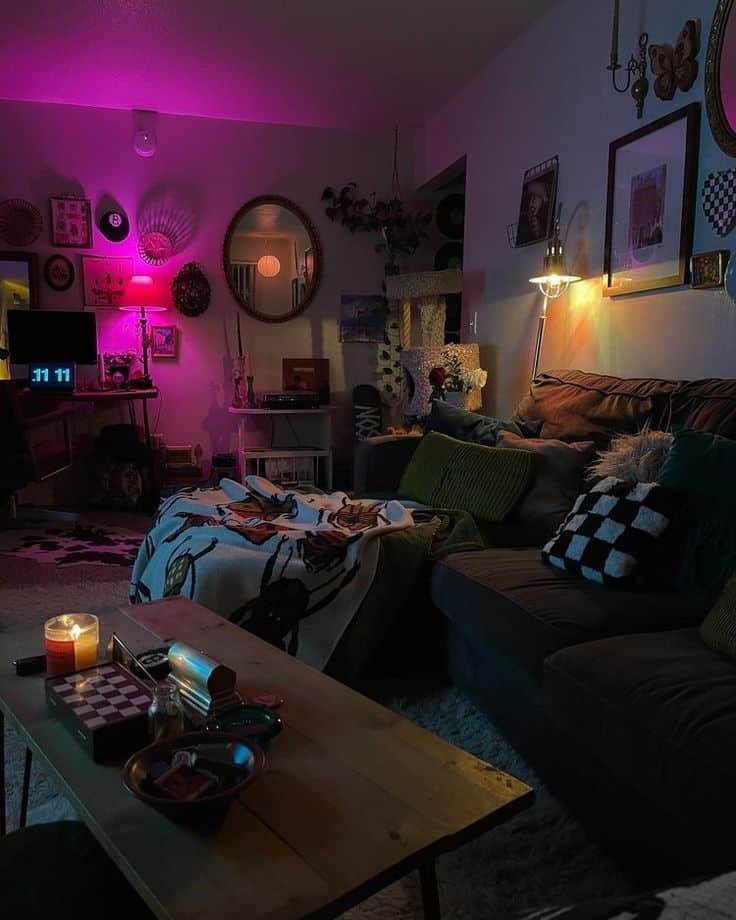
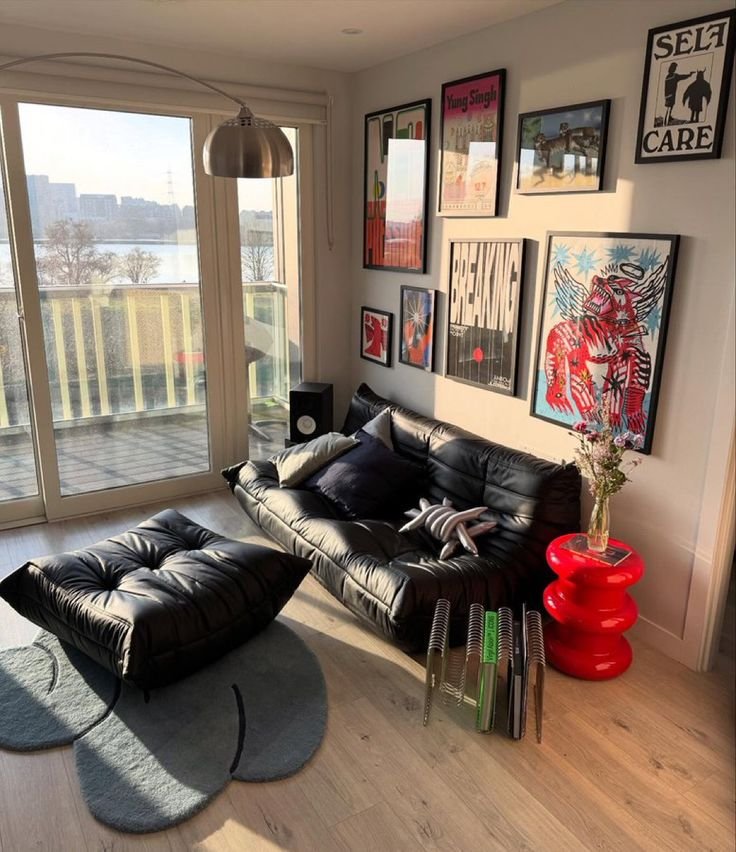
Grunge Living Room Design

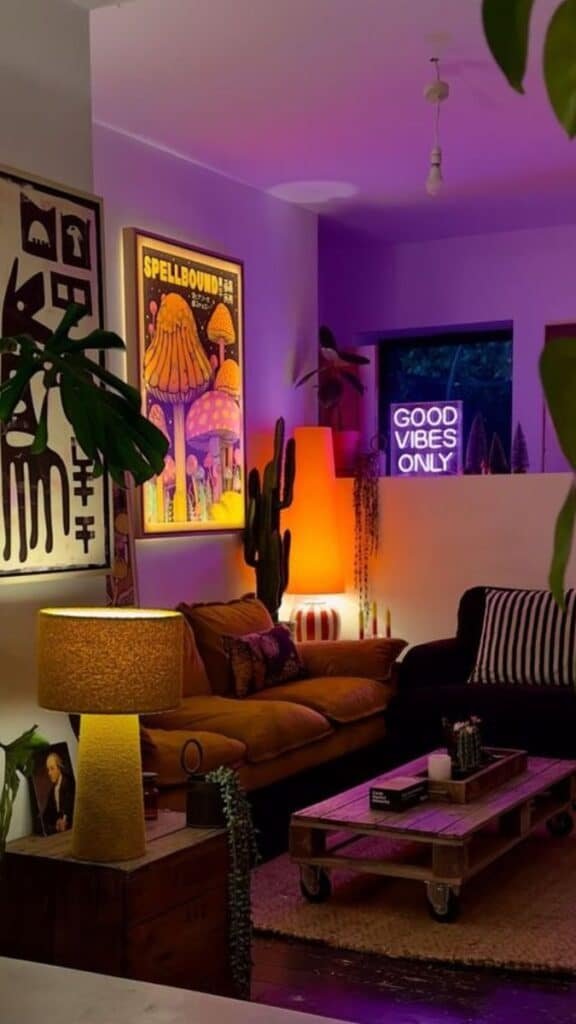
Cozy living room with dim lighting, pink and blue lamps, candles, and eclectic decor creating a relaxing atmosphere.
Modern living room with black leather sofa, colorful art, and a skylit balcony view. Cozy design with eclectic decor accents.
Cozy living room with vibrant lighting, neon sign, and eclectic decor for a relaxing, bohemian vibe.

A grunge living room is a gathering space that feels relaxed, creative, and slightly rebellious.

Seating

Comfort matters more than appearance. Sofas should look soft, not stiff. Layer cushions and throws to make the space inviting.

Coffee Tables and Surfaces

Distressed wood or metal tables work best. Use them to display:

  • Books and magazines
  • Ashtray‑style trays (even if unused)
  • Candles
  • Small art objects

Rugs

Rugs ground the space and add warmth. Look for Persian‑style rugs, faded patterns, or dark solids with texture.
Kitchen and Bathroom: Subtle Grunge Touches

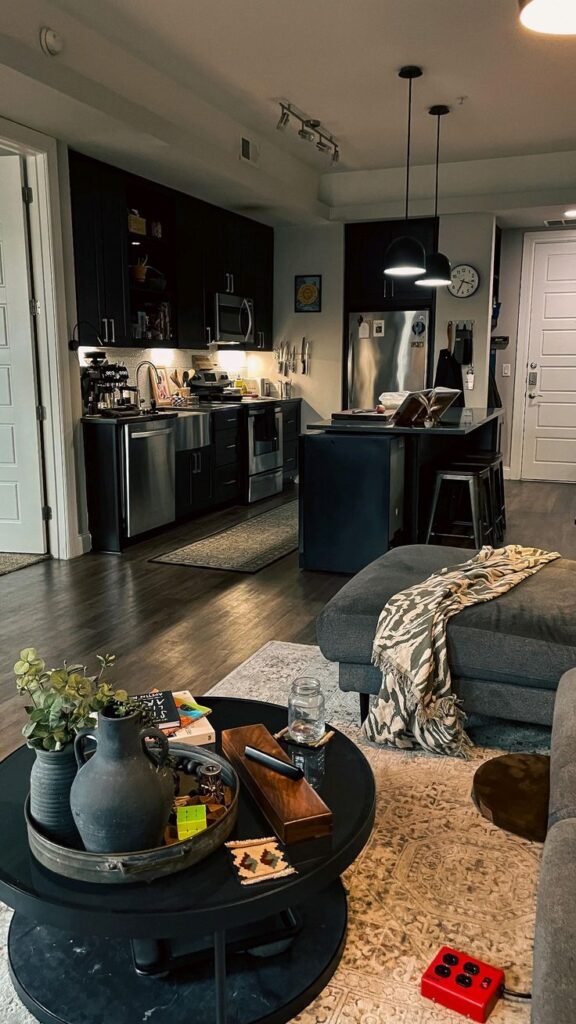
Modern open-concept kitchen and living room with dark cabinets, cozy seating, and stylish decor elements, creating a warm ambiance.
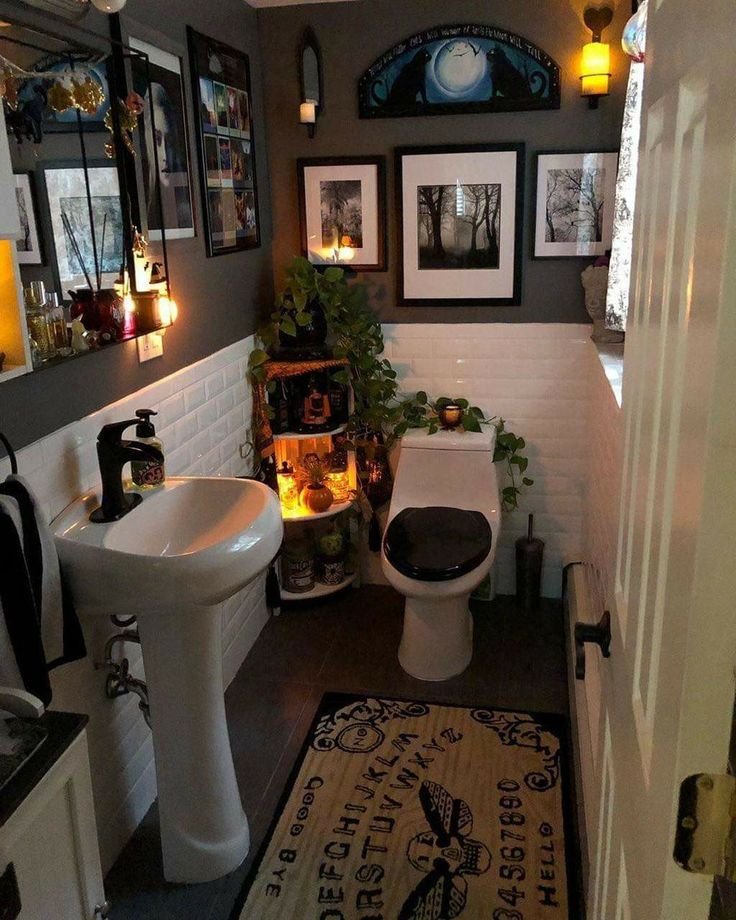
Dimly lit bathroom with dark decor, Ouija board rug, plants, and candles creating a mysterious, cozy atmosphere.
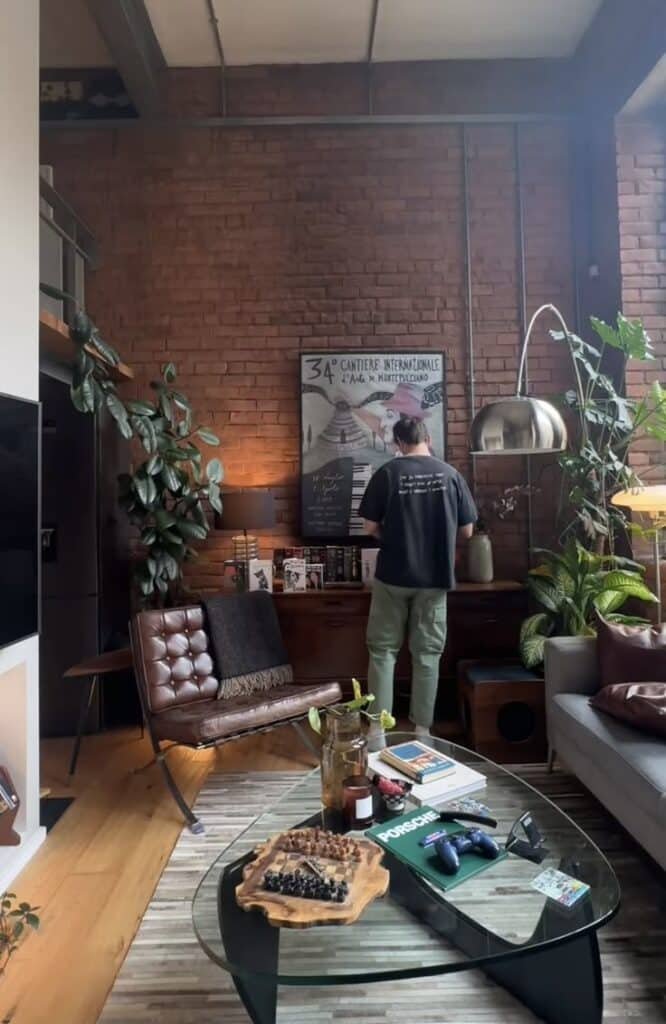
Man in cozy living room with brick walls, plants, and a modern lamp, examining books with a chessboard and game controllers on the table.

Even functional spaces can carry grunge energy without sacrificing cleanliness.

In the kitchen:

  • Open shelving with mismatched dishes
  • Dark tea towels or aprons
  • Industrial or vintage‑style lighting

In the bathroom:

  • Black or metal accessories
  • Minimalist, worn‑look mirrors
  • Neutral or dark shower curtains

The goal is atmosphere, not grime—grunge style still values hygiene.

Balancing Chaos and Intentional Design

One of the biggest mistakes people make with grunge apartments is confusing mess with style. True grunge spaces feel intentional, even when they’re imperfect.

Tips to keep balance:

  • Limit clutter to visible surfaces only
  • Repeat colors and materials for cohesion
  • Edit regularly—remove items that don’t add mood or meaning
  • Keep pathways and functional areas clear

A good rule of thumb: if something looks accidental, it probably needs adjustment.
Why the Grunge Apartment Aesthetic Endures

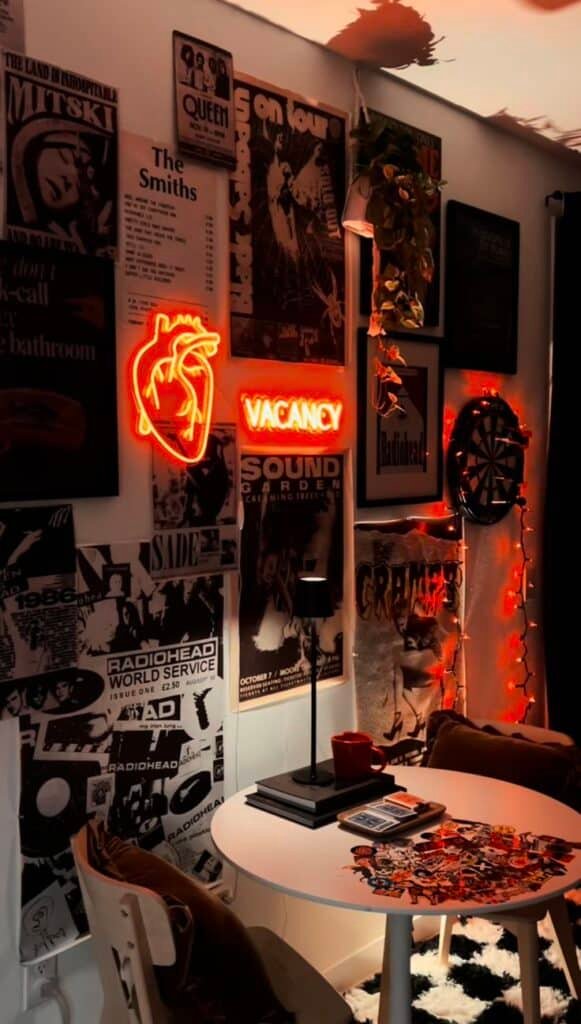
Cozy room with neon lights, vintage posters, a small round table, and wall decor creating a retro vibe.
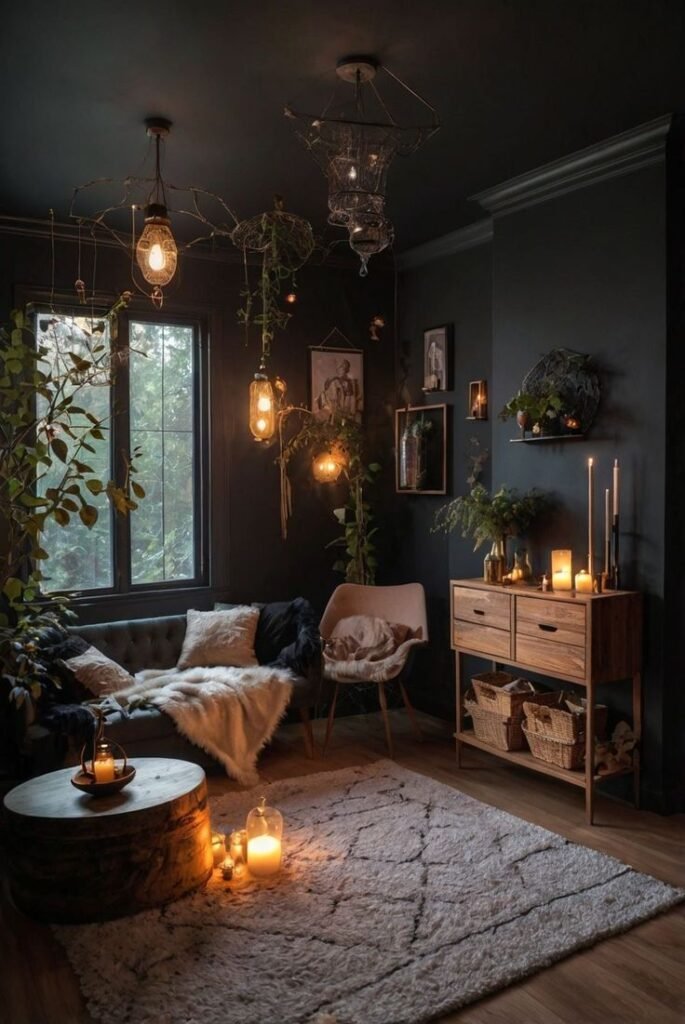
Cozy living room with dark walls, warm lighting, plants, candles, and rustic decorations, creating a relaxing and inviting atmosphere.
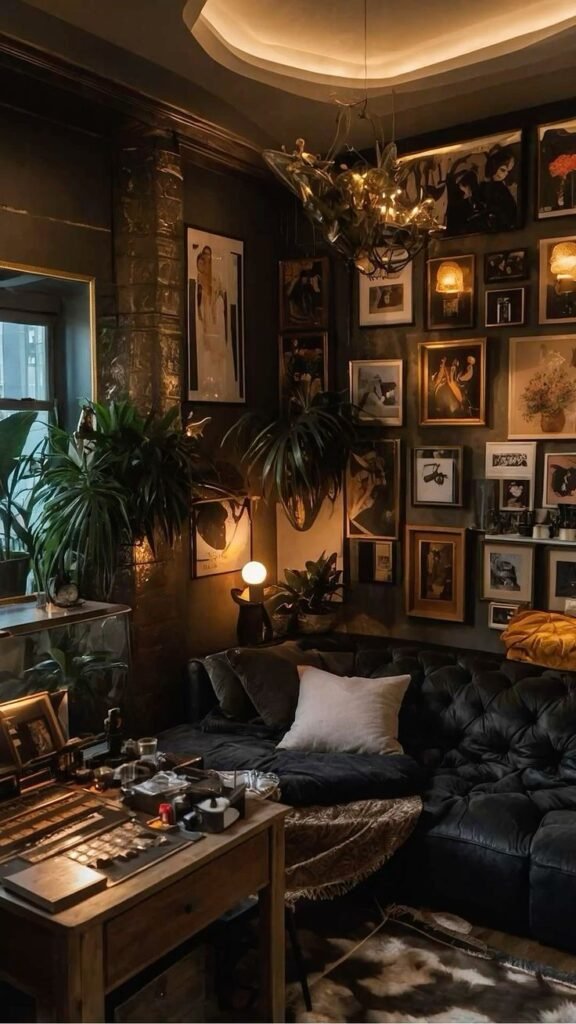
Cozy vintage living room with gallery wall art, chic sofa, ambient lighting, and lush green plants, creating a warm, inviting atmosphere.

In an era of hyper‑curated social media interiors, the grunge apartment aesthetic feels refreshingly honest. It values individuality over trends, emotion over perfection, and creativity over cost.

Grunge isn’t about copying a look—it’s about creating a space that reflects who you are, what you love, and how you live. Whether you go fully dark and industrial or simply layer in a few moody elements, grunge design gives you permission to be real.

Final Thought

Your apartment doesn’t need to be flawless to be beautiful. In fact, the scratches, mismatches, and personal artifacts are what make it yours. Embrace the imperfect, lean into texture and mood, and let your space evolve naturally—that’s the heart of the grunge apartment aesthetic.

What defines the core elements of the grunge apartment aesthetic?

The core elements include a dark, muted color palette; emphasis on textures over shine; thrifted and vintage furniture; expressive wall decor with layered posters, tapestries, and mismatched frames; low, warm, atmospheric lighting; and an authentic, lived-in feel that balances chaos with intentional design.

How can I incorporate the grunge aesthetic into my bedroom?

To achieve a grunge bedroom look, layer your bedding with dark or neutral sheets, a worn duvet, mismatched pillows, and heavy throw blankets. Use stacking or repurposed furniture for nightstands, add personal touches like journals or vinyl records, and create a moody atmosphere with warm, low lighting.

What tips are there for creating a grunge living room?

In a grunge living room, prioritize comfort with soft, layered seating and cushions. Use distressed wood or metal tables to display books, candles, or small art objects. Incorporate textured rugs with faded patterns or dark solids, and layer warm, atmospheric lighting to enhance the rebellious, relaxed vibe.

How should I approach decorating my kitchen and bathroom in the grunge style?

In the kitchen, incorporate open shelving with mismatched dishes, dark tea towels, and vintage or industrial-style lighting. For the bathroom, use black or metal accessories, minimalist worn mirrors, and dark or neutral shower curtains. The focus is on creating atmosphere while maintaining cleanliness and hygiene.

How can I maintain a balanced, intentional grunge apartment without it becoming messy?

To maintain balance, limit visible clutter, repeat colors and textures for cohesion, regularly edit and remove unnecessary items, and keep pathways clear. Ensuring each element adds mood or meaning helps create a space that feels authentic and purposeful rather than chaotic.

author avatar
Arina Editor
I'm Arina, writer with a passion for art, teaching, technology, and science. I create engaging blogs and articles, making complex ideas easy and interesting to explore. 16 - January
Previous Article

Living Room Color Combinations: A Guide to Creating Your Perfect Space

Next Article

Makeup Vanity Ideas: How to Create a Functional and Beautiful Space

Write a Comment

Leave a Comment

Your email address will not be published. Required fields are marked *


Handy Home
Discover Handy Home, your ultimate destination for creative home decor ideas, beauty tips, and fun DIY projects