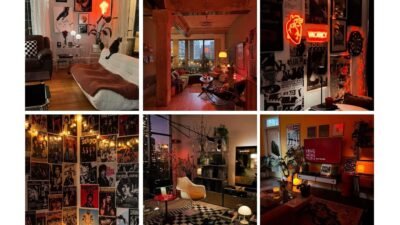
Grunge Apartment Aesthetic: A Practical Guide to Moody, Lived‑In Style
Facebook Twitter Pinterest The grunge apartment aesthetic is less about perfection and more about personality. Rooted in the 1990s alternative…


Home decor is constantly shifting to reflect how we want to live, work, and relax in our spaces. This year brings a thoughtful mix of natural elements, bold design choices, and practical solutions that work for real life.
Understanding the latest trends helps you create a home that feels both current and authentically yours. From earthy color palettes and sustainable materials to statement pieces and multifunctional furniture, these emerging styles offer fresh ways to transform your space. Whether you’re planning a full redesign or just want to refresh a room or two, knowing what’s gaining momentum gives you a starting point for making decisions that suit your taste and lifestyle.
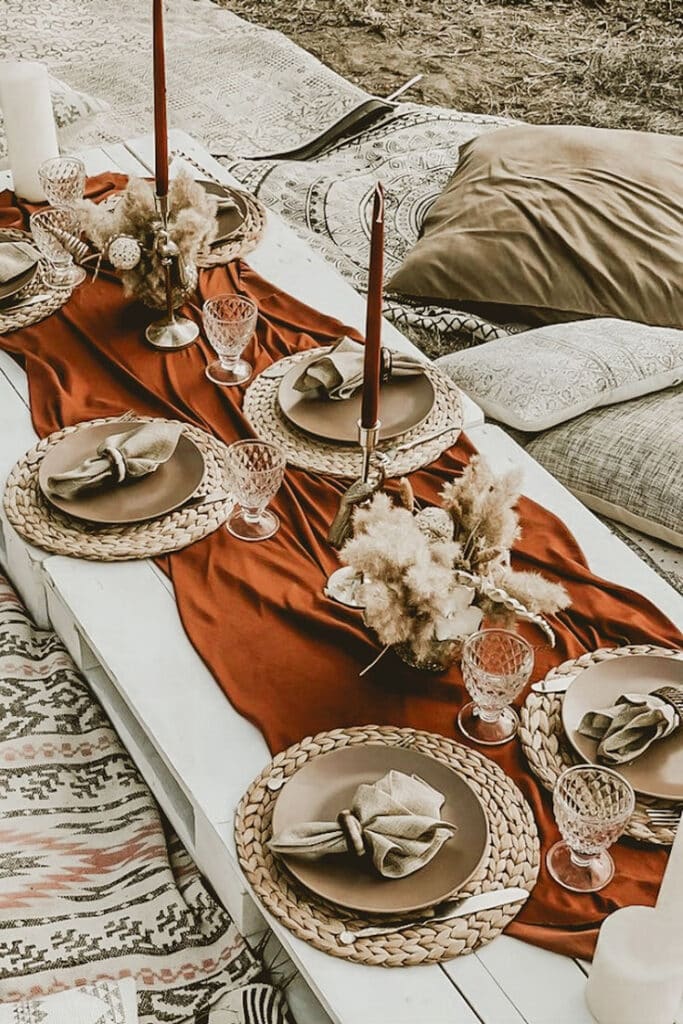
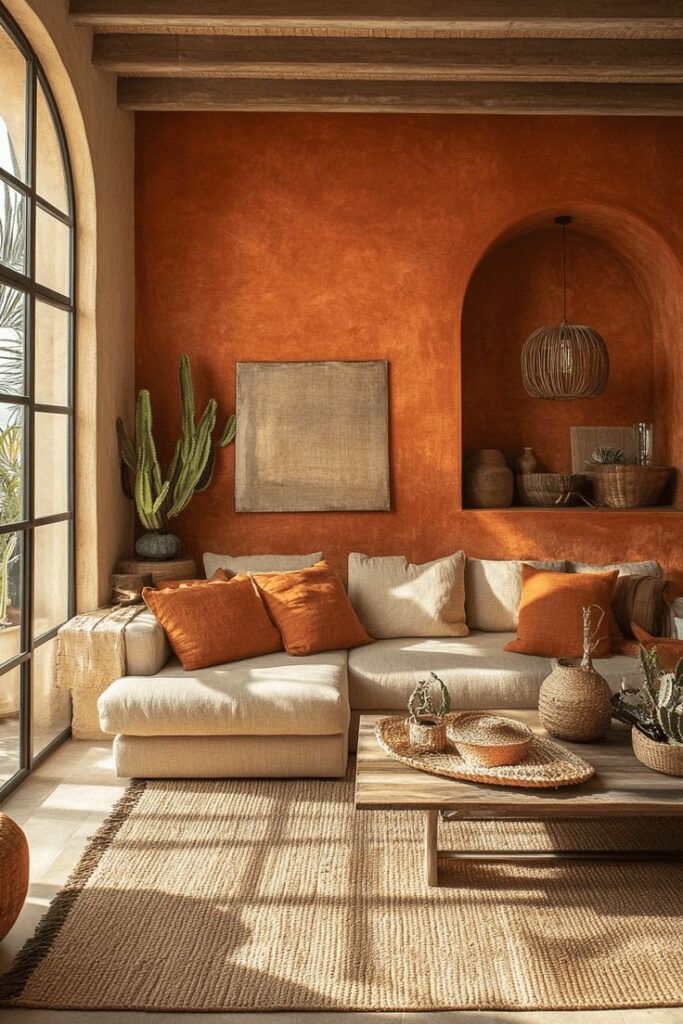
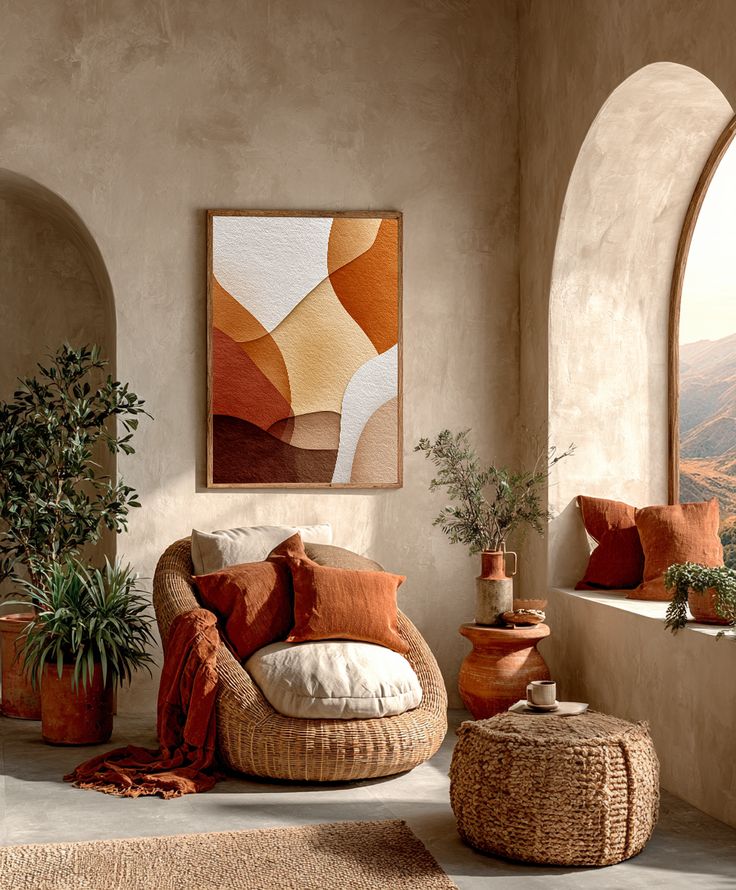
Earth tones are making a strong comeback in 2026, and they’re here to stay. These natural hues create spaces that feel grounded and inviting without overwhelming your senses.
Terracotta, clay, sand, and warm browns are leading this trend. You can incorporate these colors through feature walls, accent furniture, or decorative pieces like ceramic vases. The beauty of these shades is their versatility—they work in any room of your home.
These warm tones offer a shift away from the cooler color palettes that dominated recent years. They bring a sense of warmth and connection to nature indoors. Olive greens and soft ochres complement the warmer hues perfectly.
You don’t need to commit to a full room makeover to embrace this trend. Start small with terracotta throw pillows, a beige area rug, or rustic brown curtains. These accents add depth and coziness while maintaining a modern feel.
The appeal of earth tones lies in their timeless quality and ability to create calm, nurturing spaces. They pair well with natural materials like wood, stone, and linen to enhance that organic atmosphere.
Your home decor choices can make a real difference for the environment. Sustainable materials are transforming how we design and decorate our living spaces.
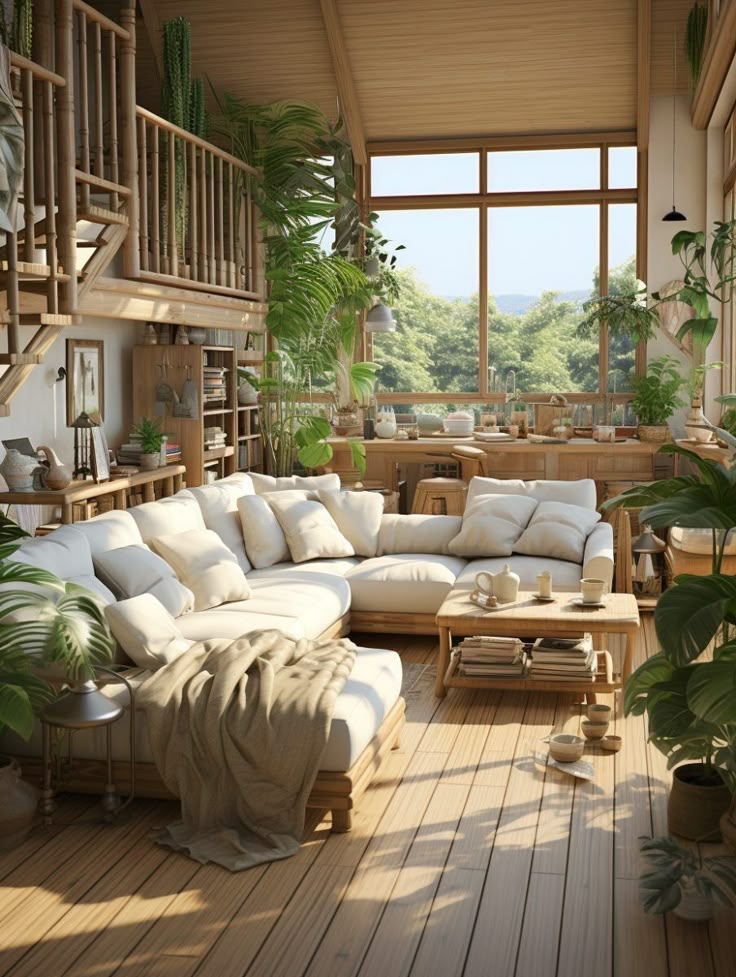
Reclaimed wood brings character and warmth to your rooms while reducing waste. Bamboo grows quickly and regenerates naturally, making it an excellent choice for furniture and flooring. Cork offers unique texture and comes from renewable tree bark that regrows after harvesting.
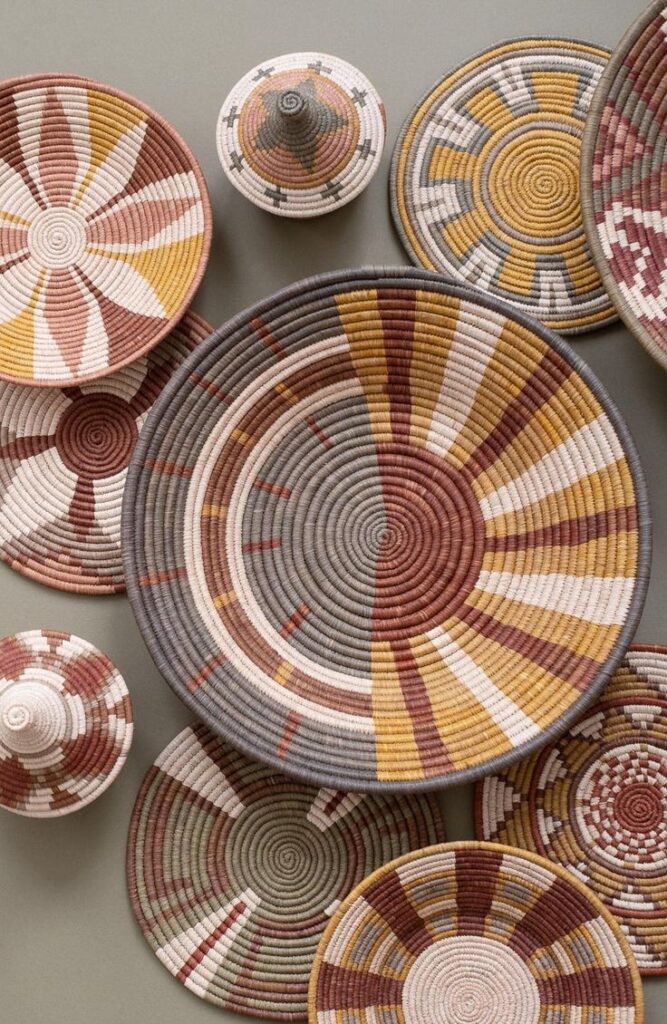
You can also find beautiful options in recycled textiles and upcycled furniture pieces. Natural materials like hemp, rattan, and jute add organic beauty to your space. These choices create healthier indoor air quality since they contain fewer harmful chemicals than synthetic alternatives.
Energy-efficient lighting complements your sustainable decor by reducing power consumption. When you select eco-friendly materials, you’re choosing products that are ethically sourced and responsibly produced.
The best part is that sustainable doesn’t mean sacrificing style. Modern eco-friendly materials come in diverse colors, textures, and designs that fit any aesthetic preference. You’re creating a space that looks good and aligns with your values.
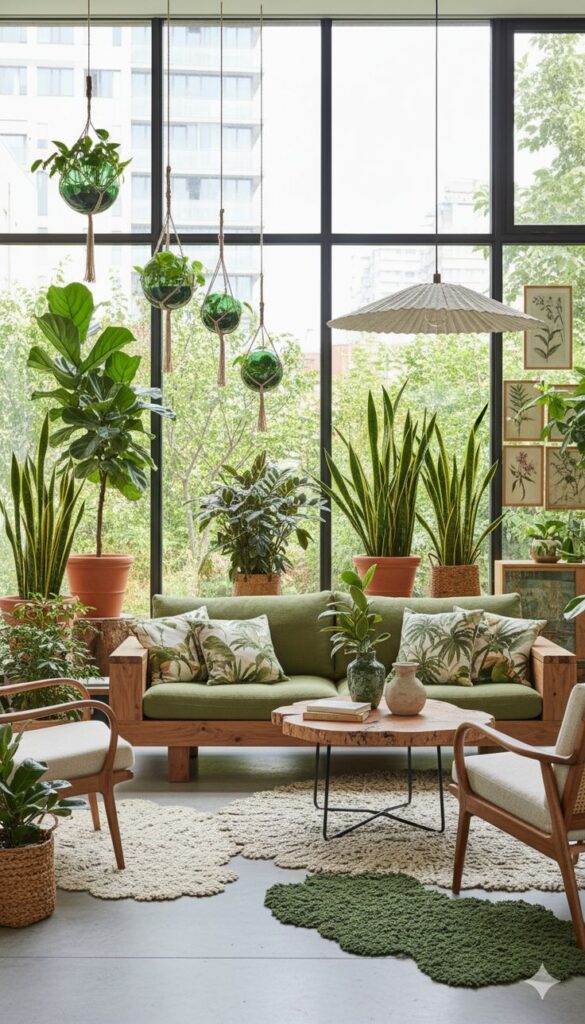
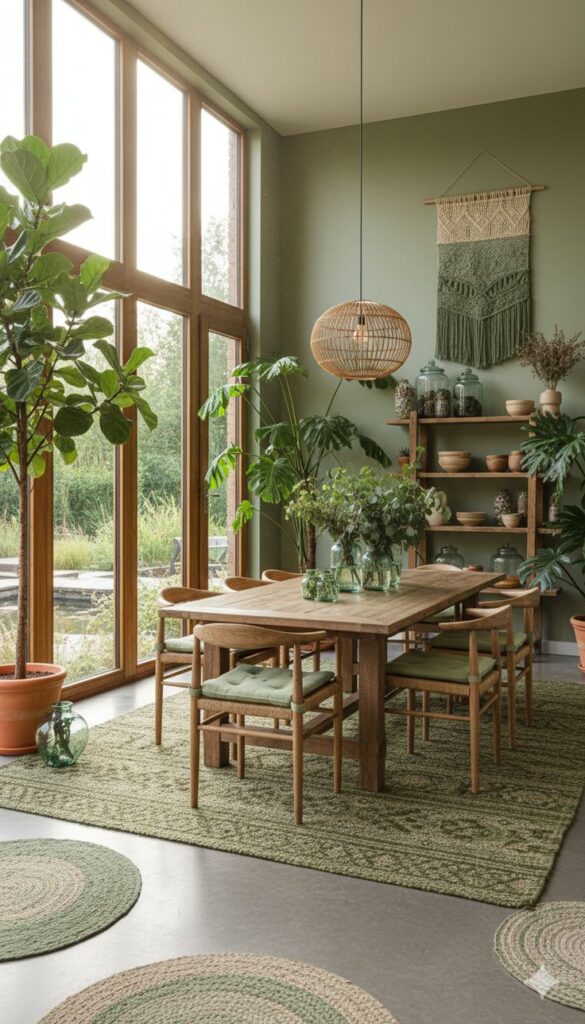
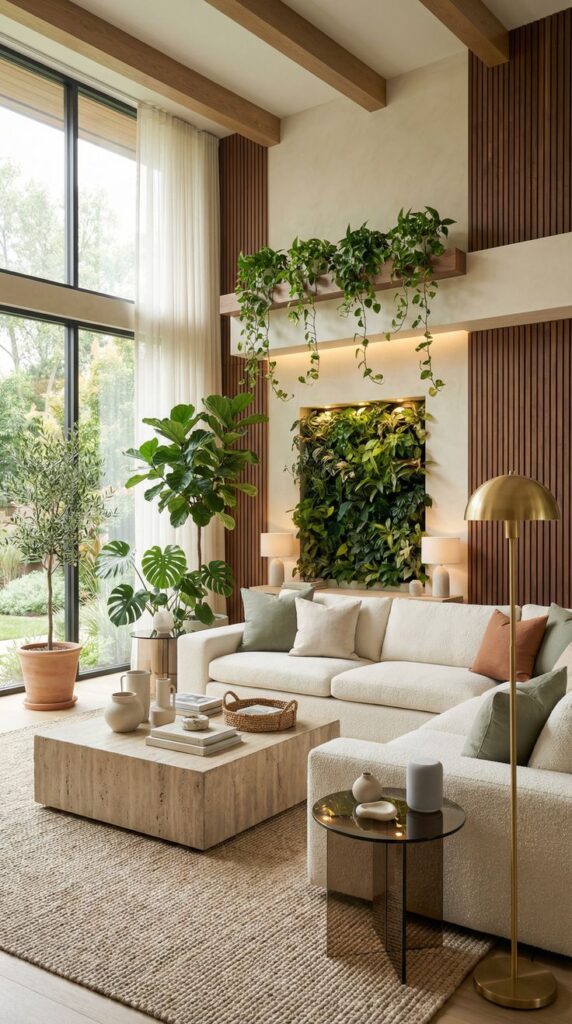
Biophilic design is taking over homes in 2026, and it’s all about strengthening your connection to nature indoors. This approach goes beyond adding a few plants on a shelf. It’s about making your entire space feel connected to the outdoors.
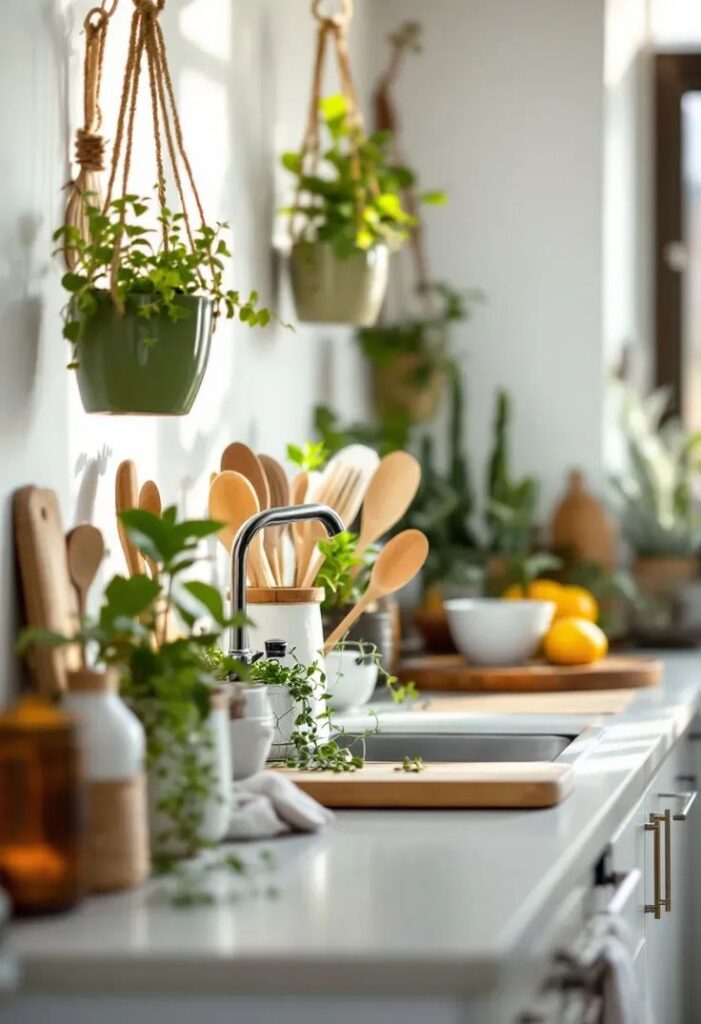
Indoor plants are the stars of this trend. You’ll want to incorporate greenery throughout your living areas, from plant-filled living rooms to calming home offices. The goal is to create spaces that feel like restorative sanctuaries.
Natural materials and organic textures work alongside your plants to complete the look. Think wood finishes, stone elements, and fabrics that echo nature. These elements combine with your greenery to promote well-being, focus, and relaxation.
Natural light plays a crucial role too. Your plants need it, and so do you. Maximize sunlight in your rooms to help both you and your indoor garden thrive.
This design approach transforms any room into a space where you feel calmer and more relaxed. Your home becomes a place that genuinely enhances your mental health while looking beautiful.
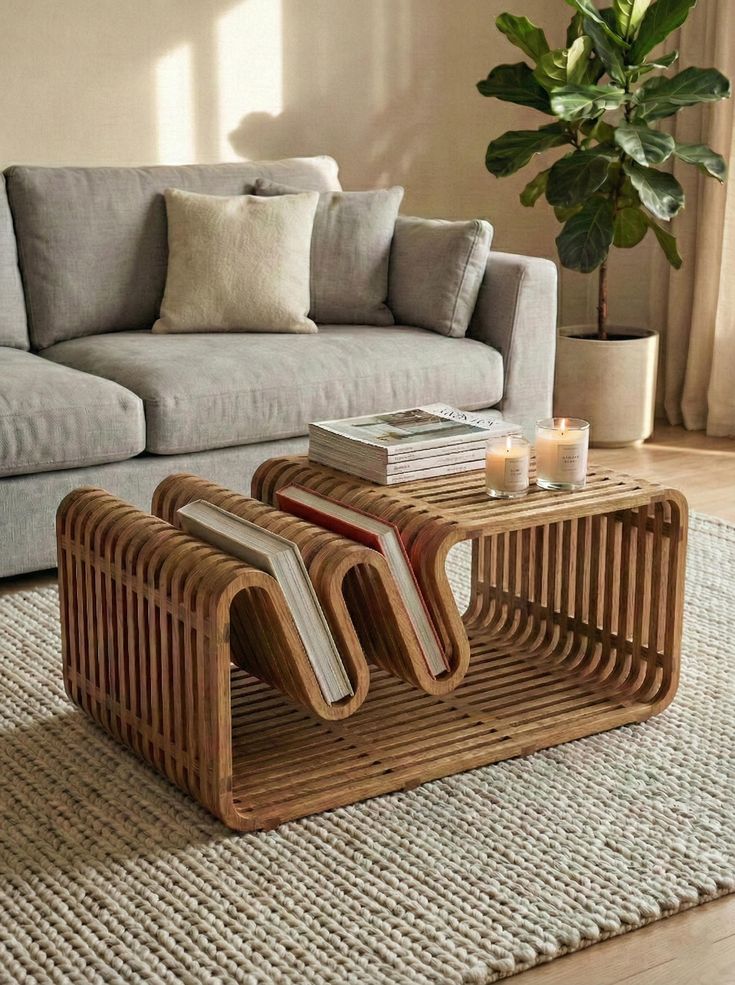
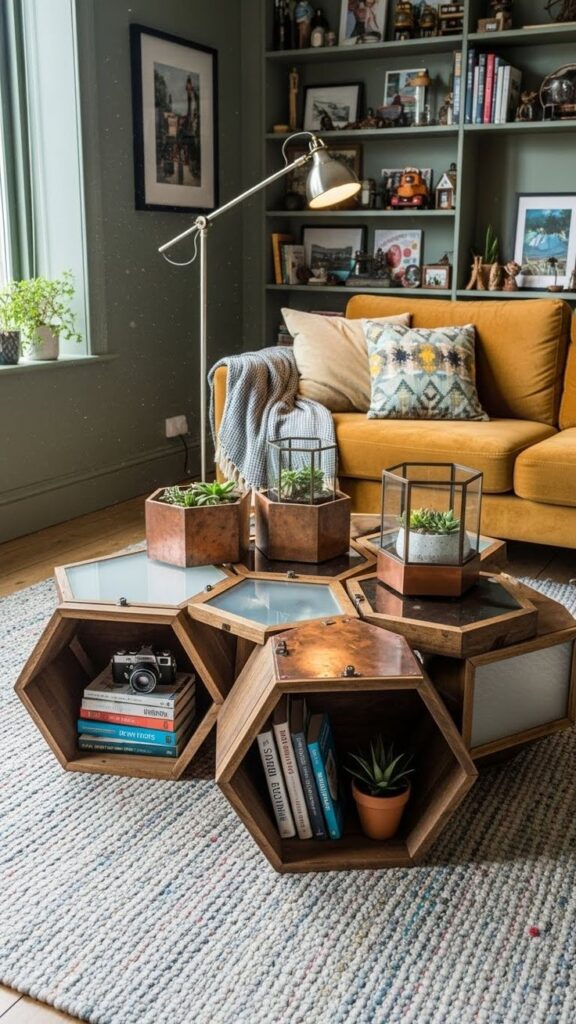
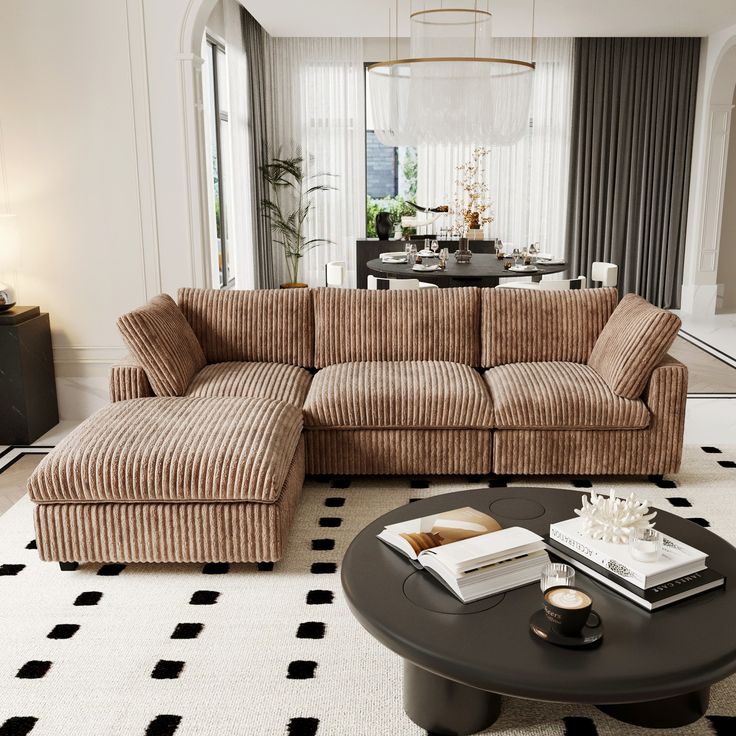
As living spaces become more compact, furniture that serves multiple purposes is increasingly essential. You’ll find more pieces that transform and adapt to your changing needs throughout the day.
Modular sofas let you rearrange sections to fit different room layouts or occasions. Storage ottomans double as seating and hidden compartments. Coffee tables now come with lift-tops that convert to workstations or dining surfaces.
This trend goes beyond just saving space. You’re investing in furniture that grows with your lifestyle and offers better value for your money. A guest bed that folds into a bookshelf or a desk that tucks away when not in use gives you flexibility without sacrificing style.
The designs have become more sophisticated too. You don’t have to compromise on aesthetics to get functionality. Modern multifunctional pieces blend seamlessly with your existing decor while providing the versatility you need.
Look for furniture with clean lines and neutral colors that can transition between different uses. Smart storage solutions built into everyday pieces help you maintain an organized, clutter-free home while maximizing every square foot.
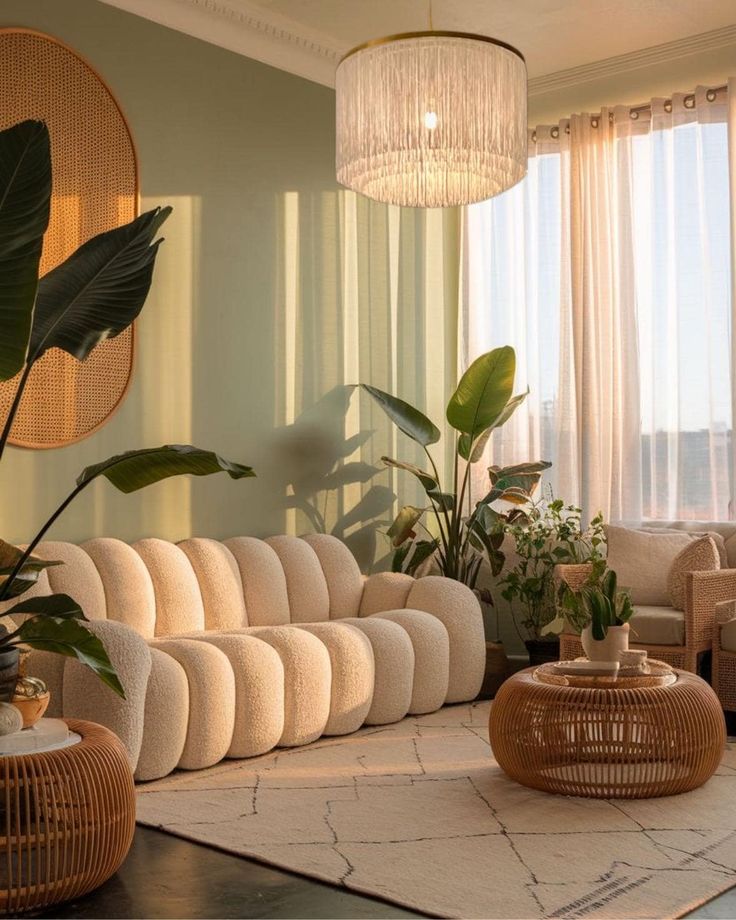
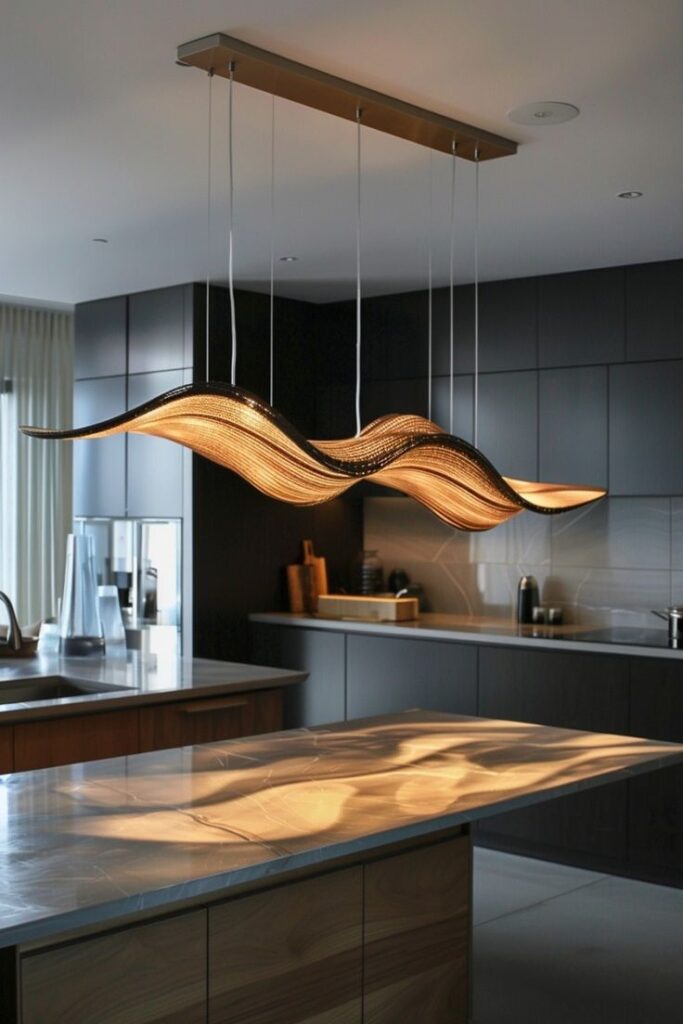
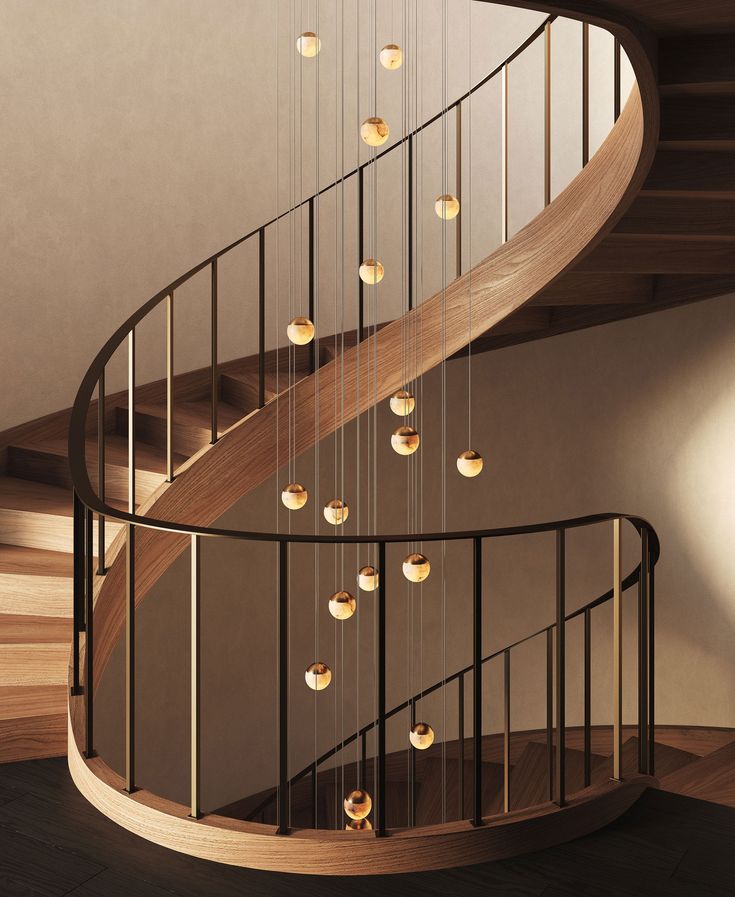
Lighting has evolved beyond simple functionality into a form of artistic expression for your home. Sculptural fixtures act as focal points that blend illumination with visual interest, transforming ordinary rooms into gallery-like spaces.
These statement pieces range from organic, flowing forms to bold geometric designs that catch the eye even when switched off. You can choose fixtures inspired by nature, abstract art, or avant-garde shapes that reflect your personal style.
The beauty of sculptural lighting lies in its versatility. A dramatic pendant can anchor your dining room, while an artistic floor lamp adds character to a reading nook. Wall sconces with unique silhouettes create ambiance without taking up floor space.
When selecting these pieces, consider them as functional art rather than just light sources. The right fixture becomes a conversation starter and defines the mood of your space. Mix materials like brass, glass, or natural fibers to add texture and dimension to your rooms.
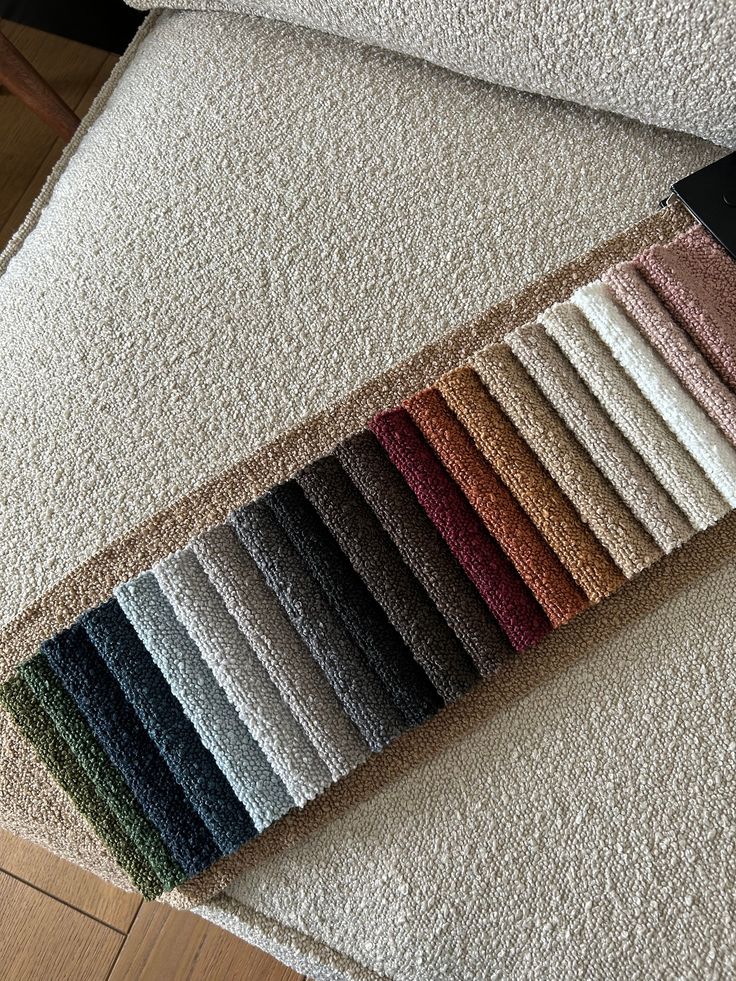
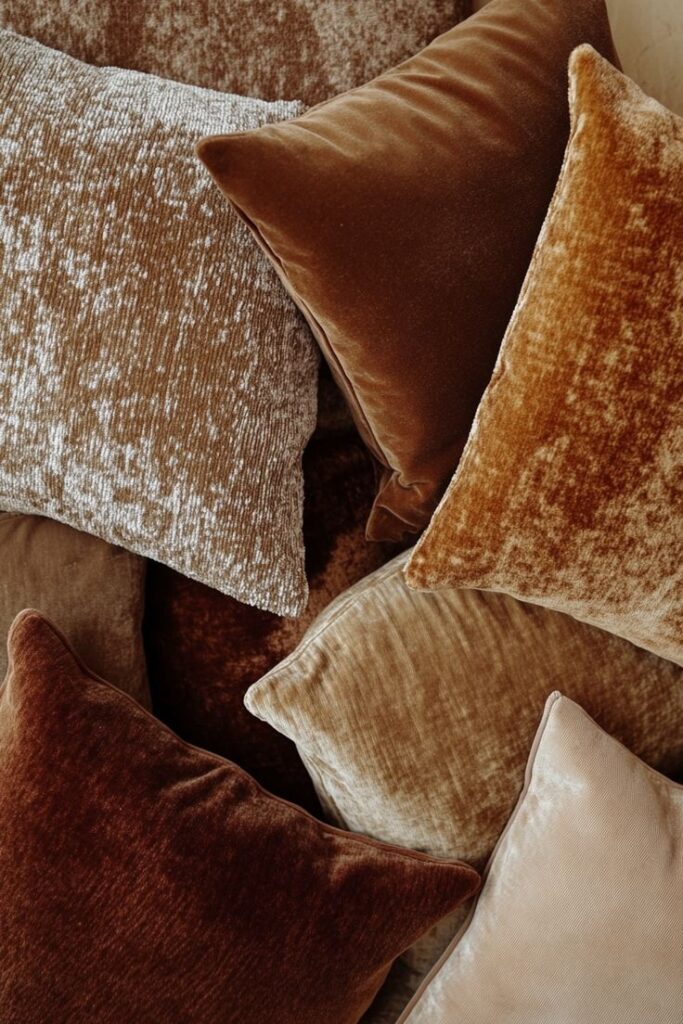
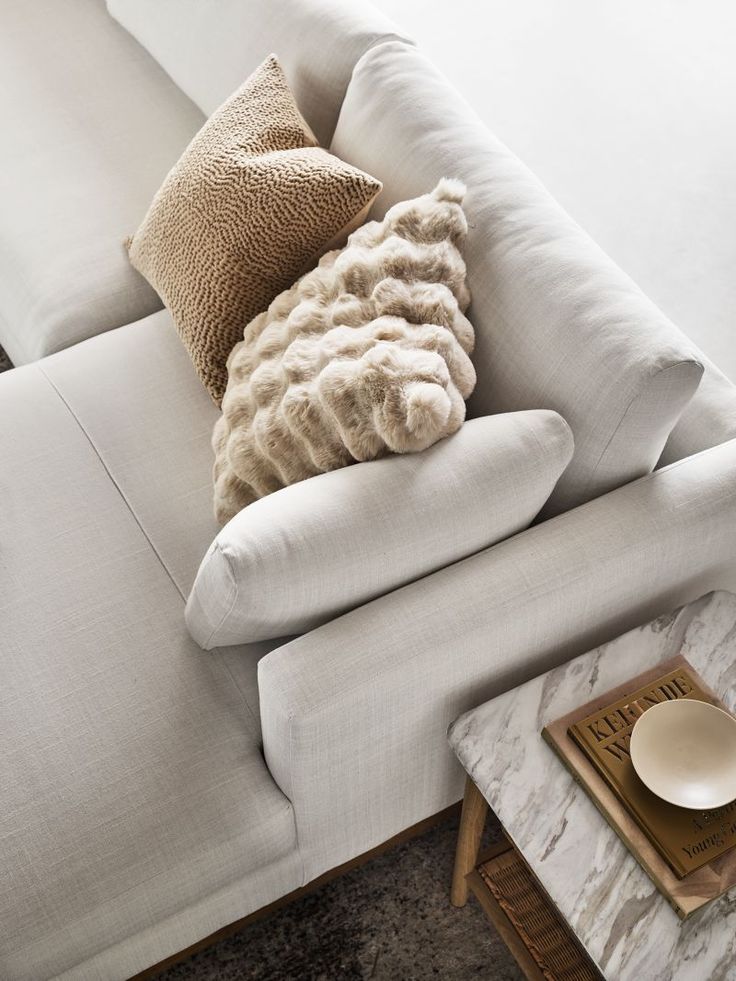
Tactile fabrics are taking center stage in home design right now. Boucle and velvet offer that touch-worthy quality that makes your space feel more inviting and comfortable.
Boucle brings a nubby, looped texture that adds visual interest to any piece of furniture. You’ll find it works particularly well on sofas and accent chairs where you want to create a cozy focal point. The fabric’s casual elegance fits both modern and traditional settings.
Velvet continues to be a popular choice for adding richness to your rooms. Its plush surface catches light beautifully and creates depth in your color scheme.
Beyond these two favorites, you can explore other textured options like brushed linen and mohair. These materials combine aesthetics with functionality, giving you both style and durability. The key is choosing fabrics that invite interaction and make your home feel lived-in.
When selecting textured fabrics, consider where they’ll get the most use. High-traffic areas benefit from durable options, while accent pieces can showcase more delicate textures. Mix different materials throughout your space to create layers of visual and tactile interest.
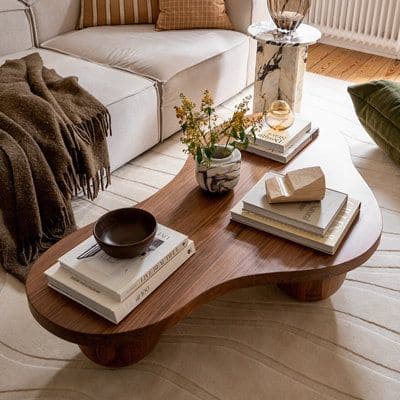
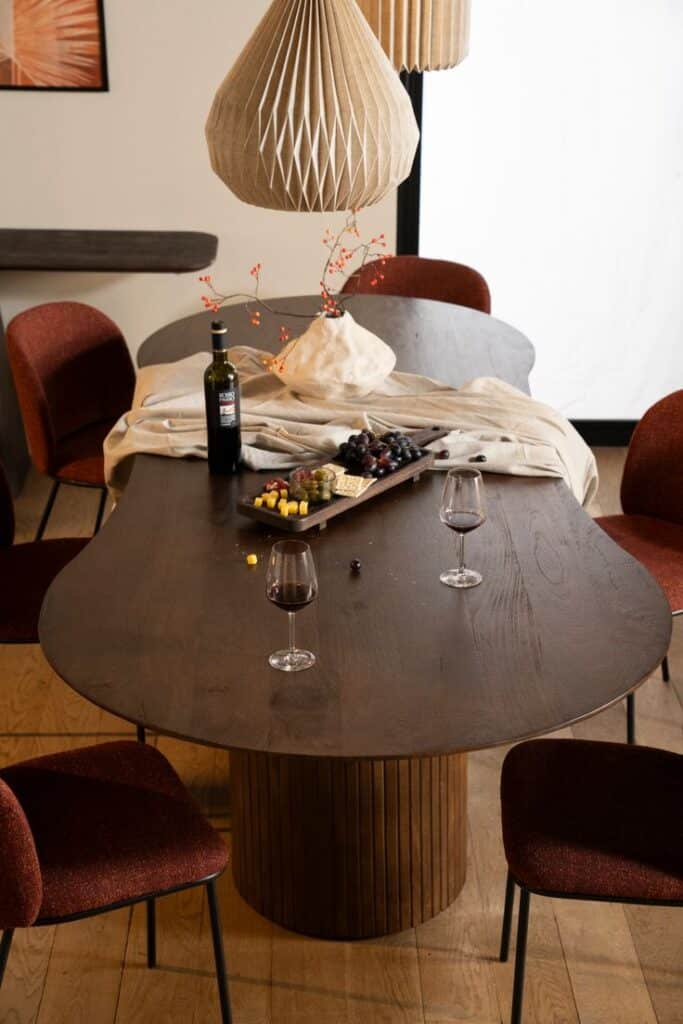
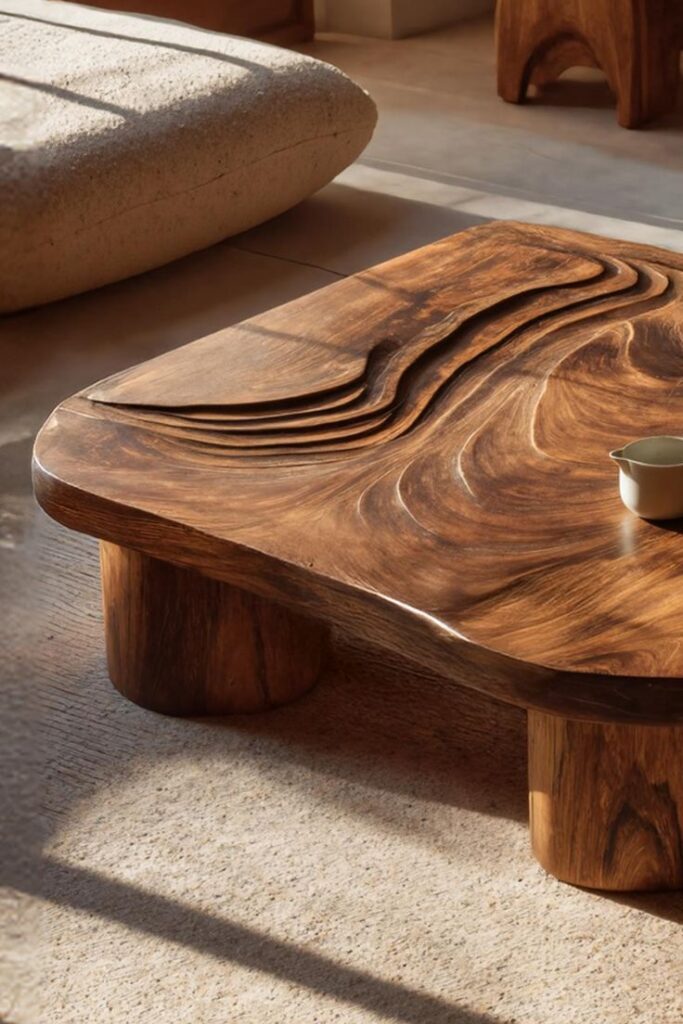
Natural wood finishes are taking center stage in home design, bringing warmth and authenticity to your living spaces. The beauty of wood lies in its versatility—you can incorporate it through flooring, furniture, or smaller accent pieces to create a harmonious connection with nature.
What makes this trend special is the emphasis on showcasing wood’s organic texture and rich tones rather than hiding them. You’ll find designers celebrating the natural grain patterns and warm hues that make each piece unique.
Paired with this is the rise of organic shapes in furniture and décor. Think curved sofas, asymmetrical tables, and flowing silhouettes that mirror nature’s fluidity. These soft, oversized curves create a welcoming atmosphere in your home while adding visual interest.
The combination of natural wood and organic forms works across different styles. Whether your space leans rustic or modern, these elements add depth and character without overwhelming your design.
Sustainability continues to drive this trend forward. You can feel good about choosing natural wood finishes knowing they offer timeless appeal while supporting eco-conscious design choices for your home.
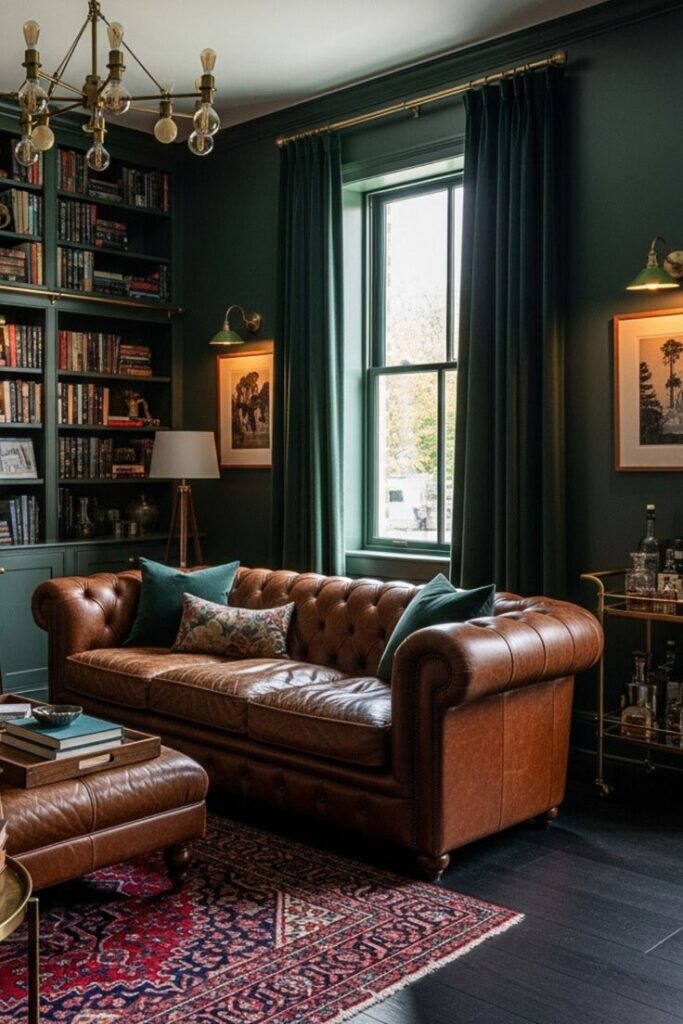
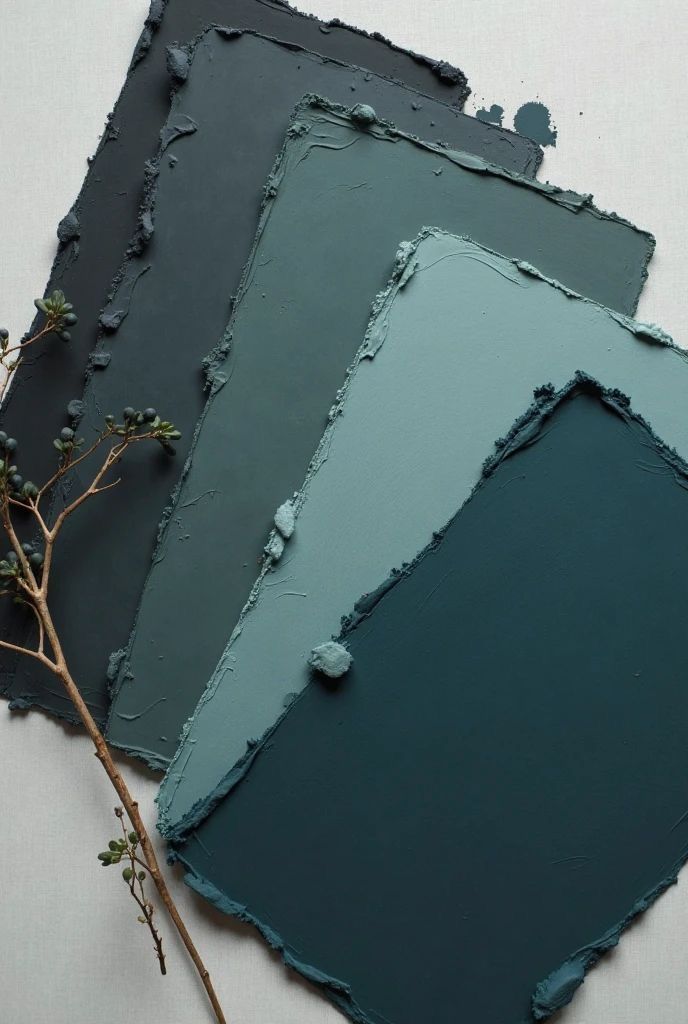
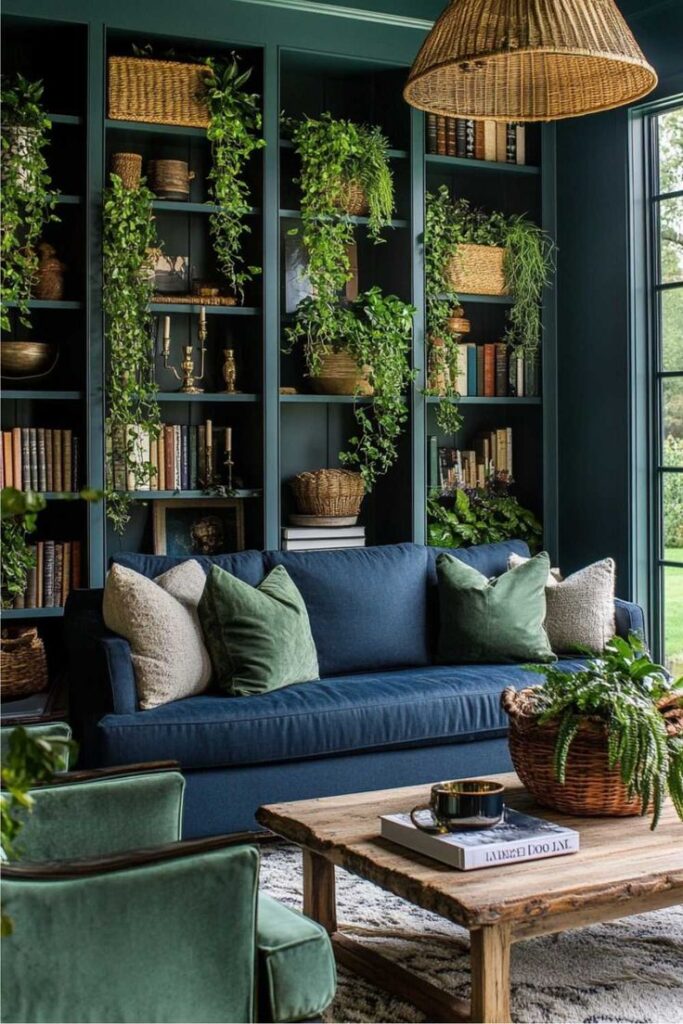
Your walls are ready for a dramatic transformation. Deep, saturated hues like emerald green, sapphire blue, and charcoal gray are taking center stage in 2025.
These rich tones create an intimate atmosphere that feels both sophisticated and inviting. You can paint an accent wall in deep forest green or wrap your bedroom in navy to instantly add depth to your space.
The beauty of moody colors is their flexibility. They work beautifully in living rooms, bedrooms, and even kitchens. Pair deep blues with warm metallics for an elegant look, or combine dark greens with natural wood tones for an earthy feel.
You don’t need to commit to painting entire rooms. Try incorporating these bold hues through furniture, textiles, or artwork. A deep burgundy velvet sofa or emerald green curtains can make a striking statement without overwhelming your space.
These colors create cozy, enveloping environments perfect for relaxation. They add personality and warmth while moving away from the neutral palettes that have dominated recent years.
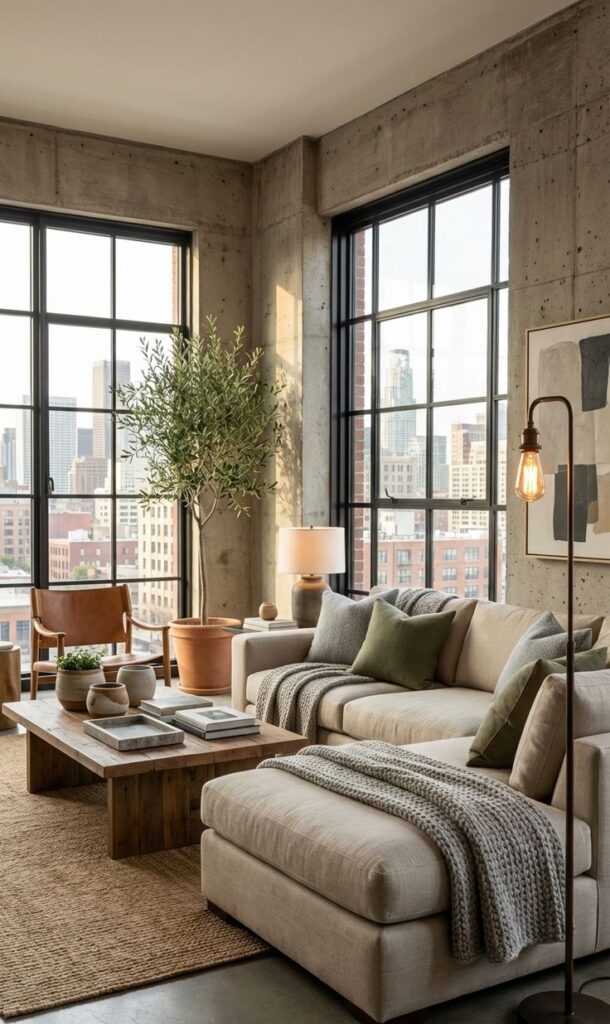
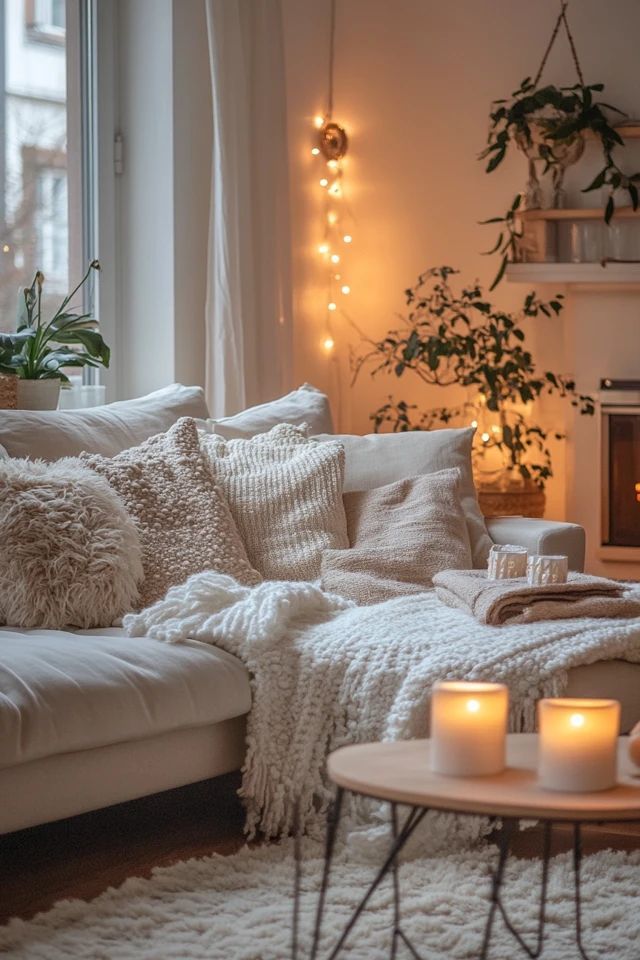
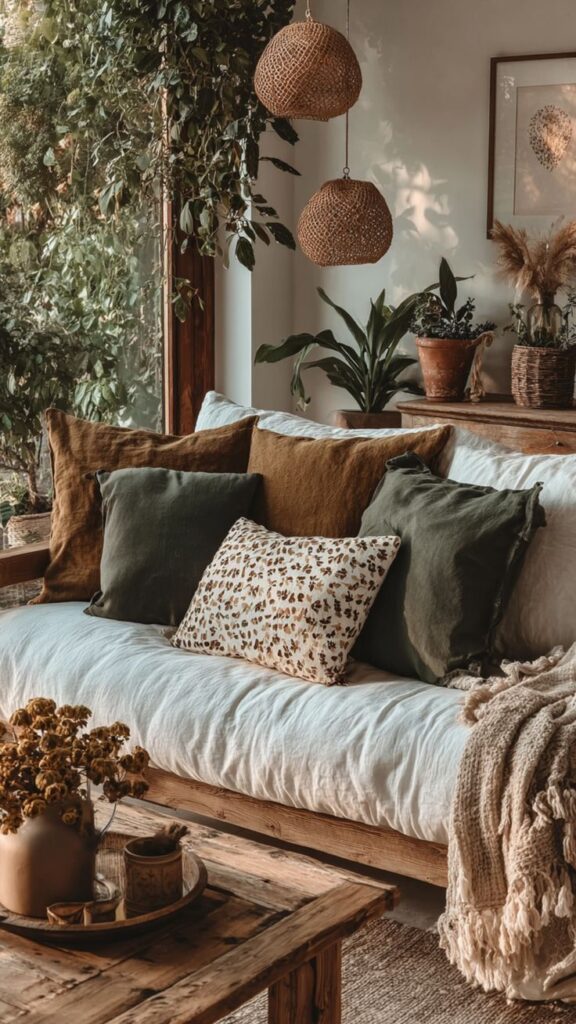
Minimalism doesn’t have to feel cold or stark anymore. The latest evolution of this trend brings warmth and comfort through carefully chosen textiles that make your space feel inviting.
You can transform a simple minimalist room by layering soft materials like wool throws, linen cushions, and plush rugs. These additions create depth and texture without cluttering your space. The key is choosing quality pieces in warm neutral tones that complement your existing design.
Start with your foundational textiles first. A chunky knit blanket draped over your sofa or a textured area rug can instantly make your room feel more welcoming. Layer in cushions with varying textures to add visual interest while maintaining that clean aesthetic.
Natural materials work especially well in this approach. Think cotton, linen, wool, and other organic fabrics that bring both comfort and sophistication to your minimalist spaces.
The beauty of this trend is its balance. You’re keeping the simplicity and intentional design of minimalism while adding the warmth that makes a house feel like home. Your space stays organized and peaceful but gains the cozy factor that invites you to relax and unwind.
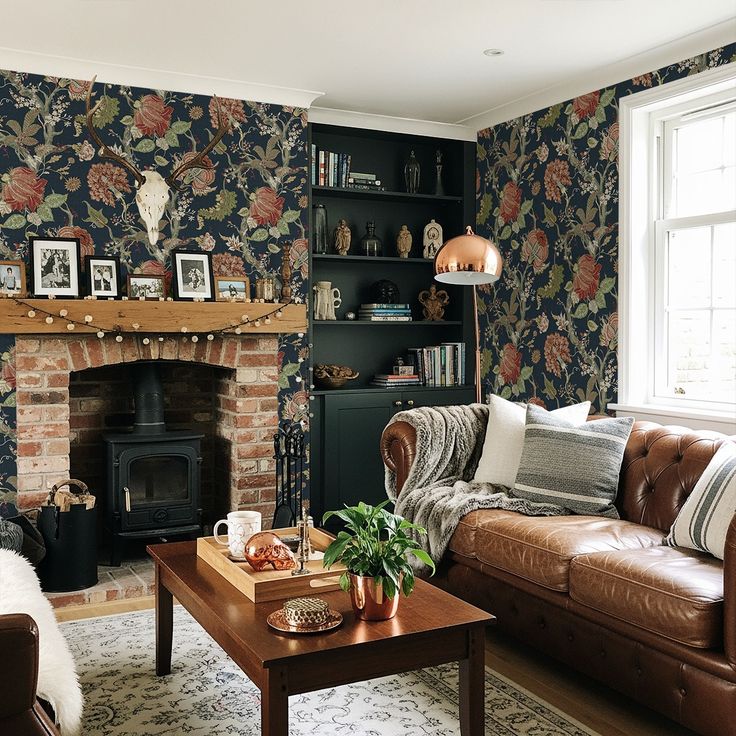
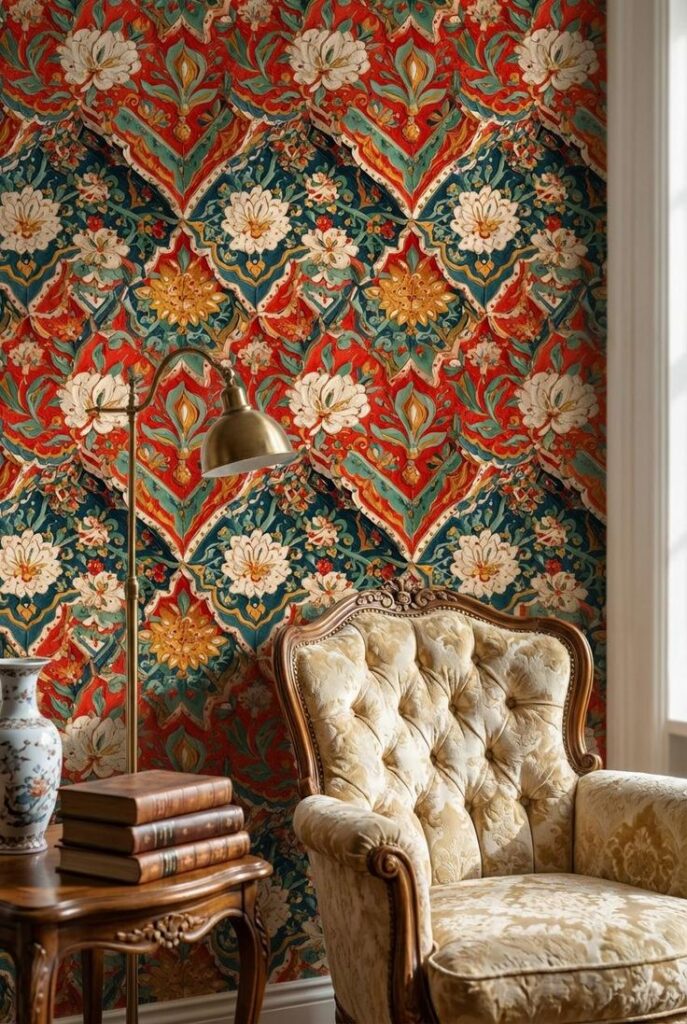
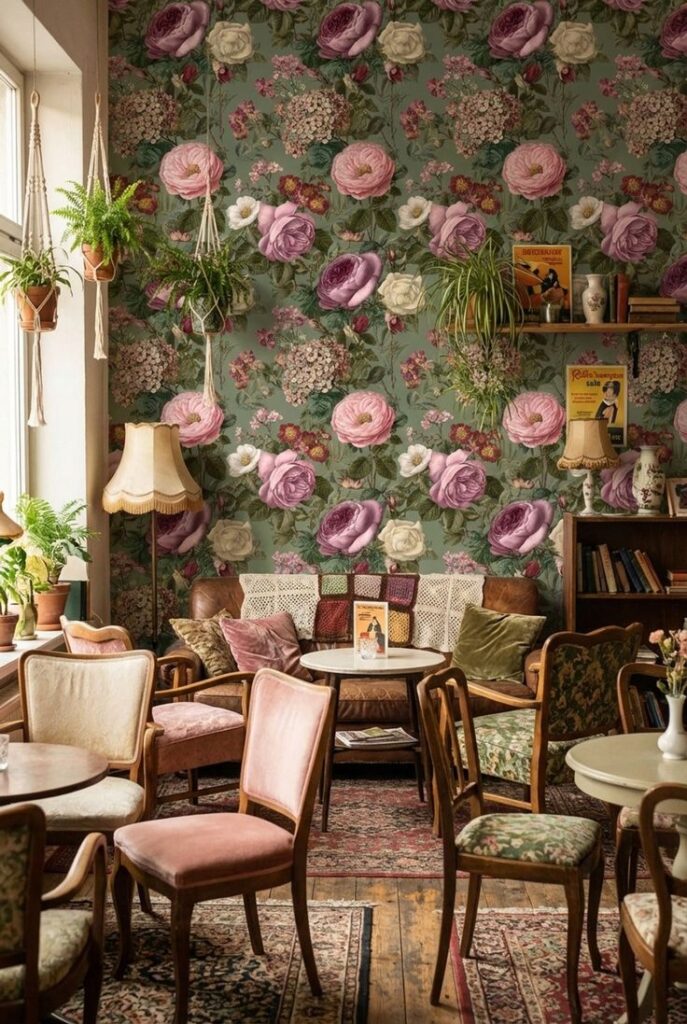
Vintage wallpaper patterns are making a major comeback in interior design. These retro-inspired designs offer an easy way to add personality and character to your walls without a complete room overhaul.
From bold florals to geometric prints, vintage patterns bring a sense of nostalgia while still feeling fresh in modern spaces. You can choose from chintzy floral designs that echo past decades or opt for graphic geometrics that make a striking statement.
The key to using vintage wallpaper successfully is selecting patterns that work with your existing decor. You don’t want the wallpaper to clash with your furniture or color scheme.
If you’re new to installing wallpaper, consider starting with pre-pasted options that are easier to work with. More intricate designs with textures or patterns requiring precise alignment might need professional installation.
This trend fits perfectly with the current shift toward lived-in style and sustainability in home design. Classic motifs are replacing contemporary abstract designs, even in modern homes, creating spaces that feel both timeless and personal.
Home decor trends influence personal style through platforms like Instagram and TikTok, while cultural shifts toward sustainability and wellness reshape how you design your living spaces. The key is understanding these influences and selectively incorporating elements that align with your lifestyle.
Social media platforms have become the primary source for discovering and adopting home decor trends. You’re exposed to curated spaces on Instagram and Pinterest that showcase everything from vintage revival pieces to biophilic designs integrating natural elements.
TikTok’s #HomeDecor hashtag generates billions of views, making trends spread faster than ever before. You see a room transformation video one day, and by the next week, that same aesthetic appears in homes across the country.
Cultural movements significantly impact your design choices:
These movements don’t just change what products you buy. They shift your entire approach to creating spaces that reflect your values and priorities.
You don’t need to adopt every trend completely to benefit from current design directions. Start by identifying which trending elements genuinely appeal to your lifestyle rather than following trends blindly.
Consider your existing furniture, room layout, and daily routines before making changes. A trending bold accent wall might work perfectly in your living room, but textured tiles may not suit your rental apartment.
Practical adaptation strategies include:
Your budget and space constraints should guide which trends you embrace. A small apartment benefits more from multifunctional furniture than elaborate decorative schemes.
The best interiors balance fresh, current styles with elements that won’t feel dated in five years. You can achieve this by anchoring trendy pieces with classic foundations and making strategic updates that don’t require a complete overhaul.
Start with timeless furniture as your foundation. A quality sofa in a neutral fabric, a solid wood dining table, or a classic leather chair can anchor your space for decades. Once you have these pieces in place, layer in trendy items through smaller, easily changeable elements.
Add contemporary throw pillows, modern artwork, or on-trend lighting fixtures to spaces built around classic pieces. This approach lets you experiment with current styles without committing your entire room to a look that might feel outdated soon.
Think of the ratio as 70/30. About 70% of your room should consist of timeless elements like neutral wall colors, natural materials, and well-crafted furniture. The remaining 30% can showcase current trends through accessories, textiles, and decorative objects.
Your classic pieces provide stability while trendy accents keep the space feeling fresh. When a trend passes, you simply swap out the accent pieces rather than replacing major furniture items.
Paint offers the most impact for the least money. A fresh coat on walls, dated furniture, or even picture frames can transform a space without significant expense. Stick to neutral base colors for walls and save bold, trendy hues for accent pieces you can change easily.
Swap out textiles seasonally or when you want a new look. New curtains, throw blankets, or pillow covers cost far less than furniture but dramatically alter a room’s appearance. Thrift stores and online marketplaces often have quality textile options at fraction of retail prices.
Rearrange what you already own. Moving furniture to different walls, rehoming pieces between rooms, or creating new groupings of decorative objects costs nothing but creates an entirely different feel. Shop your own home before buying anything new.