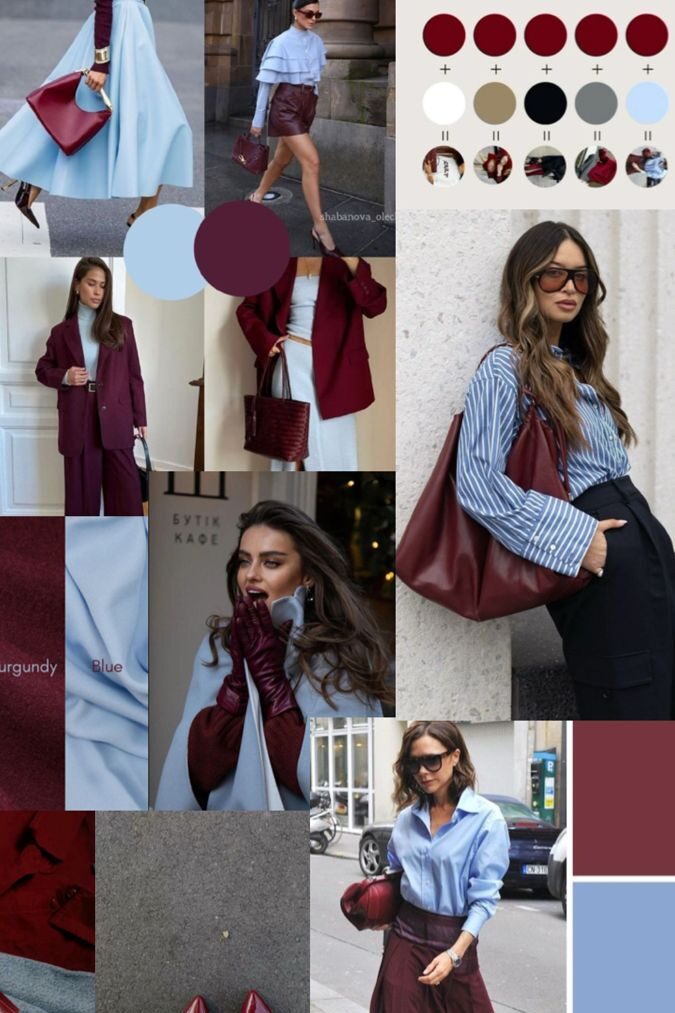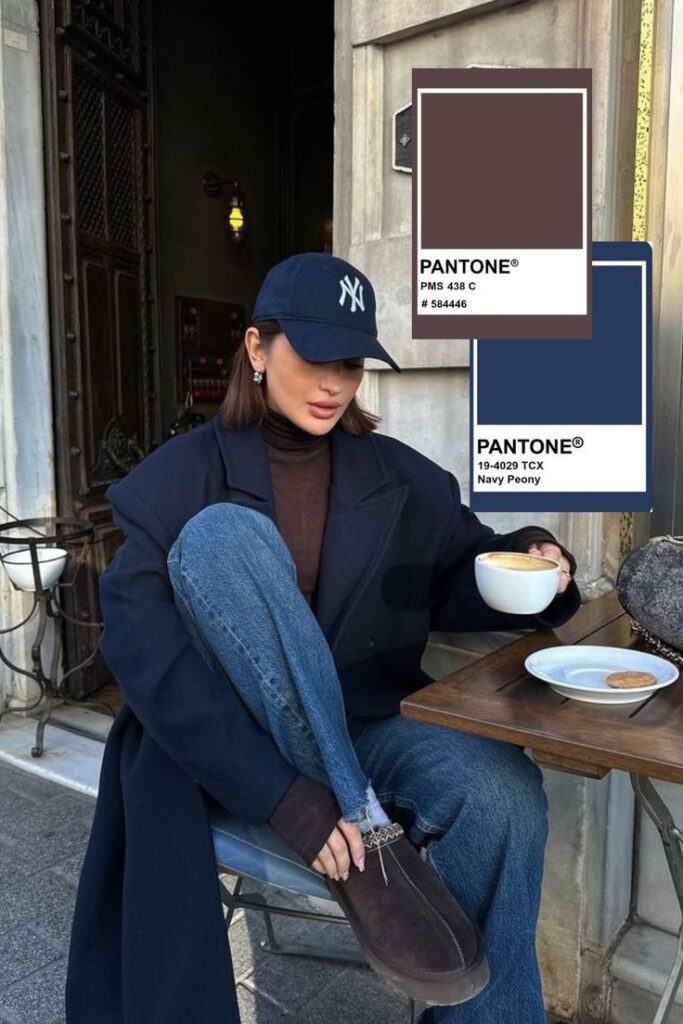
Welcome to the vibrant world of fashion, where every shade tells a story and every hue is an opportunity for self-expression! If youโve ever found yourself staring into your closet, yearning for a fresh look but unsure where to begin, then youโre in the right place. Unlocking the power of outfit color ideas is like discovering a secret language that allows you to communicate your mood, personality, and style without uttering a single word. Color is more than just an aesthetic choice; itโs a psychological tool, a mood enhancer, and a definitive statement.
Imagine stepping out feeling utterly confident, radiant, and perfectly put-together, all thanks to a carefully chosen color palette. This isn’t just a fantasy; it’s an attainable reality. From the subtle sophistication of monochrome to the daring allure of color-blocking, understanding how to harness the magic of color can revolutionize your wardrobe and your confidence. In this comprehensive guide, we’ll dive deep into the fascinating realm of outfit colors, exploring everything from foundational color theory to seasonal palettes and advanced styling techniques. Get ready to unleash your inner fashionista and transform your approach to dressing, one brilliant hue at a time!
Understanding Color Theory for Fashion


To truly master outfit color ideas, a basic grasp of color theory is your secret weapon. Think of it as the foundation upon which all great outfits are built. You don’t need to be an artist to understand these principles; a little knowledge goes a long way in making informed, stylish choices.
The Color Wheel: Your Ultimate Guide
At the heart of color theory lies the color wheel. This circular diagram illustrates the relationships between colors. Itโs typically divided into:
- Primary Colors: Red, yellow, and blue. These are the fundamental colors that cannot be created by mixing other colors.
- Secondary Colors: Green, orange, and purple. These are created by mixing two primary colors (e.g., yellow + blue = green).
- Tertiary Colors: Red-orange, yellow-orange, yellow-green, blue-green, blue-violet, and red-violet. These are formed by mixing a primary color with a secondary color.
Understanding these basic categories helps you visualize how different colors interact and harmonize.
Essential Color Schemes for Styling


Beyond the basic color wheel, specific color schemes offer proven paths to creating cohesive and visually appealing outfits. Mastering these schemes will elevate your styling game:
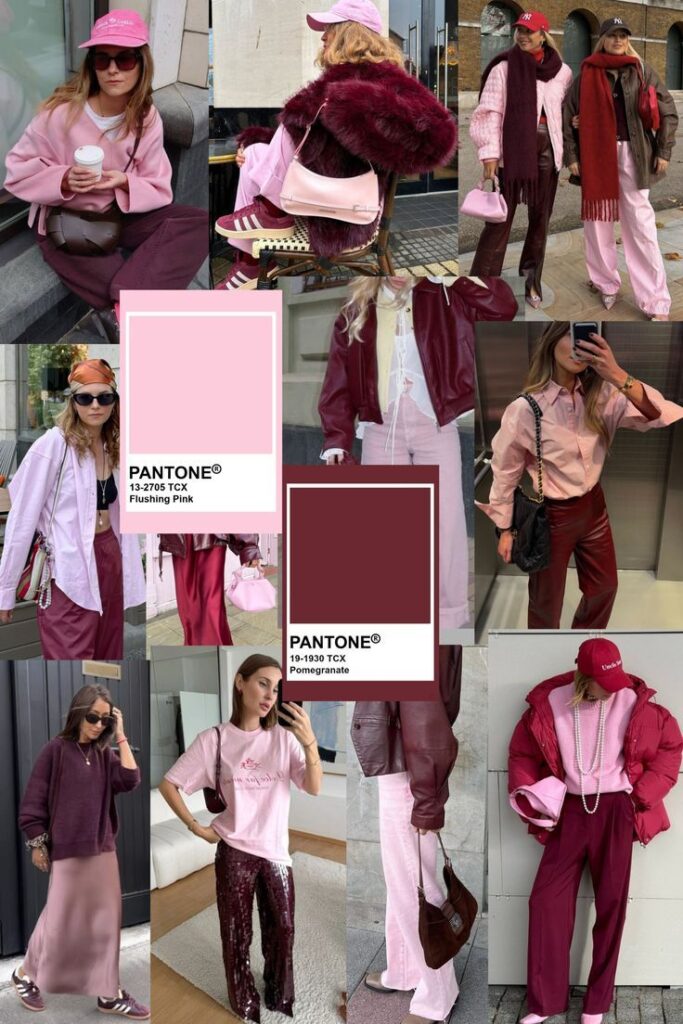
- Monochromatic: This scheme uses variations of a single color. Think different shades, tints, and tones of blue, or a range of purples from lavender to deep plum. It creates an elegant, sophisticated, and elongating effect, making it a powerful tool for how to choose a palette: the psychology of color, its impact on mood and perception.
- Analogous: This involves selecting colors that are next to each other on the color wheel. For example, blue, blue-green, and green. This creates a harmonious, pleasing, and often serene look, as the colors share a common base.
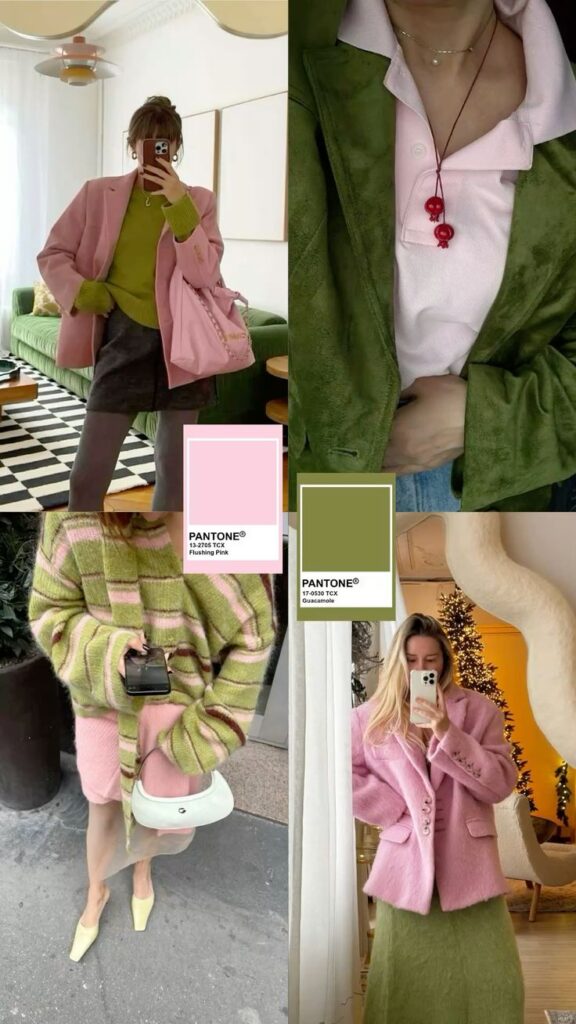
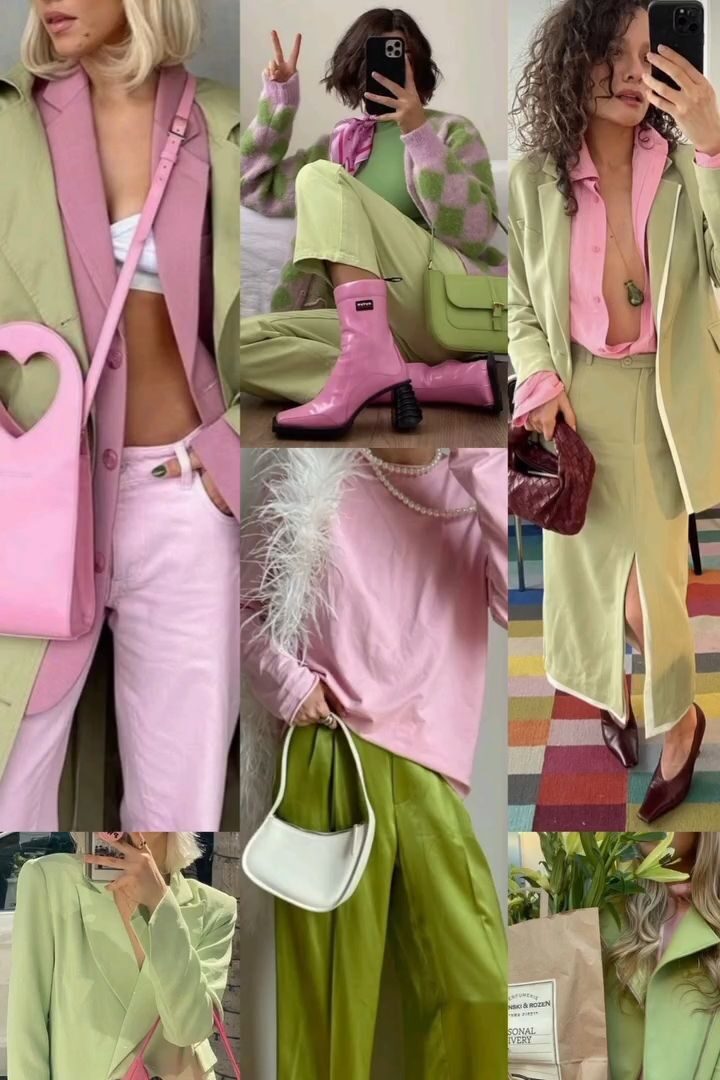
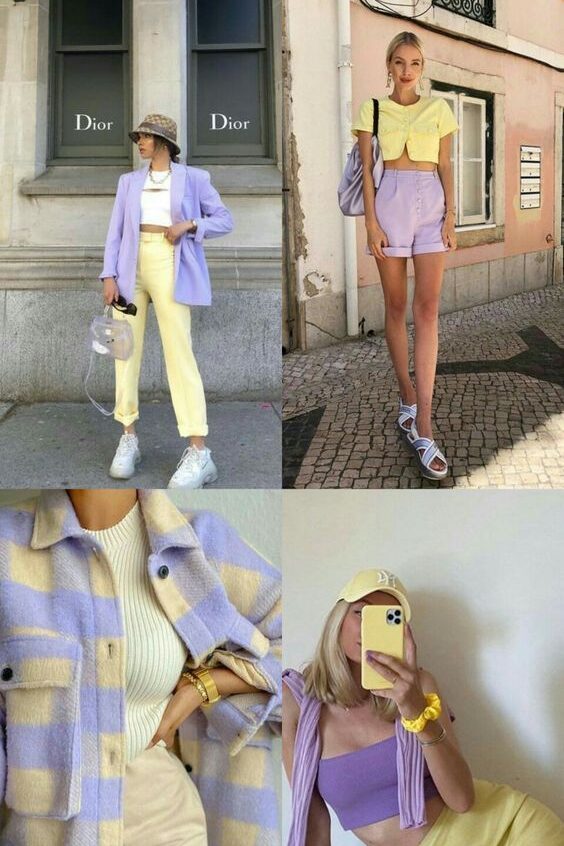
- Complementary: These are colors directly opposite each other on the color wheel, such as red and green, blue and orange, or yellow and purple. Complementary colors offer high contrast and vibrancy, creating dynamic and eye-catching outfits. Use them carefully to avoid overwhelming the eye; a dominant color with an accent color often works best.
- Triadic: This scheme uses three colors that are equally spaced around the color wheel, forming a perfect triangle (e.g., red, yellow, and blue; or orange, green, and purple). Triadic palettes are bold and balanced, offering a rich and vibrant look.
- Split-Complementary: A softer take on the complementary scheme. You choose one dominant color, then use the two colors adjacent to its complement. For example, instead of just blue and orange, you might pair blue with yellow-orange and red-orange. This offers contrast without the intensity of a direct complementary pair.
Applying these principles allows you to move beyond simply picking colors you like, towards creating outfits that are truly intentional and impactful.
The Psychology of Color in Your Wardrobe


Colors are more than just visual stimuli; they carry profound psychological associations that can influence your mood and how others perceive you. By understanding the psychology of color, you can strategically select outfit color ideas to project the image you desire and even uplift your own spirits.
Making a Statement with Every Hue
- Red: Passion & Power: The ultimate attention-grabber. Red signifies energy, love, confidence, and urgency. Wear red when you want to feel powerful, assertive, or to make a bold impression. Think a vibrant red dress for a special occasion or a striking red blazer for a business meeting.
- Blue: Calm & Trust: Blue is often associated with tranquility, stability, intelligence, and trustworthiness. Lighter blues evoke peace, while deeper navies convey authority and professionalism. It’s an excellent choice for interviews, business settings, or whenever you want to project a sense of calm and reliability.
- Yellow: Joy & Optimism: The color of sunshine, yellow radiates happiness, positivity, and creativity. It’s an uplifting color that can boost your mood and draw attention in a cheerful way. Use brighter yellows for a playful touch and mustard tones for a more sophisticated warmth.
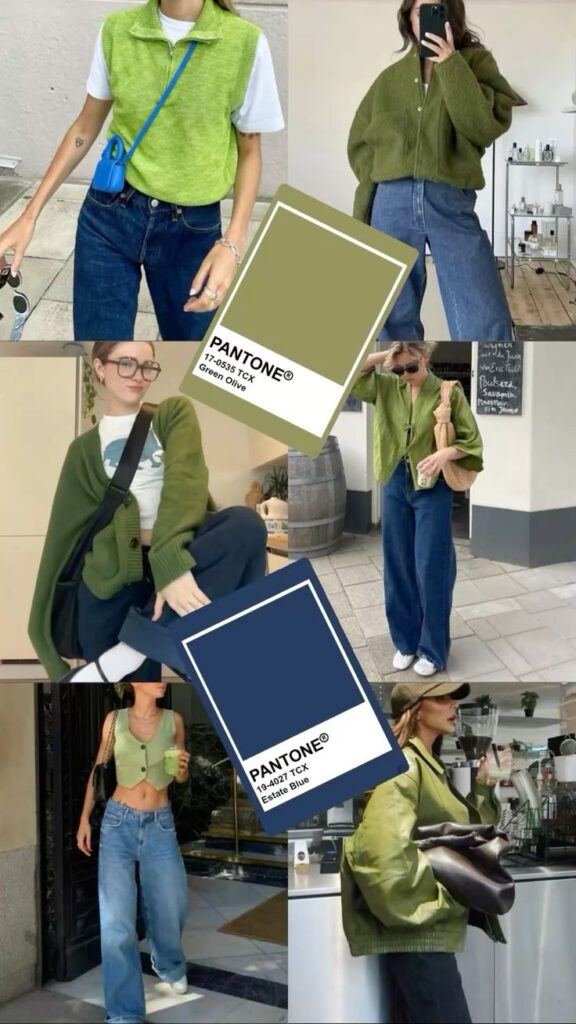
- Green: Harmony & Growth: Representing nature, growth, and freshness, green is a calming and balanced color. It can suggest renewal, abundance, and stability. Olive greens and forest greens provide a sophisticated, earthy feel, while brighter greens can be invigorating.
- Purple: Luxury & Mystery: Traditionally associated with royalty, purple conveys luxury, creativity, wisdom, and spirituality. Deeper purples are regal and elegant, while lighter lavenders are soft and romantic. It’s a fantastic choice for adding a touch of sophistication and uniqueness to an outfit.
- Orange: Enthusiasm & Warmth: A mix of red’s energy and yellow’s happiness, orange is a vibrant, enthusiastic, and warm color. It stimulates conversation and activity, making it great for social events. Use it to add a playful and friendly touch to your ensemble.
- Pink: Femininity & Romance: Often linked to love, tenderness, and sweetness, pink is a versatile color. From soft pastels to vibrant fuchsias, it can convey femininity, playfulness, and compassion. Itโs perfect for adding a gentle touch or a bold, chic statement.
- Black: Sophistication & Authority: The ultimate classic, black is timeless and versatile. It represents elegance, power, sophistication, and a hint of mystery. Black can be slimming and chic, making it a staple for formal wear, professional settings, and edgy fashion statements.
- White: Purity & Simplicity: Symbolic of purity, cleanliness, and new beginnings, white is fresh, crisp, and simple. It reflects light, making spaces and outfits feel airy and open. White is perfect for creating minimalist looks or as a clean base for bolder colors.
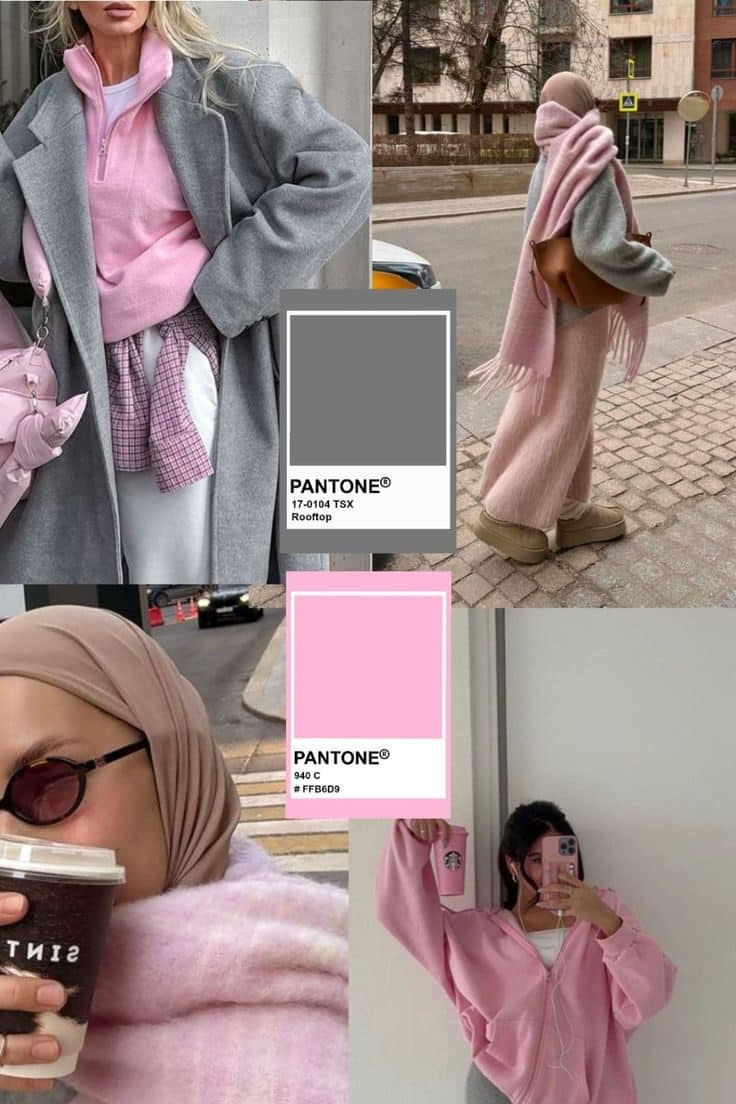
- Gray: Balance & Formality: A neutral and balanced color, gray represents sophistication, practicality, and composure. It’s less dramatic than black but equally versatile, offering a sleek, modern aesthetic. Explore sleek gray outfits for inspiration on how to make this understated color shine.
By consciously choosing colors based on their psychological impact, you can craft outfits that not only look good but also powerfully convey your intended message.
Mastering Neutral Foundations: The Versatility of Timeless Hues


Neutrals are the unsung heroes of any wardrobe. Black, white, gray, navy, beige, and brown form the backbone of countless stylish outfits, providing versatility, elegance, and a calming base that allows other colors to shine. Far from being boring, mastering neutrals unlocks endless outfit color ideas and styling possibilities.
The Power of Neutrality
- Effortless Sophistication: Neutrals naturally exude sophistication. A well-tailored black suit, a crisp white shirt, or a flowing beige trench coat instantly elevates your look. They create a clean, minimalist aesthetic that is always in style.
- Versatility: This is where neutrals truly shine. They pair seamlessly with virtually any other color, making them incredibly easy to mix and match. A neutral base allows you to experiment with vibrant accessories or patterned pieces without overwhelming your outfit.
- Timeless Appeal: Trends come and go, but neutrals remain classic. Investing in high-quality neutral pieces ensures your wardrobe staples will stand the test of time, providing a solid foundation for years to come.
- Elongating and Streamlining: Wearing a single neutral color from head to toe can create a long, unbroken line, making you appear taller and more streamlined. This is particularly effective with monochromatic neutral outfits.
Building Blocks for Your Wardrobe
- Black: The ultimate power color. Black trousers, skirts, dresses, and blazers are essential for professional wear, evening events, and creating an instantly chic look.
- White/Off-White/Cream: Crisp and fresh, white shirts, blouses, and T-shirts are indispensable. They brighten any outfit and provide a clean canvas. Off-white and cream offer a softer alternative, especially flattering for warm skin tones.
- Gray: From light heather gray to deep charcoal, gray is the perfect sophisticated neutral. It’s less stark than black but equally refined. Gray color outfits can range from casual comfort to sharp business attire.
- Navy: A fantastic alternative to black, navy offers a softer yet equally professional and elegant feel. It pairs beautifully with white, red, green, and even other shades of blue.
- Beige/Tan/Camel: These warm neutrals are incredibly chic and add a luxurious feel to any outfit. They work wonderfully for coats, knitwear, and trousers, especially during transitional seasons.
- Brown: From rich chocolate to light caramel, brown offers an earthy warmth. It’s excellent for leather goods, knitwear, and adds a grounded touch to your palette.
Styling Neutrals Like a Pro
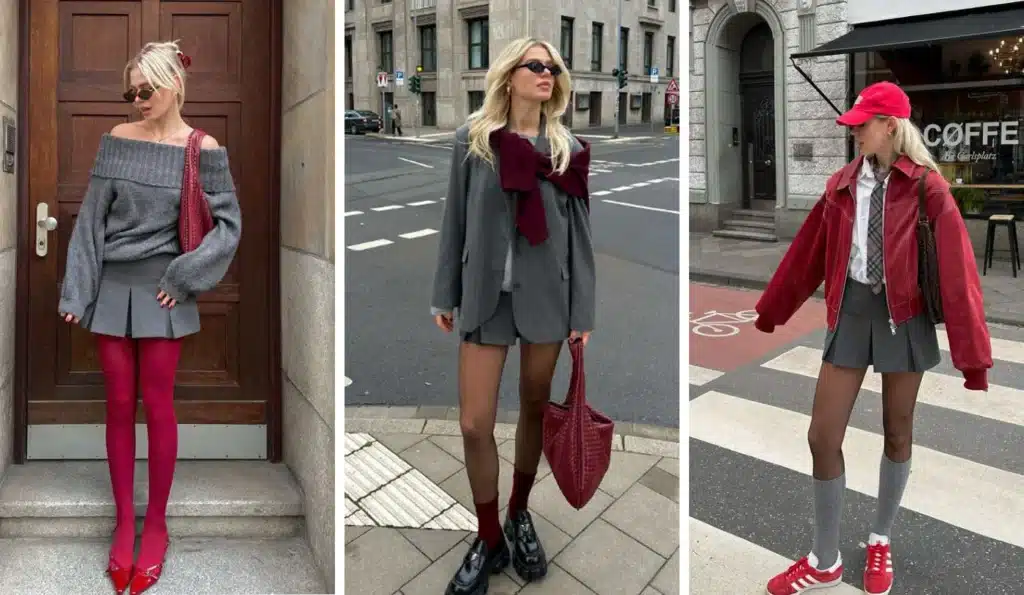
- Monochromatic Magic: Dress head-to-toe in a single neutral color, varying the shades and textures. Think a charcoal sweater, gray tailored trousers, and a lighter gray trench coat. This creates an incredibly polished and expensive-looking ensemble.
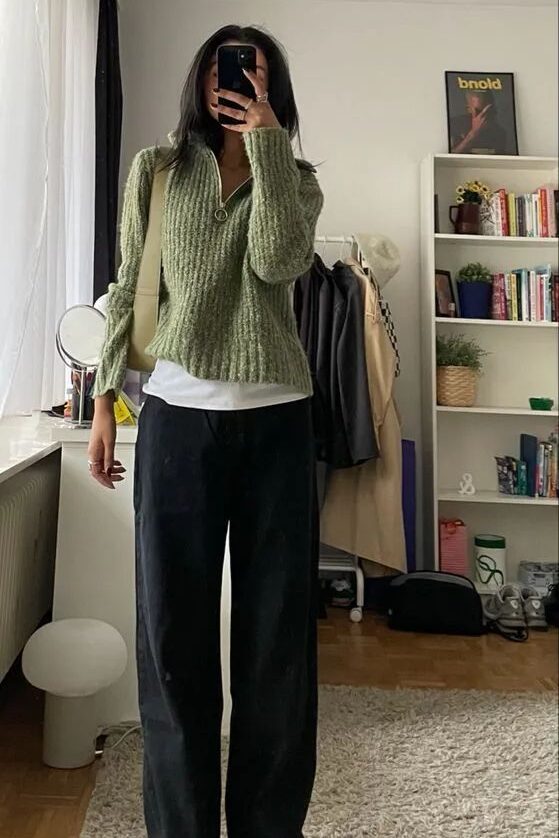
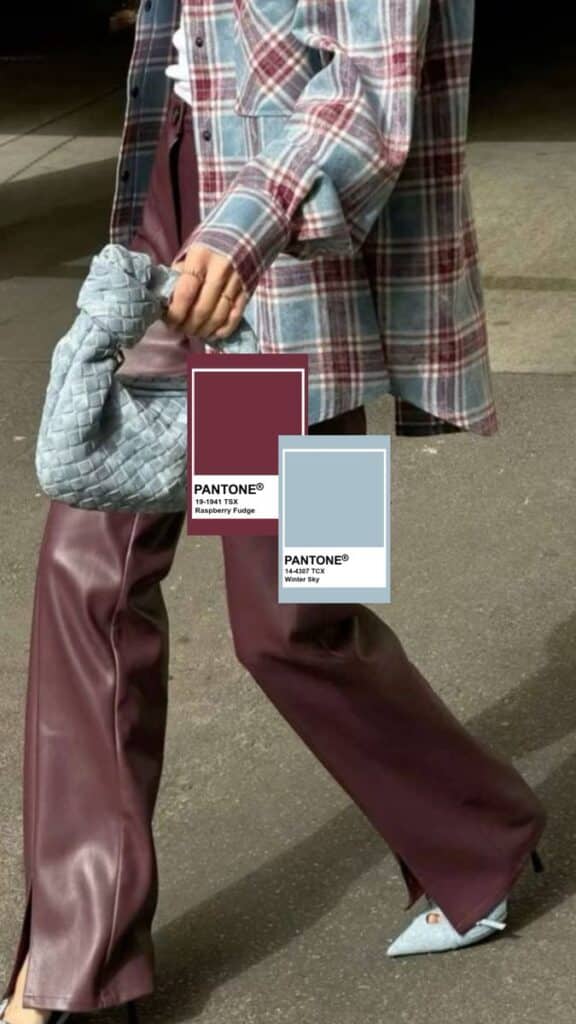
- Texture Play: To prevent neutral outfits from looking flat, incorporate different textures. Pair a chunky knit sweater with sleek leather pants, or a silk blouse with wool trousers. The contrast in textures adds depth and interest.
- Accessorize with Color: This is where neutrals truly shine. Use a neutral canvas to let your accessories pop. A vibrant scarf, a colorful handbag, or complementary bold lip colors can instantly transform a neutral outfit.
- Layering: Neutrals are perfect for layering. A white tee under a beige cardigan and a navy blazer creates a complex yet harmonious look.
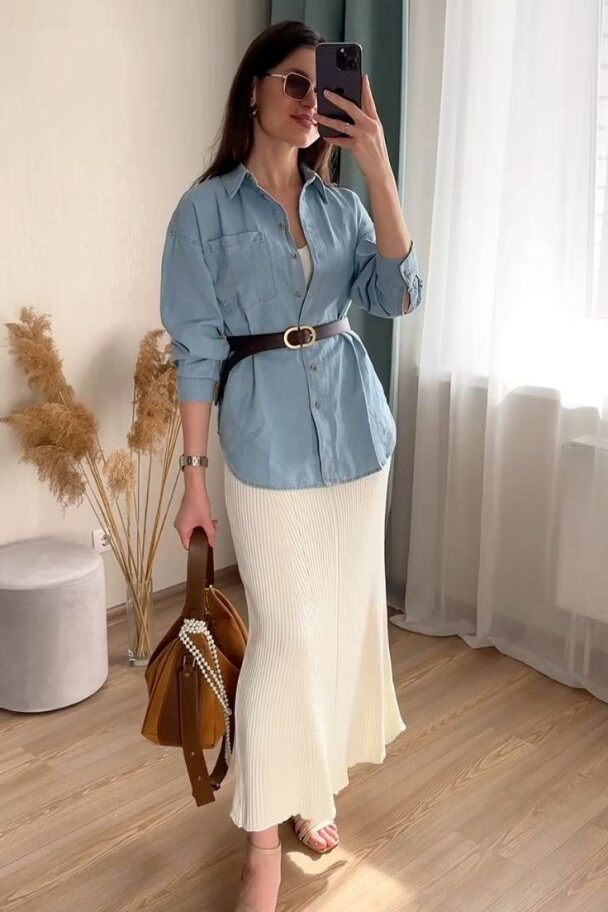
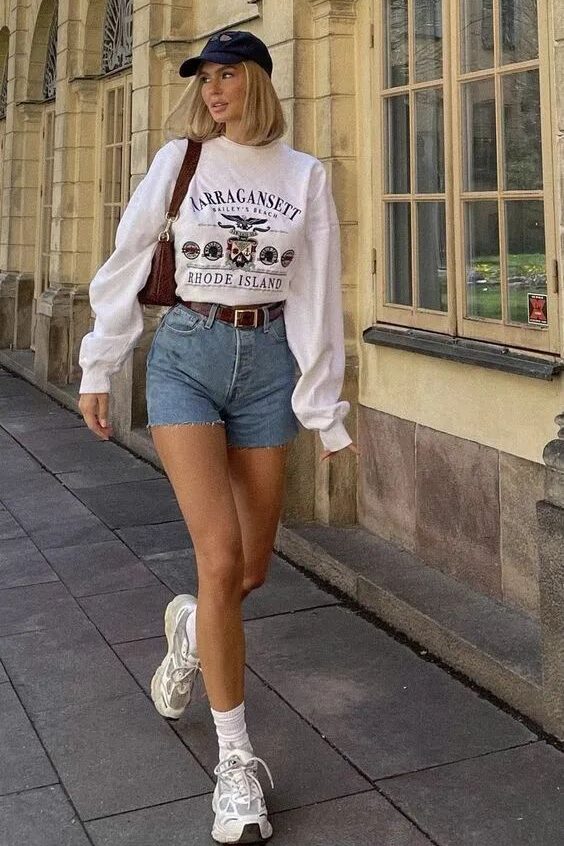
- Mixing Neutrals: Don’t be afraid to combine different neutrals, such as black and brown, navy and gray, or white and camel. The key is to ensure the tones complement each other (e.g., warm browns with warm creams).
By building a strong foundation of neutral pieces, you create a versatile wardrobe that makes getting dressed a breeze and allows you to experiment with color fearlessly.
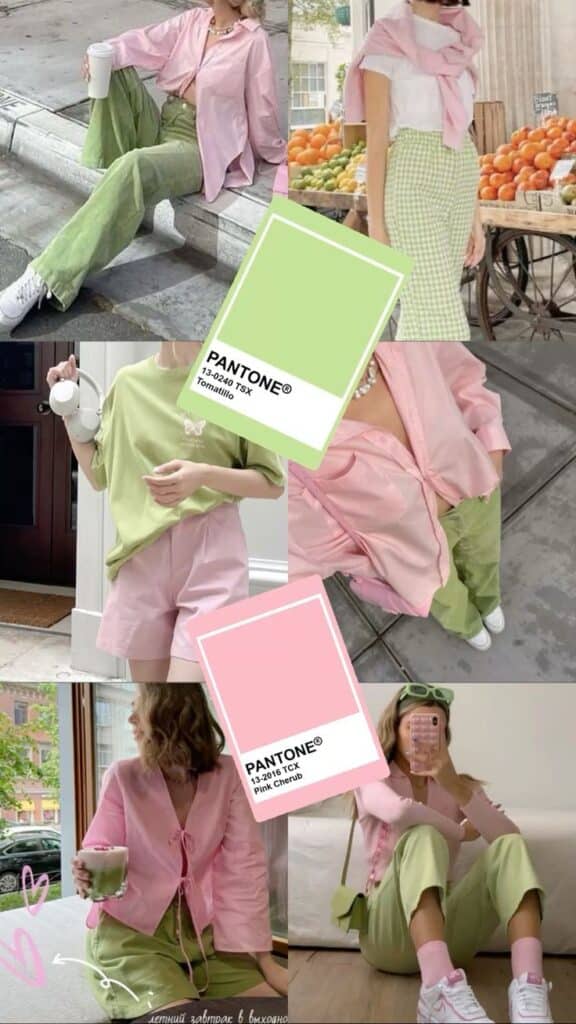
Embracing Vibrant Hues: Making a Statement with Bold Colors


While neutrals provide a sophisticated foundation, vibrant hues are where true personality and fearless style come alive. Don’t shy away from bold colors; embrace them as powerful tools to express your individuality, command attention, and inject joy into your wardrobe.
The Impact of Boldness
- Confidence Booster: Wearing a vibrant color can instantly make you feel more confident and energetic. It’s a psychological boost that radiates outward.
- Attention-Grabbing: Bold colors naturally draw the eye. If you want to make an entrance, be memorable, or simply stand out from the crowd, vibrant hues are your allies.
- Mood Enhancer: Bright colors can lift your spirits and reflect a cheerful, optimistic outlook. They can even influence the mood of those around you.
- Personal Expression: Bold colors are a direct reflection of your personality. Whether you love fiery reds, electric blues, or sunny yellows, they offer a unique way to showcase who you are.
How to Incorporate Vibrants into Your Wardrobe

- The Single Pop of Color: This is the easiest way to dip your toes into vibrant waters. Keep the rest of your outfit neutral and introduce one bold item. Think a vibrant yellow handbag, a bright pink scarf, or a statement cobalt blue shoe. It adds interest without overwhelming.
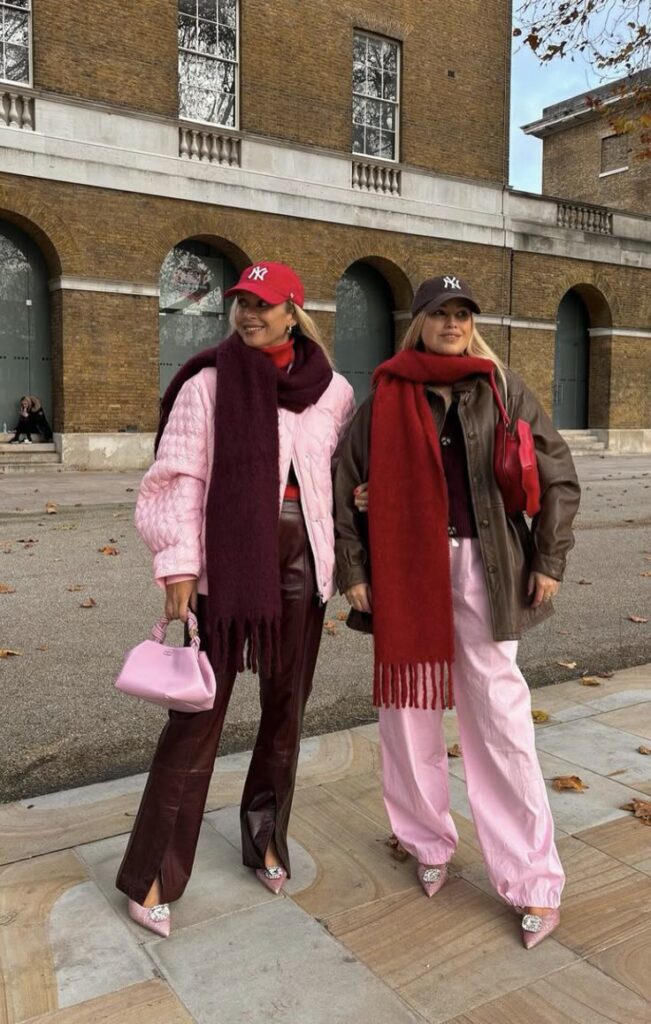
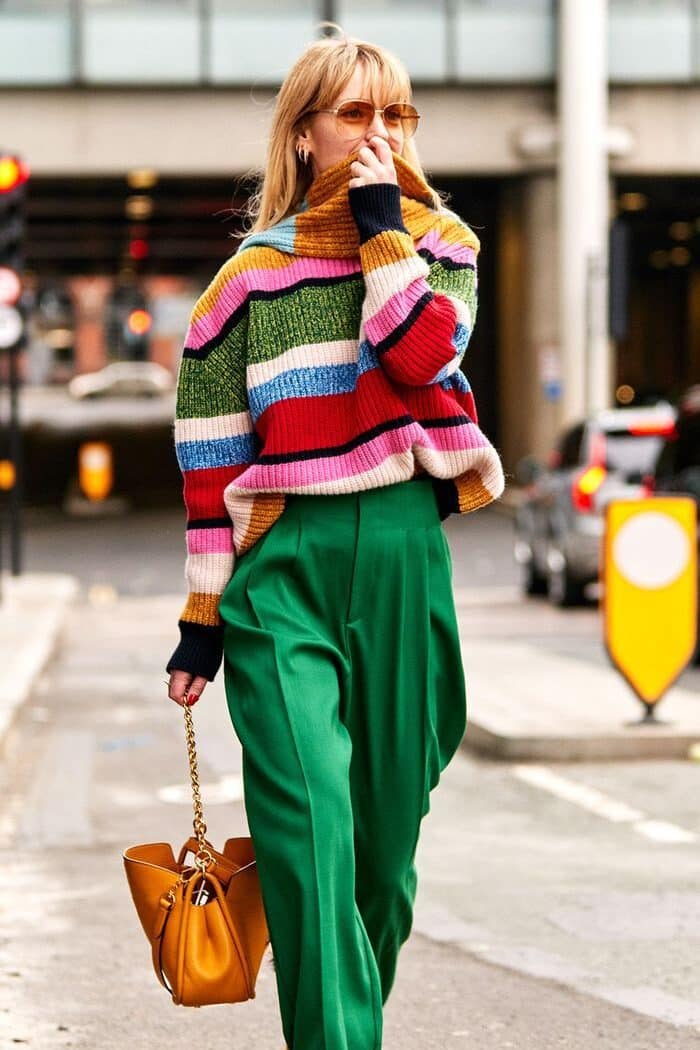
- Color Blocking: This technique involves pairing two or more solid blocks of contrasting or complementary colors. For example, a bright orange top with hot pink trousers, or an emerald green dress with a royal blue clutch. The key is clean lines and bold choices.
- Tip: Start with two bold colors and one neutral to anchor the look. As you gain confidence, experiment with three or more bold colors.
- Dominant Color with an Accent: Choose one vibrant color as your main piece (e.g., a fuchsia dress) and then add an accent in a different, often complementary, bold color (e.g., emerald green earrings or shoes).
- Monochromatic Brights: Just like with neutrals, you can create a stunning look using different shades and textures of a single vibrant color. Imagine a head-to-toe sapphire blue ensemble, ranging from a deep navy skirt to a bright cerulean blouse.
- Printed Power: Don’t forget vibrant prints! A dress or a skirt in a lively, multi-colored pattern can be a complete outfit in itself, radiating energy and personality.
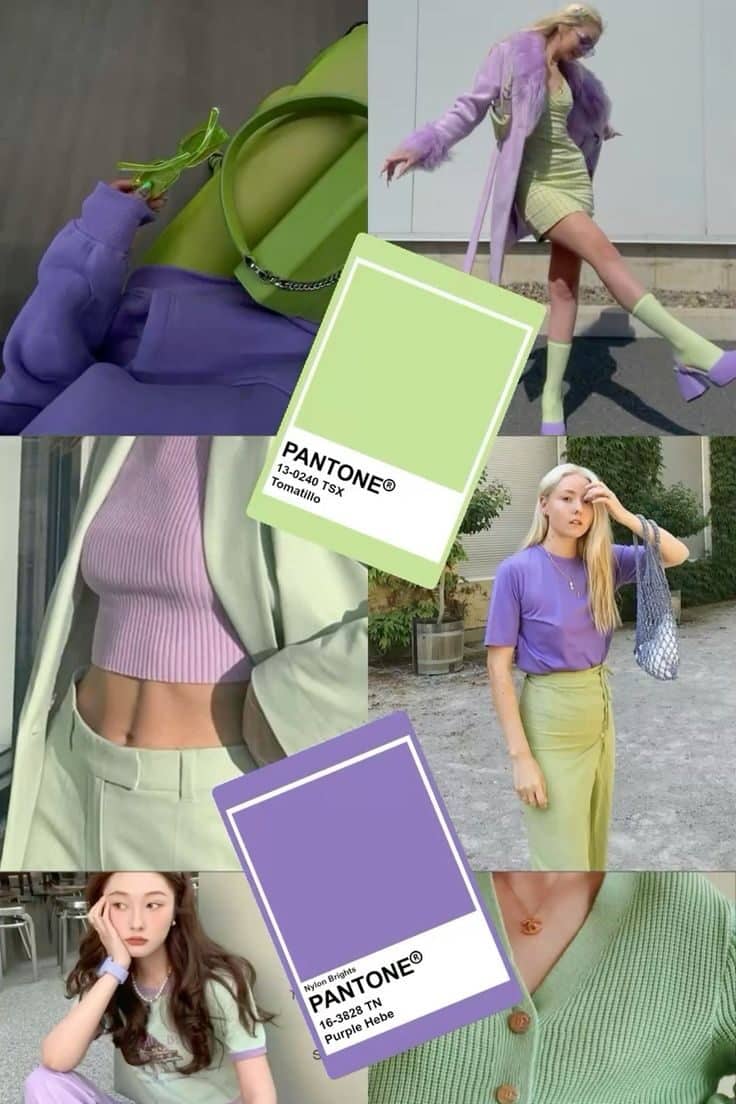
- Unexpected Pairings: Once you’re comfortable, start playing with unconventional color combinations. Chartreuse and lavender? Teal and mustard? These unexpected pairings can result in incredibly fresh and fashion-forward looks.
- Start Small: If full-blown vibrancy feels intimidating, begin with less saturated versions of bold colors, or incorporate them in smaller doses. A vibrant top under a neutral blazer, or a colorful belt, can ease you into the trend.
The most important rule when embracing vibrant hues is confidence. Wear your bold choices with pride, and let your personality shine through every brilliant shade!
Seasonal Color Palettes: Dressing for Every Time of Year


Nature provides the ultimate inspiration for outfit color ideas, with each season offering a unique palette. Aligning your wardrobe with seasonal colors not only makes you look more harmonious but also allows you to tap into the mood and energy of the time of year.
Spring: Fresh Starts and Pastels
As nature awakens, so should your wardrobe. Spring is all about freshness, new beginnings, and delicate beauty.
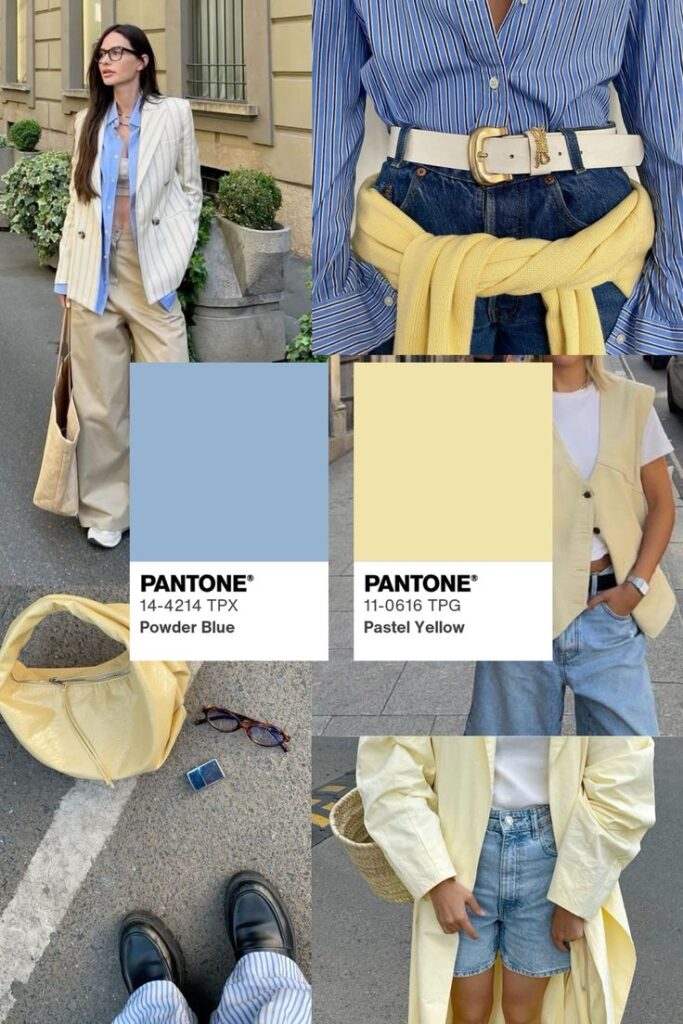
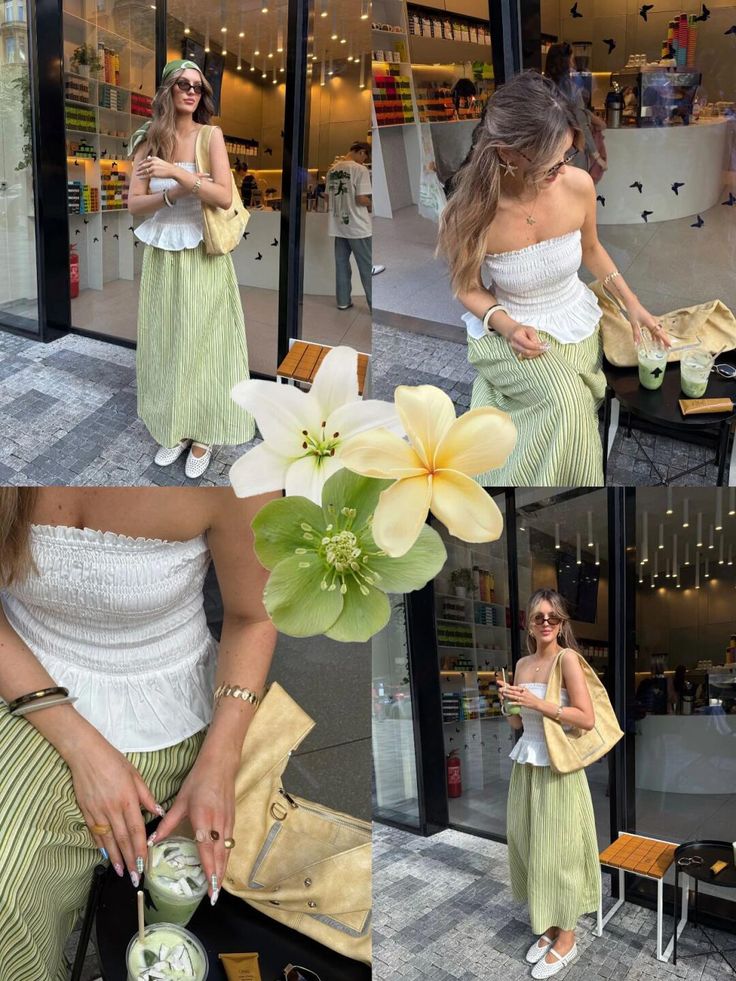
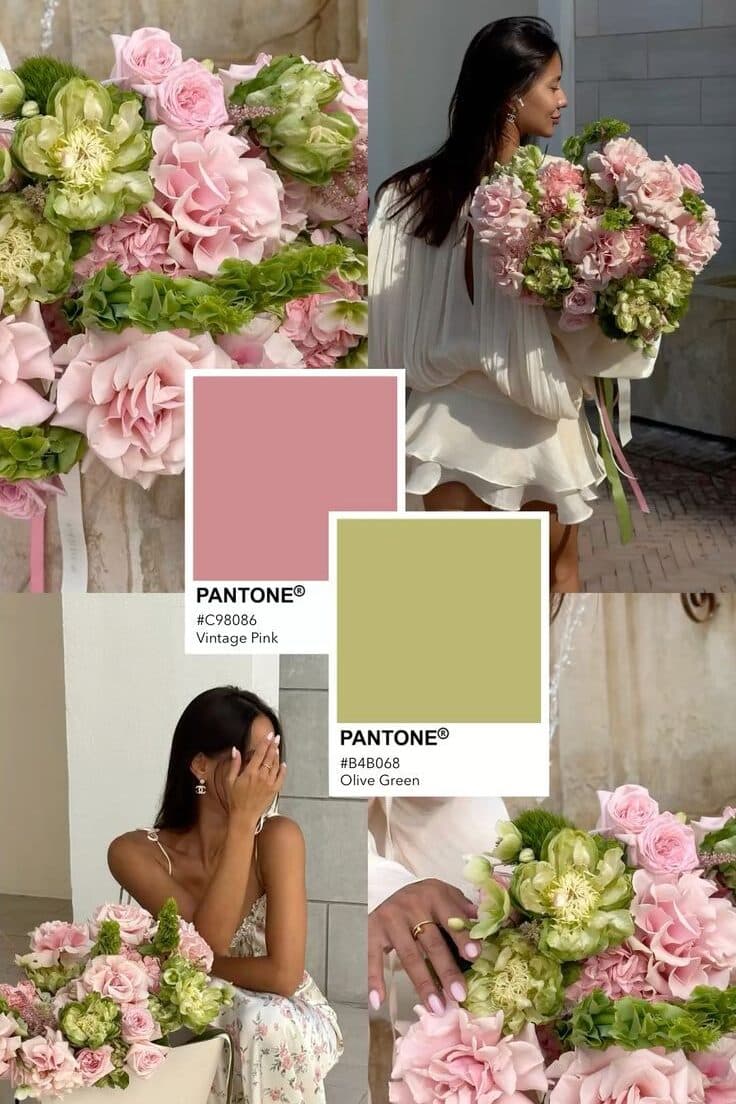
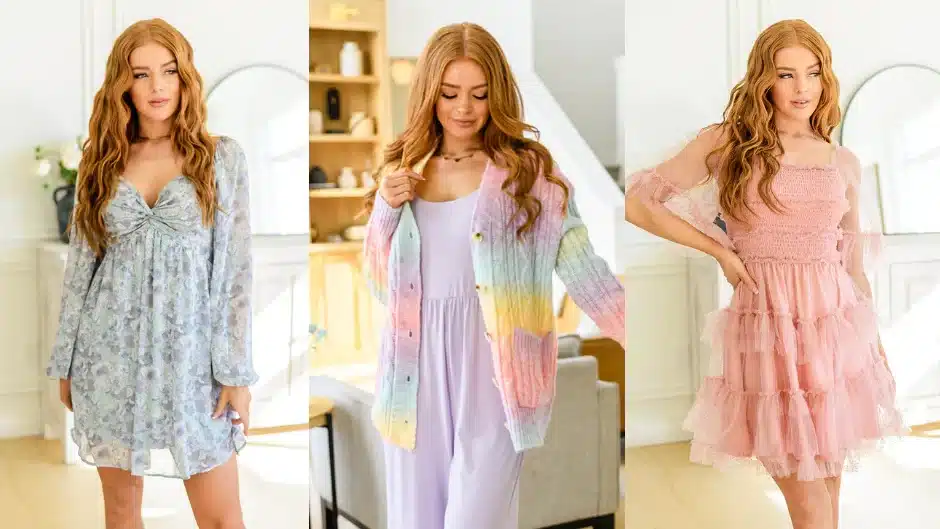
- Key Colors: Soft pastels (mint green, sky blue, blush pink, lavender), fresh greens (lime, pea green), daffodil yellow, light coral, cream, and crisp white.
- Vibe: Light, airy, playful, romantic, and optimistic.
- Outfit Ideas: Think floral prints, light denim, flowy dresses in pastel shades, cream knitwear, and white sneakers. It’s the perfect time for a spring travel bucket list to embrace these fresh colors.
Summer: Sunshine and Saturated Brights
Summer is synonymous with warmth, energy, and vibrancy. Embrace colors that reflect the sunny days, clear skies, and lush landscapes.
- Key Colors: Electric blues, vibrant corals, sunny yellows, fuchsia, turquoise, bright orange, emerald green, crisp white, and nautical navy.
- Vibe: Energetic, cheerful, bold, relaxed, and carefree.
- Outfit Ideas: Lightweight fabrics, maxi dresses, colorful swimwear, linen separates, and bright accessories. Don’t be afraid to mix bold colors or go for striking monochromatic looks in a single bright hue.
Autumn: Earth Tones and Cozy Warmth
Autumn brings a magnificent transformation of colors in nature, from golden leaves to deep, rich soil. Your wardrobe should mirror this cozy, sophisticated shift.
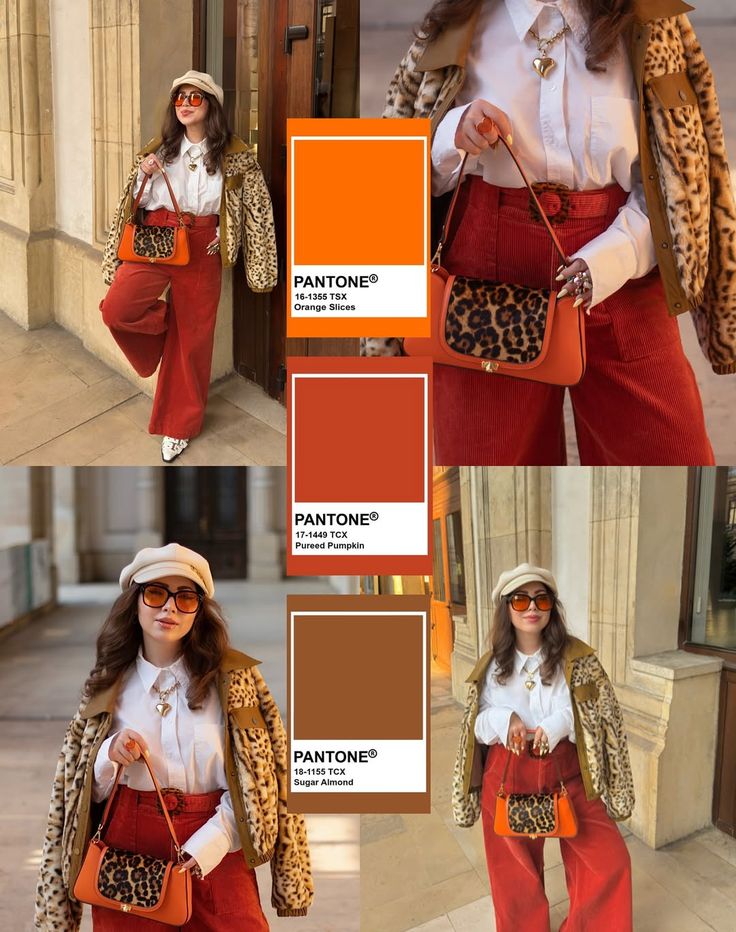
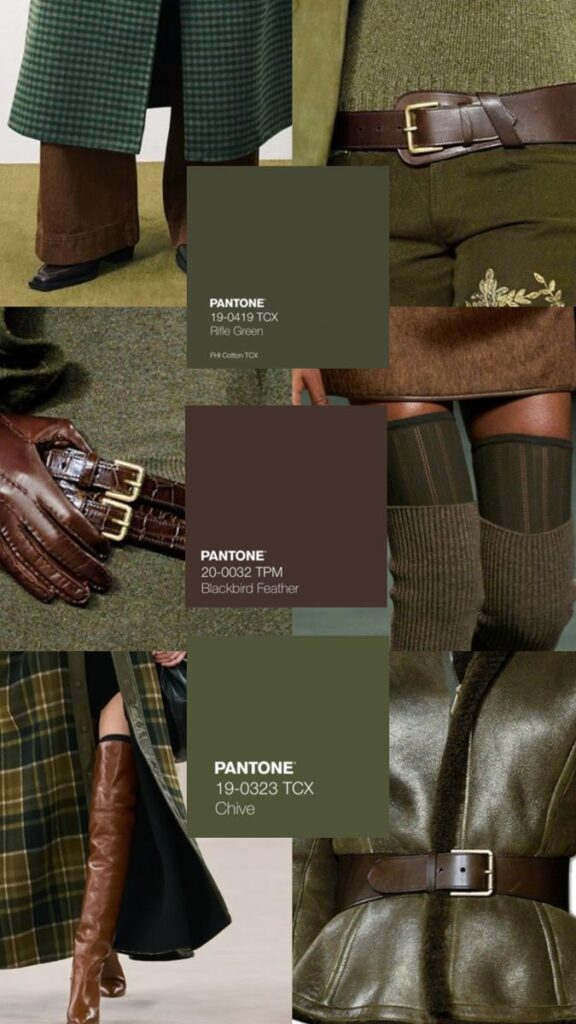
- Key Colors: Deep reds (burgundy, rust), burnt oranges, mustard yellow, olive green, forest green, warm browns (chocolate, caramel, chestnut), beige, and deep teal.
- Vibe: Cozy, sophisticated, earthy, rustic, and inviting.
- Outfit Ideas: Layering is key! Think chunky knits, wool coats, corduroy pants, and flannel shirts. These colors are ideal for what to wear in fall: outfit ideas, coats, layers, and shoes. Consider a matching autumn manicure to complete your seasonal look.
Winter: Jewel Tones and Deep Elegance
Winterโs palette is characterized by deep, rich, and often luxurious colors that stand out against the stark backdrop of colder weather.
- Key Colors: Jewel tones (emerald green, ruby red, sapphire blue, amethyst purple), charcoal gray, black, pure white, icy pastels, and metallic silvers and golds.
- Vibe: Elegant, rich, sophisticated, luxurious, and dramatic.
- Outfit Ideas: Heavy knits, faux fur, velvet, cashmere, and tailored coats. These colors add warmth and opulence to festive occasions and everyday wear. A deep plum coat or an emerald green dress can make a striking statement.
By rotating your wardrobe colors with the seasons, you’ll always feel in sync with your surroundings and effortlessly chic.
Personal Color Analysis: Finding Your Best Shades


Have you ever noticed how certain colors make your skin glow, your eyes sparkle, and your overall appearance radiate vitality, while others seem to wash you out or make you look tired? This phenomenon isn’t random; it’s often linked to your personal color season, a concept derived from personal color analysis. Understanding whether you have warm or cool undertones can revolutionize your outfit color ideas and help you consistently choose the most flattering hues.
Warm vs. Cool Undertones
The foundation of personal color analysis lies in determining your skin’s undertone. This isn’t about your skin’s surface color (fair, medium, dark) but the subtle hue beneath it.
- Cool Undertones: Your skin has hints of pink, red, or blue.
- How to tell: Your veins on your wrist appear blue or purple. Silver jewelry looks more flattering on you than gold. Your skin might burn easily in the sun.
- Best Colors: Jewel tones, blues, purples, emerald greens, cool reds (berry, fuchsia), crisp whites, and true blacks.
- Warm Undertones: Your skin has hints of yellow, gold, or peach.
- How to tell: Your veins on your wrist appear green or olive. Gold jewelry looks more flattering on you than silver. Your skin tends to tan easily.
- Best Colors: Earth tones, warm reds (coral, rust, brick), orange, yellow, olive green, cream, beige, brown, and golden hues.
- Neutral Undertones: A blend of both warm and cool.
- How to tell: Your veins appear a mix of blue and green. Both silver and gold jewelry look good on you.
- Best Colors: You have the most flexibility and can often wear a wider range of colors, leaning towards muted versions of both warm and cool palettes.
The Seasons: A Deeper Dive
While warm/cool is a great starting point, professional color analysis categorizes individuals into four main “seasons” (Spring, Summer, Autumn, Winter) based on their skin undertone, hair color, and eye color. Each season has a specific palette of colors that harmonizes best with its characteristics.
- Spring (Warm & Light): Bright, clear, warm colors. Think the colors of fresh spring flowers and sunshine.
- Examples: Coral, peach, aqua, light greens, clear yellows.
- Summer (Cool & Muted): Soft, cool, muted colors. Like a hazy summer day.
- Examples: Powder blue, rose pink, lavender, soft gray, cool mint.
- Autumn (Warm & Muted/Deep): Rich, warm, earthy colors. The hues of changing leaves and harvest.
- Examples: Olive green, rust, mustard yellow, deep teal, terracotta, warm browns.
- Winter (Cool & Clear/Deep): Bold, clear, cool colors. The stark contrast of winter landscapes.
- Examples: True red, royal blue, emerald green, fuchsia, pure white, black.
Leveraging Personal Color for Outfit Success
- Focus on Colors Near Your Face: The colors closest to your face (tops, scarves, jewelry) have the most significant impact on your complexion. Prioritize your “best” colors for these items.
- Use Your “Worst” Colors as Accents: If a color you love isn’t in your ideal palette, don’t discard it entirely. Use it for bottoms, shoes, bags, or other items further from your face.
- Experiment and Observe: While color analysis provides a fantastic framework, it’s also about what makes you feel good. Try on different colors and observe how they interact with your skin. Do you look more vibrant or dull? Does your skin appear clearer or more sallow? Trust your instincts.
Discovering your personal color season isn’t about strict rules but about empowering you to make choices that enhance your natural beauty. It’s an exciting journey of self-discovery that can truly transform your approach to outfit color ideas.
Conclusion

What an incredible journey we’ve taken through the kaleidoscopic world of outfit color ideas! From dissecting the foundational principles of the color wheel to decoding the psychological impact of each hue, and from mastering timeless neutrals to fearlessly embracing vibrant statements, you now possess a comprehensive toolkit to transform your wardrobe and elevate your style. Weโve explored how different colors can make you feel, how they communicate to the world, and how to harness them for every season and occasion.
Remember, fashion is not just about following trends; it’s a powerful form of self-expression. Color is your most potent ally in this journey. It allows you to project confidence, evoke emotion, and showcase your unique personality without uttering a single word. Whether you’re drawn to the serene elegance of analogous schemes, the bold dynamism of complementary pairs, or the subtle sophistication of monochromatic magic, the possibilities are truly endless.
Don’t let any lingering doubts hold you back. Your personal style is a reflection of you, and it’s meant to evolve, experiment, and ultimately, bring you joy. So, step out of your comfort zone, re-evaluate your closet with fresh eyes, and start playing with combinations you might never have considered before.
The time to unleash your inner fashionista is now! Take these insights, open your wardrobe, and begin experimenting with new outfit color ideas today. Let your clothes tell your vibrant story, express your true self, and make every day a colorful celebration of who you are!