Transform Your Skincare: Morning and Night Routine Tips
Facebook Twitter Pinterest Your skin has different needs depending on the time of day, which is why your morning and night routines…


Curly hair has a reputation for being difficult to manage, but caring for it at home doesn’t have to be complicated. The key to healthy curls is maintaining moisture, using gentle handling techniques, and following a consistent routine tailored to your hair’s specific needs. With the right approach, you can reduce frizz, enhance definition, and bring out the natural beauty of your curls.
Your curly hair is different from straight hair because the curved shape of each strand makes it harder for natural oils to travel from your scalp to the ends. This means your curls are naturally drier and more prone to breakage and tangles. Understanding this fundamental difference helps you make better choices about products and techniques.
The good news is that creating an effective curly hair care routine at home is achievable with a few simple adjustments to how you wash, condition, and style. Whether you’re new to curly hair care or looking to improve your current routine, learning the basics will help you work with your hair’s natural texture instead of against it.
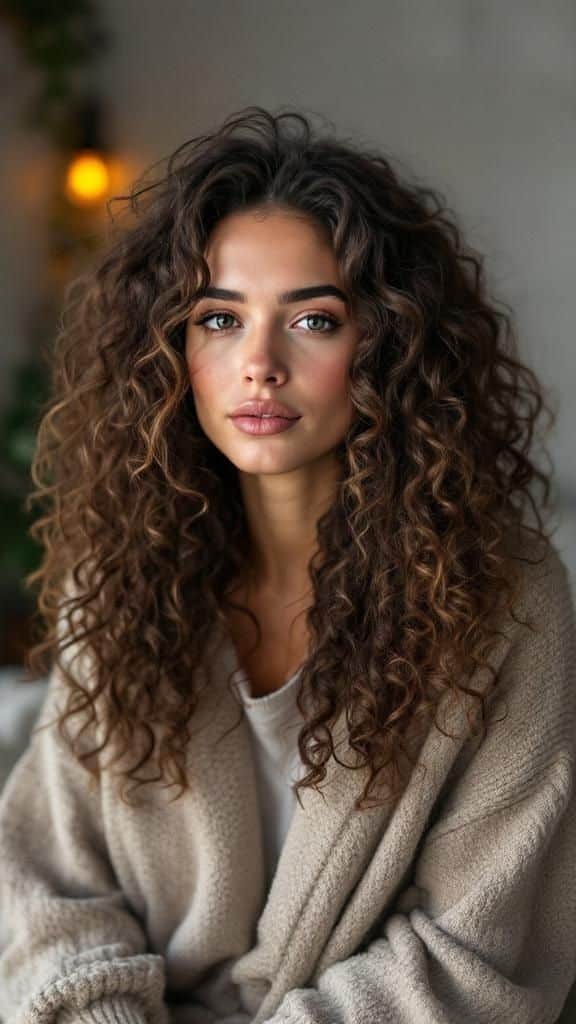
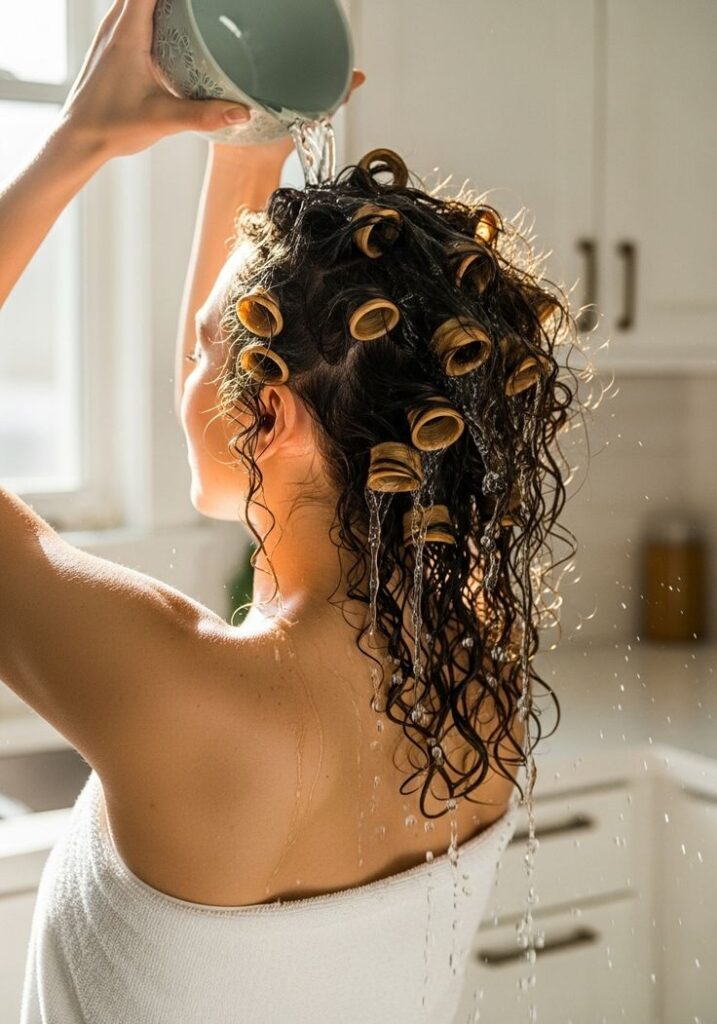
Curly hair varies significantly from person to person, and knowing your specific curl pattern, porosity level, and individual needs helps you choose the right products and techniques. These three factors work together to determine how your curls behave and what they require to stay healthy.
Your curl pattern refers to the shape and tightness of your curls, typically categorized using a numbering system from 2 to 4. Type 2 hair features wavy patterns (2A being loose waves, 2B forming S-shapes, and 2C creating more defined waves). Type 3 curls form springy ringlets and spirals, with 3A having loose curls, 3B showing tighter corkscrews, and 3C displaying tight, bouncy coils.
Type 4 hair consists of coily or kinky textures that zigzag tightly. You can identify your curl type by washing your hair and letting it air dry without products to see its natural pattern.
Many people have multiple curl types on different parts of their head. Your crown might be 3B while your underlayers are 3A, which is completely normal and affects how you should style each section.
Hair porosity measures how well your hair absorbs and retains moisture. Low porosity hair has tightly closed cuticles that resist moisture absorption, often causing products to sit on top of your hair rather than penetrating it. High porosity hair has open cuticles that absorb moisture quickly but struggle to retain it, leading to dryness and frizz.
You can test your porosity by placing a clean strand of hair in a glass of water. Hair that floats has low porosity, hair that sinks slowly has normal porosity, and hair that sinks immediately has high porosity.
Your porosity level determines which products work best for you. Low porosity hair needs lightweight, water-based products and benefits from heat during deep conditioning. High porosity hair requires heavier creams, oils, and protein treatments to fill gaps in the cuticle.
Different curl types have varying moisture requirements based on their structure. Tighter curl patterns (3C and 4 types) need more moisture because natural oils struggle to travel down the hair shaft. Looser curl types (2A to 3A) can become weighed down by heavy products and may need lighter formulations.
Your curl health depends on balancing moisture and protein. Signs you need more moisture include dryness, frizz, and lack of curl definition. Signs you need protein include excessive stretching, limpness, and curls that won’t hold their shape.
Pay attention to how your curls respond to different products and weather conditions. Your hair might need richer products in winter and lighter options in summer to maintain optimal curl definition throughout the year.
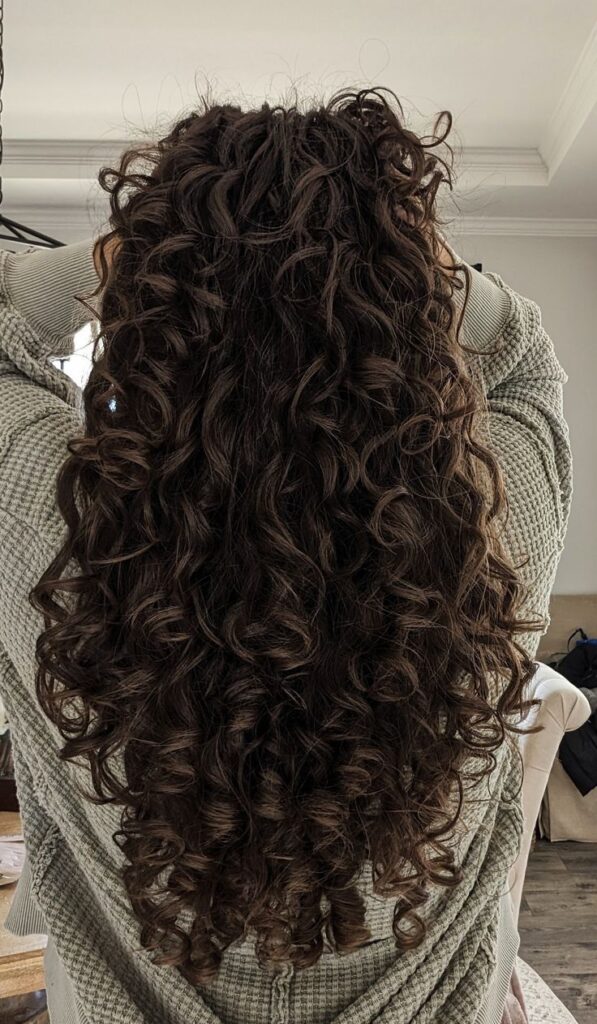
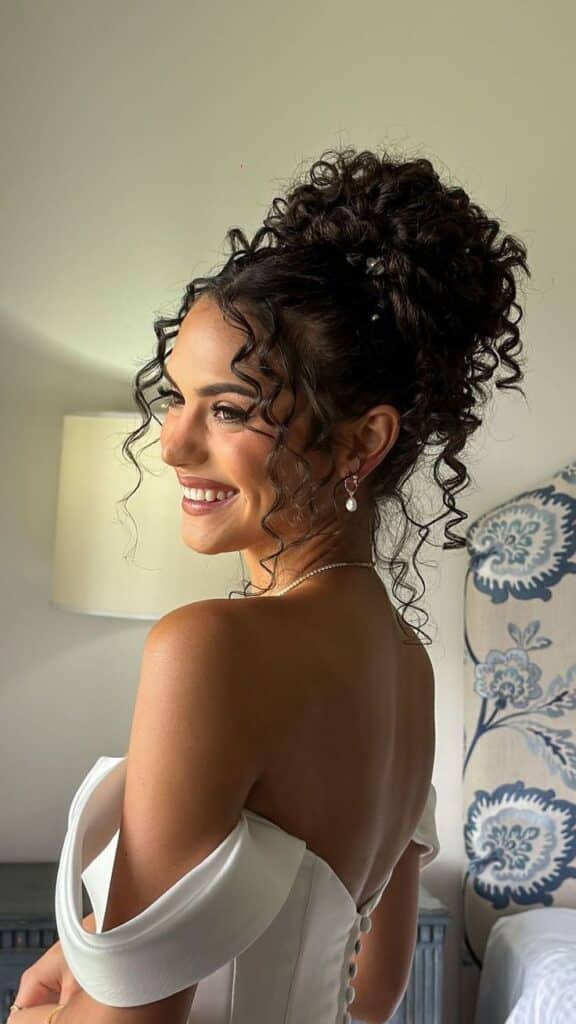
Proper cleansing and conditioning form the foundation of healthy curly hair maintenance. Your washing routine should balance removing dirt and buildup while preserving essential moisture that keeps curls defined and frizz-free.
Sulfate-free shampoo is essential for curly hair because traditional sulfates strip away natural oils your curls desperately need. Look for gentle cleansers with ingredients like cocamidopropyl betaine or decyl glucoside that clean without harsh effects.
Your curls need a moisturizing shampoo that cleanses while adding hydration back into each strand. Choose formulas with nourishing ingredients like glycerin, aloe vera, or natural oils.
Most people with curly hair should shampoo only 1-2 times per week. Overwashing leads to dryness and frizz, which makes maintaining defined curls much harder. Pay attention to how your scalp feels between washes to determine your ideal frequency.
Co-washing means using conditioner instead of shampoo to cleanse your hair. This method works particularly well for dry, thick, or coily hair types that need extra moisture retention.
A co-wash product differs from regular conditioner because it contains mild cleansing agents that remove light dirt and refresh your scalp. Apply the co-wash to your scalp and massage gently, then work it through to your ends.
You can co-wash between regular shampoo sessions to refresh your curls without stripping moisture. Many people alternate between shampooing once weekly and co-washing mid-week. This approach keeps curls clean while maintaining the natural oils that create bounce and definition.
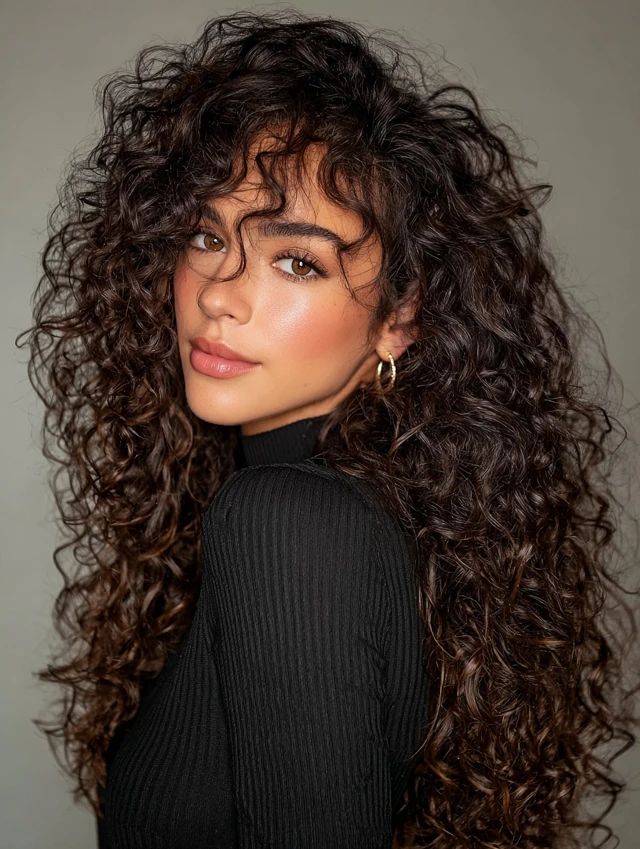
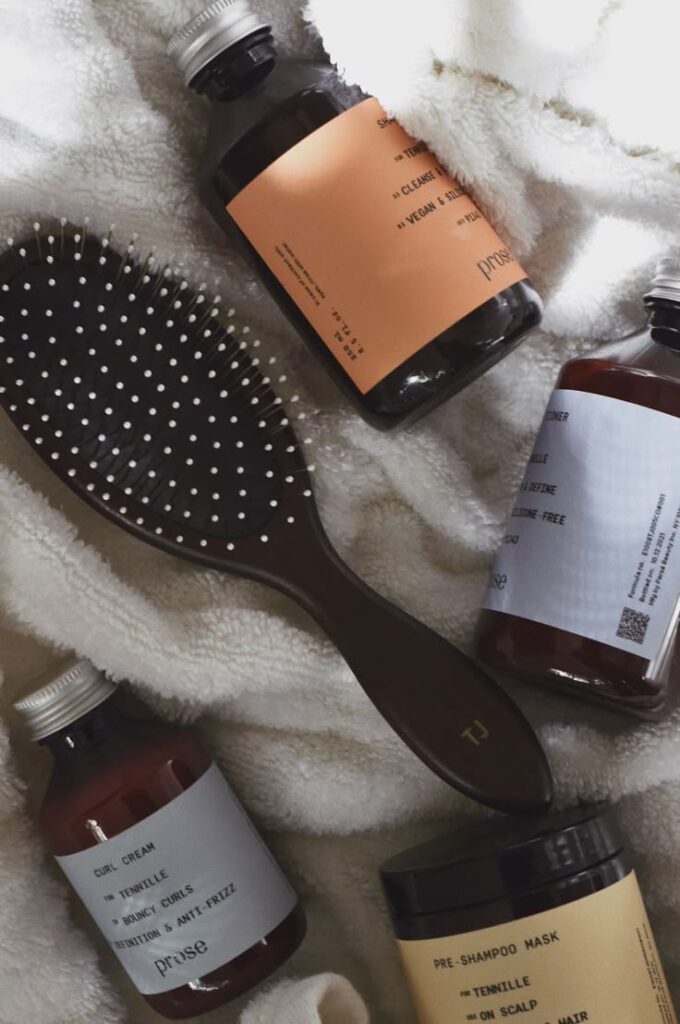
Deep conditioning treatment should happen at least once per week to replenish moisture and strengthen curl structure. These treatments penetrate deeper than regular conditioners and repair damage from styling and environmental factors.
Apply a hair mask or deep conditioning treatment to clean, damp hair from mid-shaft to ends. Leave it on for 15-30 minutes, using heat from a shower cap or warm towel to help the product penetrate better.
Key ingredients to look for:
Rich conditioner formulas work best during colder months when hair needs extra protection. Switch to lighter hydrating conditioner options in summer to avoid weighing down your curls.
Product buildup creates a film on your hair that prevents moisture absorption and makes curls look dull and lifeless. Use a clarifying shampoo once every 2-4 weeks to remove this accumulation.
Clarifying shampoo is stronger than your regular sulfate-free shampoos, so it should be used sparingly. Apply it to wet hair, focus on your scalp, and rinse thoroughly.
After clarifying, always follow with a deep conditioning treatment since the process can be temporarily drying. This combination resets your hair and allows curl-friendly products to work effectively again. You’ll notice improved product performance and better-defined curls after clarifying properly.
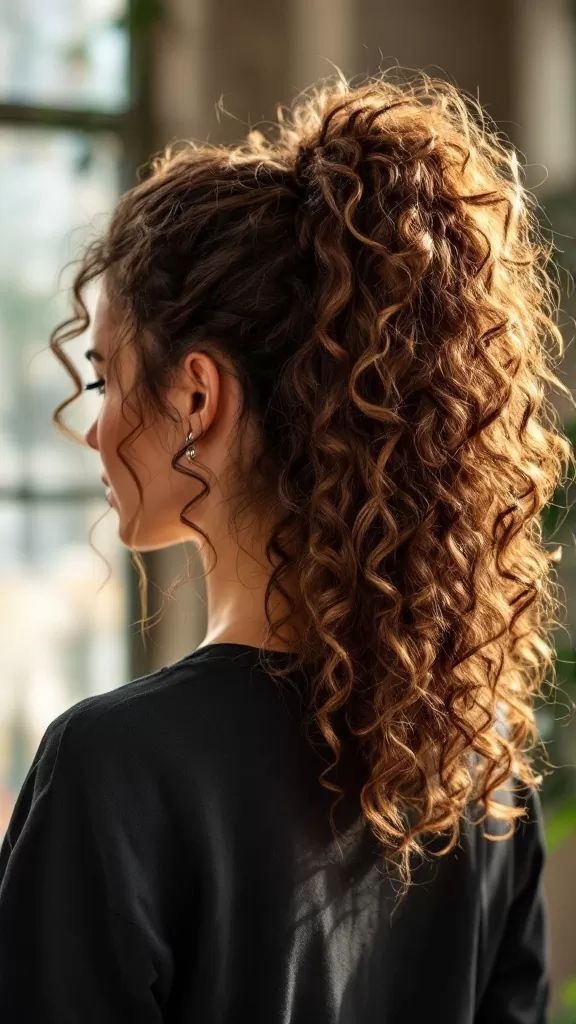
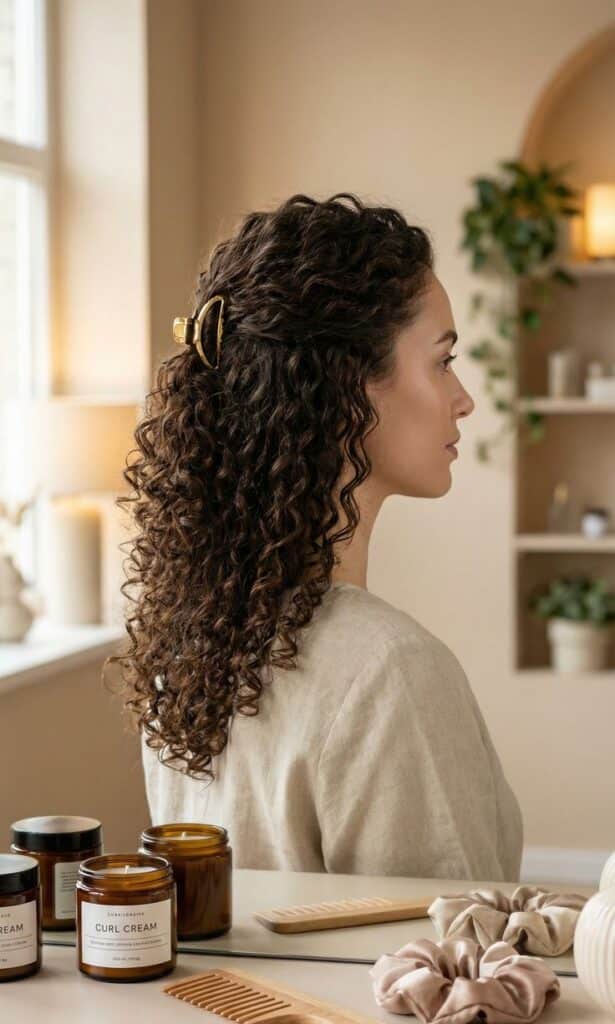
Curly hair needs consistent moisture and gentle detangling methods to prevent breakage and maintain definition. These practices work together to keep your curls hydrated, manageable, and healthy.
Apply conditioner from mid-length to ends after shampooing, focusing on the driest areas of your hair. Let it sit for 3-5 minutes to allow your hair strands to absorb the moisture.
You can use the squish-to-condish method by cupping your curls and gently pushing them upward with the conditioner in your hair. This technique helps your curls absorb maximum moisture while encouraging curl formation.
Leave-in conditioner is essential for maintaining hydration throughout the day. Apply it to damp hair after washing, distributing it evenly through your curls with your fingers or a wide-tooth comb. Leave-in products create a moisture barrier that prevents your hair from drying out.
For extra hydration, layer your leave-in products by starting with a water-based leave-in conditioner, then adding a cream or gel. This layering technique helps seal in moisture and provides longer-lasting definition.
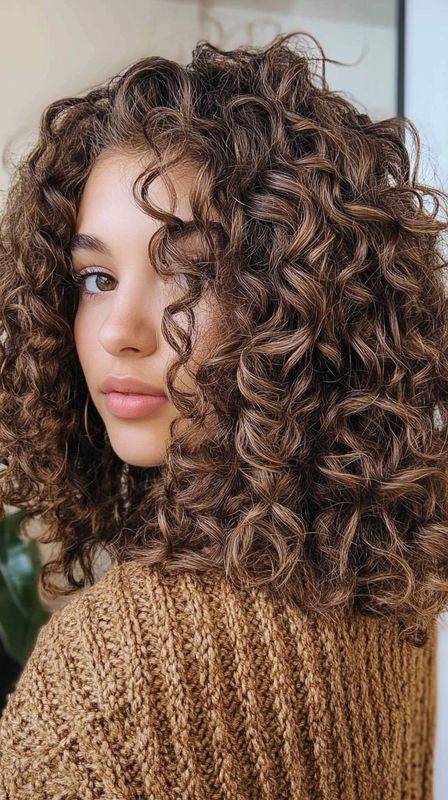
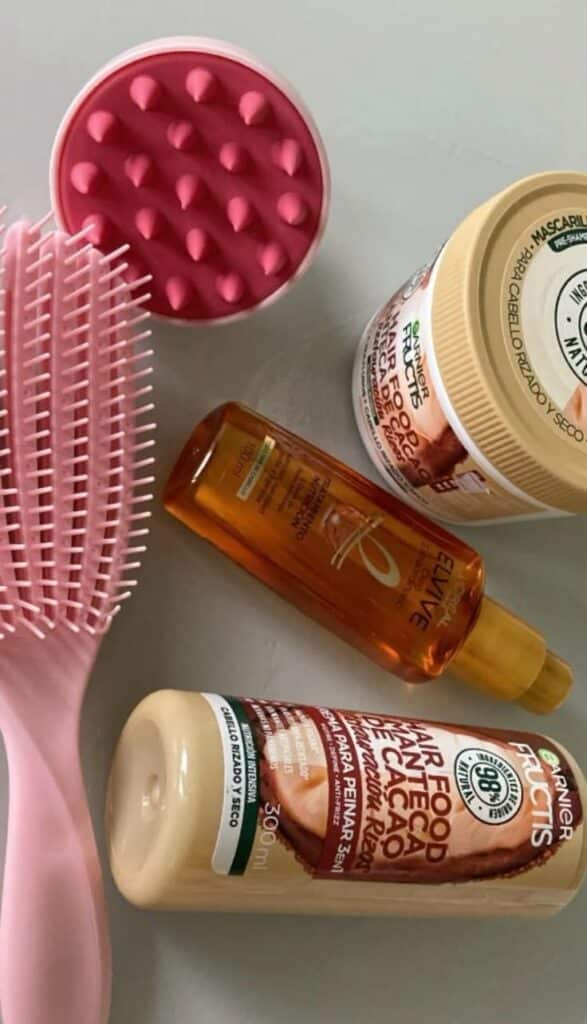
Start detangling curly hair while it’s wet and coated with conditioner or a leave-in product. Never detangle dry curly hair, as this causes breakage and disrupts your curl pattern.
Finger detangling is the gentlest method and gives you the most control. Work through small sections, starting from the ends and gradually moving up to the roots. You can feel knots with your fingers and carefully separate them without pulling.
A wide-tooth comb works well for removing tangles after finger detangling. Hold each section at the roots to minimize tension on your scalp while you comb through the ends first.
A detangling brush with flexible bristles can speed up the process for thicker hair. Use it in the shower with conditioner, starting at the tips and working your way up in small sections.
Natural oils seal moisture into your hair shaft and add shine to your curls. Coconut oil penetrates deeply and works well as a pre-wash treatment or overnight mask for extremely dry hair.
Jojoba oil closely resembles your scalp’s natural oils and absorbs quickly without leaving a greasy residue. Argan oil is lightweight and excellent for adding shine while reducing frizz. Olive oil provides intense moisture for very dry or coarse curls.
Apply hair oils to damp hair after your leave-in products to lock in moisture. Use 2-4 drops depending on your hair length and thickness, focusing on the ends where hair is oldest and driest.
Shea butter works as a heavier sealant for thick, coarse curls that need extra moisture retention. Warm a small amount between your palms before applying it to your hair.
An anti-frizz serum smooths the hair cuticle and keeps your curls defined throughout the day. Apply it as your final styling step to keep hydrated curls looking polished. Aloe vera gel serves as a natural alternative that provides hold while maintaining moisture.
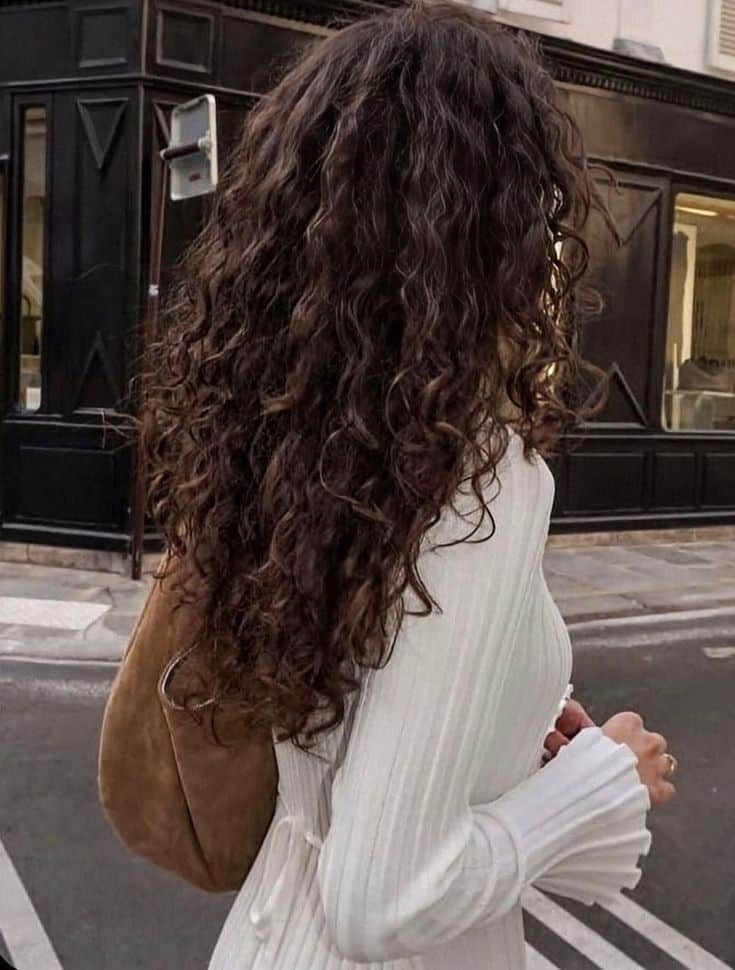
How you dry and style your curls significantly impacts their definition, volume, and overall health. The right techniques and products can minimize frizz while maximizing your natural curl pattern.
Plopping is a gentle drying method that uses a microfiber towel or cotton t-shirt to absorb excess water while encouraging curl formation. Instead of rubbing your hair with a regular towel, which causes frizz and breakage, you lay your curls onto the fabric and wrap it around your head.
To plop your hair, apply your styling products to soaking wet curls first. Then lay a microfiber towel flat on a surface, flip your head forward, and lower your curls onto the center of the towel. Wrap the sides around your head and secure them, leaving your hair enclosed for 10-30 minutes.
Microfiber towels are superior to regular terry cloth towels because their fine fibers absorb water without roughing up the hair cuticle. This preservation of the cuticle layer is essential for maintaining curl definition and reducing frizz throughout the day.
Air drying is the most gentle option for your curls, requiring no heat or special equipment. After plopping, simply let your hair dry naturally, avoiding touching or disturbing your curls to prevent frizz.
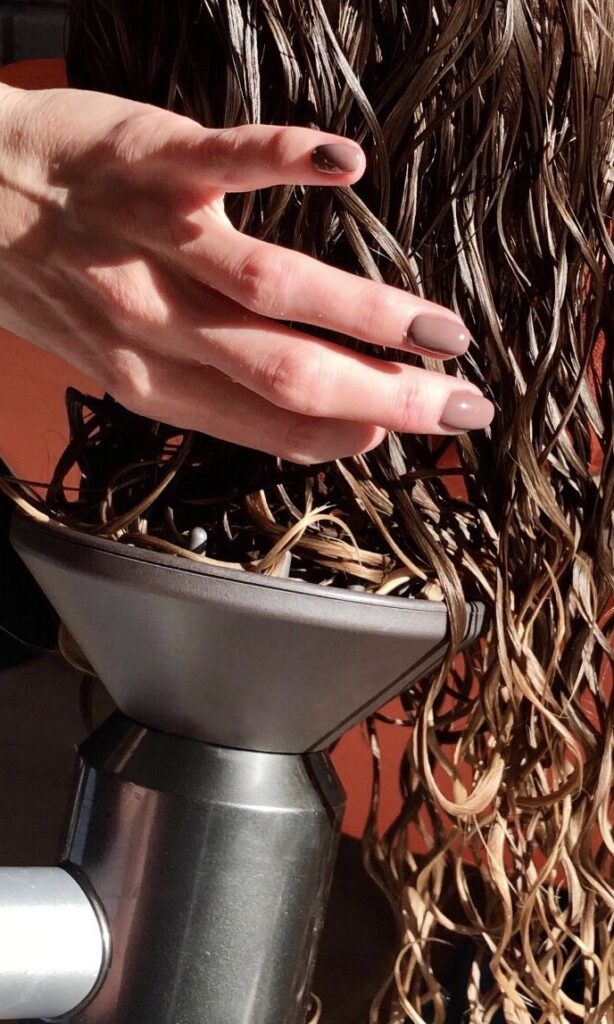
If you need faster results, use a diffuser attachment on your hair dryer. A diffuser distributes airflow evenly and prevents the concentrated heat from disrupting your curl pattern. Hold the diffuser at the ends of your curls and work upward toward your roots, using low heat and low speed settings.
When you diffuse, cup sections of your hair in the diffuser bowl and hold for 20-30 seconds before moving to the next section. Keep the dryer moving to avoid concentrating heat in one area, which can cause heat damage and frizz.
Heat protectant spray creates a barrier between your hair and heat styling tools, reducing breakage and moisture loss. Apply heat protectant to damp hair before diffusing or using any heated styling tools.
Look for heat protectants that work up to 400°F and contain nourishing ingredients like argan oil or keratin. Spray evenly throughout your hair, focusing on the mid-lengths and ends where curls are most vulnerable to damage. Even when using a diffuser on low heat, a heat protectant adds an extra layer of protection for your curl maintenance routine.
Curl creams are your primary tool for defining curls and locking in moisture. Apply curl cream to soaking wet hair using the praying hands method or scrunching motions to encourage curl formation.
Layer products strategically for best results. Start with a leave-in conditioner, add curl cream for definition, and finish with a light gel to hold your style and reduce frizz. Use curl-friendly products that are free from sulfates, silicones, and drying alcohols.
The amount of product you need depends on your hair density and curl type. Start with a quarter-sized amount and add more as needed, focusing on the areas that tend to lose definition first.
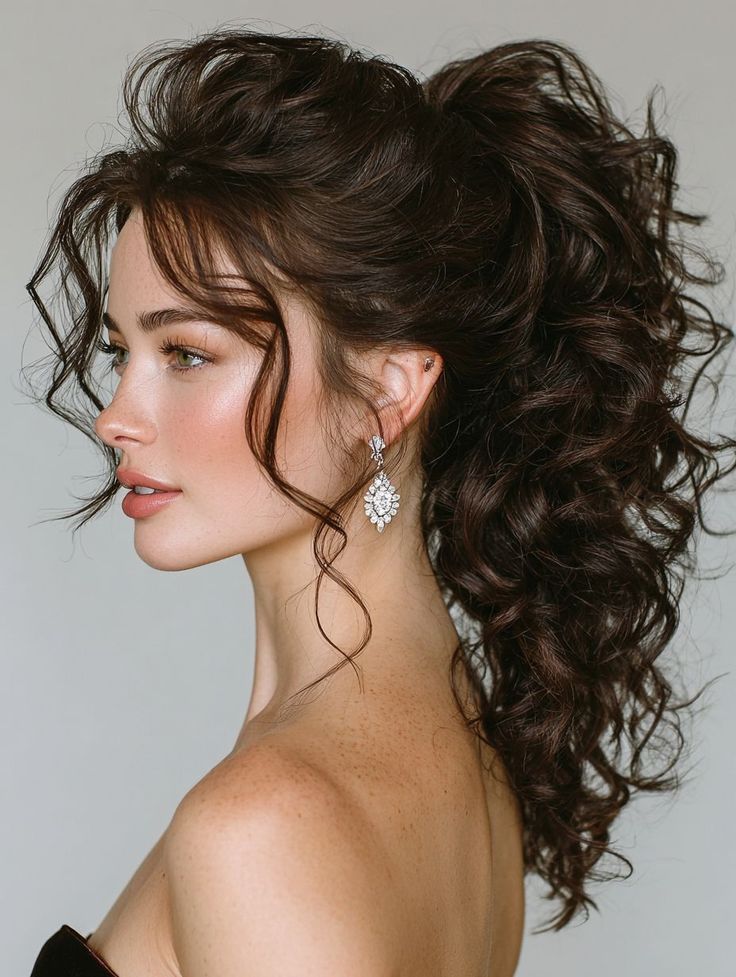
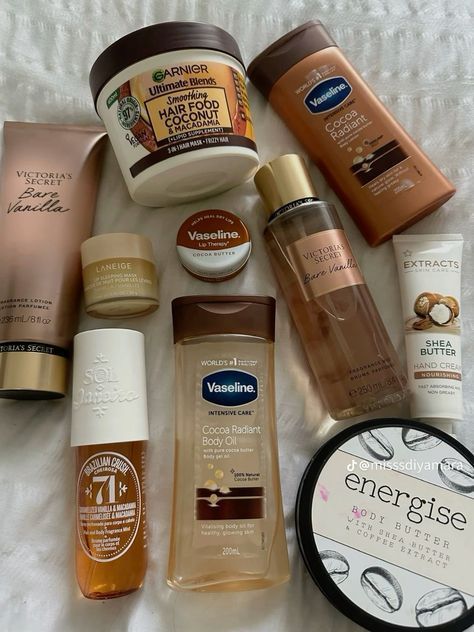
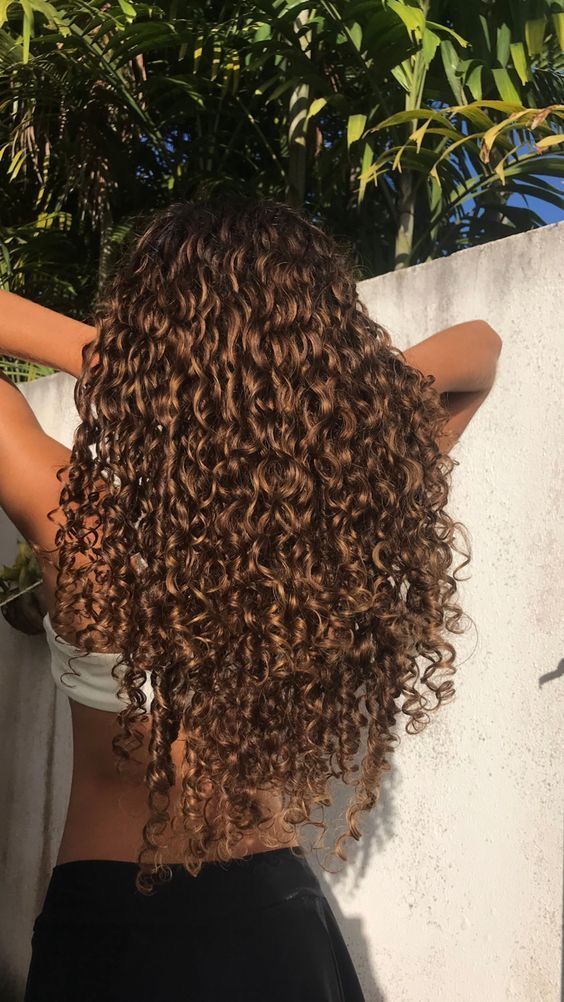
Protecting your curls during sleep and maintaining their health over time requires consistent habits that prevent damage and preserve your hair’s natural pattern. The right nighttime routine combined with regular maintenance keeps curls bouncy, defined, and healthy.
Friction from cotton pillowcases creates frizz and disrupts your curl pattern overnight. Switching to a silk pillowcase or satin pillowcase significantly reduces this friction while helping your hair retain moisture.
If you prefer extra protection, wrap your hair in a silk bonnet before bed. This method keeps curls contained and shields them from rubbing against any surface. For longer hair, you can also use a satin scarf to secure your curls gently.
The pineapple method works well for medium to long curls. Gather your hair loosely at the top of your head using a scrunchie or silk hair tie, letting curls cascade down without crushing them. Avoid tight elastics that create dents and breakage.
For shorter curls, consider sleeping with a silk or satin bonnet instead of trying to pineapple. You can also refresh flattened sections in the morning with a water spray bottle and a small amount of curl cream.
Most curly hair types don’t need daily washing. Washing two to three times per week helps preserve natural oils that keep curls moisturized and defined.
Between washes, refresh curls by lightly misting them with water and scrunching in a small amount of leave-in conditioner or curl refresher spray. Focus on areas that look flat or frizzy rather than rewetting your entire head. This approach revives your curl pattern without fully restyling.
Sleep styles matter for multi-day curls. Try these methods:
Avoid touching your hair excessively throughout the day, as this disrupts the curl clumps and creates frizz.
Frizz happens when the hair cuticle lifts due to dryness or friction. Keep your hair moisturized by using a leave-in conditioner nightly or applying a small amount of hair oil to your ends before bed.
Dry curly hair requires extra attention to hydration. Deep condition weekly with a moisturizing hair mask, leaving it on for 20-30 minutes before rinsing. Some people following the curly girl method prefer overnight deep conditioning treatments for maximum moisture absorption.
Prevent split ends by protecting your ends during sleep and avoiding heat styling tools when possible. Split ends travel up the hair shaft if left untrimmed, causing more damage over time. Using a microfiber towel or t-shirt to dry your hair instead of a regular towel also reduces friction that leads to splitting.
Handle wet curls gently since they’re more vulnerable to breakage. Never brush wet curly hair with a regular brush—use a wide-tooth comb or your fingers to detangle while conditioner is still in your hair.
Regular trims every 8-12 weeks prevent split ends from worsening and keep your curls looking healthy. Find a stylist experienced with curly hair who can cut your curls dry to see their natural shape.
A dermatologist can help if you experience scalp issues like excessive dryness, itching, or hair loss that doesn’t improve with regular curly hair care. Some conditions require medical treatment beyond typical hair care products.
Professional stylists familiar with curly hair care tips can assess your specific curl type and recommend products that work for your hair’s porosity and texture. They may suggest adjustments to your routine based on how your hair responds to different techniques.
Keep notes about what works for your hair. Track which products, styling methods, and curl maintenance routines give you the best results so you can refine your approach over time.