
Winter Nail Ideas in Blue: Stylish Designs for the Cold Season
Facebook Twitter Pinterest When winter arrives, fashion naturally shifts toward cozy textures, deeper tones, and cool, calming colors. Nail…


Sensitive skin can feel like a daily challenge, reacting to products, weather changes, and environmental factors that others barely notice. If your skin frequently feels tight, itchy, or shows redness after using new products, you’re not alone in this struggle.
The foundation of caring for sensitive skin lies in choosing gentle, fragrance-free products and building a simplified routine that protects rather than overwhelms your skin’s natural barrier. You don’t need a complicated ten-step regimen filled with active ingredients. Instead, focusing on basics like mild cleansing, adequate hydration, and consistent sun protection can make a significant difference.
Learning which ingredients to avoid and which ones actually soothe reactive skin will help you create a routine that works with your skin instead of against it. The right approach can transform your skincare experience from frustrating to calming.

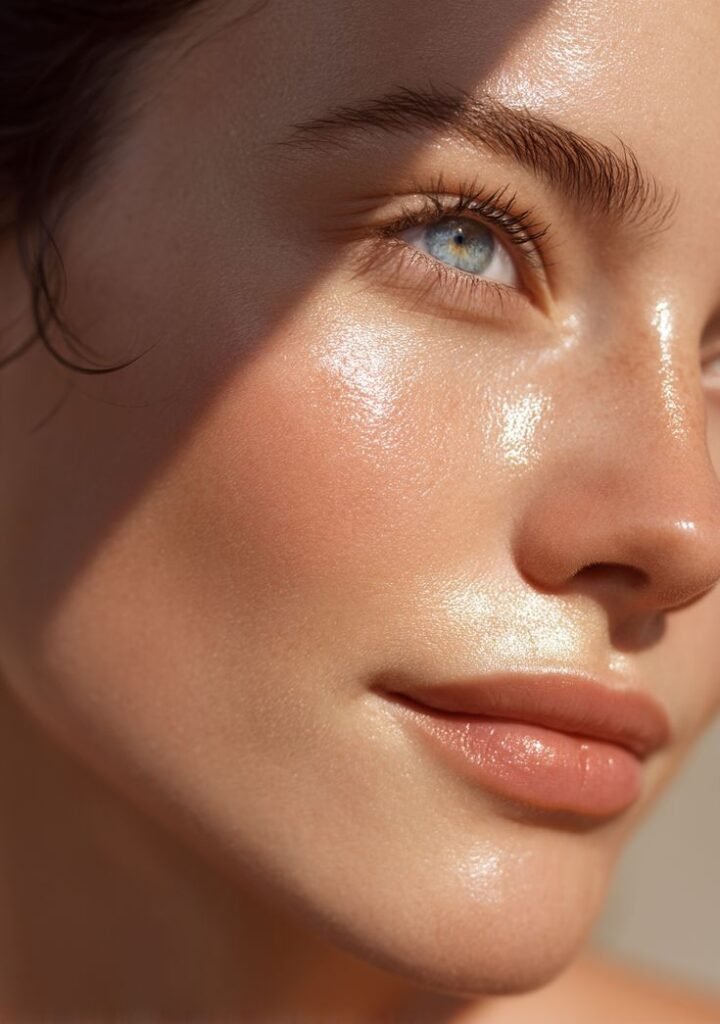
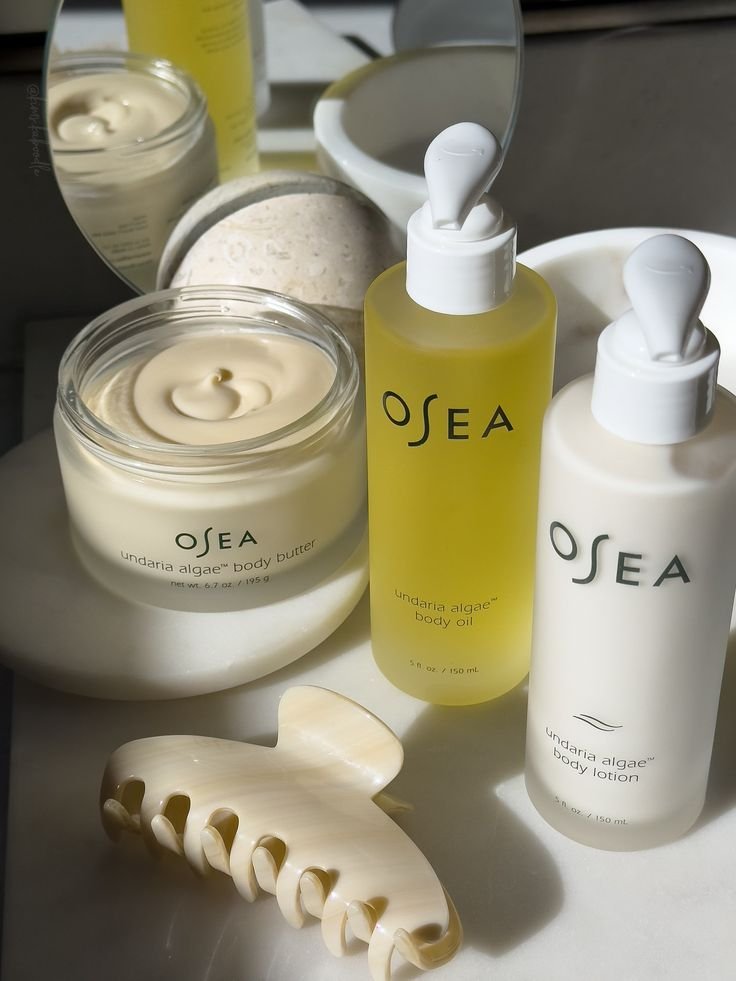
Sensitive skin reacts more intensely to products and environmental factors than other skin types, often showing signs like redness, stinging, or dryness. Your skin’s protective barrier and how well it retains moisture play crucial roles in determining sensitivity levels.
Your skin becomes sensitive when its outer protective layer struggles to defend against external irritants and allergens. The stratum corneum, your skin’s outermost layer, acts as a shield between your body and the environment.
When this barrier weakens, irritants penetrate more easily and cause reactions. Your skin may also have fewer natural oils or lipids than normal, making it harder to retain moisture and maintain protection.
Nerve endings in sensitive skin often sit closer to the surface and respond more quickly to triggers. This heightened reactivity means you might feel burning, stinging, or itching from products that don’t bother others. Some people are born with naturally sensitive skin, while others develop it due to damage or underlying conditions.
Environmental factors frequently trigger sensitive skin reactions. Temperature extremes, wind, UV radiation, and pollution can all compromise your moisture barrier and lead to irritation.
Skincare products containing harsh ingredients rank among the top culprits. Fragrances, alcohol, sulfates, and certain preservatives often cause stinging or redness in reactive skin.
Medical conditions like eczema and rosacea create chronic sensitivity that requires specialized care. Eczema causes dry, itchy patches where your skin barrier is compromised. Rosacea triggers facial redness and visible blood vessels, making your skin react strongly to heat and certain ingredients.
Lifestyle factors also contribute. Stress, lack of sleep, and poor diet can weaken your skin’s defenses. Over-exfoliating or using too many active ingredients at once damages your protective barrier and increases sensitivity.
Sensitive skin types fall into four main categories based on their primary concerns. Naturally sensitive skin reacts easily to most products and environmental changes from birth.
Environmentally sensitive skin develops reactions after exposure to specific external factors like sun, wind, or pollution. You might notice your skin feels fine indoors but becomes irritated outside.
Reactive skin responds to particular ingredients or product formulations. You may tolerate some products perfectly while others cause immediate stinging or breakouts. This type requires careful ingredient screening and patch testing.
Thin or damaged skin has lost its protective barrier through over-treatment, harsh products, or medical procedures. This type shows visible redness, feels tight, and may have a translucent appearance.
Your skin barrier functions as a brick-and-mortar structure, with skin cells acting as bricks and lipids serving as mortar. When this structure remains intact, it keeps moisture in and irritants out.
A compromised moisture barrier leads to transepidermal water loss, where moisture evaporates from deeper skin layers. This creates dryness, tightness, and increased vulnerability to irritants.
Proper hydration strengthens your barrier by maintaining the right balance of water and oils. Well-hydrated skin appears plumper, feels more comfortable, and shows fewer signs of irritation. Your barrier can better defend against allergens and environmental stressors when adequately moisturized.
Ceramides, cholesterol, and fatty acids form the mortar in your moisture barrier. When these lipids decrease, gaps form that allow irritants to penetrate and trigger inflammatory responses.
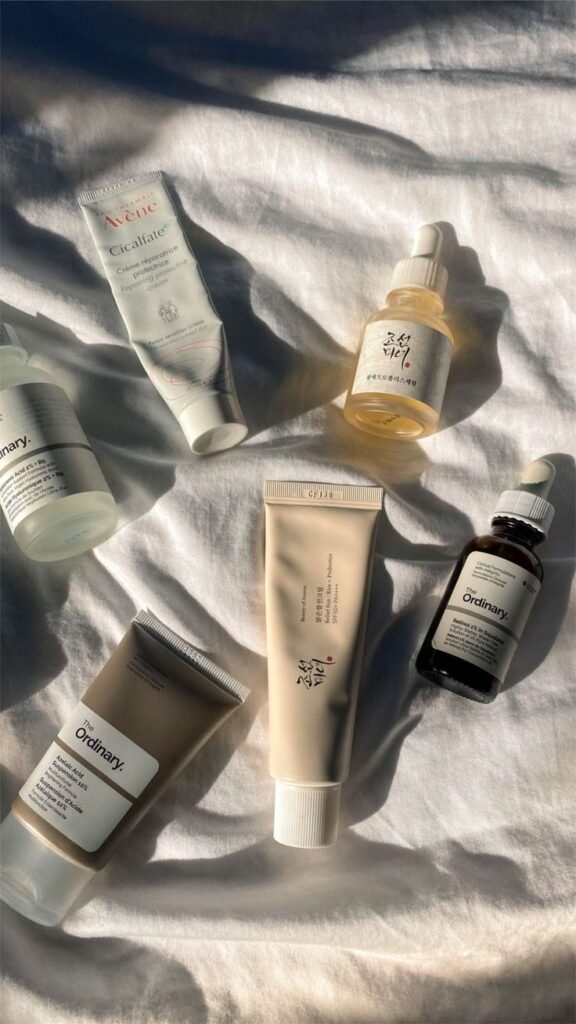


A successful skincare routine for sensitive skin focuses on minimal steps with maximum gentleness, using carefully selected products that cleanse without stripping, hydrate without irritation, and protect without overwhelming your skin’s delicate barrier.
Your best skincare routine for sensitive skin should include four essential steps: cleansing, hydrating, moisturizing, and protecting. Each step serves a specific purpose in maintaining your skin’s health without triggering reactivity.
Start with a gentle cleanser that removes dirt and impurities without disrupting your skin’s natural pH balance. Look for cream or milk-based formulas rather than foaming cleansers, which can be too harsh.
Follow with a hydrating toner or essence that replenishes moisture and prepares your skin for the next steps. Choose alcohol-free formulas with soothing ingredients like chamomile or centella asiatica.
Apply a lightweight serum with calming ingredients such as niacinamide or hyaluronic acid. Keep it simple—one or two targeted serums are enough.
Finish with a barrier-protecting moisturizer that locks in hydration and shields your skin from environmental stressors. Look for ceramides, glycerin, or squalane in the ingredient list.
Your morning sensitive skin care routine should prepare and protect your skin for the day ahead. Begin by rinsing your face with lukewarm water or using a gentle micellar water if you feel refreshed from the night before.
Apply your hydrating toner immediately on damp skin to maximize absorption. This helps your skin retain moisture throughout the day.
Use a calming serum that addresses your specific concerns, whether that’s redness, dryness, or texture. Pat it gently into your skin rather than rubbing.
Sunscreen is non-negotiable for sensitive skin. Choose a mineral-based SPF 30 or higher with zinc oxide or titanium dioxide, which are less likely to cause irritation than chemical filters. Apply it as your final step, allowing a minute between your moisturizer and sunscreen for better adherence.
Evening is when your skin does its natural repair work, making your nighttime routine crucial for recovery. Start by using a gentle cleansing oil or balm to remove makeup and sunscreen effectively without harsh rubbing.
Follow with a water-based cleanser to complete the double cleansing process. This ensures all residue is removed while maintaining your skin’s moisture barrier.
Apply your treatment products on freshly cleansed skin. Nighttime is ideal for slightly richer serums or targeted treatments, as your skin isn’t exposed to environmental stressors.
Use a more emollient night cream than your daytime moisturizer. Your skin loses more water at night, so a thicker formula helps prevent transepidermal water loss. Consider adding a facial oil as the final step if your skin feels particularly dry.
Do:
Don’t:
Pay attention to how your skin responds to each product. Mild tingling that subsides quickly may be acceptable, but persistent burning, stinging, or redness means you should discontinue use immediately.
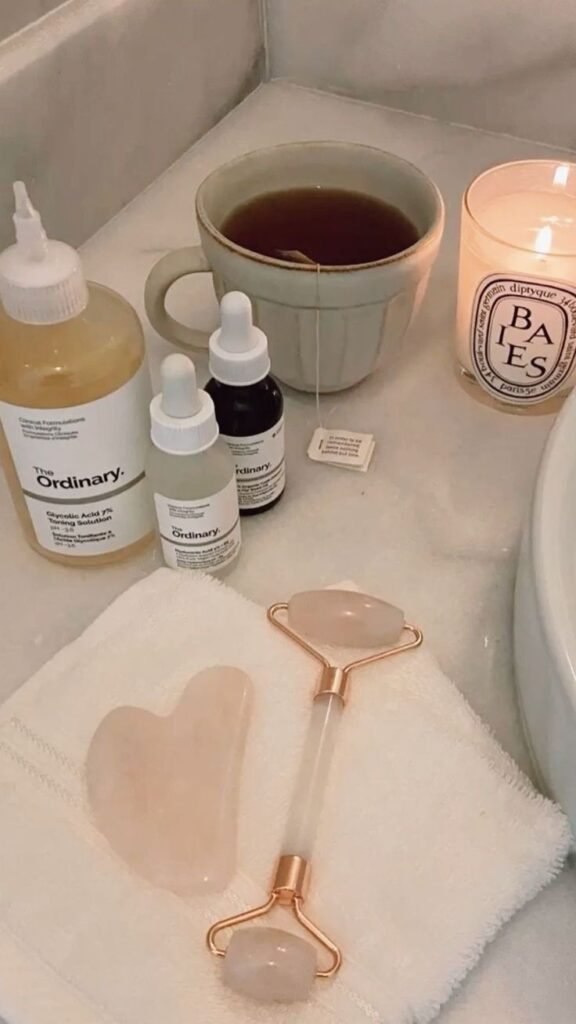
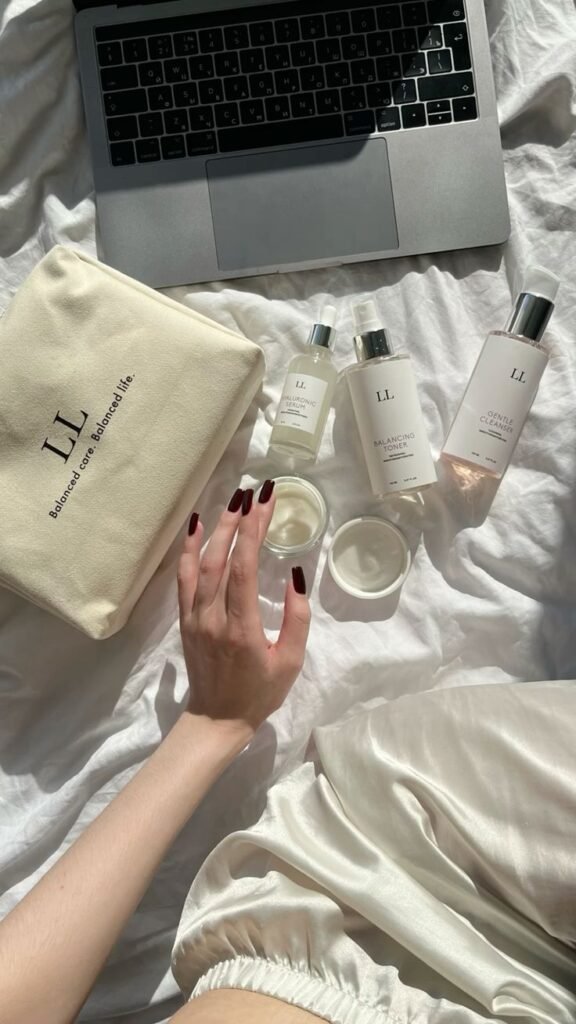
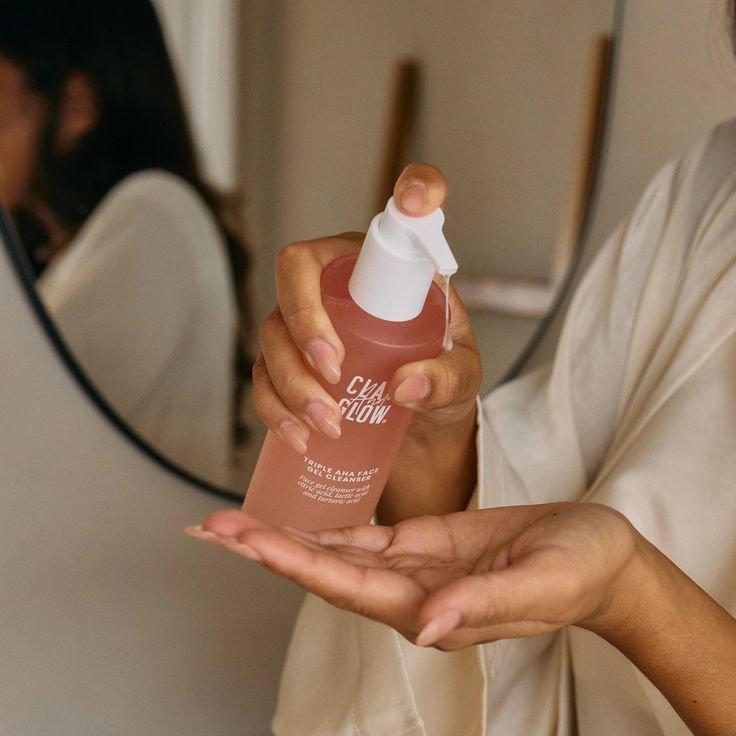
Proper cleansing removes impurities without stripping your skin’s protective barrier, while the right toner can add an extra layer of hydration and soothing benefits. The key is selecting products with minimal irritants and using techniques that respect your skin’s sensitivity.
Your cleanser should remove dirt and makeup without leaving your skin feeling tight or uncomfortable. Look for non-foaming cleansers with cream or milk textures, as these formulas typically contain fewer harsh surfactants that can trigger reactions.
Hypoallergenic products are specifically formulated to minimize allergic reactions. They exclude common irritants like fragrances, dyes, and certain preservatives that frequently cause flare-ups.
La Roche-Posay Toleriane Hydrating Gentle Cleanser is a popular option because it uses gentle surfactants and includes ceramides to support your skin barrier. Other effective ingredients to seek out include glycerin, which draws moisture into your skin, and niacinamide, which helps calm inflammation.
Avoid cleansers with alcohol, sulfates, essential oils, and artificial fragrances. These ingredients can disrupt your skin’s pH balance and remove the natural oils that protect sensitive skin from environmental stressors.
Gentle cleansing starts with lukewarm water, never hot, which can worsen redness and strip away protective oils. Apply your cleanser using light, circular motions with your fingertips rather than washcloths or brushes that create unnecessary friction.
Let the product sit on your skin for 30-60 seconds to dissolve impurities effectively. You don’t need to scrub or massage aggressively.
Rinse thoroughly with cool to lukewarm water, ensuring no residue remains around your hairline or jawline. Pat your face dry with a soft, clean towel using gentle pressing motions instead of rubbing. Your skin should feel clean but not squeaky or tight afterward.
Cleanse only twice daily at most. Over-cleansing removes the beneficial oils your skin produces naturally, leading to increased sensitivity and potential irritation.
A hydrating toner can replenish moisture and prepare your skin for subsequent products without the harsh astringent effects of traditional toners. Look for alcohol-free formulas with soothing ingredients like hyaluronic acid, allantoin, centella asiatica, or chamomile extract.
Apply your toner immediately after cleansing while your skin is still slightly damp. This helps lock in moisture and enhances absorption. You can either gently press it into your skin with clean hands or use a soft cotton pad with light, sweeping motions.
Avoid toners containing witch hazel, menthol, eucalyptus, or high concentrations of acids like salicylic or glycolic acid. These ingredients, while beneficial for some skin types, can cause stinging and increased sensitivity. Your toner should feel refreshing and calming, never tingly or uncomfortable.
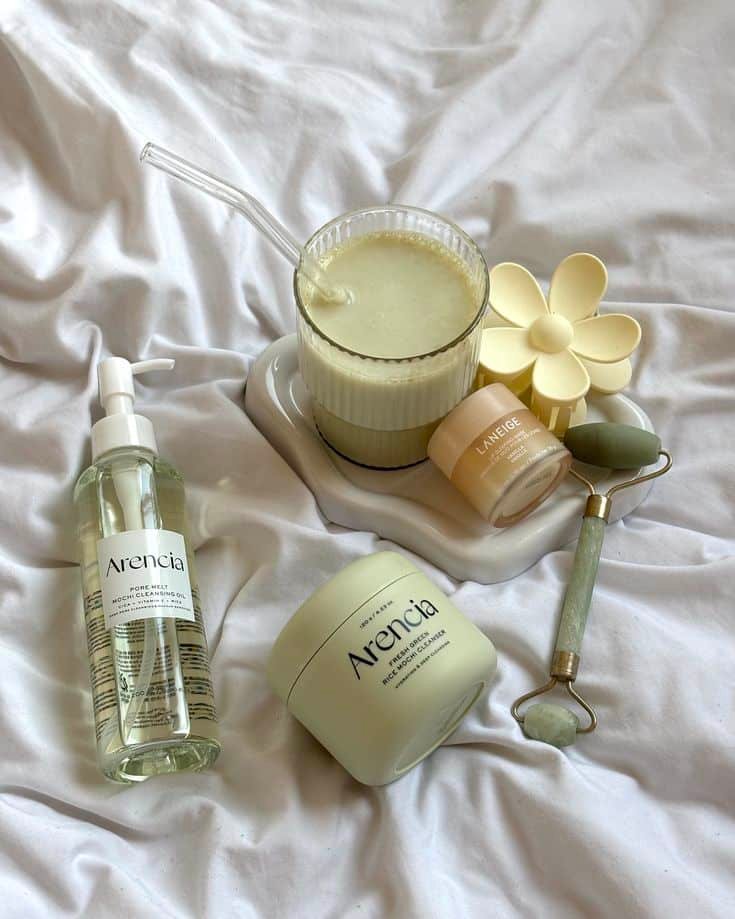

When you have sensitive skin, choosing the right moisturizer and focusing on barrier health can make the difference between irritation and comfort. The key lies in selecting products with specific hydrating and repair-focused ingredients that work to both lock in moisture and fortify your skin’s natural defenses.
Your moisturizer should be fragrance-free and formulated specifically for sensitive skin types. Look for products labeled as hypoallergenic and non-comedogenic to minimize the risk of reactions or breakouts.
Texture matters more than you might think. Cream-based moisturizers typically provide richer hydration and are ideal if your skin feels tight or flaky. Lighter lotions work well for combination or oily-sensitive skin that still needs moisture without heaviness.
Avoid moisturizers containing alcohol, artificial fragrances, or essential oils, as these can trigger irritation. Instead, opt for formulas with minimal ingredients lists where you can identify each component clearly.
Test any new moisturizer on a small patch of skin before applying it to your entire face. This simple step can save you from widespread irritation.
Hyaluronic acid is a powerhouse ingredient that holds up to 1,000 times its weight in water, making it essential for deep hydration. You’ll find it in both moisturizers and hydrating serums.
Ceramides are lipids that naturally occur in your skin and make up about 50% of your skin’s composition. When you apply products containing ceramides, you’re replenishing what your moisture barrier needs to stay intact and functional.
Glycerin acts as a humectant, drawing water from the air into your skin. It’s gentle, effective, and well-tolerated by most sensitive skin types.
Niacinamide (vitamin B3) reduces redness, strengthens your barrier, and improves hydration over time. Squalane mimics your skin’s natural oils and provides lightweight moisture without clogging pores.
Consider layering a hydrating serum under your moisturizer for extra hydration. This combination delivers concentrated ingredients first, then seals them in.
Your moisture barrier functions as your skin’s first line of defense against environmental stressors and irritants. When it’s compromised, you’ll experience increased sensitivity, dryness, and reactivity.
Barrier repair requires consistent use of restorative ingredients like ceramides, fatty acids, and cholesterol in the right ratios. These components work together to rebuild the lipid matrix that holds your skin cells together.
Apply your moisturizer to slightly damp skin right after cleansing. This technique helps trap water in your skin and maximizes hydration benefits.
During the day, follow your moisturizer with a mineral sunscreen to protect your healing barrier from UV damage. At night, you can use a slightly richer formula to support overnight repair.
Be patient with barrier repair—it typically takes 2-4 weeks of consistent care to see noticeable improvement. Avoid over-exfoliating or introducing multiple new products while your barrier heals.
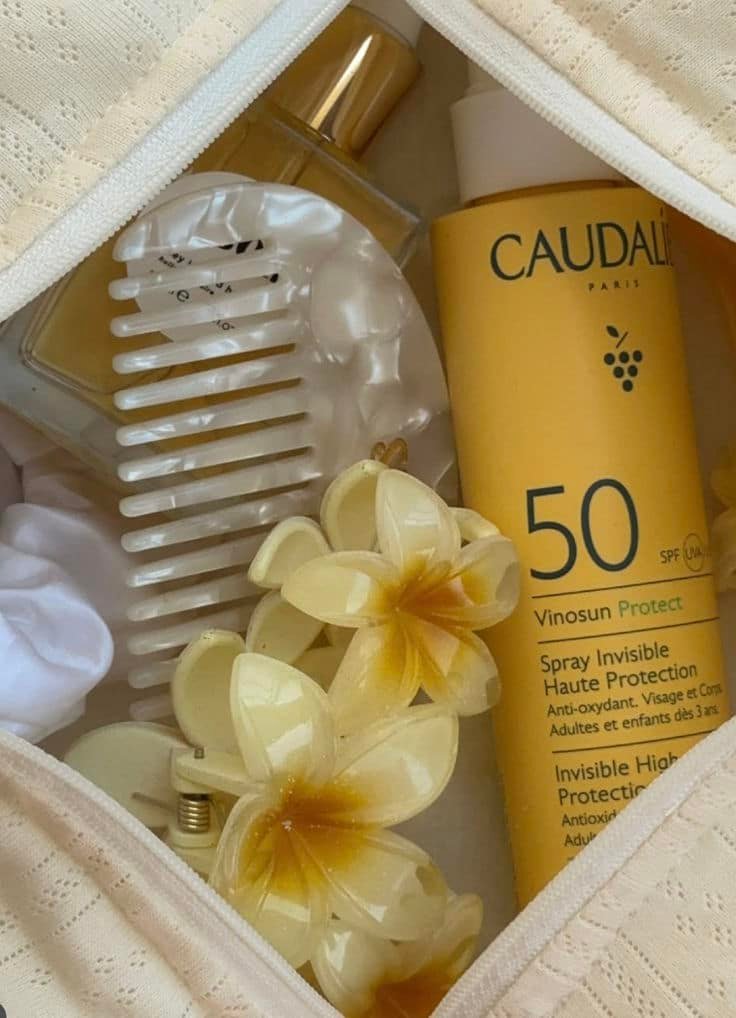

Protecting sensitive skin from sun damage requires mineral-based formulas and consistent application habits. The right sunscreen choice and outdoor protection strategies can prevent both UV damage and skin irritation.
Mineral sunscreens work best for sensitive skin because they sit on the surface and physically block UV rays rather than absorbing them chemically. Look for formulas containing zinc oxide or titanium dioxide as the active ingredients.
Choose products labeled SPF 30 or higher for adequate protection. SPF 30 blocks approximately 97% of UVB rays, which is sufficient for daily use and most outdoor activities.
Avoid sunscreens with fragrances, parabens, and alcohol, as these ingredients commonly trigger reactions. Many dermatologists recommend products specifically formulated as sunscreen for sensitive skin, which typically exclude common irritants.
Test new products on a small patch of skin before full application. Apply a small amount behind your ear or on your inner wrist and wait 24-48 hours to check for reactions.
Apply sunscreen every morning as the final step in your skincare routine, even on cloudy days. UV rays penetrate clouds and windows, making daily protection essential.
Use approximately a nickel-sized amount for your face and neck. Most people apply too little sunscreen, which significantly reduces the protection level.
Reapply every two hours when outdoors, or immediately after swimming or sweating. Keep a travel-size bottle in your bag for convenient reapplication throughout the day.
Apply sunscreen 15 minutes before sun exposure to allow the mineral barrier to settle properly on your skin.
Wear wide-brimmed hats that shade your face, ears, and neck. Physical barriers provide additional protection beyond what sunscreen alone offers.
Seek shade during peak sun hours between 10 AM and 4 PM when UV rays are strongest. Plan outdoor activities for early morning or late afternoon when possible.
Choose lightweight, long-sleeved clothing made from UPF-rated fabrics for extended outdoor exposure. These garments offer consistent protection without needing reapplication.
Bring extra sunscreen and protective gear when spending extended time outdoors. Your skin may become more sensitive after prolonged sun exposure, requiring additional care.
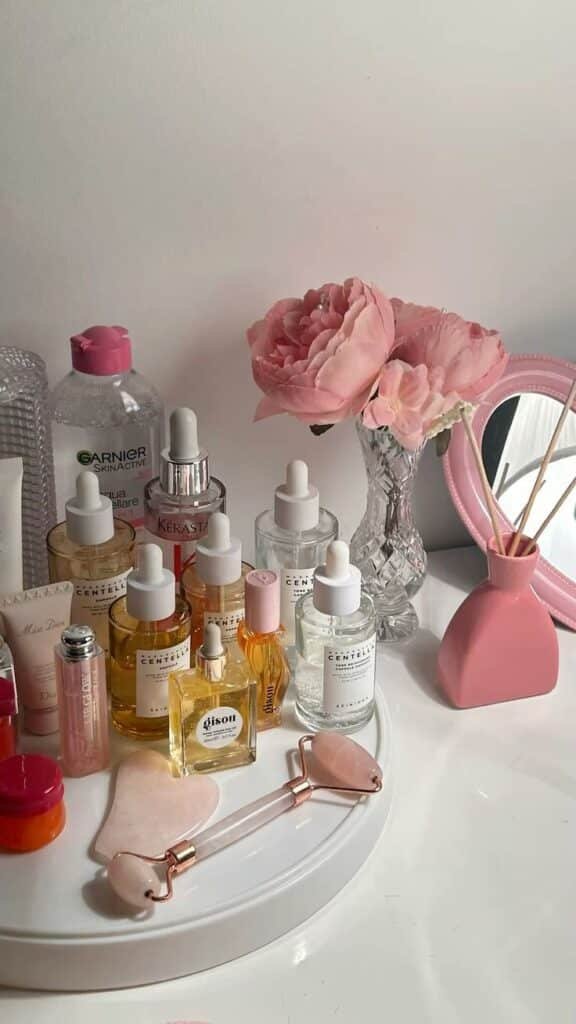

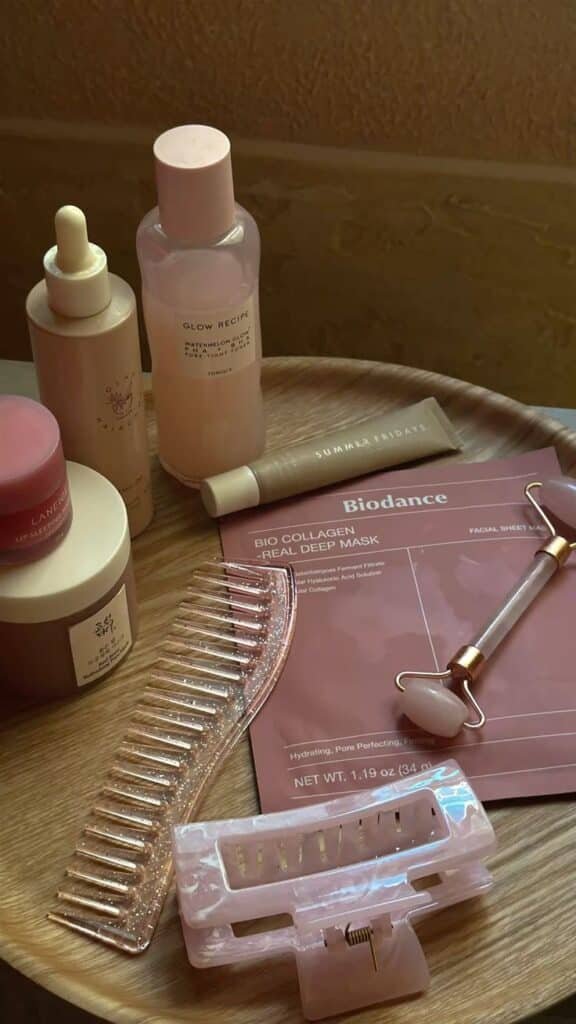
Managing sensitive skin requires strategic product selection and careful application methods. Protecting your skin barrier while addressing specific concerns means understanding how to test products safely, choosing calming ingredients, exfoliating without damage, and identifying what to avoid.
Before applying any new product to your face, perform a patch test on a small area of skin. Apply a small amount behind your ear or on your inner forearm and wait 24 to 48 hours to observe any reactions.
If you notice redness, itching, burning, or swelling during this period, the product may not be suitable for your skin. This simple step can prevent widespread irritation and help you identify problematic ingredients before they affect your entire face.
Patch test guidelines:
Look for products containing proven calming ingredients that reduce inflammation and strengthen your skin barrier. Aloe vera provides immediate cooling relief and hydration without clogging pores. Chamomile contains natural anti-inflammatory compounds that reduce redness and irritation.
Green tea extract offers antioxidant protection while calming reactive skin. Other beneficial ingredients include panthenol, which supports barrier repair, and bisabolol, derived from chamomile, which soothes irritation.
When selecting a serum for sensitive skin, choose formulas with minimal ingredients and non-comedogenic properties. This prevents pore blockage while delivering concentrated soothing benefits. Centella asiatica and niacinamide also help strengthen compromised skin barriers without triggering reactions.
Limit exfoliation to once or twice weekly to prevent over-exfoliation, which damages your protective skin barrier. Chemical exfoliants work better than physical scrubs for sensitive skin because they don’t create friction.
Lactic acid is the gentlest chemical exfoliant option, providing mild exfoliation while hydrating your skin. Start with a low concentration of 5% and use it only once per week initially. Avoid harsh scrubs containing rough particles like crushed shells or large sugar crystals that can create micro-tears.
Physical exfoliation options for sensitive skin should use ultra-fine particles or soft cloths. Never apply pressure when exfoliating, and skip this step entirely if your skin is currently irritated or inflamed.
Your skincare routine should exclude ingredients known to trigger sensitivity. Avoid harsh ingredients like alcohol denat, sodium lauryl sulfate, and artificial fragrances, which strip natural oils and disrupt your skin barrier.
Common irritants to eliminate:
Check product labels for terms like “fragrance-free” rather than “unscented,” as unscented products may still contain masking fragrances. Parabens and sulfates can also trigger reactions in some people, though individual sensitivities vary. Choose products specifically formulated for reactive skin and stick with what works rather than frequently switching brands.