Rio de Janeiro Landmarks: Iconic Places That Define Brazil’s Marvelous City

Rio de Janeiro is one of the most visually striking cities in the world. Framed by dramatic mountains, golden beaches, and the deep blue Atlantic Ocean, Rio blends natural beauty with cultural richness in a way few destinations can match. Known as the “Marvelous City,” Rio is home to legendary landmarks that reflect Brazil’s history, spirit, and global influence.

This guide explores the most important Rio de Janeiro landmarks, offering insight into what makes each destination special and why they deserve a place on every traveler’s itinerary.

Christ the Redeemer: Brazil’s Most Famous Symbol

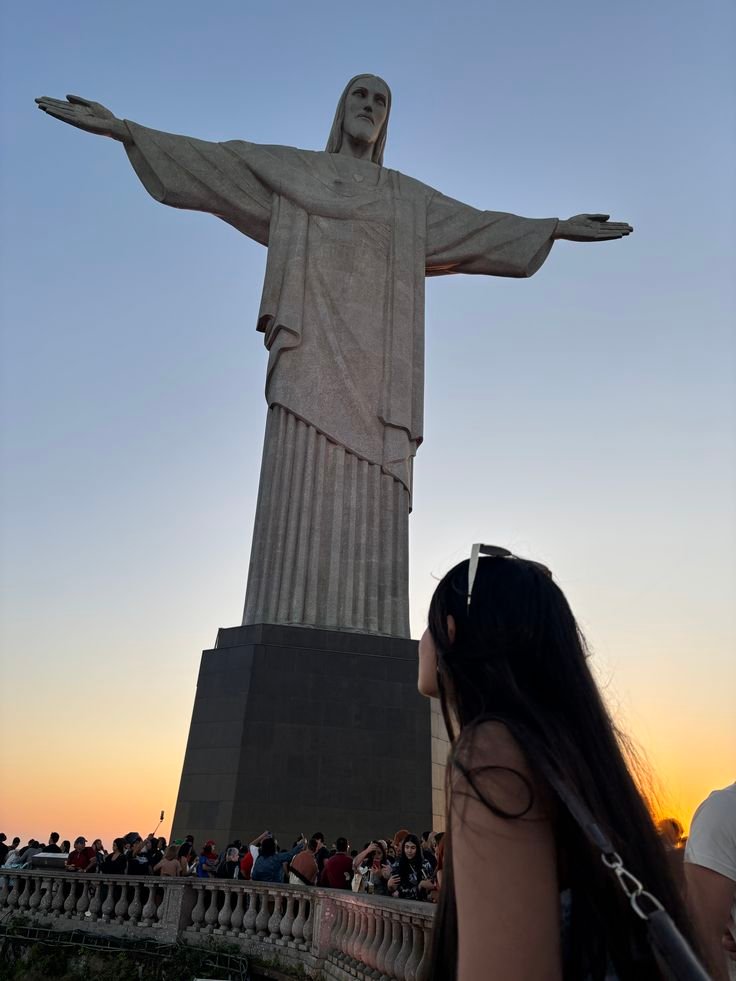
Woman admiring Christ the Redeemer statue in Rio de Janeiro at sunset, surrounded by tourists.
Iconic Christ the Redeemer statue overlooks Rio de Janeiro with stunning bay and cityscape views on a clear day.
Aerial view of Christ the Redeemer statue overlooking Rio de Janeiro's cityscape and coastline, Brazil.

Towering above the city on Corcovado Mountain, Christ the Redeemer is one of the most recognizable landmarks on Earth. The massive Art Deco statue stands with open arms, symbolizing peace and welcome.

Why it’s unforgettable:

  • Panoramic views of Rio, including beaches, forests, and mountains
  • A powerful cultural and spiritual symbol of Brazil
  • Accessible by train, van, or hiking trail

Visiting early in the morning or near sunset provides the best light and fewer crowds, making the experience even more memorable.


Sugarloaf Mountain: Panoramic Views Over Rio

Aerial view of Sugarloaf Mountain in Rio de Janeiro, shrouded in mist, with ocean and cityscape in background.
Crowd enjoying a live outdoor performance under a tree, capturing the moment with smartphones near a scenic city view in the background.
Woman in stylish outfit poses with scenic cityscape and mountains in the background, capturing a sunny day on a balcony.

Sugarloaf Mountain (Pão de Açúcar) is another defining feature of Rio’s skyline. Rising dramatically from Guanabara Bay, it offers sweeping views of the city, ocean, and surrounding peaks.

Highlights include:

  • A two-stage cable car ride with stunning scenery
  • Views of Copacabana, Botafogo Bay, and downtown Rio
  • One of the best sunset spots in the city

Sugarloaf is especially popular for photography and is a must-visit for first-time travelers.

Copacabana Beach: A Global Icon

Busy beach with colorful umbrellas, mountain backdrop, and vibrant shoreline in Rio de Janeiro. Perfect summer destination.
People paddleboarding at sunset with vibrant orange skies and calm water reflections. Stunning evening water adventure.
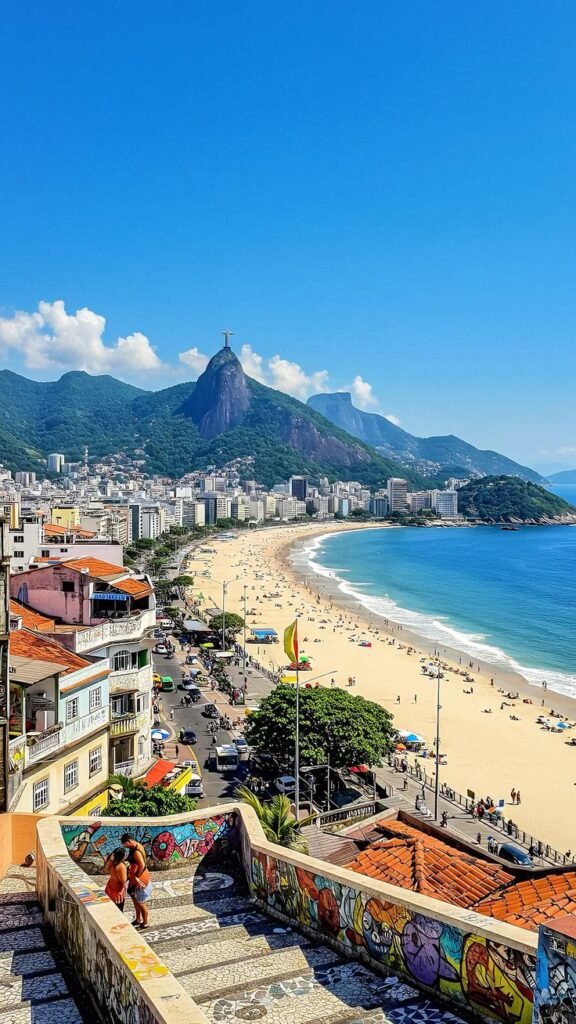
Rio de Janeiro beach view with Christ the Redeemer, vibrant cityscape, and colorful stairs on a sunny day.

Few beaches are as famous as Copacabana. Stretching along the Atlantic coastline, this landmark represents Rio’s vibrant beach culture and laid-back lifestyle.

What makes Copacabana special:

  • The iconic black-and-white wave-pattern promenade
  • Constant activity, from volleyball games to live music
  • Easy access to restaurants, hotels, and nightlife

Copacabana isn’t just a beach—it’s a social and cultural gathering place that pulses with energy day and night.


Ipanema Beach: Style, Sunsets, and Sophistication

Sunny Ipanema Beach with crowds, colorful umbrellas, and view of Dois Irmãos mountains in Rio de Janeiro, Brazil.
Woman in black dress walking on Ipanema beach at sunset with Dois Irmãos mountains in the background.
Crowded beach with people playing soccer under the sun, scenic mountains in the background. Perfect day at Ipanema Beach, Rio.

Located next to Copacabana, Ipanema Beach offers a slightly more refined and fashionable atmosphere. Immortalized in music and film, it’s one of Rio’s most beloved landmarks.

Why visitors love Ipanema:

  • Spectacular sunsets at Arpoador
  • Distinct beach sections catering to different crowds
  • Trendy cafés, boutiques, and nightlife nearby

Ipanema captures Rio’s effortless blend of beauty, culture, and modern style.

Maracanã Stadium: A Football Legend

Stadium packed with fans at a vibrant night football match, colorful lights and cheering crowd creating an electrifying atmosphere.
Crowd of people in red shirts leaving a stadium walkway at dusk, with a cityscape and colorful sunset in the background.
Vibrant sunset over a packed soccer stadium with illuminated stands and fans cheering during an exciting match, creating a lively atmosphere.

Football is central to Brazilian identity, and Maracanã Stadium stands as one of the most important sports landmarks in the world. It has hosted historic matches, international tournaments, and unforgettable moments in football history.

Key features:

  • One of the world’s most famous football stadiums
  • Guided tours offering behind-the-scenes access
  • A powerful connection to Brazil’s sporting legacy

Even for non-sports fans, Maracanã offers insight into the passion that defines Brazilian culture.

Selarón Steps: Art in the Heart of the City

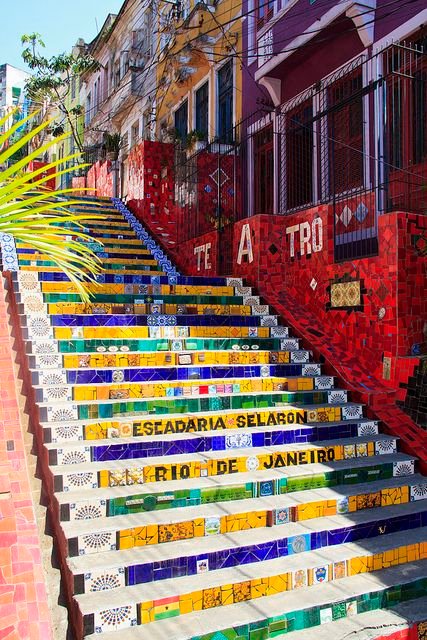
Colorful Selarón Steps with vibrant tiles in Rio de Janeiro, Brazil, featuring eclectic designs in a sunny urban setting.
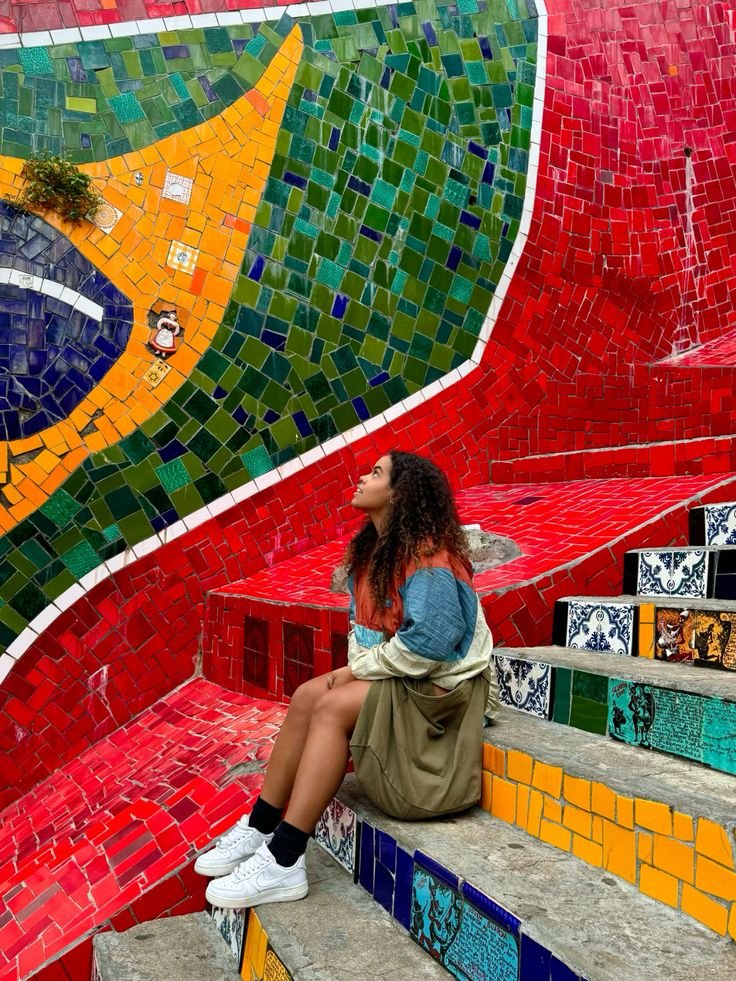
Woman enjoys sitting on colorful mosaic Selarón Steps in Rio de Janeiro under a bright blue sky.
Woman sitting on colorful mosaic steps, gazing upwards at vibrant tiled wall. Artistic urban scene filled with bright colors.

The Selarón Steps (Escadaria Selarón) are a vibrant and artistic landmark connecting the neighborhoods of Lapa and Santa Teresa. Created by artist Jorge Selarón, the staircase is covered in colorful tiles from around the world.

Why it stands out:

  • A unique, ever-evolving art installation
  • One of Rio’s most photographed spots
  • A symbol of creativity and cultural fusion

Each tile tells a story, making the steps both visually striking and deeply personal.

Lapa Arches: History and Nightlife Combined

Woman in floral dress walks through an aquarium tunnel. Shark swims overhead in the blue-lit underwater scene, enchanting experience.
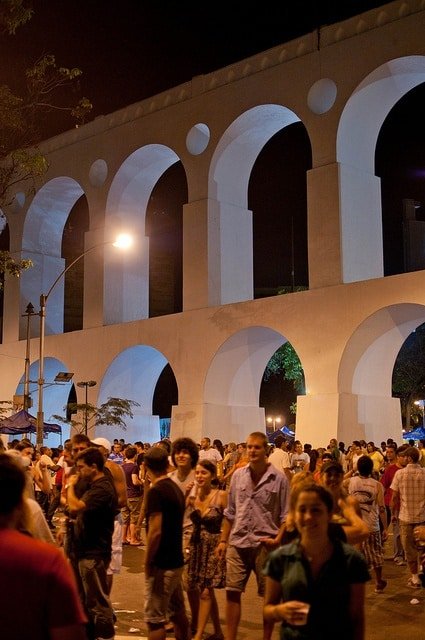
A lively crowd enjoys a vibrant night under the illuminated arches of Lapa, Rio de Janeiro, with the iconic aqueduct in view.
Person enjoys sunset on a vibrant beach with distant mountains and beachgoers, capturing carefree summer vibes.

The Lapa Arches (Arcos da Lapa) are a historic aqueduct turned iconic city landmark. During the day, they reflect Rio’s colonial past; at night, they become the backdrop for one of the city’s liveliest neighborhoods.

What to experience in Lapa:

  • The arches themselves, beautifully lit at night
  • Live music venues and samba clubs
  • Street art and cultural performances

Lapa showcases Rio’s ability to merge history with modern urban energy.
Santa Teresa: Charm and Culture Above the City

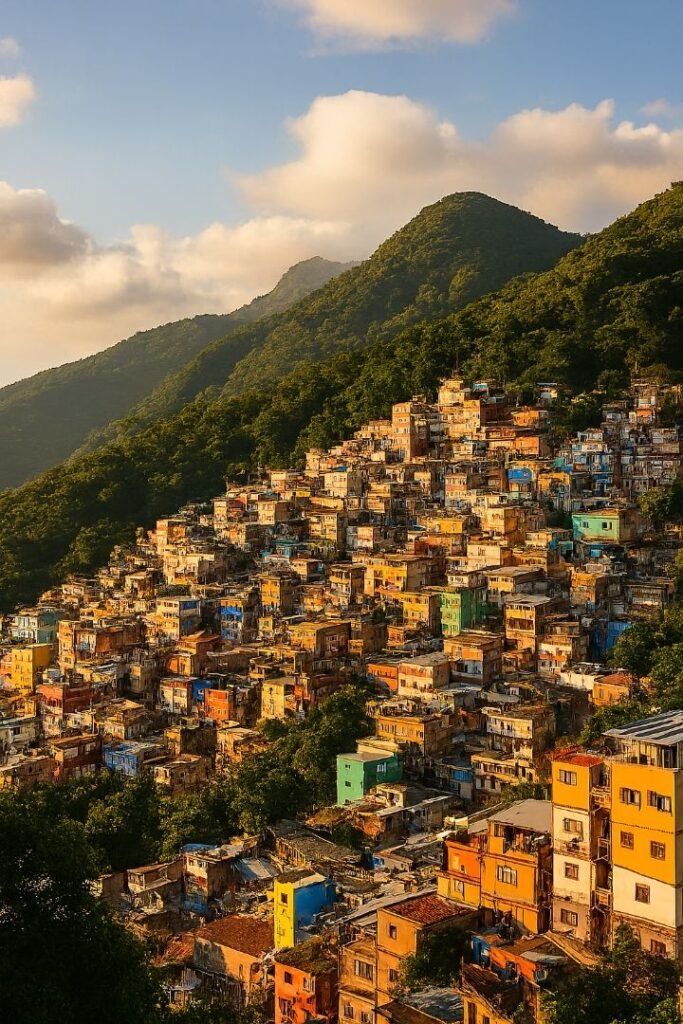
Colorful hillside houses in a densely-packed favela under a vibrant sky and lush green mountains in Rio de Janeiro.
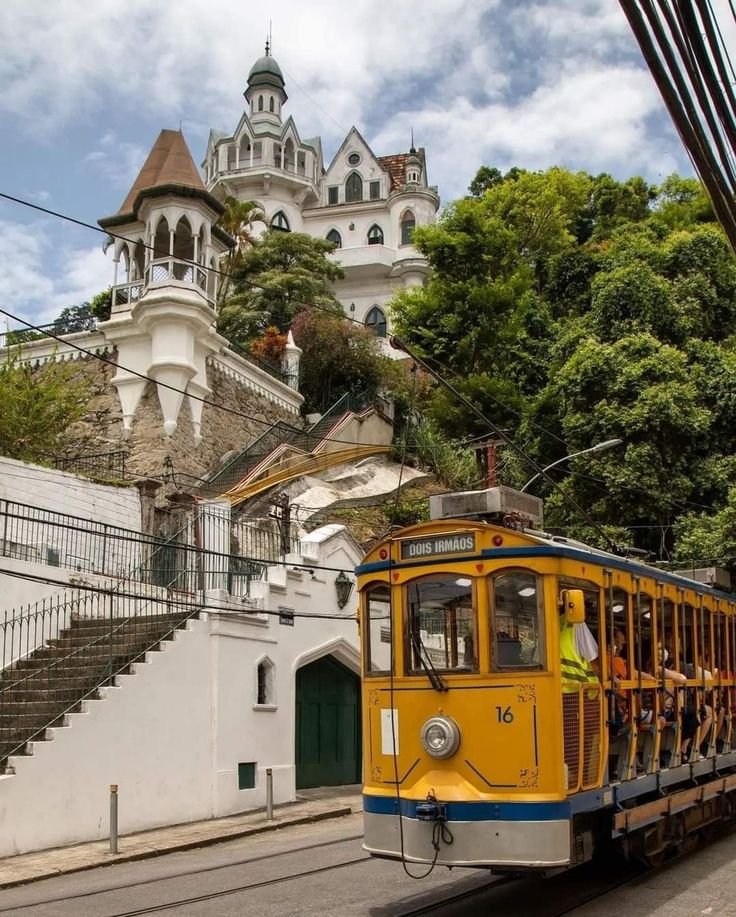
Yellow tram passes a historic, castle-like building in lush, tree-lined street under a partly cloudy sky.
Beachgoers enjoy a vibrant sunset by the ocean, with a silhouetted palm tree in the foreground. Scenic coastal evening.

Perched on a hill overlooking downtown Rio, Santa Teresa is known for its bohemian atmosphere, historic homes, and artistic community.

Why Santa Teresa is special:

  • Narrow streets and colonial architecture
  • Art studios, galleries, and cultural centers
  • Scenic views and a relaxed pace

The neighborhood offers a quieter, more intimate perspective on Rio, making it a favorite among artists and travelers seeking authenticity.


Tijuca National Park: Urban Nature at Its Finest

Lush jungle waterfall cascading over rocks surrounded by tropical greenery.
Aerial view of Rio de Janeiro's coastline with Christ the Redeemer statue, lush mountains, and sandy beaches at sunrise.
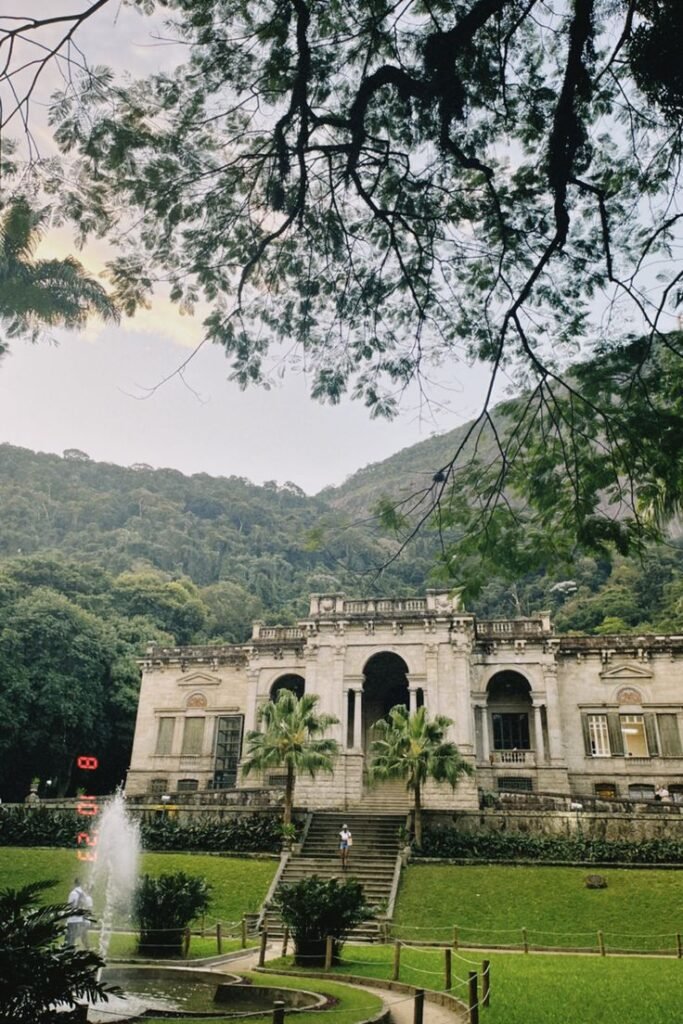
Historic mansion surrounded by lush greenery and mountains, featuring a fountain in the foreground under a cloudy sky.

One of the largest urban forests in the world, Tijuca National Park is a remarkable natural landmark within Rio’s city limits.

Visitors can enjoy:

  • Hiking trails and waterfalls
  • Wildlife and lush tropical vegetation
  • Views from Vista Chinesa and other overlooks

Tijuca highlights Rio’s unique balance between urban life and preserved nature.

The Rio Carnival Sambadrome: A Cultural Stage

Tropical beach scene with Brazilian flag, coconut drink, and sunset views. People relaxing under palm trees by the ocean.
Tropical fruit stand on a beach, featuring bananas, pineapples, papayas, and watermelons under a thatched roof.
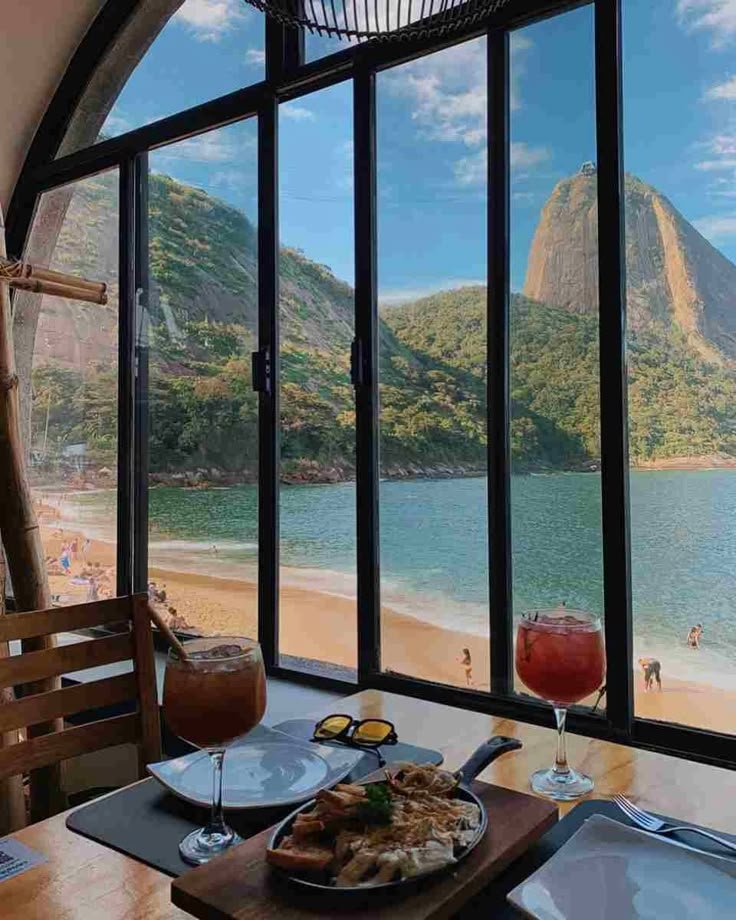
Dining with ocean view: scenic beach, mountains, and delicious meal at a window-side table. Refreshing drinks and stunning landscape.

The Sambadrome Marquês de Sapucaí is the heart of Rio’s world-famous Carnival celebrations. This purpose-built parade avenue hosts samba school performances that draw global attention.

Why it matters:

  • The center of the Rio Carnival festivities
  • A celebration of music, dance, and cultural identity
  • A landmark of Brazilian creativity and community

Even outside Carnival season, the Sambadrome remains a powerful symbol of Rio’s cultural expression.

Final Thoughts: Discovering the Spirit of Rio de Janeiro

Rio de Janeiro’s landmarks are more than sightseeing stops—they are expressions of the city’s soul. From towering statues and dramatic mountains to lively beaches and artistic neighborhoods, each landmark reveals a different side of Rio’s identity.

Whether you’re drawn to history, nature, sports, or culture, Rio offers unforgettable experiences at every turn. Exploring these landmarks isn’t just about seeing the city—it’s about feeling its rhythm, warmth, and undeniable energy.

What makes Christ the Redeemer an unforgettable landmark in Rio de Janeiro?

Christ the Redeemer offers panoramic views of Rio, serves as a powerful cultural and spiritual symbol of Brazil, and is accessible by train, van, or hiking trail, making it a memorable experience.

Why is Sugarloaf Mountain a must-visit spot in Rio de Janeiro?

Sugarloaf Mountain provides sweeping views of the city, ocean, and peaks via a two-stage cable car ride and is especially popular for photography and sunsets.

What is the significance of Copacabana Beach in Rio’s culture?

Copacabana is symbolized by its iconic promenade, lively activity, and vibrant social atmosphere, representing Rio’s beach culture and laid-back lifestyle.

What attracts visitors to Ipanema Beach in Rio?

Ipanema is renowned for its stunning sunsets at Arpoador, trendy cafés and boutiques, and a fashionable atmosphere that blends beauty, culture, and modern style.

What is the historical importance of Maracanã Stadium in Rio de Janeiro?

Maracanã Stadium is a key sports landmark that has hosted historic football matches, international tournaments, and embodies Brazil’s passionate sporting culture.

author avatar
Arina Editor
I'm Arina, writer with a passion for art, teaching, technology, and science. I create engaging blogs and articles, making complex ideas easy and interesting to explore. 20 - January
Previous Article

Tokyo Travel Destinations: Must-See Places in Japan’s Dynamic Capital

Write a Comment

Leave a Comment

Your email address will not be published. Required fields are marked *


Handy Home
Discover Handy Home, your ultimate destination for creative home decor ideas, beauty tips, and fun DIY projects