
10 Colorful Accent Ideas to Liven Up Your Home Decor Effortlessly
Facebook Twitter Pinterest Color plays a crucial role in transforming a space and enhancing your home decor. Incorporating colorful accents…


The living room is often the heart of a home. It’s where families gather, guests are welcomed, and everyday moments unfold. Because it serves so many purposes, choosing the right color combination for your living room is one of the most important design decisions you’ll make. The right palette can make a space feel cozy or expansive, calm or energetic, modern or timeless.
This guide explores popular and effective living room color combinations, explains how to choose colors based on your space and lifestyle, and offers practical tips to help you create a living room that feels both stylish and personal.
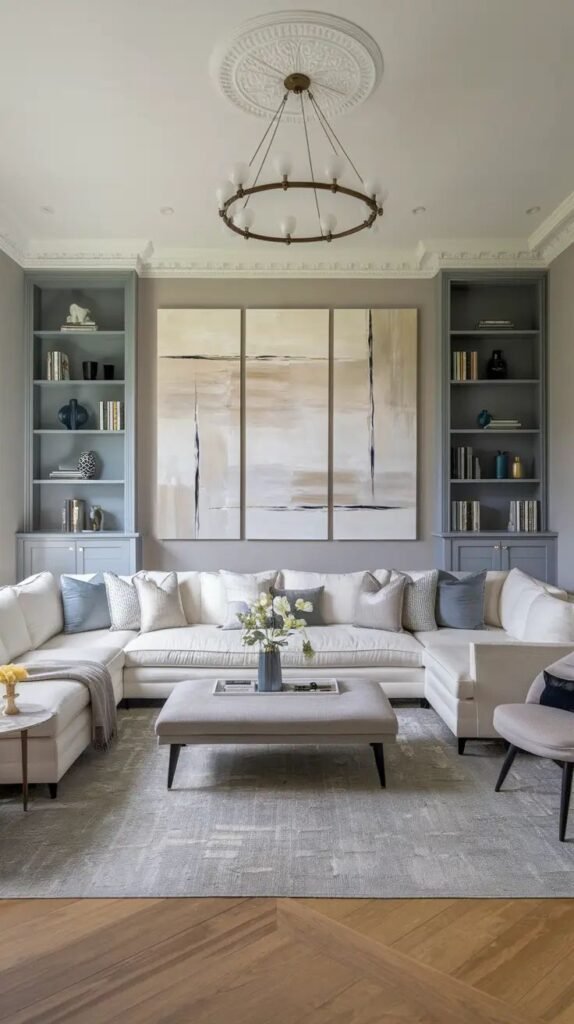
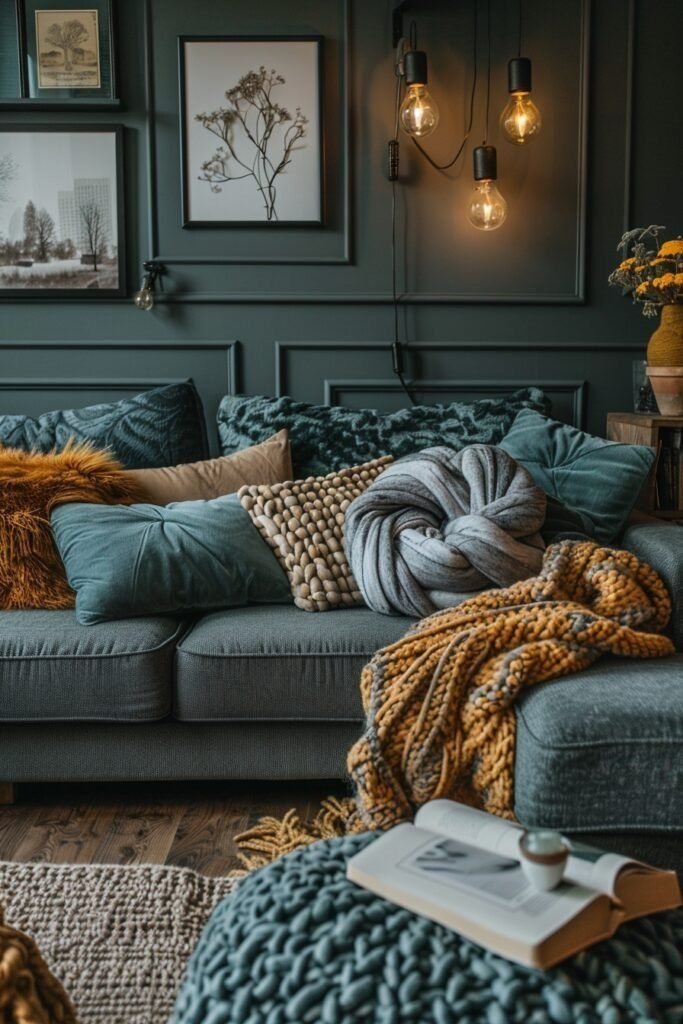
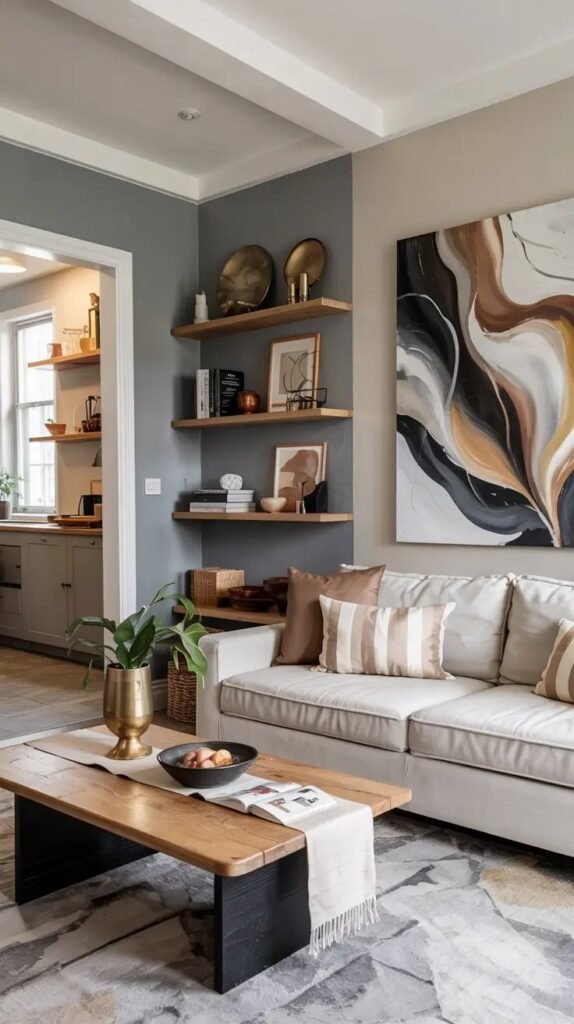
Color affects mood, perception of space, and even how comfortable people feel in a room. Lighter shades can make a small living room feel larger and airier, while darker tones can add warmth and intimacy to a large space. Color also helps define the style of your living room, whether you lean toward modern minimalism, classic elegance, or relaxed bohemian charm.
Before choosing specific colors, think about:
These factors will guide you toward combinations that work harmoniously rather than fighting the space.
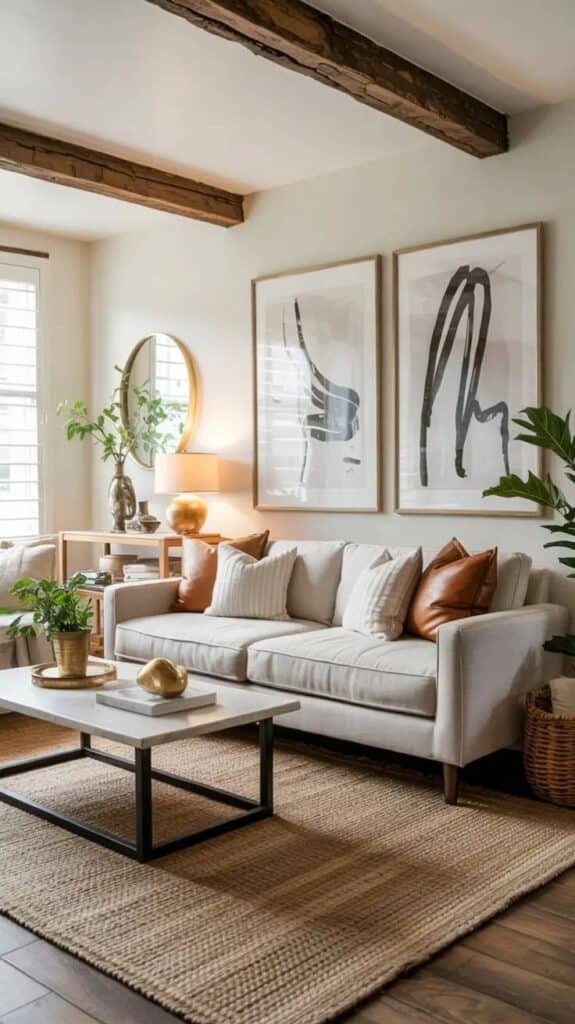
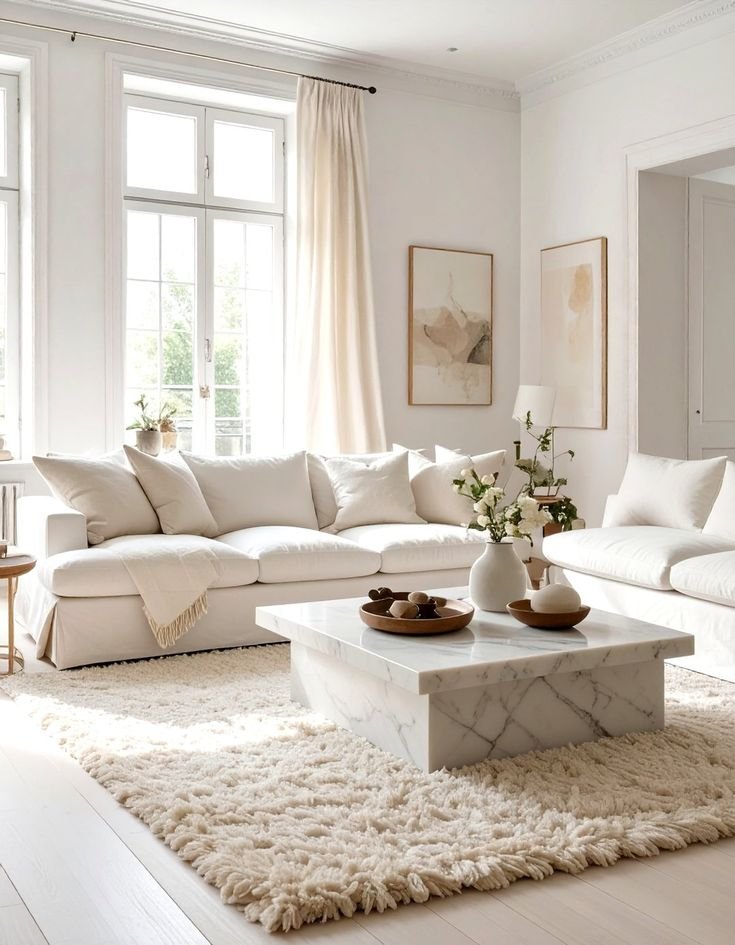
White and beige is a timeless pairing that creates a clean, calm, and welcoming environment. White walls paired with beige sofas or rugs help balance brightness with warmth. This combination works especially well in smaller living rooms or spaces with limited natural light.
To avoid a flat or boring look, layer textures such as linen curtains, wool throws, or woven baskets. Adding subtle accents in wood, brass, or soft greenery can bring the room to life.
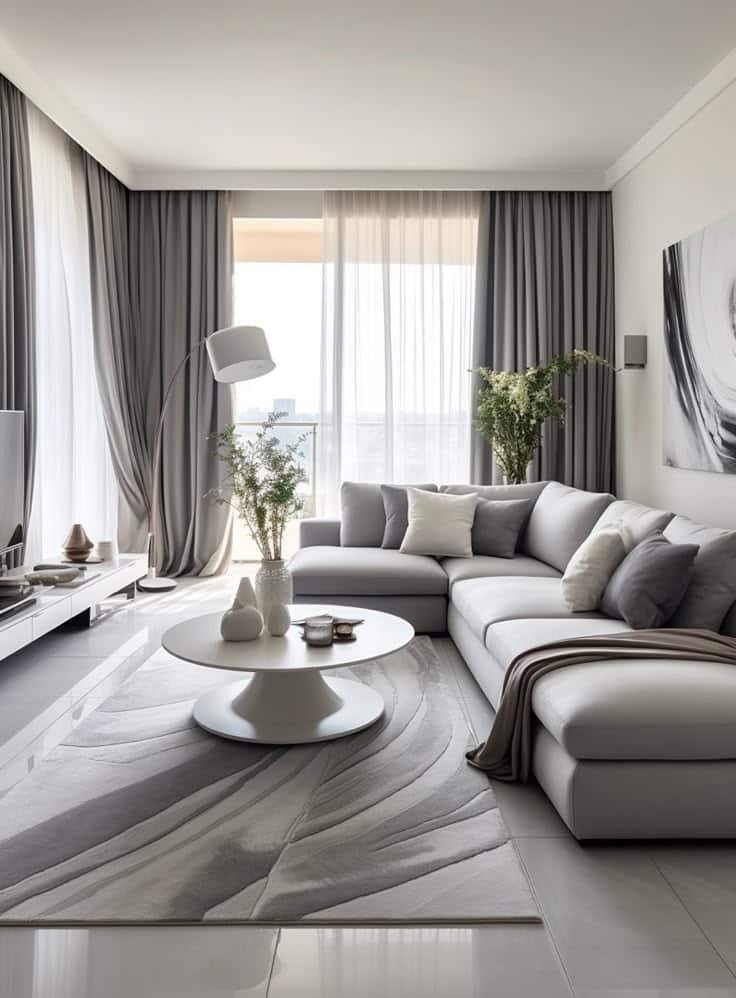
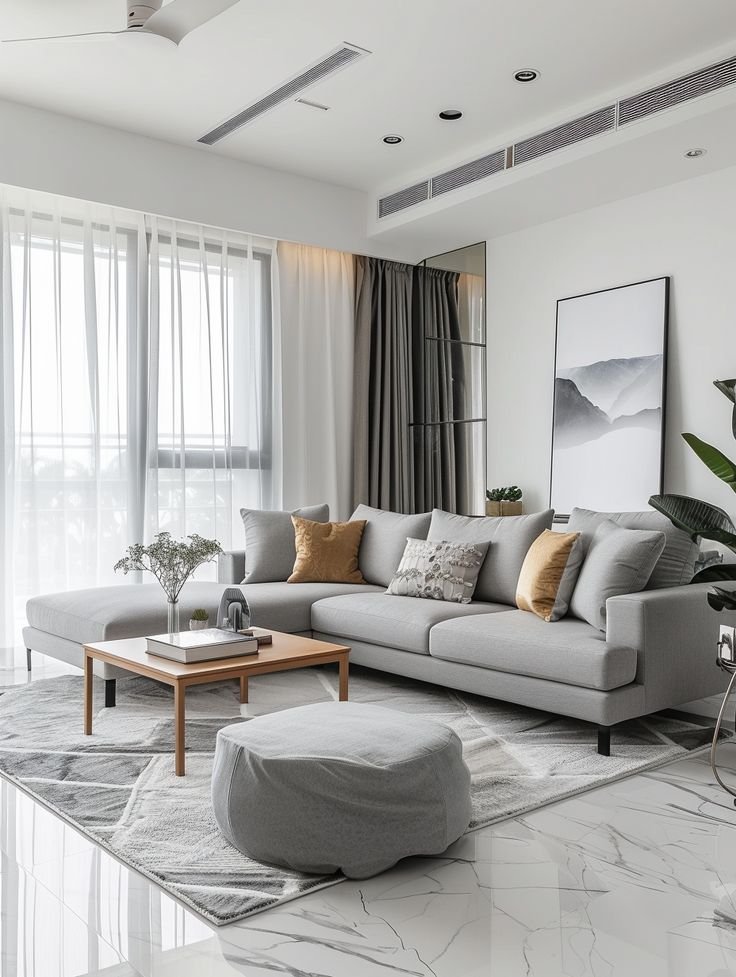
Gray and white is a popular choice for modern and contemporary interiors. White walls paired with gray furniture, or vice versa, create a sleek and sophisticated look. Light gray keeps the room feeling open, while darker gray adds contrast and depth.
This combination pairs beautifully with black accents, glass coffee tables, and metallic finishes for a polished feel.
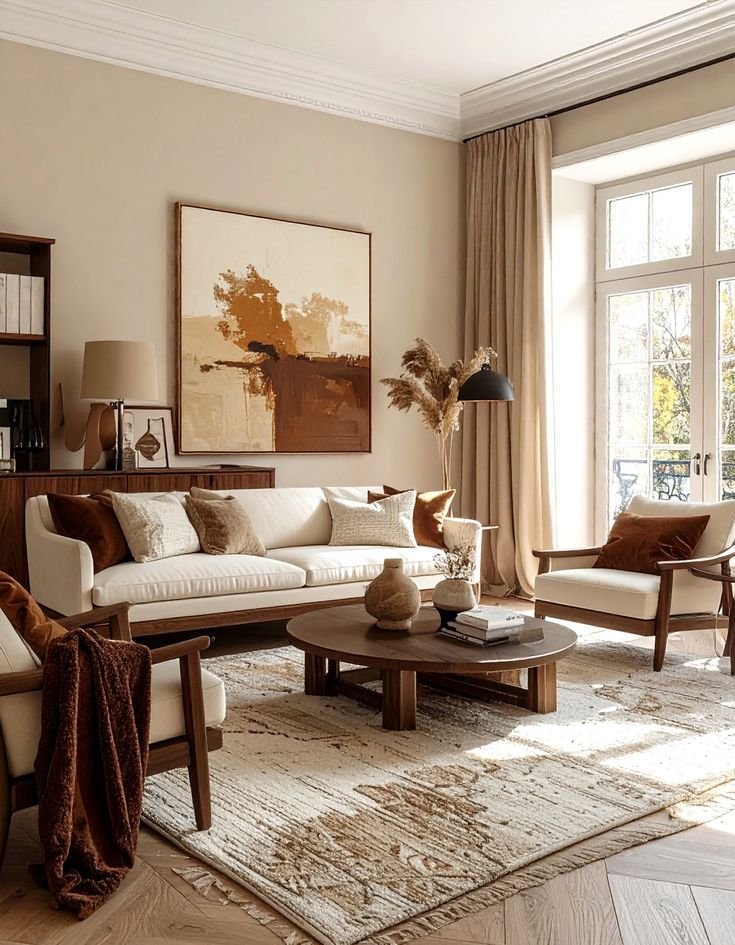
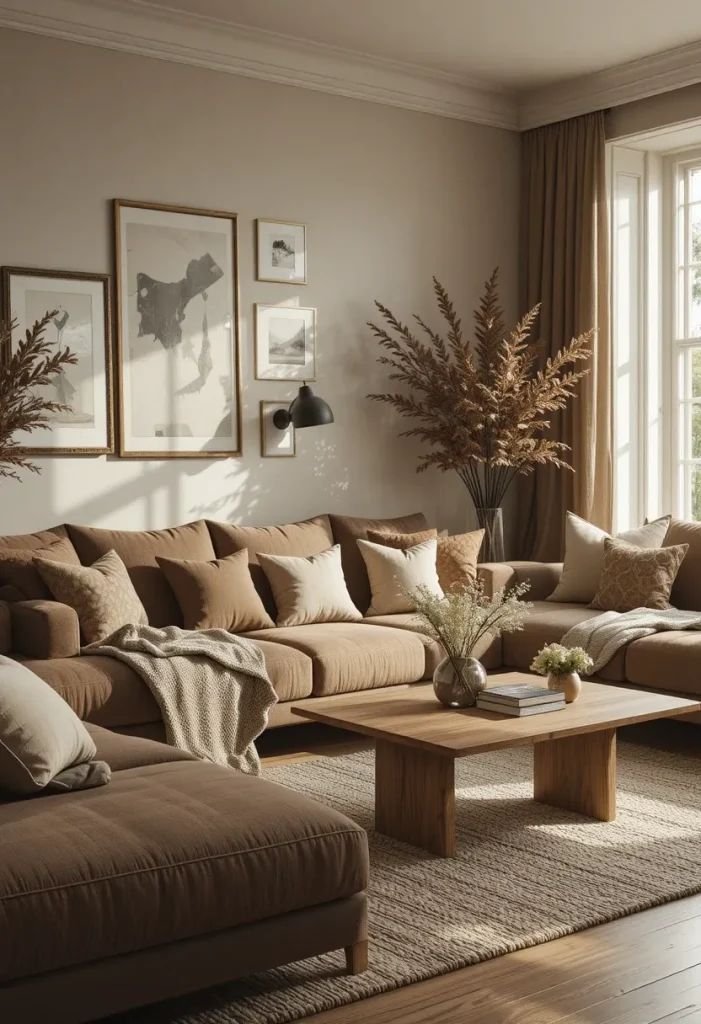
Brown and cream create a warm, grounded atmosphere that feels inviting and comfortable. Cream walls soften the richness of brown furniture, making the room feel cozy without being heavy. This combination works well in traditional and rustic living rooms.
Wooden furniture, leather sofas, and soft lighting enhance the warmth of this palette.
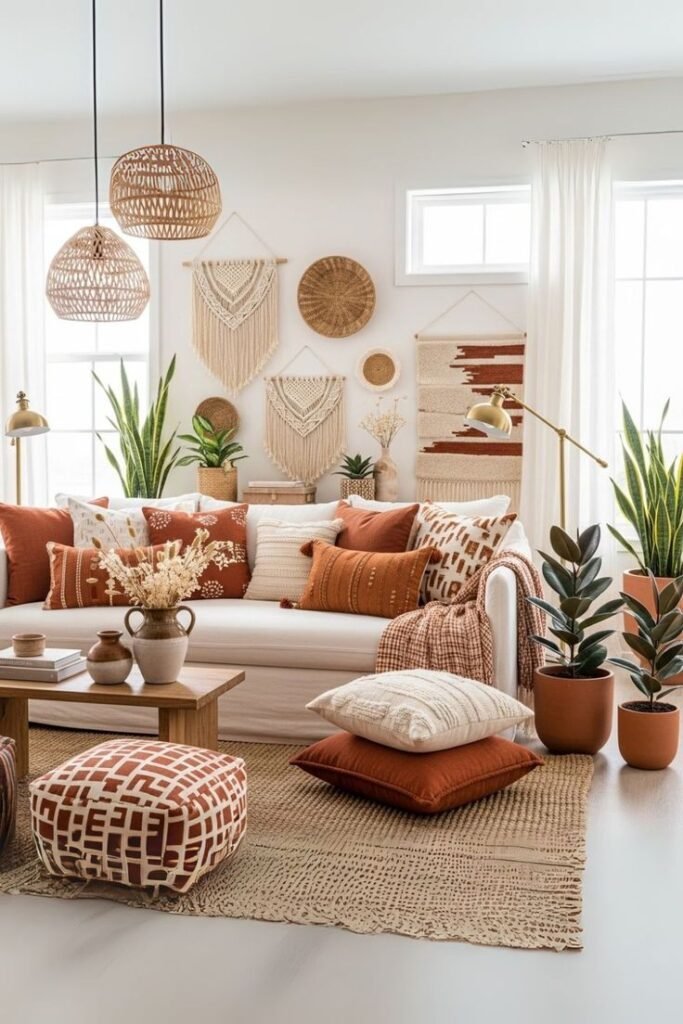
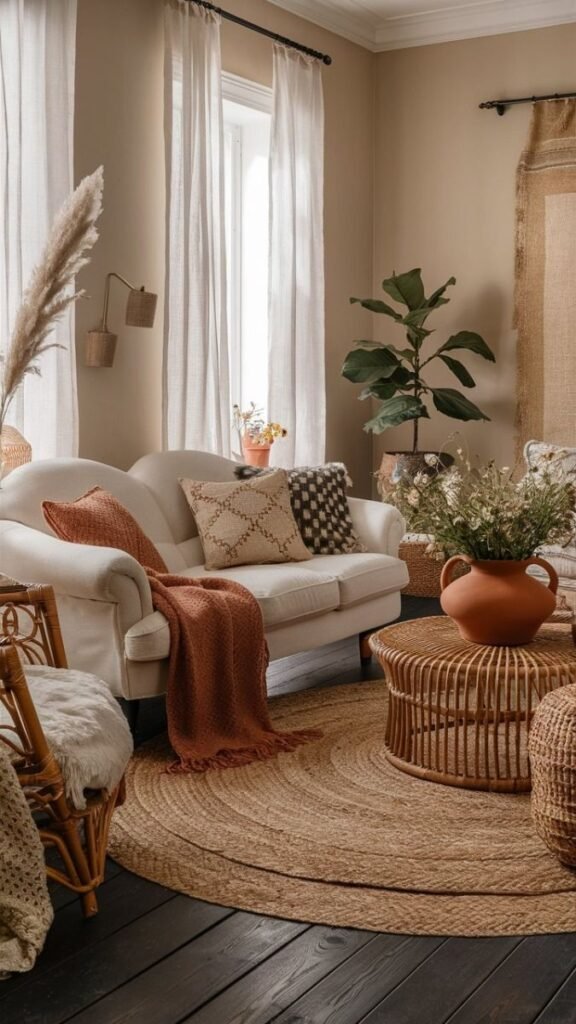
Terracotta tones bring an earthy, relaxed vibe into the living room. Paired with beige or off-white, this combination feels natural and soothing. It’s perfect for bohemian, Mediterranean, or southwestern-inspired spaces.
Add plants, textured cushions, and natural materials like rattan or jute to complete the look.
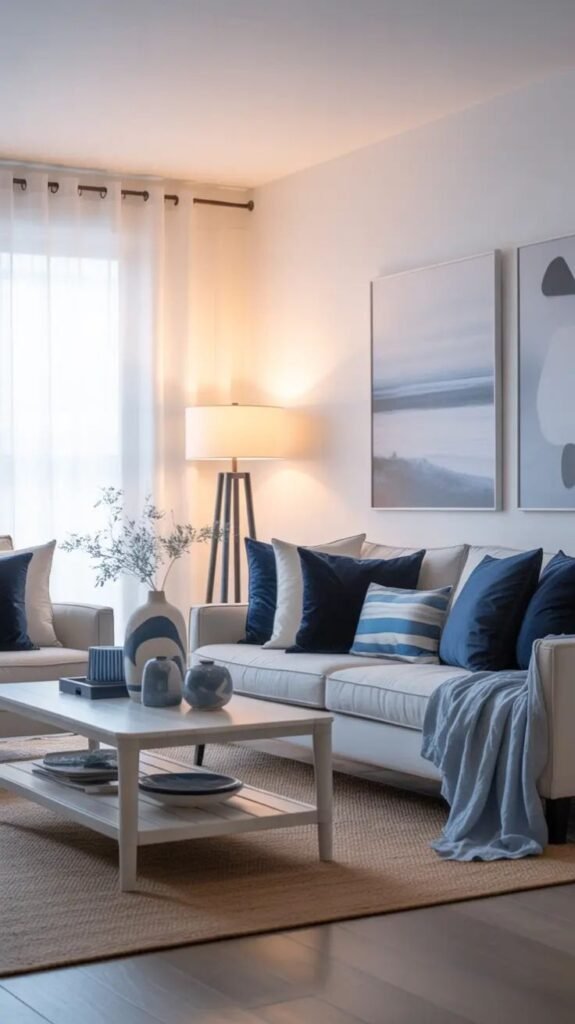
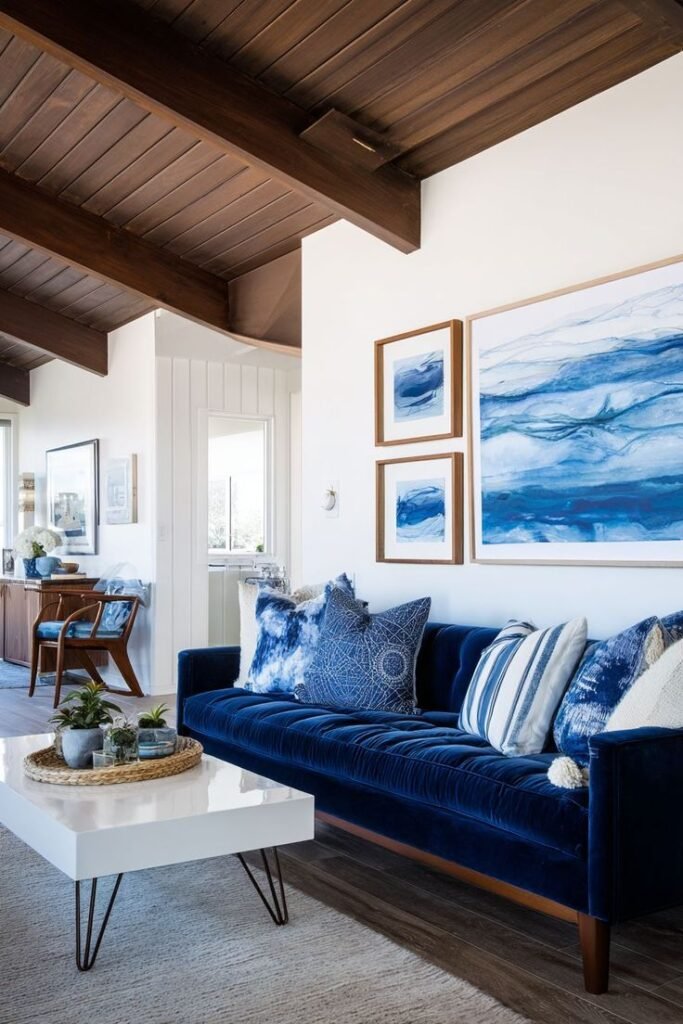
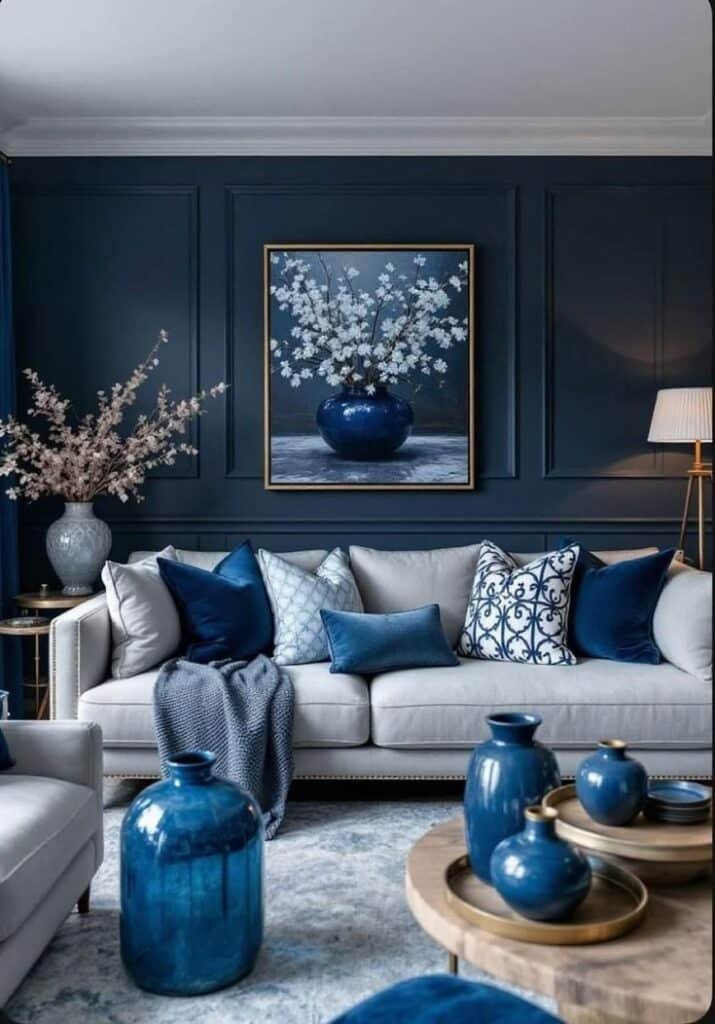
Blue and white is a classic combination known for its calming and refreshing effect. Soft blues create a tranquil environment, while deeper navy adds elegance and drama. White balances the palette, keeping the room from feeling too dark.
This combination works well in coastal, modern, or traditional living rooms and pairs nicely with light wood and silver accents.
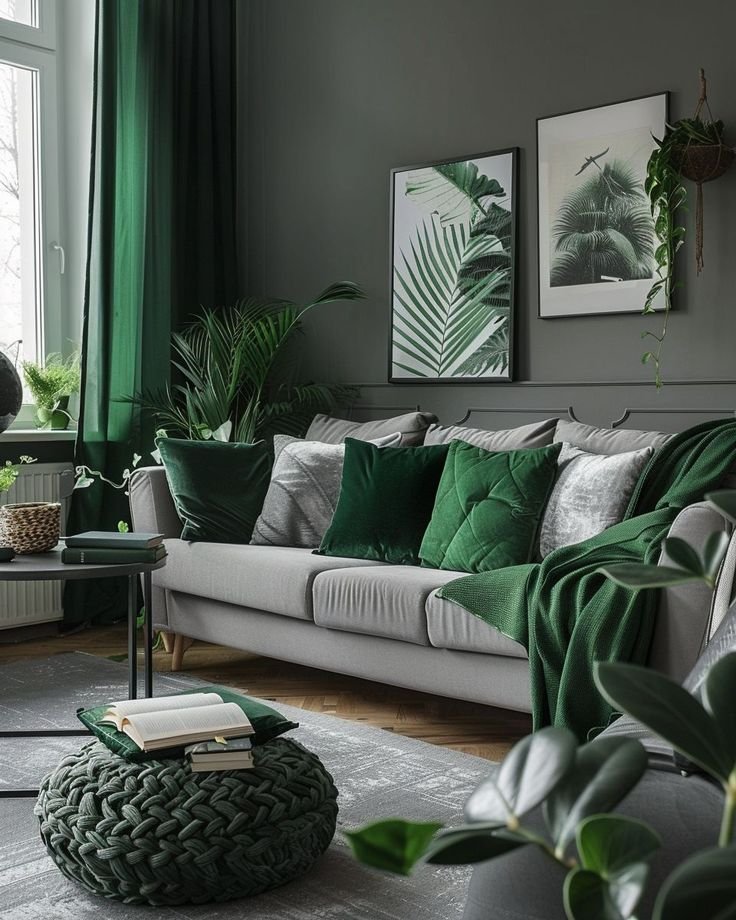
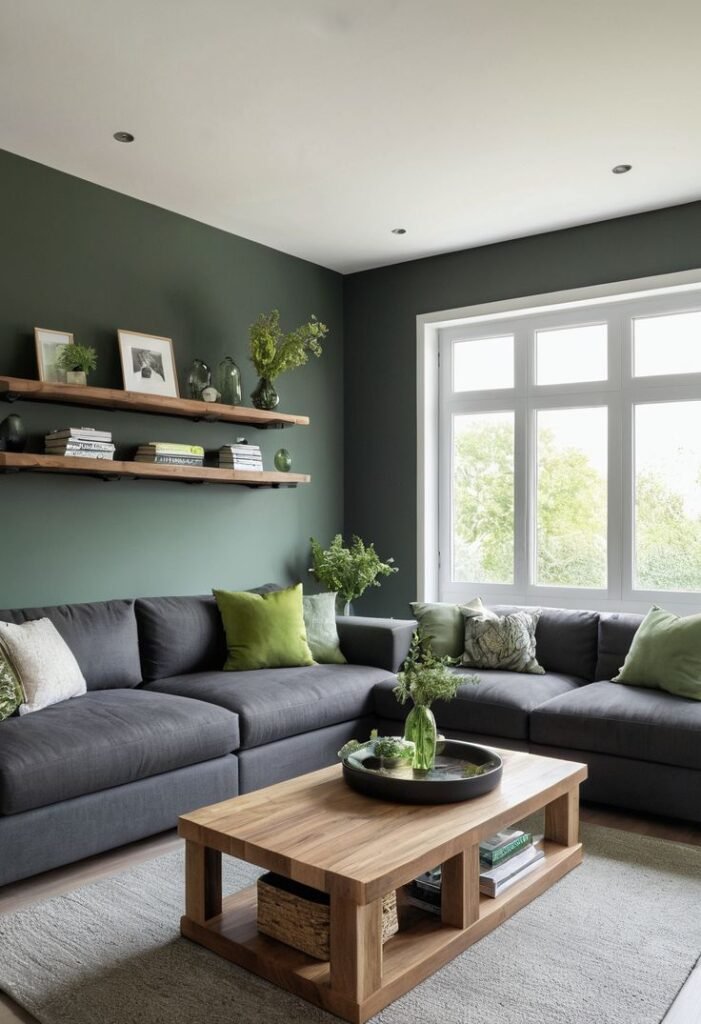
Green and gray offer a peaceful yet sophisticated look. Green brings a sense of nature indoors, while gray adds neutrality and balance. Sage green and light gray are especially popular for creating a relaxed, modern living room.
This palette works well with natural light, indoor plants, and simple, clean-lined furniture.
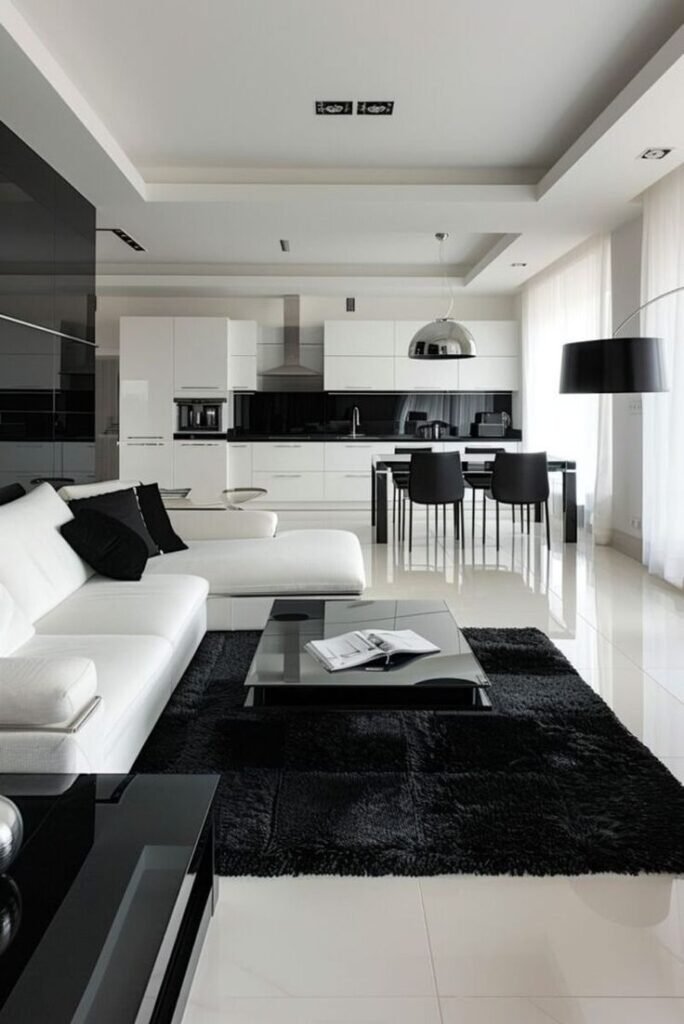
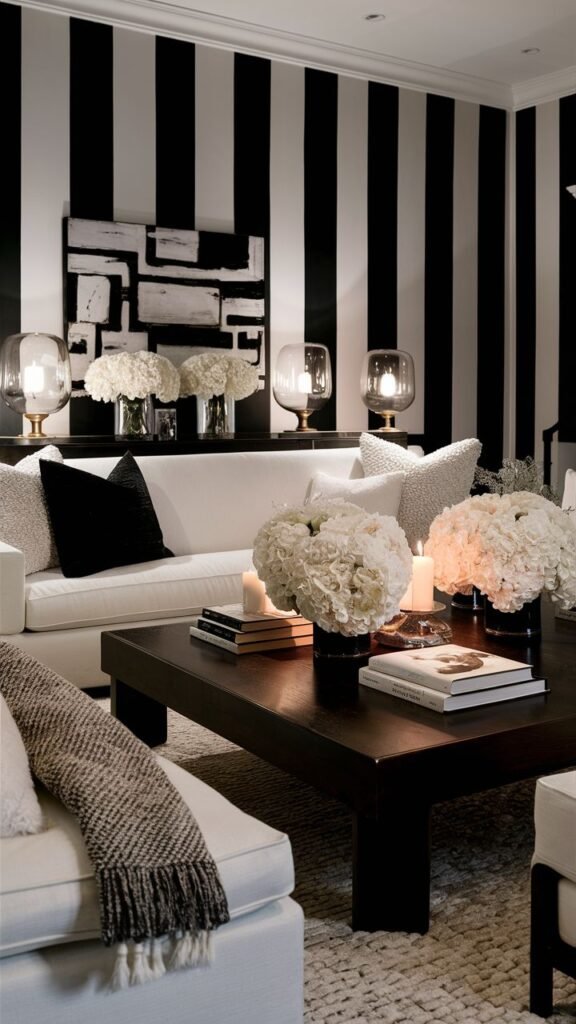
Black and white is a striking, high-contrast combination that feels modern and bold. White walls keep the space open, while black accents—such as frames, furniture, or lighting—add drama and definition.
To keep the room from feeling too stark, incorporate warm elements like wood flooring, soft textiles, or neutral-toned cushions.
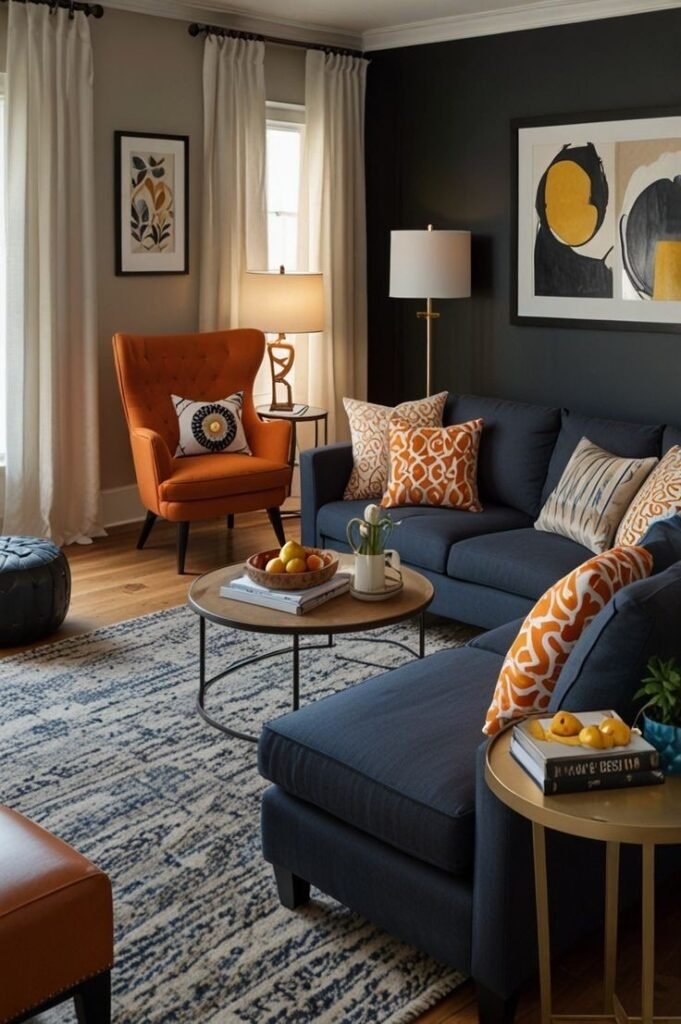
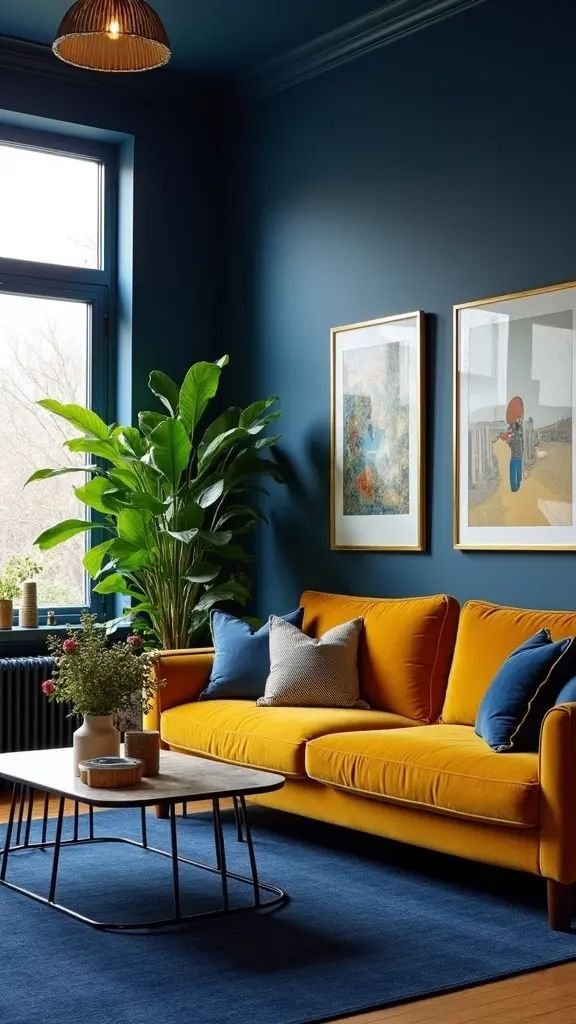
Navy blue and mustard yellow create a vibrant yet balanced look. Navy acts as a strong, grounding color, while mustard adds energy and warmth. This combination works particularly well in modern and eclectic living rooms.
Use navy on walls or large furniture pieces, and bring in mustard through cushions, throws, or artwork for a pop of color.
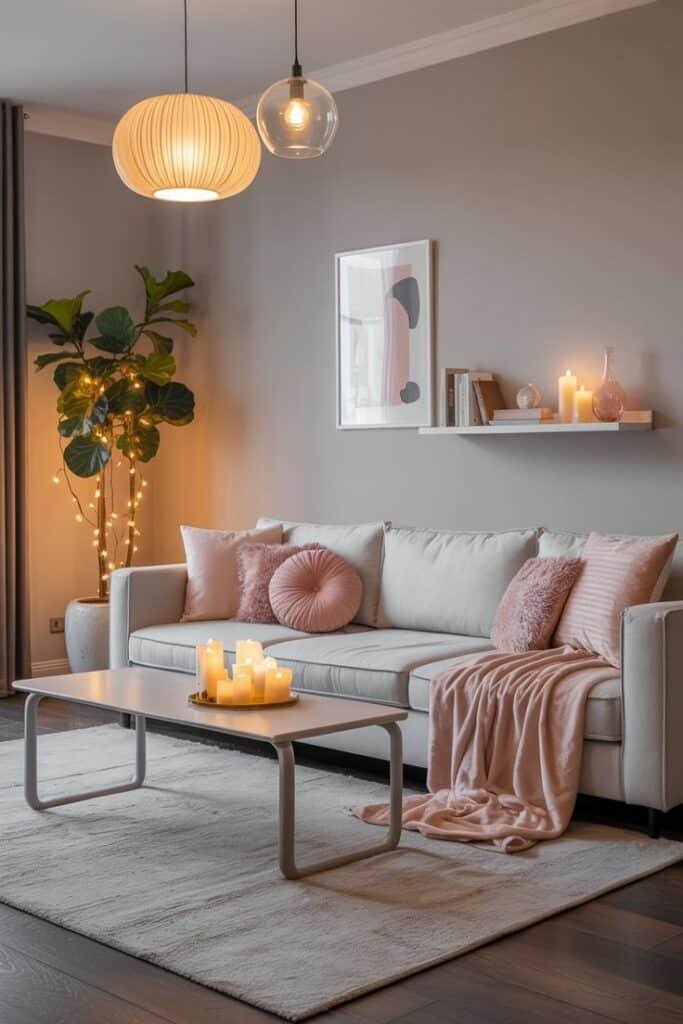
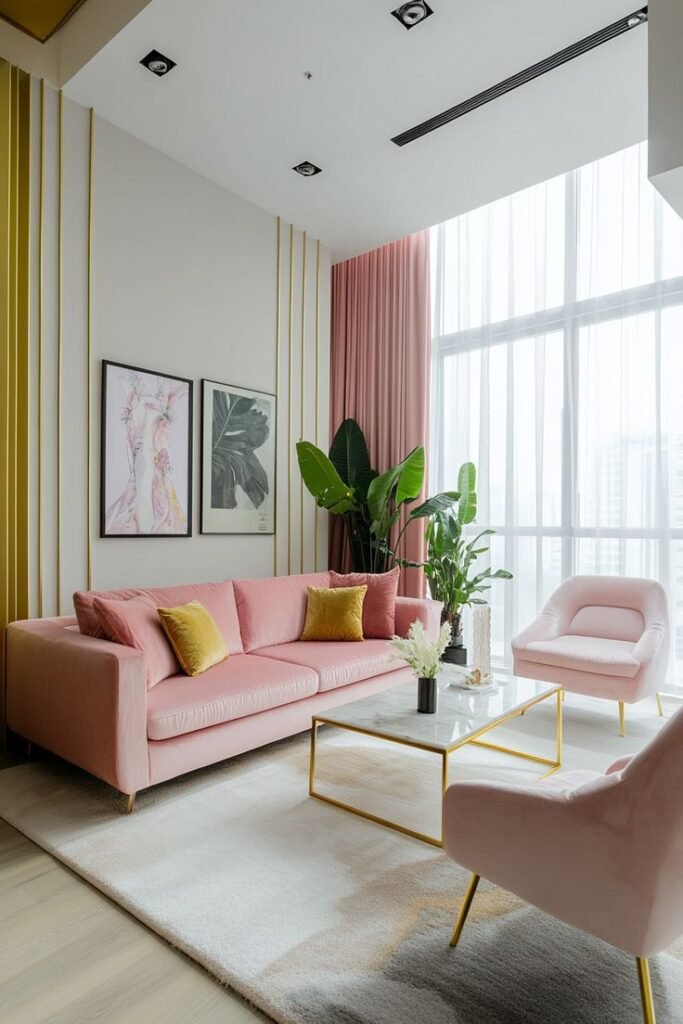
Blush pink and gray create a soft, elegant, and contemporary look. The subtle warmth of blush balances the coolness of gray, making the space feel inviting without being overly feminine.
This combination works beautifully with velvet textures, gold accents, and minimal decor.
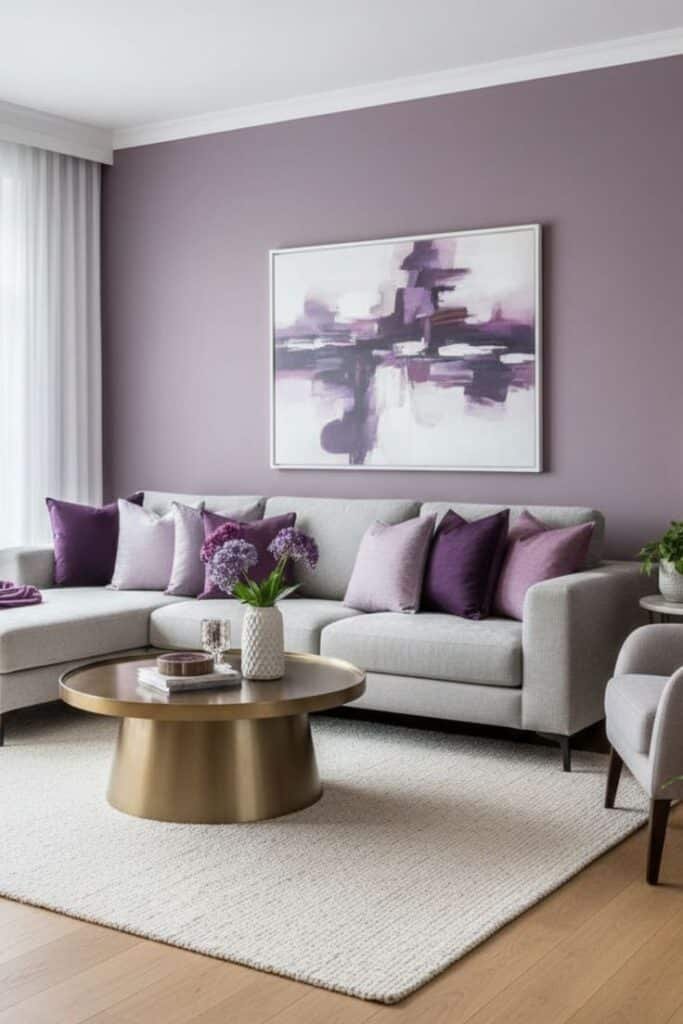
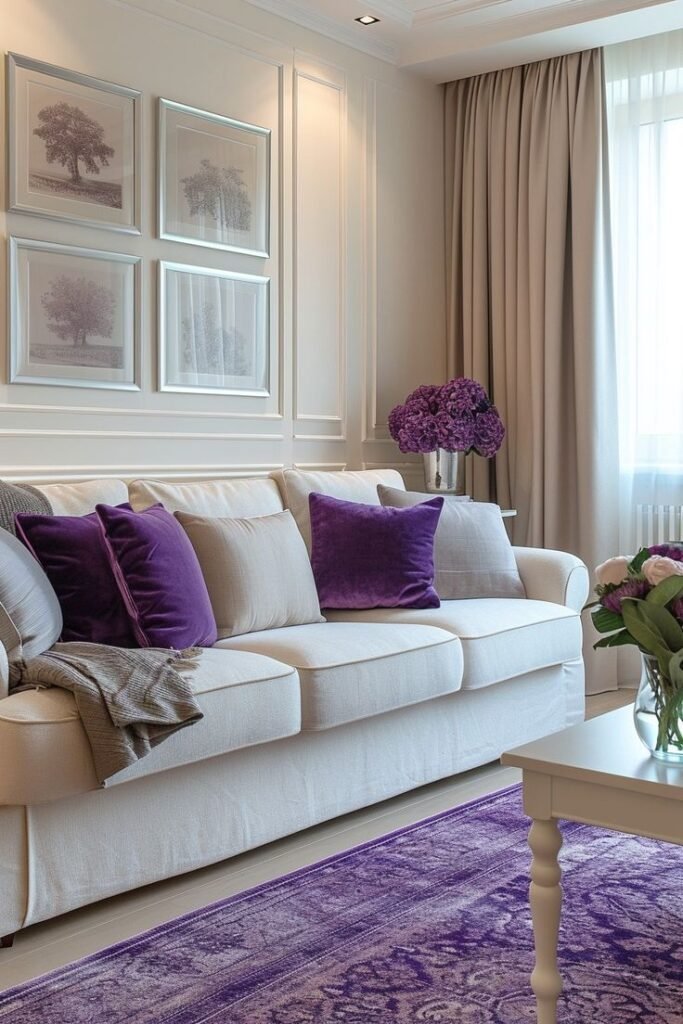
Lavender paired with cream creates a gentle, serene atmosphere that feels refined and relaxing. It’s a great choice for those who want a hint of color without overwhelming the space.
Keep the lavender subtle and use cream as the dominant color to maintain balance.
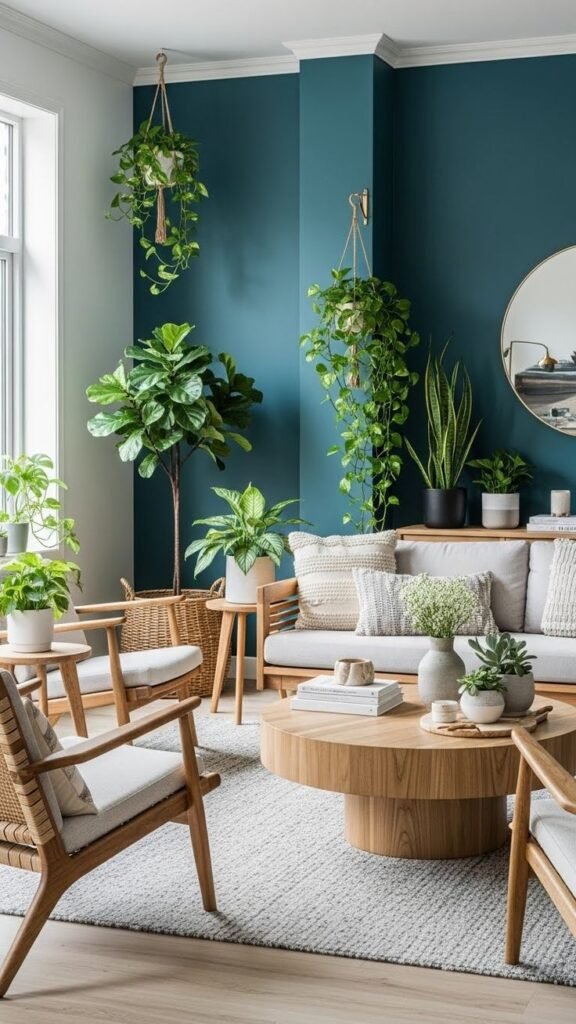
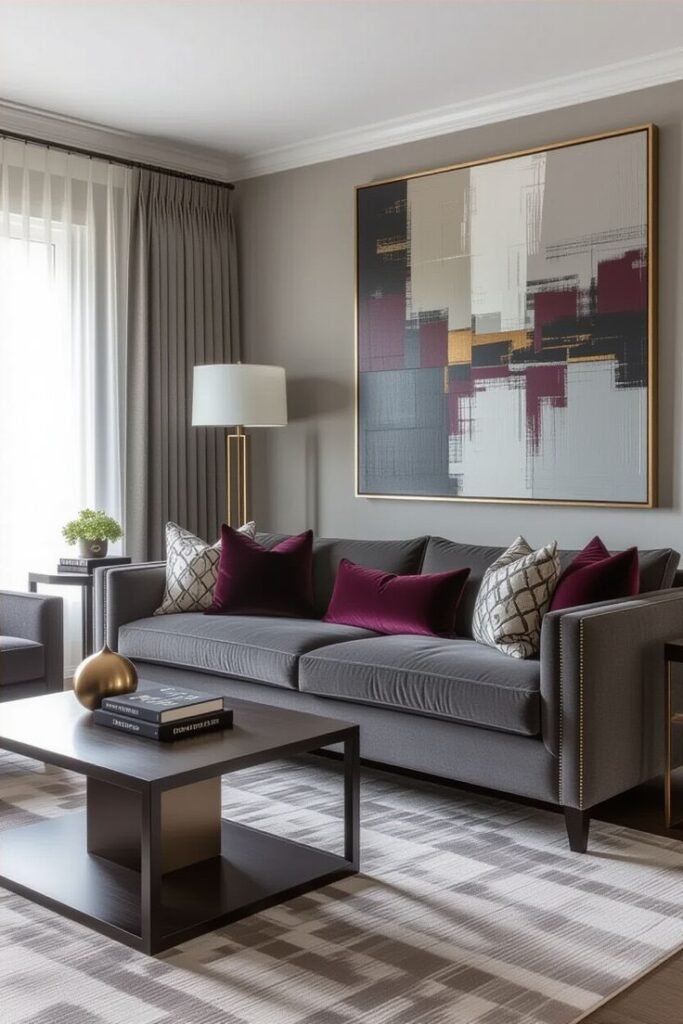
When selecting a color combination, it’s helpful to follow a simple approach:
Start with a base color.
Choose a neutral or soft shade for walls that sets the foundation of the room.
Add a secondary color.
This is often used for furniture, rugs, or curtains, and should complement the base color.
Include an accent color.
Accent colors add personality and can be introduced through cushions, artwork, or accessories.
A common rule is the 60-30-10 principle: 60% main color, 30% secondary color, and 10% accent color. This helps maintain visual balance.
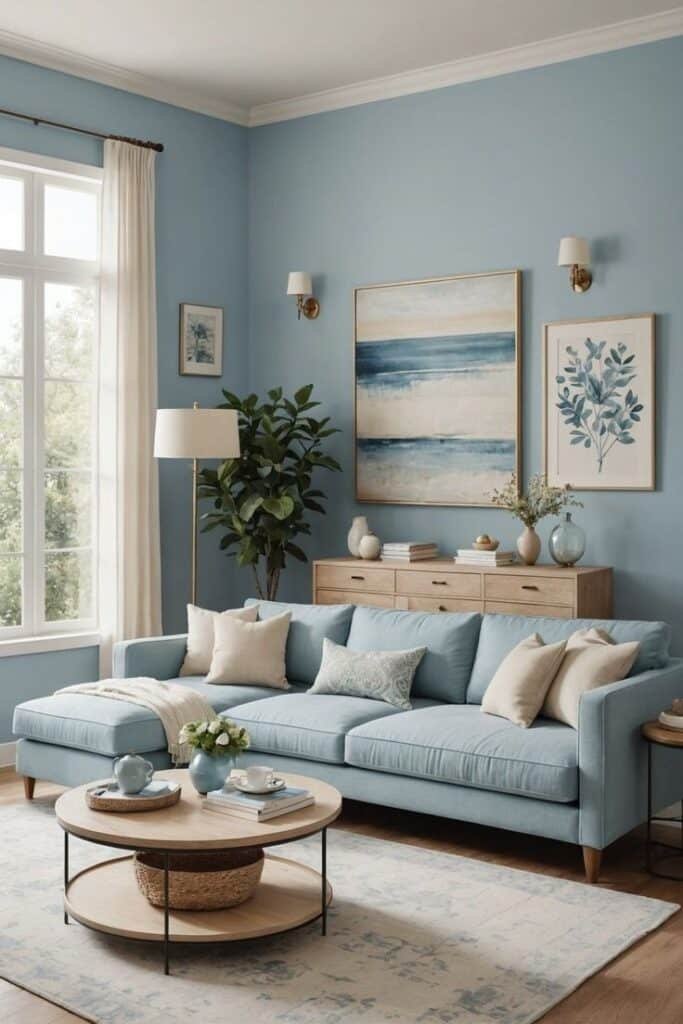
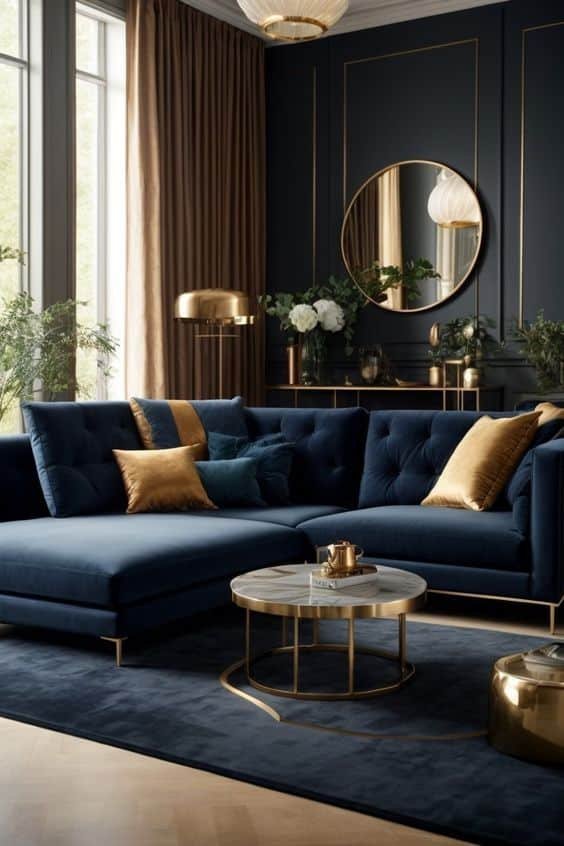
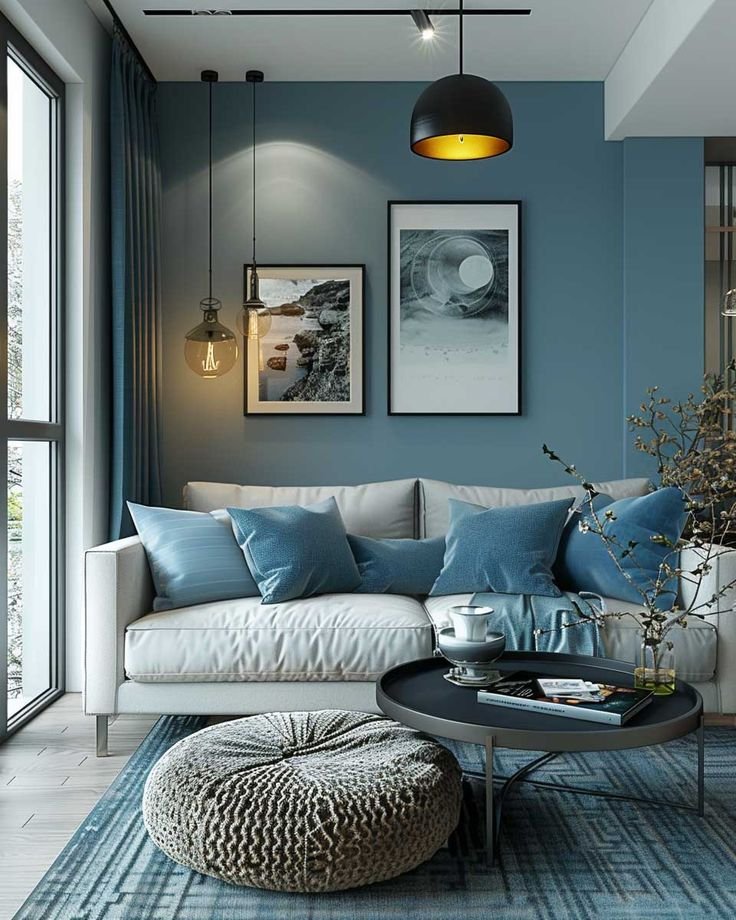
One common mistake is using too many bold colors in one space, which can feel chaotic. Another is ignoring lighting—colors can look very different in natural versus artificial light. Always test paint samples on your walls and observe them at different times of day.
Also, avoid choosing colors solely based on trends. Trends change, but your living room should feel comfortable and personal for years to come.
The perfect living room color combination reflects your personality, complements your space, and supports how you live. Whether you prefer calm neutrals, cozy warm tones, or bold modern contrasts, thoughtful color choices can transform your living room into a space that feels truly yours.
Take your time, experiment with samples, and remember that balance is key. With the right combination, your living room can become both beautiful and functional—a place you’ll love spending time in every day.
Choosing the right color combination is essential because it influences mood, perception of space, and overall comfort, helping to create a warm, inviting, and stylish environment tailored to your personal taste.
Before selecting colors, consider the amount of natural light, the size and layout of the space, how the room will be used, and existing furniture or flooring that cannot be changed.
Timeless neutral combinations include white and beige, which create a calm and welcoming atmosphere, and gray and white, ideal for modern and sophisticated spaces.
Brown and cream provide a warm, inviting feel, while terracotta and beige evoke a natural, relaxed vibe, perfect for traditional, rustic, or bohemian styles.
Start with a neutral base color for the walls, add a complementary secondary color for furniture or large accents, and include an accent color through accessories, following the 60-30-10 rule for visual harmony.


