Moody vs Light Photography: How to Choose Your Style for Stunning Results
Facebook Twitter Pinterest Choosing between moody and light photography styles is one of the most important creative decisions you’ll…


Aesthetic lifestyle photos don’t require expensive equipment or professional studios. Your home contains countless opportunities to capture visually appealing images that tell authentic stories about your daily life. With simple adjustments to lighting, composition, and styling, you can transform ordinary moments into eye-catching content.
The key to taking aesthetic lifestyle photos at home is combining natural light with intentional styling and thoughtful composition to create images that feel both authentic and visually cohesive. These photos work well for social media, personal projects, or simply beautifully documenting your life. You’ll find that the familiar spaces around you offer more creative potential than you might expect.
This guide walks you through practical techniques for planning, shooting, and editing lifestyle photos without leaving your house. You’ll learn how to work with available light, arrange your space for maximum visual impact, and develop a consistent style that reflects your personal aesthetic.
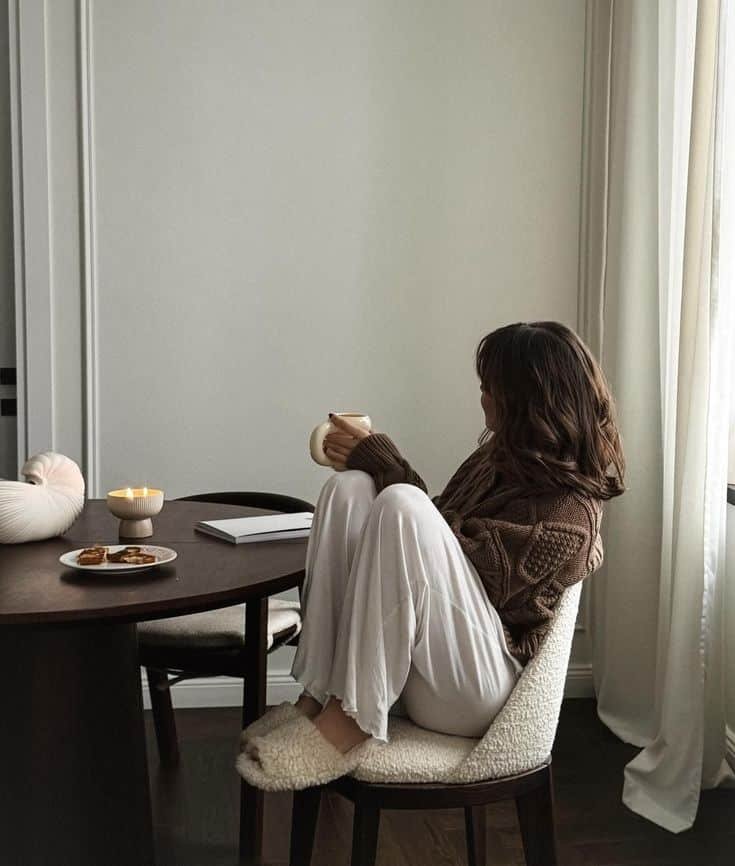
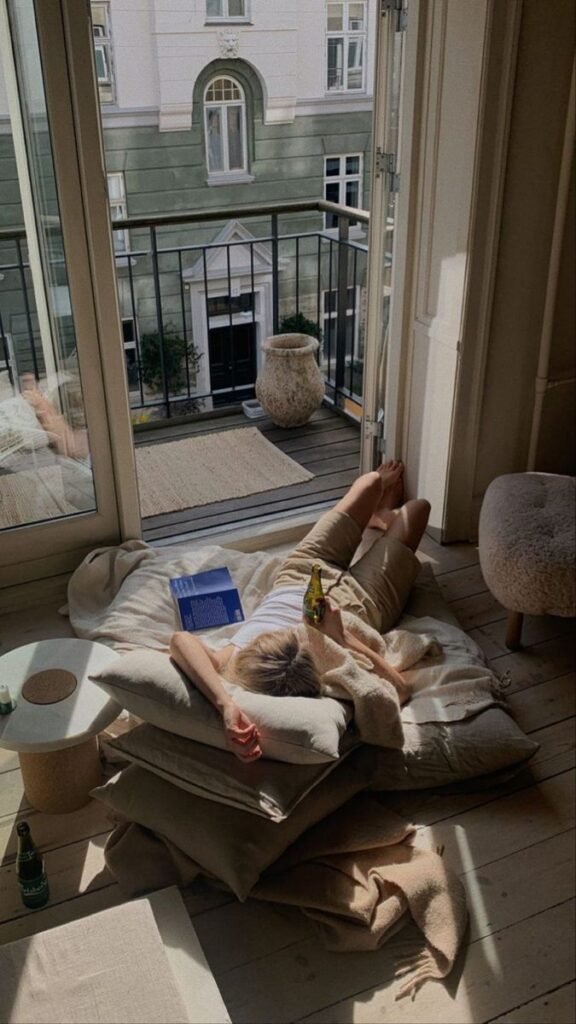
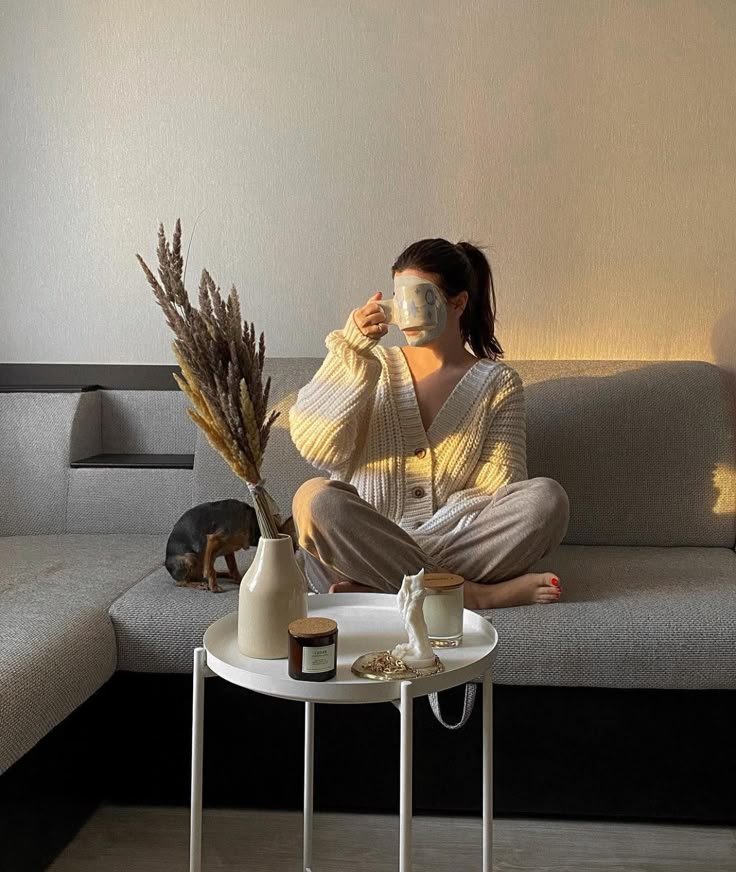
Aesthetic lifestyle photography combines visual appeal with authentic moments from your daily life at home. The style emphasizes mood, composition, and personal expression while maintaining a natural, lived-in quality.
An aesthetic photo prioritizes visual harmony through deliberate choices in lighting, color, and composition. Balance plays a central role—your images should feel pleasing to the eye without appearing overly staged or chaotic.
Light and color work together to create mood in aesthetic photography. Soft, natural lighting tends to produce more visually appealing results than harsh overhead lights. Your color palette should feel cohesive, whether you choose warm tones, cool hues, or a specific color scheme.
Texture and layering add depth to aesthetic pictures. Include varied surfaces like smooth fabrics, rough wood, or glossy ceramics to create visual interest. The way elements interact within your frame matters as much as the subjects themselves.
Meaningful composition sets aesthetic photos apart from snapshots. You should consider the rule of thirds, leading lines, and negative space when framing your shots.
Lifestyle photography captures authentic moments and activities in your living space. Your home becomes both the setting and subject, showcasing how you actually live rather than creating artificial scenes.
This approach documents daily routines, personal spaces, and intimate details that reflect your unique style. You might photograph morning coffee rituals, reading corners, meal preparation, or quiet moments in favorite rooms. The goal is to tell your visual story through genuine scenarios.
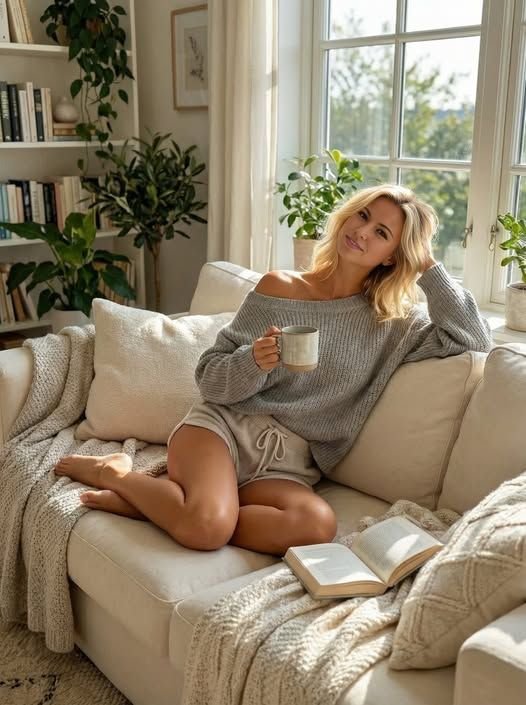
Your lifestyle photos should feel natural and unforced. People (if included) engage in real activities rather than posing stiffly for the camera. Objects appear where they naturally belong—books on nightstands, plants near windows, blankets draped casually on sofas.
The home environment provides endless opportunities for lifestyle photography. Each room offers different lighting conditions, textures, and potential narratives to explore.
Regular snapshots document what happened, while aesthetic lifestyle photos consider how the image appears visually. You spend time planning composition, lighting, and styling rather than simply pointing and shooting.
Key distinctions:
Visual storytelling separates aesthetic photography from everyday pictures. Your images convey feeling and atmosphere through careful attention to detail. Background elements enhance rather than distract from the overall aesthetic.
You edit aesthetic photos to enhance their visual style, adjusting exposure, contrast, and colors to achieve a specific look. Regular photos typically receive minimal or no post-processing work.
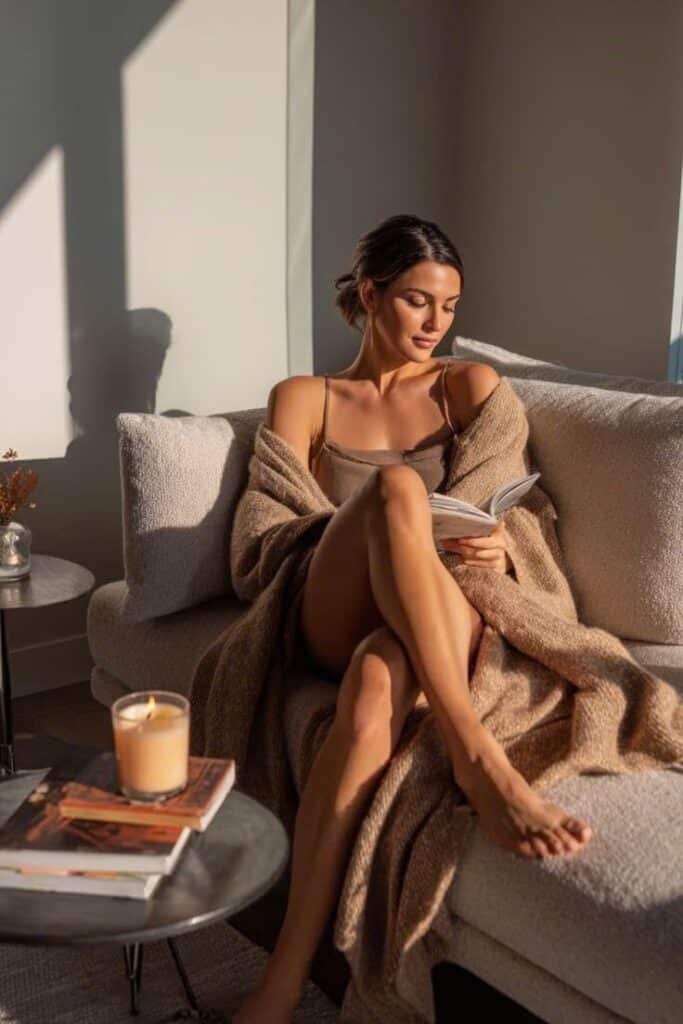
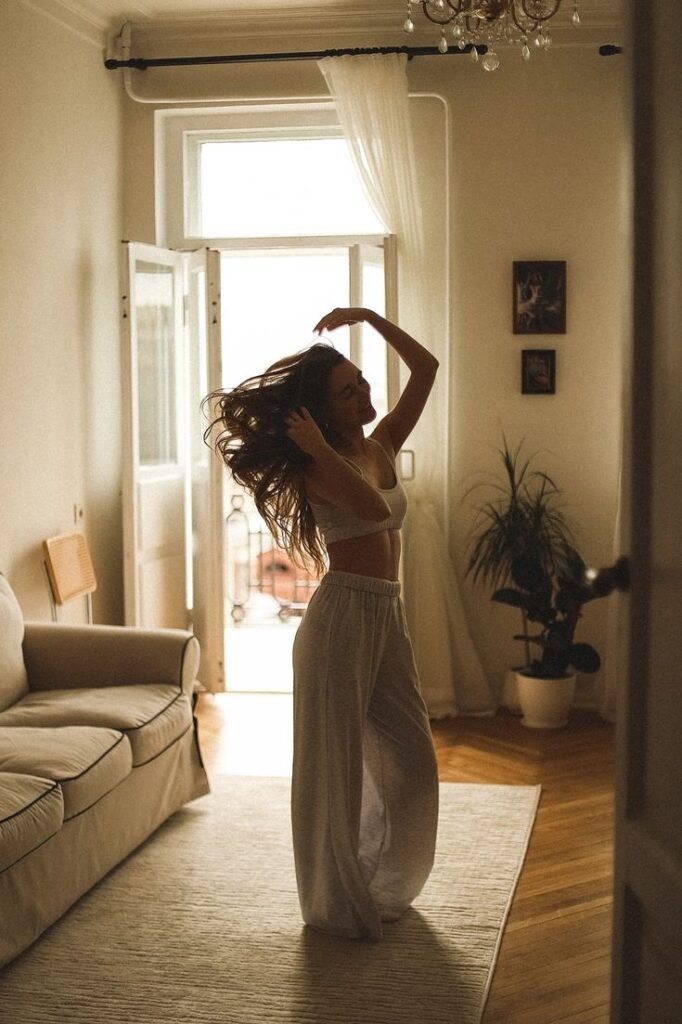
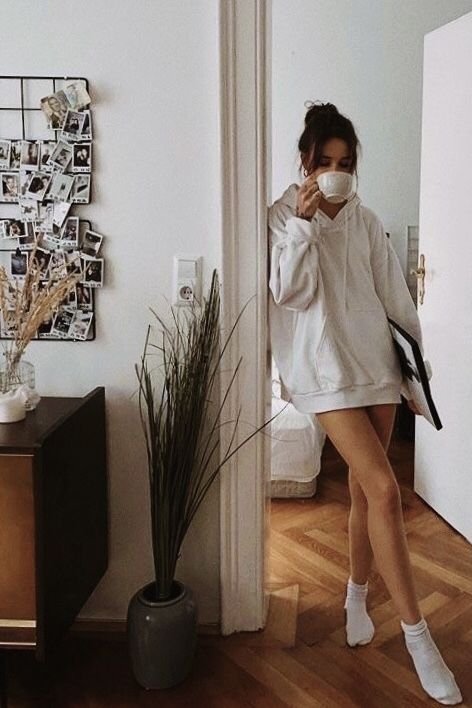
Successful aesthetic photography starts with thoughtful preparation that ties together your visual inspiration, color choices, and physical setup. When you plan these elements before shooting, you create cohesive images that feel intentional rather than random.
A moodboard serves as your visual roadmap for the entire shoot. Start by collecting 10-15 images that capture the exact aesthetic you want to achieve, whether that’s moody and dark, bright and airy, or vintage-inspired. You can use Pinterest boards, save images to your phone, or print physical copies.
Pay attention to common elements across your saved images. Look for recurring lighting styles, compositions, and emotional tones. These patterns reveal your authentic aesthetic preferences and guide your shooting decisions.
Your moodboard should answer specific questions: What time of day appears in most images? Are subjects centered or off-center? Do photos feel candid or posed? When you know how to take aesthetic pictures that match your vision, reference your moodboard throughout the shoot to stay on track.
Your color palette creates visual harmony across all photos in a series. Select 3-4 main colors that work well together and appear naturally in your home environment. Neutral bases like white, beige, or gray pair well with accent colors.
Consider these proven color combinations:
Color harmony happens when your chosen palette appears in clothing, props, backgrounds, and even lighting. Avoid introducing random colors that don’t fit your scheme. If your palette is warm and neutral, a bright red object will disrupt the aesthetic flow.
Props and backgrounds transform ordinary spaces into photogenic scenes. Choose items that support your lifestyle narrative while matching your color palette. A coffee mug, open book, or houseplant can add context without overwhelming the frame.
Keep backgrounds simple and uncluttered. A plain wall, clean bedding, or simple wooden surface works better than busy patterns. Remove items that don’t serve your aesthetic vision, including visible cords, random clutter, or mismatched decor.
Layer textures to add visual interest without color chaos. Combine linen fabric, wooden elements, and ceramic pieces in your chosen palette. Position props at different depths to create dimension, and remember that negative space is just as important as filled space.
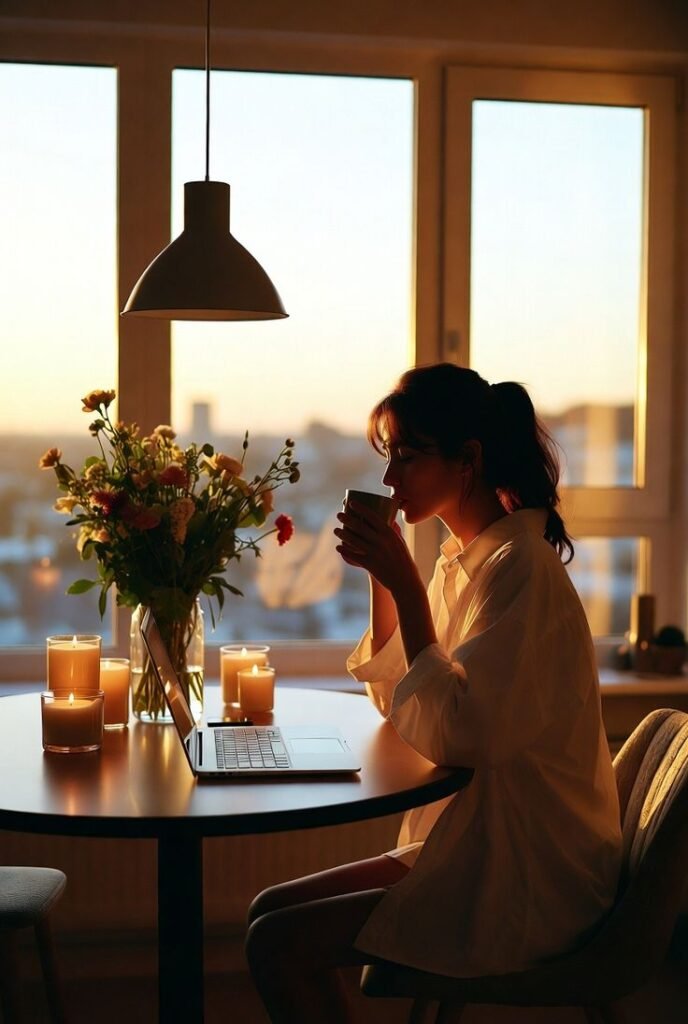
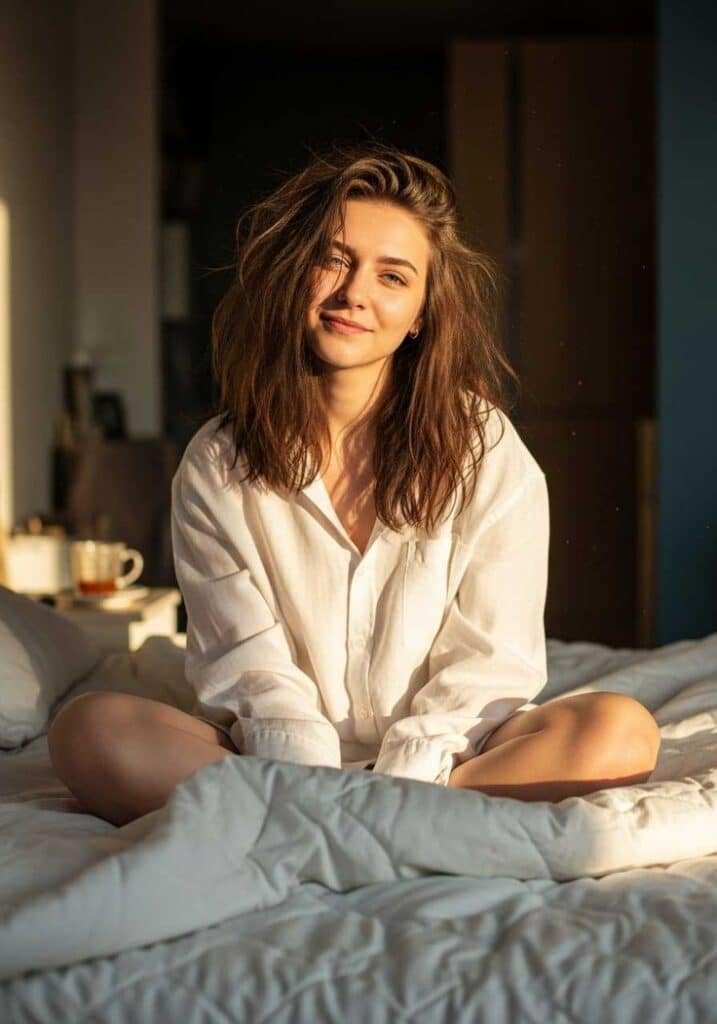

Light shapes the mood, clarity, and overall aesthetic of your lifestyle photos more than any other element. Natural light brings authenticity and warmth to indoor shots, while artificial lighting gives you control when natural sources aren’t available.
Windows are your primary natural light source when shooting indoors. Position your subject within three to six feet of a large window to capture soft, flattering illumination that wraps around features naturally.
North-facing windows provide consistent, diffused light throughout the day without harsh shadows. South-facing windows deliver brighter light but may create a stronger contrast that requires careful positioning. You can soften intense window light by hanging sheer curtains or white fabric over the glass.
Move around your subject to find the most flattering angle relative to the window. Side lighting creates depth and dimension, while front lighting produces even, bright results. Backlit scenes offer a dreamy quality but require you to adjust exposure settings to prevent your subject from appearing too dark.
White walls and light-colored surfaces act as natural reflectors, bouncing light back onto your subject and filling in shadows. You can also use white foam boards or poster boards positioned opposite your light source to create a makeshift reflector.
Golden hour occurs during the first hour after sunrise and the last hour before sunset, producing warm, amber-toned light that adds emotional depth to lifestyle photos. This time window creates long, soft shadows and reduces harsh contrast.
You don’t need to shoot outdoors to benefit from golden hour. Position your setup near windows during these times to let the warm light flood your indoor space. The low angle of the sun creates a gentle, directional quality that’s perfect for capturing intimate lifestyle moments.
Overcast days provide another excellent opportunity for soft light photography. Cloud cover acts as a giant diffuser, creating even illumination without harsh shadows or bright highlights. This consistent lighting makes it easier to maintain exposure across multiple shots and reduces the need for extensive editing.
Artificial lighting gives you complete control over your shooting environment, regardless of time or weather conditions. Ring lights provide even, shadowless illumination that works well for flat-lay compositions and close-up shots.
LED panel lights offer adjustable brightness and color temperature, allowing you to match the warmth of natural light or create cooler, modern aesthetics. Position these panels at 45-degree angles to your subject to mimic natural window light patterns.
You can adjust exposure settings to balance artificial and natural light sources in the same frame. Start with your artificial lights at lower power settings and increase intensity gradually until you achieve the desired brightness. This approach prevents overexposed areas while maintaining detail in both highlights and shadows.
Desk lamps with warm bulbs work well as budget-friendly alternatives to professional lighting equipment. Place them behind translucent materials like parchment paper to diffuse the light and create a softer quality similar to natural sources.
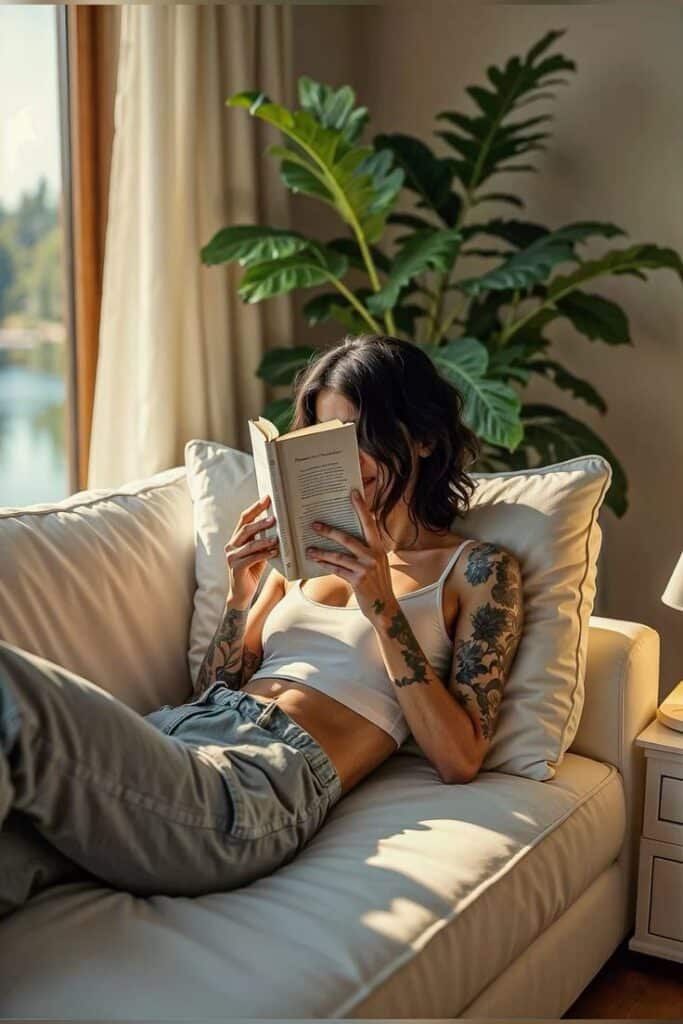
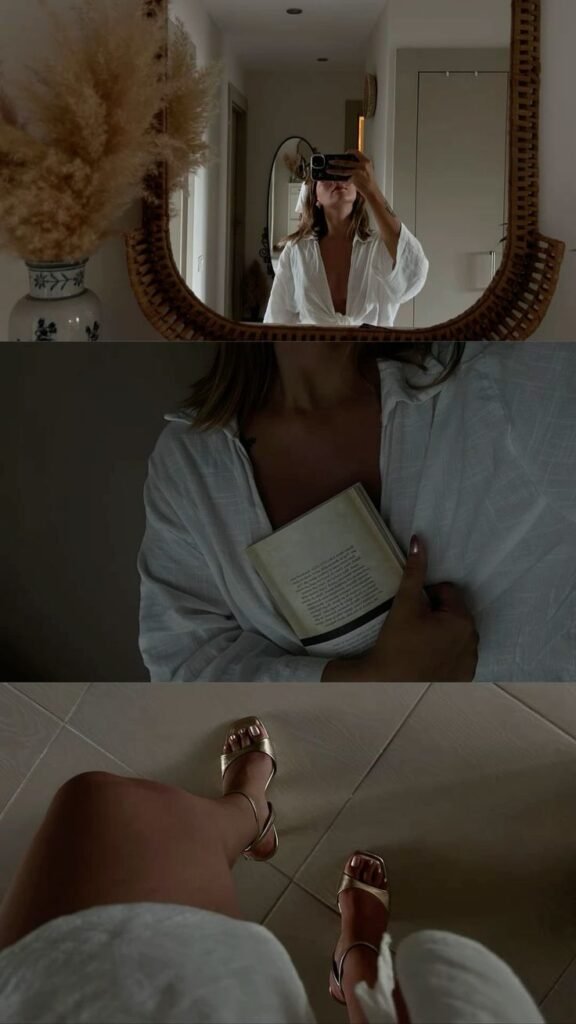
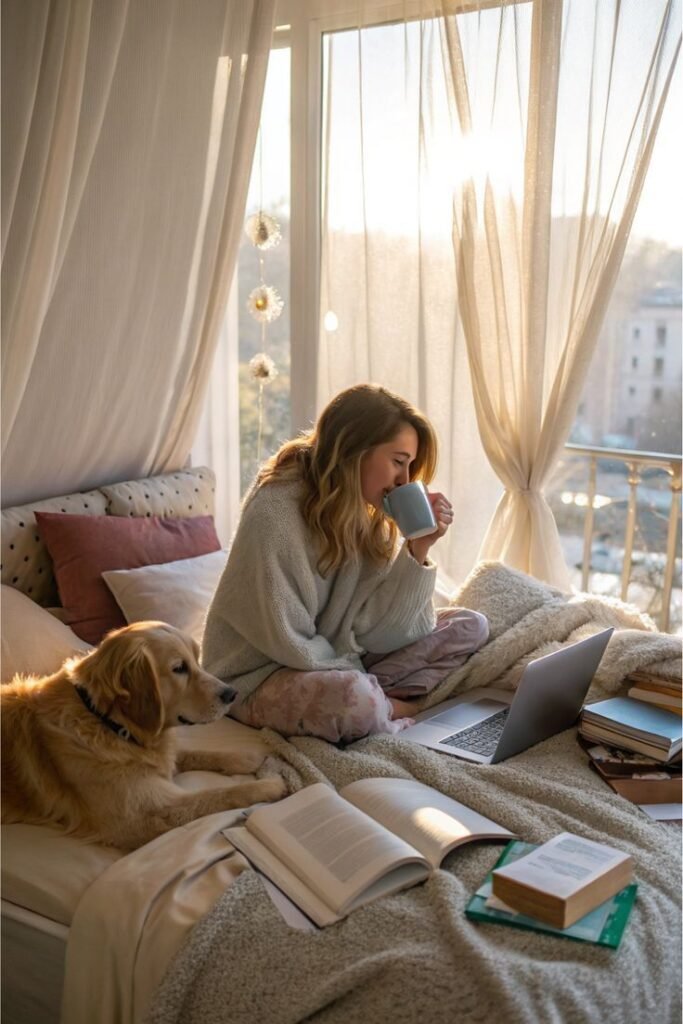
Strong composition transforms ordinary home photos into visually compelling images that capture attention and emotion. The rule of thirds creates balance, negative space adds breathing room, leading lines guide the viewer’s eye, and depth of field控制 controls what stays sharp versus beautifully blurred.
The rule of thirds divides your frame into nine equal sections using two horizontal and two vertical lines. Instead of centering your subject, place it along these lines or at their intersections to create more dynamic and balanced photos.
When photographing yourself reading in your favorite chair, position your face at the upper right intersection point rather than dead center. This leaves room for context and makes the image feel natural. Your camera or phone likely has a grid overlay option in the settings that displays these lines while you shoot.
The technique works especially well for lifestyle moments at home. If you’re capturing someone making coffee in the kitchen, align their body along the left vertical line and let the steam or morning light fill the remaining space. This creates visual interest and tells a more complete story than a centered composition would.
Negative space refers to the empty or uncluttered areas surrounding your main subject. This breathing room draws attention to what matters most and creates a minimalist, intentional aesthetic that feels modern and clean.
A white bedspread becomes powerful negative space when you photograph your morning coffee cup in the corner of the frame. The simplicity prevents visual overwhelm and gives your subject room to shine. Plain walls, wooden floors, and solid-colored blankets all serve as excellent negative space in home settings.
You don’t need fancy backdrops. Position your subject against a clear wall section, leaving two-thirds of the frame empty. This approach works beautifully for flat lays, plant photography, or capturing daily rituals like journaling or stretching.
Leading lines are visual pathways that guide your viewer’s eye toward your main subject. These can be literal lines like hallways, stairs, or table edges, or implied lines created by arranged objects.
Your home contains countless leading lines waiting to be used. A hallway naturally draws the eye down its length toward a person standing at the end. Window frames create strong vertical and horizontal lines that add structure to your compositions. Even the edge of your dining table can lead toward a steaming plate of food or a vase of flowers.
Try shooting from different angles to emphasize these lines. Get low to make floor lines more prominent, or shoot from above to highlight how items on a coffee table create directional flow. The corner where two walls meet creates a diagonal line that adds depth and dimension to your home photos.
Depth of field determines how much of your image appears in sharp focus from front to back. A shallow depth of field keeps your subject crisp while creating a blurred background that eliminates distractions and adds professional polish.
Achieving Blur at Home:
Position your subject several feet away from the wall or furniture behind them. This separation is crucial for creating that coveted blurred background effect. If you’re photographing plants on a windowsill, focus on the front leaves and let the outdoor scenery soften into dreamy bokeh.
A shallow depth of field works particularly well for detail shots like hands holding a book, close-ups of texture in knitted blankets, or steam rising from a mug. The blur isolates these moments and creates an intimate, focused feeling that pulls viewers into the scene.
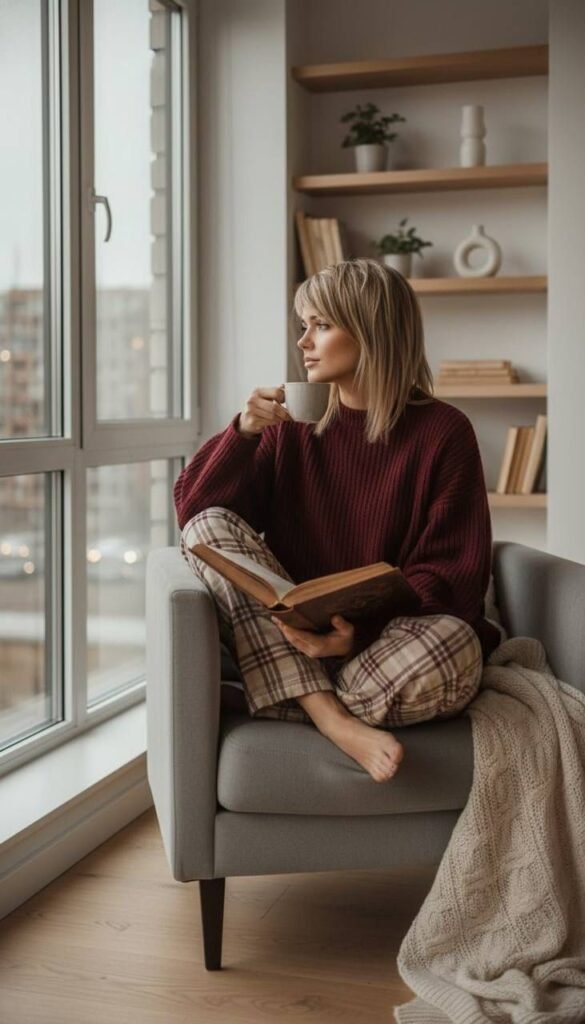
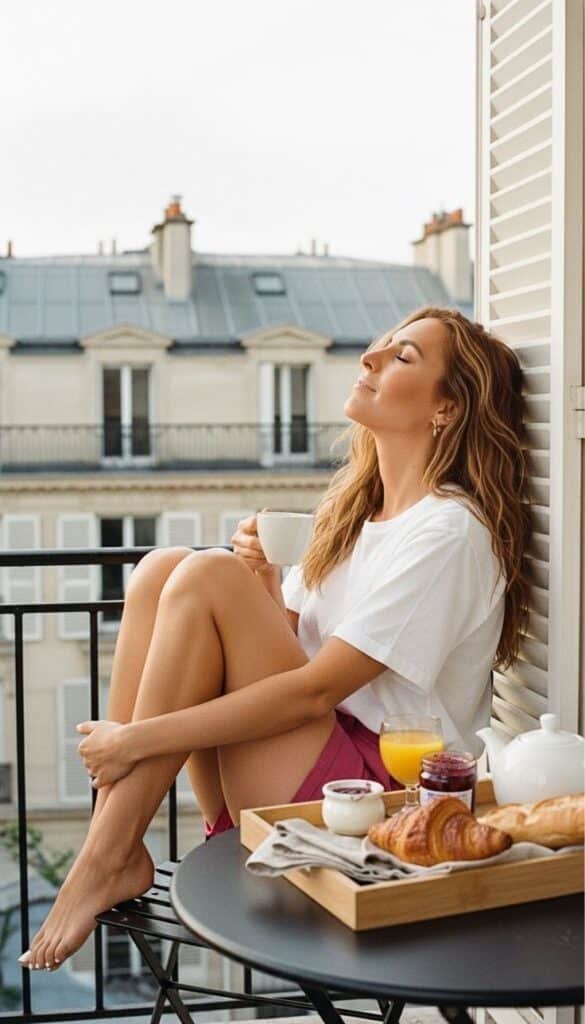
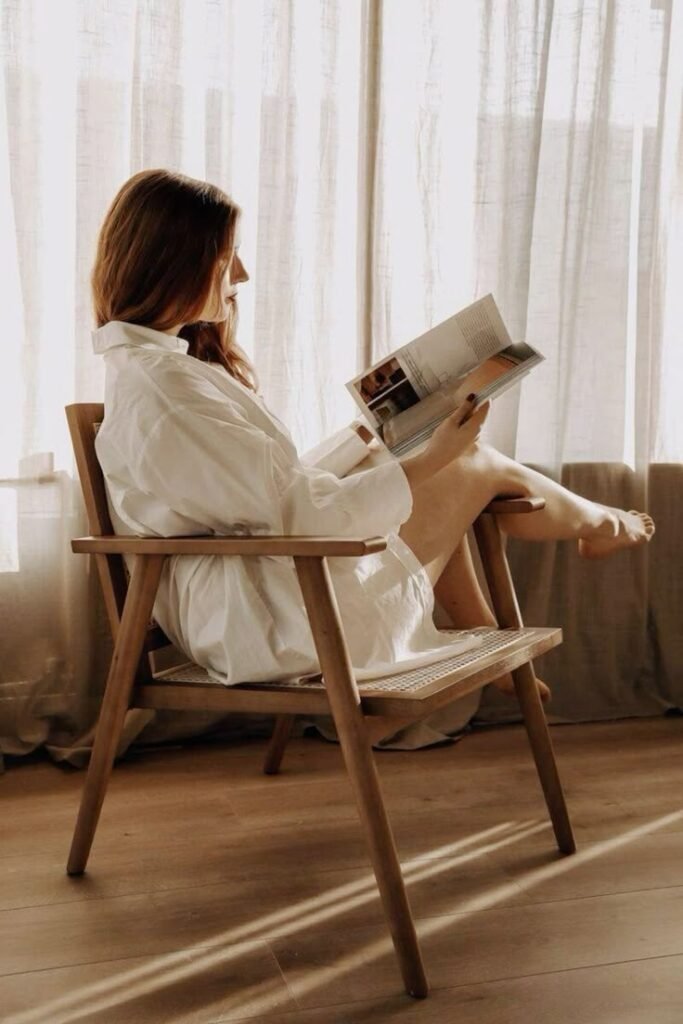
The right equipment and settings can elevate your home lifestyle photos from snapshots to polished images. Understanding which lenses work best for indoor spaces and how to adjust your camera or phone settings will give you more control over the final look.
A 50mm lens is ideal for lifestyle photography at home because it closely mimics natural human vision and performs well in low light. This lens creates a beautiful background blur that separates your subject from busy home environments. It works perfectly for capturing intimate moments like morning coffee or reading in natural light.
For smaller rooms or full-room shots, a wide-angle lens between 24mm and 35mm captures more of your space without distortion. These lenses help you include context in your photos, showing entire setups like styled tables or bedroom corners. They’re particularly useful when you can’t step back far enough in tight spaces.
Prime lenses typically offer better image quality and wider apertures than zoom lenses. They force you to move around your space, which often leads to more creative compositions.
Set your ISO between 400 and 800 for indoor shooting to balance light sensitivity with image clarity. Higher ISO values create grain, so use the lowest setting that still gives you proper exposure. Your aperture should be between f/1.8 and f/4 for soft backgrounds, or f/8 and above when you want everything in focus.
Choose aperture priority mode (A or Av) to control depth of field while the camera adjusts shutter speed automatically. Keep your shutter speed at 1/125 or faster to avoid blur from hand movement.
On smartphones, tap your subject to focus and adjust exposure by sliding the sun icon up or down. Lock your exposure before shooting multiple frames of the same scene. Turn off auto HDR and choose when to apply it manually for better control.
Portrait mode creates professional-looking depth by blurring backgrounds behind your subject. This works best when you’re 2-8 feet away from what you’re photographing. The effect helps everyday objects like plants, breakfast setups, or pets stand out dramatically.
HDR mode balances bright windows with darker room interiors by combining multiple exposures. Use it for scenes with strong backlighting or when shooting toward windows. Avoid HDR for moving subjects or when you want moody shadows, as it flattens contrast and can create unnatural halos around edges.
Both modes work best with stationary subjects and steady hands. Test each mode in different lighting conditions to understand when they enhance your photos versus when natural settings produce better results.


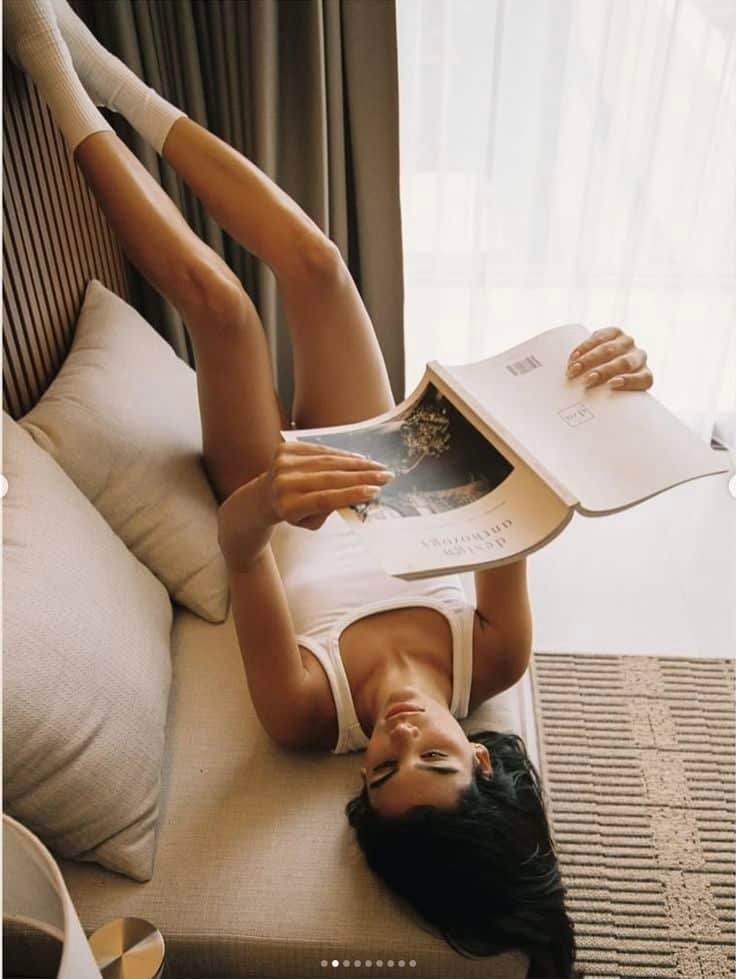
Post-processing transforms your home lifestyle photos into a cohesive collection with a recognizable style. The right editing tools and techniques help you establish visual consistency while enhancing the mood and atmosphere of your images.
Adobe Lightroom remains the industry standard for photo editing, offering powerful tools for color grading, exposure adjustment, and batch editing. You can use Lightroom Mobile on your phone to edit images anywhere, syncing your work across devices. The desktop version provides more advanced controls for professional results.
VSCO gives you film-inspired filters and straightforward editing tools perfect for lifestyle photography. The app’s interface is intuitive and designed specifically for mobile editing. Snapseed offers precise control with selective adjustments, allowing you to edit specific areas of your photos without affecting the entire image.
Free options include the web version of Adobe Lightroom and apps like Snapseed, which provide professional-quality results without subscription costs. Each tool has strengths, so you might use different apps for different purposes.
Lightroom presets apply predetermined settings to your photos with one click, saving time and ensuring consistency. You can find thousands of free Lightroom presets online or create your own once you develop a preferred editing style. Start by editing one photo manually until you achieve your desired look, then save those settings as a custom preset.
Popular preset styles for lifestyle photography include warm and airy, dark and moody, or clean and minimal. Test different presets on various photos from your collection to find what complements your home’s lighting and decor.
Adjust preset intensity after applying it since presets rarely work perfectly on every image. Fine-tune the exposure, contrast, and color temperature to match your specific photo while maintaining the overall aesthetic.
Color correction fixes unwanted color casts from indoor lighting, ensuring skin tones appear natural and whites look clean. Adjust the white balance first, then modify individual color channels using the HSL panel in Lightroom to perfect specific hues.
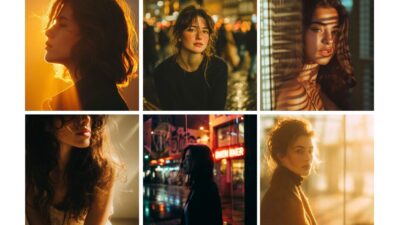
Moody tones create atmosphere through darker shadows, muted colors, and strategic contrast adjustments. Lower the exposure slightly, reduce highlights, and lift shadows to maintain detail while creating depth. You can add grain to introduce texture and a film-like quality that enhances the mood.
The color grading panel lets you add specific tones to highlights, midtones, and shadows separately. Try adding warm orange tones to highlights and cool blue tones to shadows for a cinematic look. Keep adjustments subtle to maintain a natural appearance.
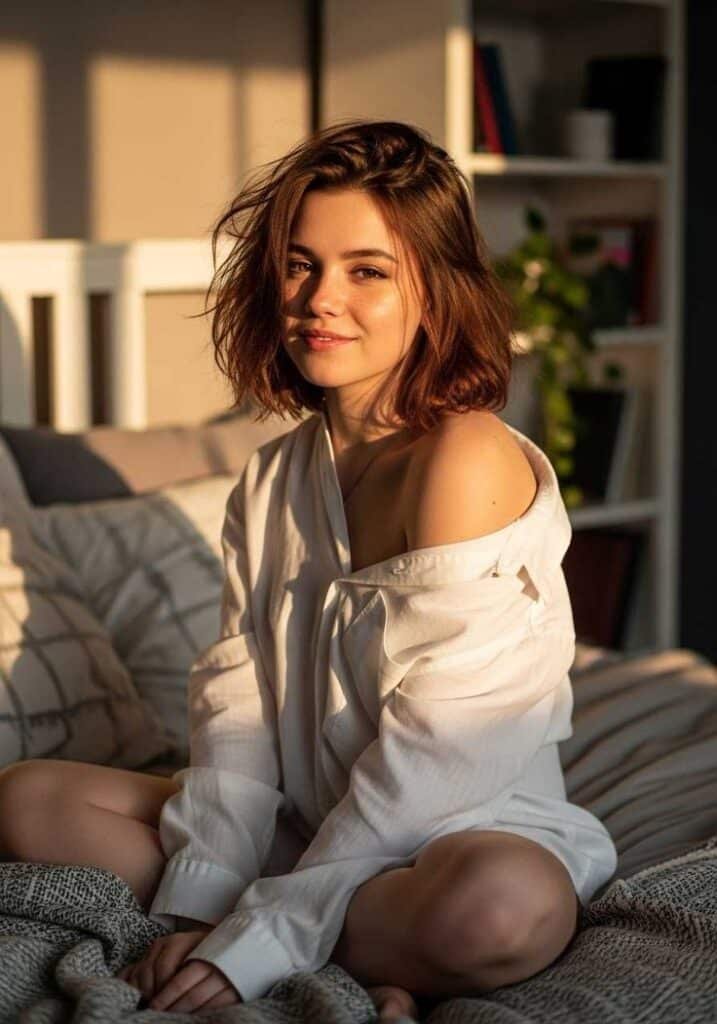
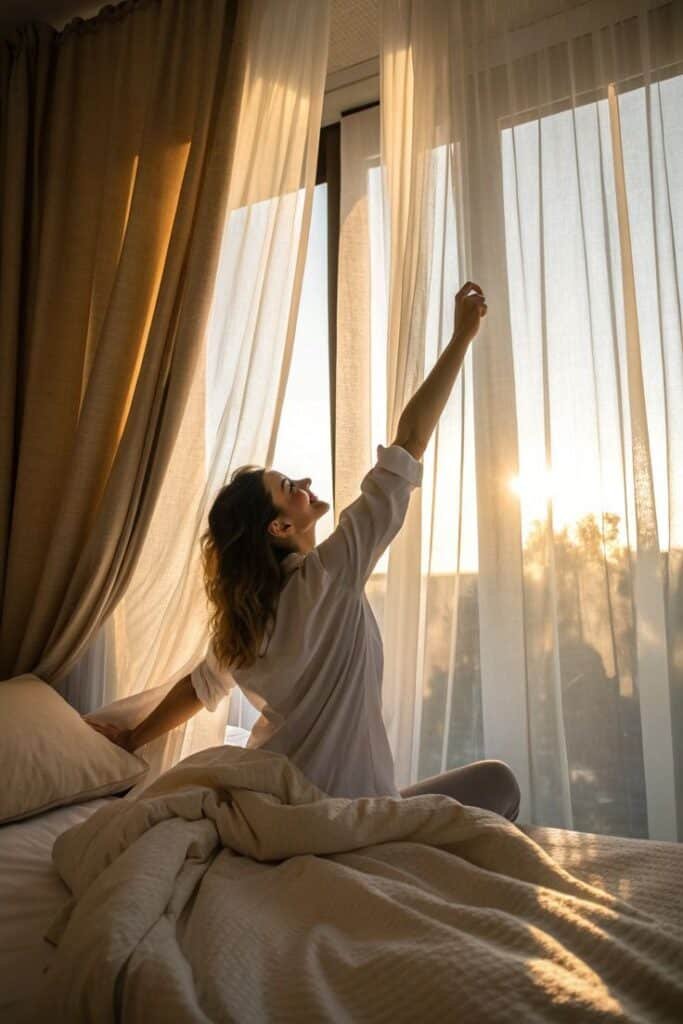
Your photography portfolio should showcase a consistent visual style that ties all images together. Edit photos from the same session using identical or similar settings to maintain continuity. Apply the same preset as your starting point, then make minor adjustments for each photo’s unique lighting conditions.
Limit your color palette across your portfolio by sticking to similar tones and saturation levels. If you prefer bright and airy photos, keep all images light and vibrant rather than mixing in dark, moody shots.
Review your portfolio regularly to identify inconsistencies in editing style. Delete or re-edit photos that don’t match your established aesthetic. Your portfolio strengthens when viewers can immediately recognize your work through consistent editing techniques and color choices.
The key factors include combining natural light with intentional styling and thoughtful composition to produce images that feel authentic and visually cohesive.
Utilize natural light from windows by positioning your subject near them, and take advantage of golden hour or overcast days for soft, warm lighting, or use artificial lighting with adjustable brightness and color temperature for consistency.
Effective techniques include using the rule of thirds, embracing negative space, incorporating leading lines, and controlling depth of field to focus on details and create visual interest.
Post-processing with apps like Adobe Lightroom or VSCO allows you to enhance mood, correct colors, apply presets for a cohesive style, and adjust contrast and exposure to maintain visual harmony across your collection.
Use a 50mm prime lens or wide-angle lens, set your ISO between 400-800, opt for aperture priority mode with f/1.8-f/4 for soft backgrounds, and use a shutter speed of 1/125 or faster; adjust settings based on your indoor lighting conditions.