
How to Care for Curly Hair at Home: Simple Daily Routines That Work
Facebook Twitter Pinterest Curly hair has a reputation for being difficult to manage, but caring for it at home doesn’t have to be…


Winter weather strips away your skin’s natural moisture barrier, leaving it dry, irritated, and vulnerable to damage. Cold air outside and heated indoor environments create the perfect storm for dehydration, flakiness, and increased sensitivity. Adjusting your skincare routine during winter months is essential to maintain healthy, comfortable skin by focusing on enhanced hydration, gentle protection, and barrier repair.
Your summer skincare habits won’t cut it when temperatures drop. The combination of harsh wind, low humidity, and indoor heating systems can worsen existing skin conditions like eczema and rosacea while creating new problems for even the most resilient complexions. Understanding how to adapt your routine makes the difference between struggling through the season and maintaining your skin’s natural glow.
This guide walks you through the specific changes your skin needs during winter. You’ll learn which products to swap, which habits to adjust, and how to protect vulnerable areas that take the biggest hit from cold weather.

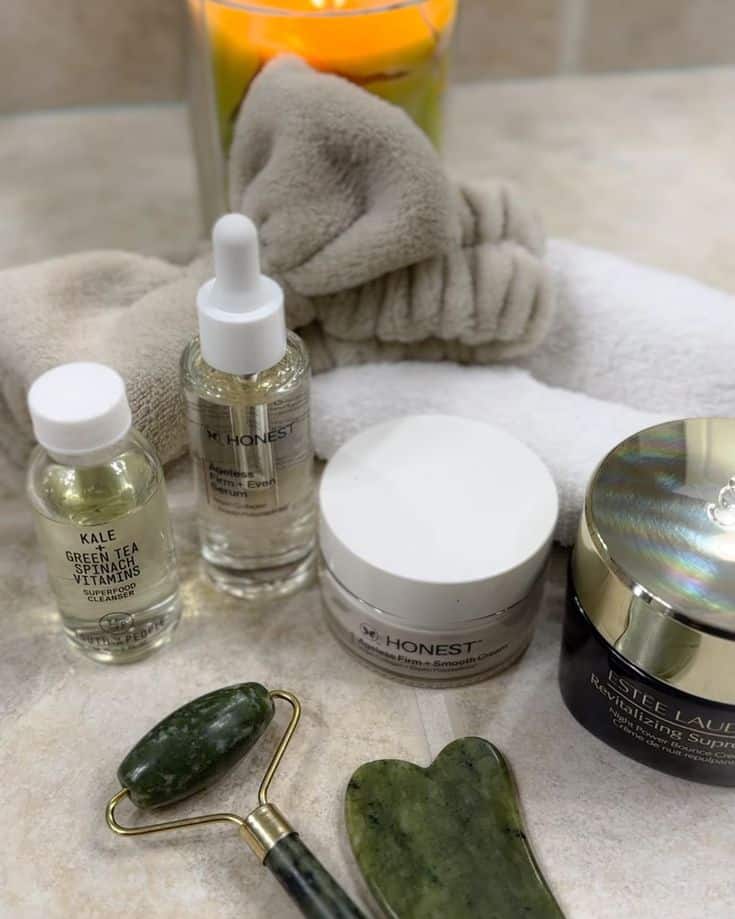
Winter weather creates distinct challenges for your skin that require adjustments to your regular care routine. Cold air, low humidity, and indoor heating combine to compromise your skin’s natural protective functions, leading to increased moisture loss and sensitivity.
Cold temperatures cause blood vessels in your skin to constrict, reducing blood flow and limiting the delivery of oxygen and nutrients to skin cells. This process diminishes your skin’s natural glow and can make it appear dull or ashy.
Winter air holds significantly less moisture than warmer air. When humidity drops below 60%, the air actively pulls moisture from your skin, creating an imbalance that your skin struggles to correct on its own.
Indoor heating systems further compound the problem by stripping additional moisture from the environment. The combination of cold outdoor air and heated indoor spaces creates a cycle of dehydration that your skin experiences repeatedly throughout the day.
Winter dryness manifests in several distinct ways. Your skin may feel tight, rough, or itchy, with visible flaking or scaling on the surface. Fine lines and wrinkles often become more pronounced when skin lacks adequate hydration.
Conditions like eczema, rosacea, and contact dermatitis frequently worsen during winter months. The compromised skin barrier makes these conditions more reactive and difficult to manage without targeted intervention.
Chapped lips, cracked hands, and red, irritated patches on the face are hallmark signs of winter skin stress. Your body’s natural oil production also decreases in cold weather, leaving skin without sufficient natural protection.


Your skin barrier consists of cells held together by lipids that form a protective shield against environmental damage. When functioning properly, this barrier retains moisture and blocks harmful substances from penetrating deeper skin layers.
Transepidermal water loss (TEWL) refers to the amount of water that evaporates through your skin into the environment. Winter conditions dramatically increase TEWL rates, sometimes doubling or tripling normal moisture loss.
When the skin barrier becomes damaged, TEWL accelerates even further. Your skin cannot retain the water it needs, creating a cycle where dryness leads to more barrier damage, which causes additional water loss. Protecting and repairing this barrier becomes essential for maintaining healthy winter skin.

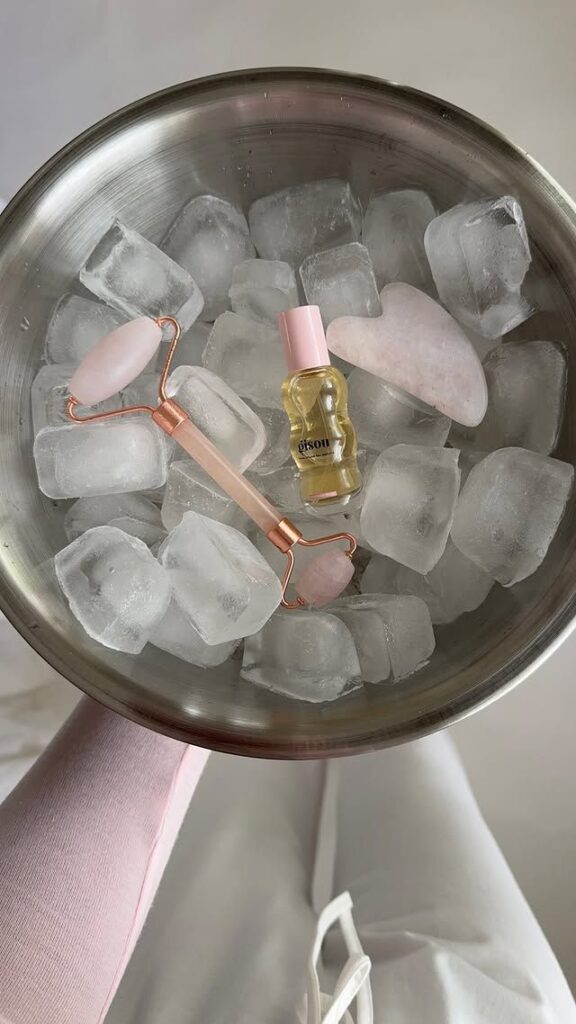
Winter demands specific adjustments to your skincare approach, focusing on gentle cleansing methods, layering hydrating products, and sealing in moisture with protective formulations. These three core steps work together to combat dryness and maintain your skin’s natural barrier.
Your cleanser sets the foundation for your entire routine. Switch to a hydrating face wash or non-stripping cleanser that removes impurities without depleting your skin’s natural oils.
Look for formulas containing glycerin or hyaluronic acid, which attract water to your skin while cleansing. These ingredients help restore moisture rather than stripping it away. A hydrating cleanser should leave your skin feeling soft, not tight or squeaky clean.
Cream-based or milk cleansers work particularly well during winter months. They contain emollients that protect your skin barrier while removing dirt and makeup. Avoid foaming cleansers with harsh sulfates, as these can worsen dryness and irritation.
After cleansing, apply a hydrating serum or hydrating essence to deliver concentrated moisture deep into your skin. These lightweight products penetrate more effectively than moisturizers alone.
Hyaluronic acid serums can hold up to 1,000 times their weight in water, making them essential for winter hydration. Apply them to damp skin to maximize moisture absorption. Panthenol (vitamin B5) is another effective ingredient that soothes and hydrates while supporting barrier repair.
Layer multiple serums if needed. Start with the thinnest consistency and work toward thicker formulas. This approach allows each product to absorb properly and deliver maximum benefits to your skin.
Your moisturiser creates a protective seal that locks in all previous layers. Choose a rich moisturizer with ceramides, which restore your skin’s natural barrier and prevent water loss.
Barrier repair ingredients like squalane and shea butter strengthen your skin’s defenses against cold, dry air. These emollients provide deep hydration while creating a smooth, supple texture. For extremely dry skin, consider occlusive moisturizers containing petrolatum, which forms a protective layer that prevents moisture evaporation.
Apply your moisturizer immediately after serums while your skin is still slightly damp. This technique helps trap hydration and enhances absorption. Don’t forget areas prone to dryness like your neck and décolletage.
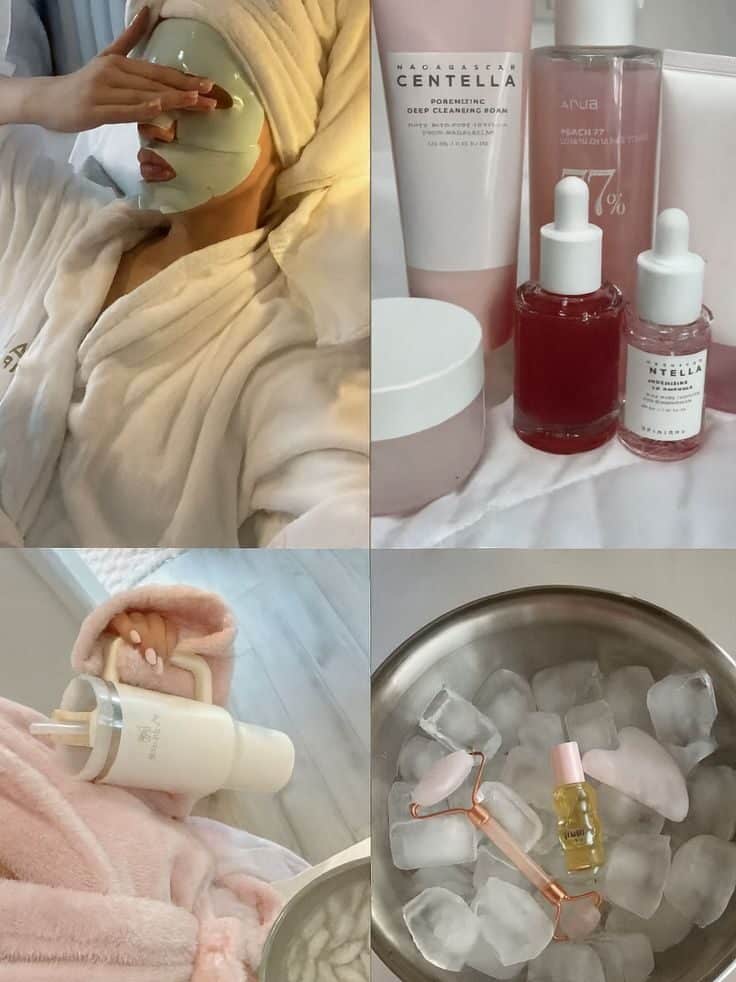
Winter demands a more thoughtful approach to removing dead skin cells and seeking professional treatments. Your skin’s protective barrier becomes more fragile in cold weather, making gentle methods essential for maintaining healthy skin without causing irritation.
Physical scrubs with rough particles can damage your winter-weakened skin barrier. Instead, opt for chemical exfoliants that work more gently on the surface.
Lactic acid is your best friend during cold months. This mild exfoliant hydrates while it removes dead cells, making it ideal for dry, sensitive winter skin. Start with concentrations of 5-8% to test your tolerance.
Glycolic acid works well if your skin isn’t extremely sensitive. Use lower concentrations (around 8-10%) less frequently than you would in summer—perhaps once or twice weekly instead of daily. Watch for signs of irritation like redness or stinging.
Apply gentle exfoliants at night and always follow with a rich moisturizer. Skip exfoliation on days when your skin feels tight or looks flaky, as this indicates your barrier needs repair rather than more exfoliation.
Professional treatments require extra caution during winter months. Your skin needs more recovery time when temperatures drop and humidity is low.
Chemical peels should be lighter in winter. Ask your dermatologist for superficial peels rather than medium-depth options. Space treatments further apart—every 6-8 weeks instead of monthly.
Microneedling can still benefit winter skin but requires diligent aftercare. Your healing skin needs extra protection from cold winds and indoor heating. Schedule sessions when you can stay indoors for 48 hours post-treatment.
Laser resurfacing is best avoided during peak winter unless absolutely necessary. If you proceed, choose non-ablative options that don’t remove skin layers. Ablative procedures leave your skin too vulnerable to harsh winter conditions and slow healing.
Always increase your moisturizer use for at least two weeks after any professional treatment.

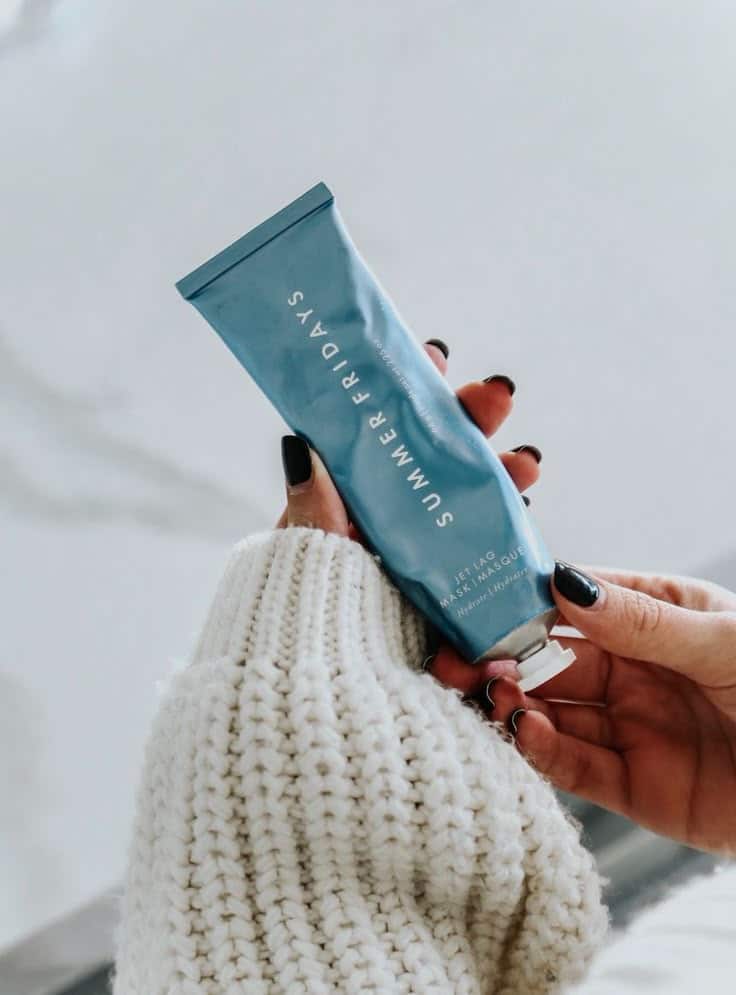
UV rays remain active throughout winter and can damage your skin even on cloudy days, especially when reflected off snow. Protecting your skin with daily sunscreen and choosing the right formulas prevents both immediate irritation and long-term damage during the cold season.
You might think sunscreen is only necessary during summer, but UV exposure continues throughout winter months. Snow can reflect up to 80% of UV rays, essentially giving you a double dose of sun exposure when you’re outside.
Your skin is more vulnerable in winter because cold air and indoor heating strip away natural protective oils. UV rays combined with dry skin increase your risk of irritation, redness, and premature aging. Cloud cover doesn’t protect you either—up to 80% of UV rays penetrate clouds.
Winter sun sits at a lower angle, but UVA rays remain constant year-round. These rays penetrate deeper into your skin and contribute to wrinkles and dark spots. Consistent daily protection maintains your skin’s health regardless of the season.
Choose a broad-spectrum sunscreen with SPF 30 or higher for adequate winter protection. Broad-spectrum formulas shield against both UVA and UVB rays, which is essential for comprehensive skin defense.
Look for hydrating SPF products that combine sun protection with moisturizing ingredients like hyaluronic acid, ceramides, or glycerin. These formulas address winter dryness while protecting against UV damage. Mineral sunscreens containing zinc oxide or titanium dioxide work well for sensitive skin that’s already irritated by cold weather.
EltaMD UV Clear is a popular dermatologist-recommended option that combines broad-spectrum protection with skin-calming niacin amide. For oily or acne-prone skin in winter, lightweight gel formulas prevent clogged pores while maintaining protection. Apply sunscreen as the final step of your morning routine, even when staying indoors near windows.

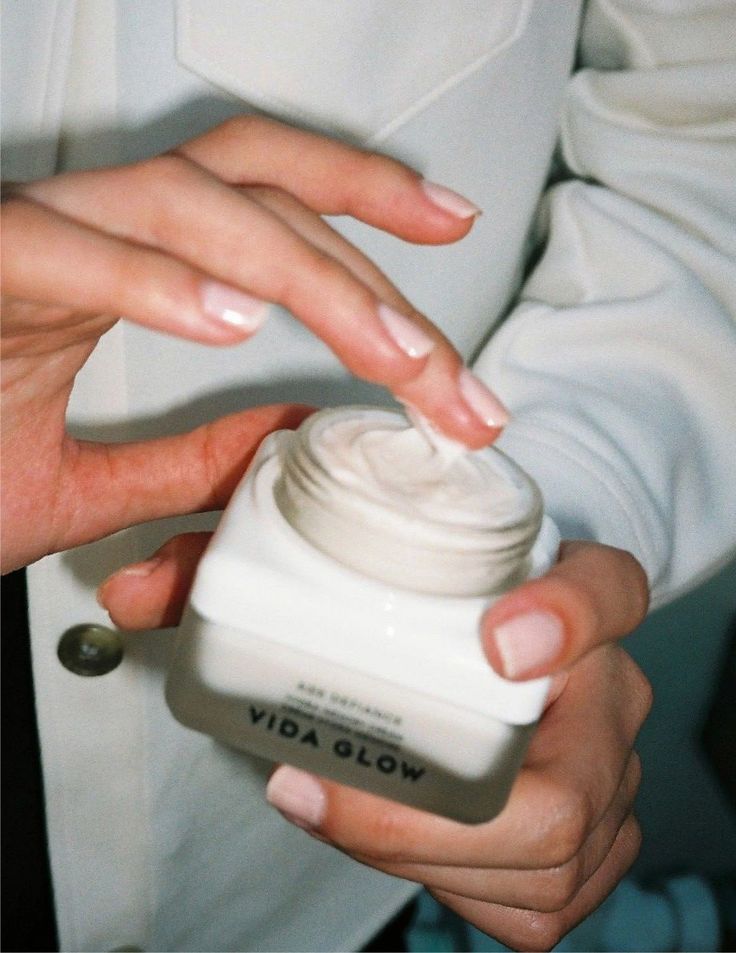
Winter demands extra attention for dry and sensitive skin types, which require strategic product layering with barrier-supporting ingredients and lifestyle adjustments to prevent irritation and flare-ups.
Your dry or sensitive skin needs a carefully structured routine that builds hydration without overwhelming your compromised barrier. Start with humectants like hyaluronic acid or glycerin, which draw moisture into your skin. Follow with targeted treatments containing niacinamide (which reduces redness and strengthens your barrier) or azelaic acid (for gentle inflammation control).
Peptides deserve a spot in your routine because they support collagen production while being non-irritating. Layer an antioxidant serum with vitamin E or vitamin C in the morning, but choose stable, gentle formulations designed for sensitive skin. Avoid high concentrations of vitamin C if you experience stinging.
Seal everything with a rich moisturizer containing ceramides and squalane. For extreme dryness, add aloe vera-based products to soothe inflammation between layers.
Layering Order:
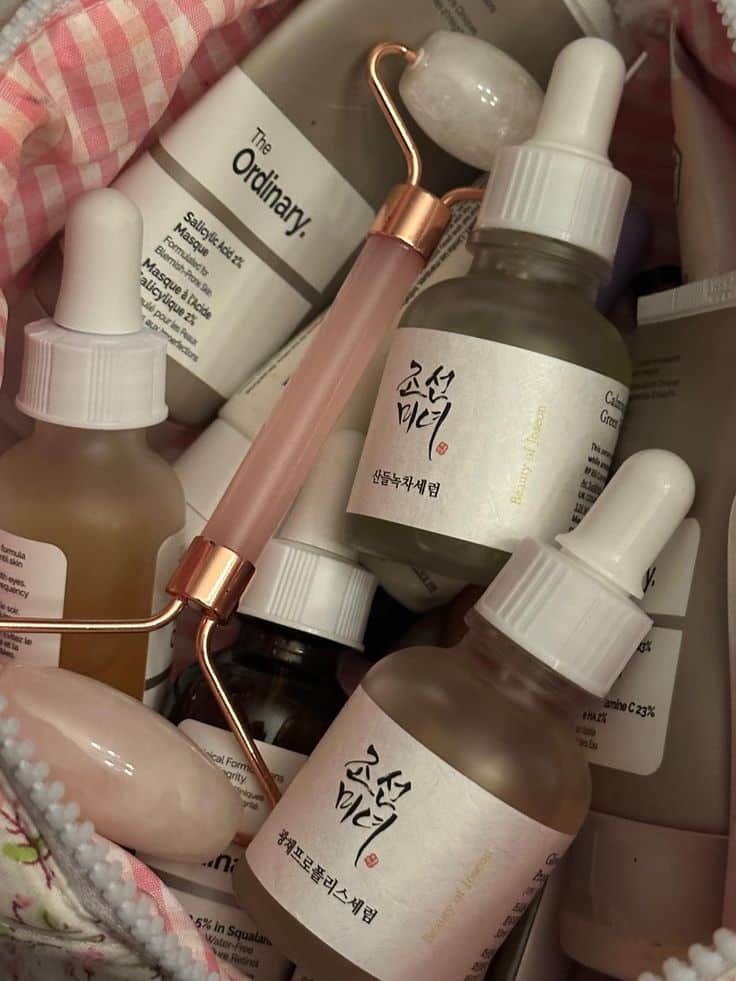
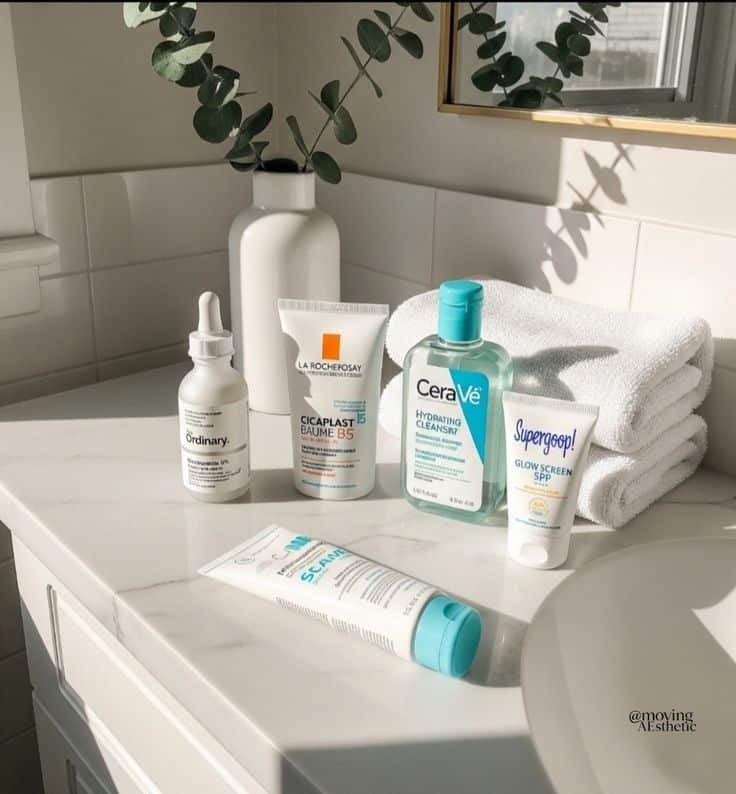
Your environment plays a major role in skin sensitivity during winter months. Run a humidifier in your bedroom to maintain 40-50% humidity, which prevents transepidermal water loss while you sleep.
Lower your shower temperature and limit bathing to 5-10 minutes. Hot water strips protective oils from your skin, worsening dryness and triggering sensitivity. Pat skin partially dry and apply moisturizer while still damp.
Avoid harsh fabrics like wool directly against your face and neck. Switch to silk or cotton pillowcases to reduce friction-related irritation. Protect exposed skin with scarves in cold wind, which can trigger rosacea and contact dermatitis flare-ups.
Watch your diet by increasing omega-3 fatty acids from fish or supplements, which support your skin’s lipid barrier from within.
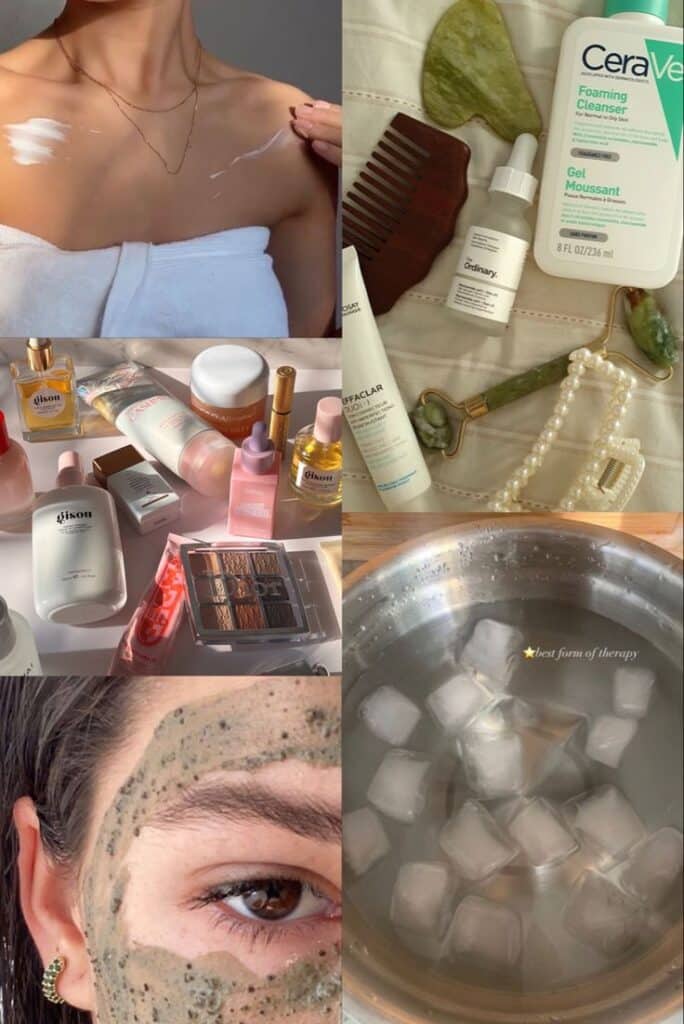

Lips, hands, and the eye area lose moisture faster than other parts of your body during winter. These areas need specialized care with targeted products that create protective barriers and deliver deep hydration.
Your lips lack oil glands, making them especially prone to dryness and cracking in cold weather. Apply a thick lip balm with ingredients like shea butter, beeswax, or petroleum jelly throughout the day to lock in moisture. Look for formulas containing SPF since sun reflects off snow and can damage your lips even in winter.
Reapply lip balm after eating or drinking. Avoid licking your lips, as saliva evaporates quickly and worsens dryness. If your lips are already chapped, use a gentle exfoliating lip scrub once weekly to remove dead skin before applying your moisturizing balm.
For overnight repair, coat your lips with a heavy layer of your most occlusive lip product before bed. This intensive treatment helps prevent chapping and repairs existing damage while you sleep.
Your hands face constant exposure to cold air, wind, and frequent washing that strips away natural oils. Keep a rich hand cream at every sink and apply it immediately after washing while your skin is still slightly damp. Choose formulas with ceramides, glycerin, or hyaluronic acid that attract and retain water.
Wear gloves outdoors to shield your hands from harsh elements. Consider sleeping with cotton gloves over a thick layer of hand cream for intensive overnight treatment. If your hands develop cracks or extreme dryness, switch to ointment-based products that provide stronger barrier protection than standard lotions.
The skin around your eyes is thinner than the rest of your face and shows dehydration quickly through fine lines and flakiness. Pat on a hydrating eye cream morning and night using your ring finger to apply gentle pressure. Formulas with peptides, hyaluronic acid, or caffeine help reduce puffiness while maintaining moisture.
Use a hydrating mask once or twice weekly to give your entire face an intensive moisture boost. Sheet masks or cream-based sleeping masks work while you rest, allowing active ingredients to penetrate deeply. Apply these after your regular nighttime routine but before any occlusive products.
Winter weather creates unique challenges for the skin, including cold temperatures, low humidity, and indoor heating, which together deplete natural moisture and weaken the skin’s protective barrier, necessitating a specialized routine focused on hydration, gentle protection, and barrier repair.
Common winter skin problems include dryness, flakiness, redness, and worsening of conditions like eczema and rosacea. These can be addressed by using hydrating products, gentle cleansing, protecting vulnerable areas, and avoiding irritants.
Switch to gentle, hydrating cleansers, layer hydrating serums, and use richer moisturizers with barrier-restoring ingredients like ceramides and squalane. Protect your skin with daily SPF, and avoid hot water and harsh ingredients.
Cold outdoor air constricts blood vessels reducing oxygen and nutrient flow, leading to dullness, while low humidity and indoor heating strip moisture from the skin, causing dehydration, dryness, and increased sensitivity.
UV rays reflect off snow and remain active year-round, damaging skin even on cloudy days. Use a broad-spectrum SPF 30 or higher with hydrating ingredients or mineral filters like zinc oxide or titanium dioxide for optimal winter protection.