Crush Your First Interview! Essential Job Interview Tips for Graduates
Facebook Twitter Pinterest Alright, you’ve officially tossed that graduation cap, celebrated with your crew, and now a brand-new adventure…


Ever feel like you’re constantly juggling textbooks, lectures, assignments, and a semblance of a social life, only to drop a ball or two (or three) every other week? You’re not alone. The student grind is real, and the demands on your time can feel relentless. But what if there was a way to not just keep up, but to actually get ahead, reduce stress, and even find more time for the things you love? That’s where the magic of time management hacks for students comes in. This isn’t about becoming a robot or sacrificing all your fun; it’s about studying smarter, not harder, and taking control of your academic journey.
Many students mistakenly believe that more hours spent studying automatically equals better grades. Often, it’s the quality and efficiency of that study time that truly makes a difference. Think about it: a focused, well-planned hour can be more productive than three hours spent procrastinating, multitasking poorly, or feeling overwhelmed. This article is your comprehensive guide to transforming how you approach your studies, offering practical, actionable strategies that you can start implementing today. Get ready to unlock your full potential and navigate student life with confidence and calm.

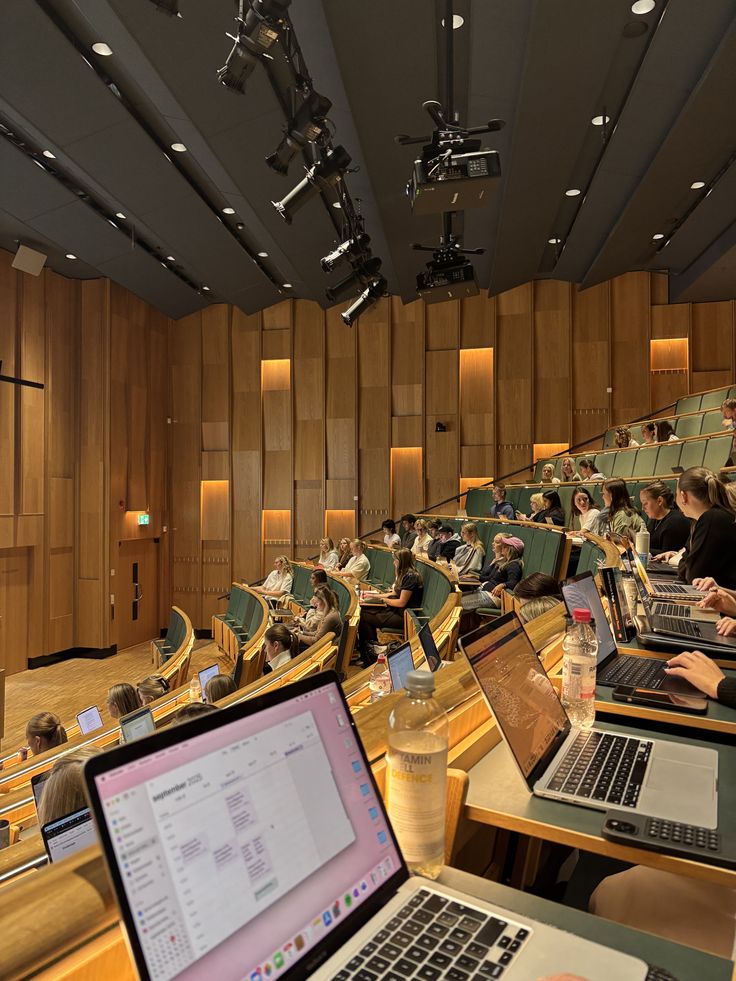
Before you can build a more efficient system, you need to understand the one you currently have. This means taking an honest look at where your time actually goes. It might feel a bit like detective work, but uncovering your daily habits is the first crucial step towards making meaningful changes.
Imagine you’re auditing a company’s finances; you track every dollar in and every dollar out. A time audit works similarly. For a few days, or even a full week, meticulously record how you spend your time. This means noting down everything:
You can use a simple notebook, a spreadsheet, or a time-tracking app. The key is honesty. Don’t judge yourself during this phase; just observe. You might be surprised by what you discover. Many students find that small pockets of time they thought were productive are actually quite fragmented, or that leisure activities consume far more time than they realized. This audit provides a baseline, a clear picture of your current reality.
Once you have your time audit data, it’s time to analyze it. Look for patterns.
These “time wasters” aren’t necessarily bad things; some leisure is vital. The goal isn’t to eliminate all non-study activities, but to identify where your time might be leaking unintentionally or disproportionately. For instance, if you find yourself spending hours scrolling through Instagram or watching YouTube videos when you should be studying, that’s a prime target for adjustment. Understanding these leaks is empowering, as it shows you exactly where to focus your efforts for maximum impact.

Once you know where your time goes, the next step is to intentionally decide where it should go. This is where planning comes into play. Planning isn’t about rigid control; it’s about creating a roadmap that guides you towards your academic goals while still leaving room for life.
Think of your master schedule as the grand blueprint for your semester or academic year. This is where you map out all your known commitments:
A well-structured schedule helps you visualize your entire workload and ensures that no important task slips through the cracks. It reduces decision fatigue because you’ve already decided what you’re doing and when. For tips on setting up an efficient study and work process, you might find inspiration at How to Have a Beautiful Study and Work Process.
Daily to-do lists are your tactical guide. They translate your weekly plan into concrete actions for each day. But don’t just dump everything onto a list. Make them effective:
Not all tasks are created equal. Some are urgent, some are important, and some are neither. Learning to differentiate is key.
This classic technique categorizes tasks into four quadrants:
Assign a letter to each item on your to-do list:

Planning is great, but how you use your study time matters just as much. These techniques help you get the most out of every minute you dedicate to your academics.
This is a game-changer for many students. It involves focused work sprints followed by short breaks.
The Pomodoro Technique combats procrastination by breaking down daunting tasks into manageable chunks. It also trains your brain to focus for short bursts, improving concentration and preventing burnout. The regular breaks help maintain energy and prevent mental fatigue.
Forget passive re-reading. These methods force your brain to retrieve information, strengthening memory pathways.
Multitasking is often a myth; what we really do is “task switching,” which is inefficient. Instead, group similar tasks together and do them all at once.

In today’s hyper-connected world, distractions are everywhere. Learning to minimize them is perhaps one of the most powerful time management hacks you can master.
Your phone and computer, while essential study tools, are also massive sources of distraction.
Your physical space has a huge impact on your ability to focus.
Resist the urge to juggle multiple things at once. When you try to write an essay while simultaneously checking emails and watching a YouTube video, you’re not doing any of them well. Focus on one task at a time, complete it, and then move to the next. This drastically improves the quality of your work and reduces the time it takes to complete tasks overall.


While technology can be a distraction, it can also be a powerful ally in your time management efforts. The trick is to use it strategically.
Move beyond paper if it suits you. Digital tools offer flexibility, portability, and reminders.
As mentioned, these are crucial for digital self-control. Many popular browsers also have extensions that allow you to block specific sites during certain hours or for set durations. Find one that works for your operating system and stick with it. Some even gamify the process, like Forest, where you grow a virtual tree for staying focused.
Efficient note-taking saves time in the long run by making your study materials organized and searchable.


You are not a machine. Burnout is a real threat, especially for students pushing themselves too hard. Effective time management isn’t just about maximizing productivity; it’s also about building in time for rest, recovery, and well-being. This ultimately makes your study time more effective.
Don’t wait until you’re exhausted to take a break. Schedule them! Whether it’s the 5-minute Pomodoro breaks or longer breaks between study blocks, step away from your work. Use this time to:
Sleep is non-negotiable for cognitive function, memory consolidation, and overall mood.
Your brain needs fuel and movement to perform its best.
Student life can be incredibly stressful. Incorporating mindfulness practices can help you stay grounded and manage anxiety.

Procrastination is the archnemesis of good time management. It’s not about being lazy; it’s often about feeling overwhelmed, fearing failure, or lacking motivation. But there are tangible strategies to beat it.
A massive essay or a daunting project can feel paralyzing. The trick is to break it down into the smallest possible, actionable steps.
If a task takes less than two minutes to complete, do it immediately. Don’t put it off. This simple rule prevents small tasks from piling up and becoming overwhelming. Examples:
Positive reinforcement works wonders. Plan small rewards for completing tasks or reaching milestones.
The key is that the reward should be something you genuinely look forward to and that doesn’t derail your productivity (i.e., don’t reward a half-finished assignment with an all-night gaming session!).


No time management system is perfect from day one, and life rarely goes exactly according to plan. The best time managers aren’t those who stick rigidly to a schedule, but those who can adapt and adjust.
Your schedule isn’t a dictator; it’s a guide. Regularly (weekly or even daily) review how things went.
Use this feedback to refine your plan. If something isn’t working, change it. Don’t be afraid to experiment with different scheduling methods, study techniques, or even different times of day for certain tasks. Maybe you’re a morning person for complex tasks and an evening person for lighter review. Learn what works for you.
You will have days when you procrastinate, when you miss a deadline, or when your carefully crafted schedule goes completely off the rails. It happens to everyone. The difference is how you react.
View time management as a skill that you continually develop, rather than a fixed trait you either have or don’t. Every attempt, every adjustment, every strategy you try is an opportunity to learn and improve. Be patient with yourself, celebrate small victories, and stay committed to the process.

Mastering time management as a student isn’t about finding a magic bullet; it’s about consistently applying a set of intentional strategies, understanding your own habits, and continuously adapting your approach. By understanding where your time goes, planning strategically, employing effective study techniques, minimizing distractions, leveraging technology wisely, prioritizing self-care, and actively combating procrastination, you’re not just organizing your schedule – you’re empowering yourself.
The benefits extend far beyond better grades. You’ll experience less stress, more free time, a greater sense of control, and a stronger foundation for future success. So, stop just wishing you had more time and start taking charge of the time you have. Pick one or two of these time management hacks for students today and start implementing them. Your academic success and overall well-being will thank you for it!
The first step is to understand your current time landscape by conducting an honest time audit, which involves tracking how you spend your time over a few days or a week.
Analyzing your time audit data helps you spot patterns such as activities that consume large chunks of time without contributing to your goals, frequent task transitions, or interruptions that reduce efficiency.
A recommended approach is to develop a master schedule that includes all academic commitments, deadlines, personal activities, and dedicated study blocks, and to review and adjust it regularly.
You can use techniques like the Eisenhower Matrix to categorize tasks by urgency and importance, or the ABCDE Method to assign priority levels, ensuring that critical tasks are completed first.
Techniques such as the Pomodoro Technique for focused work intervals, active recall combined with spaced repetition, and batching similar tasks are highly effective for enhancing study efficiency.