Alright, you’ve officially tossed that graduation cap, celebrated with your crew, and now a brand-new adventure awaits: the job hunt! It’s exciting, a little nerve-wracking, but totally doable. Landing that first gig often hinges on nailing the interview. For many graduates, this can feel like stepping into the unknown. How do you shine when you’re still building your professional experience? Don’t sweat it. This comprehensive guide is packed with essential job interview tips for graduates designed to help you crush your first interview and confidently step into your career. We’re talking about more than just showing up; we’re talking about mastering the art of presentation, preparation, and powerful communication.
The Foundation: Why Preparation is Your Superpower


Think of an interview as a performance. You wouldn’t hit the stage without rehearsing, right? Your interview is no different. The more you prepare, the more confident and articulate you’ll be, which directly translates into a fantastic impression. This isn’t about memorizing scripts, but internalizing key messages and understanding what the employer genuinely needs.
Know Your Audience: Research, Research, Research!
Before you even think about what you’ll wear, dive deep into the company. Seriously, this is non-negotiable.
- Company Culture: What’s their vibe? Are they laid-back, innovative, corporate, community-focused? Check their “About Us” page, social media, and recent news. Glassdoor and LinkedIn can offer insider perspectives. Knowing their culture helps you tailor your responses and gauge if it’s a good fit for you too.
- The Role Inside Out: Don’t just skim the job description. Dissect it. What are the key responsibilities? What skills are they prioritizing? Highlight these keywords and think about how your experiences, even if academic or voluntary, align with them.
- The Interviewer: If you know who will be interviewing you, look them up on LinkedIn. Understand their role, tenure, and any shared connections. This isn’t stalking; it’s smart networking and helps you anticipate their perspective. Maybe they also went to your university, or worked on a project similar to something you did!
Crafting Your Narrative: The STAR Method is Your Best Friend
You might feel light on “professional experience,” but you’re not light on experience. Every project, group assignment, part-time job, internship, or volunteer role has equipped you with valuable skills. The key is articulating them effectively. This is where the STAR method shines. It helps you structure your answers to behavioral questions (e.g., “Tell me about a time you faced a challenge…”) into a compelling story.
- S – Situation: Briefly describe the situation or task you faced.
- T – Task: Explain the goal you were working towards.
- A – Action: Detail the specific steps you took to address the situation or complete the task. Focus on “I” not “we.”
- R – Result: Describe the outcome of your actions. What did you achieve? What did you learn? Quantify results if possible (e.g., “reduced project time by 15%,” “increased engagement by X%”).
Practice using the STAR method for common questions like:
- “Tell me about a time you demonstrated leadership.”
- “Describe a difficult problem you solved.”
- “How do you handle conflict?”
- “Give an example of when you worked effectively in a team.”
This structured approach ensures your answers are clear, concise, and demonstrate your capabilities without rambling.
Anticipate and Practice: Mock Interviews are Game-Changers
The more you practice, the more natural your answers will become. It’s like learning a new language – repetition helps.
- Common Questions: Beyond behavioral questions, prepare for standard interview openers:
- “Tell me about yourself.” (This is your elevator pitch – keep it concise, relevant, and forward-looking.)
- “Why are you interested in this role/company?”
- “What are your strengths and weaknesses?” (For weaknesses, choose one you’re actively working on and explain your strategy.)
- “Where do you see yourself in five years?”
- “Do you have any questions for us?” (Always have questions ready!)
- Recording Yourself: Grab your phone and record yourself answering questions. It might feel awkward, but watching it back helps you spot nervous habits, assess your tone, and refine your delivery.
- Practice with a Friend: Ask a friend, family member, or career counselor to conduct a mock interview. Get honest feedback on your answers, body language, and overall presence.
Dressing for Success: Making a Strong Visual Statement


First impressions matter, and your attire plays a significant role. Even if the company culture is casual, for an interview, it’s always better to be slightly overdressed than underdressed.

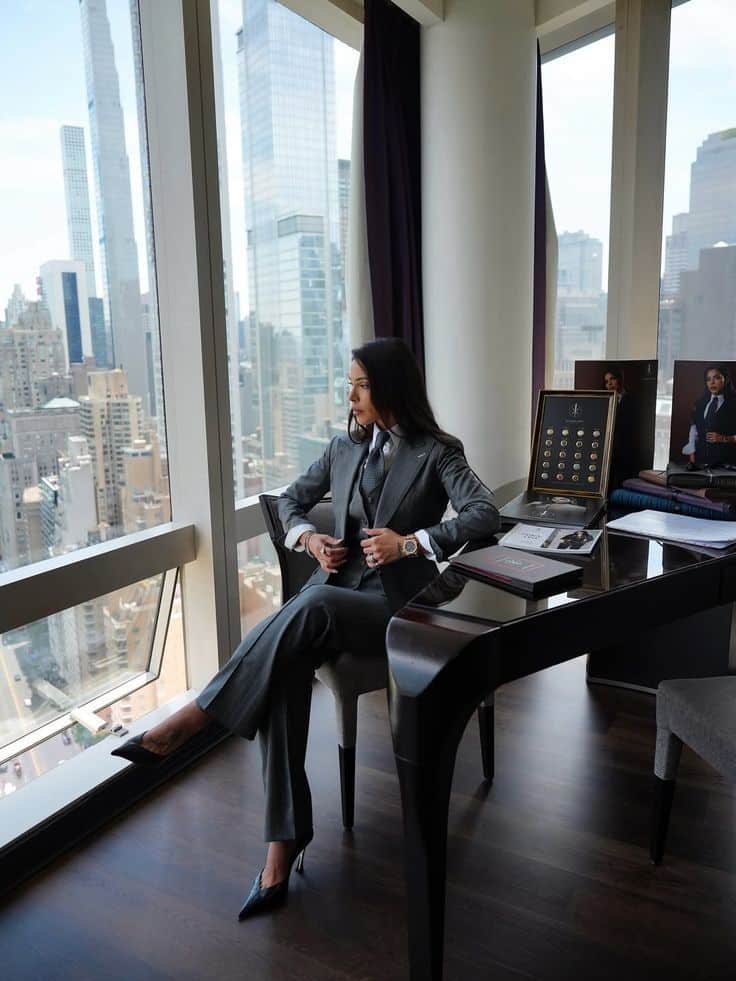
- Business Professional: For more corporate roles, think a well-fitted suit (skirt or trousers), a crisp shirt or blouse, and polished shoes.
- Business Casual: Many modern companies lean towards business casual. This could mean smart trousers or a skirt, a button-down shirt, a blouse, a blazer, and smart shoes. Avoid jeans, t-shirts, sneakers, or anything too revealing.
- Grooming: Pay attention to personal hygiene. Ensure your hair is tidy, nails are clean, and any makeup is subtle. Avoid strong perfumes or colognes.
- Comfort is Key: While you want to look sharp, ensure your outfit is comfortable enough that you won’t be fidgeting. You want to focus on the conversation, not an itchy collar.
The Day Before: Final Checks and Mental Prep


The final 24 hours are about logistics and getting into the right headspace.
Logistics: Leave Nothing to Chance
- Travel Plan: If it’s an in-person interview, plot your route, check for traffic, and plan to arrive 10-15 minutes early. Factor in parking or public transport delays.
- Virtual Setup: For online interviews, test your internet connection, webcam, and microphone. Choose a quiet, well-lit space with a clean, professional background. Inform housemates or family members to avoid interruptions. Charge your devices!
- Documents: Lay out anything you need: copies of your resume, a notepad, a pen, and a list of your pre-prepared questions.
- Outfit Ready: Have your interview outfit clean, ironed, and ready to go.
Mental Recharge: Prioritize Well-being
Anxiety can cloud your thinking. Take steps to ensure you’re calm and focused. Consider practices that help you maintain a healthy balance work rest relationships time for yourself in general.
- Relaxation: Do something you enjoy that helps you unwind – read a book, listen to music, go for a walk.
- Good Sleep: Aim for a full night’s sleep. Being well-rested makes a huge difference in your alertness and ability to think clearly.
- Positive Visualization: Spend a few minutes visualizing the interview going well. See yourself confidently answering questions and connecting with the interviewer.
During the Interview: Shine Bright
This is your moment! Every interaction is an opportunity to impress.
First Impressions: Non-Verbal Cues Speak Volumes
From the moment you arrive (or log on), you’re being assessed.
- Punctuality: Arrive early for in-person interviews; log in 5-10 minutes early for virtual ones.
- Greeting: Offer a firm handshake (if in-person and appropriate), make eye contact, and smile genuinely. Introduce yourself clearly.
- Body Language: Sit up straight, maintain good eye contact (look into the camera for virtual interviews), and avoid fidgeting. Nod occasionally to show you’re engaged. Don’t cross your arms; keep an open posture.
- Enthusiasm: Let your enthusiasm for the role and company show. Your energy is infectious.
Active Listening: Don’t Just Wait to Speak
It’s tempting to just think about your next answer, but truly listen to the questions.
- Clarify: If you’re unsure about a question, it’s perfectly fine to say, “Could you please rephrase that?” or “Just to confirm, you’re asking about X?” This shows you’re thoughtful and want to provide a relevant answer.
- Pause and Think: Don’t feel pressured to answer immediately. A short pause (a few seconds) to gather your thoughts shows composure and allows you to formulate a better response.
- Tailor Answers: Weave in details about the company or role you learned during your research. This demonstrates genuine interest.
Asking Insightful Questions: Your Turn to Interview Them
When asked, “Do you have any questions for us?”, your answer should never be “No.” This signals a lack of interest or preparation. This is your chance to assess if the role and company are a good fit for you.
- Prepared Questions: Have 3-5 thoughtful questions ready.
- “What does a typical day look like for someone in this role?”
- “How does the team collaborate, and what’s the team culture like?”
- “What are the biggest challenges someone in this position would face in the first 90 days?”
- “What opportunities are there for professional development and growth within the company?”
- “What do you enjoy most about working here?” (This can lead to some great insights).
- Listen to the Answers: Pay attention to their responses. Your questions should show genuine curiosity about the role, the team, and the company’s future.
Handling Tough Questions: Stay Calm and Strategic
Some questions are designed to test your resilience and problem-solving skills.

- “Tell me about a time you failed.” Focus on what you learned and how you applied that lesson, rather than dwelling on the failure itself. It shows growth.
- “Why should we hire you over other candidates?” This is your moment to connect your unique skills, enthusiasm, and potential directly to the company’s needs. Highlight your fresh perspective and eagerness to contribute.
- “What are your salary expectations?” If possible, defer by saying you’re flexible and want to learn more about the full compensation package. If pressed, provide a researched range for entry-level roles in your area and industry, stating your expectations are within that range.
Showcasing Enthusiasm and Confidence: Be Yourself (Your Best Self!)
- Be Authentic: While you’re putting your best foot forward, let your personality shine through. Employers hire people, not robots.
- Passion: Talk about what excites you about the industry, the company, and the specific work.
- Problem-Solver Mindset: Frame your responses to show you’re proactive and focused on solutions. Even as a graduate, you can bring a fresh perspective to existing challenges.
Post-Interview Etiquette: Don’t Disappear!


The interview isn’t truly over until you’ve sent your thank-you note and potentially followed up. This is a crucial step that many graduates overlook.
The Thank-You Note: Timely and Thoughtful
- Send Promptly: Aim to send a thank-you email within 24 hours of the interview.
- Personalize It: Don’t send a generic template. Reference specific points from your conversation, reiterate your interest, and briefly connect your skills to something discussed. This shows you were listening and value their time.
- Proofread: Double-check for any typos or grammatical errors.
- Example Structure:
- Greeting (Dear [Interviewer’s Name],)
- Thank them for their time and the opportunity.
- Mention something specific you discussed that resonated with you.
- Reiterate your enthusiasm for the role and why you’re a good fit.
- Briefly mention a key skill or experience relevant to the role.
- Closing (Sincerely, [Your Name])
Following Up (If Necessary)
If you haven’t heard back by the date they indicated (or within a week if no date was given), a polite follow-up email is appropriate. Keep it concise, professional, and reiterate your interest without being demanding.
Common Pitfalls and How to Avoid Them


Even with the best intentions, it’s easy to stumble. Being aware of common mistakes helps you steer clear.
- Lack of Specific Examples: Avoid vague statements. Instead of “I’m a good team player,” use the STAR method to say, “In my university project on [topic], I demonstrated teamwork by [action] leading to [result].”
- Negative Talk: Never speak poorly about past employers, professors, or experiences. It reflects negatively on you, not them.
- Not Asking Questions: As mentioned, this is a major red flag. It implies disinterest.
- Poor Eye Contact/Body Language: Fidgeting, slouching, or avoiding eye contact can make you seem nervous, disengaged, or even untrustworthy.
- Rambling: Practice keeping your answers concise and to the point. Respect the interviewer’s time.
- Forgetting to Connect Your Skills: Clearly articulate how your academic projects, internships, or volunteer work have equipped you with transferable skills directly applicable to the job. For example, managing a student event shows organizational skills and problem-solving, even if it’s not a “job.”
Leveraging Your Graduate Status: A Fresh Perspective
As a graduate, you might think your lack of experience is a disadvantage. Flip that script! It’s actually a unique advantage.
- Fresh Knowledge: You’ve just completed your studies, so your knowledge of current theories, technologies, and trends in your field is fresh and cutting-edge.
- Eagerness to Learn: Graduates are often highly motivated, eager to absorb new information, and keen to prove themselves. Emphasize your growth mindset.
- Adaptability: Having navigated diverse academic projects, group dynamics, and learning styles, you’re inherently adaptable – a highly valued trait in today’s dynamic workplaces.
- Digital Fluency: Many graduates are digital natives, comfortable with new software, social media, and online collaboration tools. Highlight this!
- Cost-Effectiveness: For some roles, hiring a graduate means a lower initial salary expectation compared to an experienced hire, offering a company a strong return on investment.
Think about how your experiences, like coordinating a student club or handling a complex academic project, demonstrate initiative. For instance, successfully managing the budget for a university event shows practical organizational skills, much like those you might use in managing a household budget or planning a budget travel made easy: 5 tips to explore more for less.
Navigating Different Interview Formats
Interviews aren’t one-size-fits-all. Being prepared for different formats can ease your nerves.
- In-Person Interviews: The classic. Focus on making a great personal connection, strong handshakes, eye contact, and professional demeanor. Be aware of your surroundings and arrive early.
- Virtual Interviews: These are increasingly common. As mentioned, test your tech, ensure a professional background, and maintain eye contact with the camera, not just the screen. Dress professionally from head to waist (at least!). Ensure good lighting and minimal distractions.
- Panel Interviews: You’ll be speaking to multiple interviewers at once. Make an effort to connect with each person. When answering a question, address the person who asked it, but also make eye contact with the others.
- Assessment Centers: More common for larger graduate schemes. These often involve group exercises, presentations, psychometric tests, and individual interviews. They assess a range of skills. If invited to one, research the types of activities involved and practice if possible. You might consider using personal growth trackers practices diaries to track your progress and insights.
- Phone Interviews: Often the first screening step. Ensure you’re in a quiet place with good reception. Stand up if it helps you project your voice better, and have your resume and notes handy. Remember, they can’t see your body language, so your tone of voice and articulation are even more critical.
Mindset Matters: Building Resilience and Staying Positive


The job search can be a rollercoaster. You’ll face rejections – everyone does. It’s how you handle them that truly defines your journey.
- Don’t Take It Personally: Rejection is rarely about you as a person. It could be budget cuts, an internal candidate, a slightly better fit, or a hundred other factors beyond your control.
- Learn from Feedback: If you get feedback, listen to it constructively. It’s a gift that helps you improve for the next opportunity.
- Maintain Momentum: Keep applying, keep networking, and keep refining your skills. Don’t let one “no” derail your entire search.
- Self-Care: The job hunt is a marathon, not a sprint. Prioritize your well-being. Make sure to implement some top 7 mindful living tips into your routine. Get enough sleep, eat well, exercise, and spend time with people who uplift you.
- Stay Positive: A positive attitude can make a huge difference, not just in your interviews but in your overall mental state during the job search.
Conclusion: Your Journey Starts Now


Landing your first job after graduation is a significant milestone, and your interview performance is a crucial gateway. It might feel overwhelming, but by breaking it down into manageable steps – thorough preparation, thoughtful presentation, confident communication, and smart follow-up – you can significantly boost your chances of success.
Remember, you bring a unique blend of fresh knowledge, enthusiasm, and a keen desire to learn and contribute. Don’t underestimate the power of your potential. Embrace the challenge, learn from every interaction, and always strive to present the best version of yourself. These job interview tips for graduates are your toolkit; now go out there and build your amazing career! Your future is waiting.
Why is preparation considered a crucial component of successful job interviews for graduates?
Preparation is essential because it boosts confidence, helps you articulate your strengths clearly, and enables you to tailor your responses to the company’s needs, thereby making a positive impression.
How can graduates effectively research a company before an interview?
Graduates should explore the company’s culture through its website, social media, and news articles, analyze the job role for key responsibilities, and look up interviewers on LinkedIn to understand their backgrounds, all to tailor their responses and demonstrate genuine interest.
What is the STAR method and why is it useful in interviews?
The STAR method structures answers around Situation, Task, Action, and Result, helping graduates clearly and concisely present their experiences and skills, especially during behavioral interview questions.
How important is body language during a job interview, and what are some best practices?
Body language is crucial as it conveys confidence and engagement; best practices include maintaining good posture, making eye contact, offering a firm handshake, and avoiding nervous gestures like fidgeting.
What should a graduate do after the interview to leave a positive impression?
Graduates should send a personalized thank-you email promptly, reiterating their interest and referencing specific discussion points, and follow up politely if they haven’t heard back within the expected timeframe.