
StructureSpy.com: Transforming the Future of Structural Engineering
Facebook Twitter Pinterest The world of architecture and engineering is advancing at lightning speed, with sustainable designs, smart…


Imagine stepping out into the bustling world, a vibrant tapestry of life unfolding before your eyes. Every corner, every face, every fleeting moment holds a story waiting to be told. This is the exhilarating realm of street photography, an art form that transcends mere picture-taking and dives deep into the heart of human experience. It’s about capturing the raw, unscripted drama of everyday life, transforming the ordinary into the extraordinary through your unique perspective. If you’ve ever felt the urge to freeze time, to distill the chaos and beauty of the streets into a single, powerful frame, then prepare to unleash your inner artist. This complete guide will walk you through the fascinating journey of street photography, equipping you with the knowledge, techniques, and inspiration to create truly captivating images.
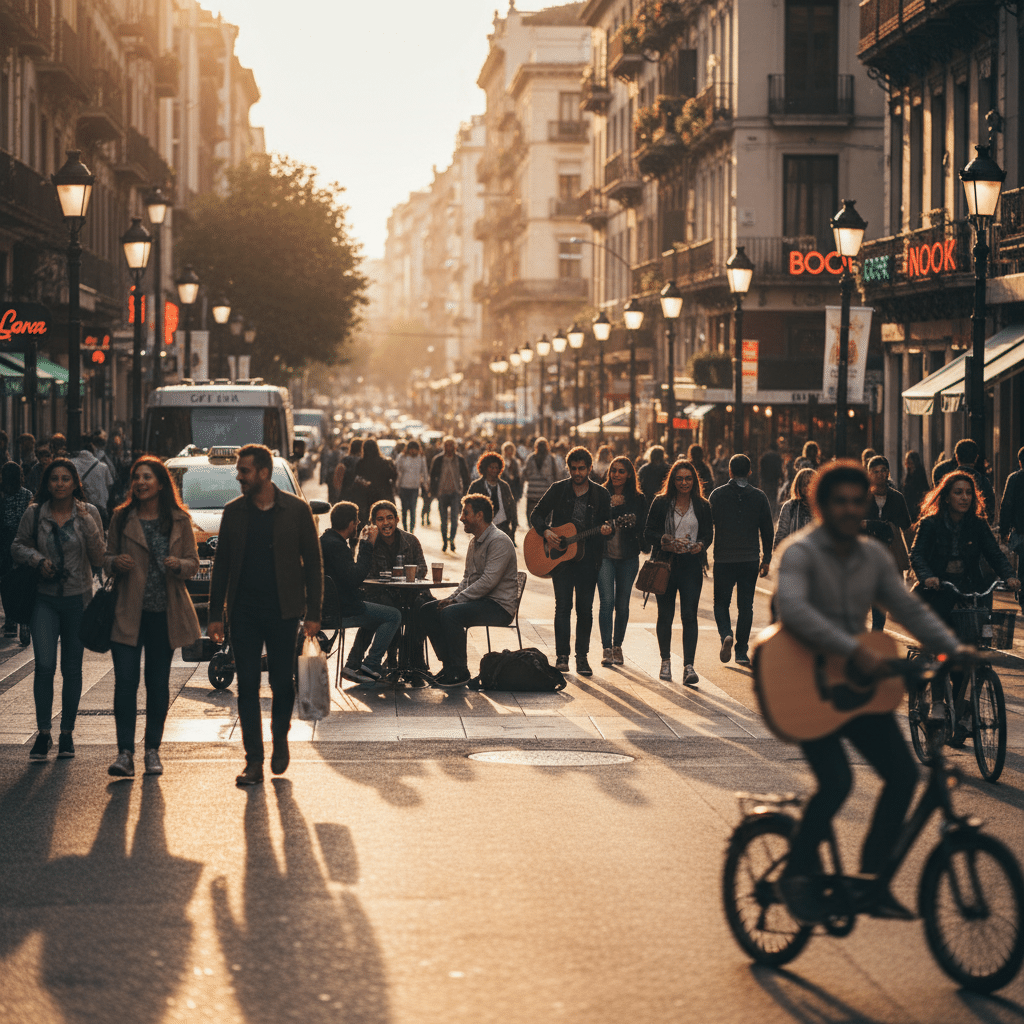
Street photography is often misunderstood, sometimes perceived as simply pointing a camera at strangers. In reality, it’s a sophisticated blend of observation, timing, anticipation, and empathy. It’s a dynamic interplay between the photographer and their environment, a silent dialogue with the world around them. Unlike posed portraits or landscape shots, street photography thrives on spontaneity. It’s about being present, alert, and ready to react to the unpredictable flow of life.
At its core, street photography is a form of visual storytelling. Each photograph is a snippet of a larger narrative, offering a glimpse into human nature, urban culture, or the subtle ironies of modern existence. It challenges you to find beauty in imperfection, meaning in the mundane, and connection in anonymity. This genre isn’t just a technical exercise; it’s a philosophical pursuit, pushing you to see the world with fresh eyes and interpret its complexities through your lens. It demands patience, resilience, and an insatiable curiosity about people and places. It’s a journey of self-discovery as much as it is a photographic endeavor, revealing how you perceive and interact with the human drama unfolding daily.
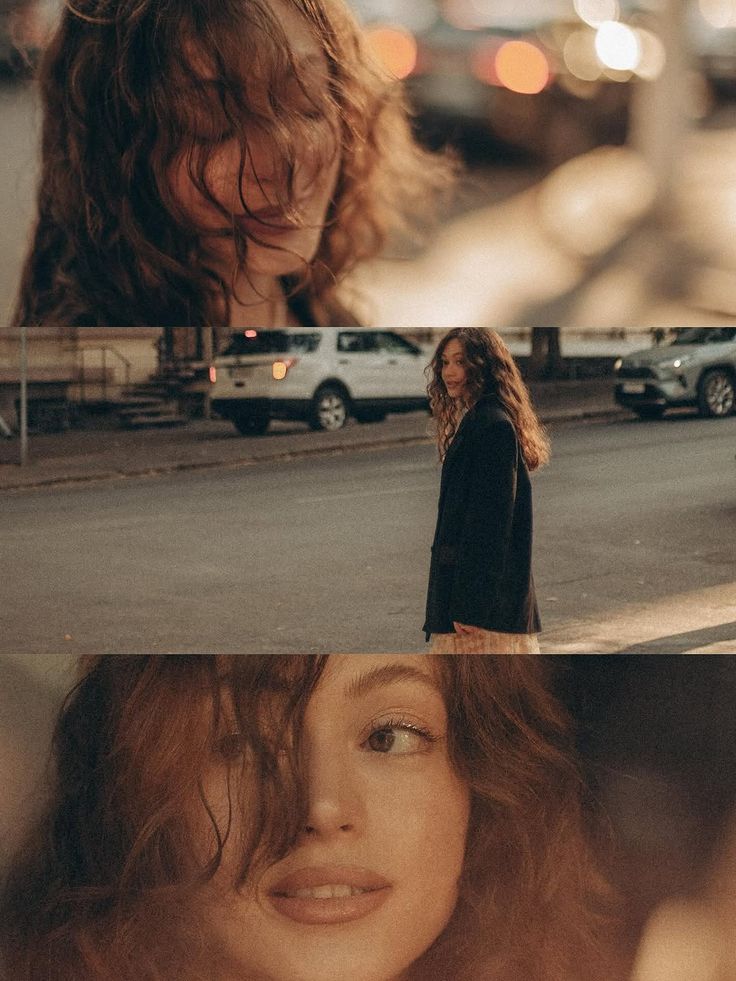
The hallmark of true street photography is its candid nature. These aren’t posed shots; they are genuine, unscripted moments frozen in time. The photographer acts as an invisible observer, capturing interactions, expressions, and gestures as they naturally occur. This authenticity is what gives street photographs their power and resonance. It allows viewers to feel like they are peeking into a secret, witnessing a slice of life untouched by performance.
Achieving this candidness requires a delicate touch. It means blending into the environment, moving quietly, and developing an almost第六 sense for when a moment is about to happen. It’s about respecting privacy while simultaneously seeking to document the human condition. The best street photographers are masters of observation, seeing patterns and narratives where others see only noise.
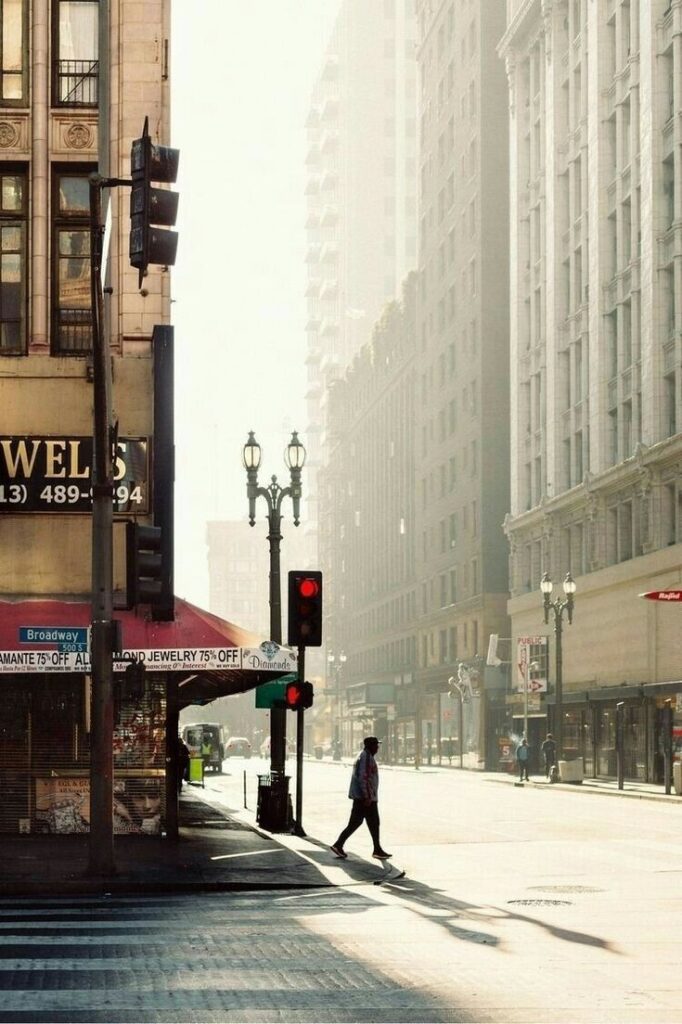
Think of the street as an expansive, ever-changing studio, brimming with an endless supply of subjects, backdrops, and lighting conditions. Every alleyway, market square, park bench, and coffee shop offers a unique stage for your photographic explorations. The urban environment provides fascinating juxtapositions – old and new, light and shadow, chaos and calm. The interplay of architecture, signage, reflections, and the movement of people creates a rich visual tapestry.
Embrace the unpredictability. A sudden downpour might create stunning reflections. A shaft of sunlight breaking through clouds can illuminate a scene dramatically. The magic of street photography lies in embracing these variables and using them to your creative advantage. It’s about finding harmony in dissonance and beauty in the everyday flow of life.
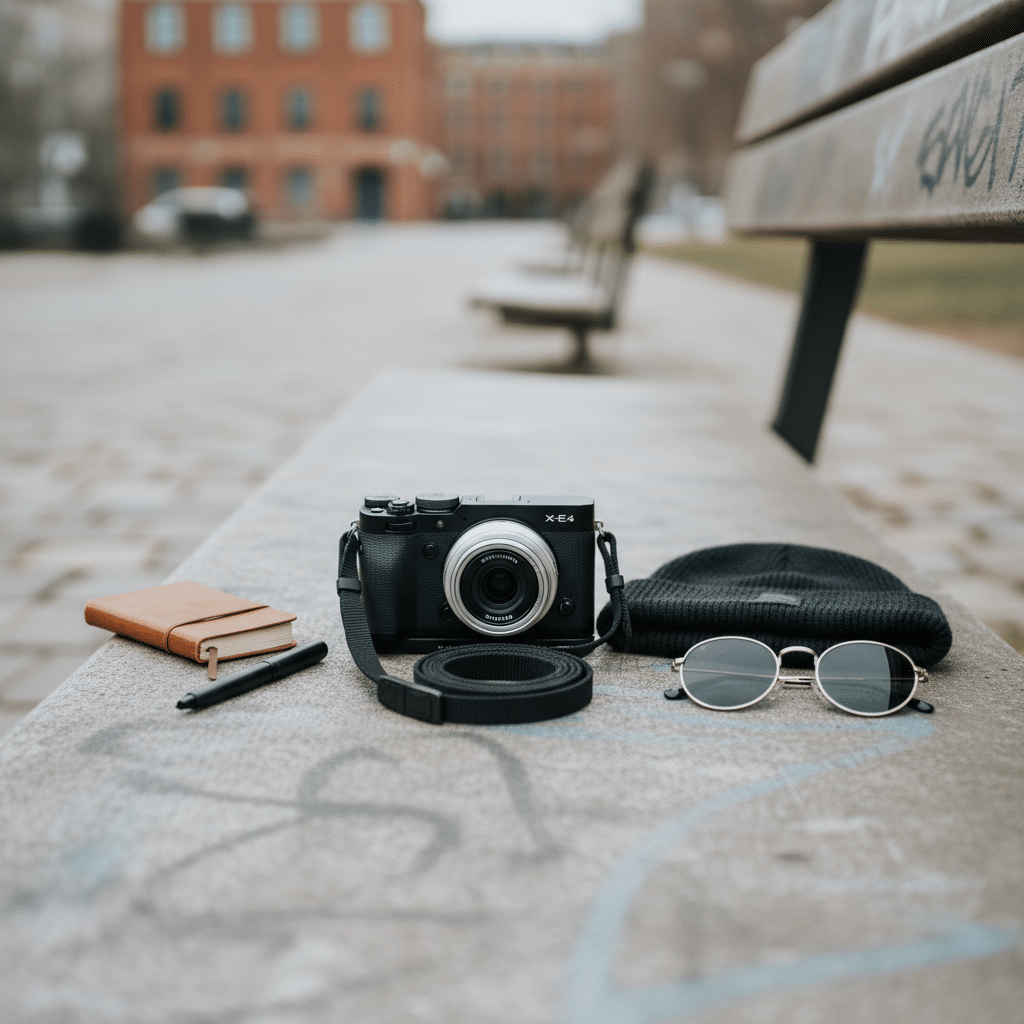
While it’s tempting to believe that the best photos come from the most expensive gear, street photography often champions minimalism. The goal is to be nimble, unobtrusive, and ready to shoot at a moment’s notice. A heavy, bulky setup can draw unwanted attention and hinder your ability to blend in.
Many street photographers favor mirrorless cameras or compact DSLRs. These offer a good balance of image quality, speed, and discretion. The key features to look for include:
Some purists even prefer rangefinders or older film cameras for their distinctive look and the deliberate shooting style they encourage. Don’t underestimate the power of your smartphone either! Modern phone cameras are incredibly capable and offer the ultimate in discretion. The best camera, as the saying goes, is the one you have with you.
For street photography, prime lenses (fixed focal length) are overwhelmingly popular. They typically offer:
The most common focal lengths are 35mm and 50mm (full-frame equivalent). A 35mm lens gives you a field of view similar to human vision, making it versatile for capturing scenes with context. A 50mm lens is slightly more intimate, ideal for portraits or isolating subjects. Some also enjoy wider lenses like 28mm for expansive streetscapes or tighter lenses like 85mm for more discreet telephoto shots. Ultimately, choose a lens that feels natural and allows you to compose instinctively.
You don’t need a huge bag of accessories. Focus on the essentials:
Avoid tripods, large flashes, or complex rigs. Simplicity is your ally on the street.
The most crucial “gear” for any street photographer isn’t a camera; it’s a finely tuned sense of observation. This isn’t just about looking; it’s about seeing, noticing, and understanding the subtle nuances of the world around you.
To develop your “photographer’s eye,” you need to actively engage with your surroundings. Slow down. Pay attention to details that others might overlook.
Practice this even when you don’t have your camera. Observe people in cafes, at bus stops, or while waiting in line. What makes a scene interesting? What story is being told? This continuous practice will train your mind to spot potential photographs instinctively. It’s similar to how an artist might sketch daily to hone their craft, or how someone pursuing the art of paper crafting: tips and techniques would study different folds and textures.
Street photography is a game of patience and anticipation. You might stand in one spot for minutes, even hours, waiting for the perfect confluence of light, subject, and action. Learn to predict what might happen next. If someone is waiting for a bus, what expression might they have? If a child is playing, what movement might they make?
Anticipation comes from experience and from being acutely aware of your surroundings. It’s about seeing the puzzle pieces come together before they lock into place. Sometimes, it’s about choosing a strong background and waiting for the right subject to enter the frame. Other times, it’s following a compelling subject and waiting for their moment of peak expression or interaction.
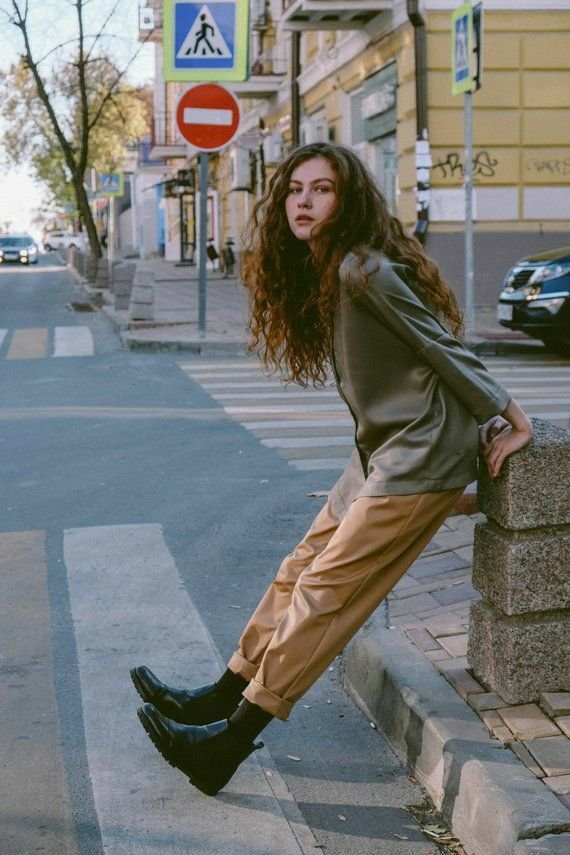
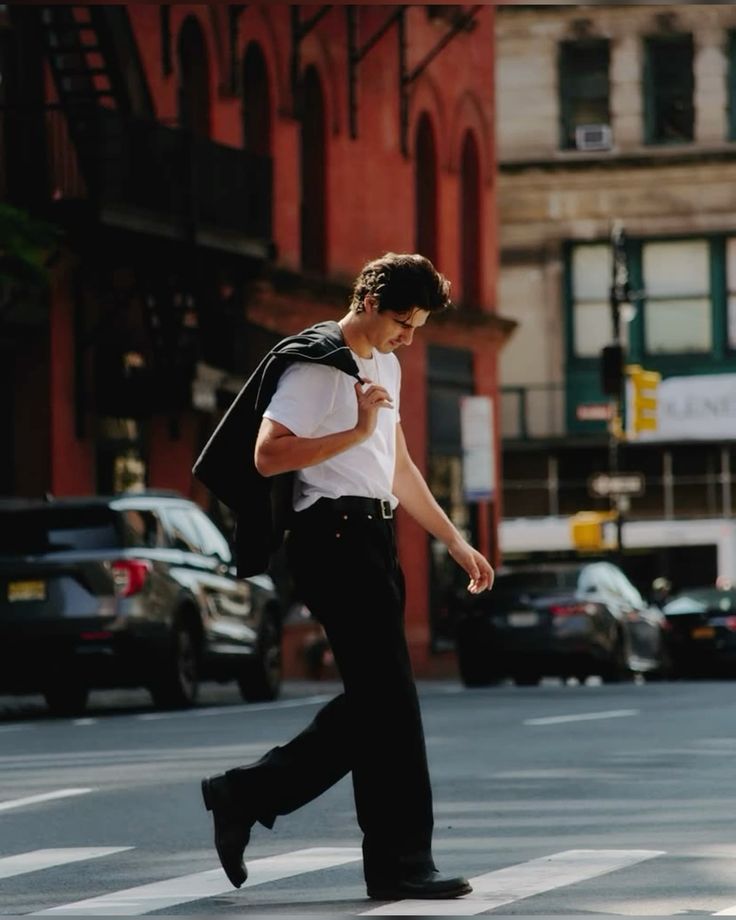
Once you’ve developed your observational skills, it’s time to translate those observations into compelling photographs. This involves understanding composition, light, and the critical moment.
Composition is how you arrange elements within your frame to create a visually appealing and meaningful image.
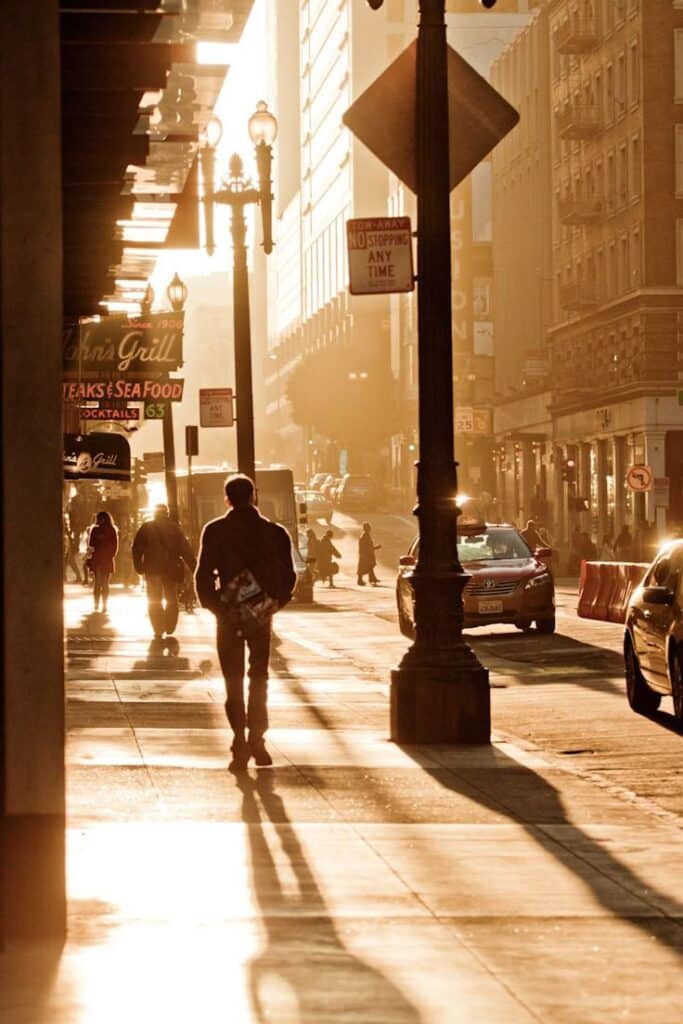
Light is the painter’s brush in photography. Street photography offers incredible opportunities to play with natural light.
Understanding how light interacts with your subjects and environment is key to creating mood and impact.
This concept, famously coined by Henri Cartier-Bresson, refers to “the simultaneous recognition, in a fraction of a second, of the significance of an event as well as a precise organization of forms which gives that event its proper expression.” It’s about pressing the shutter at the exact instant when all elements – light, composition, emotion, action – align perfectly to tell the most compelling story.
Cultivating the decisive moment requires practice. Keep your camera ready, settings pre-adjusted if possible, and your finger on the shutter. Shoot in burst mode if you need to, but also train yourself to anticipate and react quickly. It’s a skill that develops over time, a dance between intuition and technical readiness.
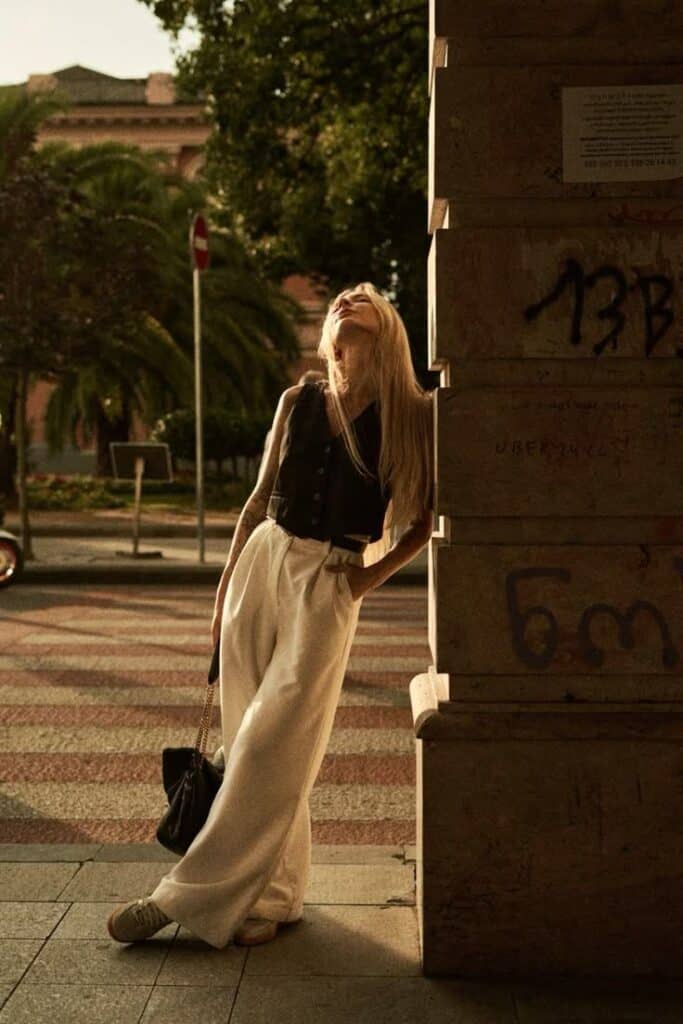
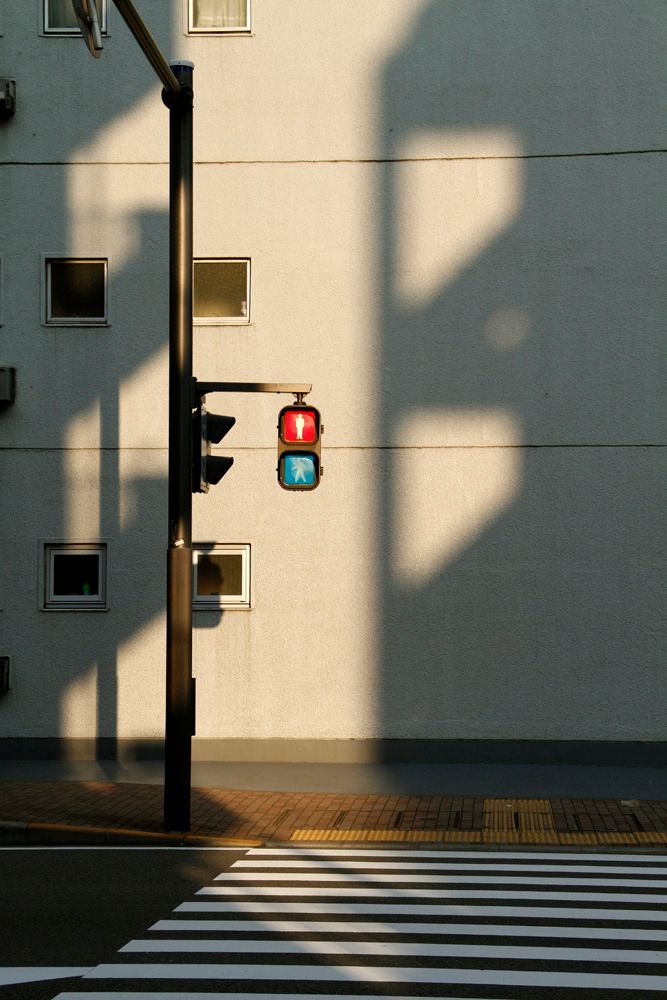
One of the most sensitive aspects of street photography is interacting with people. While much of street photography is candid, understanding the ethical, etiquette, and legal boundaries is crucial.
Always approach your subjects with respect and empathy. Remember, these are real people living their lives.
Many street photographers find that being open and friendly, even when shooting candidly, makes people more at ease. Some even engage in brief conversations after taking a shot, sharing their passion for the art form. This can lead to genuine connections and even new friendships, turning a photographic moment into a human one.
While candid is the gold standard, there are times when a brief interaction or even asking for permission can lead to a powerful image. If you see someone with an incredible look or aura, sometimes approaching them directly can yield a fantastic portrait. Be polite, explain what you admire about them, and ask if you can take a picture. Often, people are flattered.
However, be mindful that a posed shot transforms the essence. It becomes a street portrait rather than pure candid street photography. Both have their place and value, but it’s important to understand the distinction and what you aim to achieve. Capturing love through the lens: romantic couples photoshoot ideas is a beautiful endeavor, but it’s a different approach than the spontaneous capture of street photography.
Laws vary significantly by country, state, and even city. In many public spaces, you generally have the right to photograph anything visible, including people, as long as you’re not invading their reasonable expectation of privacy. This typically means you can photograph people in parks, on sidewalks, or at public events.
However:
Always err on the side of caution and respect. If you’re unsure, it’s safer not to take the shot or to ask for permission. Ignorance of the law is rarely an excuse, so familiarize yourself with local regulations if you plan extensive street photography projects.
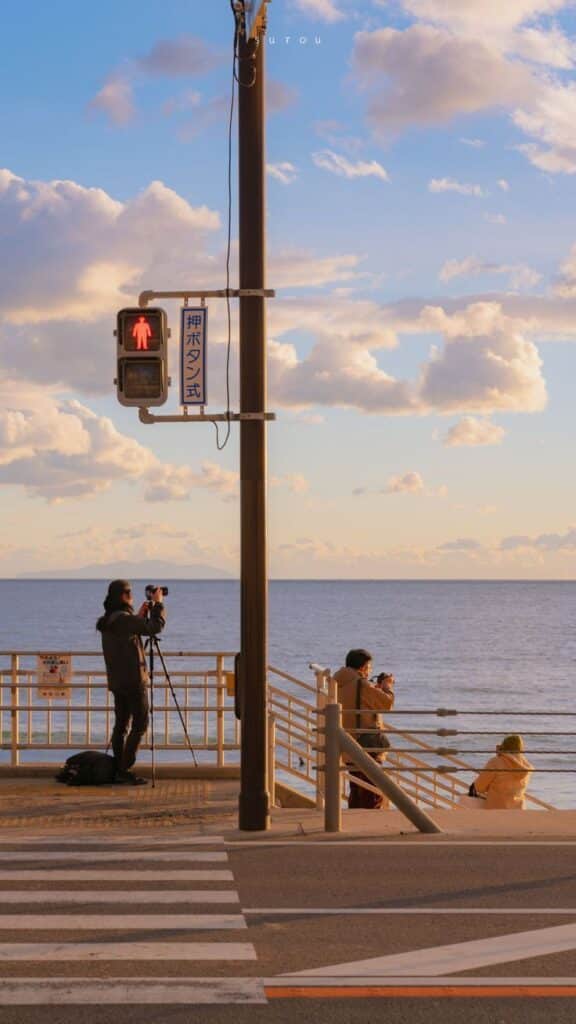
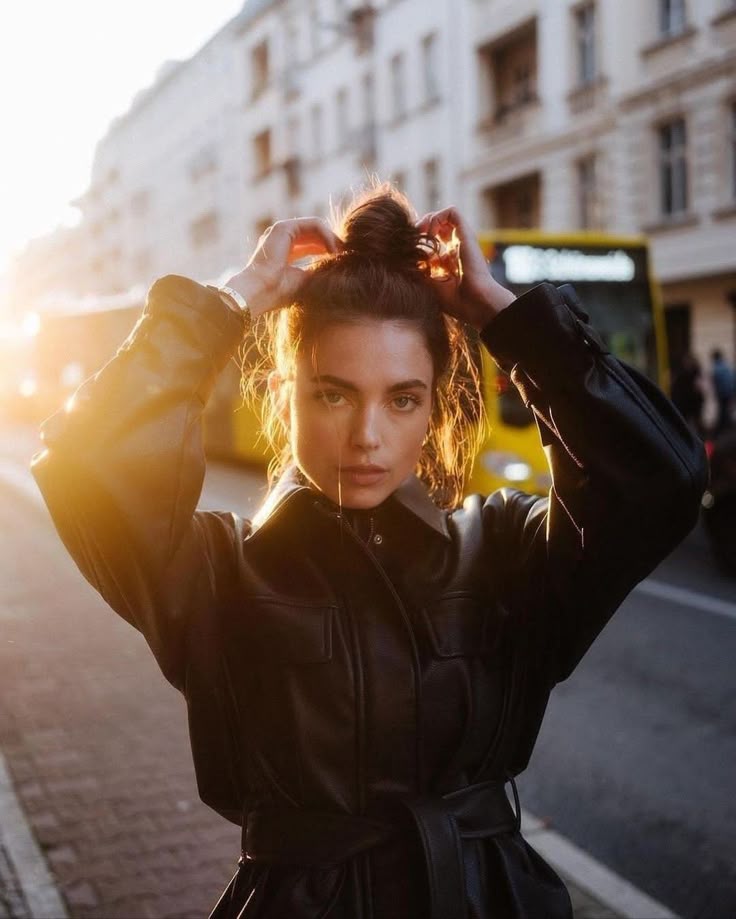
Technical skills are important, but what truly elevates street photography is the development of a unique artistic voice. Your vision is what makes your work stand out. It’s what transforms a simple photo into a piece of art.
Every artist has a unique way of seeing and interpreting the world. Your style might lean towards:
Experiment with different approaches. Look at the work of master street photographers like Henri Cartier-Bresson, Vivian Maier, Garry Winogrand, and Daido Moriyama. Don’t imitate, but draw inspiration. What aspects of their work resonate with you? What stories do you want to tell? This exploration is an essential part of discovering your creative path, just like exploring top 5 creative hobbies can lead to unexpected passions.
A single photograph can be powerful, but a series of images can tell a much richer, more complex story. Consider developing projects around specific themes, locations, or types of subjects. This could be a series on commuters, reflections, street performers, or a particular neighborhood.
Working on a series helps you delve deeper into a subject, observe its various facets, and develop a coherent body of work. It encourages consistency in your vision and allows you to explore nuances that a single image cannot capture. Think about how a collection of stories forms a richer narrative, much like exploring a series of related blog posts for a deeper dive into a topic.
Post-processing is an integral part of modern photography, including street photography. It’s where you refine your images, correct imperfections, and enhance the mood and impact.
The key is to process with intent, enhancing the story and mood without making the image look unnatural or over-edited. Your post-processing style should be consistent with your overall artistic vision.
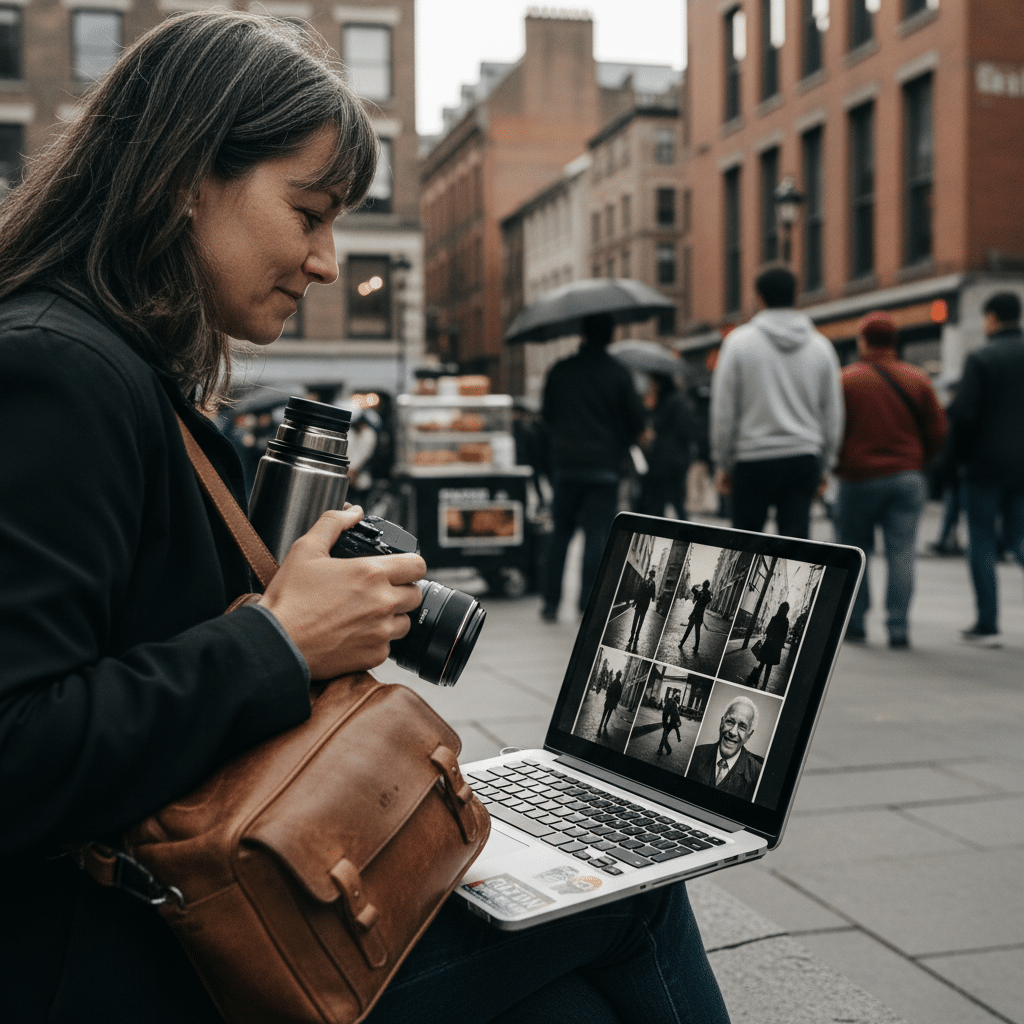
Street photography isn’t always easy. It comes with its own set of challenges, from technical hurdles to personal fears. But overcoming them is part of the rewarding journey.
Many aspiring street photographers grapple with fear: fear of approaching strangers, fear of rejection, fear of looking foolish, or fear of not getting good shots.
The more you practice, the more comfortable and confident you’ll become. Each successful capture will fuel your enthusiasm.
You might occasionally encounter someone who doesn’t want their photo taken, or even someone hostile. Handle these situations calmly and respectfully. Apologize, delete the image if requested, and move on. Don’t let a single negative encounter deter you.
Similarly, constructive criticism is valuable, but learn to differentiate it from unhelpful negativity. Not everyone will “get” your art, and that’s fine. Focus on what you love about your work and what you’re trying to achieve.
Street photography can be addictive, but like any creative pursuit, inspiration can wane.
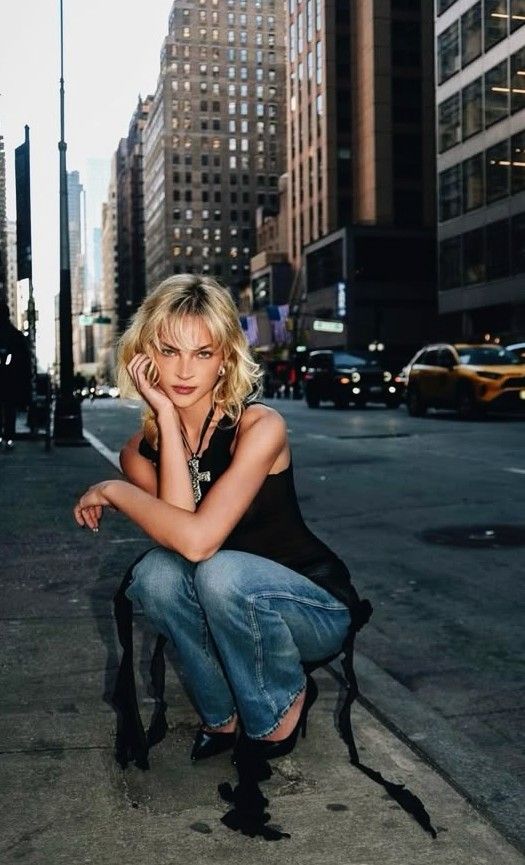
The most important advice for street photography is simple: get out and shoot! Theory is important, but hands-on practice is where the real learning happens.
Consistency is key. The more you shoot, the better you’ll become. Make street photography a regular part of your routine. Even short bursts of shooting during your commute or lunch break can yield incredible results.
Consider making a dedicated time each week for a “photo walk” where your sole purpose is to observe and photograph. This focused practice, much like building a consistent habit for journaling ideas, strengthens your artistic muscle.
Every photograph, good or bad, is a learning opportunity.
Street photography is about connection. Engage with the world around you. Be curious. Be open. The more you immerse yourself in the human experience, the more compelling your photographs will become. It’s about living life through the lens, not just pointing it.
Street photography is a profoundly rewarding art form that challenges you to see, feel, and create in a uniquely authentic way. It’s a journey of continuous learning, filled with moments of frustration, exhilaration, and profound connection. From understanding the core philosophy to mastering your gear, refining your observation skills, and developing a unique artistic voice, every step brings you closer to unleashing your inner artist.
So, grab your camera, step out your door, and immerse yourself in the incredible theatre of the street. Don’t be afraid to experiment, to fail, and to try again. The world is waiting to reveal its stories to you, and with every click of the shutter, you have the power to transform fleeting moments into timeless works of art. Your unique perspective is your superpower; go out there and share it with the world! The streets are calling – answer them with your lens!
Street photography is a sophisticated blend of observation, timing, anticipation, and empathy, which tells visual stories about human nature and urban life through spontaneous and authentic moments.
To capture candid moments authentically, blend into the environment, be discreet, and respect privacy by avoiding confrontation or pursuing uncomfortable situations, ensuring you’re observing and documenting naturally occurring interactions.
A compact, lightweight camera such as a mirrorless or rangefinder, with features like fast autofocus, good low-light performance, a quiet shutter, and a versatile prime lens like 35mm or 50mm, is ideal for staying nimble and unobtrusive.
Develop your artistic voice by exploring different styles, studying masters’ work, experimenting with themes or techniques, and focusing on storytelling through series, which helps differentiate your work and express your personal perspective.
Key techniques include understanding composition rules such as the rule of thirds, using natural light and shadows creatively, anticipating decisive moments, and practicing observation and patience to wait for the perfect shot.