Tokyo Travel Destinations: Must-See Places in Japan’s Dynamic Capital
Facebook Twitter Pinterest Tokyo is a city where ancient tradition and futuristic innovation exist side by side. One moment you’re standing…


Are you ready to swap your daily routine for breathtaking landscapes, vibrant cultures, and unforgettable experiences, all while sharing your adventures with the world? The dream of becoming a travel vlogger is incredibly alluring, transforming every journey into a captivating story. This isn’t just about recording your trips; it’s about crafting a narrative, inspiring others, and building a community around your passion for exploration. If you’ve been wondering how to start a travel vlog and turn that wanderlust into a thriving online presence, you’ve come to the right place. Get ready to embark on your most exciting journey yet – the creation of your very own travel vlog!
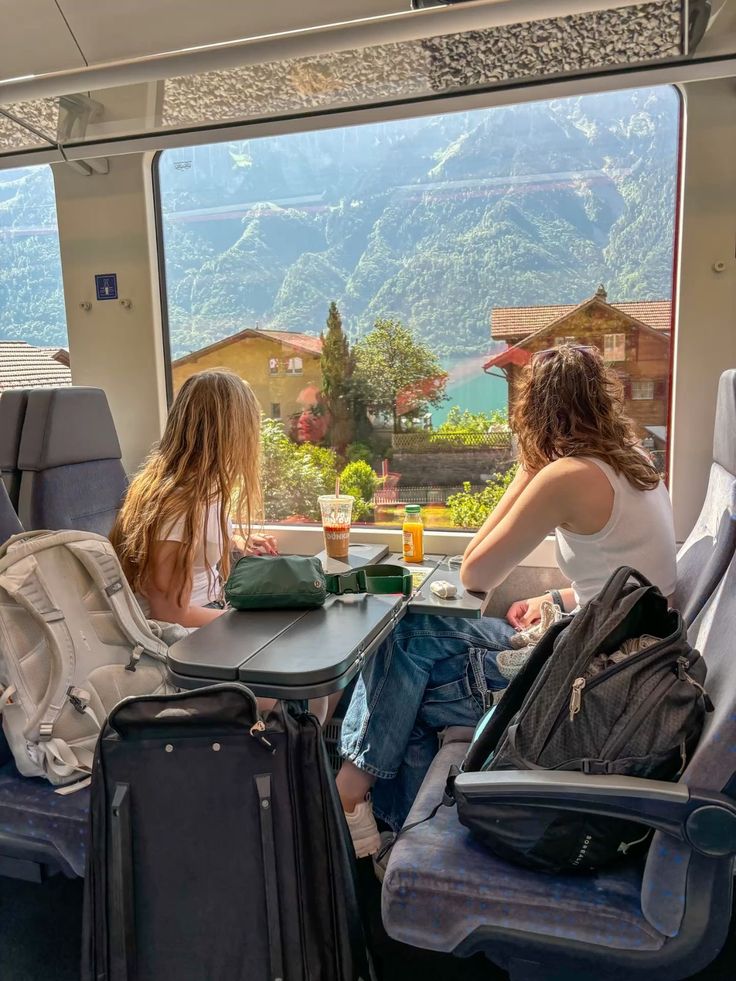
Every successful travel vlogger has a unique voice, a distinct style, and a clear narrative that sets them apart. Before you even press record, the most crucial step is to define your niche and understand the story you want to tell. What makes your travel perspective unique? Are you a budget backpacker meticulously planning every cent, or a luxury seeker indulging in the finest experiences? Perhaps you’re a food adventurer, a cultural immersion enthusiast, a solo female traveler, or a family exploring the world together.
Consider what truly excites you about travel and what kind of content you genuinely enjoy creating. This authenticity will be your superpower. If you force a niche that doesn’t align with your true interests, burnout is inevitable. Think about your personality: are you witty, informative, laid-back, adventurous, or reflective? Let that shine through! Your “why” is just as important as your “what” and “where.” Are you traveling to challenge yourself, to learn new languages, to find hidden gems, or to showcase sustainable tourism? Defining this will help you attract an audience who shares your values and interests. For instance, if you’re captivated by the serene beauty of autumn foliage, you might find inspiration in exploring specific seasonal events, much like those highlighted in chasing crimson: your casual guide to Japan’s autumn maple festivals. This specific focus can help you build a dedicated following interested in that particular aspect of travel.
Once you have a general idea, research other travel vloggers in similar spaces. What do they do well? What could be improved? How can you differentiate yourself? Don’t copy, but draw inspiration. Your niche doesn’t have to be super narrow at first, but having a general direction will give your content focus and help potential viewers understand what to expect. This foundational work is what transforms a casual vacation video into a compelling, repeatable series that keeps viewers coming back for more.
The magic of travel vlogging doesn’t solely rely on expensive equipment, but having the right tools can significantly elevate your content quality. While many start with just a smartphone, investing wisely in a few key pieces of gear will make a world of difference.
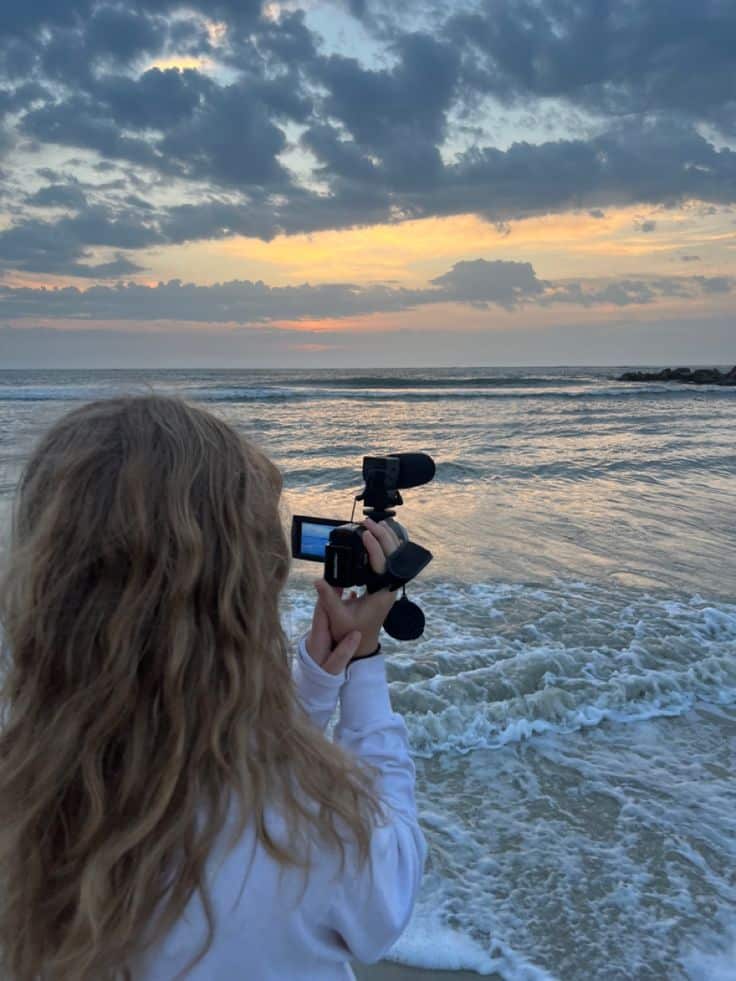
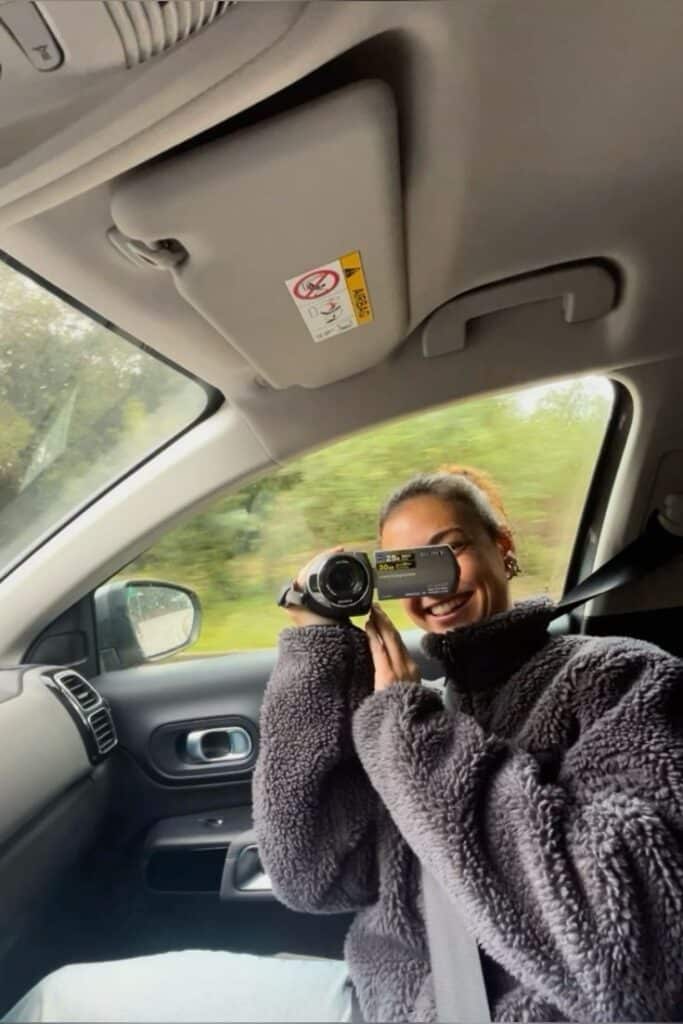
First, your camera. A modern smartphone (iPhone 13/14/15 Pro, Samsung Galaxy S23/S24 Ultra, Google Pixel 7/8 Pro) is an excellent starting point, capable of capturing stunning 4K video. They are lightweight, discreet, and always with you. For a step up, consider a mirrorless camera like a Sony A7C, Fujifilm X-T5, or Canon R50. These offer larger sensors for better low-light performance, interchangeable lenses for creative flexibility, and superior image quality. Action cameras, like the GoPro Hero series or DJI Osmo Action, are indispensable for adventure travel, capturing dynamic footage in rugged environments, underwater, or with unique perspectives.
Next, sound. This is often overlooked but is paramount. Viewers will tolerate slightly less-than-perfect video, but poor audio will make them click away instantly. A small lavalier microphone (clip-on) like the Rode SmartLav+ or a wireless system like the DJI Mic or Rode Wireless GO II is perfect for capturing clear dialogue. A compact shotgun microphone, such as the Rode VideoMicro, can be mounted on your camera for ambient sound and better audio pickup from a distance. Don’t forget wind protection (dead cats!) for outdoor shooting.
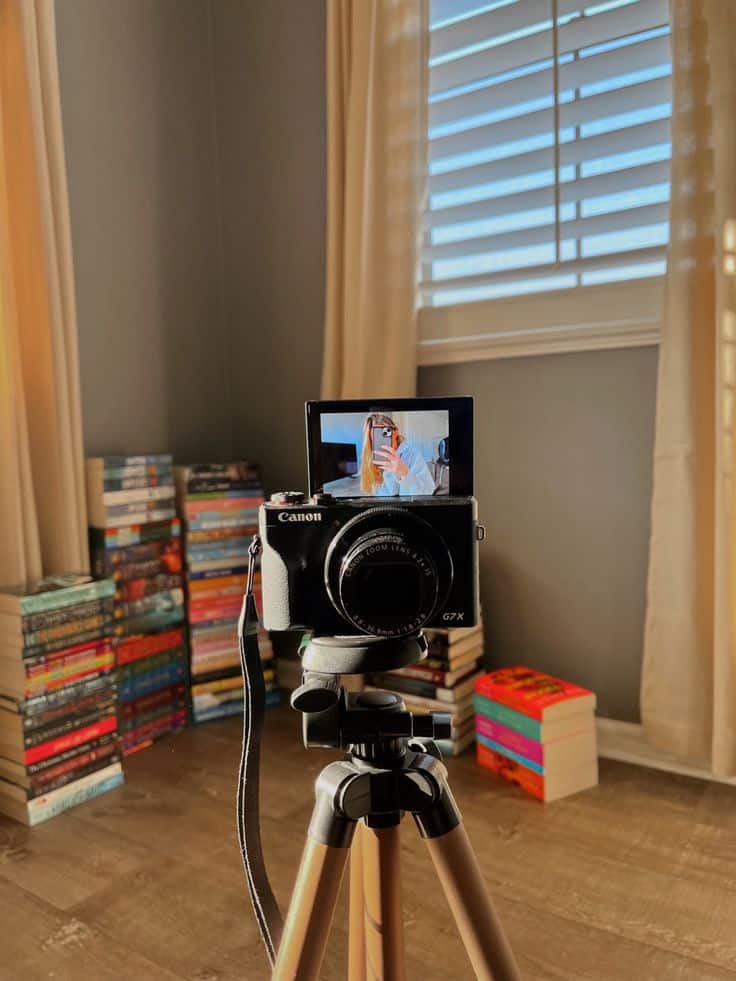
Stabilization is crucial for smooth, professional-looking footage. Handheld footage can be shaky and distracting. A smartphone gimbal (DJI Osmo Mobile, Zhiyun Smooth) will transform your phone videos. For mirrorless or DSLR cameras, a larger gimbal (DJI Ronin SC/RS, Zhiyun Weebill) provides cinematic smoothness. A lightweight travel tripod is also essential for stable shots, time-lapses, or when you need to be in the frame.
Lighting is predominantly natural for travel vloggers, but a small, portable LED light can be a lifesaver for interviews in dim settings or adding a subtle fill light. Drones (DJI Mini 3 Pro, Air 3) offer breathtaking aerial shots that can dramatically enhance your storytelling, but always research local drone laws and restrictions before flying.
Finally, think about power and storage. Portable power banks, extra camera batteries, and multiple high-capacity SD cards are non-negotiable. And a good, comfortable camera bag that protects your gear and allows for easy access is worth its weight in gold. Remember, when you’re packing for your adventures, efficiency is key. For more tips on keeping your luggage light and organized, you might find this guide on what to take with you so as not to overload your luggage incredibly helpful. A well-organized kit ensures you’re always ready to capture the moment without being weighed down.
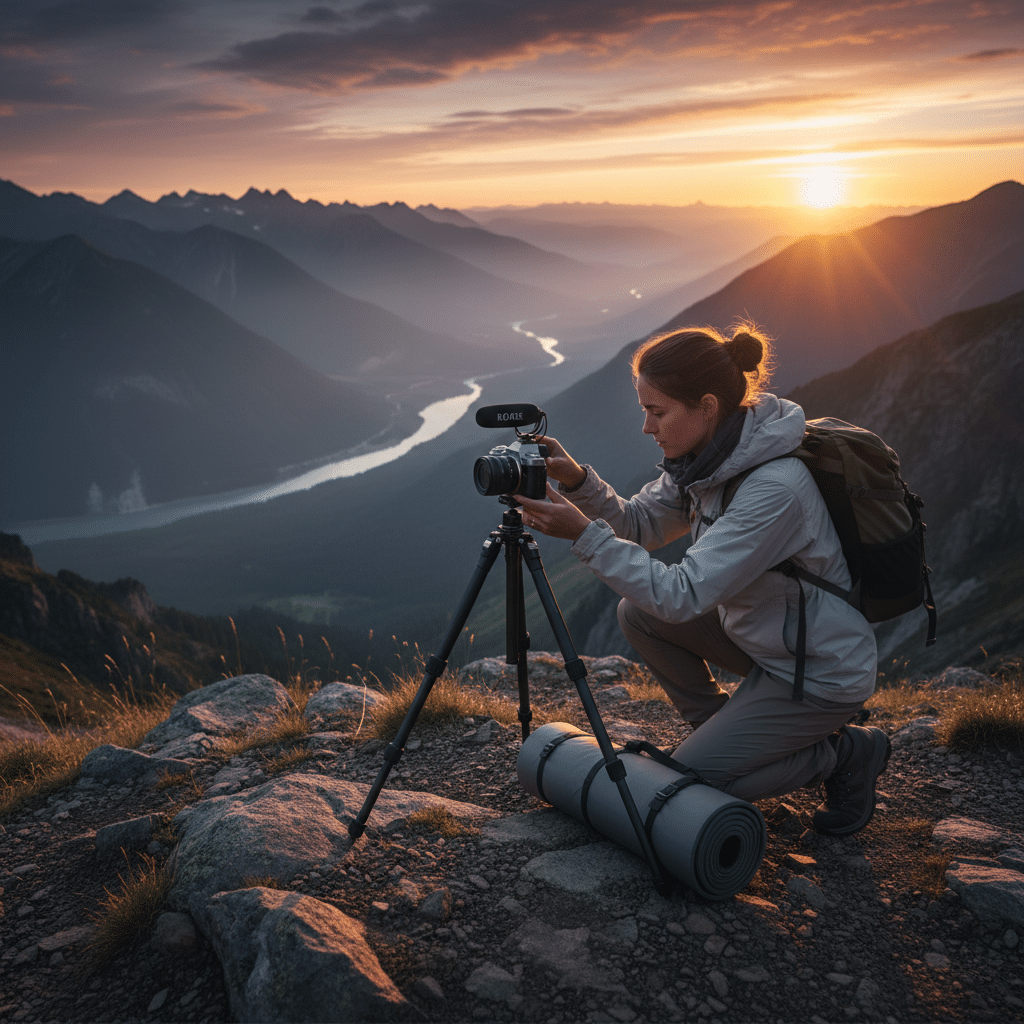
Filming on the go is more than just pointing and shooting; it’s about deliberately capturing moments that will weave into a compelling story. This requires a keen eye, quick reflexes, and a basic understanding of cinematic principles.
Composition is key: Apply the rule of thirds, where you imagine a tic-tac-toe grid over your frame and place important elements along the lines or at their intersections. Look for leading lines (roads, fences, rivers) that draw the viewer’s eye into the scene. Experiment with different angles – shoot from high, low, straight-on, or through foreground elements to add depth.
Variety of shots: Don’t just film one long take. Capture a mix of wide shots (to establish the scene), medium shots (to show interaction), and close-ups (to reveal details and emotion). B-roll footage – those quick, supplementary clips of details, textures, food, people, or scenery – is incredibly important. It adds visual interest and helps smooth transitions in editing. Aim for 5-10 second clips of B-roll for every main shot.
Capture genuine moments: The best travel vlogs feel authentic. Don’t be afraid to film candid reactions, unscripted conversations, or unexpected events. These are often the most relatable and engaging parts of your content. Let your personality shine through; talk to the camera as if you’re talking to a friend.
Storyboarding (even loosely): Before arriving at a location, have a rough idea of what you want to capture. What story do you want to tell about this place? What are the key attractions, experiences, or emotions you want to convey? This doesn’t mean having a rigid script, but rather a mental checklist of shots and moments you need.
Interviewing locals/travel companions: Don’t just narrate; involve others! Ask locals for their recommendations or stories. Capture the reactions and thoughts of your travel partners. This adds different perspectives and makes your vlog more dynamic and informative.
Dealing with challenging conditions: Travel isn’t always perfect. Learn to adapt. If it’s too crowded, try shooting upwards, focusing on details, or finding a quieter time. If the weather is bad, embrace it – a moody, rainy scene can be incredibly cinematic. Protect your gear from dust, water, and extreme temperatures.
Filming etiquette and respect: Always be mindful of your surroundings. Ask for permission before filming people, especially in cultural or religious settings. Be discreet and avoid being disruptive. Respect local customs and privacy. Your role as a travel vlogger also carries a responsibility to portray destinations and cultures respectfully and accurately.
This is where your raw footage transforms into a magical narrative. Editing is often said to be where the real vlogging happens, and it’s absolutely true. Even the most exciting footage can fall flat without compelling editing.
Choosing your editing software: Start with user-friendly options if you’re a beginner. DaVinci Resolve (free and powerful), CapCut (mobile-friendly), or Adobe Rush are great entry points. As you grow, you might transition to more professional software like Adobe Premiere Pro, Final Cut Pro, or the full DaVinci Resolve Studio. YouTube also offers basic editing tools.
Organizing your footage: Before you even start cutting, organize! Create folders for each trip, location, or day. Label your clips clearly (e.g., “Paris_EiffelTower_Day1_WideShot”). This saves immense time and frustration later. Cull unusable footage (blurry, shaky, accidental recordings) early on.
Crafting a compelling narrative arc: Every good story has a beginning, middle, and end. Your vlog should too.
Pacing and transitions: Vary your shot length. Fast cuts can build excitement, while longer takes create a sense of calm or awe. Use seamless transitions to move between scenes, but don’t overdo complex effects. Simple cuts, dissolves, and fades are often most effective. Match the rhythm of your visuals to the emotion you want to convey.
Music and sound design: Music is the emotional backbone of your vlog. Choose tracks that match the mood of your scene – adventurous, peaceful, energetic, reflective. Always use royalty-free music from platforms like Epidemic Sound, Artlist, or the YouTube Audio Library to avoid copyright strikes. Sound effects (ambience, footsteps, vehicle sounds) can add immersion and professionalism. Balance your audio levels carefully: voice-overs, background music, and ambient sound effects should all be audible without competing.
Color grading and visual appeal: Basic color correction can make your footage pop. Adjust exposure, contrast, and saturation to give your video a consistent, appealing look. Many editing software options have built-in presets or LUTS (Look Up Tables) that can give your footage a cinematic feel.
Adding text overlays and graphics: Use text to introduce locations, share facts, or highlight key moments. Keep it concise, readable, and consistent with your brand. Animated titles or lower thirds can add a professional touch.
Learning resources: YouTube is a treasure trove of editing tutorials. Platforms like Skillshare or Udemy also offer comprehensive courses. Don’t be afraid to experiment and develop your own style.

A powerful travel vlog is more than just videos; it’s a cohesive brand that resonates with your audience. Think of yourself as a storyteller, and your channel as your digital home.
Creating a catchy channel name and branding: Your channel name should be memorable, easy to pronounce, and ideally, reflect your niche or personality. “Wanderlust Diaries,” “Adventure Awaits,” or a combination of your name and travel (e.g., “Sarah Explores”) are good starting points. Design a recognizable logo, channel banner, and consistent color palette. This visual identity will help viewers recognize your content instantly.
Designing appealing thumbnails and channel art: Thumbnails are your video’s storefront. They need to be eye-catching, high-resolution, and clearly convey what the video is about. Use bold text, expressive faces, and vibrant images. Your channel art (banner) should visually introduce new visitors to your brand and content.
SEO for YouTube: YouTube is a search engine, so treat it like one!
Consistency in posting: Regular uploads keep your audience engaged and tell YouTube’s algorithm that you’re an active creator. Whether it’s weekly, bi-weekly, or monthly, stick to a schedule. Even if you’re not traveling constantly, you can create compilation videos, gear reviews, travel tips, or behind-the-scenes content.
Engaging with your audience: Your viewers are your community! Respond to comments, ask questions in your videos, conduct polls on the community tab, and host Q&As. This interaction builds loyalty and helps you understand what your audience wants.
Cross-promotion on other social media platforms: Don’t keep your videos a secret! Share snippets, behind-the-scenes photos, and teasers on Instagram, TikTok, Facebook, or X (Twitter). Drive traffic from these platforms back to your YouTube channel. Consider creating a dedicated blog or website to supplement your video content, offering written guides, photo galleries, or deeper insights. This can be a great place to showcase a wider range of content, from travel guides to practical tips, like 8 summer travel essentials that your audience might find useful when planning their own adventures.
Once you’ve built a consistent audience and produced quality content, the exciting possibility of monetizing your passion for travel emerges. It takes time and dedication, but several avenues can turn your vlog into a sustainable income stream.
YouTube Partner Program (YPP): This is the most common starting point. Once you meet YouTube’s eligibility requirements (currently 1,000 subscribers and 4,000 valid public watch hours in the past 12 months, or 10 million valid public Shorts views in 90 days), you can apply to place ads on your videos. Ad revenue varies greatly depending on audience demographics, niche, and seasonality, but it’s a foundational income source.
Affiliate marketing: This involves recommending products or services you genuinely use and love, then earning a commission when viewers purchase through your unique link. For travel vloggers, this could include travel gear (cameras, backpacks, clothing), booking sites (flights, hotels, tours), travel insurance, or even VPN services for digital nomads. Platforms like Amazon Associates, Booking.com affiliates, or specific gear brand programs are popular. Always disclose your affiliate links transparently.
Sponsorships and brand deals: As your audience grows and your content demonstrates high engagement, brands will start noticing you. This is where companies pay you directly to create content featuring their product or service. This could be a hotel chain, a tourism board, an airline, or a travel-related product. Be selective and only partner with brands that align with your values and audience interests. Authenticity is crucial here; your viewers trust your recommendations.
Selling your own merchandise or digital products: This offers high-profit margins and strengthens your brand identity. You could sell branded t-shirts, hats, mugs, or stickers. Digital products might include personalized travel guides, photography presets, packing checklists, or even an e-book about a specific travel style.
Patreon or crowdfunding: For truly dedicated fans who want to support your journey more directly, platforms like Patreon allow them to make recurring monthly donations in exchange for exclusive content, early access, shout-outs, or behind-the-scenes access. This fosters a strong community and provides a stable, predictable income stream.
Licensing footage: If you capture exceptionally beautiful or unique footage, other media outlets, stock footage sites, or advertising agencies might be interested in licensing it for their own projects. This can be a lucrative, albeit less frequent, income source.
Diversifying income streams: The key to long-term success is not relying on a single income source. Combine several of these strategies to create a robust and resilient business model around your travel vlog. It’s also wise to consider broader lifestyle advice that supports a balanced approach to work and travel, especially if you’re aiming to sustain this career. For example, exploring how to work from anywhere in the world can provide insights into managing your vlogging business remotely, offering flexibility and broader opportunities for earning.
The path of a travel vlogger, while exhilarating, is not without its hurdles. It demands resilience, adaptability, and a strong sense of purpose. Anticipating and preparing for these challenges can help you navigate them more smoothly.
Burnout prevention: The constant cycle of travel, filming, editing, and promoting can be exhausting. Recognize the signs of burnout early. Schedule “no-filming” days, take breaks, and ensure you’re still enjoying the travel itself, not just seeing it as content. Remember why you started – for the love of exploration. Incorporating mindful practices into your routine, such as those discussed in slow life: how to live more consciously in the digital world, can be invaluable for maintaining balance and preventing overwhelm.
Dealing with negative comments: The internet can be a harsh place. You will encounter criticism, some constructive, some purely negative. Develop a thick skin. Don’t engage with trolls. Focus on your supportive community and remember that not everyone will like your style, and that’s perfectly fine. Learn to differentiate between hateful comments and genuine feedback that can help you improve.
Technical difficulties on the road: Gear breaks, batteries die, files corrupt, and Wi-Fi is unreliable. Always have backups: multiple SD cards, cloud storage for important files, and a portable hard drive. Learn basic troubleshooting for your equipment. Embrace the unexpected; sometimes the most challenging situations lead to the most engaging content.
Budgeting for travel and equipment: Vlogging can be expensive. Plan your trips meticulously to maximize your budget. Look for sponsorships, brand collaborations, or even crowdfund for specific projects. Prioritize equipment purchases based on your needs; you don’t need everything at once. Many vloggers start with a smartphone and upgrade as their channel grows and generates income.
Staying motivated through creative blocks: There will be times when you feel uninspired or unsure of what to create next. Revisit old footage, watch other inspiring creators, read travel blogs, or simply take a break from content creation to just experience travel without the camera. Sometimes the best ideas come when you’re not actively searching for them.
The importance of continuous learning: The world of digital media is constantly evolving. Stay updated on new editing techniques, camera technology, social media trends, and YouTube algorithm changes. Attend workshops, watch tutorials, and engage with other creators. There’s always something new to learn and improve upon.
Venturing into the world of travel vlogging also means understanding and adhering to various legal and ethical considerations. Protecting yourself, your audience, and the people and places you feature is paramount.
Copyright for music, images, and other media: This is a big one. Never use copyrighted music without permission or a license. As mentioned before, platforms like Epidemic Sound, Artlist, or the YouTube Audio Library offer royalty-free music. The same goes for images or video clips you didn’t create yourself. Using copyrighted material without permission can lead to copyright strikes, demonetization, or even legal action.
Privacy concerns (filming strangers, consent): Be mindful when filming people, especially in public spaces. In many cultures, direct filming without permission can be considered rude or an invasion of privacy. Always try to get explicit consent if you’re featuring someone prominently. If someone asks you not to film them, respect their wishes immediately. When filming children, always seek parental consent. General crowd shots are usually acceptable, but always err on the side of caution and respect for individual privacy.
Permits and regulations (drones, specific locations): Before flying a drone, research the local laws regarding drone operation in every country and region. Many places have no-fly zones, height restrictions, or require permits. Similarly, some historical sites, museums, or cultural events may prohibit filming, require special permits, or charge a fee for commercial recording. Always check signage or inquire with authorities. Ignorance of the law is not an excuse.
Responsible tourism and ethical reporting: As a travel vlogger, you have a platform and an influence. Use it responsibly. Promote sustainable travel practices, respect local environments, and highlight authentic cultural experiences rather than perpetuating stereotypes. Be honest in your reviews and portrayals. Avoid activities that exploit animals or local communities. Your content can inspire positive change.
Disclosures for sponsored content: If you receive payment or free products/services in exchange for a review or mention in your video, you must disclose this to your audience. This is a legal requirement in many countries (e.g., FTC guidelines in the US, ASA in the UK) and is crucial for maintaining trust with your viewers. YouTube has built-in tools for paid product placements, and a verbal disclosure in your video is also good practice.
Visas and travel insurance: Ensure you have the correct visa for your travel destination(s) and that it allows for the type of activity you plan (e.g., some tourist visas prohibit commercial filming). Comprehensive travel insurance is an absolute non-negotiable. It protects you from medical emergencies, lost luggage, theft of equipment, and unforeseen trip cancellations. Never travel without it.
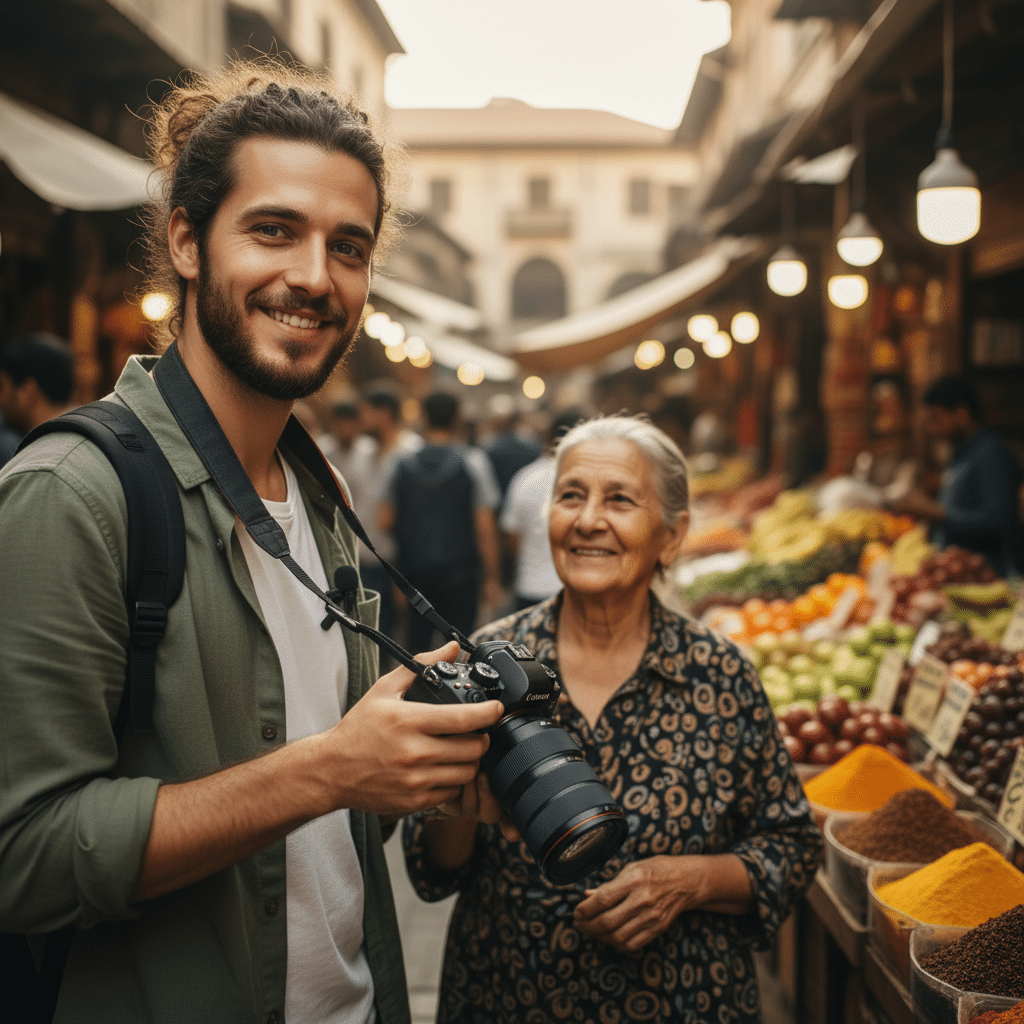
Starting a travel vlog is an exhilarating journey that blends your passion for exploration with the art of storytelling. It demands creativity, technical skill, resilience, and a genuine love for sharing experiences. From defining your unique niche and equipping yourself with the right gear, to mastering the nuances of filming and editing, and ultimately building a brand that resonates, every step is an adventure in itself.
Remember, authenticity is your greatest asset, and consistency is your best friend. There will be challenges, from technical glitches to creative blocks, but the joy of connecting with an audience, inspiring their wanderlust, and documenting your own growth makes every effort worthwhile. Embrace the learning curve, stay curious, and always prioritize the true spirit of travel.
So, what are you waiting for? The world is vast, the stories are endless, and your unique perspective is waiting to be shared. Grab your camera, pack your bags, and start filming your extraordinary adventure today. Lights, camera, adventure! The world is ready for your story.
To find your niche and craft a compelling story, identify what excites you about travel, whether it’s budget backpacking, luxury experiences, cultural immersion, or food exploration. Reflect on your personality and values to determine what makes your perspective unique, and research other vloggers in similar spaces to differentiate your content. Define your ‘why’ to create authentic, focused videos that resonate with a targeted audience.
Begin with a modern smartphone capable of filming in 4K for versatile and high-quality footage. Consider upgrading to a mirrorless camera for better image quality, a portable gimbal for stabilization, external microphones for clear audio, a lightweight tripod, portable lighting, and backup power sources like power banks and extra batteries. Proper organization and a good camera bag are also vital for efficient travel.
To film effectively on the go, focus on composition by applying the rule of thirds, experimenting with different angles, and capturing a variety of shots including wide, medium, and close-ups. Film genuine moments and candid reactions, plan your shots with a loose storyboard, involve locals or travel companions, and adapt to challenging conditions with creativity. Always be respectful of others and seek permission when filming people or sensitive locations.
Create a memorable channel name, logo, and consistent visual branding to make your channel recognizable. Design eye-catching thumbnails and banner art. Use SEO strategies by optimizing your titles, descriptions, tags, and including subtitles. Post regularly to engage your audience, respond to comments, and promote your videos on other social media platforms. Cross-promoting content and fostering community interaction are key to growing your presence.
Editing transforms raw footage into a captivating narrative by organizing clips, creating a story arc with a clear beginning, middle, and end, and using pacing, transitions, music, and color grading to evoke emotions. Start with beginner-friendly software, label and sort your clips, and experiment with different editing styles to develop your unique storytelling approach. Good editing enhances engagement and professionalism.