
Unlock Your Potential! Mastering Essential Communication Skills for Professionals

Collage of modern office scenes with people working on laptops in various creative and collaborative environments.

Have you ever wondered what truly separates good professionals from great ones? Beyond technical expertise and industry knowledge, there’s one skill that consistently stands out as the ultimate differentiator: communication. Mastering essential communication skills for professionals isn’t just a nice-to-have; it’s the bedrock of career success, robust teamwork, and powerful leadership in today’s dynamic professional landscape. In a world buzzing with constant interaction, from urgent emails to high-stakes presentations, your ability to articulate, listen, and connect can unlock doors you never knew existed.

This isn’t just about talking clearly; it’s about building bridges, fostering understanding, and influencing outcomes. It’s about ensuring your brilliant ideas don’t get lost in translation and that your collaborative efforts lead to spectacular results. Get ready to dive deep into the art and science of professional communication, transforming how you interact and empowering you to truly shine!


The Undeniable Power of Professional Communication

Stylish woman in a modern office holding coffee, surrounded by books and decor on shelves, under a large ceiling light.
Two people collaborate at a design table with mood boards and color swatches in a modern office with city skyline views.

Imagine a world where misunderstandings evaporate, where every team member is perfectly aligned, and where your ideas always land with impact. While that might sound like a dream, superior communication skills move us significantly closer to this ideal. In the professional realm, communication is the engine that drives every process, project, and relationship.

Think about it: from the moment you greet a colleague in the morning to the final email closing a deal, communication is at play. It influences your ability to persuade, negotiate, delegate, and resolve conflicts. A study by The Economist Intelligence Unit found that poor communication leads to lower morale, project failures, and even lost sales. Conversely, organizations with highly effective communicators were 3.5 times more likely to outperform their peers. That’s a staggering difference!

Great communication fosters trust, enhances collaboration, and boosts productivity. It’s the invisible force that binds successful teams and leaders. When you communicate effectively, you not only convey information but also inspire confidence, build rapport, and demonstrate your value. It’s not just about what you say, but how you say it, how you listen, and how you interpret the messages of others. This is why developing robust communication skills for professionals is not an option; it’s a necessity for anyone aspiring to excel and lead.

Essential Pillars of Effective Communication

Diverse team collaborates around a digital table in a modern office, analyzing business data and strategy with city views in the background.

True mastery of professional communication isn’t about excelling in just one area; it’s about developing a holistic suite of skills. Let’s break down the fundamental pillars that underpin truly effective interaction in any workplace.

Active Listening: The Foundation of Understanding

Before you can even think about crafting your message, you must first master the art of listening. Active listening isn’t just about hearing words; it’s about fully concentrating on, understanding, responding to, and remembering what the other person is saying, both verbally and non-verbally.

  • Why it Matters: When you truly listen, you gather crucial information, understand underlying concerns, and build rapport. It shows respect and empathy, making the other person feel valued. This is absolutely critical in client interactions, team meetings, and performance reviews.
  • How to Practice It:
    • Pay Full Attention: Put away distractions. Make eye contact. Give the speaker your undivided focus.
    • Avoid Interrupting: Let them finish their thought, even if you anticipate where they’re going.
    • Show You’re Engaged: Nod, use affirmative sounds (“uh-huh,” “I see”), and lean in slightly.
    • Paraphrase and Summarize: “So, if I understand correctly, you’re saying…” This confirms your understanding and gives the speaker a chance to clarify.
    • Ask Clarifying Questions: “Could you elaborate on that point?” or “What specific outcome are you hoping for?”
    • Resist the Urge to Formulate Your Reply: While they’re speaking, your brain should be processing their message, not drafting your rebuttal.

Clarity and Conciseness: Getting Straight to the Point

Person working at a desk with a computer, illuminated by modern circular ceiling lights in a minimalistic room.
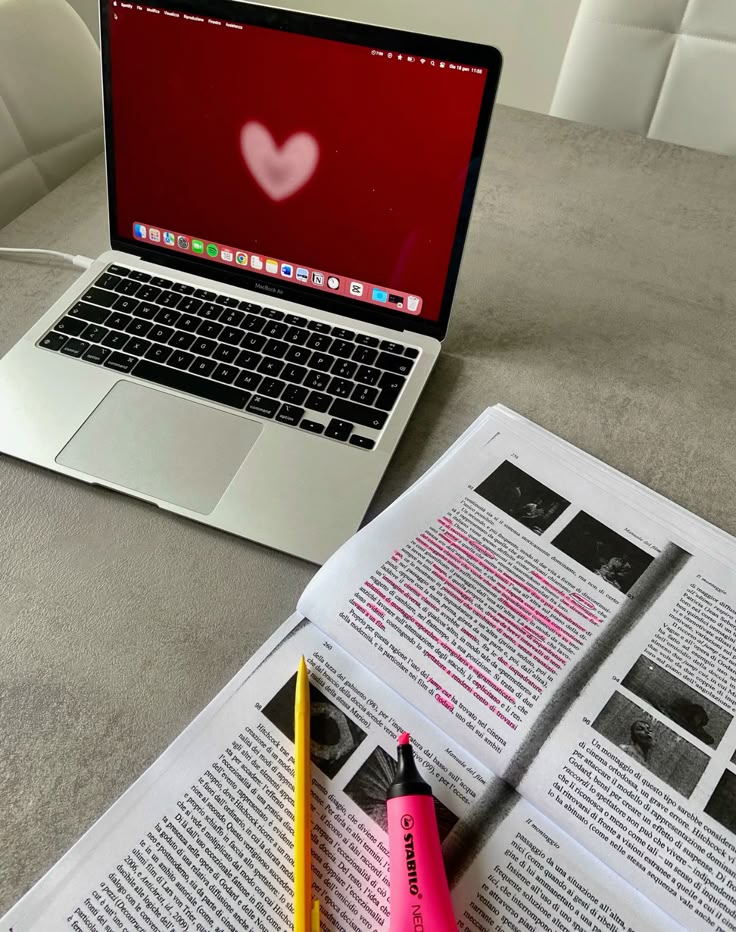
Open laptop with a heart wallpaper, next to documents highlighted for study on a desk.

In the fast-paced professional world, time is a precious commodity. Vague, rambling communication is not only inefficient but can also lead to frustration and costly errors. Clarity and conciseness mean delivering your message in the simplest, most direct way possible, leaving no room for misinterpretation.

  • Why it Matters: Clear communication saves time, reduces errors, and ensures everyone is on the same page. It projects confidence and competence. Imagine receiving an email that takes five paragraphs to convey what could have been said in two sentences – frustrating, right?
  • How to Practice It:
    • Know Your Objective: Before you speak or write, ask yourself: “What do I want the audience to know or do?”
    • Use Simple Language: Avoid jargon where plain English will suffice, especially when communicating with those outside your immediate field.
    • Be Direct: Get to the main point quickly. Use active voice (“The team completed the project”) instead of passive (“The project was completed by the team”).
    • Eliminate Filler Words: “Um,” “ah,” “like,” “you know” can detract from your message.
    • Structure Your Message: For written communication, use headings, bullet points, and short paragraphs. For verbal, outline your key points beforehand.

Non-Verbal Communication: Speaking Without Words

Often, what you don’t say speaks volumes. Non-verbal cues – your body language, facial expressions, gestures, and even tone of voice – transmit powerful messages that can either reinforce or contradict your spoken words. This is a critical component of strong communication skills for professionals.

  • Why it Matters: Non-verbal cues can build trust, convey enthusiasm, or signal discomfort. They can make you appear approachable and confident or closed off and disengaged. In a presentation, for example, strong eye contact and confident posture can enhance your message significantly.
  • How to Practice It:
    • Maintain Appropriate Eye Contact: This shows engagement and confidence. Avoid staring, but also don’t dart your eyes around.
    • Open Body Language: Uncross your arms, face the speaker directly, and avoid slouching. This signals receptiveness.
    • Mind Your Posture: Stand or sit tall and confidently.
    • Use Gestures Purposefully: Hand gestures can emphasize points, but avoid fidgeting or excessive, distracting movements.
    • Control Your Tone and Volume: Speak clearly, with enough volume to be heard, and modulate your tone to convey interest and sincerity.
    • Observe Others: Pay attention to the non-verbal cues of those you’re communicating with to better understand their true feelings.

Empathy and Emotional Intelligence: Connecting on a Deeper Level

Businesswoman presenting a growth chart during a conference, engaging audience in a modern meeting room.

Emotional intelligence (EQ) is the ability to understand and manage your own emotions, and to recognize and influence the emotions of others. Empathy, a cornerstone of EQ, is the ability to understand and share the feelings of another. These skills are invaluable for navigating complex professional relationships and situations.


  • Why it Matters: High EQ allows you to tailor your communication style to different individuals, de-escalate conflicts, motivate teams, and build stronger, more resilient relationships. It’s crucial for leadership and client relations.
  • How to Practice It:
    • Self-Awareness: Understand your own emotional triggers and reactions. How do you feel when stressed? How does that impact your communication?
    • Self-Regulation: Learn to manage your emotional responses. Instead of reacting impulsively, pause and choose your response.
    • Social Awareness: Pay attention to others’ emotions. Are they stressed, happy, confused? How might this affect their receptiveness to your message?
    • Relationship Management: Use your understanding of emotions to build rapport, resolve disagreements, and inspire others.
    • Practice Perspective-Taking: Before responding, try to put yourself in the other person’s shoes. What are their motivations, fears, or goals?

Feedback Skills: Giving and Receiving Constructively

Woman working at home office desk with a computer and fabrics, by a sunny window with a view of rooftops. Cozy workspace setup.
Laptop and fashion magazines on a workspace, featuring editorial layouts and designer collections. Ideal for fashion content creation.

Feedback is the lifeblood of growth and improvement in any professional setting. Knowing how to give feedback that is helpful and well-received, and how to accept it gracefully and learn from it, is a hallmark of truly developed communication skills for professionals.

  • Why it Matters: Constructive feedback helps individuals and teams improve performance, correct mistakes, and foster a culture of continuous learning. Poorly delivered feedback can demotivate or create resentment.
  • How to Give Constructive Feedback:
    • Be Specific: Instead of “Your presentation was bad,” say “In your presentation, the data on slide 3 was unclear.”
    • Focus on Behavior, Not Personality: “When you interrupted during the meeting…” not “You’re always so rude.”
    • Be Timely: Deliver feedback as close to the event as possible.
    • Balance Positives and Areas for Improvement: Start with what went well, then address areas for growth.
    • Offer Solutions or Suggestions: “Next time, perhaps you could try X or Y.”
    • Do it Privately: Unless it’s group feedback, individual feedback is best delivered one-on-one.
  • How to Receive Feedback:
    • Listen Actively: Don’t interrupt or get defensive. Let the person finish.
    • Ask Clarifying Questions: “Could you give me an example?” or “What specifically could I have done differently?”
    • Thank the Giver: Regardless of how you feel about the feedback, acknowledge their effort.
    • Reflect and Act: Don’t dismiss it. Consider the feedback, determine if it’s valid, and make a plan to implement changes if appropriate. This commitment to self-improvement is key to growth, not just in communication but in your overall productivity hacks.

Written Communication: Crafting Impactful Messages

In the digital age, written communication – emails, reports, proposals, instant messages – forms a huge part of our professional lives. The ability to write clearly, concisely, and persuasively is more critical than ever.

  • Why it Matters: Well-written communication projects professionalism, reduces misunderstandings, and creates a lasting record. Poorly written messages can confuse, reflect badly on you, and even lead to missed opportunities.
  • How to Practice It:
    • Know Your Audience: Tailor your tone, vocabulary, and level of detail.
    • Use Clear Subject Lines: For emails, make them informative and action-oriented.
    • Structure Your Message Logically: Start with the main point, provide details, and end with a call to action. Use headings and bullet points for readability.
    • Proofread Meticulously: Typos and grammatical errors undermine credibility. Use spell-checkers, but don’t rely solely on them. Read it aloud.
    • Be Concise: Avoid unnecessary words and phrases. Get to the point.
    • Call to Action: Make it clear what you want the reader to do next.

Verbal Communication: Mastering Presentations and Conversations

Laptop on desk displaying a project proposal, with a notebook, pen, and coffee cup; modern, professional workspace setup.

From presenting to a large audience to engaging in a one-on-one negotiation, verbal communication skills are constantly tested. This includes formal presentations, team meetings, client calls, and even casual conversations that build professional networks.


  • Why it Matters: Strong verbal skills allow you to articulate complex ideas, influence decisions, build rapport instantly, and lead discussions effectively.
  • How to Practice It:
    • Prepare Thoroughly: Know your topic inside out. Outline your key points.
    • Practice, Practice, Practice: Rehearse presentations, especially difficult conversations. This builds confidence.
    • Speak with Confidence and Conviction: Project your voice, but avoid sounding aggressive.
    • Vary Your Pace and Tone: Monotone delivery is boring. Use pauses for emphasis.
    • Engage Your Audience: Ask questions, encourage participation, and read their reactions.
    • Be Aware of Filler Words: As mentioned, these can detract. Practice speaking without them.
    • Storytelling: Use anecdotes and examples to make your points more relatable and memorable. This is a powerful technique for leadership communication.
    • Articulate Clearly: Speak slowly enough for others to understand, and enunciate your words.

Digital Communication Etiquette: Navigating the Virtual World

Cozy workspace setup with a monitor displaying music, a tablet for reading, and a large tumbler, against an evening backdrop.
Open laptop showing Pinterest board with a scrapbook on a desk in an empty classroom. Creativity meets digital inspiration.

In our increasingly remote and hybrid work environments, digital communication has become paramount. Mastering its nuances, from video calls to instant messaging, is now an essential aspect of communication skills for professionals. This also ties into how you manage your focus and environment to maintain a productive workflow, similar to understanding how to have a beautiful study and work process at home.

  • Why it Matters: Effective digital communication prevents misinterpretations, maintains productivity across distances, and fosters a professional virtual presence. Poor digital etiquette can lead to frustration, perceived unprofessionalism, and reduced efficiency.
  • How to Practice It:
    • Video Calls:
      • Be Punctual: Log on a few minutes early.
      • Dress Appropriately: Treat it like an in-person meeting.
      • Ensure Good Lighting and Background: A clean, neutral background is best.
      • Mute When Not Speaking: Reduces background noise.
      • Look at the Camera: Simulates eye contact.
      • Be Present: Avoid multitasking.
    • Instant Messaging/Chat Platforms:
      • Use for Quick, Informal Messages: Avoid sensitive or complex discussions.
      • Be Concise: Get to the point.
      • Avoid Excessive Emojis or Slang: Maintain professionalism.
      • Respect Response Times: Don’t expect immediate replies unless urgent.
    • Email: (Revisit points from Written Communication, emphasizing speed and volume)
      • Consider the Urgency: Is email the best channel, or should you call?
      • Reply Promptly: Acknowledge receipt, even if you need more time for a full response.
      • Manage Notifications: Prevent overload, which can also contribute to stress, like learning how to cope with anxiety in the digital age.

Overcoming Communication Barriers

Professional woman in a video call meeting, wearing a headset and taking notes, in a modern office setting.

Even with the best intentions, communication can go awry. Recognizing and overcoming common barriers is crucial for developing robust communication skills for professionals.

Common Barriers:

  • Noise (Literal and Figurative): Distractions, a noisy environment, or even mental clutter can prevent a message from being heard or understood.
  • Assumptions: Assuming you know what the other person means, or that they know what you mean, is a recipe for disaster.
  • Emotional Filters: Our current emotional state (stress, anger, happiness) can color how we send and receive messages.
  • Lack of Clarity: Vague language, jargon, or disorganized thoughts.
  • Lack of Trust: If there’s no trust, messages, no matter how well-crafted, will be met with skepticism.
  • Cultural Differences: Different cultures have varying norms for directness, non-verbal cues, and hierarchy in communication.
  • Information Overload: Too much information at once can lead to disengagement and confusion.

Strategies for Overcoming Them:

  • Seek Clarification: When in doubt, ask. “Could you explain what you mean by X?”
  • Check for Understanding: After conveying information, ask, “Does that make sense?” or “What are your thoughts on this?”
  • Create a Conducive Environment: Reduce distractions for important conversations.
  • Be Mindful of Emotions: Acknowledge your own emotional state and try to empathize with others. If emotions are running high, sometimes it’s best to pause and revisit the conversation later.
  • Use Multiple Channels: If an important message is sent via email, a follow-up verbal confirmation might be beneficial.
  • Build Trust: Be reliable, honest, and consistent in your actions and words.
  • Learn Cultural Nuances: Be aware of different communication styles in diverse teams. Resources discussing global trends might offer insights into diverse perspectives that influence communication.

The Transformative Power of Strong Communication Skills

Business meeting in modern office with two people discussing technology and data on a tablet, cityscape view in background.

Developing exceptional communication skills for professionals isn’t just about avoiding problems; it’s about actively creating opportunities and driving success. The ripple effects of mastering these skills are profound and far-reaching.

Career Advancement

Highly effective communicators are consistently noticed, promoted, and entrusted with greater responsibilities. They excel in interviews, lead successful projects, and articulate a clear vision, making them invaluable assets to any organization. They are the ones who can confidently present their ideas, negotiate better terms, and inspire their teams to reach new heights.

Enhanced Leadership

Leadership is inextricably linked to communication. Great leaders are phenomenal communicators. They articulate vision, motivate teams, provide clear direction, and navigate crises with composure and clarity. Strong communication fosters trust, builds credibility, and empowers leaders to influence and inspire action, creating a positive and productive work culture.

Stronger Team Cohesion and Collaboration

Young woman working on a laptop with earphones in a modern office setting, notepads and phone on desk.
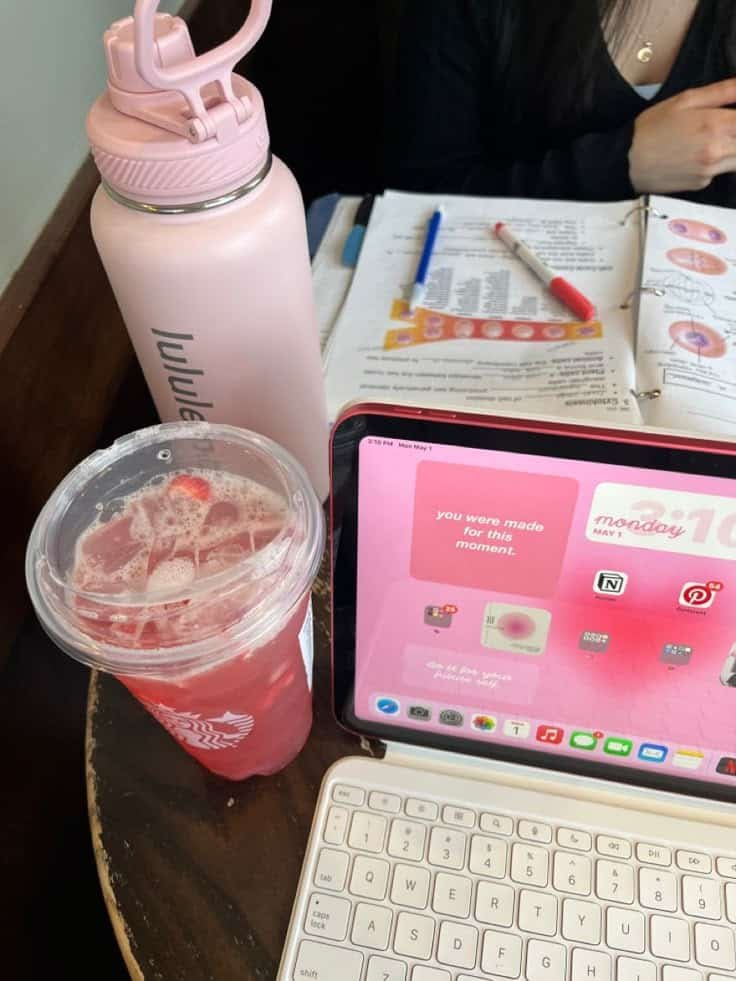
Student study setup with pink water bottle, iced drink, open notebook, and tablet on a cafe table.

When team members communicate openly, honestly, and respectfully, conflicts are resolved faster, innovative ideas flourish, and a sense of shared purpose emerges. Effective communication reduces silos, encourages knowledge sharing, and builds a supportive environment where everyone feels heard and valued, ultimately leading to superior team performance.

Improved Problem-Solving and Decision-Making

Clear communication ensures that all relevant information is on the table during problem-solving sessions. It allows for diverse perspectives to be shared and understood, leading to more informed decisions and creative solutions. Misunderstandings, which often fuel problems, are significantly reduced when communication channels are open and effective.

Better Client Relationships and Business Growth

Clients and stakeholders value clear, responsive, and empathetic communication. Professionals who can articulate value, manage expectations, and listen to client needs build lasting relationships that drive repeat business and referrals. It’s the cornerstone of successful sales, client retention, and overall business growth.

Your Journey to Communication Mastery

Business professionals shaking hands in a modern office with city view, signifying a successful agreement.

The journey to mastering communication skills for professionals is an ongoing adventure, not a destination. It requires self-awareness, consistent practice, and a genuine desire to connect with others effectively. Each interaction, whether a quick chat by the water cooler or a critical boardroom presentation, offers a chance to refine your abilities.

Start today by consciously applying the techniques we’ve discussed. Practice active listening in your next meeting. Craft a more concise email. Pay attention to your body language during a conversation. Seek feedback from trusted colleagues and mentors. The effort you invest in honing these skills will yield exponential returns, transforming not just your career trajectory but also the quality of your professional relationships and your overall impact.

Embrace this journey with enthusiasm, and watch as you unlock your full potential, building a reputation as a truly outstanding communicator who can lead, inspire, and achieve remarkable results!

Why are communication skills essential for professionals?

Communication skills are vital for professionals because they drive career success, foster teamwork, build trust, influence outcomes, and enable clear expression of ideas, which are all critical in a dynamic professional landscape.

What are the key pillars of effective professional communication?

The fundamental pillars include active listening, clarity and conciseness, non-verbal communication, empathy and emotional intelligence, feedback skills, written communication, verbal communication, digital etiquette, and overcoming communication barriers.

How can active listening improve professional relationships?

Active listening enhances understanding, builds rapport, shows respect and empathy, and ensures that crucial information is accurately received, thereby strengthening relationships and reducing misunderstandings.

What strategies can be used to overcome common communication barriers?

To overcome barriers, seek clarification, check for understanding, create a conducive environment, manage emotions, use multiple communication channels, build trust, and be aware of cultural differences.

How do strong communication skills impact career advancement and leadership?

Effective communicators are more likely to be noticed, promoted, and entrusted with responsibilities. Strong communication fosters leadership by inspiring teams, building credibility, navigating crises, and creating a positive work culture, thereby accelerating career growth.


author avatar
Arina Editor
I'm Arina, writer with a passion for art, teaching, technology, and science. I create engaging blogs and articles, making complex ideas easy and interesting to explore. 29 - December
Previous Article

blooket sign up: Transforming the Future of Engaging Classroom Learning

Next Article

Expert Tips for Balancing Work and Study with Ease!

Write a Comment

Leave a Comment

Your email address will not be published. Required fields are marked *


Handy Home
Discover Handy Home, your ultimate destination for creative home decor ideas, beauty tips, and fun DIY projects