
Unlock Your Potential! Mastering Essential Communication Skills for Professionals
Facebook Twitter Pinterest Have you ever wondered what truly separates good professionals from great ones? Beyond technical expertise and…


Life can often feel like a relentless marathon, a never-ending to-do list that leaves us feeling drained, overwhelmed, and completely disconnected from ourselves. In the hustle and bustle, it’s all too easy to forget the most crucial person in our lives: you! But what if I told you that a few simple, intentional actions could completely transform your day-to-day existence, infusing it with joy, peace, and boundless energy? It’s true! Embracing self-care isn’t a luxury; it’s an absolute necessity for thriving. And today, we’re diving deep into 10 self care ideas that are not just trendy buzzwords, but powerful, actionable strategies designed to help you discover a happier, more vibrant you. Get ready to embark on a journey of nurturing your mind, body, and soul – because you absolutely deserve it!
This isn’t about grand gestures or expensive spa days (though those are wonderful too!). True self-care is about consistent, small acts of kindness towards yourself that accumulate into significant positive change. It’s about building a robust foundation of well-being that allows you to face life’s challenges with resilience and grace. So, let’s unlock these incredible possibilities together!


In our hyper-connected world, our minds are constantly racing, bombarded by notifications, thoughts, and external stimuli. This constant mental chatter can lead to stress, anxiety, and a feeling of being perpetually “on.” Mindful moments are your antidote – a deliberate pause to anchor yourself in the present. It’s about paying attention, on purpose, to the current moment, without judgment.
Mindfulness can be as simple as truly tasting your morning coffee, feeling the warmth of the mug in your hands, and savoring each sip. It can be a short meditation practice, focusing on your breath as it enters and leaves your body. Even a brief, conscious walk, noticing the sounds, sights, and sensations around you, can be a powerful mindful moment. The key is to engage all your senses and let go of distractions, even if just for a few minutes.
Regular mindful practice has incredible benefits. Studies show it can reduce stress, improve focus, enhance emotional regulation, and even boost your immune system. It teaches you to observe your thoughts and feelings without getting swept away by them, offering a sense of inner calm and clarity. Start with just five minutes a day, perhaps using a guided meditation app, and gradually extend the duration as you become more comfortable. This small investment in presence can yield monumental peace.


Forget gruelling workouts and punishing gym sessions – self-care movement is about finding physical activities that you genuinely enjoy. Our bodies are designed to move, and when we neglect this fundamental need, we often feel sluggish, irritable, and disconnected. Movement isn’t just about burning calories; it’s about boosting your mood, clearing your head, and energizing your spirit.
What makes your body feel good? Is it a brisk walk in the park, dancing to your favorite music, cycling through scenic routes, practicing yoga, or even playful activities like jumping rope? The options are endless! The goal is to find an activity that doesn’t feel like a chore but rather a delightful break in your day. When you move with joy, your body releases endorphins, those natural mood elevators that leave you feeling happier and more vibrant. Even short bursts of movement throughout the day can make a huge difference. Think about taking the stairs, stretching during breaks, or having a spontaneous dance party in your living room! For ideas on getting active outdoors, check out our insights on the top 5 outdoor activities.
Beyond physical health, joyful movement significantly impacts mental and emotional well-being. It’s a fantastic way to release pent-up stress, improve sleep quality, enhance cognitive function, and cultivate a positive body image. It’s about celebrating what your body can do, rather than fixating on perceived flaws. Embrace movement as a form of self-expression and self-love.

What you put into your body directly impacts your energy levels, mood, and overall well-being. Nourishing your body isn’t about strict diets or deprivation; it’s about making conscious choices that support your health and vitality. Think of food as fuel, as medicine, and as a source of delicious enjoyment!
Start by tuning into your body’s signals. Are you truly hungry, or are you eating out of boredom, stress, or habit? Pay attention to how different foods make you feel – energized and light, or sluggish and heavy? Prioritize whole, unprocessed foods like fresh fruits, vegetables, lean proteins, and healthy fats. Hydration is also key; drinking enough water can significantly impact your energy and concentration. Making small, sustainable changes to your eating habits can lead to big improvements in how you feel, both physically and mentally. This journey is about self-compassion, not perfection.
Emerging research continually highlights the incredible link between your gut health and your mental state. A healthy gut microbiome can positively influence your mood, reduce anxiety, and even improve cognitive function. Incorporating fermented foods like yogurt, kefir, and kimchi, along with plenty of fiber-rich plant foods, supports a thriving gut and, by extension, a happier brain. Treat your body like the temple it is, and it will reward you with boundless energy and a clearer mind.

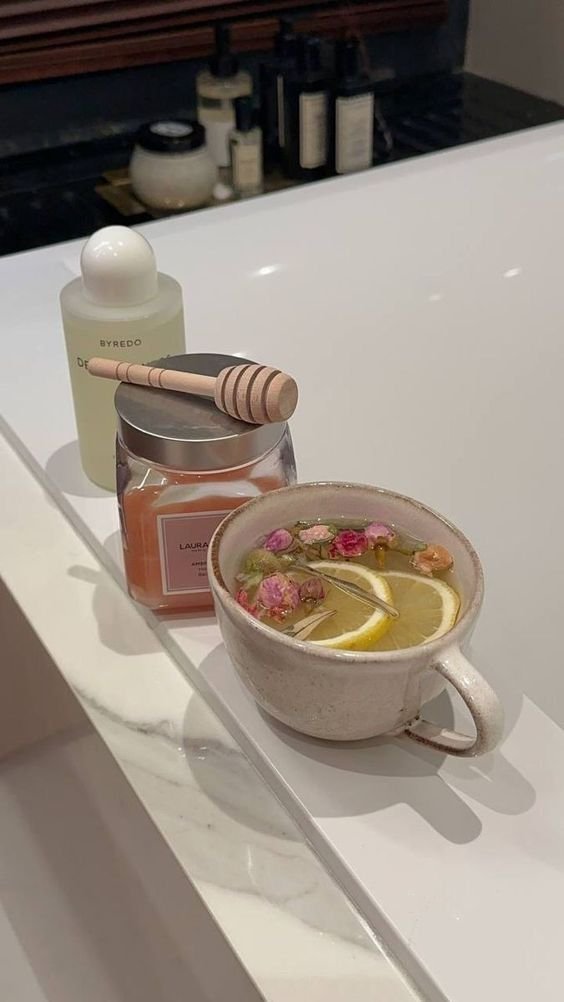
In our always-on culture, sleep is often the first thing we sacrifice. Yet, it’s one of the most powerful self-care tools at our disposal. Restorative sleep isn’t just about getting enough hours; it’s about achieving quality sleep that allows your body and mind to repair, rejuvenate, and consolidate memories. Skimping on sleep can lead to impaired judgment, increased stress, weakened immunity, and a general feeling of being unwell.
Transform your bedroom into a haven of tranquility. Keep it dark, quiet, and cool. Establish a consistent sleep schedule, even on weekends, to regulate your body’s natural circadian rhythm. Wind down before bed with relaxing activities like reading a book, taking a warm bath, or practicing gentle stretches. Avoid screens for at least an hour before sleep, as the blue light can interfere with melatonin production, the hormone that helps you sleep. Creating a serene environment, perhaps with some soothing candles or calming essential oils, can signal to your body that it’s time to rest.
Think of sleep as your body’s daily reset button. During sleep, your brain clears out toxins, your muscles repair, and your hormones rebalance. It’s a vital period of deep healing and preparation for the day ahead. Investing in good sleep hygiene is an act of profound self-love that pays dividends in every area of your life, from your mood and productivity to your physical health and emotional resilience.


Our digital devices, while incredibly useful, can also be a significant source of stress, comparison, and distraction. Constantly checking emails, scrolling social media, and staying glued to screens can lead to mental fatigue, eye strain, and a sense of being perpetually overwhelmed. A digital detox isn’t about abandoning technology forever; it’s about creating intentional breaks to reclaim your time, attention, and peace of mind.
This self-care practice involves setting clear boundaries with your devices. This could mean dedicating specific times of the day to check emails and social media, establishing “no-phone zones” in your home (like the bedroom or dining table), or taking a full day or even a weekend away from screens entirely. Notice how you feel before, during, and after these breaks. You might be surprised by the clarity and calm that emerge. For more insights on managing digital overwhelm, consider how to cope with anxiety in the digital age.
Stepping away from screens opens up space for other fulfilling activities. Use this newfound freedom to read a physical book, engage in conversation with loved ones, pursue a hobby, or simply sit in silence. A digital detox allows you to reconnect with the real world, foster deeper relationships, and reduce the constant pressure of comparison that social media often fosters. It’s a powerful way to reduce mental clutter and enhance your overall well-being.


There’s something uniquely restorative about spending time outdoors. In an increasingly urbanized world, reconnecting with nature is a powerful form of self-care that can dramatically reduce stress, improve mood, and boost creativity. This isn’t just anecdotal; science consistently shows the profound benefits of “forest bathing” or simply being in green spaces.
Whether it’s a walk in a local park, tending to a garden, hiking a forest trail, or simply sitting by a window and observing the sky, make nature a regular part of your routine. Pay attention to the details: the rustling leaves, the singing birds, the scent of fresh earth, the warmth of the sun on your skin. These sensory experiences help ground you, pull you away from internal worries, and connect you to something larger than yourself.
Studies have shown that exposure to nature can lower blood pressure, reduce muscle tension, decrease the production of stress hormones, and even improve short-term memory. It encourages a sense of wonder and perspective, reminding us of the vastness and beauty of the world. Even a few minutes spent in a natural setting can recalibrate your nervous system and leave you feeling refreshed and invigorated. Make it a point to seek out green spaces and let nature work its magic!


Self-care isn’t always about calming down; sometimes, it’s about unleashing your inner world! Engaging in creative expression is a fantastic way to process emotions, reduce stress, and tap into a joyful, playful part of yourself that might be dormant. You don’t need to be an artist; you just need to be willing to create for the sheer pleasure of it.
What sparks your imagination? Is it painting, drawing, writing, playing a musical instrument, singing, dancing, crafting, or even cooking a new recipe? The activity itself matters less than the act of engaging your creativity without judgment. Allow yourself to experiment, make mistakes, and simply enjoy the process. The focus is on expression, not perfection. This practice can be incredibly therapeutic, providing an outlet for emotions and thoughts that are difficult to verbalize. Dive into the therapeutic world of crafting and discover the benefits of crafting for mental health.
Creative activities stimulate different parts of your brain, fostering problem-solving skills, enhancing mood, and boosting self-esteem. They provide a wonderful distraction from daily stressors and allow you to enter a state of “flow,” where you’re completely absorbed in the activity. This sense of flow is deeply satisfying and restorative, leaving you feeling accomplished and mentally refreshed. Give yourself permission to play and explore, and watch how it enriches your life.

One of the most powerful and often overlooked forms of self-care is learning to say “no.” Setting healthy boundaries means defining what you will and will not allow in your life, whether it’s in your relationships, work, or personal commitments. It’s about protecting your energy, time, and emotional well-being from being depleted by external demands.
When you consistently overcommit, people-please, or allow others to infringe on your personal limits, you inevitably become resentful, stressed, and exhausted. Learning to communicate your needs clearly and assertively, without guilt, is a vital skill. This might involve saying “no” to extra tasks at work, declining social invitations when you need rest, or communicating expectations in your relationships. It’s not selfish; it’s an act of self-preservation.
Setting boundaries empowers you to take control of your life and ensures you have enough energy left for what truly matters to you. It teaches others how to treat you and fosters healthier, more respectful relationships. While it can feel uncomfortable at first, especially if you’re used to putting others first, the long-term benefits of increased peace, reduced stress, and greater self-respect are immeasurable. Start small, perhaps by setting one boundary this week, and observe the positive impact.


Journaling is much more than just writing down your day’s events. It’s a profound self-care practice that offers a private space for reflection, emotional processing, and personal growth. It allows you to externalize your thoughts and feelings, giving you a clearer perspective and helping you navigate complex emotions.
Think of your journal as a trusted confidant. There’s no right or wrong way to journal. You can write about your feelings, dreams, fears, gratitudes, or simply brain-dump whatever is on your mind. Prompt-based journaling can also be incredibly helpful for structured reflection. For example, consider exploring 5 autumn journaling prompts to inspire reflection and personal growth. The act of physically writing can slow down your thoughts, making them more manageable and less overwhelming. It’s a powerful tool for self-discovery and stress reduction.
Regular journaling can help you identify patterns in your thoughts and behaviors, understand your emotional triggers, and develop coping strategies. It improves self-awareness, fosters gratitude, and can even boost problem-solving abilities. By consistently checking in with yourself through writing, you build a stronger relationship with your inner world, fostering a sense of calm and clarity that extends into your daily life. It’s a simple yet incredibly effective way to nurture your mental and emotional health.


In a world that often encourages us to focus on what we lack, cultivating gratitude is a radical act of self-care. It’s the conscious practice of acknowledging and appreciating the good things in your life, no matter how small. A gratitude practice shifts your perspective, fostering positivity, resilience, and a deeper sense of contentment.
Start each day by listing three things you are grateful for. It could be the warmth of your bed, a delicious cup of coffee, a kind word from a colleague, or the beauty of a sunrise. You can keep a gratitude journal, share your gratitude with a loved one, or simply take a mental note throughout your day. The key is consistency and genuine appreciation. The more you practice, the more you’ll start to notice the abundance around you.
Research shows that gratitude can significantly increase happiness and reduce feelings of depression and anxiety. It strengthens relationships, improves physical health, and enhances empathy. By intentionally focusing on the positive, you rewire your brain to seek out good, even amidst challenges. This isn’t about ignoring difficulties, but rather about acknowledging the blessings that coexist with them. A daily dose of gratitude is a powerful elixir for a happier, more fulfilling life.
Embracing these 10 self-care ideas isn’t a one-time fix; it’s an ongoing journey of nurturing yourself. Remember, self-care is not selfish; it’s essential. When you fill your own cup, you have more to give to others and more energy to pursue your passions. Start small, be consistent, and most importantly, be kind to yourself every step of the way. You deserve to feel vibrant, joyful, and completely at peace.
Ready to take the first step towards a happier, healthier you? Pick one idea from this list that resonates most deeply with you right now and commit to incorporating it into your routine this week. Even a small change can create a ripple effect of positivity in your life. Your well-being is your greatest asset – invest in it wholeheartedly!


Self-care refers to any intentional actions you take to care for your physical, mental, and emotional health. It’s crucial because it helps manage stress, prevent burnout, improve mood, boost resilience, and generally enhance your overall well-being, allowing you to live a more fulfilling and productive life.
Start small! Even 5-10 minutes a day can make a difference. Pick one simple idea, like a 5-minute mindful breathing exercise, a quick walk, or writing down three things you’re grateful for. Consistency over duration is key. Gradually integrate more practices as they become habits.
Absolutely not! Many powerful self-care practices are completely free. Examples include spending time in nature, journaling, mindful breathing, getting enough sleep, setting boundaries, and joyful movement like dancing or walking. Self-care is about intentional actions, not financial outlay.
Listen to your body and mind. What makes you feel genuinely refreshed, energized, or peaceful? Experiment with different ideas from the list. What one person finds relaxing, another might not. The goal is to discover what truly nourishes your unique needs and brings you joy.
Yes, definitely! Practices like mindful meditation, connecting with nature, regular physical activity, prioritizing sleep, and journaling are highly effective tools for reducing stress and managing anxiety. By consistently engaging in self-care, you build a stronger foundation for mental and emotional resilience.
Feeling guilty about self-care is common, but it’s important to reframe this perspective. Self-care is not selfish; it’s essential for your well-being. When you take care of yourself, you are better equipped to care for others, handle responsibilities, and contribute positively to your life and relationships. It’s like putting on your own oxygen mask first.
Ideally, self-care should be an ongoing, daily practice, integrated into your routine. Even small, consistent acts every day are more beneficial than sporadic, grand gestures. Think of it as a continuous dialogue with yourself, checking in and providing what you need to thrive.