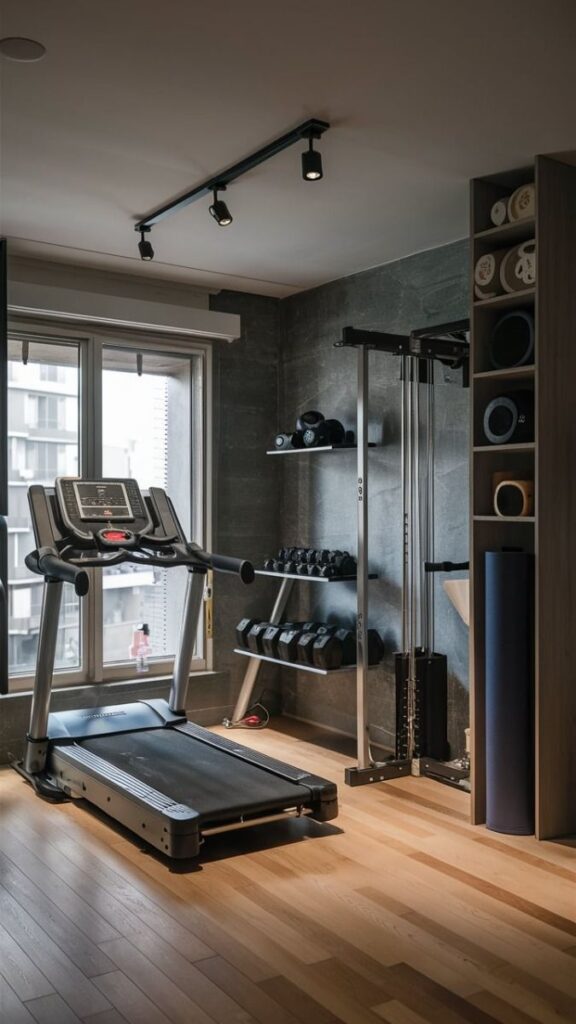
Are you tired of battling crowded gyms, waiting for equipment, or letting unpredictable weather derail your fitness goals? Imagine a space where every workout is on your terms, perfectly tailored to your ambitions, and always just steps away. This isn’t a pipe dream; it’s the incredible reality of a thoughtfully designed home gym. Embarking on a home gym design journey is more than just buying equipment; it’s about crafting a personal sanctuary where sweat meets serenity, and every rep brings you closer to your peak potential. Get ready to unleash your inner athlete and transform your home into the ultimate fitness haven!
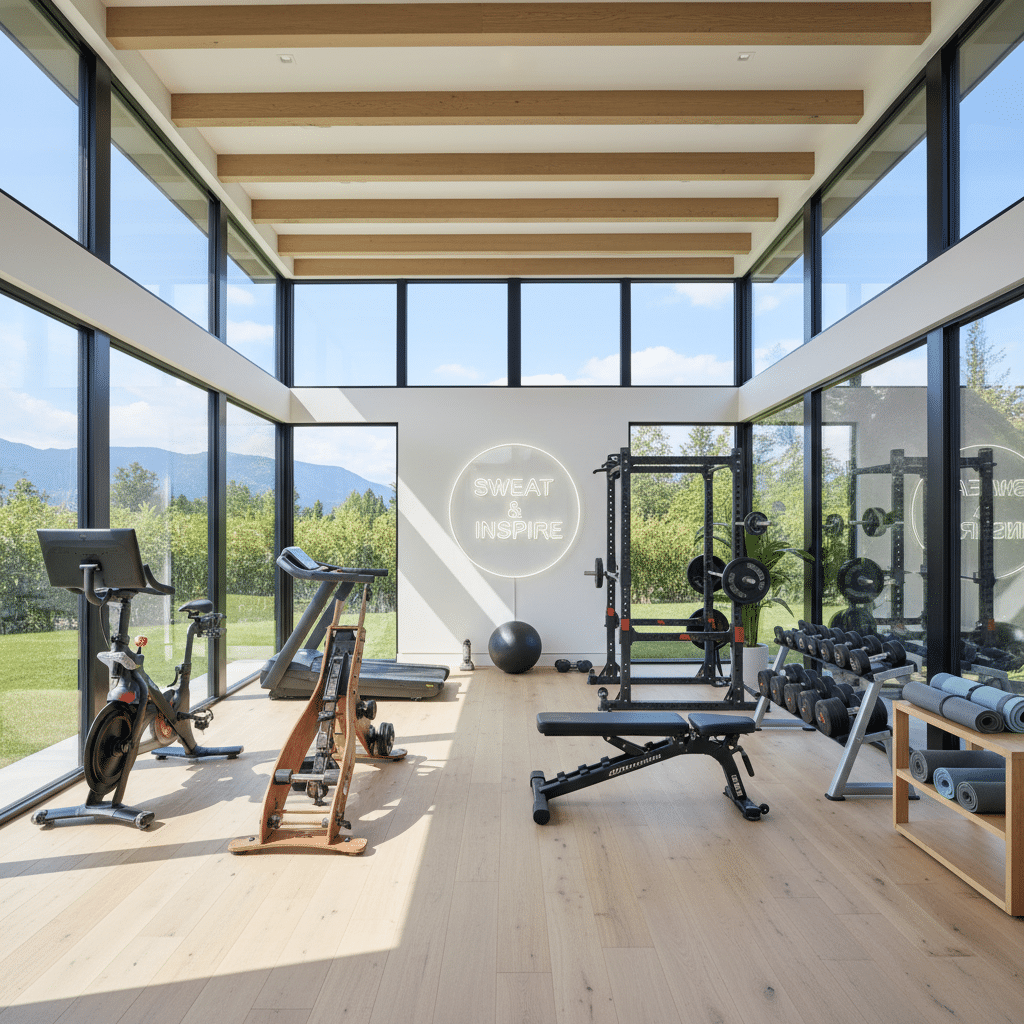
The Power of Your Personal Fitness Sanctuary

The allure of a home gym is undeniable. It offers unparalleled convenience, privacy, and the freedom to customize every single detail. No more commuting, no more sharing equipment, and absolutely no judgment. Your home gym becomes an extension of your commitment to health, a constant reminder of your aspirations. But how do you go from an empty room or a cluttered corner to a motivational powerhouse? It all starts with expert planning and a clear vision.
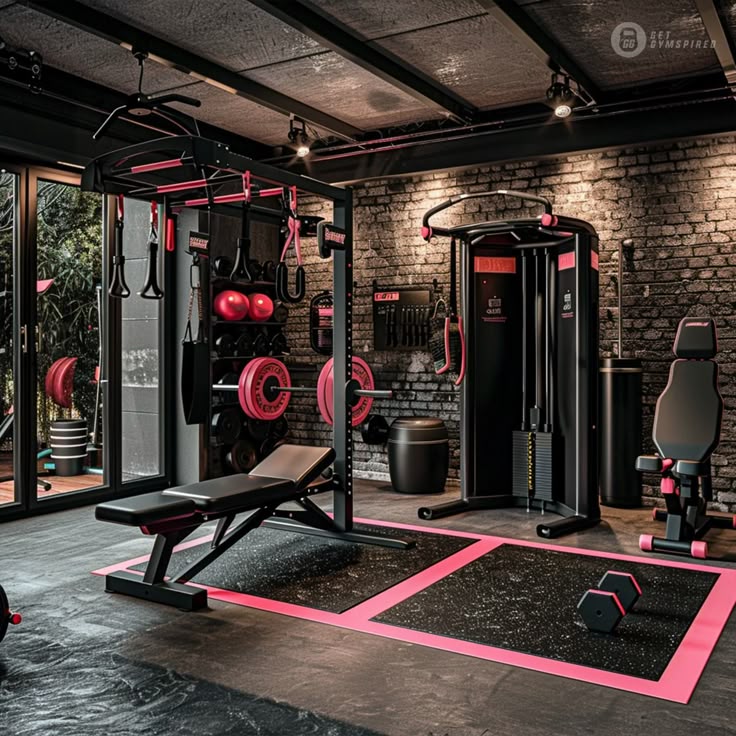
Laying the Foundation: Vision and Planning


Before you lift a single weight or unroll a yoga mat, a thorough planning phase is crucial. This isn’t just about what equipment you want; it’s about understanding your space, your goals, and your commitment.
Assess Your Space and Structure
First, take a hard look at the area you have available. Is it a sprawling basement, a cozy spare bedroom, a corner of your living room, or a garage?
- Dimensions: Measure the length, width, and height. This dictates the size and type of equipment you can accommodate. Don’t forget ceiling height, especially for exercises like overhead presses, pull-ups, or equipment like power racks.
- Structural Integrity: If you’re planning heavy weights or high-impact activities, consider the floor’s ability to support the load. For upper floors, soundproofing and vibration dampening become vital.
- Utilities: Check for electrical outlets, ventilation (windows, fans), and heating/cooling options. Easy access to water is also a bonus for hydration during workouts.
Define Your Fitness Goals
What kind of fitness journey are you on? Your goals will be the primary driver of your equipment choices and gym layout.
- Strength Training: If you’re lifting heavy, a power rack, barbell, weight plates, and a sturdy bench are non-negotiable. Dumbbells, kettlebells, and resistance bands will complement this.
- Cardio Focus: Treadmills, ellipticals, stationary bikes, rowers, or jump ropes will be your go-to.
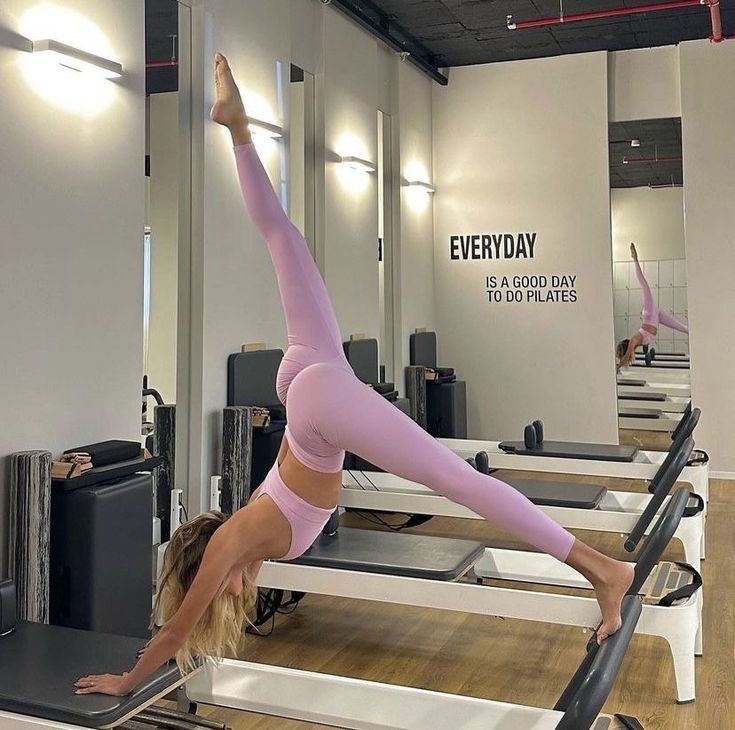
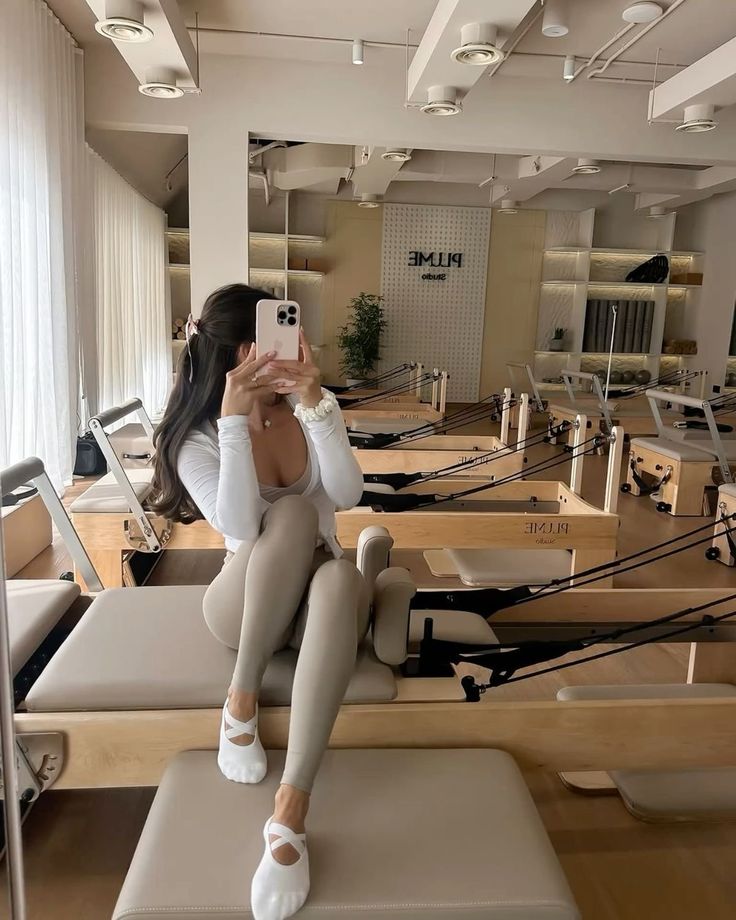
- Yoga/Pilates/Flexibility: Ample open space, quality mats, resistance bands, yoga blocks, and perhaps a ballet barre are key.
- Functional Training: Think TRX suspension trainers, medicine balls, plyometric boxes, and battle ropes.
- Mixed Modality: Most people aim for a blend, so prioritize versatile equipment that serves multiple purposes.
Budgeting for Success
Home gym costs can range from a few hundred dollars to tens of thousands. Set a realistic budget from the outset.
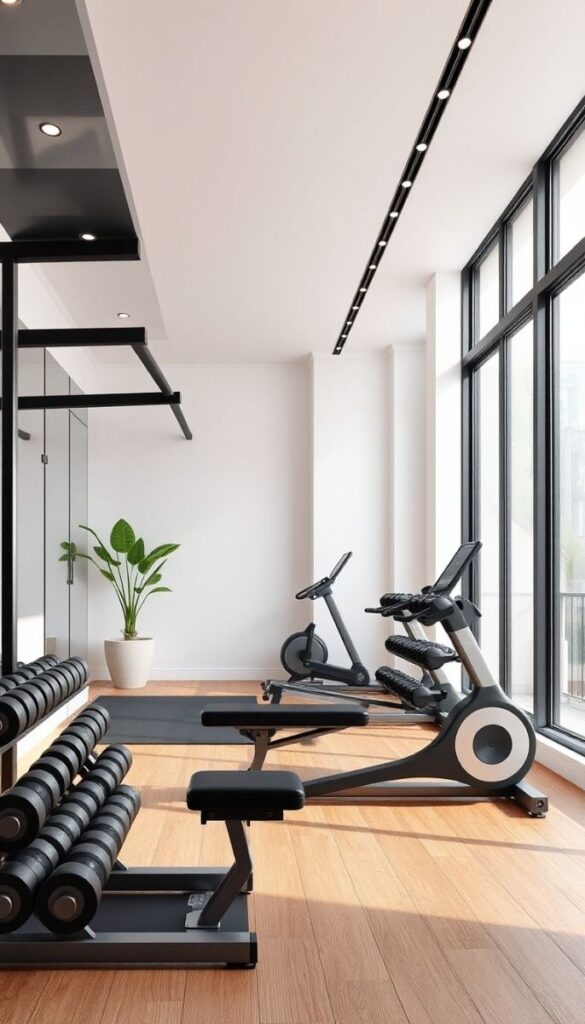
- Equipment: This will be your biggest expenditure. Prioritize essential pieces first. You can always expand later. Look for sales, used equipment, or refurbished options to save money.
- Flooring: Essential for safety and comfort. Rubber mats are a popular choice.
- Renovation/Enhancements: Consider costs for painting, mirrors, shelving, or electrical work if needed.
- Smart Tech & Accessories: Think about smart gym subscriptions, audio systems, or hydration stations.
Choosing Your Zone: Location, Location, Location


The ideal location for your home gym depends on your space, budget, and how much disruption you’re willing to tolerate. Each option has its unique advantages.
The Basement: A subterranean Powerhouse
Basements are a popular choice due to their inherent characteristics.
- Pros: Often large and spacious, naturally cooler, typically no concerns about floor load, and noise is less likely to disturb other living areas.
- Cons: Can be damp or prone to mold (requiring dehumidifiers), may lack natural light, and often require more effort for aesthetic improvements.
- Design Tip: Invest in good lighting, ventilation, and moisture control. Bright paint colors can help compensate for lack of natural light.
The Garage: Industrial Chic and Space Galore
Garages offer immense potential for serious training.
- Pros: Ample space for large equipment (power racks, lifting platforms), easy access to outside for fresh air, and often sturdy concrete floors. Great for noisy activities like deadlifts.
- Cons: Can be temperature extremes (too hot in summer, too cold in winter), dusty, and may require significant insulation and flooring upgrades. You might also lose parking space!
- Design Tip: Consider durable, interlocking rubber flooring. Add a mini-split AC/heater for comfort. Wall-mounted storage is key to keeping it organized.
The Spare Room or Office: Convenience and Comfort
Transforming an unused room is a common and comfortable approach.
- Pros: Climate-controlled, often well-lit, and easily integrated into your home’s aesthetic. High convenience.
- Cons: Limited space might restrict equipment choices, potential noise transfer to adjacent rooms, and might feel cramped if not designed well.
- Design Tip: Maximize vertical space with shelves and wall-mounted storage. Opt for multi-functional or foldable equipment. If it’s a dual-purpose room, ensure easy transitions between work and workout. For example, ensuring your workout gear doesn’t impede a productive study or work process can enhance your daily routine. Check out how to have a beautiful study and work process for ideas on creating inspiring spaces.
The Nook or Corner: Small Space, Big Impact
Don’t underestimate a small space. Even a dedicated corner can be incredibly effective.
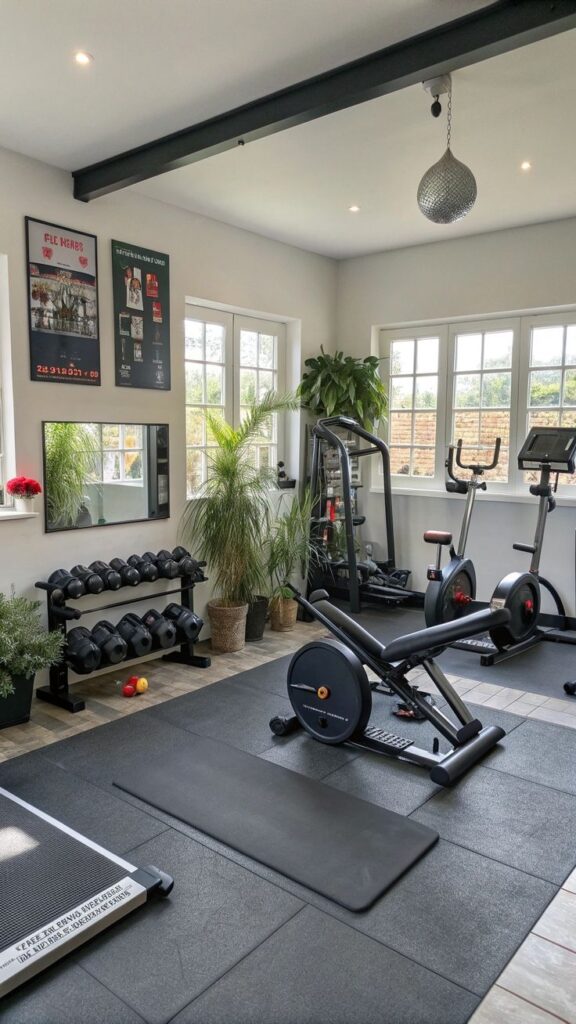
- Pros: Uses otherwise wasted space, minimal disruption to home flow, and very low setup cost.
- Cons: Extremely limited equipment options, can feel cramped quickly.
- Design Tip: Focus on bodyweight exercises, resistance bands, adjustable dumbbells, and perhaps a jump rope. Wall-mounted solutions and smart storage are your best friends here.
Grounding Your Efforts: Flooring and Walls


The right flooring protects your body, your equipment, and your home. Walls offer opportunities for function and motivation.
The Importance of Proper Flooring
Your flooring choice is paramount for safety, comfort, and noise reduction.
- Rubber Flooring: The gold standard. Comes in rolls, tiles, or mats. Excellent shock absorption, highly durable, easy to clean, and provides good grip. Ideal for heavy lifting.
- Foam Tiles: More budget-friendly, good for bodyweight exercises, yoga, and light cardio. Less durable than rubber and can shift.
- Carpet Tiles: Offer some cushioning and noise reduction. Can be a good option if you already have carpet, but may not withstand heavy equipment or sweat as well.
- Lifting Platforms: For serious lifters, a dedicated platform (wood surrounded by rubber) provides a solid, level surface for deadlifts and Olympic lifts, protecting the subfloor.
Walls: More Than Just Boundaries
Walls aren’t just for holding up the roof; they’re an integral part of your gym’s functionality and aesthetic.
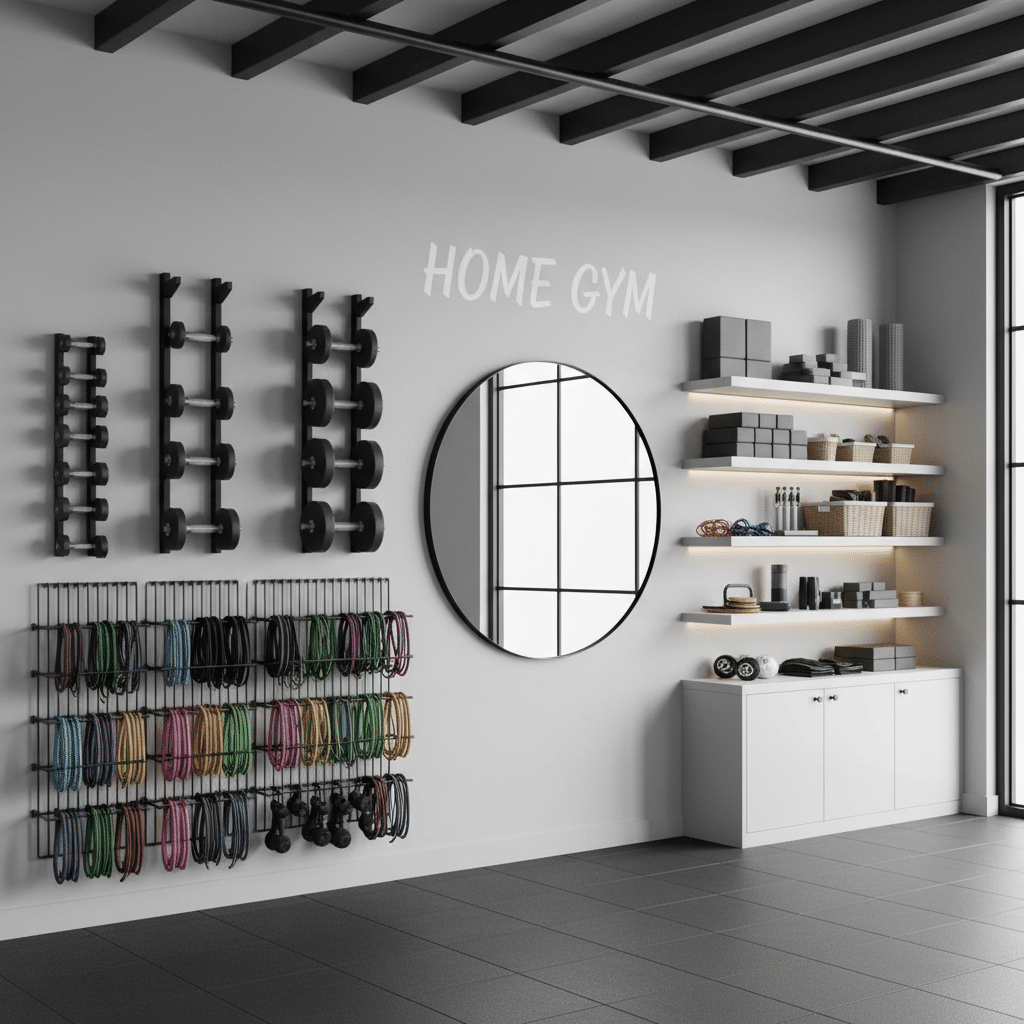
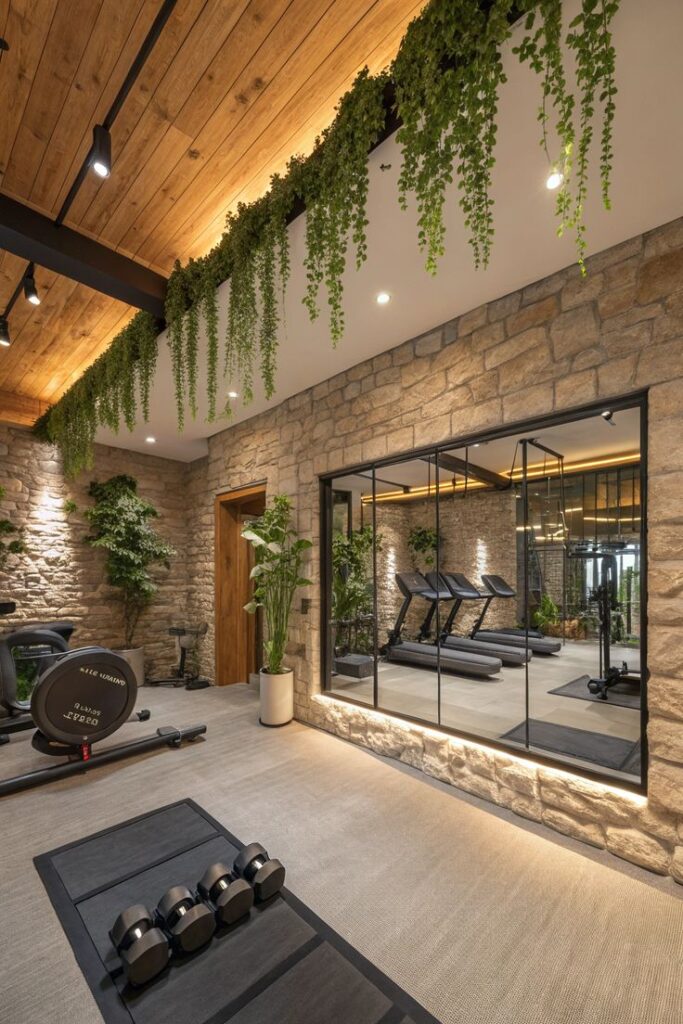
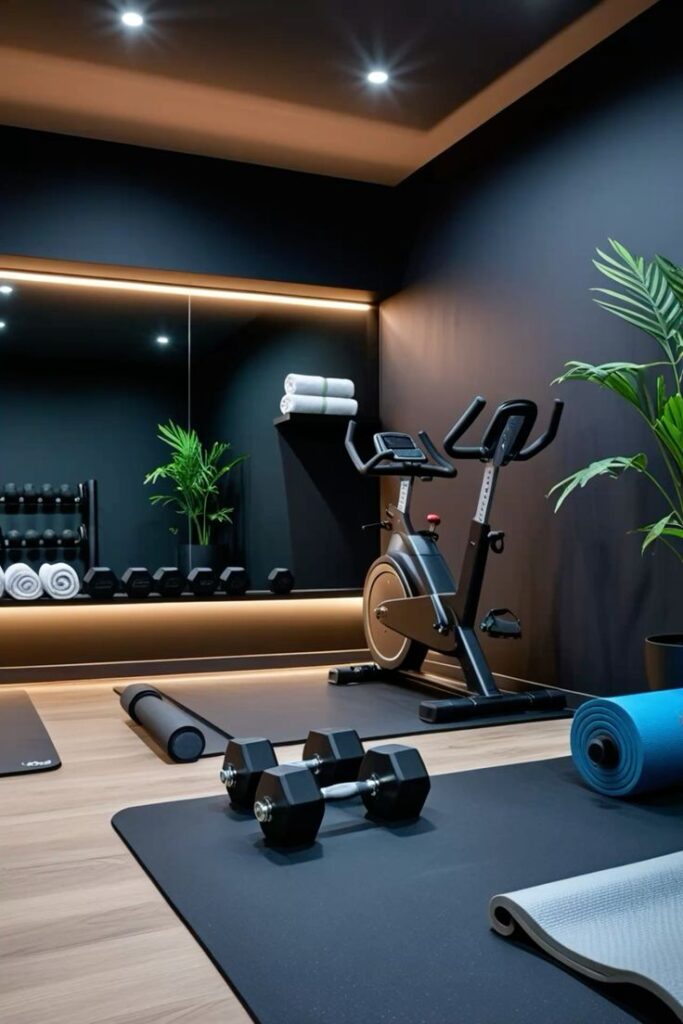
- Mirrors: Essential for checking form, especially for strength training. They also make a space feel larger and brighter. Install securely!
- Soundproofing: If noise is a concern, consider acoustic panels or specialized drywall to dampen sound.
- Shelving & Storage: Wall-mounted shelves, pegboards, and racks keep equipment off the floor, maximizing space and preventing trip hazards. This is where smart organization truly shines. For more ideas on effective organization, consider how you might apply principles from how to organize storage for a DIY corner to your gym gear.
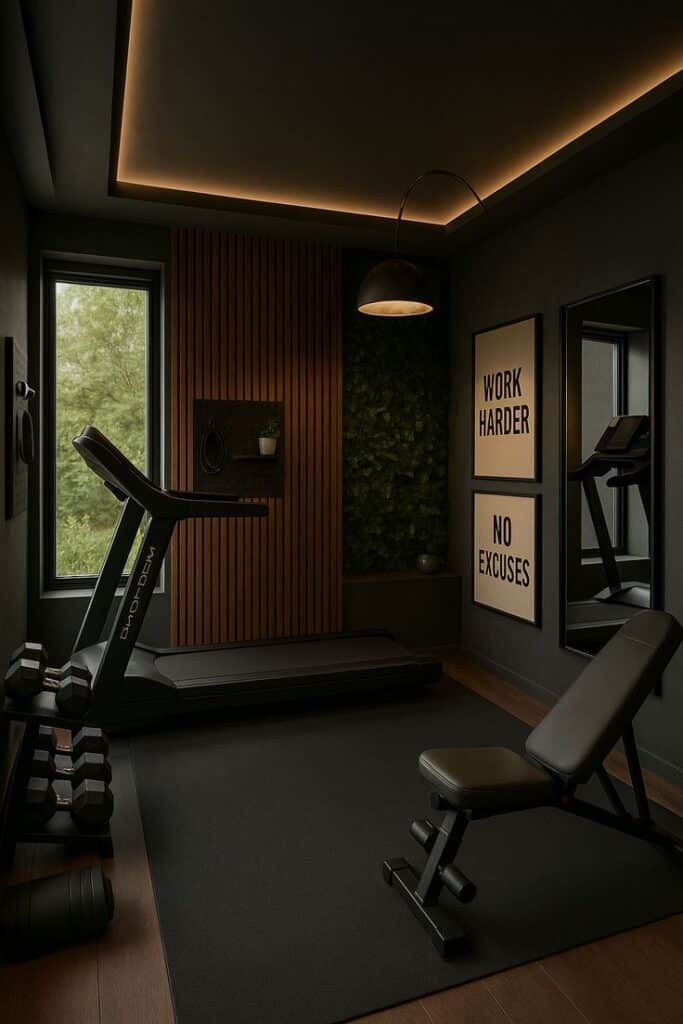
- Motivational Decor: Transform plain walls into a source of inspiration.
Your Arsenal: Essential Equipment Selection

This is where your fitness goals truly dictate your design. Choose equipment that excites you and aligns with your workout style.
Cardio Kings and Queens
- Treadmill: Classic for walking, jogging, running. Look for good cushioning and a strong motor.
- Elliptical: Low-impact, full-body workout.
- Stationary Bike: Excellent for cycling enthusiasts. Recumbent bikes offer back support.
- Rower: Full-body, low-impact, highly effective. Often foldable to save space.
- Jump Rope: Inexpensive, takes up zero space, and delivers a fantastic cardio workout.
Strength Training Staples
- Dumbbells & Kettlebells: Versatile and compact. Adjustable sets are fantastic for small spaces.
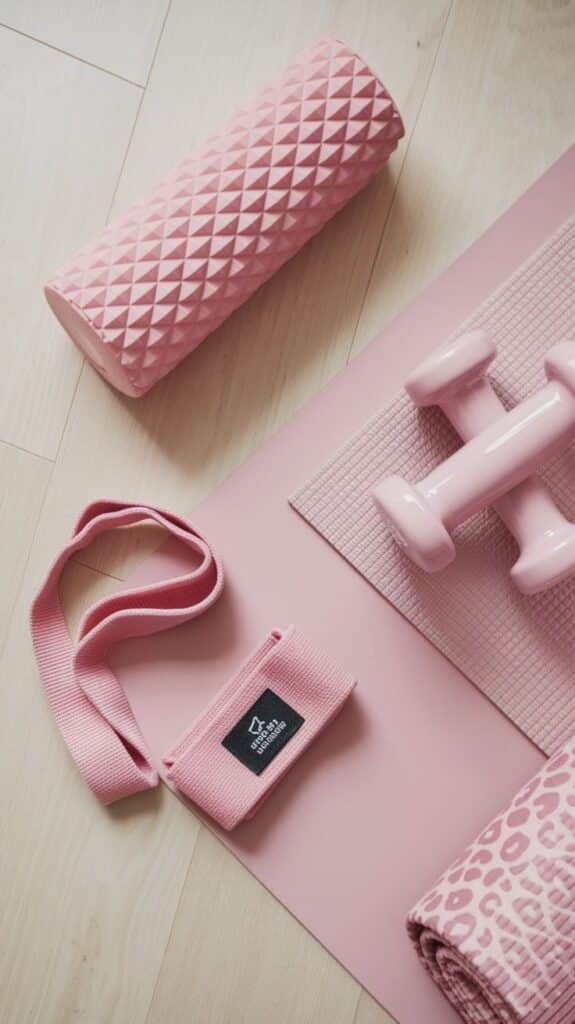
- Resistance Bands: Inexpensive, take up no space, and offer a wide range of exercises.
- Weight Bench: Adjustable benches allow for flat, incline, and decline exercises.
- Power Rack/Squat Rack: For serious lifters. Provides safety for squats, bench presses, and overhead presses. Requires significant space and ceiling height.
- Multi-Gym/Cable Machine: Offers a comprehensive workout in one footprint, but can be bulky.
Functional and Beyond
- TRX Suspension Trainer: Uses bodyweight for a full-body workout. Attaches to a door or ceiling anchor.
- Stability Ball: Great for core work, balance, and stretching.
- Plyometric Box: For jump training and step-ups.
- Battle Ropes: Intense full-body workout, but requires space.
The Rise of Smart Home Gyms
Innovations like Peloton, Tonal, Mirror, and Tempo bring guided workouts and interactive experiences right into your home. These often have a smaller footprint but come with subscription costs. They integrate seamlessly into a modern aesthetic.
Mastering the Flow: Ergonomics and Layout


A well-designed home gym isn’t just about what’s in it; it’s about how it’s arranged. Effective layout ensures safety, efficiency, and motivation.
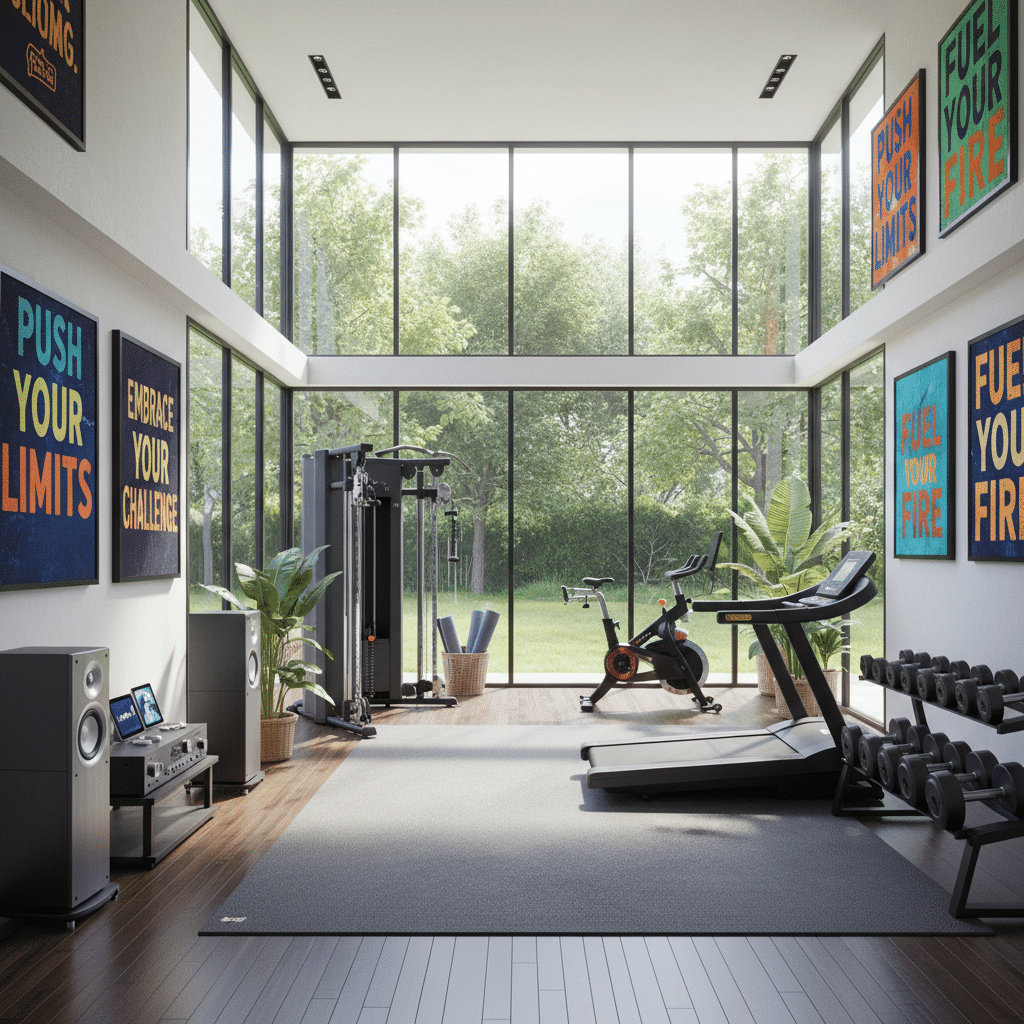
- Flow and Movement: Plan your layout so you can move smoothly between different exercise zones. Imagine your workout routine and arrange equipment in a logical sequence.
- Clearance: Ensure ample space around each piece of equipment. You need room to load weights, get on/off a treadmill, perform stretches, and move freely without bumping into walls or other gear. A good rule of thumb is at least 2-3 feet of clearance on all active sides.
- Verticality: Look up! Wall-mounted storage, pull-up bars, and even TV mounts save valuable floor space.
- Dedicated Zones: If space allows, create distinct areas for cardio, strength, and stretching. This mental separation can enhance focus.
- Storage Solutions: Clutter is a motivation killer. Integrate smart storage:
- Weight Racks: For dumbbells, kettlebells, and plates.
- Shelving: For smaller items like resistance bands, jump ropes, and towels.
- Pegboards: Customizable storage for various accessories.
- Cabinets/Lockers: To keep less aesthetically pleasing items out of sight.
- Hooks: For resistance bands, jump ropes, and even workout clothes.
Illuminating Your Potential: Lighting and Atmosphere

The right lighting and atmosphere can significantly impact your mood and performance. You want a space that energizes you, not drains you.
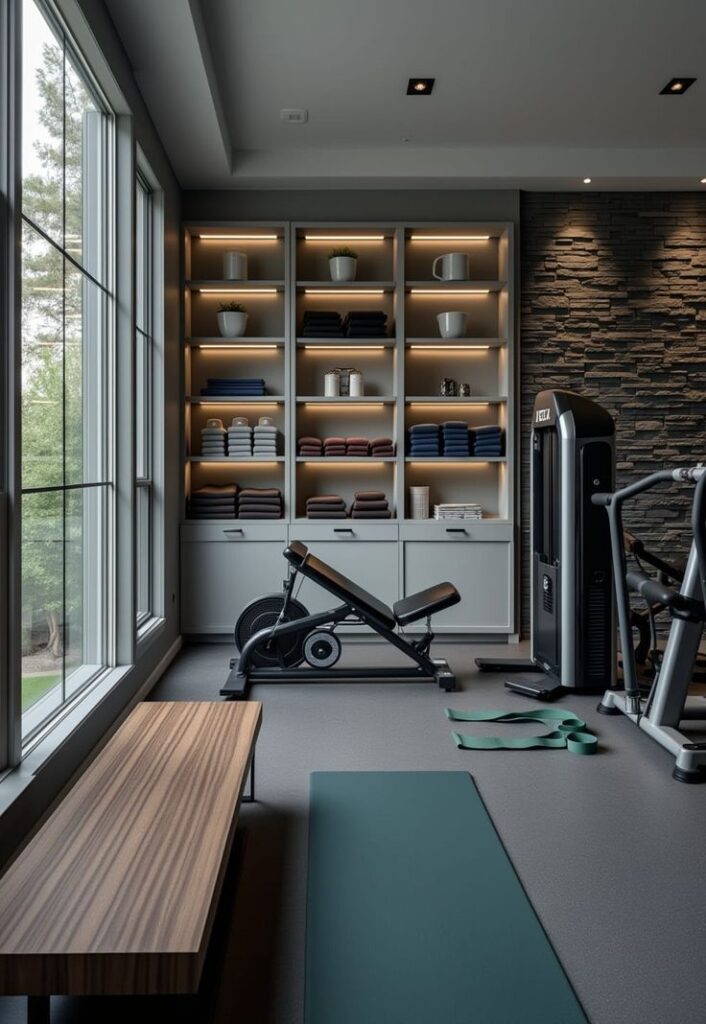
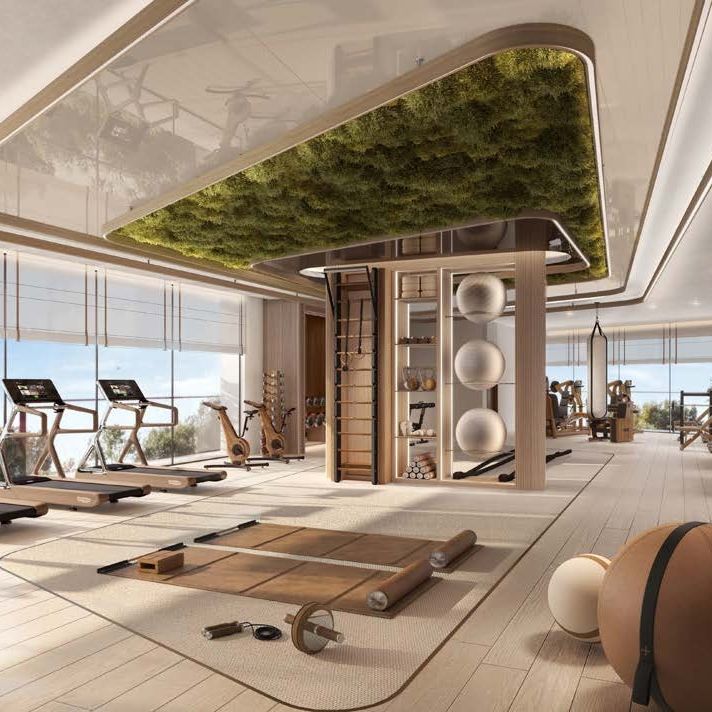
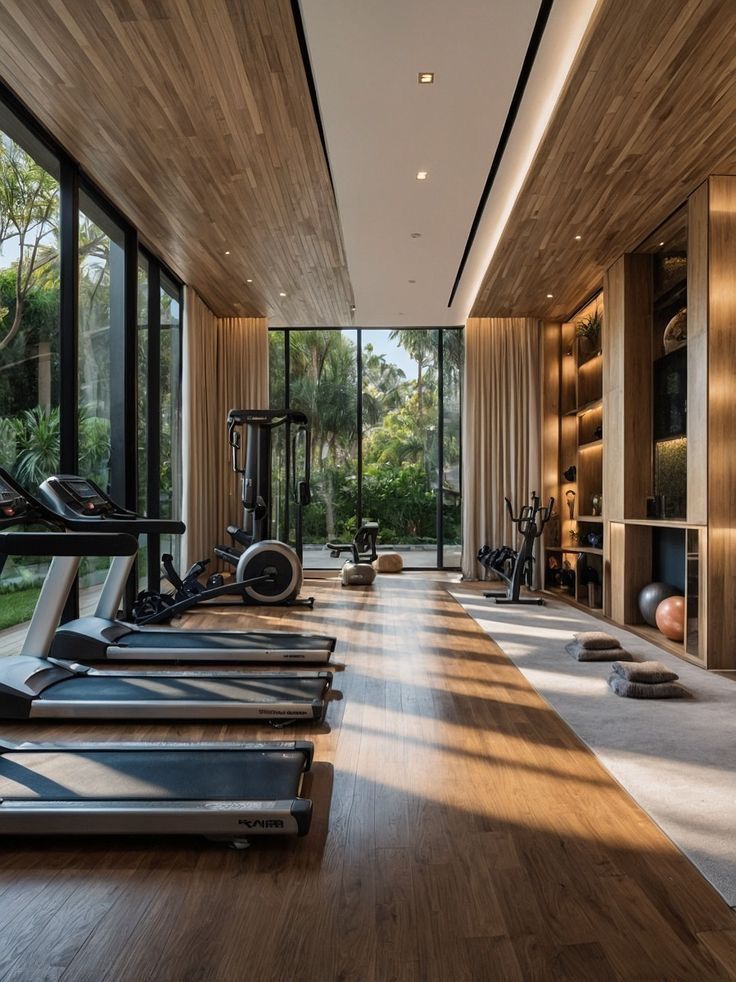
- Natural Light: Maximise it! Position your gym near windows if possible. Natural light boosts mood, reduces eye strain, and makes the space feel more open.
- Artificial Lighting: Supplement natural light with bright, even artificial light.
- Overhead Lighting: Dimmable LED fixtures are excellent, providing general illumination.
- Task Lighting: Spotlights or track lighting can highlight specific areas or equipment.
- Accent Lighting: LED strips around mirrors or shelving can add a modern, motivational touch.
- Mirrors: Beyond checking form, mirrors reflect light, making a space feel larger and brighter.
- Sound System: Music is a powerful motivator. A good quality sound system (Bluetooth speaker or integrated audio) is a must.
- Aromatherapy: Diffuse invigorating essential oils like peppermint or citrus to boost energy and focus. To truly create an atmosphere for yourself without spending a fortune, consider leveraging scent, natural light, and intentional decor.
Seamless Integration: Technology in Your Workout


Modern home gyms are often technology hubs, enhancing performance and entertainment.
- Smart Devices: Fitness trackers, smart scales, and heart rate monitors seamlessly connect to apps, tracking progress and offering insights.
- Entertainment: A wall-mounted TV for streaming workout classes, sports, or entertainment is a popular addition.
- Connectivity: Robust Wi-Fi is essential for smart gym equipment and streaming. Consider smart plugs to easily control lights and fans.
- Virtual Trainers & Apps: Leverage the vast world of fitness apps and online coaches. They can provide structured workouts, technique guidance, and motivation, making your home gym experience feel like a personal training session.
Breathing Easy: Ventilation and Climate Control
A stuffy, hot, or cold gym is a miserable gym. Proper ventilation and climate control are vital for comfort and hygiene.
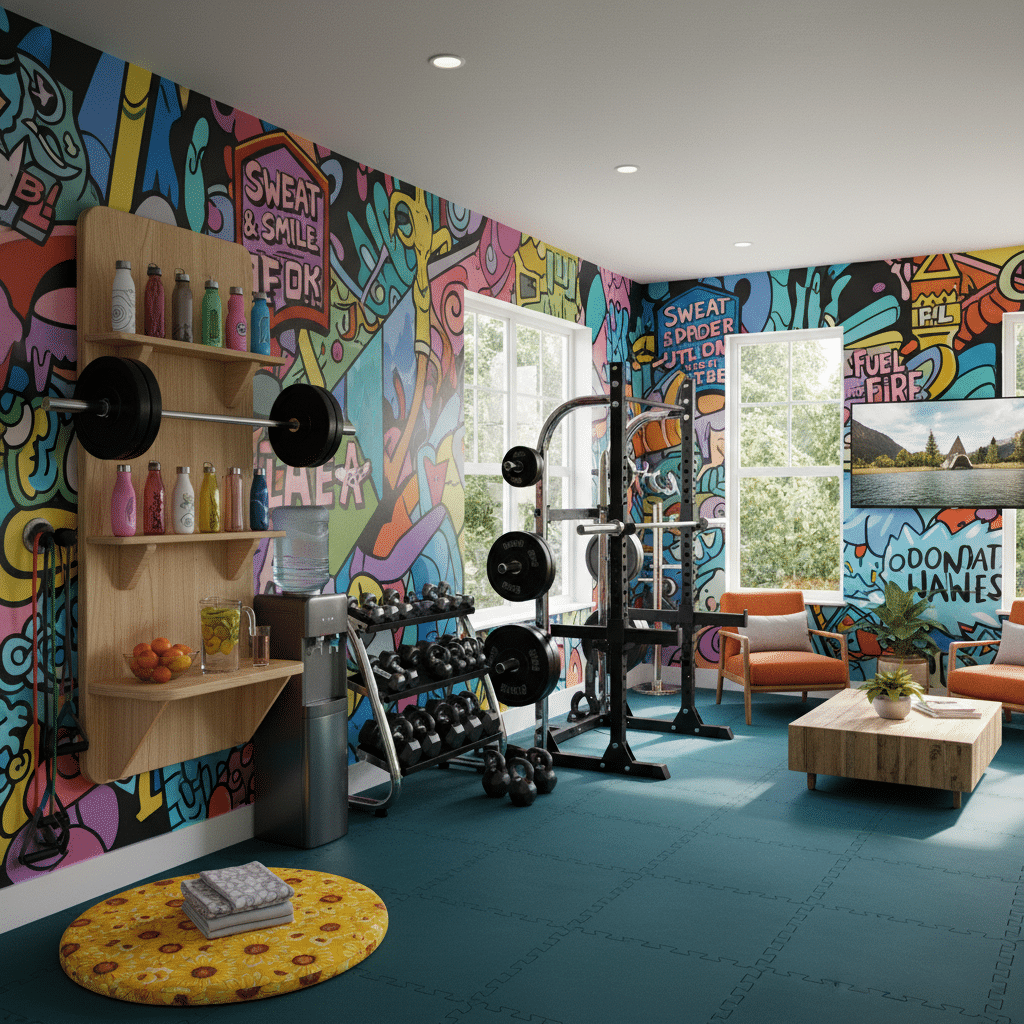
- Air Circulation: Ensure good airflow to prevent stuffiness and remove odors.
- Windows: Open them whenever possible for fresh air.
- Fans: Ceiling fans or powerful portable fans can make a huge difference, especially during intense workouts.
- Exhaust Fans: If your gym is in a basement or garage, an exhaust fan can help expel stale air and moisture.
- Temperature Control:
- AC Unit/Mini-Split: The ideal solution for garages or basements that lack central air.
- Heaters: Portable heaters can take the chill off a cold space in winter.
- Insulation: Consider insulating garage doors or basement walls to regulate temperature more effectively.
Safety First, Always

Your home gym should be a safe space. A few considerations can prevent accidents and ensure peace of mind.
- Proper Assembly: Follow instructions meticulously when assembling equipment. If unsure, hire a professional.
- Regular Checks: Periodically inspect equipment for wear and tear, loose bolts, or damaged parts.
- Non-Slip Surfaces: Ensure your flooring provides good grip, especially around areas where you sweat.
- Clear Walkways: Keep pathways free of clutter to prevent trips and falls.
- First-Aid Kit: Have a basic first-aid kit readily accessible.
- Spotter System: If you lift heavy alone, invest in a power rack with safety bars.
Infusing Personality: Aesthetic and Personalization
This is your space. Make it reflect your style and fuel your motivation.
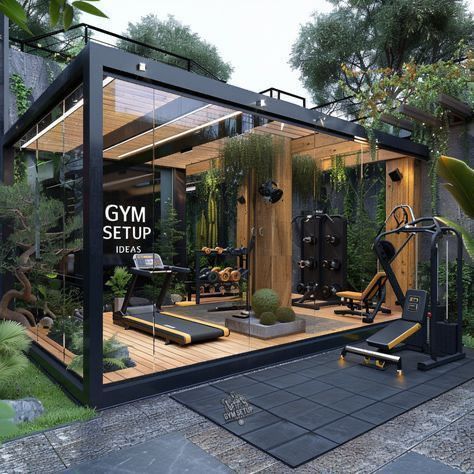
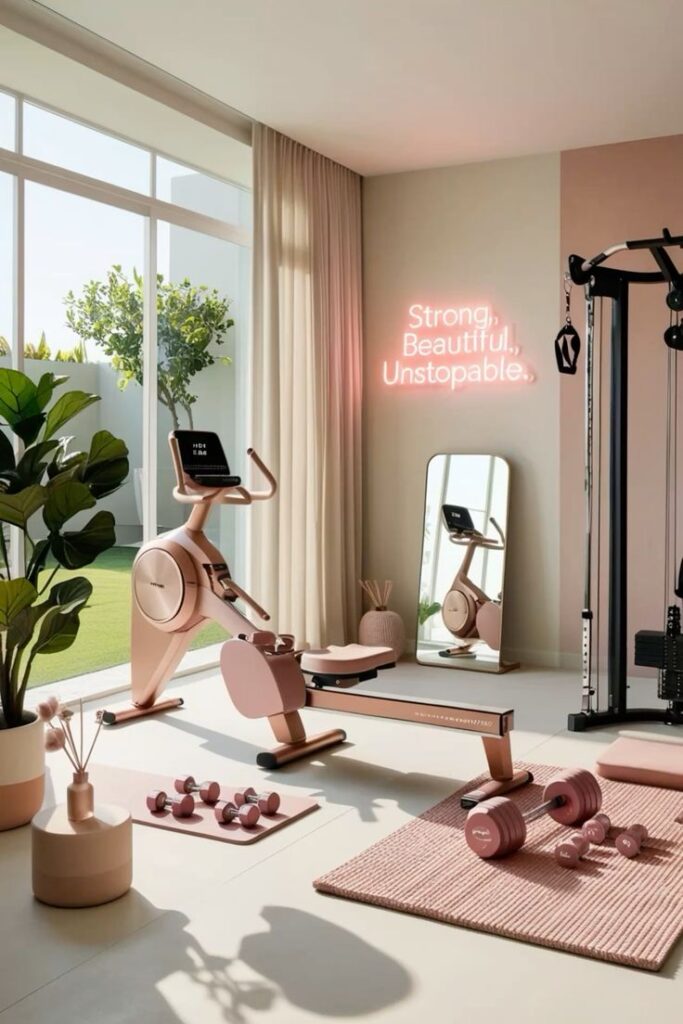
- Color Psychology: Choose colors that energize or calm you. Bright, bold colors (reds, oranges) can be invigorating, while cool tones (blues, greens) can promote focus and serenity.
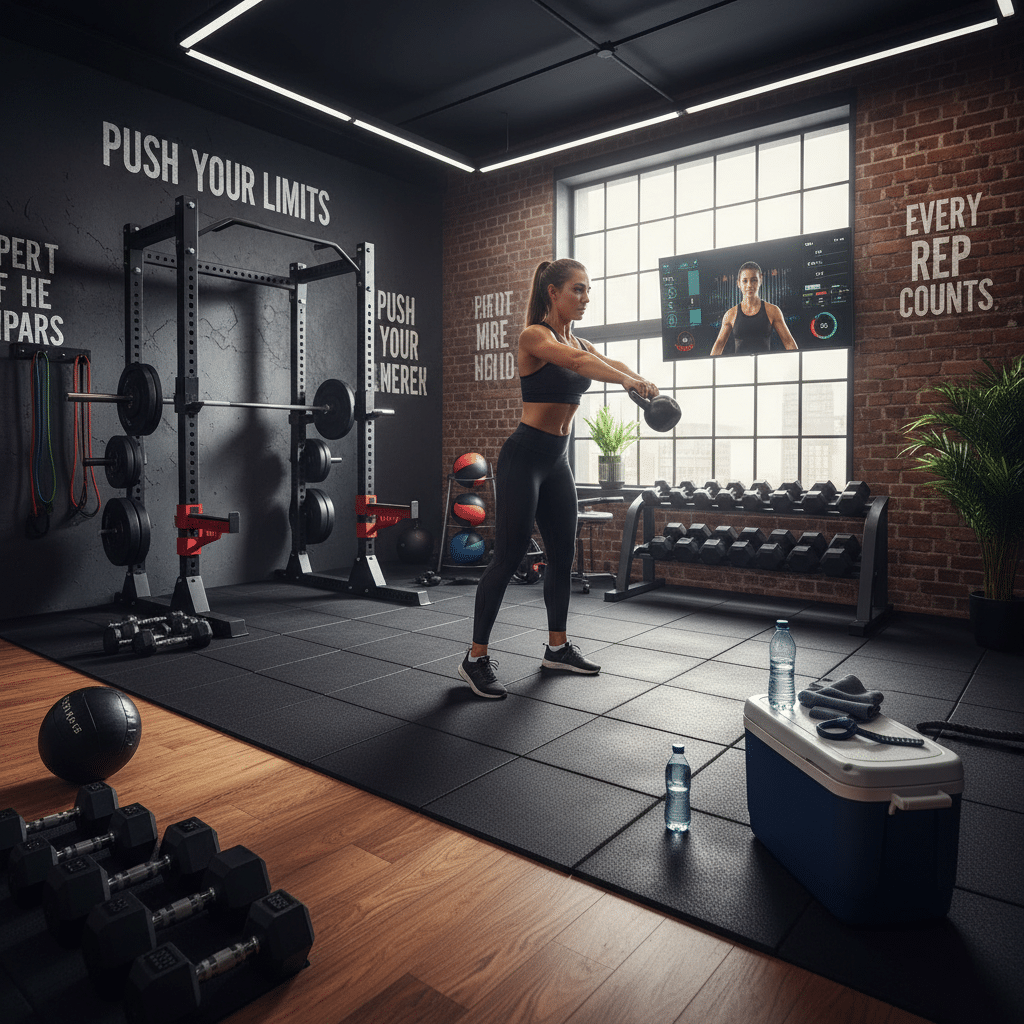
- Motivational Decor: Adorn your walls with inspiring quotes, artwork, or fitness-related room posters. Seeing your goals or role models can provide that extra push.
- Personal Touches: Add elements that make the space uniquely yours – a special plant, a custom clock, or photos that inspire you. This is an opportunity to cultivate a space that truly supports your journey toward personal success and well-being, enhancing what to do for energy and vitality.
- Cleanliness: A clean, organized gym is a more inviting and motivating space. Make it a habit to wipe down equipment after each use.
Solutions for the Space-Challenged


Don’t let a small footprint deter your home gym dreams. Creativity is your biggest asset.
- Foldable Equipment: Many treadmills, bikes, and rowers are designed to fold up and be stored vertically when not in use.
- Wall-Mounted Options: Fold-away squat racks, wall-mounted pull-up bars, and storage solutions are game-changers for tiny spaces.
- Multi-Functional Pieces: An adjustable weight bench can be used for dozens of exercises. Resistance bands offer an entire gym’s worth of workouts in a small bag.
- Under-Bed/Closet Storage: Utilize hidden spaces for smaller equipment.
Maintaining Your Motivation Machine
Your home gym is an investment in yourself. Keep it performing at its best with regular care.
- Cleaning Routine: Wipe down equipment regularly to prevent sweat buildup and germ spread. Vacuum or sweep the floor.
- Equipment Maintenance: Follow manufacturer guidelines for lubricating moving parts, checking battery levels for consoles, and ensuring all components are in good working order.
- Updates & Upgrades: As your fitness goals evolve, so too might your equipment needs. Stay open to upgrading or adding new pieces that align with your progress.
Your home gym is more than just a place to exercise; it’s a testament to your dedication, a symbol of personal empowerment, and a key tool in unlocking your full potential.
Conclusion

Creating your perfect home gym is an exciting and empowering journey. From meticulously planning your space and selecting the right equipment to optimizing lighting, sound, and atmosphere, every decision contributes to a sanctuary where you can truly thrive. Remember, this isn’t about having the biggest or most expensive setup; it’s about crafting a functional, inspiring, and personalized environment that empowers you to reach your fitness goals consistently and joyfully. Take the time to design a space that resonates with you, and you’ll find yourself not just working out, but truly flourishing within the comfort of your own home.
So, what are you waiting for? Start sketching, start dreaming, and start building the home gym that will transform your health, your energy, and your life. Your perfect workout space awaits – go unleash your potential!
Frequently Asked Questions


What’s the most important factor to consider when designing a home gym?
The most important factor is defining your fitness goals and assessing your available space. These two elements will dictate your equipment choices, layout, and overall design decisions. Without clarity on these, you might end up with a gym that doesn’t meet your needs.
How much space do I really need for an effective home gym?
You need less space than you might think! While a dedicated room is ideal, even a small corner (5×5 feet) can accommodate bodyweight exercises, resistance bands, and adjustable dumbbells. For larger equipment like a power rack or treadmill, you’ll need at least a 10×10 foot area, plus clearance.
What’s the best flooring for a home gym?
Rubber flooring is widely considered the best option. It offers excellent shock absorption, protects your subfloor, provides good grip, and is highly durable. It’s available in various thicknesses as rolls, interlocking tiles, or individual mats.
Should I put mirrors in my home gym?
Absolutely! Mirrors are highly recommended. They allow you to check your form, which is crucial for preventing injuries and maximizing exercise effectiveness. They also make the space feel larger and brighter, boosting motivation.
How can I make my home gym more motivating?
Personalization is key! Incorporate motivational quotes or artwork, choose energizing colors for walls or accents, ensure good lighting (especially natural light), and set up a quality sound system for music. Keeping the space clean and organized also significantly contributes to a positive atmosphere.
Is it worth investing in smart home gym equipment?
It depends on your budget and preference. Smart home gym equipment (like Peloton, Tonal) offers guided workouts, real-time feedback, and a sense of community, which can be highly motivating and convenient. However, they often come with a higher upfront cost and ongoing subscription fees.
How do I deal with noise and ventilation in a home gym?
For noise, consider rubber flooring, acoustic panels on walls, or placing your gym in a basement or garage away from living areas. For ventilation, prioritize windows for fresh air, powerful fans, and potentially an exhaust fan or a dedicated AC unit (mini-split) for consistent climate control, especially in garages or basements.