10 Essential Travel Safety Tips for Every Explorer
Facebook Twitter Pinterest The open road, the allure of distant lands, the promise of new experiences – travel is an incredible adventure. It…


The age-old travel dilemma: hostel vs hotel travel. It’s a question that has sparked countless debates among globetrotters, budget backpackers, luxury seekers, and everything in between. Choosing the right accommodation isn’t just about finding a bed for the night; it’s about defining the very essence of your adventure. Do you crave the quiet solitude and pampered privacy of a hotel, or does the vibrant, communal energy of a hostel call your name?
This isn’t a simple ‘one size fits all’ decision. Your ideal stay depends on your travel style, budget, companions, and what you hope to gain from your journey. Both options offer unique advantages and distinct experiences, shaping memories long after you’ve unpacked your bags. Let’s dive deep into the world of hostels and hotels, dissecting their offerings to help you decode the best stay for your next unforgettable escapade.



For many, the word “hotel” conjures images of crisp white sheets, a private bathroom, and impeccable service. Hotels are the traditional choice for travelers seeking comfort, convenience, and a reliable experience. They cater to a broad spectrum, from budget-friendly chains to opulent five-star resorts, but the core promise remains consistent: a private space designed for your personal enjoyment.
At its heart, a hotel offers individual rooms or suites, complete with private bathrooms, separated from other guests. This means no sharing sleeping quarters, no queues for the shower, and a dedicated space to truly unwind. You’re paying for exclusivity and a certain standard of service.
Of course, hotels come with their own set of considerations. The most apparent is the cost, which is generally higher than hostels. This can significantly impact your travel budget, especially for longer trips. They also tend to be less conducive to spontaneous social interaction, and you might miss out on a deeper immersion into local culture that a more community-focused stay might offer.



On the flip side, hostels offer a distinctly different travel experience. They are social hubs, designed to connect travelers from all walks of life. Historically associated with young backpackers, modern hostels have evolved, offering a diverse range of options from basic dorms to stylish “poshtels” with private rooms.
Hostels are characterized by shared dormitory-style rooms, often with bunk beds, and communal facilities like bathrooms, kitchens, and common areas. While private rooms are increasingly common, the essence of a hostel lies in its shared spaces and emphasis on social interaction.
The communal nature of hostels means less privacy. Noise can be an issue in dorms, and shared bathrooms might not always be sparkling clean. Security requires vigilance, as personal belongings are less secure than in a private hotel room. Comfort levels can also vary greatly, from basic to surprisingly chic.



When choosing between a hostel and a hotel, cost is almost always a significant factor. However, it’s essential to look beyond the nightly rate and consider the overall value.
Hotels have a higher upfront cost, no doubt. A standard hotel room in a major city can range from $100 to $500+ per night. While this includes the luxury of privacy, dedicated services, and often premium amenities, it can quickly add up. For a week-long trip, this could mean thousands of dollars just on accommodation. However, for those seeking specific aesthetics and comfort, perhaps wanting a room that evokes a feeling similar to checking out the fall decor trends 2025 cozy ideas for every room, the higher price is a worthwhile investment.
Hostels are a game-changer for budget travelers. A bed in a dorm can cost anywhere from $15 to $50 per night, depending on the location, season, and hostel quality. Even private rooms in hostels are often cheaper than the most basic hotel room. These savings are substantial, allowing travelers to extend their trips, splurge on experiences, or simply stick to a much tighter budget. Be mindful of potential hidden costs like locker rentals, towel fees, or breakfast add-ons, though many offer freebies as incentives.
Ultimately, value is subjective. For some, the peace of mind that comes with privacy, a spotless private bathroom, and reliable service is priceless. For others, the opportunity to stretch their budget, meet new people, and experience a more authentic, communal side of travel offers far greater value, even if it means sacrificing some personal space. It’s about aligning the cost with what you genuinely value in your travel experience.



This is perhaps the most fundamental difference between hostels and hotels, dictating the very rhythm of your stay.
In a hotel, your room is your personal sanctuary. You can spread out your belongings, take a long, uninterrupted shower, make phone calls without disturbing anyone, and simply relax in your own quiet bubble. This privacy is crucial for recharging, for intimate moments, or for business travelers needing a focused workspace. The ability to retreat completely from the outside world is a luxury often understated until you don’t have it.
Hostels, by design, are about shared spaces. Dorms mean you’re sleeping in a room with multiple other travelers, often in bunk beds. While curtains on bunks and individual reading lights have become common, you’re still in a shared environment. Bathrooms are typically communal, requiring a certain level of comfort with sharing facilities. Earplugs, an eye mask, and a good sense of humor become essential travel companions. Even if a hostel offers private rooms, these often come with shared bathrooms, maintaining a social touch while offering sleeping solitude.



The social aspect is where hostels truly shine and hotels often fall short, depending on your perspective.
Interaction in hotels is generally limited to staff, your travel companions, or perhaps a polite nod to another guest in the elevator. While some hotels may have lively bars or lobbies, they aren’t typically designed to foster deep connections between strangers. If you’re traveling for business, a romantic getaway, or simply want to be left alone, this can be a huge advantage.
Hostels are dynamic social ecosystems. Common rooms, fully equipped kitchens, outdoor patios, and hostel bars are magnets for travelers looking to connect. It’s common to bond over cooking a meal, sharing travel stories, or planning the next day’s adventures with people you just met. Hostels often organize events like walking tours, pub crawls, or cooking classes, explicitly designed to help guests mingle. This environment is perfect for solo travelers who want to make friends, learn about different cultures, and share unique experiences. The connections made in a hostel can often be the most memorable part of a trip.

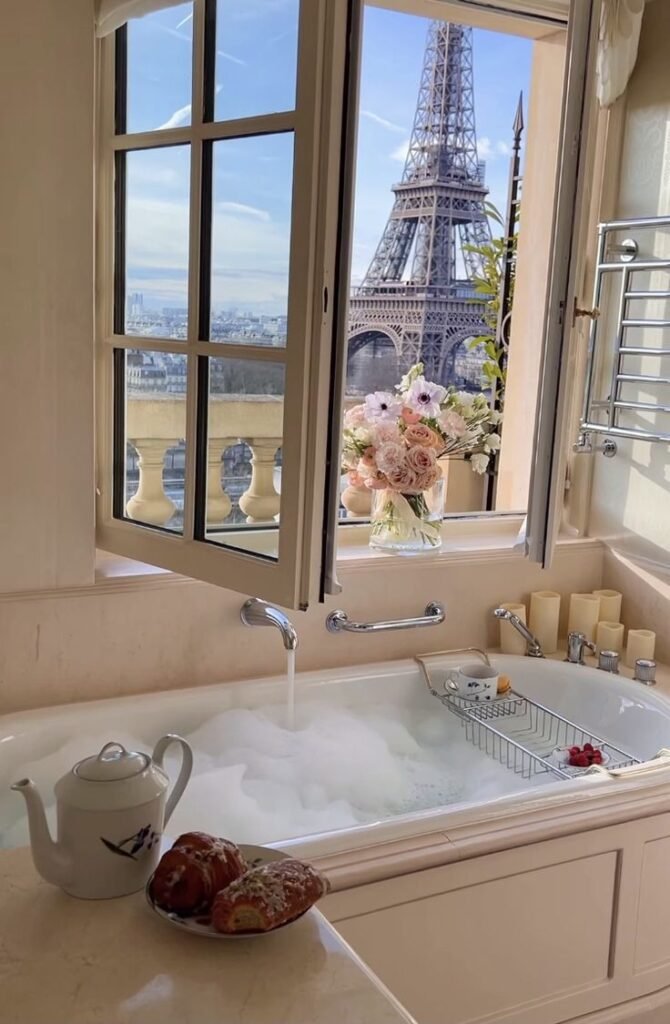

The range of amenities and services can significantly impact your stay, and here, hotels and hostels diverge quite a bit.
Hotels typically boast a comprehensive list of amenities. Think room service, concierges to help with bookings, fitness centers, swimming pools, spas, business centers, conference rooms, and often multiple dining options. In-room amenities usually include complimentary toiletries, hairdryers, coffee makers, mini-fridges, and often a TV with cable. Daily housekeeping is standard, ensuring a fresh room each day. The consistency and breadth of these services are a major selling point for hotel guests.
Hostel amenities are generally more focused on functionality and fostering community. Common kitchens are a huge plus, allowing guests to cook their own meals and save money. Laundry facilities, free (though sometimes slower) Wi-Fi, luggage storage, and tour desks are common. Many hostels have bars or cafes that serve as central gathering points. While daily housekeeping might be less frequent or thorough in dorms, common areas are usually maintained. Don’t expect fancy toiletries or a personal coffee maker; the focus is on shared resources and a communal vibe.



Travel safety is paramount, and the type of accommodation you choose can influence your peace of mind.
Hotels usually offer a higher degree of security. Key card access ensures only guests can enter certain areas or floors. In-room safes provide a secure place for valuables. There are often security cameras, and a 24-hour front desk means there’s always staff on hand to assist. While not entirely foolproof, the structured security measures in hotels offer a strong deterrent against theft.
Hostels require a more proactive approach to security. While most reputable hostels provide individual lockers for valuables (often requiring you to bring your own padlock or rent one), your belongings in a dorm are generally more exposed than in a private hotel room. It’s crucial to always lock up your passport, money, electronics, and any other valuables. Be aware of your surroundings in common areas and trust your instincts about your dorm mates. The open, communal nature means less control over who you’re sharing a space with, so personal vigilance is your best defense.



With a clearer picture of both options, how do you make the right choice for your next adventure? Consider these key factors:



The main difference lies in privacy and social interaction. Hotels offer private rooms and bathrooms, prioritizing personal space and comfort, typically with a range of services. Hostels primarily offer shared dormitory-style rooms and communal facilities, emphasizing affordability and a social atmosphere.
While hostels have traditionally been popular with young backpackers, modern hostels, including “poshtels,” now cater to a broader demographic. You’ll find travelers of all ages, including families and older adventurers, especially those seeking budget-friendly options and social engagement.
Generally, yes, reputable hostels are safe. However, they require more vigilance from guests compared to hotels. Always use the provided lockers for your valuables, be aware of your surroundings, and read recent reviews to choose a well-regarded hostel.
Many modern hostels do offer private rooms, often called “privates.” These rooms provide personal sleeping space but may still come with shared bathrooms, keeping a balance between privacy and the hostel’s social ethos.
Hotels are generally better suited for families with children due to the privacy of individual rooms, private bathrooms, and often family-friendly amenities like pools or kids’ clubs. Hostels can be challenging due to shared spaces and potential noise.
Absolutely! Hostels are significantly more affordable than hotels, especially when booking a dorm bed. This allows travelers to stretch their budget further, extend their trip duration, or allocate more funds to activities and experiences.
Consider your budget, travel style (do you prefer solitude or social interaction?), who you’re traveling with (solo, couple, family), the purpose of your trip, and your personal comfort level with shared spaces. Reading reviews for specific accommodations is always recommended.