Unlock Your Best Hair: Discover 10 Natural Hair Care Tips!

Collage of hair care routines with oils, brushes, and stylish products for nourishing and styling healthy, luxurious hair.

Are you ready to transform your hair from dull to dazzling, without relying on harsh chemicals or expensive salon treatments? Imagine hair that truly glows with health, feels incredibly soft, and boasts a vibrant natural shine. It’s not a dream; it’s entirely achievable when you tap into the power of nature! In this comprehensive guide, we’re diving deep into 10 natural hair care tips that will revolutionize your routine and unlock the best hair you’ve ever had. Get ready to embrace a holistic approach that nurtures your strands from root to tip, leaving you with luscious, resilient, and utterly beautiful hair. Let’s embark on this exciting journey to rediscover your hair’s inherent splendor!
1. Embrace Gentle Cleansing with Sulfate-Free Shampoos

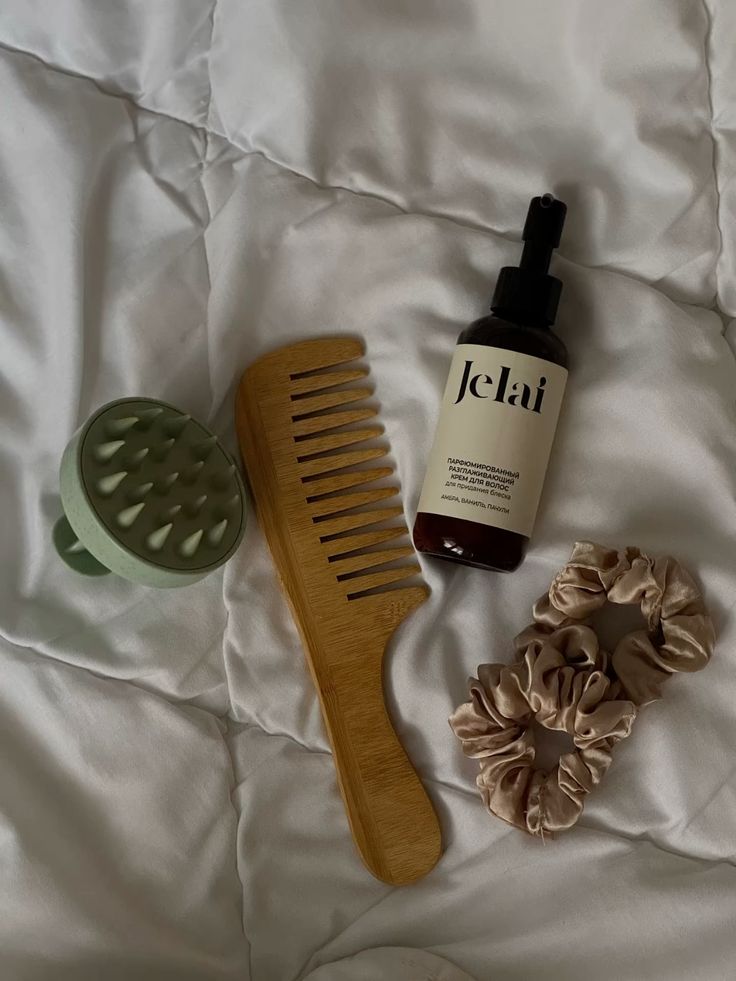
Hair care essentials on a white surface: wooden comb, hair spray, scalp massager, and beige scrunchies for styling and maintenance.
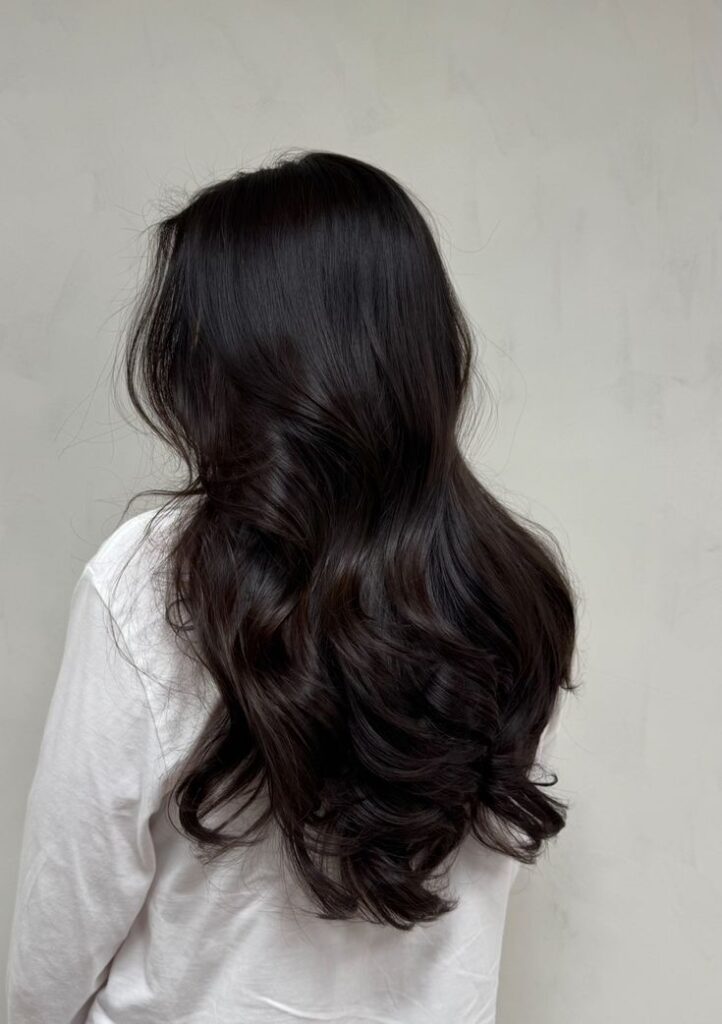
Woman with long, wavy dark hair, wearing a white shirt, showcasing voluminous and healthy hairstyle against a neutral background.

The foundation of healthy hair begins with how you cleanse it. Many conventional shampoos contain sulfates, harsh detergents like Sodium Lauryl Sulfate (SLS) or Sodium Laureth Sulfate (SLES). While they create that satisfying lather, they can strip your hair of its natural oils, leading to dryness, frizz, and even scalp irritation. Imagine stripping away the very moisture your hair craves, leaving it vulnerable and lackluster. That’s precisely what sulfates do.

Why go sulfate-free?
Sulfate-free shampoos use gentler, plant-derived cleansing agents. They clean effectively without depleting your hair’s vital moisture barrier. This is especially crucial for those with dry, fine, colored, or chemically treated hair, as these hair types are more susceptible to damage from harsh cleansers. By retaining natural oils, your hair becomes more manageable, less prone to breakage, and maintains its color vibrancy for longer. Think of it as a protective embrace for your delicate strands, allowing them to thrive rather than just survive.

How to implement:
Switching to a sulfate-free shampoo is straightforward. Look for labels that explicitly state “sulfate-free” or “no sulfates.” When washing, focus the product primarily on your scalp, gently massaging to lift dirt and buildup. Let the lather rinse down the length of your hair, cleansing it without aggressive scrubbing. You might notice less foam, but don’t worry – it’s still working! Aim to wash your hair 2-3 times a week, or less frequently if your hair tends to be dry, to avoid over-cleansing. This gentle approach will pay dividends in the long run, leaving your hair feeling softer, stronger, and incredibly vibrant.
2. Deep Condition and Mask Your Way to Hydration Heaven

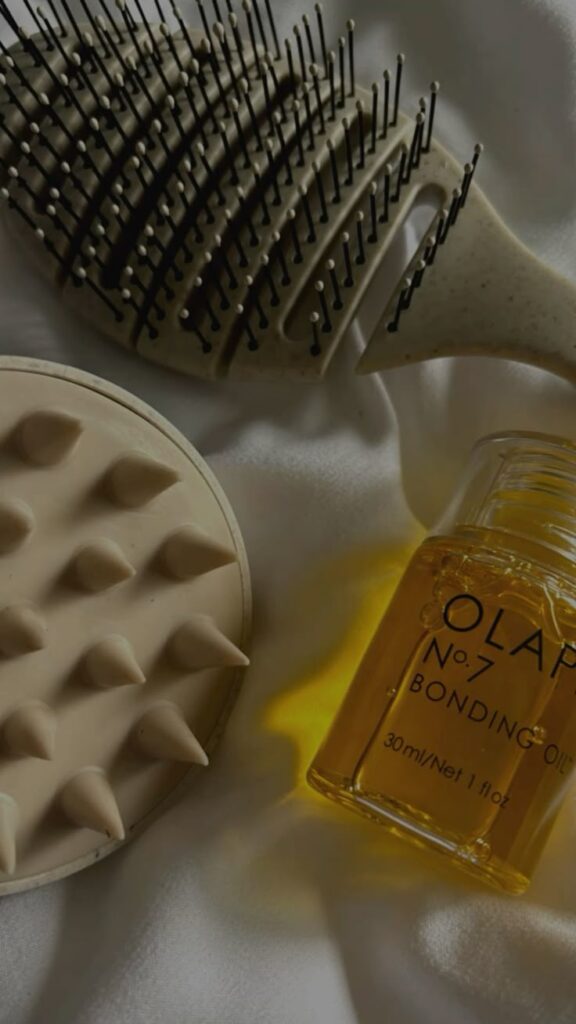
Hairbrush, scalp massager, and Olaplex No. 7 Bonding Oil on white fabric. Hair care essentials for smooth, shiny hair.
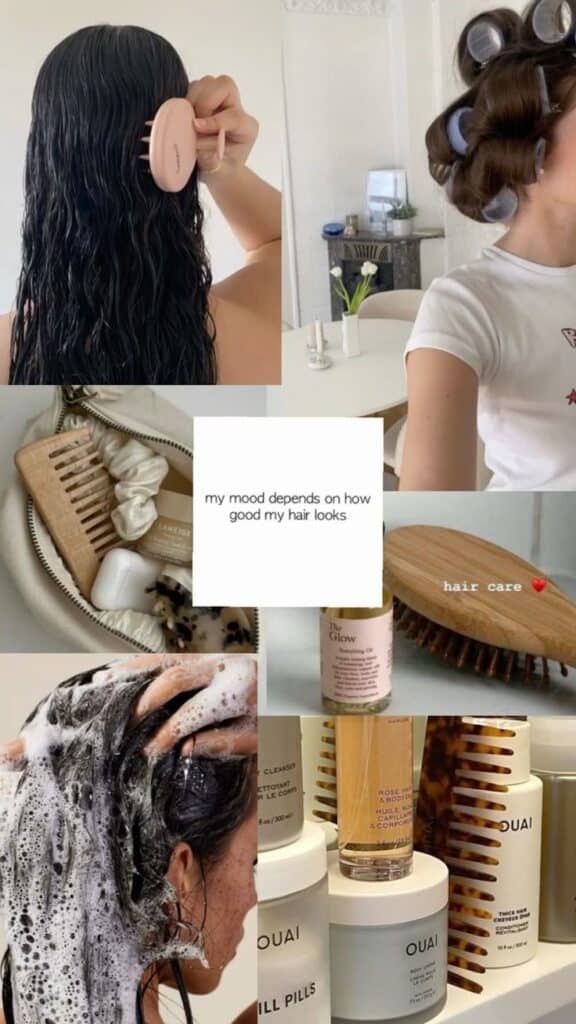
Collage of hair care routine: brushing, washing with shampoo, using products, and setting with curlers for healthy, styled hair.

Just as your skin needs moisturizing, your hair craves intense hydration to remain supple, strong, and shiny. Deep conditioning and regular hair masks are your secret weapons for infusing moisture and nutrients back into your strands, especially after cleansing. Think of your hair as a plant; it needs regular watering and feeding to bloom beautifully! Without this vital step, hair can become brittle, prone to breakage, and dull.

The magic of masks:
Hair masks go beyond daily conditioners. They are concentrated treatments designed to penetrate deeper into the hair shaft, repairing damage, boosting elasticity, and delivering a surge of hydration. Many natural ingredients found right in your pantry offer incredible benefits.

  • Avocado: Rich in healthy fats, vitamins A, D, E, and B6, avocado deeply nourishes and moisturizes.
  • Coconut Oil: A revered natural emollient, coconut oil penetrates the hair shaft to prevent protein loss and add shine.
  • Honey: A natural humectant, honey draws moisture from the air into your hair, keeping it hydrated and soft.
  • Aloe Vera: Soothes the scalp, promotes growth, and provides lightweight hydration.
Woman enjoying avocado face mask spa, natural skincare ingredients like honey in background, relaxing atmosphere.

DIY Hair Mask Recipe:
Combine half a ripe avocado (mashed), two tablespoons of coconut oil (melted), and one tablespoon of honey. Mix thoroughly. Apply this concoction to damp hair, focusing on the mid-lengths and ends. Cover your hair with a shower cap and leave it on for 20-30 minutes. Rinse thoroughly with lukewarm water. Do this once a week or every two weeks, depending on your hair’s needs. This routine is like a spa day for your hair, a truly pampering experience that yields astonishing results. You can even combine this with other self-care routines like a full spa day at home for ultimate relaxation!
3. Master the Art of Gentle Detangling

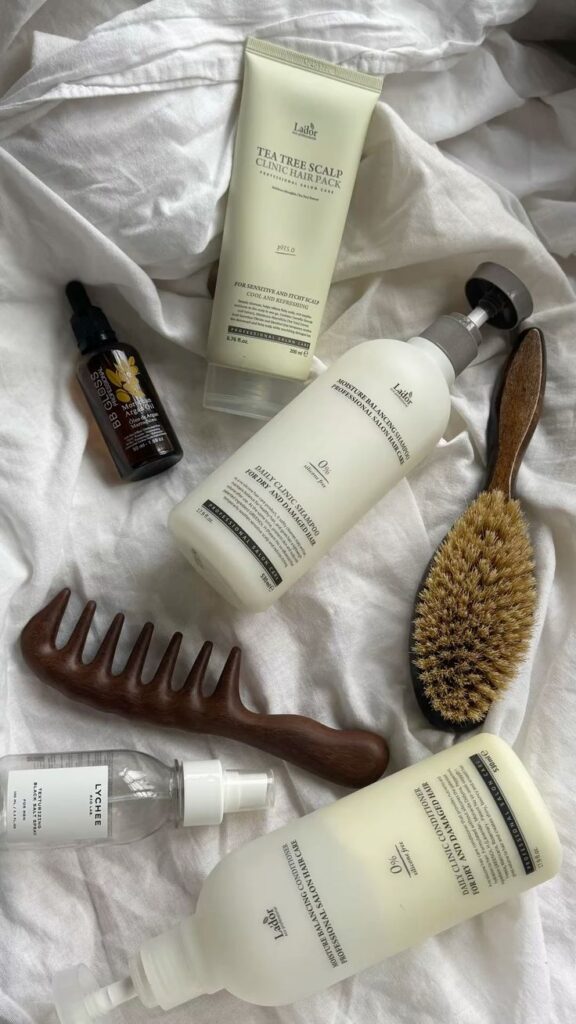
Hair care products with a wooden comb and brush on white fabric. Includes Tea Tree Scalp Hair Pack, conditioner, serum, and spray.
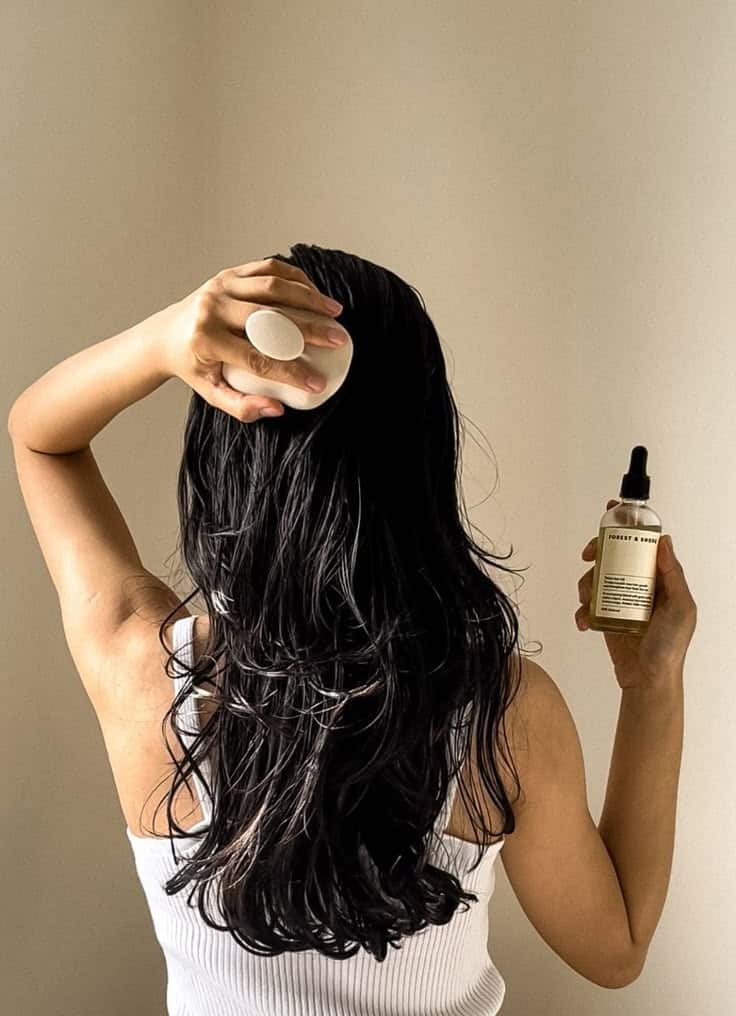
Woman applying hair oil with scalp massager for healthy, shiny hair routine.

Brushing your hair can either be a nurturing act or a destructive battle, depending on your technique. Aggressive brushing or attempting to detangle dry, knotted hair is a major culprit behind breakage, split ends, and hair loss. Imagine trying to untangle a delicate necklace by yanking it – you’d only make it worse! Your hair deserves the same delicate touch.

The right tools and technique:

  • Wide-tooth comb or detangling brush: These tools are designed to glide through tangles without pulling or snagging.
  • Work from the bottom up: This is the golden rule! Start detangling from the very ends of your hair, working your way upwards in small sections. This way, you don’t push knots further down, exacerbating the problem.
  • Use conditioner or a leave-in: Always detangle wet or damp hair after applying conditioner or a leave-in product. The slip provided by these products helps the comb glide through knots effortlessly, minimizing friction and breakage.
  • Fingers first: For very tangled hair, start by gently separating strands with your fingers before introducing a comb.

By adopting a patient, gentle detangling routine, you significantly reduce mechanical damage, helping your hair retain its length and strength. This is a crucial step towards fostering truly resilient hair.
4. Protect Your Precious Strands from Heat Damage

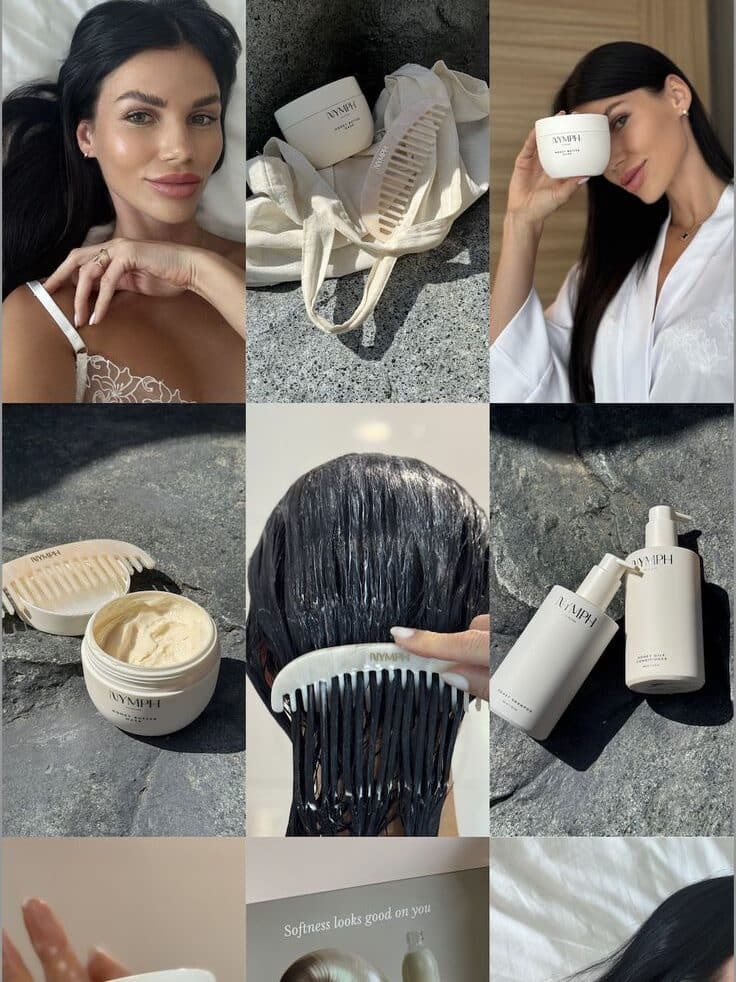
Collage of a woman using Nymph hair products, including a honey butter mask and comb, promoting soft, healthy hair care.
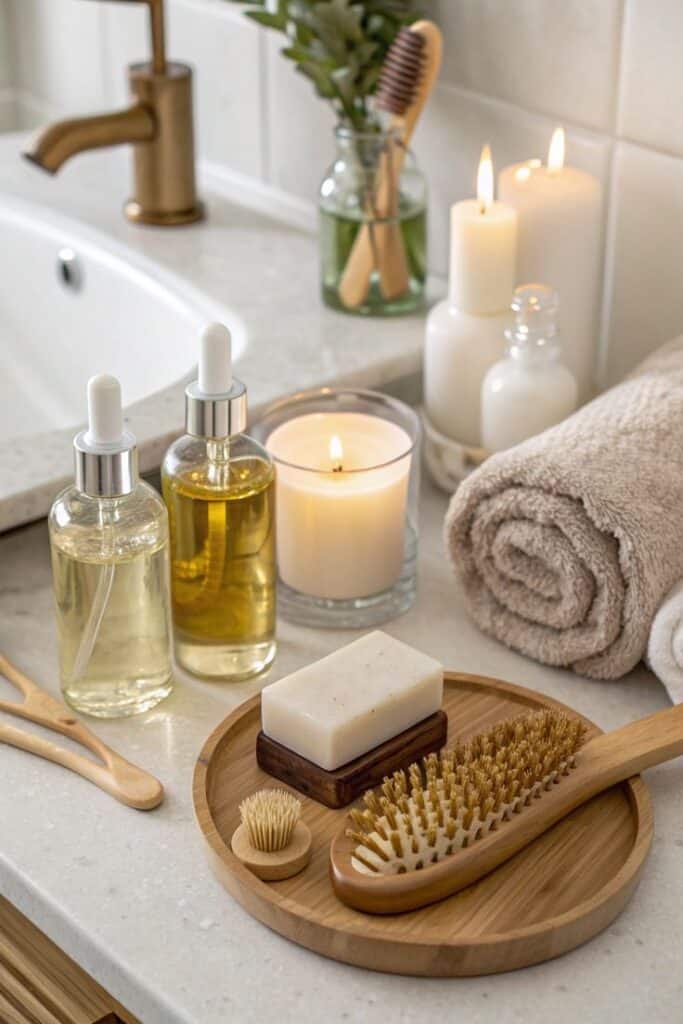
Luxurious bathroom setting with oils, candles, soap, and brush for a relaxing spa-like atmosphere.

In our quest for perfect hair, heat styling tools like flat irons, curling wands, and blow dryers have become ubiquitous. However, excessive heat is one of the most detrimental factors for hair health. High temperatures strip moisture, fry the cuticle, and weaken the hair structure, leading to dryness, frizz, split ends, and irreversible damage. It’s like exposing delicate silk to a scorching iron – the damage is immediate and profound.

Minimize heat, maximize health:

  • Air dry whenever possible: Embrace your natural texture! Air drying is the ultimate heat-free styling method. On days you don’t need a specific style, let your hair air dry completely.
  • Use a microfiber towel: Blot your hair gently with a microfiber towel to remove excess water. This reduces drying time and minimizes friction compared to rough cotton towels.
  • Lower heat settings: If you must use heat, always opt for the lowest effective temperature setting. Higher heat doesn’t necessarily mean better results; it often means more damage.
  • Always use a heat protectant: A quality heat protectant creates a barrier between your hair and the heat tool, minimizing the direct impact. Apply it evenly before any heat styling.
  • Limit frequency: Reserve heat styling for special occasions rather than daily use. Give your hair breaks to recover and rebuild its strength.

By reducing your reliance on heat, you allow your hair’s natural vitality to shine through, improving its texture, strength, and overall appearance. This step is vital for cultivating truly healthy, natural hair.

5. Nourish Your Hair from Within: The Power of Diet and Hydration

Woman in white dress enjoying serenity in a sunlit meadow, eyes closed, embracing nature. Peaceful landscape background.

What you put into your body has a profound impact on the health and appearance of your hair. Your hair follicles are living structures that require a steady supply of nutrients to produce strong, vibrant strands. Think of your diet as the building blocks for every part of your body, including your hair! If you’re looking for other ways to boost your overall wellness, consider incorporating essential vitamins in autumn to prepare your body for the colder months.

Key nutrients for luscious locks:

  • Protein: Hair is primarily made of protein (keratin). Ensure your diet includes lean meats, fish, eggs, legumes, and nuts.
  • Omega-3 Fatty Acids: Found in fatty fish (salmon, mackerel), flaxseeds, and walnuts, these healthy fats nourish the scalp and hair follicles, promoting shine and reducing dryness.
  • Biotin (Vitamin B7): Known for its role in hair growth and strength, biotin is found in eggs, almonds, sweet potatoes, and avocados.
  • Iron: Essential for carrying oxygen to hair follicles. Good sources include spinach, lentils, red meat, and fortified cereals.
  • Vitamins A, C, and E: Antioxidants that protect hair follicles from damage and promote overall scalp health. Think citrus fruits, berries, leafy greens, and nuts.
  • Zinc: Supports hair tissue growth and repair. Found in pumpkin seeds, lentils, and red meat.

Hydration is key:
Just as important as nutrition is proper hydration. Drinking enough water ensures that nutrients are efficiently delivered to your hair follicles and keeps your scalp moisturized. Dehydration can lead to dry, brittle hair and an itchy scalp. Aim for at least 8 glasses of water a day. When your body is well-hydrated, your hair reflects that health with increased elasticity and a natural sheen.

6. Regular Trims: Your Hair’s Best Friend for Growth and Health

Woman in robe by window with long hair, surrounded by beauty products; morning self-care routine.
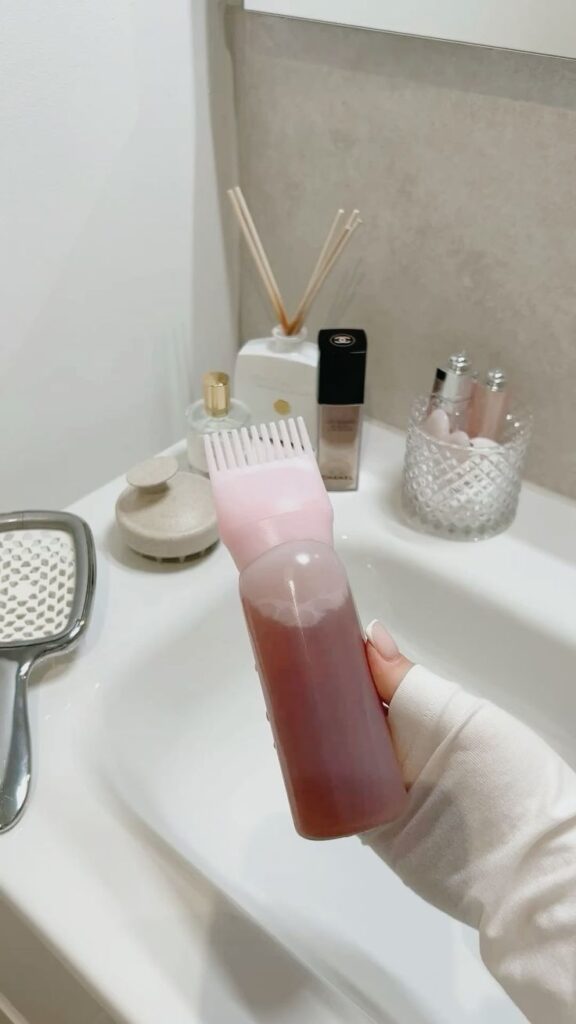
Hand holding hair dye bottle with brush tip in modern bathroom setting, ready for application.

Many people mistakenly believe that trimming hair makes it grow slower. In reality, the opposite is true! Regular trims are absolutely essential for maintaining hair health and promoting actual length retention. Think of it like pruning a plant – removing the dead ends allows the rest of the plant to flourish.

Why trims are non-negotiable:
  • Eliminate split ends: Split ends are literally damaged hair shafts that have frayed at the ends. Once a hair strand splits, it continues to split further up the shaft, causing more damage and making your hair look thin, scraggly, and unhealthy. No amount of product can truly “repair” a split end; you can only temporarily glue it together. The only permanent solution is to cut it off.
  • Prevent breakage: By removing compromised ends, you prevent the damage from traveling up the hair shaft, which would otherwise lead to more widespread breakage and make your hair appear shorter and thinner.
  • Maintain shape and manageability: Trims help maintain a desired shape, remove uneven lengths, and make your hair much easier to comb and style.
  • Promote thickness: While trims don’t make individual strands thicker, by removing thin, damaged ends, your hair appears fuller and healthier overall.
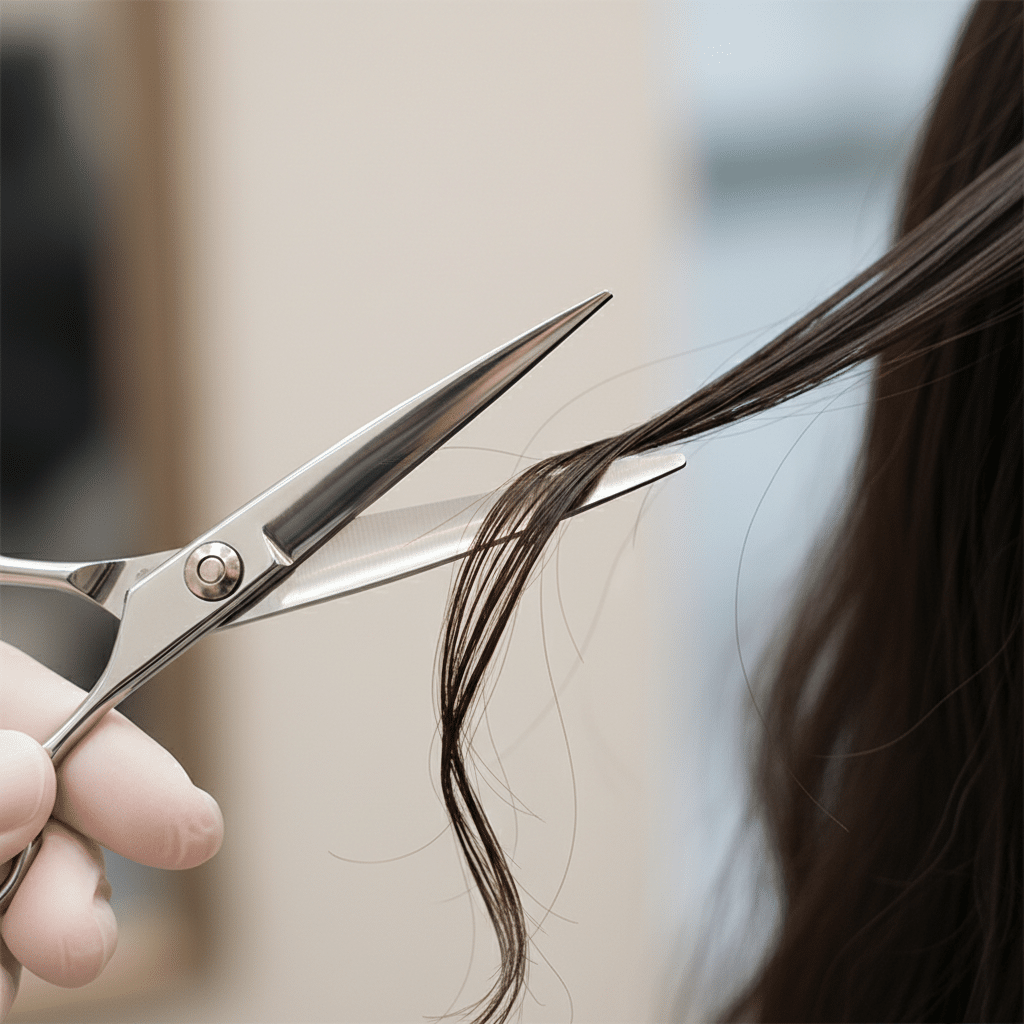
Hair stylist cutting dark hair with scissors in a salon, close-up view. Haircut, haircare, and beauty services concept.

How often?
The frequency of trims depends on your hair type, styling habits, and how quickly your hair grows.

  • For healthy hair aiming for length: Every 8-12 weeks to snip off just the very tips.
  • For damaged or chemically treated hair: Every 6-8 weeks to stay ahead of split ends.
  • For short, styled cuts: Every 4-6 weeks to maintain the shape.

Embrace trims as an integral part of your natural hair care routine. It’s an investment in the long-term health and beauty of your hair.
7. Embrace the Beauty of Protective Styles

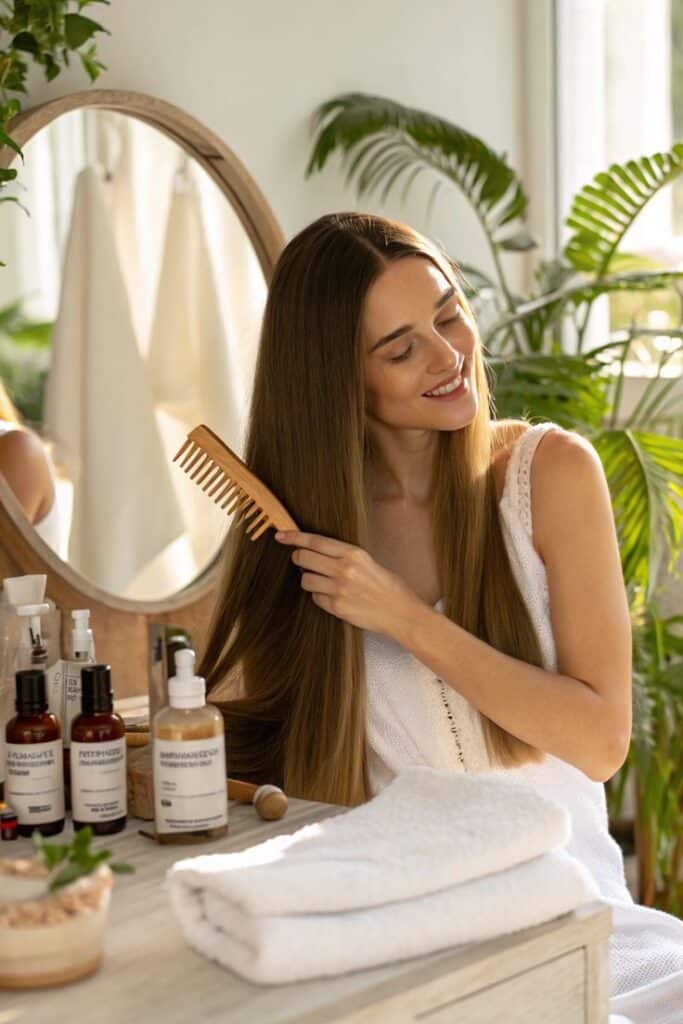
Smiling woman combing long hair in a cozy bathroom with haircare products on the vanity.
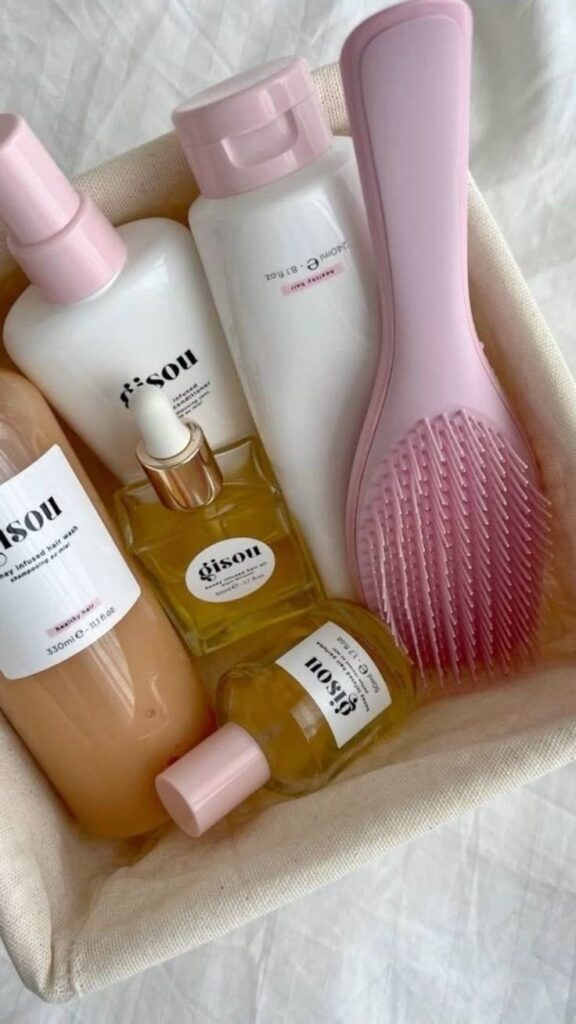
Basket with hair care essentials: shampoo, conditioner, oil bottles, and a pink detangling brush on a soft fabric background.

Protective styles are not just fashionable; they are a cornerstone of natural hair care, especially for those looking to retain length, minimize breakage, and give their hair a much-needed break from daily manipulation. A protective style tucks away your hair ends, which are the oldest and most fragile parts of your hair, shielding them from environmental aggressors, friction, and styling stresses.

What are protective styles?
These styles involve braiding, twisting, or coiling your hair to minimize exposure and handling. Examples include:

  • Braids: Box braids, cornrows, French braids, Dutch braids, twist braids.
  • Twists: Two-strand twists, flat twists.
  • Buns and updos: Low buns, high buns, chignons, braided updos.
  • Wigs and weaves: When installed and maintained correctly, these can also serve as protective styles.

Benefits of protective styling:

  • Reduced manipulation: Less combing, brushing, and styling means less breakage.
  • Length retention: By protecting the ends, your hair is less likely to break off, allowing you to see actual growth.
  • Moisture retention: When hair is tucked away, it’s easier to lock in moisture, preventing dryness.
  • Versatility: You can experiment with different looks without altering your natural hair.
  • Time-saving: Once installed, many protective styles require minimal daily styling, freeing up your time.

Care while in a protective style:
Even in a protective style, your hair needs attention. Keep your scalp clean and moisturized with a light oil or leave-in conditioner. Don’t leave styles in for too long (typically 2-6 weeks, depending on the style) to prevent matting or excessive tension on your scalp. When taking down a style, be incredibly gentle and detangle carefully. Embracing protective styles can truly transform your hair journey, leading to stronger, longer, and healthier hair.
8. Unleash the Power of Scalp Care

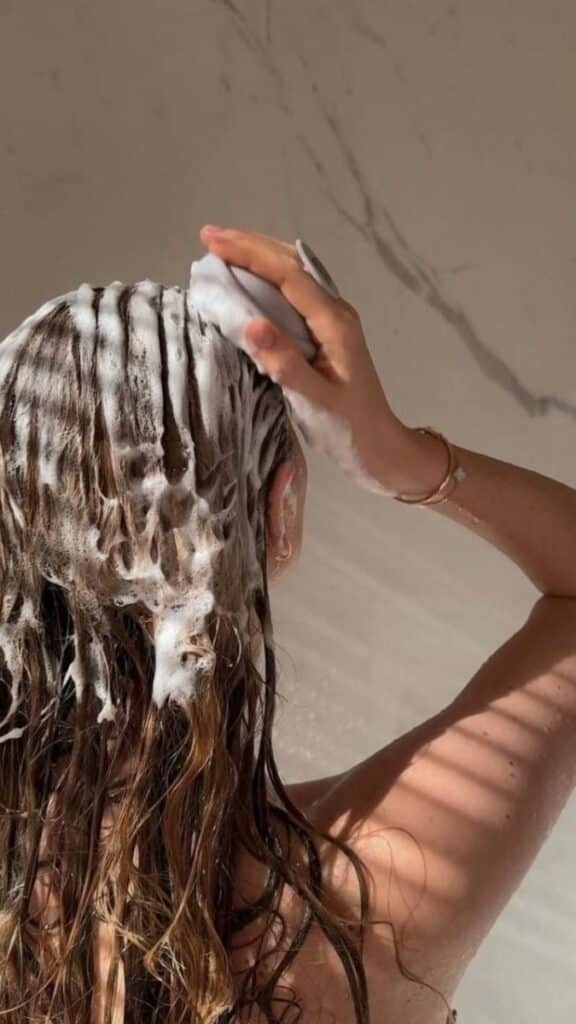
Person washing hair with shampoo, creating lather and foam in a shower setting. Haircare routine, self-care concept.
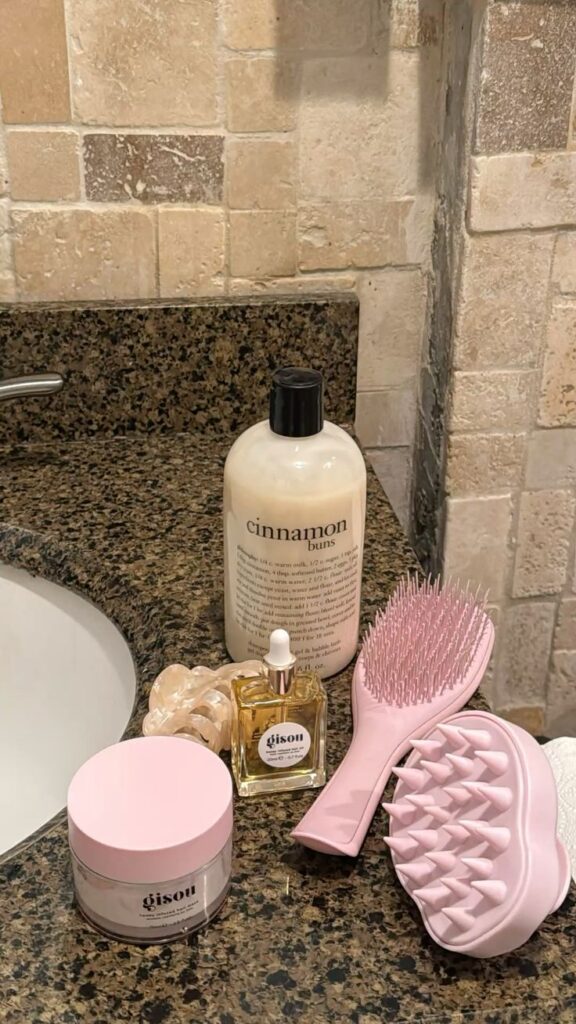
Bathroom vanity with hair care essentials: shampoo, hair oil, cream, brushes, and clips on a granite countertop.

Often overlooked, the health of your scalp is paramount to the health of your hair. Your scalp is the foundation from which your hair grows; if the foundation is compromised, the hair growing from it will inevitably suffer. A healthy scalp is free from buildup, irritation, and dryness, providing the optimal environment for hair follicles to thrive.

Why scalp care matters:

  • Follicle health: Healthy follicles produce strong, thick hair strands.
  • Hair growth: A clean, stimulated scalp promotes better blood circulation, which delivers vital nutrients to follicles, encouraging growth.
  • Preventing issues: Proper scalp care can prevent common problems like dandruff, itchiness, dryness, and even hair loss.
  • Reducing buildup: Products, oils, and environmental pollutants can accumulate on the scalp, clogging follicles and impeding healthy growth.

Natural scalp treatments:

  • Scalp massage: A simple, yet incredibly effective treatment. Regular scalp massages (even just 5-10 minutes a day) stimulate blood flow, relax muscles, and can even promote hair growth. Use your fingertips, not nails, to gently massage your scalp in circular motions.
  • Essential oil blends: Diluted essential oils like peppermint (stimulates circulation), tea tree (antifungal, clarifies), or lavender (soothes) can be massaged into the scalp. Always dilute with a carrier oil like jojoba or almond oil.
  • Apple Cider Vinegar (ACV) rinse: ACV is a natural clarifier that helps balance scalp pH, remove product buildup, and reduce dandruff. Mix one part ACV with two parts water and pour it over your scalp after shampooing. Let it sit for a few minutes before rinsing thoroughly.
  • Exfoliating masks: Gentle natural exfoliants like sugar or coffee grounds mixed with a carrier oil can help physically remove dead skin cells and buildup.

Treat your scalp with the same care you would your face. A little extra attention here will result in dramatically healthier and happier hair.
9. Choose the Right Hair Accessories and Fabrics

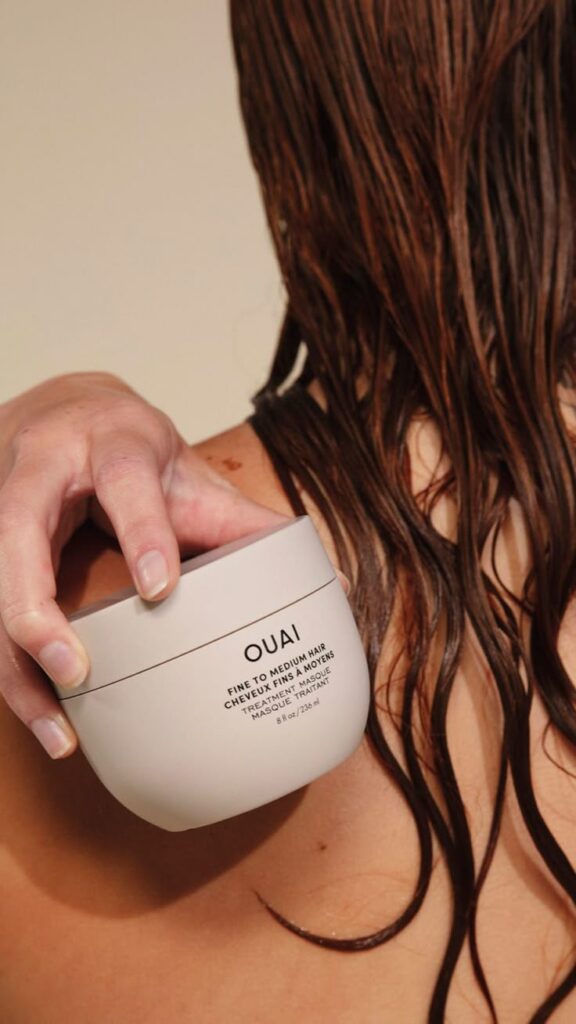
Person applying Ouai hair treatment masque to wet hair for fine to medium texture care.
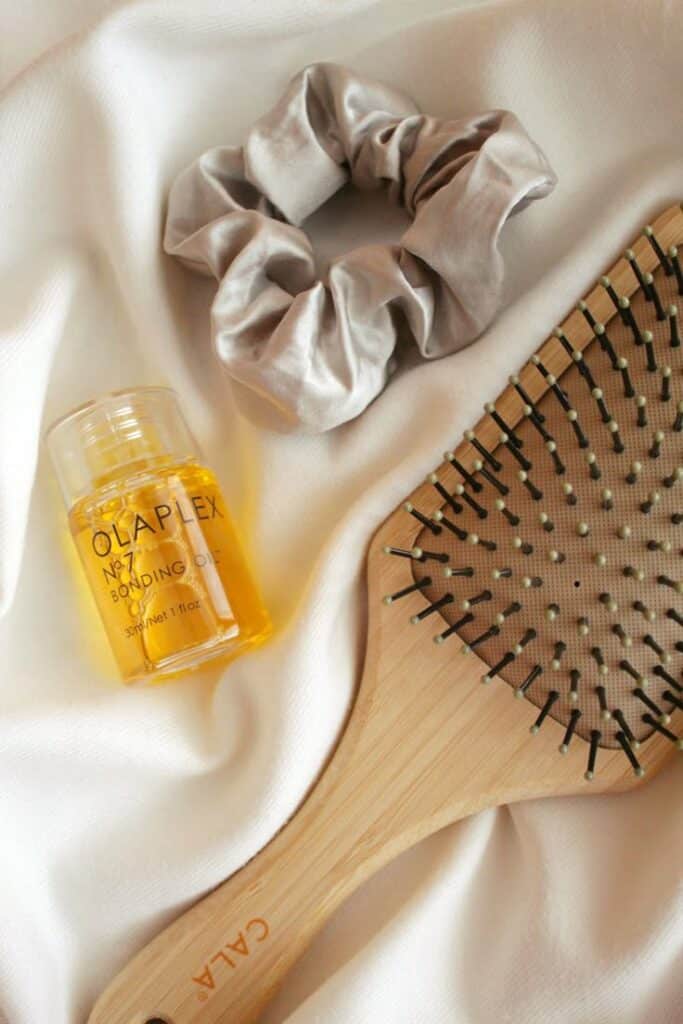
Hair care essentials: bonding oil, wooden paddle brush, and silk scrunchie on a soft white fabric. Perfect for sleek styles.

Believe it or not, the seemingly innocuous items you use daily on and around your hair can have a significant impact on its health. From your pillowcase to your hair ties, the wrong choices can lead to friction, breakage, and frizz. It’s all about minimizing stress and maximizing silkiness! Even choosing the right accessories for your aesthetic makeup shelf organization reflects a commitment to detail that extends to your hair.

Silk/Satin Pillowcases:

  • The problem: Cotton pillowcases absorb moisture from your hair and create friction as you move in your sleep. This leads to dryness, frizz, tangles, and breakage.
  • The solution: Switch to a silk or satin pillowcase. These smooth fabrics allow your hair to glide effortlessly, reducing friction, preserving moisture, and preventing those dreaded “bed head” tangles. They’re a game-changer for hair health, especially for curly or fragile hair types.

Gentle Hair Ties:

  • The problem: Traditional elastic hair ties with metal clasps or tight rubber bands can snag, pull, and break hair strands, creating weak points.
  • The solution: Opt for hair ties made of soft materials like silk, satin, or spiral “telephone cord” hair ties. These distribute tension more evenly and are less likely to cause damage. Scrunchies, especially satin or silk ones, are fantastic for holding hair securely without unnecessary stress.

Wide-tooth combs over brushes (for wet hair):

  • We touched on this in detangling, but it bears repeating: never use a fine-tooth comb or a stiff brush on wet hair. Wet hair is more elastic and vulnerable to breakage. A wide-tooth comb is your best friend.

By making these small but impactful changes to your accessories, you’re actively reducing daily wear and tear on your hair, allowing it to grow stronger and healthier.
10. Master DIY Treatments with Kitchen Staples

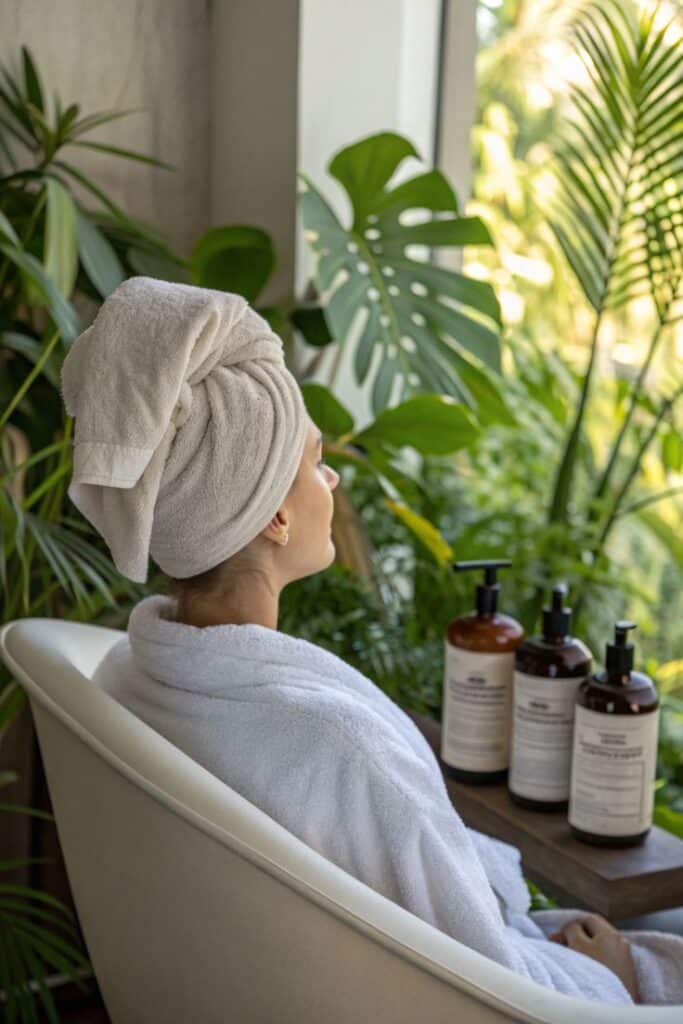
Woman in a spa robe with a towel on her head relaxes with skincare products by a window, surrounded by lush green plants.
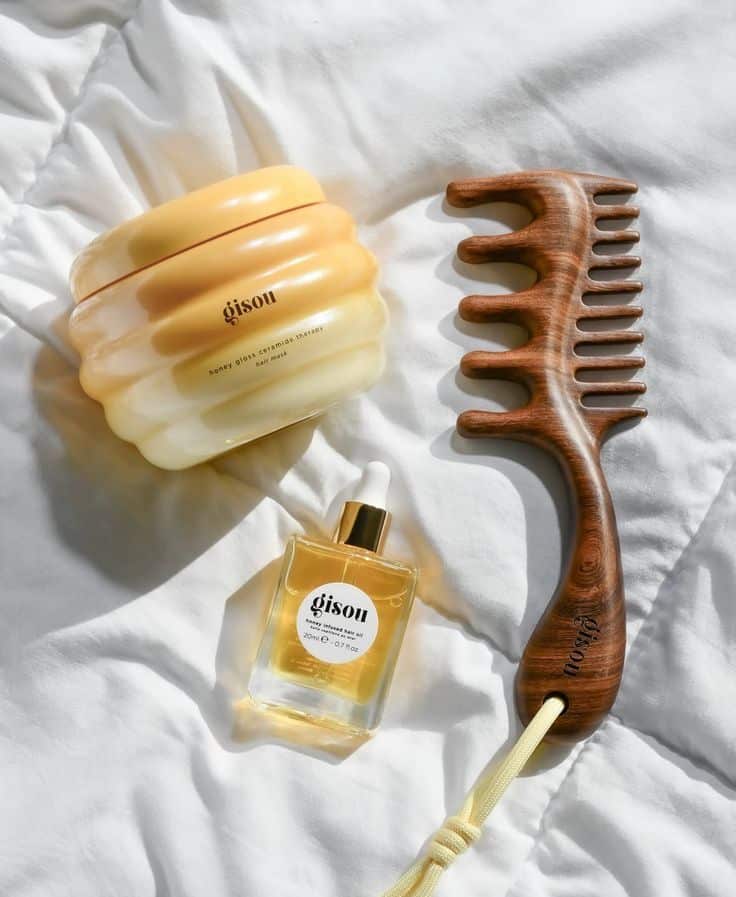
Gisou hair care set with honey-infused oil, mask, and wooden comb on a white background. Perfect for nourishing and styling.

One of the most exciting aspects of natural hair care is discovering the incredible power of ingredients you likely already have in your kitchen. These everyday staples are packed with vitamins, minerals, and proteins that can nourish, strengthen, and shine your hair without the need for synthetic chemicals. Plus, they are incredibly cost-effective!

Explore your pantry for hair magic:
  • Eggs: Rich in protein, eggs are fantastic for strengthening hair and adding shine. The yolk also contains biotin and vitamins.
    • DIY: Whisk one or two eggs (depending on hair length) and apply to damp hair. Leave for 15-20 minutes, then rinse thoroughly with cool water (hot water can “cook” the egg!).
  • Yogurt: Contains lactic acid, which helps to cleanse the scalp and condition hair. It’s also rich in protein for strength.
    • DIY: Plain, unsweetened yogurt can be applied directly to the scalp and hair, left for 20 minutes, then rinsed. Great for soothing an itchy scalp.
  • Olive Oil: A potent moisturizer, rich in antioxidants and vitamin E. Excellent for dry, damaged hair.
    • DIY: Warm a few tablespoons of olive oil and massage into your scalp and hair. Cover with a shower cap and leave for at least 30 minutes (or overnight) before shampooing.
  • Apple Cider Vinegar (ACV): (Reiterating its importance!) Balances pH, removes buildup, and adds shine.
    • DIY: Mix 1 part ACV with 2-3 parts water. Use as a final rinse after shampooing and conditioning. Don’t rinse out for maximum benefits; the smell dissipates as it dries.
  • Aloe Vera: Soothes irritation, hydrates, and promotes hair growth.
    • DIY: Apply fresh aloe vera gel directly to the scalp to alleviate dryness and itchiness. Can also be mixed into hair masks.
  • Rice Water: Fermented rice water is a trending natural treatment, rich in inositol, a carbohydrate that can repair damaged hair and protect it from future harm.
    • DIY: Rinse uncooked rice and let it soak in water for 24-48 hours. Strain the liquid and use it as a rinse after shampooing, leaving it on for 20 minutes before rinsing.
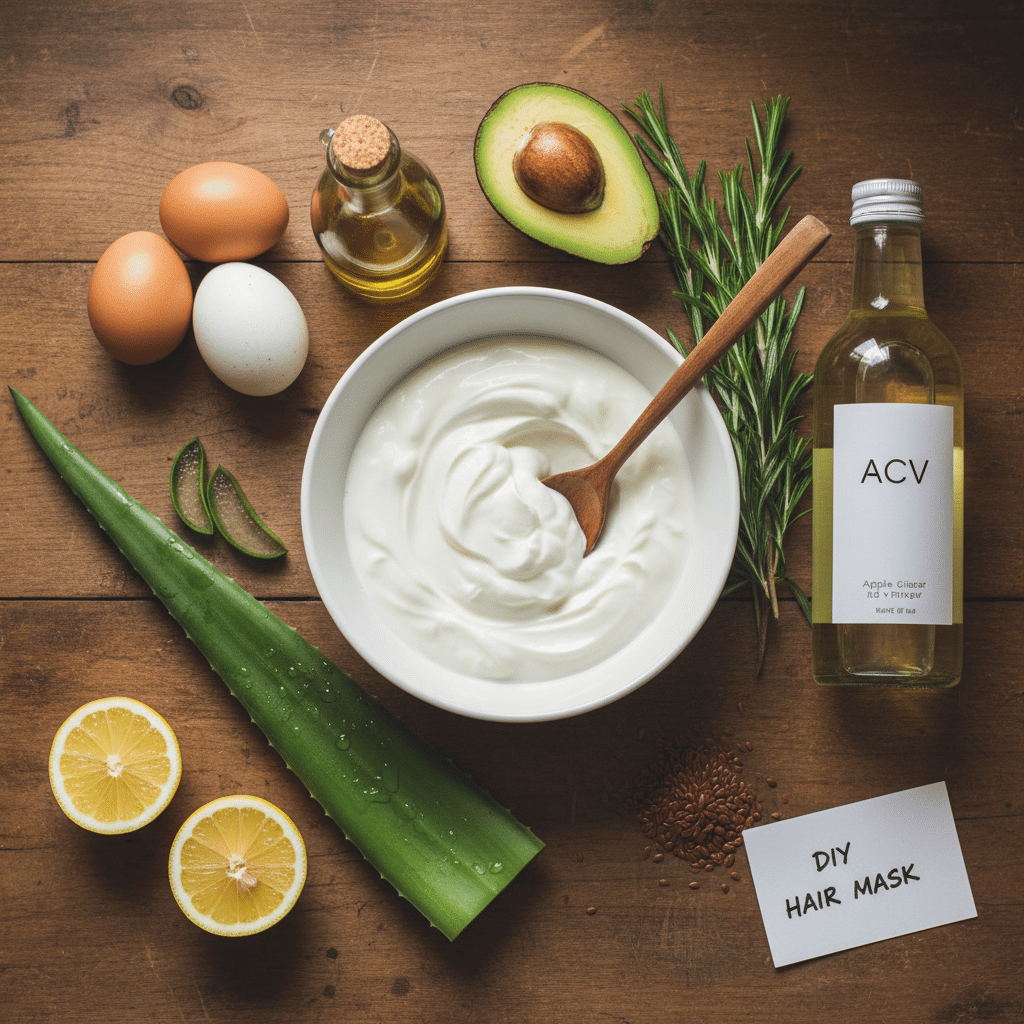
DIY hair mask ingredients: yogurt, avocado, eggs, aloe vera, lemon, olive oil, ACV, rosemary. Natural hair care essentials.

The beauty of these DIY treatments is their versatility. You can mix and match ingredients based on your specific hair needs. Always patch test first, especially with essential oils, and remember consistency is key!

Conclusion: Embrace Your Hair’s Natural Radiance

Smiling woman with long red hair in a sunlit garden, wearing a white blouse, surrounded by greenery and flowers.

Congratulations! You’ve just unlocked a treasure trove of 10 natural hair care tips that promise to transform your hair journey. Moving away from harsh chemicals and embracing nature’s bounty isn’t just a trend; it’s a commitment to your hair’s long-term health, vitality, and undeniable beauty. From gentle cleansing to nourishing from within, and from smart detangling to protective styling, each tip is a stepping stone towards hair that feels as good as it looks.

Imagine waking up to hair that’s softer, stronger, and more luminous than you ever thought possible. By incorporating these natural practices into your routine, you’re not just treating your hair; you’re nurturing it, respecting its natural processes, and celebrating its unique texture. The journey to your best hair is an ongoing adventure, filled with discovery and self-care. So, take these tips, experiment, and find what truly makes your hair sing. Your vibrant, healthy, and naturally beautiful hair is waiting to be unleashed! What are you waiting for? Start your natural hair care revolution today and let your true radiance shine through!

Frequently Asked Questions

What are the biggest benefits of switching to natural hair care?

Switching to natural hair care offers numerous benefits, including reduced exposure to harsh chemicals, minimized hair damage (like dryness and breakage), improved hair strength and elasticity, a healthier scalp environment, and enhanced natural shine and softness. It also often proves more cost-effective in the long run.

How long does it take to see results from natural hair care?

Results can vary depending on your hair’s initial condition and the consistency of your routine. Some people notice improvements in softness and shine within a few weeks, while significant changes in hair strength, growth, and overall health might take 2-3 months or longer. Patience and consistency are key.

Are DIY hair masks really effective compared to store-bought products?

Absolutely! Many kitchen staples like eggs, avocado, coconut oil, and honey are packed with vitamins, proteins, and healthy fats that can deeply nourish and condition your hair. While store-bought products can be effective, DIY masks offer a customizable, chemical-free, and often more affordable alternative, allowing you to use fresh, potent ingredients.

Can natural hair care help with hair loss or thinning?

While natural hair care focuses on overall hair health, certain practices can indirectly support issues like hair loss or thinning. Scalp massages stimulate blood circulation, and a diet rich in essential nutrients (like biotin, iron, and protein) directly contributes to stronger hair follicles. Reducing chemical exposure and heat damage also prevents breakage, which can make hair appear fuller.

Is it okay to wash my hair less frequently with natural products?

Yes, often it’s encouraged! Many conventional shampoos strip natural oils, leading to an overproduction of oil and the need for frequent washing. Natural, sulfate-free shampoos are gentler and help your scalp maintain its natural oil balance, allowing you to gradually extend the time between washes. This can reduce dryness and improve overall hair health.

How can I protect my hair from environmental damage naturally?

Beyond minimizing heat, you can protect your hair by wearing hats in direct sunlight to shield from UV damage, using scarves or protective styles to guard against wind and pollution, and rinsing your hair with fresh water before and after swimming in chlorinated or salt water. Regular deep conditioning also helps create a protective barrier.

What is the most important natural hair care tip for beginners?

For beginners, the most important tip is to focus on gentle cleansing with sulfate-free products and mastering gentle detangling. These two steps lay the foundation for healthy hair by preventing unnecessary damage and preserving natural moisture, making subsequent natural care efforts much more effective.

author avatar
Arina Editor
I'm Arina, writer with a passion for art, teaching, technology, and science. I create engaging blogs and articles, making complex ideas easy and interesting to explore. 29 - December
Previous Article

10 Casual Advancement Tips You Can Use Today!

Next Article

Unlock Your Radiance: Discover the Magic of Hydrating Face Masks!

Write a Comment

Leave a Comment

Your email address will not be published. Required fields are marked *


Handy Home
Discover Handy Home, your ultimate destination for creative home decor ideas, beauty tips, and fun DIY projects